
A Toast for a Friend’s Big Milestone
 Curated byKory White · Fractional CRO · Maryland
 PULSEKNOWLEDGE LIBRARY
Quality
Certified

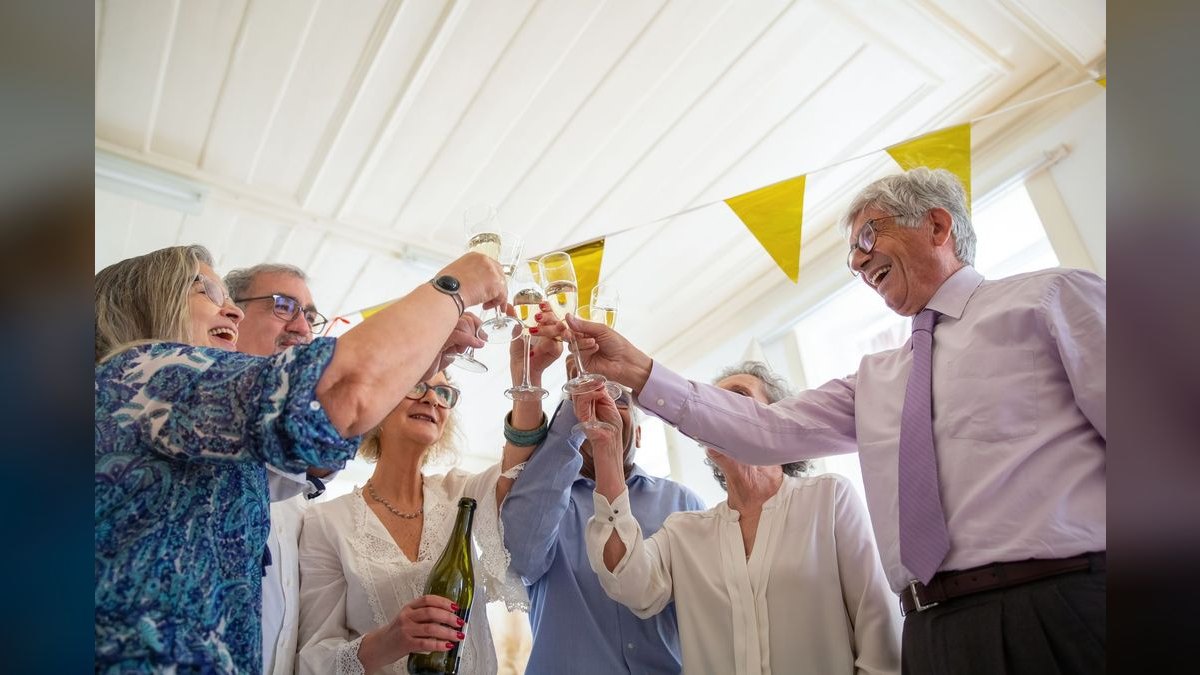
A toast for a friend’s milestone is a short, heartfelt speech that honors their achievement and the journey to get there. It works best when you lead with a specific memory or quality, keep the tone warm and genuine, and end with a simple call to raise glasses together. A great toast makes your friend feel truly seen, not just politely acknowledged, and it deepens the celebration for everyone in the room. Whether you’re toasting a promotion, graduation, birthday, or personal victory, the key is authenticity over perfection.
How Do I Structure a Toast for a Friend’s Milestone?
A memorable toast follows a simple three-part arc: the opening, the story, and the send-off. The opening should be brief and direct — name the person, name the milestone, and set the tone. Avoid long preambles or jokes that require setup; you want everyone in the room to feel included from the first sentence. The story is the heart of the toast. Pick one specific moment that captures your friend’s character — the late-night study session where they refused to quit, the phone call where they shared the news with shaky excitement, the small act of kindness that defined their journey. Keep it to 30–45 seconds; details are powerful, but rambling loses the room. The send-off is your call to action — the actual raising of glasses and the final line that ties everything together. A classic structure is “To [name] — may [this milestone] be just the beginning of [something meaningful].” Practice the toast aloud three times before the event. You’ll find the natural rhythm, trim unnecessary words, and build the confidence to deliver it without reading from a phone. The goal isn’t perfection — it’s presence. A slightly stumbled toast delivered with warmth beats a polished one that feels rehearsed.
What Are the Best Ways to Tailor a Toast for Different Milestones?
Not every milestone calls for the same tone, and not every room responds to the same style. For a professional achievement — a promotion, a business launch, a major contract — keep the toast warm but concise. Focus on the work ethic or the specific skill that led to the win. Avoid inside jokes that exclude colleagues or bosses. A line like “To Sarah — who turned a crazy idea into a real company, and made it look easy” works because it’s specific and inclusive. For a personal milestone — a wedding, a new baby, a recovery anniversary — lean into emotion. This is where you can be vulnerable. Share how your friend’s journey has inspired you. A toast for a sobriety anniversary might be: “To Mike — who showed us that strength isn’t about never falling, but about getting back up every single time.” For a group of close friends celebrating something like a 30th birthday or a move to a new city, humor is your friend. A self-deprecating story about a shared misadventure (the disastrous camping trip, the failed cooking experiment) can land perfectly, as long as it ends by circling back to the friend’s growth. The rule: the more intimate the audience, the more personal the story can be. For a mixed group of family, coworkers, and friends, keep the story universal — something about resilience, kindness, or determination that anyone can appreciate. If you’re unsure, err on the side of warmth. People remember how you made them feel, not the exact words you said.
How Can I Deliver a Toast with Confidence?
Stand up or raise your glass slightly to signal you're about to speak. Make eye contact with your friend first, then scan the room briefly. Speak a little slower than you think you need to — nerves often speed you up. If your voice wavers, pause, take a sip of water, or smile. The room is on your side because everyone is there to celebrate. For a virtual toast, hold your phone or camera steady, speak directly into the mic, and ask others to mute until it's their turn to cheer. Practice the toast aloud three times before the event. You’ll find the natural rhythm, trim unnecessary words, and build the confidence to deliver it without reading from a phone. A helpful tip is to mark one breath in your head right before the final call to raise glasses — that single pause keeps you from sprinting the ending. If you tend to rush when nervous, this technique is especially powerful. For more detailed guidance on timing and delivery, see our article on how to keep a wedding toast under three minutes.

What Should I Do If I Get Emotional During a Toast?
It's normal to get choked up, especially for deeply personal milestones. If you feel tears coming, pause, breathe, and say something honest like, "Okay, I wasn't planning to get emotional, but here we are." That vulnerability often makes the toast more memorable. If someone interrupts or a glass clinks at the wrong moment, just smile and repeat your last line. Keep a backup line in your pocket — something like "And honestly, that's just [friend] — always keeping us on our toes" — to smoothly recover. The audience is on your side because everyone is there to celebrate. A brief, honest moment of emotion often makes the toast more touching, not less. If you need to, take a sip of water or look at your friend for a second to ground yourself. For more on adapting to different audiences, check out our guide on how to tailor a toast to the audience.

How Do I Choose the Right Drink and Moment for a Toast?
The drink you raise matters less than the intention behind it, but thoughtful choices add a layer of meaning. If your friend has a favorite beverage — a specific craft beer, a single-malt scotch they discovered on a trip, a non-alcoholic ginger beer they love — use that. It shows you pay attention. For a group setting, consider a drink that matches the milestone’s origin: champagne for a career win (the classic celebration), a local wine from their hometown for a home purchase, or a simple sparkling water with a twist of lime for a sobriety anniversary. The moment matters as much as the drink. Wait for a natural pause in the conversation — after the main course is served, before dessert, or during a lull when people are refilling glasses. If the event has a host or emcee, coordinate with them so you’re not interrupting a planned program. Stand up, gently clink your glass with a spoon or fork (a single, clear ring — not a frantic tapping), and wait for the room to settle. Don’t rush this pause; it signals that what you’re about to say deserves attention. If you’re nervous, take a slow breath before you begin. The silence is your ally, not your enemy.
What Are Common Mistakes to Avoid When Giving a Toast?
Avoid starting with “I’m not good at toasts” or “I didn’t prepare anything” — it undermines your message and wastes the room’s attention. Don’t ramble; aim for 1–2 minutes maximum. Avoid inside jokes that exclude most of the audience, especially in mixed company. Don’t focus too much on yourself — the toast is about your friend, not your relationship with them. Avoid negative or embarrassing stories, even in jest; the tone should be celebratory and uplifting. Finally, don’t forget to actually raise your glass and invite others to do the same — that’s the whole point of a toast. For more on crafting the perfect message, see our example of a toast for a best friend’s wedding.

How Can I Make My Toast More Personal and Memorable?
The magic of a great toast is in the details. Name the exact milestone — “passed the bar,” “hit a hundred customers,” “got the keys” — rather than saying “this achievement.” Mention a specific hard day or stretch that nobody else saw: the chemo week, the month the funding fell through, the winter they trained in the rain. One detail like this is worth more than every adjective combined. Include a gentle, honest admission that you doubted, worried, or laughed — it makes the pride that follows feel real instead of rehearsed. End with a forward-looking wish that ties the past to the future: “To the work nobody saw and the win everybody can.” This structure makes the toast feel earned and deeply personal.
Related questions
How long should a milestone toast be?
Aim for 1–2 minutes, roughly 3–5 sentences. Any longer and you risk losing the room’s attention. The goal is to honor the moment, not deliver a speech.
Can I include humor in a milestone toast?
Yes, but keep it light and positive — avoid inside jokes that exclude others or anything that could embarrass the friend. A gentle, affectionate joke about a shared experience works well.
Should I prepare the toast in advance or speak off the cuff?
It’s smart to jot down a few key points, even if you plan to speak naturally. A little structure helps you avoid rambling or forgetting something meaningful. Practice once or twice so it feels comfortable, not scripted.
Is it okay to toast with a non-alcoholic drink?
Absolutely. The gesture is about honoring the person, not the beverage. Water, soda, or juice is perfectly fine — just raise your glass with the same warmth and intention.
What if I forget my lines during the toast?
Pause, take a breath, and look at your friend. You can simply say, “What I’m trying to say is…” and finish with a sincere line like “I’m just really proud of you.” The room will appreciate the honesty.
FAQ
What’s the best way to propose a toast for a friend’s milestone? Keep it short, sincere, and personal. Start by acknowledging the achievement, then share a brief memory or quality you admire. End with a warm, forward-looking wish — like “Here’s to many more adventures together.”
How do I handle a virtual toast for a friend’s milestone? Hold your phone or camera steady, speak directly into the mic, and ask others to mute until it’s their turn to cheer. Keep it concise, and consider having everyone raise their glasses on a count of three to create a shared moment despite the distance.
Should I use notes or memorize the toast? It’s fine to use a small card with bullet points, but avoid reading word-for-word. Memorize the key phrases — the opening, the story’s pivot point, and the closing line — so you can maintain eye contact and natural delivery.
What if the friend being toasted is shy or uncomfortable with attention? Keep the toast brief and focus on one specific, positive quality rather than listing achievements. End quickly with a simple raise of the glass — the gesture itself honors them without overwhelming them.
Can I give a toast if I’m not a confident public speaker? Absolutely. A simple, genuine toast delivered with warmth beats a polished one that feels rehearsed. Focus on your friend, not on yourself, and the words will come naturally. Practice once or twice to build confidence.
How do I end a toast gracefully? End by raising your glass and saying the final line — “To [friend]” or “Cheers to [milestone]” — then take a sip. Let the room follow your lead. After the toast, you can sit down or continue the conversation naturally.
What if someone else gives a toast right before me? Acknowledge their toast briefly — “What [name] said was beautiful, and I’d just like to add…” — then keep your toast shorter than planned. Avoid repeating what they already said; instead, offer a new perspective or memory.
Is it appropriate to toast a friend’s milestone at a casual gathering like a backyard barbecue? Yes, casual settings are perfect for toasts. Keep it relaxed, stand up or raise your glass from where you’re sitting, and keep it under a minute. The informal atmosphere makes the gesture feel even more genuine.
Sources
- The Emily Post Institute — Toast Etiquette and Traditions
- Toastmasters International — Tips for Giving a Great Toast
- American Psychological Association — Public Speaking and Personal Milestones
- Harvard Business Review — How to Recognize Achievements and Build Relationships
- National Public Radio (NPR) — Stories and Advice on Celebrations and Rituals
- The New York Times — Cultural Perspectives on Milestone Celebrations
- Verywell Mind — Tips for Public Speaking and Managing Nerves
- Psychology Today — The Psychology of Rituals and Celebrations
Related on PULSE
- A Toast for a Milestone Wedding Anniversary
- A Toast for a Best Friend’s Wedding
- What is the least obvious yet most reliable behavioral marker indicating a person is covertly experiencing spiritual awakening rather than psychiatric decompensation, and how can a clinician distinguish between the two in a single initial interview without relying on self-report?
- A Speech for a Town Hall on a Local Issue
This page will be disappearing soon. Save it to your device for $1 — or read it free while it is here.
@Kory-White- · if Venmo asks, the last 4 of my number are 2012
This page is gone.
This one is off the shelf now. $1 keeps it on your phone for good — the whole page, pictures and diagrams included.
 pulse-speechesSteve Jobs’s Stanford Commencement (2005) — Key Passages and Lessons
 pulse-speechesMartin Luther King Jr.’s I Have a Dream (1963) — Key Passages and Lessons
 pulse-speechesA Welcome Speech for a New Neighbor Gathering
 pulse-speechesA Gracious Award Acceptance Speech
 pulse-speechesNelson Mandela’s I Am Prepared to Die (1964) — Key Passages and Lessons
 pulse-speechesA Toast for a Best Friend’s Wedding
 pulse-speechesA Promotion Celebration Toast for a Teammate
 pulse-speechesA Team Kickoff Speech to Rally a New Quarter
 pulse-speechesVaclav Havel’s New Year’s Address (1990) — Key Passages and Lessons
 pulse-speechesDemosthenes’ The Third Philippic — Key Passages and Lessons