
A Toast for a 90th Birthday
 Curated byKory White · Fractional CRO · Maryland
 PULSEKNOWLEDGE LIBRARY
Quality
Certified
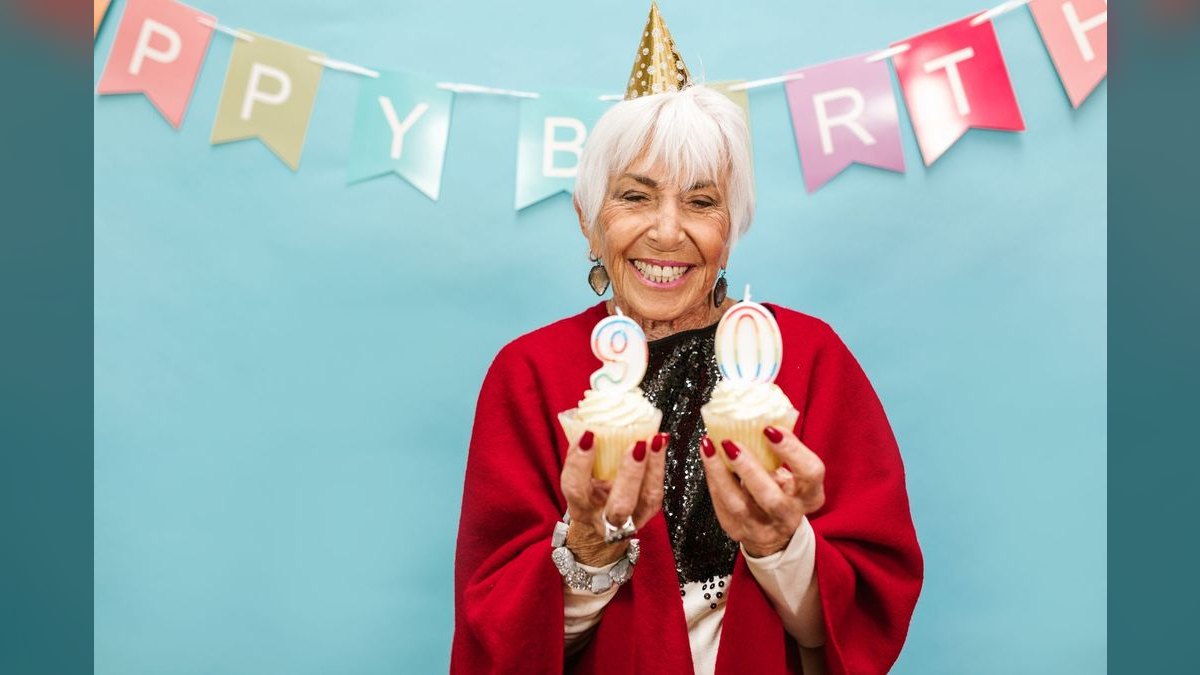
A 90th birthday toast should be heartfelt, brief, and personal, honoring nine decades of life with sincerity rather than length. The best toasts focus on a single vivid memory or quality of the guest of honor, delivered in 90 seconds to two minutes with a warm, unhurried tone. Whether you raise champagne, sparkling cider, or a favorite non-alcoholic drink, the gesture of lifting a glass together matters far more than what's inside it.
The key to a memorable 90th birthday toast is specificity—one true detail about the person you're honoring will resonate more than any sweeping praise. Prepare a small notecard with key points, practice aloud, and let your natural emotion carry the moment.
What Makes a 90th Birthday Toast Different From Other Milestone Toasts?
A 90th birthday toast occupies a unique emotional space—it celebrates longevity while acknowledging the fragility of life. Unlike a 21st or 50th birthday toast, which often focuses on future adventures or achievements, a 90th birthday toast should honor a life fully lived. The tone should be reverent without being somber, joyful without being frivolous.
The audience at a 90th birthday is often multigenerational, spanning great-grandchildren to childhood friends. This means your toast must be accessible to all ages—avoid inside jokes that exclude younger guests, and speak clearly and slowly enough for older ears. The honoree themselves may have hearing difficulties, so project your voice and face them directly.
A 90th birthday toast also carries the weight of legacy. You're not just celebrating one day; you're acknowledging the ripple effects of a person's life across decades and generations. The most powerful toasts for this milestone connect the honoree's past actions to the present moment—how their choices, kindnesses, and character shaped the people in the room.
How Do You Structure a 90th Birthday Toast for Maximum Impact?
The most effective 90th birthday toasts follow a three-part arc: opening acknowledgment, personal reflection, and closing blessing. This structure gives the toast shape without feeling scripted.
Opening acknowledgment (15-20 seconds): Greet the room and name the honoree. A simple line like "Friends and family, could I have your attention for just a moment? I'd like to say a few words about [Name]" works perfectly. This signals the toast is beginning and gives latecomers a chance to settle.
Personal reflection (45-60 seconds): Share one specific memory that captures the honoree's character. Avoid listing accomplishments or summarizing their entire life—that's what a eulogy does. Instead, paint a small scene: "I remember Sunday mornings at your kitchen table, where you'd let me help fold the newspaper while you whistled." The detail should be sensory and true, something only you could tell.
Closing blessing (20-30 seconds): Offer a wish for the future that feels grounded and genuine. For a 90th birthday, avoid "many more years" clichés. Try something like "May your days be filled with the same warmth you've given us, and may you always have a good book, a comfortable chair, and someone to share a laugh with." End by raising your glass and inviting everyone to join: "To [Name]—happy 90th birthday. We love you. Cheers."
Practice this structure aloud three times before the event. Time yourself—if you exceed two minutes, trim the reflection section. A tight, well-paced toast lands harder than a rambling one.
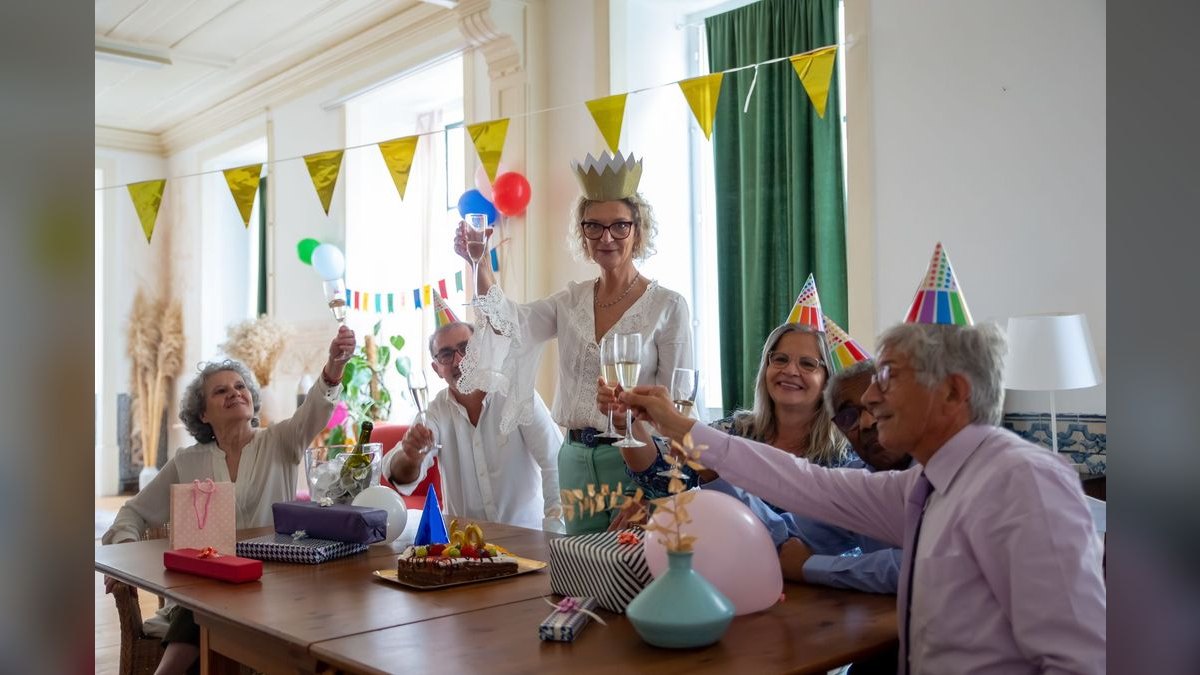
What Should You Avoid in a 90th Birthday Toast?
Several common pitfalls can undermine even the most well-intentioned 90th birthday toast. First, avoid over-the-hill humor—jokes about memory loss, hearing aids, or "one foot in the grave" may seem lighthearted but can sting at this age. The honoree has likely already navigated significant loss and physical changes; your toast should celebrate resilience, not highlight decline.
Second, don't turn the toast into a family history lesson. Listing every marriage, career move, and grandchild birth overwhelms the listener and dilutes the emotional impact. One vivid moment is worth more than a decade of facts.
Third, avoid speaking for others. If you're a close friend, don't try to represent the entire family's feelings. Stick to your relationship with the honoree. If you're a family member, resist the urge to thank everyone in the room—this moment is for the 90-year-old, not a general acknowledgment.
Fourth, never compare the honoree to other family members in terms of health, longevity, or achievements. This creates awkwardness and can spark unintended tension.
Finally, don't read the entire toast verbatim from a piece of paper. A small notecard with bullet points is fine—the honoree will see you care enough to prepare—but your eyes should be on them, not the page. Reading word-for-word feels distant and impersonal.
How Do You Handle Family Dynamics and Sensitive Moments During the Toast?
A 90th birthday gathering often brings together family members who may not see each other often, and with that comes potential for unspoken tensions or grief. The toast is not the place to resolve conflicts, but it can acknowledge the room's emotional landscape with grace.
If the honoree has lost a spouse, sibling, or child in recent years, acknowledge that absence briefly and pivot to celebration. A line like "We carry [name] in our hearts today, and we know they'd want us to raise a glass to the remarkable life still being lived" honors the loss without dwelling on it. If the room is especially tender, ask a close family member beforehand if they'd prefer the toast avoid any mention of loss entirely.
Avoid mentioning absent family members by name unless you've confirmed they're not attending due to valid reasons. "We miss those who couldn't be here" is sufficient and inclusive.
If you're the toast-giver and emotions run high, pause, take a breath, and smile. A moment of silence while you collect yourself is far better than rushing through tears. The emotion you feel is the toast itself—it's not a flaw in your delivery.
What Drink Should You Choose for the Toast at a 90th Birthday?
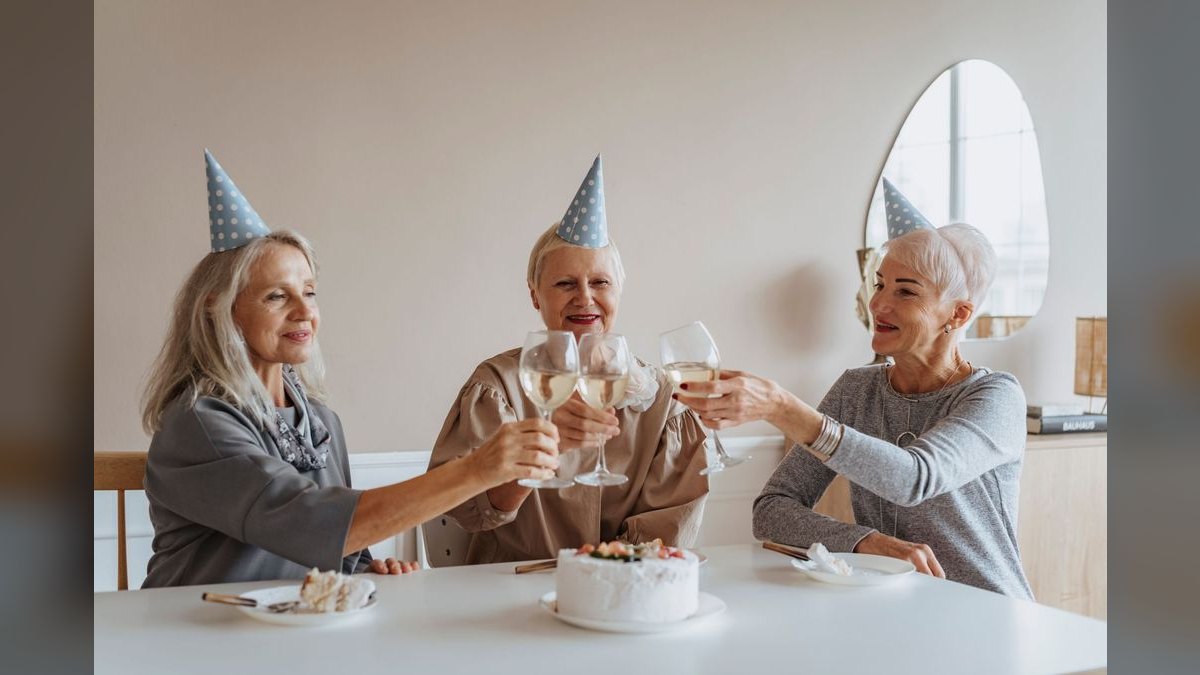
The beverage for a 90th birthday toast should prioritize the honoree's comfort and preferences over tradition or spectacle. If they've never been a wine drinker, a fancy champagne flute might feel performative rather than celebratory.
Practical considerations: Many 90-year-olds have reduced alcohol tolerance or take medications that interact with alcohol. Always offer a non-alcoholic option as the primary choice, not an afterthought. Sparkling cider, high-quality juice, or a simple glass of their favorite tea works beautifully.
If alcohol is appropriate: A well-aged spirit (Scotch, bourbon, or brandy aged 12-18 years) mirrors the milestone's significance. A single 750ml bottle is appropriate for a small gathering. Pour no more than 1-1.5 ounces per glass—the focus is on the toast, not the drink. For sparkling wine, a non-vintage brut from a reputable house or a California sparkling offers celebratory bubbles without overwhelming sweetness.
Practical serving tips: Fill glasses only halfway to prevent spills during the clink. Have water available immediately after the toast—a 90-year-old's mouth can dry quickly. If the honoree uses a walker or has limited hand mobility, offer a shorter, wider glass (like a rocks glass) instead of a tall flute. Stability matters more than elegance.
Avoid trendy cocktails, overly sweet mixers, or anything with multiple ingredients. At 90, simple is sophisticated. A single, quality ingredient in a clean glass honors the milestone without distraction.
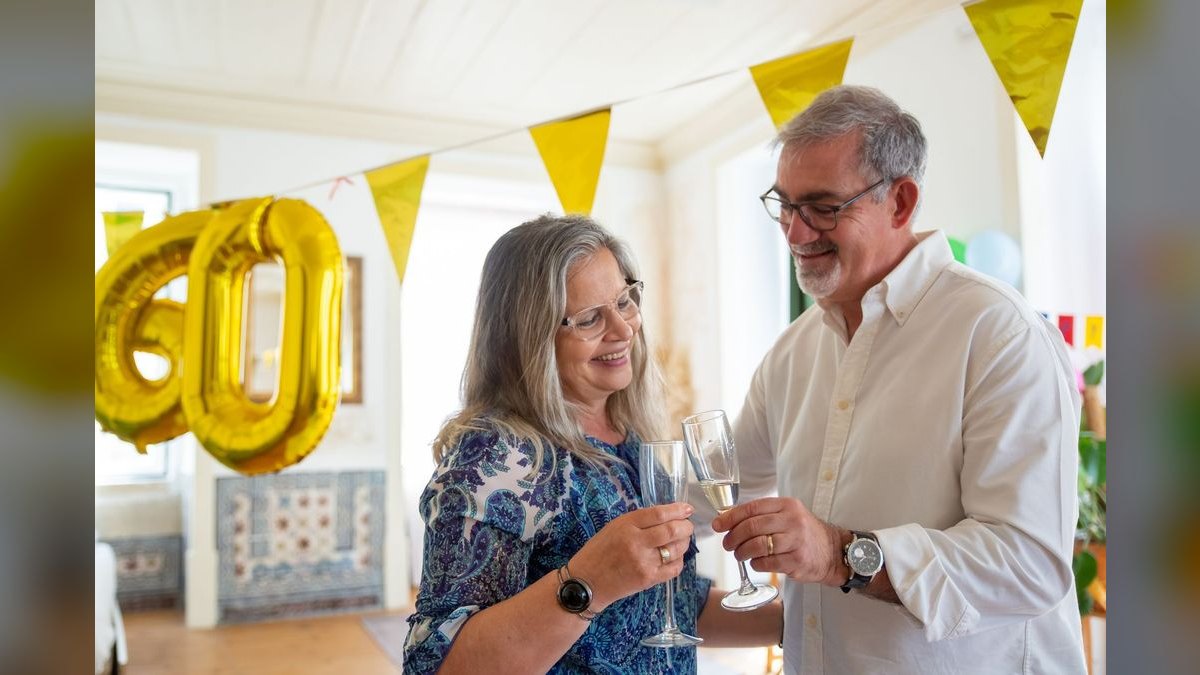
How Can You Personalize a 90th Birthday Toast Without Making It Too Long?
The key to personalization without length is one specific, sensory detail that captures the honoree's essence. Instead of saying "You were always kind," describe a moment: "I'll never forget how you'd save the last cookie for me, even when you wanted it yourself." That single image conveys more than a dozen abstract compliments.
To find your material, ask yourself three questions:
- What is one thing this person says or does that everyone in the family imitates?
- What did they teach you that you only understood years later?
- What small, ordinary moment with them do you replay most often?
Write down the answer to one of these questions—no more than three sentences. That's your reflection section. If you find yourself adding more memories, stop. One vivid detail is enough.
For the closing blessing, tie it back to the honoree's character. If they're a gardener, wish them "more springs to watch the tulips bloom." If they're a reader, wish them "more evenings with a good book and a cup of tea." This small specificity makes the toast feel crafted for them alone.
A 90th birthday toast that's 90 seconds long and contains one true memory will always outperform a five-minute speech filled with general praise. The honoree will remember the detail, not the duration.
FAQ
What if I get emotional while giving the toast? It's completely normal and often touching. If you feel tears coming, pause, take a sip of water, or take a breath. Many people find it helps to focus on the joy of the moment rather than trying to suppress emotions.
Should I include other family members in the toast? Yes, inviting others to raise their glasses or share a brief word can make the toast more inclusive. Just keep it structured so the focus stays on the birthday person. A simple "Let's all raise our glasses to…" works well.
Can I use a written script for the toast? A small notecard with bullet points is fine, but avoid reading the entire toast verbatim. The honoree will see you care enough to prepare, but your eyes should be on them, not the page.
What if the honoree has dementia or memory loss? Focus on the present moment and the love in the room. Avoid testing their memory or asking them to recall events. A simple, warm toast about who they are today is the most meaningful gift.
How do I practice the toast effectively? Practice aloud three times before the event. Time yourself to ensure you're under two minutes. Record yourself on your phone to check your pace and clarity. Practice in front of a mirror to work on eye contact.
What's the best opening line for a 90th birthday toast? "Friends and family, could I have your attention for just a moment? I'd like to say a few words about [Name]." This is simple, clear, and signals the toast is beginning without being overly formal.
Should I toast with water if I'm the designated driver? Absolutely. Any beverage works—the gesture of raising a glass together is what matters. You can even mention that you're toasting with water to honor the moment without alcohol.
How do I end the toast gracefully? Raise your glass higher, make eye contact with the honoree, and say "To [Name]—happy 90th birthday. We love you. Cheers." Then take a sip and let the room respond naturally.
Sources
- AARP - Celebrating Milestone Birthdays
- The Spruce Eats - Toasting Traditions and Speech Tips
- Emily Post Institute - Toasting Etiquette for Special Occasions
- National Institute on Aging - Health Considerations for Elderly Celebrants
- Hallmark Cards - 90th Birthday Toast Wording and Messages
- Martha Stewart Living - Party Planning for Milestone Birthdays
- Verywell Health - Alcohol and Medication Interactions in Older Adults
Related on PULSE
This page will be disappearing soon. Save it to your device for $1 — or read it free while it is here.
@Kory-White- · if Venmo asks, the last 4 of my number are 2012
This page is gone.
This one is off the shelf now. $1 keeps it on your phone for good — the whole page, pictures and diagrams included.
 pulse-speechesA Retirement Speech for a Military Officer
 pulse-speechesA Toast for a Gender Reveal
 pulse-speechesA Retirement Speech for a Doctor
 pulse-speechesHow to Practice a Speech So It Sounds Natural in 2027
 pulse-speechesA Toast for a 30th Birthday
 pulse-speechesA Retirement Speech for a CEO
 pulse-speechesA Toast for a Milestone Wedding Anniversary
 pulse-speechesA Speech for a Customer Appreciation Event
 pulse-speechesHow to Tailor a Toast to the Audience in 2027
 pulse-speechesA Toast for a Baby Shower