
A Toast for a 50th Anniversary
 Curated byKory White · Fractional CRO · Maryland
 PULSEKNOWLEDGE LIBRARY
Quality
Certified
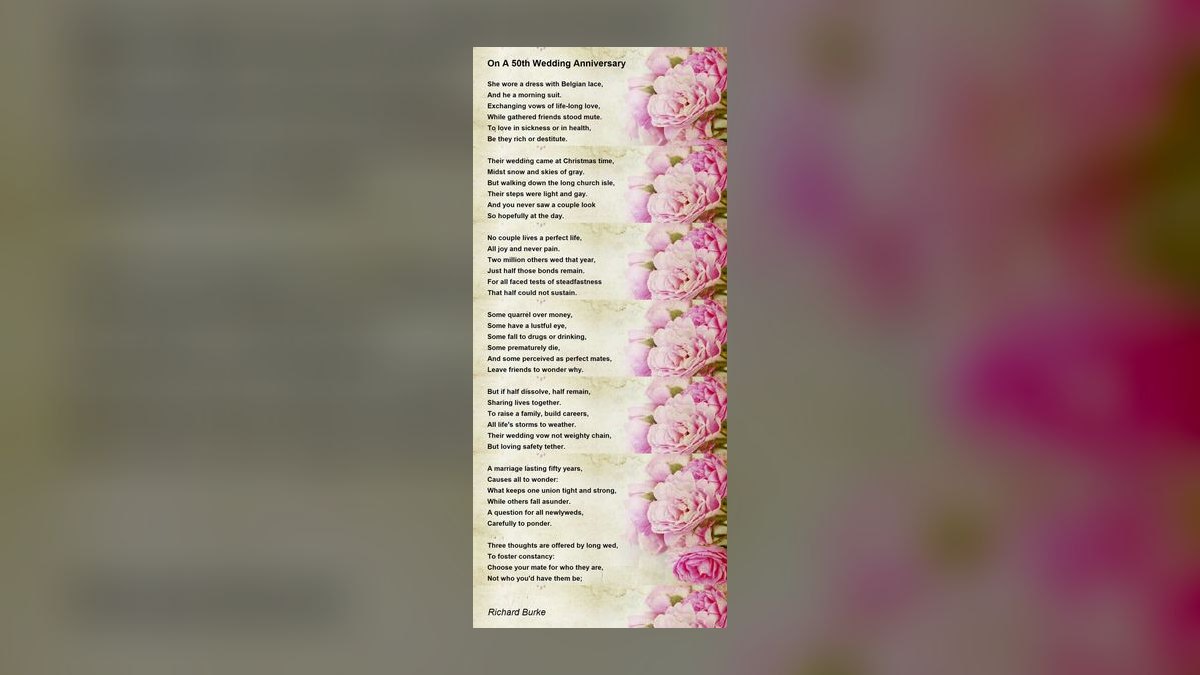
A 50th anniversary toast should honor five decades of partnership with warmth, specificity, and genuine emotion. The most memorable toasts follow a clear arc: gratitude for the couple's example, a specific memory that captures their relationship, and a forward-looking wish for their future. Keep your delivery between 90 seconds and 3 minutes, speak slower than feels natural, and always focus on the couple rather than your performance.
For a golden anniversary, the best toasts balance light humor with sincere reflection. Begin by acknowledging the couple's journey, share one authentic detail only you would know, then raise your glass with a simple wish for continued happiness. The room wants permission to feel the moment—give it to them by being honest about both the joy and the challenges fifty years together requires.
What Makes a 50th Anniversary Toast Different from Other Toasts?
A golden anniversary toast carries unique weight because it honors a lifetime of shared history, resilience, and growth. Unlike a birthday toast or retirement send-off, this milestone represents five decades of daily choosing each other through everything life brings. The tone should acknowledge that depth without becoming heavy. Successful toasts at this milestone often include three elements: recognition of the couple's longevity, a nod to the difficulties they've weathered together, and gratitude for the example they've set. Avoid generic language—phrases like "you're an inspiration" land better when paired with a concrete reason why. For example, "You're an inspiration because I've never seen two people argue over a crossword puzzle and then make up while doing dishes with such grace." This specificity transforms a platitude into a genuine tribute.
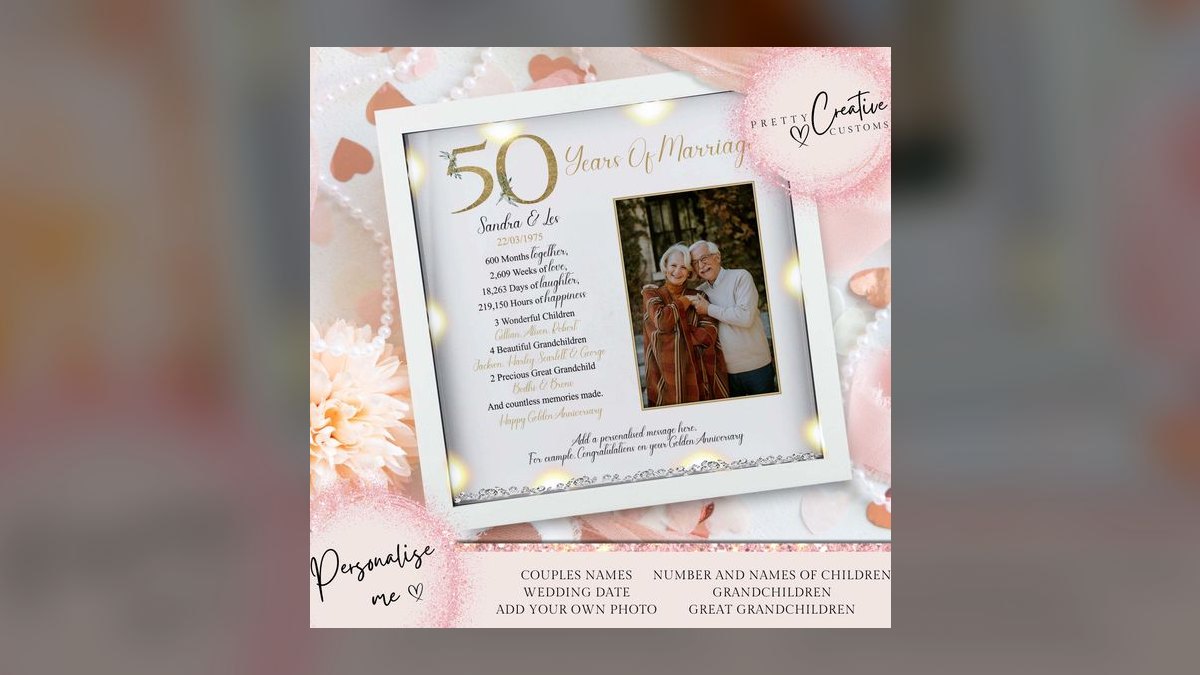
The audience at a 50th anniversary often spans multiple generations, from the couple's siblings and friends to grandchildren and great-grandchildren. Your toast should speak to this wide range without alienating anyone. Focus on universal themes: commitment, partnership, the quiet dignity of a life built together. If you're a family member, weave in a lighthearted observation about the couple's quirks—like how they still finish each other's sentences or argue over who makes the better pot roast. If you're a friend, emphasize the constancy of their bond and how it has inspired your own relationships. For younger relatives, a short line about what their grandparents' marriage has taught them can be incredibly powerful. The key is authenticity: speak from your real experience with the couple, not from a template.
How Do You Structure a 50th Anniversary Toast That Works?
The most effective structure for a golden anniversary toast follows a simple arc: open with gratitude, center the couple's story, and close with a blessing. Start by thanking everyone for gathering—"Thank you all for being here to celebrate two people who've shown us what love really looks like." Then share one specific, genuine memory that captures their partnership: a small daily ritual, a challenge they weathered together, or a moment of quiet kindness you witnessed. End with a wish that feels earned, not generic—something like, "May your next chapter be filled with the same steady joy you've given each other all these years." Keep the whole thing under two minutes if you're nervous; sincerity matters more than length.
This structure works because it gives the audience a clear emotional journey. The gratitude opens their hearts, the memory grounds the toast in reality, and the wish sends them into the celebration feeling uplifted. Practice the arc aloud at least twice before the event, paying attention to where you naturally pause. Those pauses are where the room catches up emotionally with your words. A well-timed silence after "fifty years" or before the final line can be more powerful than any sentence you write.
What Specific Details Should You Include in a 50th Anniversary Toast?
The difference between a forgettable toast and a memorable one comes down to specificity. Generic praise like "you're such a wonderful couple" fades immediately, while a single concrete detail can make the room smile for years. When preparing your toast, ask yourself three questions: What's a phrase one of them always says to the other? What did they get through together that the room would nod at? What's one thing you learned about love just from watching them? The answers to these questions give you material that no one else could deliver. For example, "Grandpa still brings Grandma coffee in bed every morning, even after fifty years—and she still pretends to be surprised" is a line that carries both humor and deep affection.
Avoid inside jokes that only a handful of people will understand, but don't be afraid to include details that the couple themselves would recognize. The sweet spot is a detail that the couple knows intimately and the room can appreciate universally. If you're struggling to find the right memory, think about what you'd miss most if you couldn't see them together anymore. That instinct usually points to the right story. Also consider the timing of your detail—place it early enough to establish authenticity but not so early that it feels like the whole toast. A single, well-chosen memory is more powerful than a list of several.
How Do You Handle Delivery and Nerves at a 50th Anniversary?
Even experienced speakers can feel nervous before a toast at a milestone event where emotions run high. The best way to manage this is to prepare for the unexpected. Have a printed copy of your toast on a small card or your phone, but don't read it verbatim—use it as a safety net. If your voice wavers or you tear up, pause, take a breath, and smile. The audience will not judge you for showing emotion; in fact, they'll likely feel more connected to your words. If the microphone malfunctions or someone's glass clinks mid-sentence, simply pause and continue. A brief, good-natured comment like "Even the sound system wants to clap for them" can diffuse tension and bring laughter.
Speak slower than feels natural—toasts always come out faster than you rehearse. Pause after "fifty years" and again before the final line; silence is your friend here. Make eye contact with the couple at the start and the very end, and sweep the room in the middle. If your voice cracks on the emotional line, let it—don't apologize, just breathe and keep going. Remember that the couple is the focus, not your performance. If you forget a line, skip it and move on—no one knows what you planned to say except you. A slightly imperfect toast delivered with warmth will always outshine a flawless one that feels rehearsed or distant.
What Are the Etiquette Rules for a 50th Anniversary Toast?
Timing and positioning matter for a golden anniversary toast. Wait until all guests have a filled glass—champagne, sparkling cider, or even water works fine. Stand near the couple so they're the visual focus, not you. Tap your glass gently to signal the start (a butter knife on crystal works well), then wait for quiet. Hold your glass at chest height, not above your head, and make eye contact with the couple as you speak. When you finish, say "To [Name] and [Name]" and take a sip—everyone follows. Avoid clinking glasses afterward; it's dated and can chip fine crystal. If you're the toast-giver, ask the venue or host to have a backup glass ready in case you drop or spill yours.
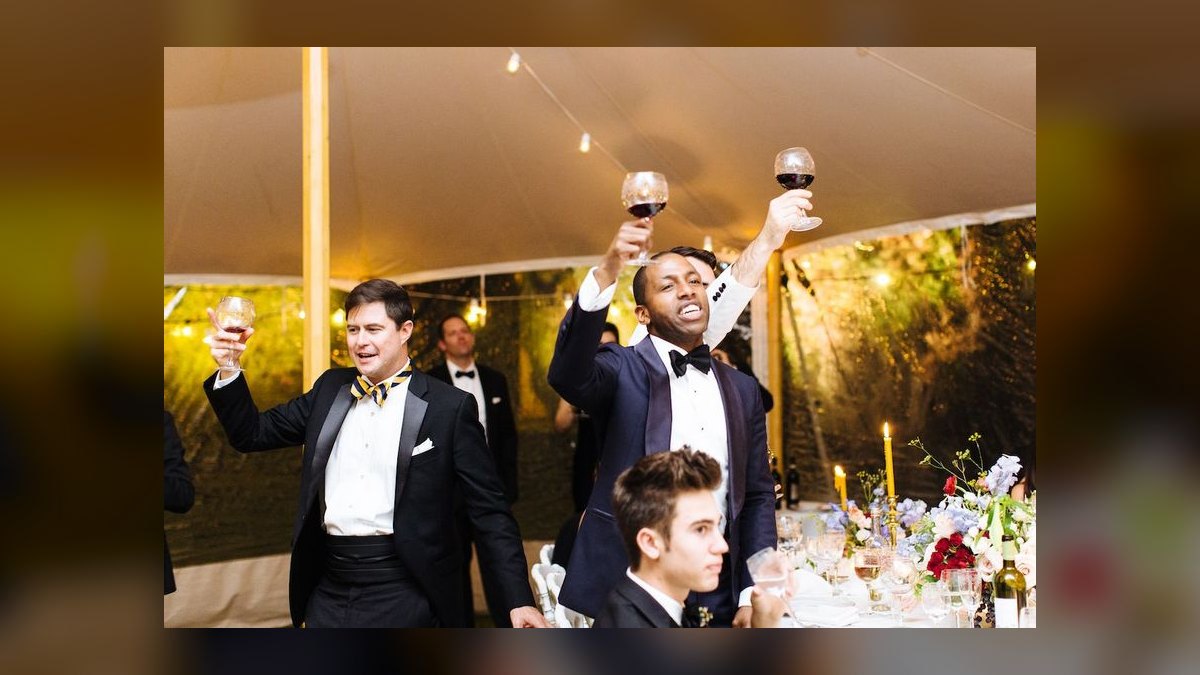
The order of toasts also matters. The host or event organizer typically gives the first toast, welcoming everyone and setting the tone. After that, the couple's child or oldest family member usually speaks next, followed by close friends if time allows. Keep the total toast time under ten minutes for the entire event. If multiple people want to speak, suggest they coordinate to avoid repetition—each toast should offer a different perspective or memory. The couple should not be expected to respond unless they want to; a simple nod or "thank you" is sufficient. After the toasts conclude, the host can invite guests to continue celebrating with dinner or music. Avoid immediately moving to another speech—let the moment settle.
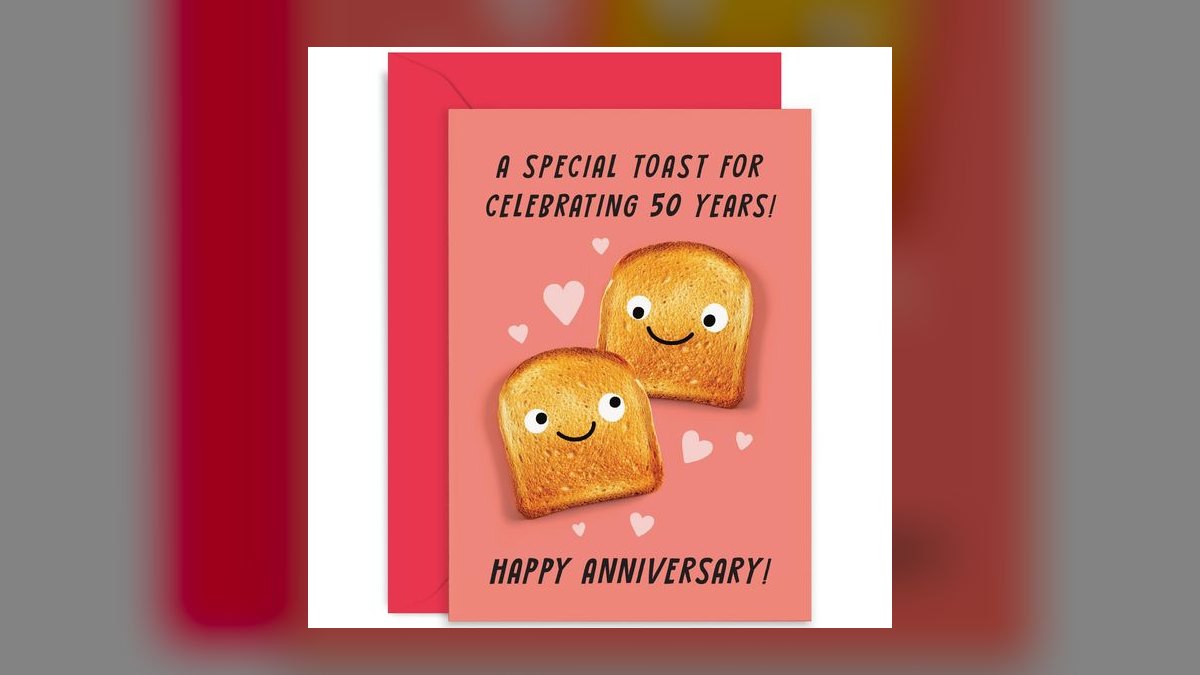
Variations for Different Relationships and Time Constraints
Your role shapes the toast's tone significantly. A child can speak with intimate warmth: "Mom and Dad, I learned what partnership looks like by watching you argue over the Sunday crossword and then make up while doing dishes." A grandchild brings fresh perspective: "You two have been married longer than anyone in this room has been alive—and you still hold hands at the dinner table." A lifelong friend can offer outside witness: "I've watched you grow together through moves, job changes, and raising kids—and you still laugh at each other's jokes like it's your first date." Adjust the memory you share to match your vantage point, and never tell a story that embarrasses either person.
For time constraints, prepare a 30-second version: "Fifty years with the same person. That takes love, patience, and a really good sense of humor—and [Name] and [Name] have all three. Thank you for showing us what the real thing looks like. To fifty more in spirit, if not in math. Cheers!" For a longer, formal version, add a short opening that introduces who you are and your relationship to the couple, plus a second story beat. For a lighter tone, lean into a well-known family joke about one of them. For a more solemn tone—say, if a parent has passed—honor the absent partner by name and speak of the love as ongoing rather than ended.
Related questions
What do you say in a 50th wedding anniversary toast?
Keep it brief and heartfelt—thank the couple for their example, share one specific memory, and raise your glass with a wish for continued happiness. The best toasts last 90 seconds to 3 minutes and balance humor with genuine emotion.
Who gives the toast at a golden anniversary?
Typically a close family member like a child or grandchild, or the best man or maid of honor from the original wedding. The couple's oldest child often speaks first, followed by others if time allows.
Should a 50th anniversary toast be funny or serious?
A mix of both works best—open with a light, genuine anecdote that makes people smile, then shift to a sincere note about their love and commitment. Avoid inside jokes and keep humor respectful.
What if I cry during the toast?
Let it happen—don't apologize. Pause, take a breath, and continue. The audience will feel more connected to your words if you show genuine emotion. A tearful pause can be more powerful than any sentence.
Can the couple toast each other at their 50th anniversary?
Yes, and it's often the most touching moment. They can simply raise their glasses to each other with a few words like "To fifty more years" or share a brief memory. If they're not comfortable speaking, the host can propose a toast on their behalf.
FAQ
What's the best length for a 50th anniversary toast? 90 seconds to 3 minutes is ideal. Any shorter feels rushed; any longer risks losing the room's emotional focus. Practice aloud to time yourself, and cut any line that doesn't directly serve the couple's story.
Should I write the toast out word-for-word or use bullet points? Use bullet points on a small notecard, not a full script. Bullets help you sound like you're remembering rather than reading, which feels more authentic. Include key phrases and the order of your points, but speak naturally.
What if I don't know the couple well enough to give a personal toast? Focus on what you do know—their reputation, how others speak of them, or a brief observation from the event itself. A simple, sincere toast is always welcome. You can also ask a family member for one specific memory to include.
How do I handle a toast when the couple is shy or uncomfortable with attention? Keep it short and warm, and avoid putting them on the spot to respond. A two-sentence toast followed by a raised glass can be perfect: "To the couple who taught us that love is a verb. Thank you for fifty years of showing us how it's done."
What should I do if I forget my lines during the toast? Pause, smile, and say something genuine like "I got a little lost in the moment there—let me find my place." The audience will empathize, not judge. Skip to your closing line if needed; no one knows what you planned to say except you.
Is it okay to use humor about aging in a 50th anniversary toast? Light humor about aging can work if it's affectionate and the couple has a good sense of humor about it. Avoid jokes about memory loss, health issues, or physical decline. Stick to material that celebrates their journey rather than pokes fun at their age.
Sources
- The Emily Post Institute - Anniversary Toasts
- Toastmasters International - Speech Delivery Tips
- The New York Times - How to Give a Great Toast
- Hallmark - Wedding Anniversary Toast Ideas
- Reader's Digest - How to Give a Memorable Toast
- Better Homes & Gardens - Anniversary Party Etiquette
- Real Simple - The Art of the Toast
Related on PULSE
This page will be disappearing soon. Save it to your device for $1 — or read it free while it is here.
@Kory-White- · if Venmo asks, the last 4 of my number are 2012
This page is gone.
This one is off the shelf now. $1 keeps it on your phone for good — the whole page, pictures and diagrams included.
 pulse-speechesWhat Makes Patrick Henry’s “Give Me Liberty” a Great Speech in 2027
 pulse-speechesA Speech for a Layoff Announcement with Compassion
 pulse-speechesA Graduation Speech for a Valedictorian
 pulse-speechesA Speech for a Mentor Recognition
 pulse-speechesA Toast for a New Year’s Eve Gathering
 pulse-speechesA Toast for a Baby Shower
 pulse-speechesA Speech for an IPO Celebration
 pulse-speechesA Wedding Speech for a Second Marriage
 pulse-speechesHow to Write a Speech in 30 Minutes in 2027
 pulse-speechesA Retirement Speech for a Police Officer