
A Toast for a Going-Away Party
 Curated byKory White · Fractional CRO · Maryland
 PULSEKNOWLEDGE LIBRARY
Quality
Certified
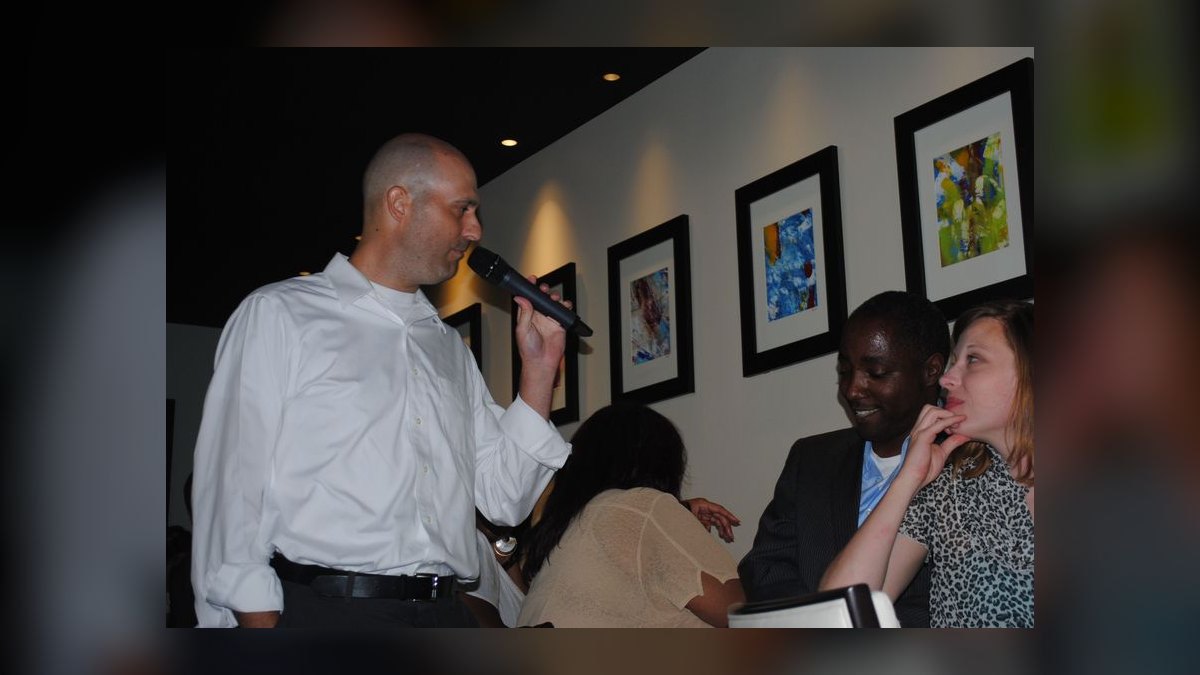
A going-away party toast should be warm, brief, and focused on celebrating the person's past contributions while wishing them well in their next chapter. The ideal toast runs 1-3 minutes, follows a simple three-part structure (hook, heart, send-off), and centers on one specific, genuine memory rather than generic compliments. Keep the tone celebratory and sincere, avoid inside jokes unless everyone present understands them, and always end by raising your glass to the future.
How Do You Structure a Memorable Farewell Toast?
A great going-away toast doesn’t happen by accident — it follows a loose but reliable structure that keeps the speaker grounded and the audience engaged. Think of it as a three-act arc: the hook, the heart, and the send-off.
The hook is your opening 15–30 seconds. It sets the tone and answers the unspoken question in every listener’s mind: *Why are we here, and why should I care?* A simple, direct line works best — something like, “We’re here tonight because [Name] is heading to [new place/role], and I wanted to say a few words before they go.” Avoid starting with “I’m not good at this” or “I’ll keep it short” — both undercut your presence before you’ve said anything meaningful.
The heart is the middle 60–90 seconds where you share one or two specific, genuine memories. This is not a résumé recap. Pick a moment that reveals character: the time they stayed late to help a coworker pack for a trade show, the inside joke from a road trip, the quiet way they always remembered everyone’s coffee order. Specificity is your superpower — “the time you drove two hours to bring me soup when I was sick” lands far harder than “you’re always so kind.”
The send-off is your closing 20–30 seconds. This is where you name what you’ll miss, express hope for their future, and raise your glass. A clean closing line like, “To [Name] — may your next chapter be full of adventure, good people, and just enough chaos to keep things interesting” gives everyone a clear cue to drink.
Aim for 2–3 minutes total. Any longer and you risk losing the room’s energy; any shorter and it can feel rushed. Practice it aloud twice before the event — not to memorize, but to find the natural rhythm of your own voice. For more on structuring short speeches, see A Toast for a Graduation Party.
What Should You Avoid Saying in a Farewell Toast?
Knowing what to leave out is as important as knowing what to include. A misstep can turn a warm moment into an awkward one, so steer clear of these common pitfalls.
Negative comments about the company or coworkers. Even if the person leaving had frustrations, the toast is not the place to air them. Keep the focus on the positive impact they made, not the challenges they faced. A remark like “I know the late nights were brutal, but you handled them” can unintentionally remind everyone of shared grievances.
Overly long stories or multiple anecdotes. One well-chosen memory is more powerful than three rambling ones. The audience’s attention wanes after about 90 seconds of narrative. If you find yourself saying “and then another time…”, stop and pivot to your closing. The goal is to evoke feeling, not to recount a timeline.
Inside jokes or references only a few people understand. A toast is a public performance, even in a small group. If you share a joke that leaves half the room confused, you risk making people feel excluded. If you must include an inside reference, brief explain it in a sentence so everyone can laugh together.
Vague clichés or generic compliments. “You’re a great person” or “We’ll miss you” are true, but they don’t land. Replace them with concrete evidence: “You’re the person who always remembered everyone’s birthday” or “We’ll miss the way you made the new hires feel welcome on their first day.” Specificity creates connection.
Anything that might embarrass the guest of honor. A harmless story about a funny mistake is fine, but avoid stories about personal failures, romantic mishaps, or anything that could make the person feel exposed. If you’re unsure, ask yourself: would I want this story told about me in front of my boss and my grandmother?
Apologizing for your speech. Starting with “I’m not good at this” or ending with “Sorry, that was longer than I meant” undermines your message. The audience is rooting for you — don’t give them a reason to doubt you. Just deliver your lines and sit down with confidence.
How Do You Choose the Right Drink for the Toast?
The drink in your hand matters more than most people realize. It’s not about price or prestige — it’s about symbolism, temperature, and practical logistics. A thoughtful choice can elevate the moment without a single extra word.
Champagne or sparkling wine is the classic choice for a reason. The pop of the cork signals celebration, and the bubbles feel festive. If the guest of honor has a favorite sparkling wine — a specific Prosecco, a Cava, or even a non-alcoholic bubbly — using that makes the toast feel personal. Budget-friendly options in the $12–$25 range work perfectly for groups of 10 or more.
Beer or cider is ideal for casual settings — backyard barbecues, brewery send-offs, or after-work gatherings. A local craft beer from the city the guest is moving to (or leaving) adds a subtle layer of meaning. If the group is large, having a round of the same beer for everyone creates a shared experience. Cider is a smart alternative for guests who avoid gluten or prefer something lighter.
A signature cocktail works well for smaller groups of 6–12 people. Choose something simple that can be batched ahead of time — a whiskey sour, a Paloma, or a French 75. Name it after the guest of honor (“The Sarah Sunset” or “The Denver Departure”) and print a small sign. This adds a personal touch without requiring a bartender.
Non-alcoholic options are non-negotiable. A sparkling water with a splash of cranberry and a lime wedge, a fancy ginger beer, or an alcohol-free rosé all give non-drinkers a glass that feels intentional, not like an afterthought. Pour it into the same type of glass as the alcoholic drinks so no one feels singled out.
Temperature and timing matter too. If the toast happens outdoors in July, avoid red wine or hot toddies. If it’s a winter farewell, a warm mulled cider or spiked hot chocolate can feel cozy and appropriate. And always have backup bottles — nothing kills a toast faster than running out of the chosen drink after the first round. For more on party logistics, see A Toast for a Holiday Office Party.
How Do You Handle Nerves During a Toast?
Even experienced speakers get nervous before a toast. The difference is knowing how to manage those nerves so they don’t hijack the moment. A few practical strategies can turn shaky hands and a dry mouth into a warm, authentic delivery.
Breathe before you speak. Take one slow, deliberate breath — in for four counts, out for four counts — before you say your first word. This lowers your heart rate and gives your voice a steadier foundation. It also signals to the room that you’re composed, even if you don’t feel it.
Hold your glass at chest height, not eye level. Keeping the glass lower prevents the natural urge to drink too early and keeps your hands from trembling visibly. When you’re ready to conclude, lift the glass slightly as you say the final line — that’s the visual cue for everyone to raise theirs.
If your voice cracks or you tear up, pause and breathe. The audience will almost always respond with warmth — a quiet “take your time” or a nod of encouragement. Trying to push through tears makes the crack worse and can derail your train of thought. A 5-second pause feels like an eternity to you but reads as genuine emotion to everyone else.
Have a backup plan for the glass clink. If you’re toasting with delicate stemware, avoid tapping the rim — it can chip or break. Instead, gently touch the bowl of your glass to someone else’s bowl, or simply raise your glass and make eye contact. For beer bottles or cans, a light tap on the neck works fine. If the room is large and noisy, skip the clink entirely and just raise your glass — the gesture is understood.

If you forget your next line, don’t apologize. Apologizing (“Sorry, I lost my train of thought”) breaks the spell and makes the audience uncomfortable. Instead, take a sip of your drink, smile, and say something like, “What I really want to say is…” — then pivot to your closing sentiment. Most people won’t notice the stumble if you don’t call attention to it.
End decisively. When you finish your last line, raise your glass a little higher, make eye contact with the guest of honor, and take a sip. Then step back or sit down. Lingering or adding “Anyway, that’s all I’ve got” weakens the closing. A clean finish leaves a stronger impression than a rambling one. For more delivery tips, see A Toast for a Surprise Birthday Party.

How Do You Adapt the Toast for Different Relationships?
The relationship between the speaker and the guest of honor should shape every part of the toast. A manager speaks differently than a best friend, and a sibling speaks differently than a coworker. Here’s how to adjust tone, content, and length for the most common roles.
For a manager or team lead: Keep it professional but warm. Focus on the person’s contributions to the team, their work ethic, and the specific projects they made better. Avoid personal stories that might feel intrusive. Close with a forward-looking statement about their career growth. A line like, “You raised the bar for all of us, and we’re better because you were here” strikes the right balance.
For a close friend: Lean into intimacy and shared history. This is where a specific, funny, or touching memory shines. You can be more casual and emotional, and you can reference shared experiences that the friend group will recognize. Keep it under 2 minutes — friends don’t need a formal speech, just a heartfelt moment. A line like, “You’ve been my person through everything, and I’m not ready for you to be three time zones away” works beautifully.

For a coworker or peer: Strike a balance between professional respect and personal warmth. Mention a shared project or a recurring inside joke from the office. Keep the tone light and avoid anything too sentimental unless the relationship warrants it. A line like, “I’ll miss your coffee-run commentary and the way you made Mondays bearable” is perfect.
For a sibling or family member: Go all in on emotion. This is the one relationship where tears are fully expected and welcomed. Share a childhood memory or a recent moment that captures who they are. Keep it to 90 seconds max — family toasts can quickly become overwrought. A line like, “You’ve been my first call for everything good and everything hard, and that’s not changing just because you’re moving” lands every time.
For a mentor or senior leader: Use a formal but grateful tone. Acknowledge their impact on your career or life trajectory. Be specific about what you learned from them. Keep it to 2–3 minutes and close with a toast that honors their legacy. A line like, “To [Name] — thank you for teaching me what excellence looks like, and for doing it with grace and patience” shows respect without being stiff.
Related questions
What is the best length for a going-away toast?
Aim for 1–3 minutes. Anything shorter can feel rushed, while longer risks losing the room’s attention. Practice aloud to check your timing.
Should I include jokes in the toast?
Yes, but keep them light and positive — avoid inside jokes that exclude others or anything that could embarrass the person leaving. A warm, funny memory usually works best.
Is it okay to get emotional during the toast?
Absolutely. Showing genuine emotion is natural and often appreciated, but try to keep it balanced so you can still deliver your message clearly. A brief pause to compose yourself is fine.
Do I need to prepare a written toast or can I speak off the cuff?
Writing a short outline or key points is recommended, especially if you’re nervous. Speaking entirely off the cuff can work for confident speakers, but a little structure helps avoid rambling.
What should I avoid saying in a farewell toast?
Avoid negative comments about the company, coworkers, or the person’s departure. Also skip overly long stories, vague clichés, or anything that might make the guest of honor uncomfortable.
Should I raise my glass at the end of the toast?
Yes, raising your glass signals the group to join you in a final salute. It’s a traditional and effective way to wrap up the toast and invite everyone to participate.
FAQ
What is the best length for a going-away toast? Aim for 1–3 minutes. Anything shorter can feel rushed, while longer risks losing the room’s attention. Practice aloud to check your timing.
Should I include jokes in the toast? Yes, but keep them light and positive — avoid inside jokes that exclude others or anything that could embarrass the person leaving. A warm, funny memory usually works best.
Is it okay to get emotional during the toast? Absolutely. Showing genuine emotion is natural and often appreciated, but try to keep it balanced so you can still deliver your message clearly. A brief pause to compose yourself is fine.
Do I need to prepare a written toast or can I speak off the cuff? Writing a short outline or key points is recommended, especially if you’re nervous. Speaking entirely off the cuff can work for confident speakers, but a little structure helps avoid rambling.
What should I avoid saying in a farewell toast? Avoid negative comments about the company, coworkers, or the person’s departure. Also skip overly long stories, vague clichés, or anything that might make the guest of honor uncomfortable.
Should I raise my glass at the end of the toast? Yes, raising your glass signals the group to join you in a final salute. It’s a traditional and effective way to wrap up the toast and invite everyone to participate.
Can I give a toast if I’m not the official host? Absolutely. Anyone can offer a toast, but it’s polite to check with the host or organizer first to avoid overlapping with planned speeches.
What if the person leaving doesn’t drink alcohol? Offer a non-alcoholic option like sparkling water, cider, or juice. The gesture of raising a glass matters more than what’s in it.
How do I start a toast if I’m nervous? Take a deep breath, make eye contact with the guest of honor, and say their name first. Starting with their name grounds you and focuses the room.
Is it okay to use notes during the toast? Yes, holding a small card with bullet points is fine. Just don’t read word-for-word — glance at your notes, then speak to the room.
Sources
- Toastmasters International — Public Speaking and Toast Giving Etiquette
- The Spruce Eats — Party Planning and Food Guidance
- Epicurious — Tested Recipes and Party Food Planning
- National Restaurant Association — Industry Standards for Catering and Events
- USDA Food Safety and Inspection Service — Food Handling and Storage Safety
- American Society of Baking — Baking Techniques and Bread Science
Related on PULSE
- A Toast for a Graduation Party
- A Toast for a Surprise Birthday Party
- A Toast for a Holiday Office Party
- A Company Holiday Party Toast
- An Engagement Party Toast
- A Toast for an Engagement Party
Recently Added — Related
This page will be disappearing soon. Save it to your device for $1 — or read it free while it is here.
@Kory-White- · if Venmo asks, the last 4 of my number are 2012
This page is gone.
This one is off the shelf now. $1 keeps it on your phone for good — the whole page, pictures and diagrams included.
 pulse-speechesA Wedding Speech for a Groomsman
 pulse-speechesA Toast for a Housewarming
 pulse-speechesHow to Write a Heartfelt Eulogy When You're Grieving in 2027
 pulse-speechesA Speech for Accepting an Industry Award
 pulse-speechesWhat Makes Steve Jobs’ Stanford Commencement a Great Speech in 2027
 pulse-speechesA Retirement Speech for a CEO
 pulse-speechesA Wedding Speech for a Small Backyard Wedding
 pulse-speechesWhat Makes Patrick Henry’s “Give Me Liberty” a Great Speech in 2027
 pulse-speechesA Speech for a Sales Kickoff
 pulse-speechesA Toast for a 30th Birthday