
A Toast for a New Year’s Eve Gathering
 Curated byKory White · Fractional CRO · Maryland
 PULSEKNOWLEDGE LIBRARY
Quality
Certified
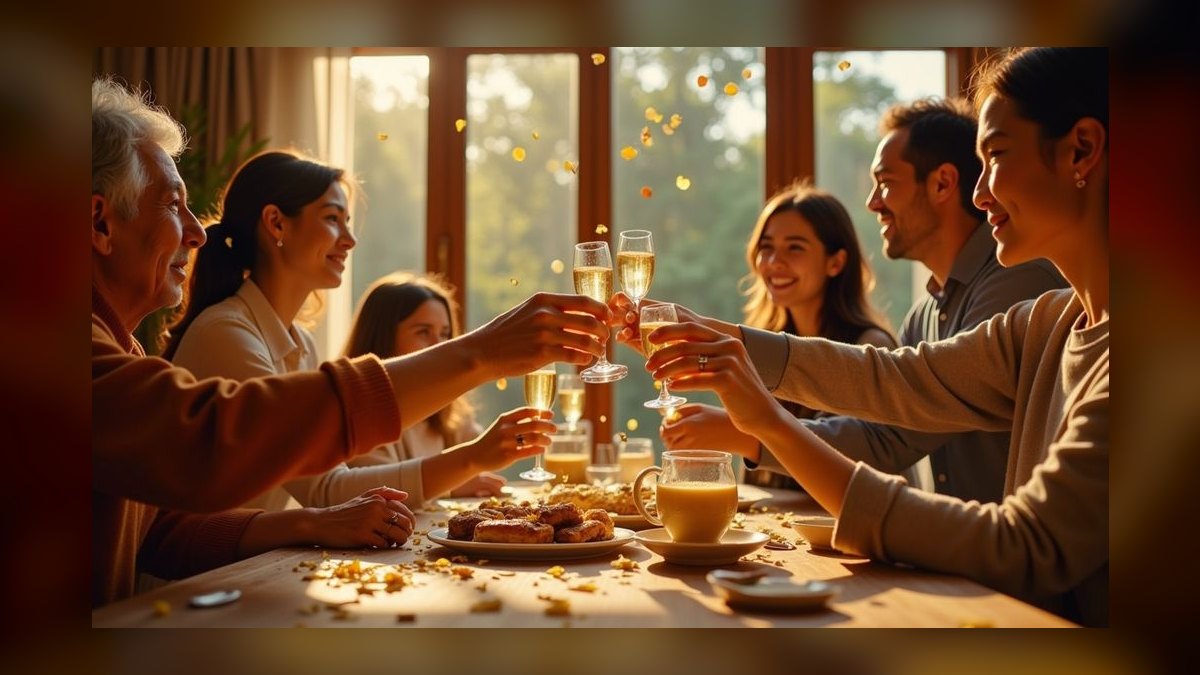
A New Year's Eve toast is a brief, heartfelt moment of connection that honors the past year and welcomes the next, typically lasting 45 to 90 seconds. The best toasts are personal, inclusive, and delivered at the right moment—ideally 30 to 60 seconds before midnight, when the room is energized but not yet chaotic. Whether you're the host or a guest, a simple structure of acknowledgment, reflection, and forward-looking wish works for any gathering.
What is the ideal structure for a New Year's Eve toast?
A well-crafted New Year's Eve toast follows a three-part arc that balances warmth, brevity, and emotional resonance. The opening should acknowledge the people in the room—thank the host, recognize the gathering itself, or reference a shared experience from the year. This takes about 10 to 15 seconds and immediately establishes connection. The middle section, lasting 20 to 40 seconds, reflects on the year ending. Avoid vague statements like "it was a year"; instead, choose one specific, positive theme such as resilience, friendship, growth, or unexpected joy. Keep the tone light and inclusive, steering clear of divisive topics. The closing, 15 to 30 seconds, offers a forward-looking wish for the new year, ending with a clear, uplifting phrase like "To new beginnings," "To health and happiness," or simply "Happy New Year."
How should I time my New Year's Eve toast for maximum impact?
Timing is critical for a successful New Year's Eve toast. The ideal moment arrives about 30 to 60 seconds before midnight, when the energy in the room is at its peak but before the noise and excitement of the countdown begin. This sweet spot allows everyone to quiet down, raise their glasses, and focus on you. If you're the designated toaster, position yourself near the center of the room or at the head of the table about 90 seconds before midnight. Hold your glass at chest height, make eye contact with a few people as you begin speaking, and pause briefly after your opening line to let the room settle.
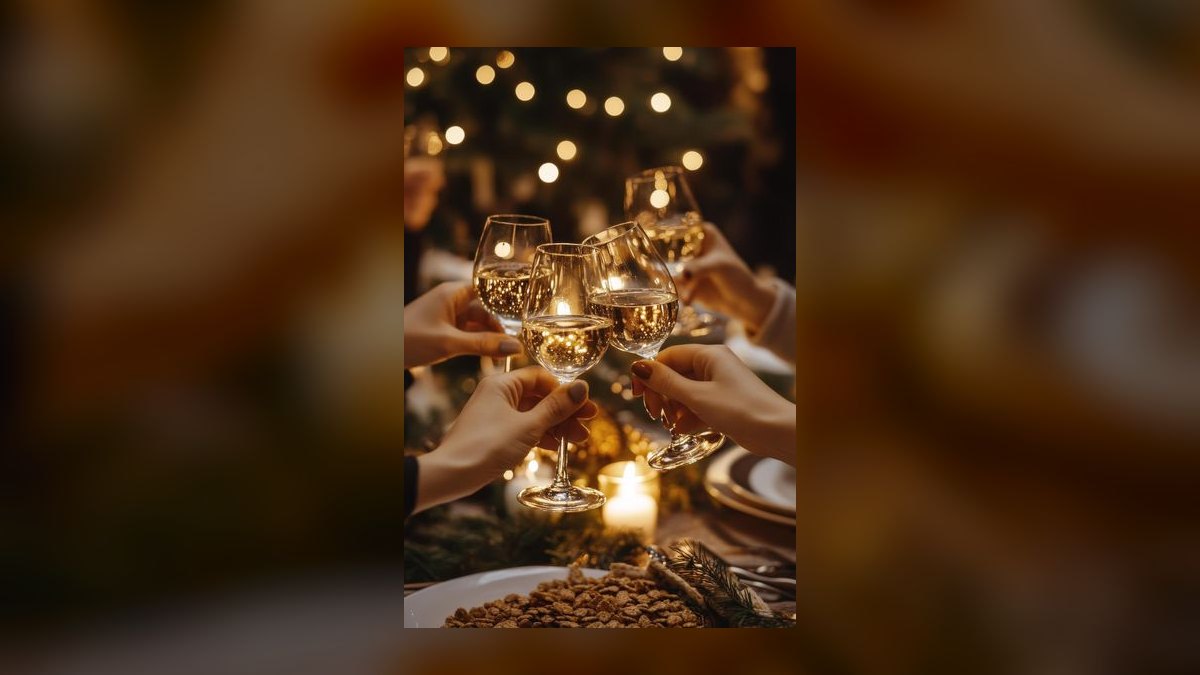
Speak at a moderate pace—slightly slower than normal conversation—and project your voice to reach the farthest corner of the room. A well-timed toast transforms a simple tradition into a moment everyone remembers long after the champagne bubbles fade. For a longer, more formal gathering, consider a brief toast during dinner and a shorter one at midnight.
What glassware and pour should I use for the toast?
The vessel you raise matters more than most hosts realize. For sparkling wine or champagne, a classic flute or tulip glass is ideal because its narrow shape preserves carbonation and concentrates the aromas. Avoid wide coupe glasses for sparkling wine—they cause bubbles to dissipate within minutes, leaving you with a flat pour before midnight strikes. If you're serving still wine, a standard white wine glass (roughly 10 to 14 ounces) works beautifully, while red wine benefits from a larger bowl that allows the wine to breathe. For non-alcoholic options, use the same glassware as the alcoholic pours to make everyone feel equally included in the ritual.
The pour itself should be modest—about 3 to 4 ounces for sparkling wine, 4 to 5 ounces for still wine, and 2 to 3 ounces for spirits or cocktails. This prevents spills during the inevitable clinking and hugging that follows the toast. If you're hosting a larger gathering of 15 or more people, consider pre-pouring glasses on a tray 10 minutes before midnight. This eliminates the awkward shuffle of people scrambling to fill their glasses at the last second. For a seated dinner, ask guests to keep their glasses nearby as dessert is served, so everyone is ready when the countdown begins.
Temperature also plays a role. Sparkling wine should be served between 40°F and 45°F (4°C to 7°C)—chilled but not ice-cold, which can mute its flavor. Still whites are best at 45°F to 50°F (7°C to 10°C), while reds should be slightly cool at 55°F to 60°F (13°C to 16°C). If you're using a cooler or ice bucket, add a handful of salt to the ice water—it drops the temperature faster and keeps bottles consistently chilled for up to two hours. A thoughtful pour and proper glassware elevate the toast from a routine gesture to a sensory experience that feels intentional and celebratory.
How do I adapt my toast for different group sizes and dynamics?
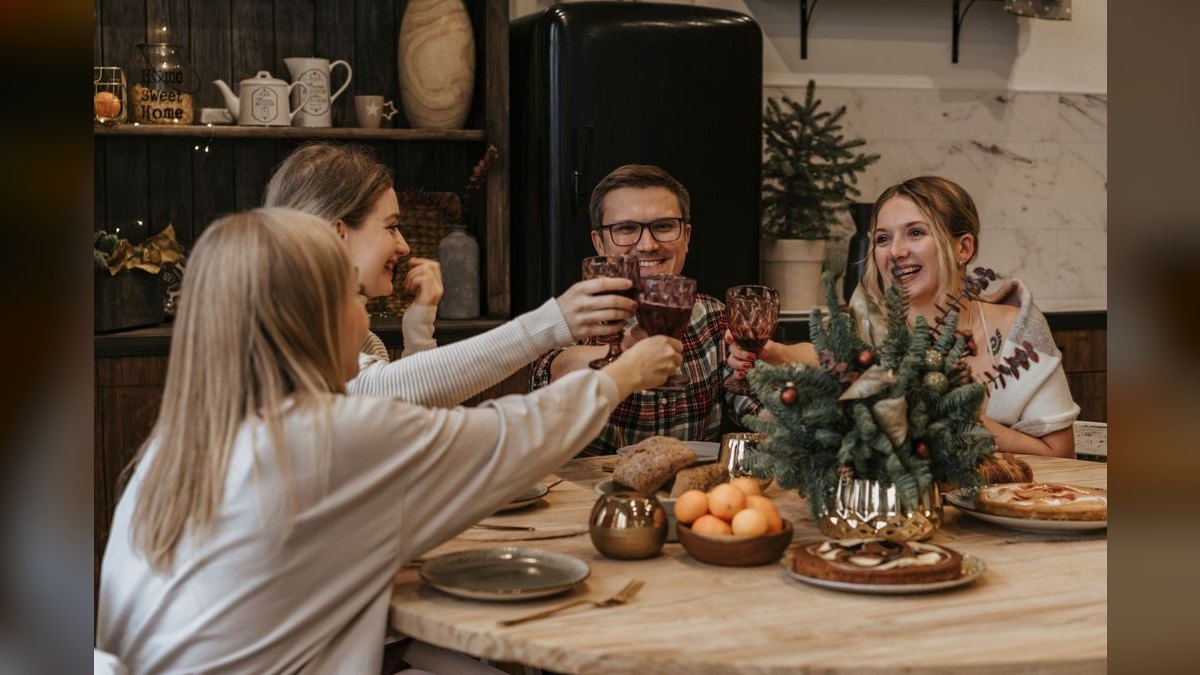
Not every New Year's Eve gathering is the same, and your toast should adapt to the room. For a small, intimate dinner of 4 to 8 people, your toast can be more personal and reflective. Reference specific memories from the past year—a trip you took together, a challenge you overcame as a group, or a shared inside joke. Keep the tone warm and conversational, and feel free to invite others to add their own short remarks after you finish. This creates a collaborative moment rather than a solo performance.
For a medium-sized party of 10 to 30 guests, aim for a toast that acknowledges the group as a whole without singling out individuals. This is where a general theme—gratitude, hope, or celebration—works best. If you know the room includes people from different backgrounds or life stages, keep your language inclusive. Avoid jokes that might land differently across age groups or cultural contexts. A safe, effective approach is to thank the host, acknowledge the collective energy of the room, and offer a simple, heartfelt wish for the year ahead.
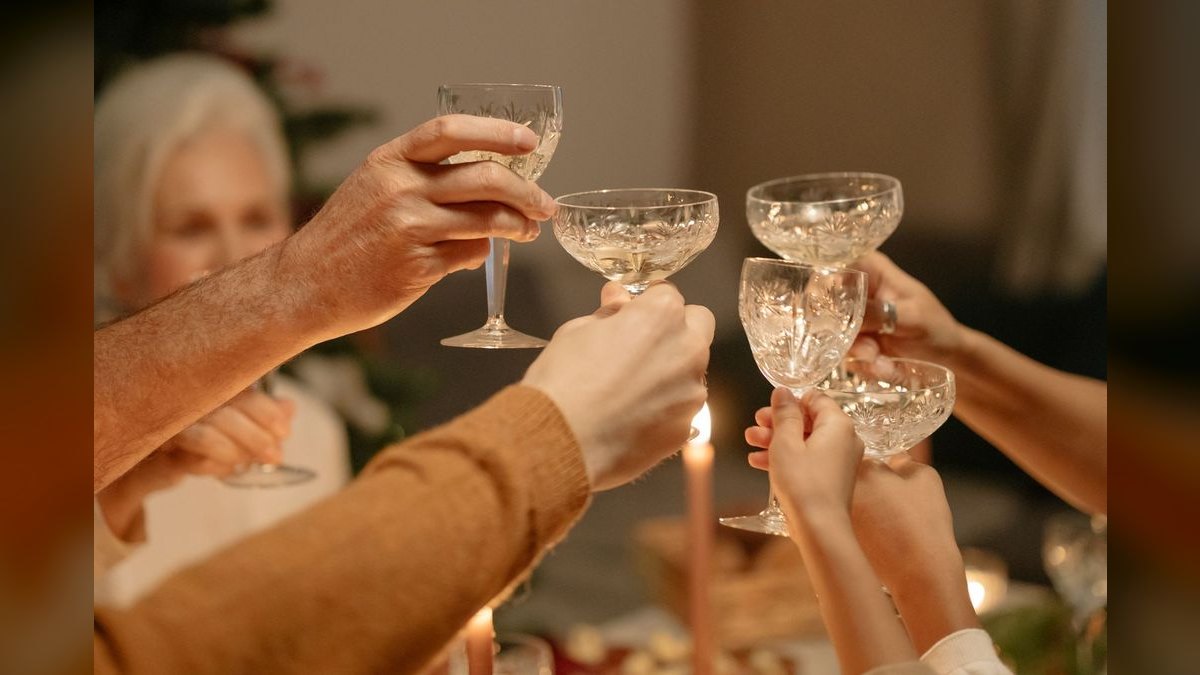
Large gatherings of 30 or more people present a different challenge. Here, brevity is your friend. A toast that runs longer than 60 seconds will lose the crowd's attention, especially in a noisy room. Stand on a slight elevation if possible—a step, a chair, or even a low stage—so people can see you. Use a short, punchy structure: "Thank you all for being here. This past year taught us [one positive lesson]. Here's to [one shared hope for the new year]. Cheers!" Then raise your glass high and wait for the response. In very large crowds, consider having a second person help coordinate the countdown and toast, so the moment feels orchestrated rather than chaotic.
If you're a guest rather than the host, you can still offer a toast—just keep it brief and deferential. Wait until after the host has spoken, then raise your glass and say something like, "I just want to add my thanks to [host's name] for bringing us together. Here's to all of you and a wonderful year ahead." This shows respect for the host while still contributing to the shared ritual.

What are common mistakes to avoid when giving a New Year's Eve toast?
Several pitfalls can undermine even the most heartfelt New Year's Eve toast. The most common mistake is speaking too long—a toast that exceeds 90 seconds will lose the room's attention, especially as midnight approaches. Keep your remarks tight and focused. Another frequent error is including inside jokes or references that exclude part of the audience. Even in a close group, avoid anything that might leave someone feeling left out or confused.
Avoid starting your toast too early or too late. Beginning more than two minutes before midnight risks having the energy fizzle before the countdown. Starting after the clock strikes midnight means you're competing with cheers, hugs, and noise. The sweet spot is 30 to 60 seconds before midnight. Also, avoid reading your toast entirely from a phone or note card—it comes across as rehearsed and impersonal. Instead, jot down a few bullet points on a small card and glance at them as needed, maintaining eye contact with your audience.
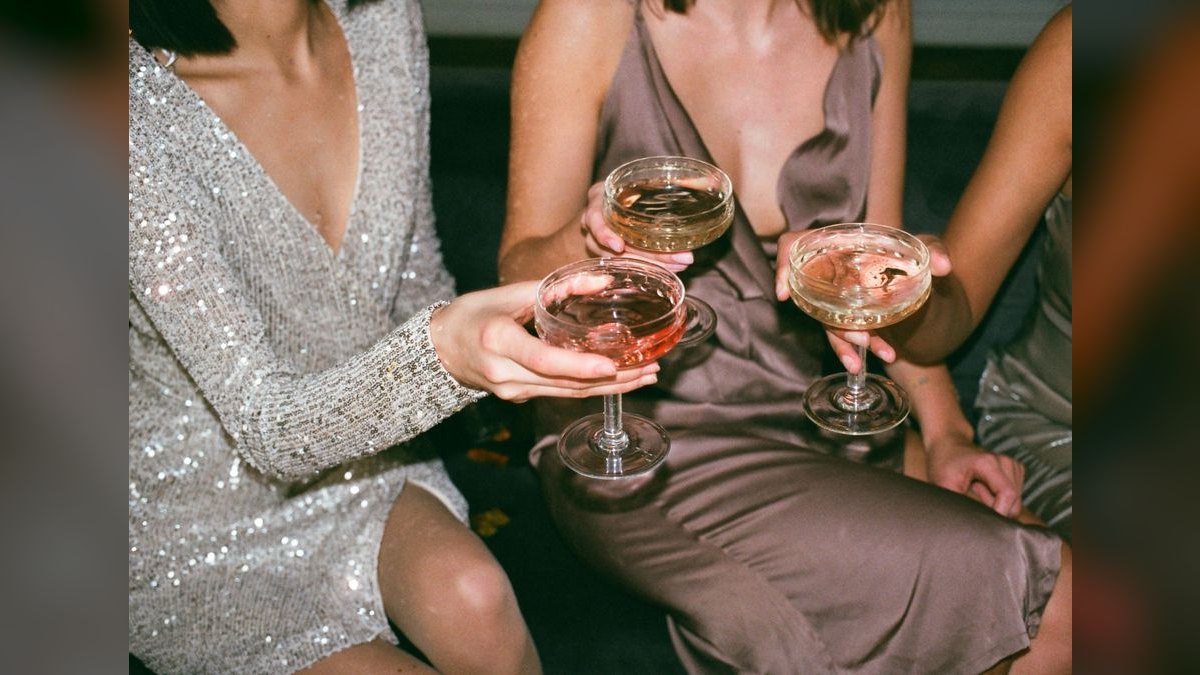
Finally, be mindful of alcohol consumption. If you're the designated toaster, pace yourself throughout the evening so your delivery is clear and authentic. A slurred or rambling toast can dampen the celebratory mood. Similarly, avoid making the toast about yourself—it's about the group and the shared experience. Focus on collective gratitude and hope rather than your personal achievements or struggles.
How do I handle non-alcoholic options and inclusive toasts?
Inclusivity is essential for a successful New Year's Eve toast. Always have a non-alcoholic bubbly option ready, such as sparkling grape juice, non-alcoholic sparkling wine, or a ginger ale with a twist of lime. Pour it in the same type of glass as the alcoholic drinks so everyone feels equally part of the moment. This simple gesture ensures no one feels left out during the ritual.
When crafting your toast, use inclusive language that doesn't assume everyone drinks alcohol. Phrases like "raise your glass" or "whatever's in your cup" work well. If you're toasting with a non-alcoholic beverage yourself, you can say, "I'm raising my glass of sparkling cider to all of you" without drawing attention to the choice. The focus should remain on the shared moment and the sentiment, not on what's in each person's glass.
For groups that include children, consider a separate "kid-friendly" toast earlier in the evening, around 8 or 9 PM, using juice or sparkling cider. This allows younger guests to participate in the tradition without staying up until midnight. You can make it a fun activity by having each child share one thing they're grateful for or one hope for the new year.
FAQ
What is the ideal length for a New Year's Eve toast? Aim for 45 to 90 seconds, or roughly 100 to 200 words spoken at a moderate pace. Any longer risks losing the room's attention, especially as midnight approaches.
How do I make sure everyone has a drink for the toast? Plan for one non-alcoholic option alongside champagne or prosecco. Aim for about one bottle of bubbly per three to four guests, and have a few extra bottles on hand for refills.
What time should the toast happen? The classic moment is 30 to 60 seconds before midnight. If you have guests who leave early, consider a "pre-midnight" toast around 11:30 PM so everyone feels included.
Should I use champagne flutes or other glasses? Flutes are traditional because they preserve bubbles and look festive, but any stemmed glass works. If you're short on glassware, small mason jars or coupe glasses add a casual, charming touch.
Can I add a personal or themed element to the toast? Absolutely. You can ask each guest to share one word for the new year before drinking, or light a candle and have everyone hold their glass toward it. A themed toast like "resolutions" or "gratitude" makes it more memorable.
What if someone doesn't drink alcohol? Always have a non-alcoholic bubbly option ready, like sparkling grape juice or a ginger ale with a twist of lime. Pour it in the same type of glass so everyone feels equally part of the moment.
How do I handle nerves when giving a toast? Take a deep breath before you start, and focus on making eye contact with a few friendly faces in the crowd. Keep a small card with bullet points in your pocket, but don't read from it. Remember, the room wants you to succeed.
What if I forget part of my toast? Pause, take a breath, and either skip to the next part or end with a simple "Happy New Year" and raise your glass. The audience won't know what you planned to say, and they'll appreciate your composure.
Should I practice my toast beforehand? Yes, practice it two or three times aloud to get comfortable with the pacing and phrasing. Time yourself to ensure it stays within 45 to 90 seconds. This reduces nerves and helps you sound natural.
Can I use a quote in my New Year's Eve toast? Yes, a short, relevant quote can add depth. Choose one that aligns with the theme of the evening—gratitude, hope, or new beginnings. Attribute it to the author if the quote is well-known.
Sources
- Martha Stewart - How to Give a Toast
- Real Simple - New Year's Eve Party Planning Guide
- The Spruce Eats - Champagne Glassware Guide
- Toastmasters International - Tips for Giving a Toast
- Food & Wine - How to Serve Champagne
- The Kitchn - How to Host a New Year's Eve Party
- Emily Post Institute - Toasting Etiquette
- New York Times - New Year's Eve Entertaining
Related on PULSE
This page will be disappearing soon. Save it to your device for $1 — or read it free while it is here.
@Kory-White- · if Venmo asks, the last 4 of my number are 2012
This page is gone.
This one is off the shelf now. $1 keeps it on your phone for good — the whole page, pictures and diagrams included.
 pulse-speechesA Speech for a Layoff Announcement with Compassion
 pulse-speechesA Toast for a Housewarming
 pulse-speechesA Graduation Speech for a Graduate as the Class President
 pulse-speechesHow to Write a Speech in 30 Minutes in 2027
 pulse-speechesA Wedding Speech for a Surprise Wedding
 pulse-speechesA Toast for a 30th Birthday
 pulse-speechesA Toast for a Baby Shower
 pulse-speechesA Speech for a Customer Appreciation Event
 pulse-speechesWhat Makes Reagan's "Tear Down This Wall" a Great Speech in 2027
 pulse-speechesA Retirement Speech for a Police Officer