
A Speech for a Mentor Recognition
 Curated byKory White · Fractional CRO · Maryland
 PULSEKNOWLEDGE LIBRARY
Quality
Certified
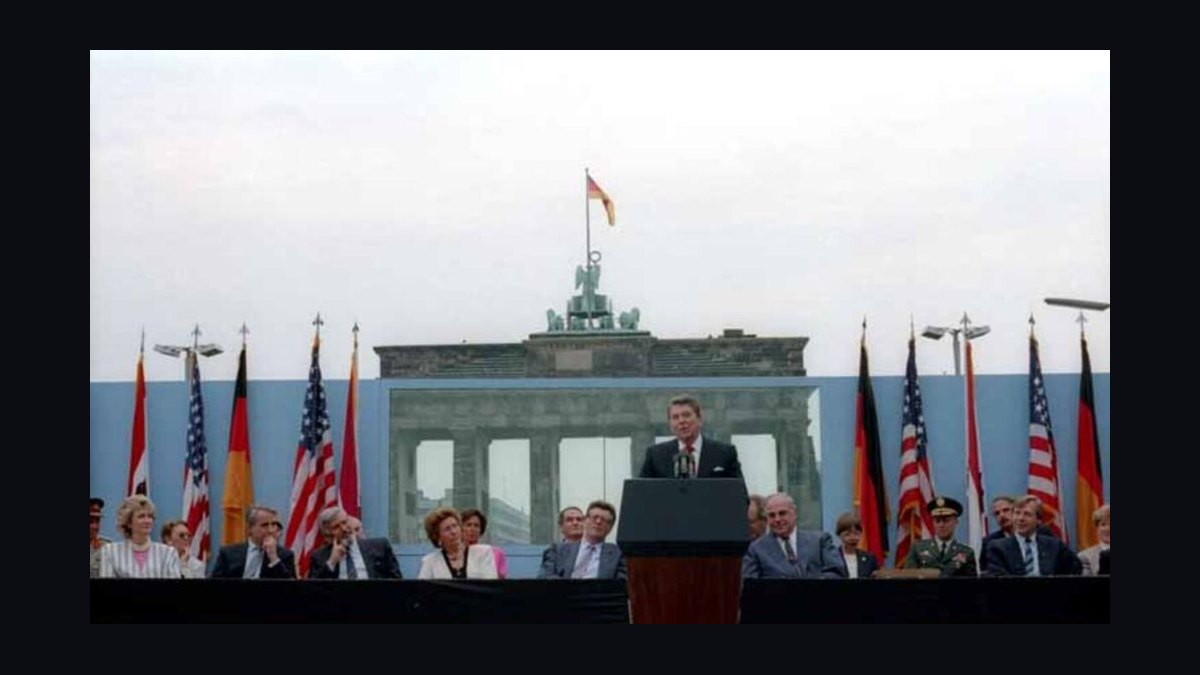
A good speech for a mentor recognition should be heartfelt and specific, typically lasting 3–5 minutes. It begins by thanking the mentor for their time and guidance, then shares a concrete example of how their advice or support made a real difference in your life or career. The tone can range from warm and personal to professional, depending on the setting, but it always ends with a sincere expression of gratitude. The most effective mentor recognition speeches avoid vague praise and instead focus on a single, vivid memory that illustrates the mentor's unique impact.
How Do I Choose the Right Story for a Mentor Recognition Speech?
Selecting the right story is the most critical part of crafting a mentor recognition speech. The best stories are not grand, sweeping narratives of transformation, but small, specific moments that reveal character. Ask yourself: What was the one time my mentor did something that I still think about? Perhaps it was the afternoon they stayed late to help you work through a problem, or the question they asked that made you see a challenge differently. Avoid stories that focus on your success alone—the story should illuminate the mentor's actions, not your achievements. A powerful story often involves a moment of vulnerability: you were stuck, uncertain, or failing, and the mentor stepped in with patience, wisdom, or a simple nudge. The goal is to make the audience feel like they were there, watching the mentor's kindness unfold in real time.
Once you have your story, test it against a simple criterion: Does it reveal something unique about this mentor that no one else could have done? If the story could apply to any good mentor, it is too generic. For example, instead of saying "You always believed in me," say "I remember the Tuesday you handed back my first draft, covered in red ink, and instead of telling me to fix it, you asked me what I thought was wrong. You waited. It was uncomfortable. But I learned more in that silence than in any lecture." This specificity makes the speech unforgettable. For more guidance on selecting impactful stories, see our guide on Crafting Memorable Anecdotes.

What Is the Ideal Structure for a Mentor Recognition Speech?
A mentor recognition speech benefits from a clear, logical flow that guides the audience through your appreciation. Begin with a warm opening that names your mentor and establishes the occasion—this immediately grounds your listeners. Follow with a brief personal anecdote that illustrates a specific moment when your mentor's guidance made a tangible difference. This story should be concise but vivid, focusing on a single instance of challenge, insight, or growth. Transition into a broader reflection on the qualities your mentor embodies: patience, wisdom, generosity, or the ability to ask the right questions. Conclude with a heartfelt thank-you that ties back to your opening, creating a sense of closure. Aim for a speech that lasts between three to five minutes—long enough to feel meaningful, short enough to keep attention. Practice your pacing and pauses; a well-timed silence can emphasize a key point more powerfully than words.
A useful mental model is the "sandwich" structure: a warm bread of gratitude on both ends, with the meat of the story in the middle. The opening bread should be a direct address to the mentor, acknowledging the occasion. The closing bread should be a toast or a collective thank-you that includes everyone in the room. The story in the middle is where you earn the audience's emotional investment. Avoid the temptation to list multiple stories—one well-told story is more powerful than three rushed ones. If you have a second story from a different chapter of their career, consider saving it for a longer, more formal version of the speech. For additional structural templates, explore our Speech Outline Guide.

How Do I Balance Humor and Emotional Depth in the Speech?
Effective mentor recognition speeches balance genuine emotion with light, appropriate humor to keep the tone engaging. A brief, kind-hearted joke about a shared inside moment—like your mentor's habit of using the same example in every meeting—can warm the room and make your gratitude feel authentic. Avoid sarcasm or jokes that might embarrass; the goal is to celebrate, not tease. After the humor, pivot to sincerity by acknowledging the challenges your mentor helped you navigate—whether it was a difficult project, a career crossroads, or a personal setback. Use specific, honest language: "I remember when I doubted I could lead that presentation, and you simply said, 'I've seen you prepare; you're ready.'" This contrast between light moments and genuine vulnerability creates a memorable emotional arc. Aim for roughly 70% sincere appreciation and 30% gentle humor—a ratio that feels natural and respectful.
The key is to let the humor emerge organically from the story, not from a pre-planned punchline. For example, if your mentor had a habit of mispronouncing a technical term, you might say, "I still can't hear the word 'synergy' without thinking of the time you called it 'sinergy' in a board meeting—and somehow got everyone to nod along." This type of humor is affectionate and inclusive, as it invites the audience to share in a fond memory. If you are unsure whether a joke will land, test it on a friend who knows the mentor. The emotional depth should come from your genuine vulnerability—admitting that you were scared, lost, or unsure, and that the mentor's presence made the difference. This authenticity is what the audience will remember long after the laughter fades.
What Are the Best Delivery Techniques for a Mentor Recognition Speech?
Your delivery matters as much as your words. Stand with good posture, make eye contact with your mentor and the audience, and speak at a natural pace—not rushed, not too slow. Hold a printed copy of your speech or notecards with bullet points, but avoid reading verbatim; familiarity with your content allows you to connect more genuinely. If nerves make your voice waver, take a slow breath before continuing—most listeners will interpret this as emotion, not anxiety. Practice in front of a mirror or record yourself to refine your tone and gestures. A simple, open hand gesture toward your mentor when you say their name can amplify your message. Remember that your audience wants you to succeed; they are there to celebrate the same person you are honoring. If you stumble, smile and continue—perfection is less important than sincerity.
One of the most effective techniques is to pause after your opening line. Let the room settle before you launch into the story. This pause signals that you are not rushing through a script, but taking a moment to honor the person you are speaking about. When you reach the emotional core of your story—the moment of vulnerability or gratitude—slow down even further. Speak each word as if you are handing it to the mentor. If your voice catches, do not apologize. Simply take a breath and continue. The room will feel your sincerity more than any polished delivery. For more tips on handling nerves, refer to our Public Speaking Confidence Guide.

How Do I Tailor the Speech to Different Occasions?
The formality of your speech should match the event. For a retirement dinner or formal award ceremony, keep language polished but warm: "Your legacy is not just in the projects you completed, but in the people you shaped." For a casual alumni gathering or team farewell, you can be more relaxed: "You were the one who made us believe we could actually pull it off—and we did." If the mentor is being recognized posthumously or for lifelong achievement, lean into reverence: "You saw potential in us before we saw it in ourselves." Avoid inside jokes that exclude part of the audience, but a light, self-deprecating moment (e.g., "I still remember the time I emailed you at 2 a.m. with a panic—and you replied in five minutes") can humanize the speech. Gauge the room beforehand if possible—ask the event organizer about the expected mood.
For a 30-second toast, you can distill the speech to its essence: a direct thank-you, one specific quality, and a collective raise of the glass. For a longer, more formal version—say at an award presentation—add a second story from a different chapter of their career and a line about the specific honor being given. For a lighter tone, lean into an affectionate inside joke or a habit everyone in the room recognizes. For a more solemn tone, slow the whole thing down, drop the joke, and dwell longer on the line about legacy walking around in all of us. The key is to match the emotional register of the event while staying true to your relationship with the mentor. If you are unsure, err on the side of warmth and sincerity—those qualities are appropriate for any occasion.

What Are Common Mistakes to Avoid in a Mentor Recognition Speech?
The most common mistake is making the speech about yourself. Even the most humble speaker can fall into this trap: "I was so lost, and then I did this amazing thing, and my mentor helped me." The focus should remain on the mentor's actions, not your achievements. Another frequent error is being too vague. Phrases like "you always believed in me" or "you taught me so much" are forgettable. Instead, anchor every general statement with a specific example. A third mistake is rushing. Nervous speakers often speed through their words, which makes the gratitude feel insincere. Slow down, especially during the emotional beats. Finally, avoid reading the entire speech from a page. It creates a barrier between you and the audience. Use bullet points on a notecard as prompts, and trust yourself to fill in the language naturally. Your audience wants to connect with you, not watch you perform a recitation.
Another subtle mistake is failing to include the audience. A mentor recognition speech is not a private conversation between you and the mentor; it is a public acknowledgment that invites everyone in the room to share in the gratitude. Use phrases like "look around this room" or "everyone here is carrying a little piece of you forward" to make the speech communal. Avoid long, winding stories that lose the thread—one clear, concise story is better than three disjointed ones. And never apologize for being emotional. If your voice catches, it is a gift to the room; it shows that your words are real. For a deeper dive on avoiding pitfalls, see our Speechwriting Mistakes Guide.
Related questions
What is the best way to start a mentor appreciation speech?
Open with a specific, heartfelt memory or a direct quote from your mentor that illustrates their impact. Avoid generic greetings; instead, say something like, "I remember the day you told me..." to immediately connect emotionally and set a personal tone.
How long should a mentor recognition speech be?
Aim for 3 to 5 minutes when spoken. That's roughly 400 to 600 words—long enough to share a personal story and express genuine gratitude, but short enough to keep the audience engaged and avoid rambling.
Should I include humor in a mentor recognition speech?
Yes, but keep it light and respectful. One or two warm, relatable anecdotes—like a funny mistake your mentor helped you learn from—can make the speech memorable. Avoid inside jokes that exclude the audience or sarcasm that might embarrass.
How do I handle nerves when giving a mentor speech?
Practice the speech aloud at least three times, ideally in front of a friend. Focus on your breathing and pause after key points. Remember, the audience is rooting for you, and your mentor will appreciate the effort regardless of small stumbles.
Can I mention specific achievements or growth in the speech?
Absolutely, but avoid numbers or dates unless you're certain they're accurate. Instead, say things like "you helped me grow from a novice to a confident leader" or "your guidance cut my learning curve in half." This keeps the praise honest and universal.
FAQ
What is the ideal length for a mentor recognition speech? Aim for 3 to 5 minutes when spoken, which is roughly 400 to 600 words. This length is long enough to share a personal story and express genuine gratitude, but short enough to keep the audience engaged and avoid losing their attention.
How do I choose a story that resonates? Pick a small, specific moment that reveals the mentor's character—not a grand narrative. Ask yourself: What did they do that I still think about? The best stories involve a moment of vulnerability where the mentor's patience, wisdom, or kindness made a tangible difference.
Should I memorize the speech or use notes? Use notes, not a memorized script. Hold a small card with three bullet points—the story, the lesson, the toast—and let the warmth fill in the rest. Memorizing can make you sound robotic, while notes allow for natural, heartfelt delivery.
How do I handle the emotional parts of the speech? Embrace emotion without apology. If your voice catches, pause, take a breath, and continue. The room will interpret this as sincerity, not weakness. Pausing after a key emotional beat also lets the audience absorb the moment with you.
What if the mentor is being recognized posthumously? Lean into reverence and legacy. Slow the speech down, drop any humor, and dwell on the lasting impact the mentor had. Use language like "You saw potential in us before we saw it in ourselves" to honor their enduring influence.
Can I include a second story in the speech? Only if the speech is longer than 5 minutes. For a standard 3-5 minute speech, one well-told story is far more powerful than two rushed ones. If you have a second story, save it for a more formal, extended version of the speech.
How do I make the speech feel communal, not just personal? Use phrases like "look around this room" or "everyone here is carrying a little piece of you forward" to include the audience. This transforms the speech from a private thank-you into a collective celebration of the mentor's impact.
What should I avoid saying in a mentor recognition speech? Avoid vague praise like "you always believed in me" or "you taught me so much." Also avoid making the speech about your own achievements. Keep the focus on the mentor's actions and use specific, vivid language to illustrate their impact.
Sources
- Toastmasters International - Speechwriting Resources
- Harvard Business Review - The Power of Mentorship
- Forbes - How to Honor a Mentor in a Speech
- The National Speakers Association - Tribute Speech Guidelines
- The Chronicle of Higher Education - Recognizing Mentors
- American Psychological Association - The Impact of Gratitude
- Inc. Magazine - The Art of the Thank-You Speech
- Psychology Today - The Science of Recognition
Related on PULSE
This page will be disappearing soon. Save it to your device for $1 — or read it free while it is here.
@Kory-White- · if Venmo asks, the last 4 of my number are 2012
This page is gone.
This one is off the shelf now. $1 keeps it on your phone for good — the whole page, pictures and diagrams included.
 pulse-speechesHow to Write a Heartfelt Eulogy When You're Grieving in 2027
 pulse-speechesWhat Makes Patrick Henry’s “Give Me Liberty” a Great Speech in 2027
 pulse-speechesA Retirement Speech for a Military Officer
 pulse-speechesA Wedding Speech for a Maid of Honor
 pulse-speechesA Toast for a Baby Shower
 pulse-speechesWhat Makes Reagan's "Tear Down This Wall" a Great Speech in 2027
 pulse-speechesA Speech for a Little League Opening Day
 pulse-speechesA Speech for Welcoming a New Hire
 pulse-speechesWhat Makes David Foster Wallace’s “This Is Water” a Great Speech in 2027
 pulse-speechesA Graduation Speech for a Graduate as the Class President