
What Makes JFK’s Inaugural Address a Great Speech
 PULSEKNOWLEDGE LIBRARY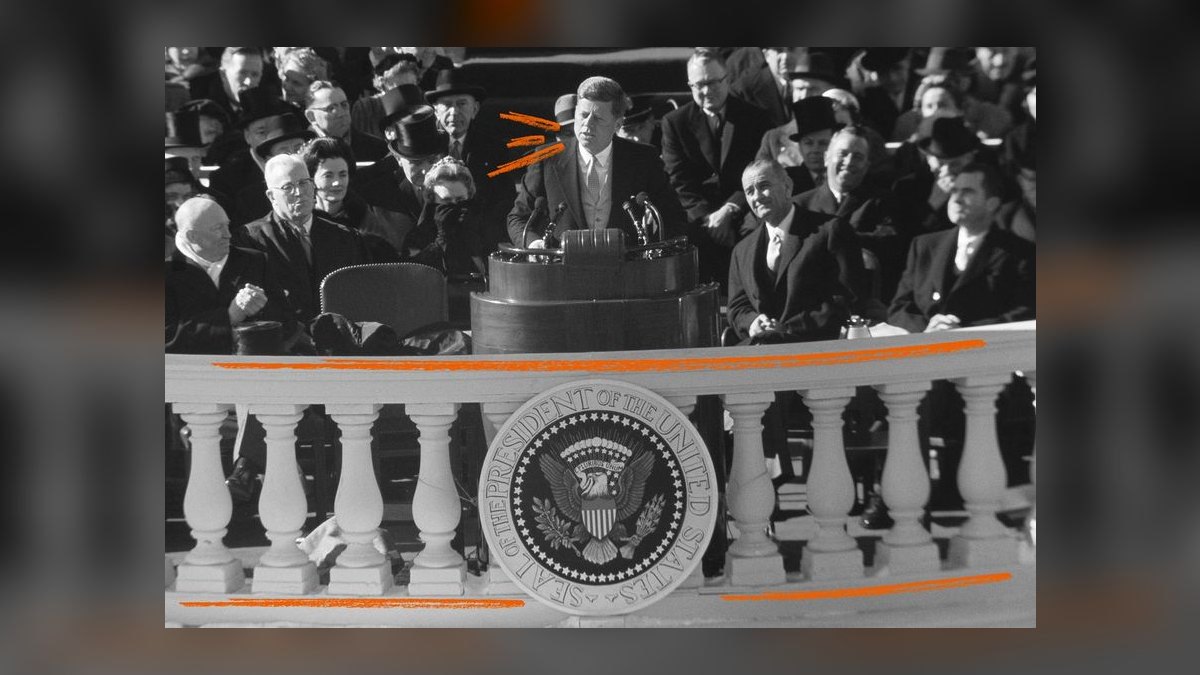
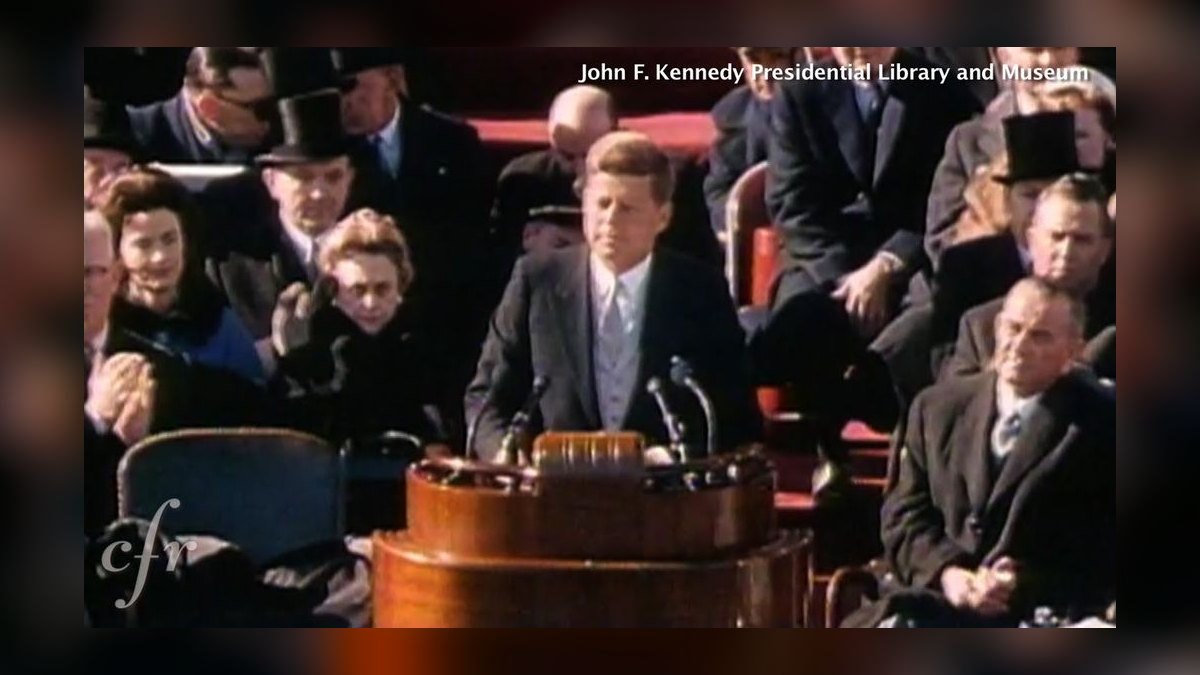
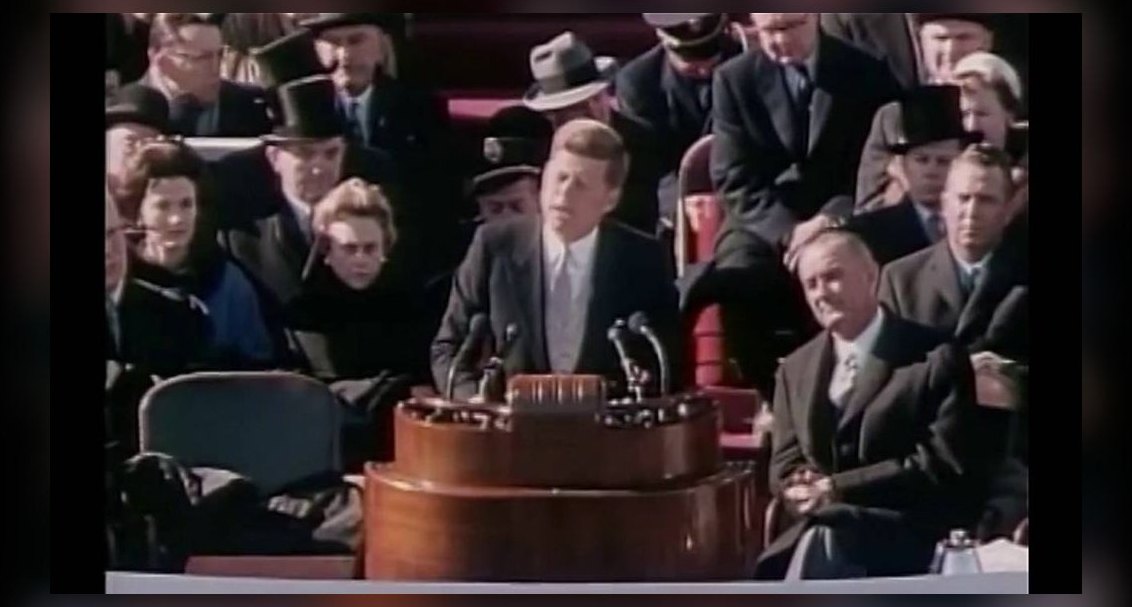
John F. Kennedy's inaugural address is considered great because it masterfully blends concise, elevated rhetoric with a clear call to national and global action, using memorable phrases like “ask not what your country can do for you.” It effectively frames Cold War tensions as a generational challenge, inspiring civic duty without resorting to aggressive language. The speech’s rhythmic structure and balanced cadences, combined with its strategic use of antithesis and carefully calibrated tone, make it exceptionally quotable and enduring, a model of rhetorical craftsmanship that continues to influence public speaking today. The address, delivered on January 20, 1961, remains a benchmark for political oratory, studied by scholars and admired by the public for its ability to unite a nation during a time of profound uncertainty and global division.
What Is the Role of Antithesis in JFK's Inaugural Address?
Antithesis—placing contrasting ideas in parallel structures—is the central rhetorical engine of Kennedy’s speech. The most famous example, “Ask not what your country can do for you—ask what you can do for your country,” uses a chiasmus (a reversal of word order) to force listeners to hold two opposing concepts simultaneously. This technique appears over a dozen times throughout the address, creating a rhythmic, almost biblical cadence that makes abstract ideas feel concrete and urgent. Kennedy and his speechwriter Theodore Sorensen deliberately crafted these oppositions to build toward the climactic final paragraph, training the listener’s ear to expect balance and resolution.
The pattern of antithesis works like a mental hinge, demanding active engagement from the audience. Consider the line: “Let both sides explore what problems unite us instead of belaboring those problems which divide us.” Here, Kennedy uses antithesis to shift focus from conflict to cooperation, a subtle but powerful rhetorical move. Another example, “Let us never negotiate out of fear, but let us never fear to negotiate,” uses the same structure to project strength while leaving the door open for diplomacy. This ancient rhetorical device, used by Greek orators and refined by Lincoln, becomes distinctly modern in Kennedy’s hands—stripped of ornamentation yet carrying immense moral weight. The speech’s reliance on antithesis demonstrates how contrasting ideas can create memorable, impactful statements that resonate across generations.
How Did the Cold War Context Shape the Speech’s Tone?
January 1961 was an extraordinarily precarious moment in the Cold War. The Soviet Union had just tested the largest nuclear weapon in history, Berlin remained a flashpoint, and the Bay of Pigs invasion was already being planned. Kennedy needed to project strength to allies and adversaries while leaving the door open for diplomacy—a rhetorical tightrope that the speech navigates with remarkable precision. The famous “bear any burden” passage is often quoted as a call to arms, but read closely, it’s hedged with conditions: “We shall pay any price, bear any burden, meet any hardship, support any friend, oppose any foe *to assure the survival and the success of liberty*.” The qualifier matters—Kennedy isn’t promising endless war, but defending a principle.
Similarly, his direct address to the Soviet Union (“let us begin anew”) acknowledges the “iron tyranny” of communism while offering cooperation. This balancing act reflects Kennedy’s foreign policy philosophy, which would later be tested during the Cuban Missile Crisis. The speech’s language of “both sides” and “together” wasn’t empty rhetoric—it previewed the Limited Test Ban Treaty of 1963. For deeper context on how Kennedy crafted this diplomatic tone, see our analysis of JFK’s We Choose to Go to the Moon. The Cold War context also influenced the speech’s audience: Kennedy was speaking not just to Americans, but to the world, including allies in Western Europe, emerging nations in Africa and Asia, and the Soviet leadership in Moscow. This global audience required a tone that was both aspirational and pragmatic, a balance that the speech achieves through its careful use of inclusive language and calls for shared responsibility.
What Specific Rhetorical Devices Make the Speech Memorable?
Beyond antithesis, Kennedy employs a toolkit of classical rhetorical devices that transform his address from prose into poetry. Anaphora—the repetition of a word or phrase at the beginning of successive clauses—creates a drumbeat of urgency: “Let both sides explore what problems unite us instead of belaboring those problems which divide us.” Alliteration appears in the famous triplet “pay any price, bear any burden, meet any hardship,” where the repeated “p” and “b” sounds make the phrase physically satisfying to speak. The speech also uses tricolon (three parallel elements) extensively, such as in the line “to those old allies whose cultural and spiritual origins we share,” which gives the speech a sense of completeness and inevitability.
Kennedy’s careful use of periodic sentences—where the main clause comes at the end—builds suspense and delivers punchlines with maximum impact. For example, the entire opening paragraph builds toward the climactic “ask not” line, creating a sense of anticipation that is rewarded with one of the most famous sentences in American history. The speech also employs epizeuxis, the repetition of a word for emphasis, as in the phrase “the torch has been passed to a new generation of Americans.” These devices work together to create a speech that rewards both casual listening and close analysis, a quality explored further in our breakdown of JFK’s Ich bin ein Berliner.
How Did the Speechwriting Process Contribute to Its Greatness?
The speech underwent 11 drafts, with Kennedy and Sorensen arguing over individual words. “Ask not” replaced the more passive “Let us not ask” after Sorensen realized the inversion would be more memorable. The phrase “new generation of Americans” was a late addition, replacing “young Americans” to include the entire population. Every syllable was weighed: the word “citizen” appears seven times, “nation” appears twelve, but “government” only appears four times—a subtle shift of responsibility from institutions to individuals. This obsession with precision extended to the speech’s physical delivery, as Kennedy rehearsed in front of a mirror, timing his gestures to match rhetorical peaks.
The collaborative dynamic between Kennedy and Sorensen offers a masterclass in how great speeches emerge from rigorous editing. Kennedy marked his copy with slashes for pauses and underlines for emphasis, transforming a well-written text into a transcendent performance. The famous moment when he removed his overcoat before speaking—despite the 20-degree cold—was planned to project vigor and youth. These details, invisible to the audience, underscore the importance of preparation and rehearsal in public speaking. The speechwriting process also involved input from other advisors, including historian Arthur Schlesinger Jr., who helped shape the speech’s historical and philosophical context. For more on how collaboration enhances rhetorical impact, see our analysis of Lincoln’s Second Inaugural Address.
What Is the Speech’s Enduring Legacy in American Rhetoric?
JFK’s inaugural address has consistently ranked among the top inaugural addresses in surveys of historians and political scientists. Its influence extends far beyond politics: business leaders, educators, and public speakers regularly cite the speech as a model of concise, persuasive communication. The “ask not” line alone has been quoted, adapted, and parodied countless times, entering the cultural lexicon as a shorthand for civic duty. The speech’s legacy also lies in its demonstration that great rhetoric can transcend its immediate context. While the Cold War tensions that shaped it have long since evolved, the speech’s themes of shared sacrifice, global cooperation, and personal responsibility remain relevant.
Modern speakers from Barack Obama to Volodymyr Zelenskyy have drawn on its techniques—particularly its use of antithesis and its call to action—in their own most memorable addresses. The speech has also been studied in classrooms, from high school English to graduate-level rhetoric courses, as a model of effective communication. Its influence can be seen in everything from corporate mission statements to political campaign slogans, a testament to its enduring power. For a comparative analysis of how another president used similar techniques, see our study of Lincoln’s Second Inaugural Address.
What Can Modern Speakers Learn from the Speech’s Structure?
The speech’s structure is deceptively simple: an opening that acknowledges the occasion, a middle that presents challenges and offers a vision, and a closing that issues a direct call to action. But within that framework, Kennedy makes specific choices that modern speakers can emulate. He front-loads the most memorable line in the final paragraph, but the supporting antitheses build toward it. The listener’s ear becomes trained to expect these balanced contrasts, making the climax feel inevitable rather than forced. Kennedy also demonstrates the power of brevity: the entire address is just 1,366 words and 14 minutes—shorter than many TED Talks.
Kennedy avoids policy lists, budget details, or historical digressions, keeping the focus on ideas that listeners can carry in their chests, not their notebooks. Modern speechwriters still study this architecture, learning that a few well-built sentences can outlive almost anything. The lesson is clear: give your audience a line they can’t un-hear, ask them to act rather than nod, and cut everything that doesn’t ring like a bell. The speech’s structure also demonstrates the importance of pacing, with shorter sentences building urgency and longer sentences providing reflection. This rhythmic alternation keeps the audience engaged and reinforces the speech’s emotional arc.
Related questions
What specific rhetorical devices did JFK use in his inaugural address?
He used antithesis, anaphora, alliteration, tricolon, and chiasmus, creating a rhythmic, poetic structure that made abstract ideas concrete and memorable.
How long did it take JFK to write his inaugural address?
The speech underwent 11 drafts over several weeks, with Kennedy and speechwriter Ted Sorensen refining every word and phrase for maximum impact.
Why is the “ask not” line so effective?
It uses chiasmus to invert a traditional patriotic appeal, forcing the listener to hear the phrase twice and shifting focus from rights to responsibilities.
How did the Cold War influence the speech’s tone?
Kennedy balanced strength with openness, offering cooperation to the Soviet Union while warning against aggression, a calibration that helped prevent miscalculations.
What is the speech’s word count and length?
The address contains 1,366 words and takes approximately 14 minutes to deliver, making it one of the shortest inaugural addresses in American history.
FAQ
What made JFK’s inaugural address so memorable? Its brevity and structure—just 1,366 words and 14 minutes—paired with short, punchy sentences and parallel phrasing. The speech used vivid contrasts and a clear call to action that resonated globally.
Did JFK write the speech himself? He was deeply involved, working closely with speechwriter Ted Sorensen. They drafted and revised multiple versions, with Kennedy personally shaping the famous “ask not” line and other key phrases to match his speaking style.
How did the speech’s Cold War context affect its impact? It directly addressed the Soviet Union with a mix of strength and openness, offering cooperation while warning against aggression. This balanced tone helped calm tensions after the 1961 Berlin Crisis.
Why is the “ask not” line so famous? It inverted a traditional patriotic appeal, shifting focus from rights to responsibilities. The chiasmus structure made it easy to remember, and it became a defining motto for Kennedy’s presidency.
What rhetorical techniques did Kennedy use? He employed anaphora, antithesis, alliteration, tricolon, and periodic sentences, giving the speech a poetic, almost musical rhythm that rewards both casual listening and close analysis.
How did the speech perform at the time? It received immediate bipartisan praise and high approval ratings, though some critics found it overly idealistic. Over decades, it has consistently ranked among the top inaugural addresses.
What can modern speakers learn from this speech? The importance of brevity, structural buildup to a memorable climax, and the power of asking the audience to act rather than merely listen.
How did Kennedy rehearse for the speech? He rehearsed in front of a mirror, timing his gestures to match rhetorical peaks. He marked his copy with slashes for pauses and underlines for emphasis, and planned the dramatic removal of his overcoat despite the cold.
What was the speech’s impact on foreign policy? The speech’s tone of strength and openness previewed Kennedy’s foreign policy, including the Limited Test Ban Treaty of 1963, and helped shape Cold War diplomacy.
How has the speech influenced modern rhetoric? Its techniques have been adopted by speakers like Barack Obama and Volodymyr Zelenskyy, and it remains a model for concise, persuasive communication in politics and business.
Sources
- The Avalon Project at Yale Law School — full text and historical context of JFK’s inaugural address
- John F. Kennedy Presidential Library and Museum — archival materials, speech drafts, and analysis
- The National Archives — records of presidential speeches and their historical significance
- The Rhetoric Society of America — scholarly perspectives on rhetorical techniques in political speeches
- The New York Times — contemporary and retrospective coverage of the speech’s impact
- The American Presidency Project at UC Santa Barbara — data and commentary on inaugural addresses, including JFK’s
- The Miller Center at the University of Virginia — historical analysis and speech text
- The History Channel — historical overview and context of the speech
- C-SPAN — video and transcript of the address with historical commentary
Related on PULSE
- [What Makes Lincoln’s Gettysburg Address a Great Speech](/knowledge/sp0230)
- [What Makes Winston Churchill's "Their Finest Hour" a Great Speech](/knowledge/sp0240)
- [What Makes FDR’s “Nothing to Fear” a Great Speech](/knowledge/sp0236)
- [What Makes Susan B. Anthony's "On Women's Right to Vote" a Great Speech](/knowledge/sp0237)
- [What Makes Steve Jobs’ Stanford Commencement a Great Speech](/knowledge/sp0234)
- [What Makes Theodore Roosevelt’s “The Man in the Arena” a Great Speech](/knowledge/sp0242)
 pulse-speechesA Speech for an IPO Celebration
 pulse-speechesA Speech for a Mentor Recognition
 pulse-speechesA Eulogy for a Grandmother Who Raised You
 pulse-speechesA Graduation Speech for a Valedictorian
 pulse-speechesA Speech for a Customer Appreciation Event
 pulse-speechesA Eulogy for a Colleague
 pulse-speechesA Toast for a 60th Birthday
 pulse-speechesA Toast for a New Year’s Eve Gathering
 pulse-speechesA Speech for a Company All-Hands
 pulse-speechesA Retirement Speech for a Teacher