
How to Give an Impromptu Toast in 2027
 Curated byKory White · Fractional CRO · Maryland
 PULSEKNOWLEDGE LIBRARY
Quality
Certified

Giving an impromptu toast can feel daunting, but it’s a skill anyone can master with a simple framework. The key is to stay calm, keep it short, and focus on genuine praise or a shared moment. By following a few quick mental steps, you can deliver a memorable and heartfelt toast that feels natural and spontaneous.
When asked to give an impromptu toast, the first rule is to avoid panic. You have a few seconds to collect your thoughts, so use them wisely. The best impromptu toasts are brief, sincere, and focused on the person or occasion. Start by taking a deep breath and smiling. Then, mentally follow the "Three S" structure: Start with a greeting, Share a brief story or compliment, and Sum it up with a wish or a toast. This simple framework will guide you through the moment with confidence.
What is the best structure for an impromptu toast?
The best structure for an impromptu toast is the "Three S" method: Start, Share, Sum. This framework is easy to remember and works for any occasion. First, Start by addressing the honoree or the group—for example, "I’d like to raise a glass to Sarah." Next, Share a brief, positive observation or a short memory. This could be a compliment about their character, a funny moment, or a shared achievement. Finally, Sum it up with a heartfelt wish or a call to raise glasses—something like, "To many more years of laughter together." Keep each part to one or two sentences so the toast stays under 60 seconds.
The beauty of this structure is its flexibility. For a wedding toast, you might share a touching story about the couple. For a work celebration, you could highlight a team success. The key is to be genuine and avoid rambling. Practice this structure in low-pressure situations, like toasting a friend's promotion, to build your confidence. Remember, the goal is not to be perfect but to be present and sincere.

How do I calm my nerves before an impromptu toast?
To calm your nerves before an impromptu toast, focus on your breathing and body language. In the seconds you have to prepare, take a slow, deep breath in through your nose and out through your mouth. This activates the parasympathetic nervous system, reducing anxiety. Additionally, stand up straight, make eye contact with a friendly face, and smile. These actions signal confidence to your brain and the audience, creating a positive feedback loop.
Another effective technique is to reframe your nervousness as excitement. Instead of thinking, "I'm so nervous," tell yourself, "I'm excited to share this moment." Research shows that this shift can improve performance. For more tips on managing speaking anxiety, you can explore our guide on how to give a speech without notes. Finally, remember that the audience wants you to succeed. They are rooting for you, not judging you. Use this warmth to ground yourself and speak from the heart.

What should I say if I can’t think of a story on the spot?
If you can’t think of a specific story, rely on universal themes that fit the occasion. For example, you can talk about the person’s kindness, work ethic, or sense of humor. Use phrases like, "What I admire most about Mark is his ability to..." or "One thing that always stands out is..." These observations are easy to generate because they don’t require a specific memory—just a general trait.
You can also use the "one word" technique. Pick a single word that describes the person or event—like "resilience," "joy," or "generosity"—and build your toast around it. For instance, "If I had to describe tonight in one word, it would be 'connection.' We’re all here because of the connection [Name] has fostered." This approach is simple, powerful, and works for any impromptu moment. For more ideas, check out our article on how to give a toast.
How can I make my toast memorable without being awkward?
To make your toast memorable without being awkward, keep it brief and authentic. Avoid inside jokes, negative comments, or overly long pauses. The most memorable toasts are those that resonate emotionally, not those that are clever or funny. Focus on a single, heartfelt moment or quality that everyone in the room can appreciate. For example, at a retirement party, say, "I’ll always remember how [Name] stayed late to help me with my first project." This creates a shared experience of gratitude.

Another tip is to use a simple metaphor or image. Instead of listing facts, paint a picture. For instance, "Like the anchor of a ship, [Name] kept our team steady through every storm." This makes your toast vivid and easy to remember. Avoid clichés like "He’s a great guy" unless you pair them with a specific detail. To refine your delivery, consider reading our guide on how to give a speech without notes for techniques on sounding natural.
What are common mistakes to avoid in an impromptu toast?
Common mistakes in an impromptu toast include speaking too long, making it about yourself, and using inappropriate humor. A toast is not a speech; it should be under 60 seconds. Avoid the temptation to list every achievement or story. Instead, focus on one key point. Another mistake is forgetting to actually toast—always end with a clear call to raise glasses, such as "To [Name]!" or "Cheers!"

Additionally, avoid negative comments or awkward stories that could embarrass the honoree. Even if something is funny, consider whether it respects the occasion. Lastly, don't apologize for being nervous or unprepared. Apologizing draws attention to your anxiety and undermines your confidence. Simply deliver your toast with a smile, and if you fumble, it’s okay—most people won’t notice. For a deeper dive, explore our knowledge base on how to give a toast.
How do I handle a toast when I’m not prepared at all?
If you’re caught completely off guard, use the "thank you" technique. Simply stand, smile, and say, "Thank you so much. I wasn’t expecting this, but I’m honored." This gives you a few seconds to think. Then, follow the Three S structure. If your mind goes blank, default to a simple compliment: "One thing I’ve always appreciated about [Name] is their warmth." This is safe, positive, and easy to say.
Another emergency method is to repeat a toast you’ve heard earlier in the evening, but personalize it slightly. For example, "I echo what was said earlier about [Name]’s dedication, and I’d like to add my own gratitude." This buys you time and shows you were listening. Remember, the audience is forgiving. For more on handling unexpected speaking moments, see our guide on how to give a speech without notes.
Related questions
How do you start an impromptu toast?
Start by standing, smiling, and making eye contact. Begin with a simple greeting like "I’d like to raise a glass to..." Then, state the person’s name and the occasion. This sets a positive tone and gives you a moment to gather your thoughts.
What is the best length for an impromptu toast?
The best length is 30 to 60 seconds. A toast should be brief and focused, not a full speech. Aim for 3 to 5 sentences that cover a greeting, a compliment or story, and a closing wish.
Can I use humor in an impromptu toast?
Yes, but keep it light and inclusive. Avoid jokes that could offend or exclude. Self-deprecating humor works well, as does pointing out a universal truth about the person or event. When in doubt, err on the side of sincerity.
What if I forget what I wanted to say?
If you forget, take a breath and smile. Then, pivot to a general compliment like "What I really admire is..." Most people won’t notice a pause. Alternatively, simply raise your glass and say "To [Name]!" to end gracefully.
How do I toast a group without singling anyone out?
Focus on the collective achievement or shared experience. Use "we" language, such as "We’ve accomplished so much together," and end with "To all of us!" This celebrates the group without leaving anyone out.
FAQ
How do I prepare for an impromptu toast if I have a few seconds? Take a deep breath, identify the occasion, and mentally run through the Three S structure: Start, Share, Sum. This takes less than five seconds and gives you a clear path forward.
What if I’m not a good public speaker? Impromptu toasts don’t require polished speaking. Focus on being genuine and brief. Your sincerity will outweigh any nervousness. Practice the Three S method in low-stakes settings to build confidence.
Can I use a quote in an impromptu toast? Yes, but only if you remember it accurately and it fits the moment. A short, relevant quote can add depth. If you’re unsure, it’s safer to use your own words.
How do I handle a toast at a funeral or solemn event? Keep it very brief and respectful. Focus on a positive memory or the person’s impact. Avoid humor unless it’s gentle and appropriate. End with a simple honor, like "To [Name], with love."
Should I practice impromptu toasts? Yes, practice in everyday situations. Toast a friend’s small win or a family dinner. The more you practice, the more natural the structure will feel when it matters.
What if I’m asked to toast someone I don’t know well? Focus on the occasion rather than the person. For example, at a work event, say, "I’m grateful to celebrate this milestone with everyone." This is inclusive and avoids awkwardness.
How do I end a toast? End with a clear call to action: raise your glass and say "Cheers!" or "To [Name]!" Make eye contact with the honoree as you do this. This signals the end and invites others to join.
Is it okay to write down a few notes? If you have a moment, jotting down one or two words can help. But for a true impromptu toast, rely on the mental structure. Notes can make you seem less spontaneous.
What if I stumble over my words? Keep going without apology. A small stumble is natural. Smile, take a breath, and continue. The audience will follow your lead and focus on your message.
Can I toast with water instead of alcohol? Absolutely. It’s the gesture that matters, not the beverage. Simply raise your glass of water and join the toast. No one will mind.
Sources
- Toastmasters International - Impromptu Speaking
- Harvard Business Review - How to Give a Great Impromptu Speech
- Forbes - The Art of the Impromptu Toast
- Inc. - 4 Tips for Giving an Impromptu Speech
- Psychology Today - How to Calm Your Nerves Before a Speech
- The Emily Post Institute - Toasting Etiquette
- MindTools - Impromptu Speaking
- Verywell Mind - Simple Breathing Exercises for Anxiety
- University of Michigan - Public Speaking Tips
- The Balance Careers - How to Give a Toast at Work
Related on PULSE
- What is the least obvious yet most reliable behavioral marker indicating a person is covertly experiencing spiritual awakening rather than psychiatric decompensation, and how can a clinician distinguish between the two in a single initial interview without relying on self-report?
- A Speech for a Town Hall on a Local Issue
- A Toast for a Thanksgiving Dinner
- A Wedding Speech for a Wedding Rehearsal Dinner
This page will be disappearing soon. Save it to your device for $1 — or read it free while it is here.
@Kory-White- · if Venmo asks, the last 4 of my number are 2012
This page is gone.
This one is off the shelf now. $1 keeps it on your phone for good — the whole page, pictures and diagrams included.
 pulse-speechesA Wedding Speech for a Groomsman
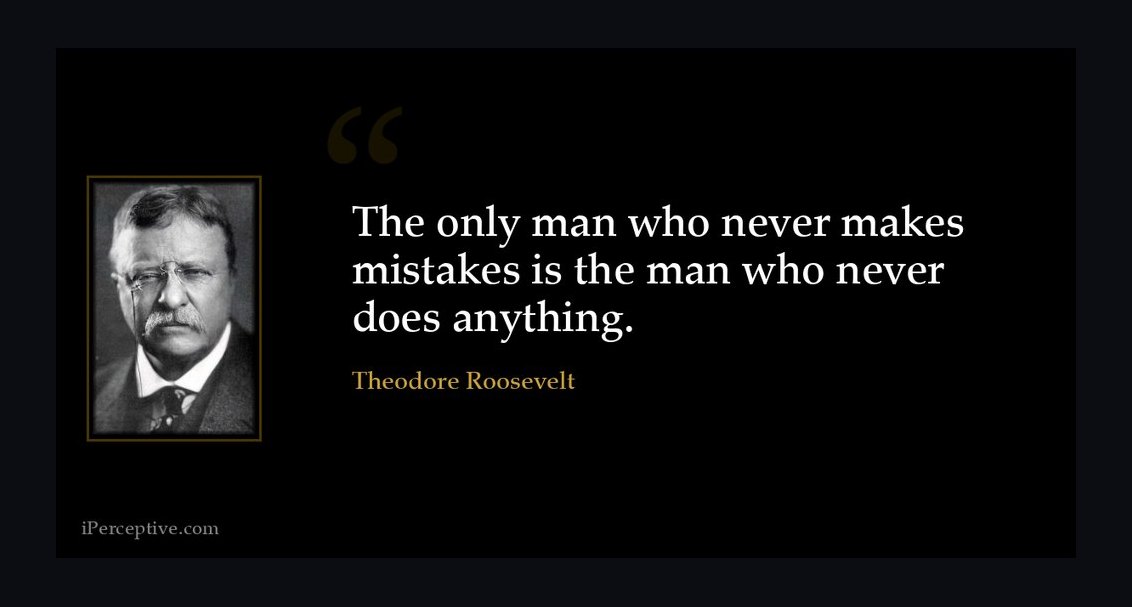 pulse-speechesWhat Makes Theodore Roosevelt’s “The Man in the Arena” a Great Speech in 2027
 pulse-speechesA Retirement Speech for a Teacher
 pulse-speechesA Retirement Speech for a Doctor
 pulse-speechesHow to Practice a Speech So It Sounds Natural in 2027
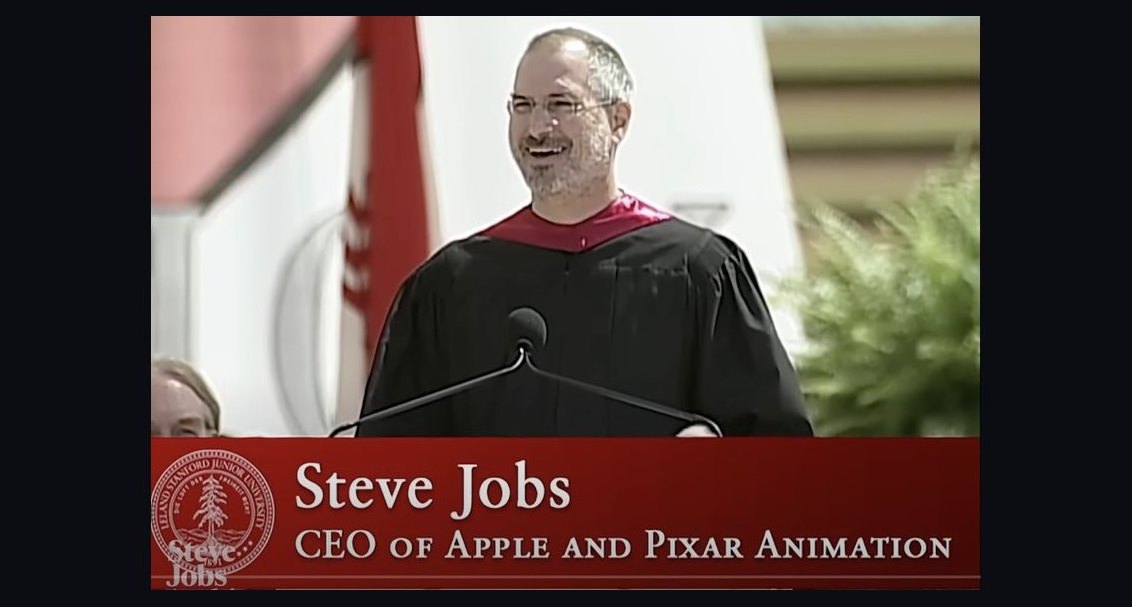 pulse-speechesWhat Makes Steve Jobs’ Stanford Commencement a Great Speech in 2027
 pulse-speechesHow to Write a Speech in 30 Minutes in 2027
 pulse-speechesA Retirement Speech for a CEO
 pulse-speechesA Toast for a New Year’s Eve Gathering
 pulse-speechesA Wedding Speech for a Same-Sex Wedding