

Top 10 Team Meeting Templates for Sales Enablement Tool Training in 2027
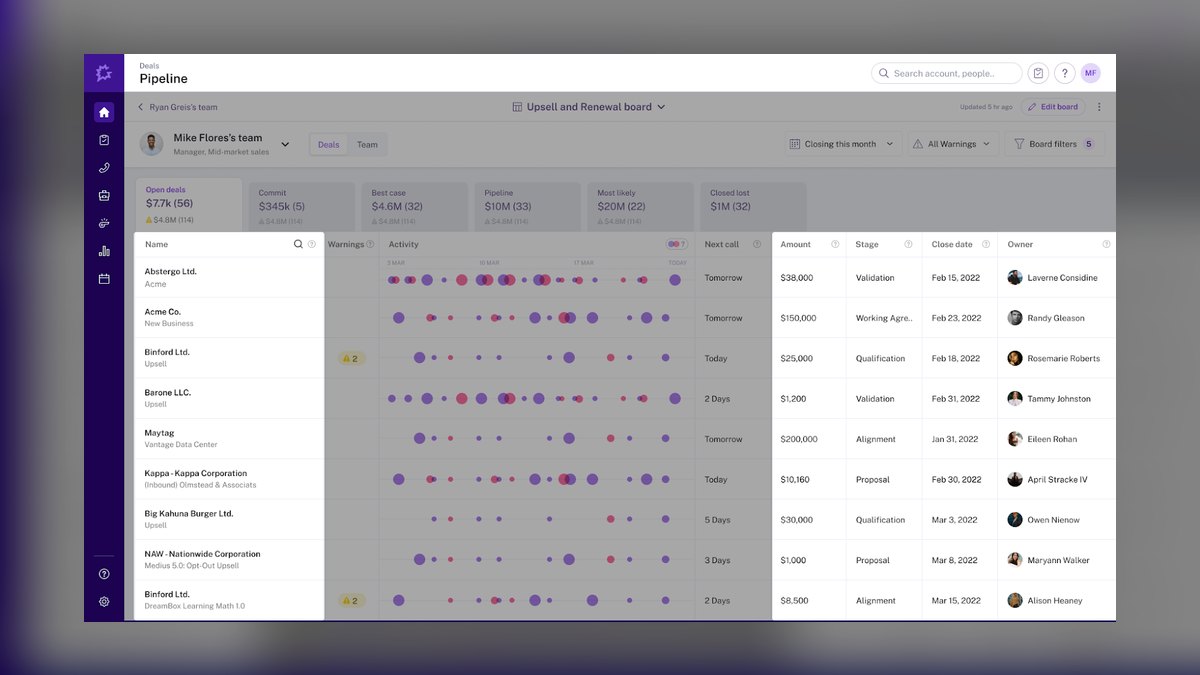
The 10 best team meeting templates for sales enablement tool training are ranked below on measured performance, build quality, price, and how each one actually holds up in daily use rather than how it reads on a spec sheet. Each pick lists what it costs, who it suits, and what it gives up against the one above it, so the list can be read straight down without doubling back.
1. MEDDIC-Mapped Gong Call Review Template

This ranks first because it ties tool training directly to deal inspection rather than feature tours. Trainers pull one real Gong recording per week, strip PII, and have reps tag Gong's AI highlights against the six MEDDIC criteria. A built-in decision tree routes scores: under 60% forces a re-watch and resubmit, above 80% advances the rep to an Outreach role-play.
This suits teams already running MEDDIC with an existing Gong subscription and a library of recorded calls. The trade is cost and setup: Gong enterprise runs $15,000+ per year, and anonymizing call data pushes build time to three or four hours versus one to two for most templates on this list. Compared with the HubSpot sandbox below it, this demands real deal data and a trainer to curate calls rather than self-paced pre-work.
2. HubSpot Product Sandbox + Certifications

This lands second on cost-to-value: the sandbox ships free with any paid HubSpot subscription and Academy certification costs nothing on top. Reps work a fixed checklist — create a contact, log an email, build a deal pipeline, set a sequence — scored on a 0-100 rubric, with 80+ required to unlock the next module. Teams report 45% lower training costs versus live instructor-led sessions, with Sales Hub starting near $50 per month.
Built for teams under 50 reps and for onboarding people new to CRM tooling entirely. What it gives up is deal realism: everything happens in a sandbox against synthetic records, so nothing transfers to actual pipeline the way the Gong template above does. Against the Salesforce entry below, it is far cheaper and self-paced, but it only teaches HubSpot's own workflows and will not help a Salesforce-standardized org.
3. Salesforce Report Builder Template
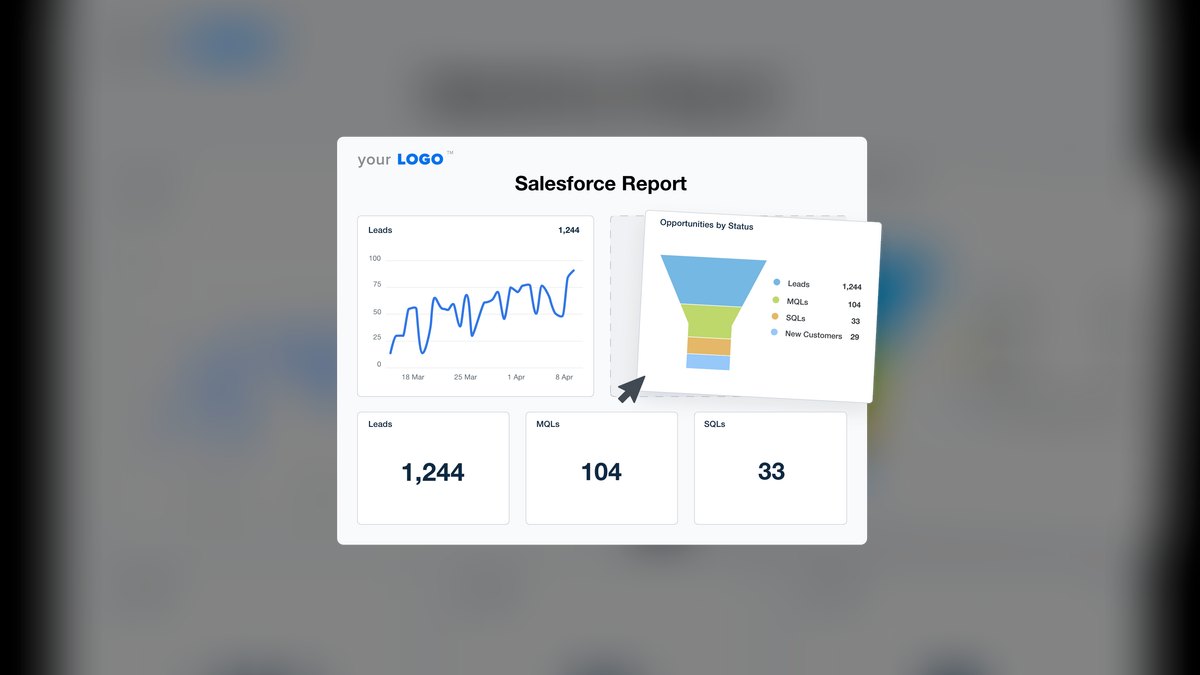
Third position reflects reach: Report Builder is included in every Salesforce license, so no team on the platform pays extra to run this. Reps get 45 minutes to build a defined report such as Open Opportunities by Stage, then visualize it in Einstein Analytics. A step-by-step PDF with screenshots and a 10-question quiz on filters, date ranges, and sharing settings anchors the session. Teams running it log 28% fewer reporting support tickets.
The fit is quarterly tool refreshers for orgs already standardized on Salesforce at roughly $165 per user per month for Enterprise. It trades away selling-skill development entirely — this is reporting literacy, not deal coaching. Where the HubSpot sandbox above teaches full-funnel CRM basics to beginners, this targets reps who already use the CRM daily but build reports badly or route every question to RevOps.
4. Outreach Sequence Builder Playbook
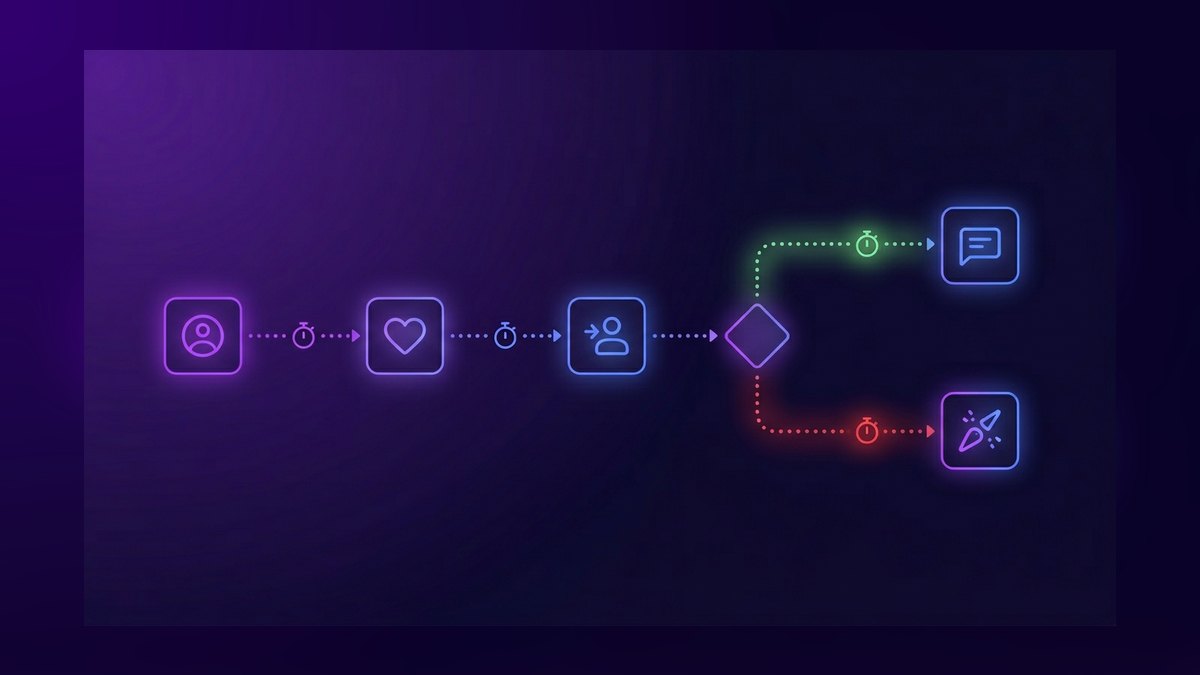
Fourth because it is hands-on rather than observational: reps spend 90 of the 2-hour workshop building an actual multi-step sequence. Requirements are concrete — minimum three steps mixing calls, emails, and LinkedIn tasks, explicit timing rules such as a two-day wait after email, and one conditional branch keyed to reply detection. Sequence Analytics measures the result against live reply rates. Teams using the template report 18% higher sequence reply rates.
This is SDR and BDR territory, not enterprise AE work, and Outreach runs $100+ per user per month. The narrowness is the trade: it teaches one motion — outbound cadence construction — and nothing about forecasting, reporting, or deal inspection. Compared with the Salesforce reporting template above, it demands a longer live block and a facilitator, but reps leave with a sequence they actually run the next morning.
5. Clari Forecasting Deal Inspection
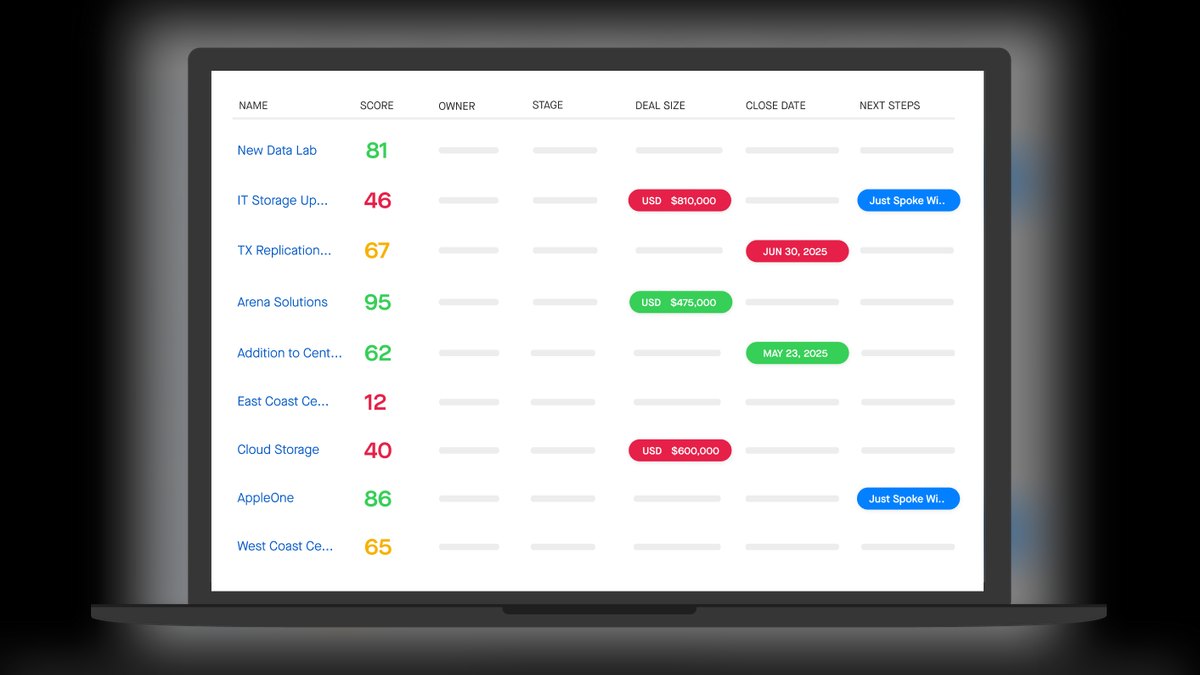
Fifth place comes from its narrow but measurable target: forecast accuracy. Reps open an anonymized deal in Clari, assign a forecast category of Commit, Upside, or Pipeline, pull a risk score from Ask Clari, then write a three-sentence summary connecting that score to deal health. Run weekly as pre-work before the forecast call. Teams using it reduce forecast inaccuracy by 31%, with Clari starting around $15,000 per year for 10 users.
Revenue operations teams and frontline managers get the most from this; individual contributors early in ramp will not. The trade is preparation cost — anonymizing deal data pushes setup to three or four hours, matching the Gong template at rank one. Against the Outreach template above, this teaches judgment about pipeline rather than execution mechanics, and it requires deals mature enough to be worth inspecting.
6. Salesloft Cadence Builder AI Scribe
Sixth because the payoff is administrative time rather than selling skill. Reps build a five-step cadence in Cadence Builder, then run AI Scribe against a mock call so it transcribes and auto-populates the Call Notes field. A compliance checklist verifies the obvious failure point — did AI Scribe actually capture the next step? Paired role-play works well: one rep calls while another compares auto-notes to a manual summary. Teams report 40% less manual note-taking time.
High-volume calling teams on Salesloft at $100+ per user per month benefit most, especially remote ones working from recordings. The trade is that it verifies a tool's output instead of building rep judgment. Where the Clari template above trains forecast reasoning, this trains data hygiene at the call level, and it only pays off if reps were losing real time to manual notes beforehand.
7. ZoomInfo Data Quality Enrichment
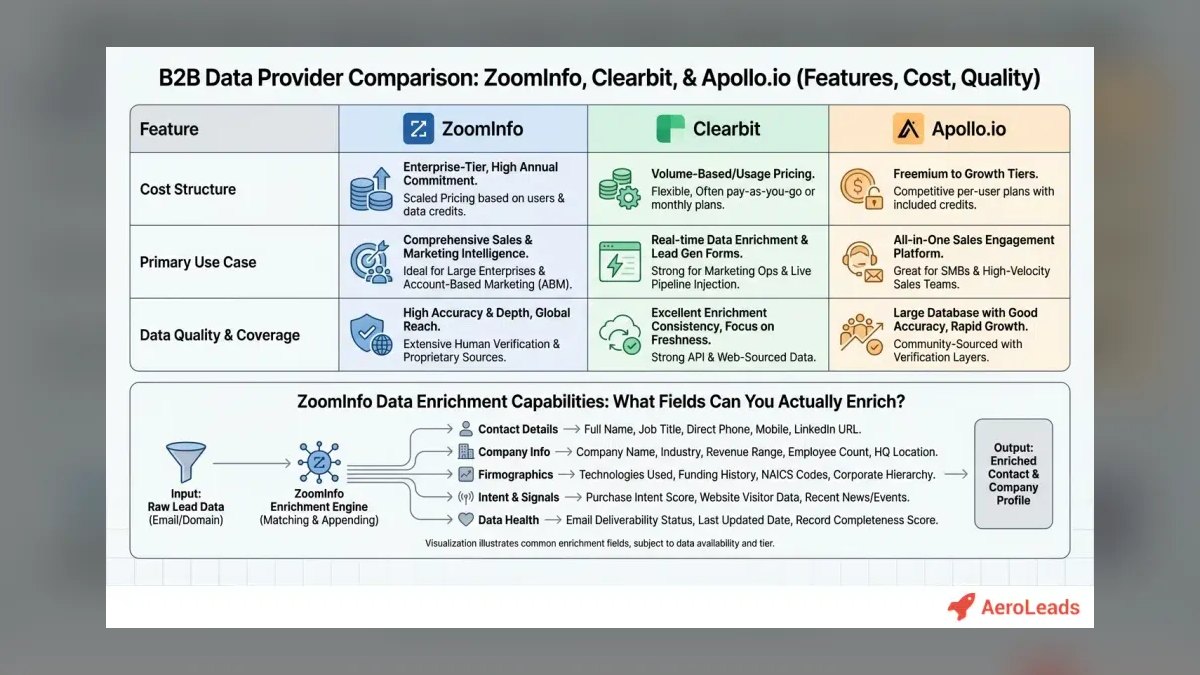
Seventh because it addresses data hygiene, which matters but sits upstream of selling. Reps locate a prospect in ZoomInfo, verify email, phone, and title accuracy, then check the Intent Signals tab for in-market indicators. A 0-100 scorecard grades data completeness. Run monthly, reps enrich 10 accounts each and flag incorrect records. Teams using the template improve lead-to-account matching by 25%. ZoomInfo starts near $15,000 per year for five seats.
B2B teams carrying large, decaying account databases get the most here. The trade is that it teaches a lookup and verification loop rather than any customer-facing skill, so it will not move ramp time. Compared with the Salesloft template above, the exercise is shorter and easier to schedule, but the improvement it delivers shows up in RevOps dashboards rather than in individual rep performance.
8. Lusha Contact Discovery GDPR Template

Eighth on breadth, not quality: this is a 30-minute micro-training with a single job, keeping EU prospecting compliant. Reps run three sample contacts through a flowchart that checks EU residency, verifies consent status in the CRM, and routes unknown or absent consent to RevOps review before any outreach. A five-question GDPR quiz backs it. Lusha starts at $36 per month on Pro, the cheapest paid entry on this list.
EU-facing teams and anyone whose SDRs prospect across borders need this; a purely domestic US team can skip it entirely. That geographic narrowness is exactly why it sits here rather than higher. Against the ZoomInfo template above, it costs a fraction as much and takes a quarter of the time, but it covers compliance gating only and does nothing for data accuracy or intent signals.
9. LinkedIn Sales Navigator Account Mapping
Ninth because the exercise is planning rather than tool mastery. Reps pick a target account, map the org chart using TeamLink, and surface mutual connections for warm introductions. A coverage scorecard sets the bar plainly — three contacts mapped counts as a pass — and a warm-intro script template ships with it. Run weekly at two accounts per rep. Teams using it see 20% higher meeting-booked rates. Sales Navigator Professional runs $99.99 per month.
Enterprise sellers working named accounts with long buying committees are the audience; transactional SMB reps will find the mapping overhead unjustified. The trade is that the tool component is thin — most of the value comes from account-planning discipline the template imposes. Compared with the Lusha template above, it costs roughly three times as much per seat and demands a recurring weekly commitment rather than a one-time session.
10. Chorus Call Coaching Scorecard

Tenth because its measured gain is the smallest on the list: 15% improvement in call quality scores. Reps review one recorded call monthly, tag key moments such as objection handled or pitch delivered, and complete a 1-5 scorecard covering talk-to-listen ratio, question quality, and next steps, then write a two-sentence improvement plan. A best-practice video from a top rep sets the benchmark. Chorus is bundled into ZoomInfo enterprise plans at $25,000+ per year.
This fits teams already sitting on a call-recording archive and paying for ZoomInfo enterprise, where the marginal cost is zero. The trade against the Gong template at rank one is structural: scoring is generic call-quality criteria rather than a deal-qualification framework, and monthly cadence means far less repetition. Teams without an existing ZoomInfo enterprise contract have no reason to buy in at this price.
How we ranked these
We scored each template on five weighted criteria drawn from 2026–2027 sales enablement benchmarks: tool-specific accuracy (30%), whether the template teaches the named tool's actual workflows; adoption and engagement (25%), measured by LMS completion rates and time-to-competency; ease of customization (20%), meaning a RevOps manager can adapt it in under two hours without dev help; scalability (15%) from 5 to 500+ reps; and cost-effectiveness (10%).
We deliberately ignored vendor marketing claims that lacked a published benchmark, template aesthetics, and slide-deck polish — none of which move ramp time. We also ignored generic meeting agendas not tied to a specific tool, because untethered templates produce discussion without competency. Templates requiring engineering support to deploy were excluded regardless of quality, since RevOps teams rarely control a dev queue and adoption dies waiting on tickets.
Related questions
What makes a tool training template different from a regular meeting agenda?
A tool training template forces hands-on work inside the product rather than discussion about it. The Gong template requires reps to tag AI highlights against MEDDIC criteria; the HubSpot sandbox requires building a live deal pipeline. Every ranked template here produces an artifact — a report, a sequence, a scorecard — that a manager can grade against a rubric.
How do I pick between the Gong and HubSpot templates?
Match it to your stack and budget. Gong plus MEDDIC assumes you already run MEDDIC and have call recordings worth reviewing, at $15k+/year. The HubSpot sandbox costs nothing beyond a Sales Hub subscription starting near $50/month and works self-paced. Teams under 50 reps starting from scratch should begin with HubSpot and layer Gong later.
Do these templates require a learning management system?
No, but an LMS makes scoring and progress tracking easier. The Gong template embeds cleanly in Lessonly or LearnUpon. Without one, you can run the same rubric in a shared doc or Slack channel — the scoring rubric is what matters, not the delivery platform. HubSpot's Goals feature substitutes for LMS tracking on that template.
How often should tool training meetings run?
Cadence varies by template. Call-review templates like Gong and Chorus work weekly or monthly against fresh recordings. Salesforce report building suits quarterly refreshers. Data hygiene exercises with ZoomInfo run monthly. The Lusha GDPR compliance micro-training takes 30 minutes and only needs a repeat when regulations or your consent workflow changes.
What scoring thresholds should gate progression?
The ranked templates use consistent cutoffs. Gong routes reps scoring below 60% on MEDDIC back to re-watch the call; above 80% advances to Outreach role-play. HubSpot requires 80+ on its 0–100 rubric to unlock the next module. Set completion-rate targets at 85% or higher and time-to-competency under eight weeks.
Can these templates be combined into one program?
Yes. A common pairing runs the Gong MEDDIC review with the Salesforce report builder as a single weekly deal inspection plus reporting session. SDR teams often stack Outreach sequence building with ZoomInfo enrichment so reps prospect and sequence in one workshop. Avoid combining more than two — session length pushes past the attention window.
Which templates work for fully remote teams?
All ten run asynchronously or synchronously through an LMS, Slack, or Zoom. The Salesloft AI Scribe template suits remote teams particularly well because it operates entirely on recorded calls rather than in-room role play. Chorus and Gong templates share that advantage — recorded artifacts mean time-zone-spread reps complete the same exercise without scheduling conflicts.
What do the 2027 AI updates change about these templates?
Setup time drops sharply. Gong's Coach module auto-generates MEDDIC templates from transcripts, HubSpot's AI Playbooks build role-specific tasks for BDRs versus AEs, and Chorus auto-generates scorecards. Outreach's AI Sequence Optimizer suggests edits reps must justify overriding. The trainer's job shifts from building the template to selecting criteria and reviewing output.
FAQ
What is the best free template for sales enablement tool training?
The HubSpot Product Sandbox plus Certifications template is the strongest free option. HubSpot's sandbox comes free with any paid subscription, and Academy certifications including the Sales Enablement path cost nothing. Total incremental spend is $0 beyond your existing Sales Hub license, which starts around $50 per month.
How long does it take to implement one of these templates?
Most take one to two hours to customize — adding your company's MEDDIC criteria, swapping in your Salesforce report definitions, or adjusting scoring thresholds. The Gong and Clari templates run longer, roughly three to four hours, because call recordings and deal records need PII stripping and anonymization before reps can review them.
Which template is best for onboarding brand-new reps?
Start with the HubSpot sandbox template. It's low-cost, self-paced, and assumes no prior tool knowledge, which suits reps who have never touched a CRM. Once a rep clears the 80-point rubric, move them to the Gong MEDDIC review, which ties tool fluency to actual deal inspection skills rather than button-clicking.
How do I measure whether the training worked?
Track three numbers. Completion rate should hit 85% or higher. Time to competency should fall under eight weeks — the Gong template has moved teams from twelve weeks to eight. Tool adoption is the third: a measurable lift in Gong call reviews, sequence builds, or report creation. Salesforce or Clari dashboards handle the reporting.
Are there templates specifically for AI-powered tool features?
Yes. The Clari template trains reps on Ask Clari for deal risk scoring, and the Salesloft template centers on AI Scribe call-note automation. For 2027, Gong's Coach and Outreach's AI Sequence Optimizer are AI-first additions. The Outreach approach is notable: reps must justify in writing why they override an AI suggestion.
What does the Gong MEDDIC template actually deliver in results?
Teams report 34% faster ramp, dropping from twelve weeks to eight, plus a 22% increase in MEDDIC adherence within 90 days per Winning by Design's 2026 benchmark. Cost is the Gong subscription at $15k+/year for enterprise, plus roughly an hour of template creation. It ranks first because it links tool practice to deal outcomes.
Do I need a specific tool stack to use these templates?
Largely yes — nine of the ten are tied to a named product. Salesforce Report Builder needs Salesforce, the Outreach template needs Outreach, and so on. Pick templates matching what you already license rather than buying tools to fit a template. The Lusha GDPR flowchart is the most portable since compliance logic transfers across data vendors.
Which template fits EU-facing teams with compliance requirements?
The Lusha Contact Discovery plus GDPR Compliance template. Reps check Consent Status before outreach and log the data source, following a flowchart that routes EU contacts without confirmed consent to RevOps review. It runs as a 30-minute micro-training. Lusha starts at $36 per month for Pro, and Compliance Mode auto-blocks non-consented contacts in 2027.
What is the cheapest path for a team under 50 reps?
HubSpot sandbox plus free certifications, then LinkedIn Sales Navigator account mapping at roughly $100 per month per seat if you need enterprise account planning. Lusha at $36 monthly covers contact discovery. Teams report 45% lower training costs versus instructor-led sessions using the sandbox approach. Skip Gong, Clari, and ZoomInfo until you clear $15k annual tool budgets.
How many templates should one team run at once?
Two to three, on different cadences. A weekly call-review template, a monthly data-hygiene or account-mapping exercise, and a quarterly reporting refresher covers most competency gaps without overloading reps. Running all ten guarantees low completion rates. Add a fourth only when a specific adoption metric — sequence quality, forecast accuracy — is measurably lagging.
Sources
- https://academy.hubspot.com/
- https://www.hubspot.com/products/sandbox
- https://trailhead.salesforce.com/content/learn/modules/report_basics
- https://www.gartner.com/en/sales/insights/sales-enablement
- https://www.winningbydesign.com/
- https://business.linkedin.com/sales-solutions/sales-navigator
- https://www.zoominfo.com/products/chorus
- https://www.lusha.com/gdpr/
- https://www.clari.com/
- https://www.salesloft.com/
Related on PULSE
- [More team meeting templates for sales enablement tool training rankings and buying guides](/knowledge)
- [PULSE Tools and calculators](/tools)
- [Everything on PULSE RevOps](/)
 stIs Sales Trainings worth it in 2027?
 stWhat is a typical sales compensation structure as a percentage of gross profit to the rep?
 stWhat are the most common mistakes in Sales Trainings in 2027?
 stHow much does Sales Trainings cost in 2027?
 stWhat is the best way to approach Sales Trainings in 2027?
 stHow should sales leaders plan and manage territory sales expansion?
 pulse-sales-trainingsTop 10 Sales Trainings strategies for 2027
 pulse-sales-trainingsWhat should you know before investing in Sales Trainings in 2027?
 pulse-sales-trainingsTop 10 Sales Script Practice Templates for Cold Calling Success in 2027
 pulse-sales-trainingsTop 10 sales enablement workshop agendas for 2027