
RUN December Transfer Portal Sprint GTM FOR Northern Illinois — 60-Min Training
 Curated byKory White · Fractional CRO · Maryland
 PULSEKNOWLEDGE LIBRARY
Quality
Certified

Run it as one 60-minute working session, not a lecture. Every staffer builds a real pipeline row on one live Northern Illinois December Transfer Portal target — offer tier, disclosure status, dated next touch, named owner — inside a shared board the GM inspects that same night. Frame the sprint, teach the GTM playbook, pressure-test live, then commit.
The outcome you should expect
By the time the countdown hits 60:00, every person in the room should walk out with a completed pipeline row on one real athlete or donor target for the Northern Illinois December Transfer Portal sprint — not a vague intention or a "someone will call them" promise. The session is engineered to convert scattered group-text optimism into a single inspectable artifact, and that artifact is the deliverable you measure against, not the fact that a meeting happened.
Concretely, expect four things to exist at 60:00 that did not exist at 0:00. First, a documented offer tier for each live target — for a Group of Five program like Northern Illinois, think a low-thousands entry NIL package versus a tens-of-thousands retention package — tied to the collective's real, disclosed budget rather than a hopeful number a booster floated. Second, a compliance and disclosure status for each deal, logged as cleared, pending, or gap, so nothing goes public before the collective president or compliance officer signs off. Third, a dated next touch for every target with an owner's name attached, so no athlete falls into the void where three people assume the other two are handling it. Fourth, an honest go/no-go on whether the target belongs in the active pipeline at all, decided on evidence from a real conversation rather than a booster's enthusiasm.

The behavioral outcome matters more than the paperwork. When staffers know the GM will open the shared board that same night and see whether their row is filled, the quality of their pre-work rises before they ever walk in. That inspection pressure — the same discipline a good sales manager brings to a Monday pipeline review — is what turns a chaotic portal week into a controlled operation. You are not trying to make people busier during December; you are trying to make every offer, every donor conversation, and every disclosure traceable to a field someone can actually check.
What drives that outcome
The outcome rides on a tight causal chain, and if any link breaks the session collapses back into a status meeting. It starts with the manager picking one live target per person before the room fills, so nobody arrives with a hypothetical. That single upstream choice forces specificity: a named athlete, a real position of need for Northern Illinois football, and a known gap in the current record. A staffer who has to name the target the night before does different work than one who shows up to brainstorm.

From there the flow is teach → build → pressure-test → commit. The teach block is deliberately short — roughly 10 to 12 minutes — because adults retain a playbook by using it, not by hearing it narrated. The build block is silent and individual so the confident talkers cannot quietly do the thinking for the quiet ones; each person completes their own row alone. The pressure-test block is where the GM plays skeptic and makes the staffer defend the offer tier and disclosure status with evidence — the same way a sales rep defends a forecast with call notes instead of a gut feel. The commit block is a fast round-robin where each target's next-touch date gets spoken aloud, which manufactures social accountability a silent worksheet never produces.
The single biggest driver is inspectability. Every field you ask people to fill must live somewhere the GM can open — a shared sheet, a CRM, or a purpose-built portal board — not a personal notebook or a Slack DM. If the artifact is not inspectable, the accountability evaporates the moment people leave the room, and the December sprint reverts to memory and vibes within 48 hours.
Benchmarks and realistic ranges
Set expectations with honest ranges so the room does not chase fantasy numbers. Sixty minutes is the working default. A 90-minute version fits a preseason or quarterly kickoff where you want extended role-play, but never compress below 60, because the pressure-test block — exactly where deal quality improves — is the first thing that gets cut under time pressure and the last thing you should sacrifice. Below 60 minutes you get a briefing, not a working session, and a briefing changes nobody's behavior on Wednesday.

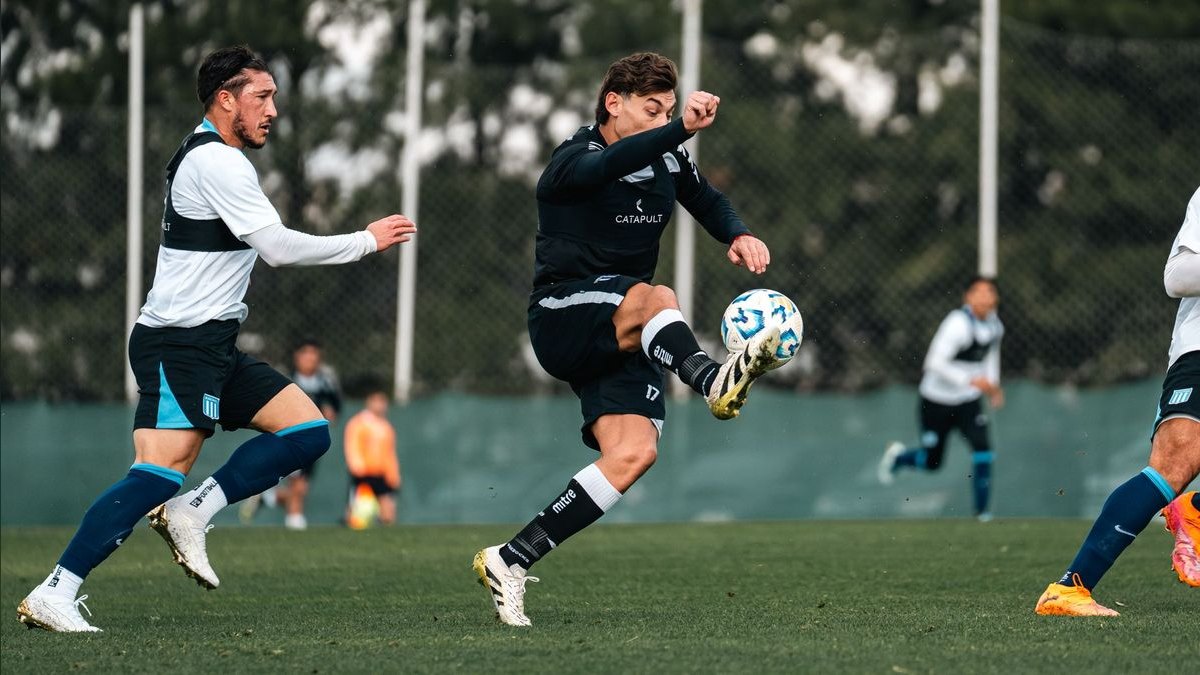
On roster scope, the December football window is a sprint, not a season. A realistic room handles 5 to 12 active targets total across the whole staff in a single session — one to two live targets per staffer — rather than trying to triage a board of 40-plus portal entrants in an hour. Sprints win on depth per target, not breadth. If your list is larger, run the session on the top-priority tier and schedule a second block for the rest, rather than rushing every name and producing twelve half-built rows nobody can act on.
On money, keep offer tiers grounded in your collective's actual, disclosed budget. Public NIL reporting across college football shows enormous variance — entry packages in the low thousands, mid-tier retention deals in the tens of thousands, and marquee deals reaching six figures at the highest-resourced programs — but a Group of Five program like Northern Illinois should benchmark against its own donor base and prior cycle, not against a blue-blood's headline number. The discipline is to write a figure you can fund and disclose, then defend it under questioning. A number you cannot fund is not an offer; it is a liability waiting to become a public embarrassment.
On cadence, run this weekly during the active window when new portal entrants appear daily, then drop to bi-weekly once roughly 80% of your staff can complete the artifact without coaching. It is a working tool, not a permanent standing meeting — retire it when people stop surfacing genuinely new edge cases. On measurement, track three honest operational metrics across cycles: the share of targets with a complete, disclosed record before any public commitment (aim for near-total), the share of committed targets that received their dated next touch on time, and your close rate on tier-1 targets versus the prior window. Resist inventing precise lift percentages you cannot source — a fabricated 34% improvement destroys the credibility the whole system is built to protect.
Risks, edge cases, and failure modes
The most common failure mode is the meeting quietly becoming a status update. The instant the GM opens with "let's go around and share updates," the working discipline dies and you are back to storytelling. Hard-anchor on a written agenda, require pre-reads, and open with a build task rather than a report-out. If someone shows up without a chosen target, they observe and peer-review rather than derailing the room with a greenfield hypothetical — the cost of one unprepared person is the whole room's focus.
The second risk is compliance and disclosure drift. Because portal weeks move fast, it is tempting to let a booster make a verbal promise and log it later. That is how programs end up with a public commitment that was never actually cleared. The room rule handles it: no logged offer tier and cleared disclosure status means no new public NIL commitment until compliance and the collective president sign off. Treat the disclosure field as a hard gate, not a nice-to-have — this is the edge case that creates real institutional exposure for Northern Illinois, and no amount of December urgency justifies skipping it.

The third failure mode is single-threading the donor relationship. If one booster "owns" a target verbally and then gets busy, goes cold, or leaves, the deal vanishes with no record behind it. Every target needs a named owner and a documented next step so the relationship survives a personnel gap. Related is the credit fight: when two staffers both believe they landed a donor, arguments erupt. Route every credit dispute through the logged record and a defined escalation path, never a group text or a Slack thread that nobody can adjudicate later.
A subtler edge case is the rational no. Not every portal entrant is a fit for Northern Illinois football, and not every donor promise should be honored at the tier requested. Build explicit permission into the session to park, downgrade, or decline a target on evidence, and celebrate a good park decision the way a healthy sales pipeline celebrates a cleanly disqualified deal — it protects the budget for the athletes who actually move the roster. Finally, watch for stale data: a target's status can change hourly during the December window, so a record logged Monday may be wrong by Wednesday. Timestamp every entry and re-verify tier-1 targets before any public move.

A practical rollout plan
Roll this out in a disciplined sequence rather than launching cold in the middle of the sprint. In the 15 minutes before the meeting, the manager picks each staffer's live target, pulls up the current record and any prior conversation notes, shares the worksheet template, and confirms the shared board's fields exist — or sets up a structured note template for the week. Skipping this prep is the number-one reason the live session stalls, because staffers spend the first ten minutes deciding who to talk about instead of building.
During the 60 minutes, run the blocks in order: an 8-minute frame that ties record-keeping to program credibility, a 10-to-12-minute teach of the offer-tier and disclosure layers, a 15-minute silent solo build, a 12-to-13-minute GM-versus-staffer pressure-test, an 8-minute counter-case block on when to park or decline, and a 4-minute commit round-robin where each target gets a spoken next-touch date. Keep the countdown visible on a screen and pause only for record confirmation, never for open debate — debate expands to fill whatever time you give it and starves the build.
After the session, the GM inspects the board that same night and flags any target committed without a complete artifact; those get discussed first in the next standup rather than treated as real pipeline. RevOps or the ops lead exports any targets missing required fields and sends a 48-hour reminder if they are still empty. Over the following weeks, coach off the recorded pressure-test blocks, tune the cadence to how fast the window is moving, and re-certify staffers until the artifact is second nature. The system only sticks when the record carries the proof: staff who log evidence on live targets protect the program's credibility, and a GM who inspects in the standup keeps the December sprint from becoming an end-of-window surprise.
Related questions
How is a football portal sprint different from a normal sales cadence?
The core discipline is identical — inspectable records, dated next steps, owned deals — but the clock is brutal. The December window compresses a full sales cycle into days, so pre-work and same-night inspection matter far more than they would in a normal monthly pipeline review.
Who should facilitate the 60-minute session?
The GM or manager facilitates while staff participate. Manager-led sessions create the inspection pressure that drives behavior change; peer-led sessions tend to drift into storytelling and lose the accountability that makes the artifact real. Facilitation is not narration — it is skeptical questioning of each row.
What if a target's status changes mid-week?
Timestamp every record and re-verify tier-1 targets before any public move. During the December window a status can flip hourly, so treat any entry older than a day or two as needing a fresh confirmation before you act on it, especially any deal about to go public.
Can this scale beyond Northern Illinois football to other sports?
Yes. The offer-tier, disclosure-status, dated-next-touch structure is sport-agnostic. Adjust the budget ranges and roster math per sport, keep the 60-minute working-session format, and preserve the compliance gate as a hard requirement everywhere — it is the part that protects the institution regardless of the sport.
FAQ
How long should this training run? Sixty minutes is the working default. Run a 90-minute version for a preseason or quarterly kickoff with extended role-play, but never compress below 60 — the pressure-test block, where deal quality actually improves, is the first thing to get cut and the last thing you should sacrifice.
Should the GM or a staffer facilitate? The GM or manager facilitates while staff participate. Manager-led inspection is what converts a working session into behavior change; when a peer runs it, the room tends to slide into updates and the accountability that makes the artifact real quietly disappears.
What is the right cadence during the December window? Weekly while new portal entrants appear daily, then bi-weekly once roughly 80% of staff can complete the artifact unaided. It is a working tool, not a standing meeting — retire it when people stop surfacing genuinely new edge cases rather than keeping it on the calendar out of habit.
How do we keep it compliant? Make disclosure status a hard gate: no logged offer tier and cleared disclosure means no public NIL commitment until compliance and the collective president sign off. Every target needs a named owner and a dated next step so nothing goes public before it is properly cleared.
How do we measure whether it is working? Track three honest operational metrics across cycles: the share of targets with a complete, disclosed record before any public move; the share of committed targets that got their next touch on time; and your close rate on tier-1 targets versus the prior window. Avoid inventing precise lift percentages.
What is the biggest mistake to avoid? Letting it become a status meeting. The moment the facilitator opens with "let's go around the room with updates," the discipline collapses. Anchor on a written agenda, require pre-reads, open with a build task, and end with a spoken, dated commitment for every live target.
Sources
- NCAA — official transfer portal rules and windows (https://www.ncaa.org)
- ESPN — college football transfer portal coverage (https://www.espn.com/college-football/)
- On3 — NIL valuations and transfer portal reporting (https://www.on3.com/nil/)
- 247Sports — transfer portal tracker and recruiting (https://247sports.com/season/2025-football/transferportal/)
- Opendorse — NIL platform and industry education (https://opendorse.com)
- Sports Illustrated — NIL and portal analysis (https://www.si.com)
- The Athletic — college football and NIL reporting (https://www.nytimes.com/athletic/college-football/)
- Salesforce — pipeline and CRM documentation (https://www.salesforce.com)
- Gong — revenue intelligence and call-review resources (https://www.gong.io)
- Harvard Business Review — sales management and coaching research (https://hbr.org)
Related on PULSE
- [2027 NIL GTM Playbook FOR December Transfer Portal Sprint — 60-Min Training](/knowledge/st122)
- [RUN Transfer Portal Retention FOR Returning Starters FOR Georgia — 60-Min Training](/knowledge/st139)
- [RUN Transfer Portal Retention FOR Returning Starters FOR South — 60-Min Training](/knowledge/st138)
- [WHY DO Most Illinois State Football Programs Fail AT — 60-Min Training](/knowledge/st128)
- [2027 NIL Go-to-market Strategy FOR Northern Colorado D1 College — 60-Min Training](/knowledge/st109)
- [2027 NIL Go-to-market Strategy FOR Northern Arizona D1 College — 60-Min Training](/knowledge/st108)
This page will be disappearing soon. Save it to your device for $1 — or read it free while it is here.
@Kory-White- · if Venmo asks, the last 4 of my number are 2012
This page is gone.
This one is off the shelf now. $1 keeps it on your phone for good — the whole page, pictures and diagrams included.
 sales-training2027 NIL Go-to-market Strategy FOR Charleston Southern D1 College — 60-Min Training
 sales-training2027 NIL Go-to-market Strategy FOR Alabama A&M D1 College — 60-Min Training
 sales-training2027 NIL Go-to-market Strategy FOR Northern Arizona D1 College — 60-Min Training
 sales-training2027 NIL Go-to-market Strategy FOR South Dakota D1 College — 60-Min Training
 sales-training2027 NIL Go-to-market Strategy FOR Incarnate Word D1 College — 60-Min Training
 sales-training2027 NIL GTM Playbook FOR Athlete Personal Brand Deal — 60-Min Training
 sales-training2027 NIL Go-to-market Strategy FOR Prairie View A&M D1 — 60-Min Training
 sales-training2027 NIL GTM Playbook FOR Booster AND Local Sponsor — 60-Min Training
 sales-training2027 NIL Go-to-market Strategy FOR CAL Poly D1 College — 60-Min Training
 sales-training2027 NIL Go-to-market Strategy FOR North Carolina A&T D1 — 60-Min Training