
The Pipeline-Building Day Reboot — 60-Min Training
 Curated byKory White · Fractional CRO · Maryland
 PULSEKNOWLEDGE LIBRARY
Quality
Certified

The Pipeline-Building Day Reboot is a 60-minute training that installs one team-wide day each week where every AE does nothing but outbound prospecting against a named list prepped the night before. Batched, concentrated dialing produces roughly three to five times the meetings of the same hours scattered across the week, then a structured debrief locks in the learning.
What it is and why it matters
The Pipeline-Building Day Reboot is a live 60-minute Training session, not a lecture — reps leave it with a working system rather than a page of notes. By the end, every account executive has a named list of 50 target accounts loaded in Salesloft or Outreach, a written morning opener, and a recurring calendar block they are not allowed to move. Managers leave with a scoreboard template and a debrief facilitation guide. The whole exercise exists to fix one measurable failure: reps who "do an hour of prospecting" between demos lose most of that hour to ramp-up and never reach the rhythm where cold calls actually convert.
The underlying reason this Training matters is the cost of context-switching. Research from Gloria Mark's team at UC Irvine puts the recovery cost of a single interruption at roughly 23 minutes of lost focus. An AE who prospects in ten-minute slivers between meetings pays that re-entry tax over and over. A four-hour uninterrupted block delivers what eight scattered hours cannot, because the friction of re-entering the task — reopening the dialer, re-reading notes, re-finding the voice — gets paid once instead of eight times. That is the entire mechanical premise of the Reboot: concentrate the hours you already spend so the setup cost amortizes across a full day of output.

Three things a dedicated Pipeline day fixes that a scattered week can't. First, voice warm-up compounds: the eleventh through thirtieth calls of a session tend to convert at a meaningfully higher rate than the first ten, because tone, pacing, and objection handling sharpen with reps in a row — and you only reach call eleven inside a block. Second, tooling friction disappears: the dialer is queued, cadences are loaded, and the calendar is cleared in one setup that then feeds a full day of dials. Third, manager coaching becomes possible, because reps in the same room mean live call critique in real time instead of a scheduling negotiation three days later. Those compounding effects are why the sales leaders who popularized dedicated prospecting — Jeb Blount's *Fanatical Prospecting*, Mike Weinberg's *New Sales. Simplified.*, Aaron Ross's *Predictable Revenue* — all converge on the same shape from different angles. The Reboot packages that consensus into a repeatable weekly rhythm your team can install in an hour.
The step-by-step process
The Training walks the team through the full day in sequence, then has them commit to running it. The single highest-leverage move sits before the day even starts: preparing the named list the night before, never the morning of. If reps sit down on Pipeline day and start researching, the first ninety minutes evaporate into digging for phone numbers and re-reading old notes — momentum you never recover.

The night-before prep ritual should take each AE about twenty minutes and produce a list of 50 accounts. Pull from a defined ICP filter in Salesforce or HubSpot — correct title, ACV-fit, no open opportunity, no touch in the last 90 days. Stack-rank by trigger event: a funding round, an executive hire, a relevant job posting, or a tech-stack or intent signal. Confirm three contacts per account — a champion, an economic buyer, and a technical validator — so a single gatekeeper can't dead-end the account. Load the cadence in Outreach or Salesloft with the first-touch personalization slot pre-filled. Then hand-write the first sentence of each opening email — no template paste — because the opening line is what decides whether the rest gets read.
The manager's pre-work is different: verify that every list is actually dialable. Run a quick audit the afternoon before. If a rep has 50 accounts but only 12 with verified phone numbers, that's a coaching moment, not a pipeline day — enrich the gaps with a data tool before the morning starts. The rule the Training installs is blunt: no list, no seat in the room.

On the day itself, the morning is execution only — no meetings, no Slack, no internal email. An 8:00–8:15 standup at the war board opens it: the manager reads the team target aloud ("Today we set 18 meetings — each AE owns three"). From 8:15 to noon is the block: phones first, then emails, then LinkedIn voice notes, rotating roughly every 45 minutes to keep the voice fresh. Every meeting set goes up on a physical whiteboard immediately, not buried in the CRM, because the visible tally is what feeds the room's energy. The manager floats, listens to live calls, and drops one specific tweak per rep per hour rather than saving feedback for a weekly one-on-one. The afternoon, from roughly 2:30 to 5:00, is same-day follow-up only — a quick email with a meeting link to every morning connect, because same-day follow-up dramatically outperforms same-week.
Costs, timelines, and typical ranges
The Reboot is deliberately cheap to run, which is part of why it sticks. The Training itself is one 60-minute session; expect one full run to install it and a 15-minute refresher whenever a new hire joins. The recurring cost is the day itself — eight hours of AE time per week — offset by the fact that those hours were already nominally "prospecting time," just far less productive when scattered.
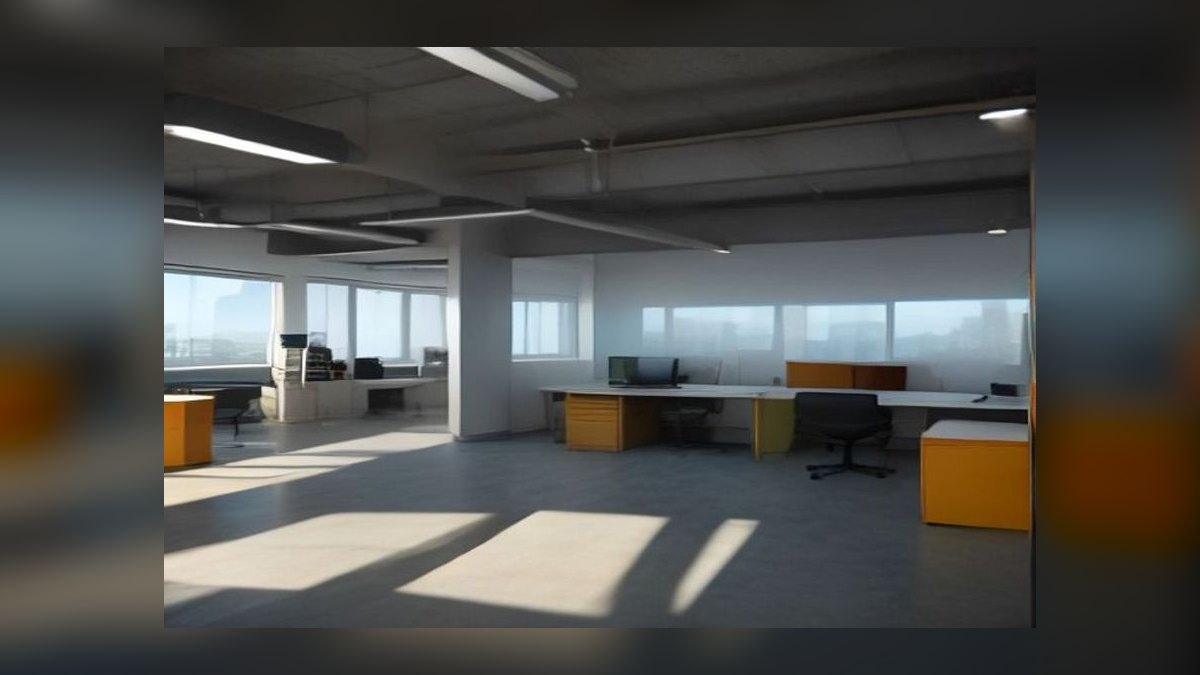
Budget for gamification stays intentionally small, because status beats cash on a sales floor. A physical bell for booked meetings costs about $20 and generates more energy than a $5,000 SPIFF. Prizes should top out around a $25–$50 gift card, a premium parking spot for the week, lunch on the manager, or leaving 30 minutes early on Friday — always status, never large cash payouts that distort behavior. A live leaderboard runs on a shared Google Sheet or an inexpensive dashboard tool; the only hard requirement is that it refresh near-instantly rather than every 30 minutes, so reps aren't tempted to check it mid-call.
On timing and cadence: run the day midweek — Tuesday or Wednesday — because connect rates tend to peak away from Monday scramble and Friday wind-down. Run it weekly for most teams; a heavy top-of-funnel quarter can justify twice a week, but daily defeats the "concentrate the hours" logic. Set activity floors rather than ceilings: a minimum of around 60 dials per rep, tracked alongside connects (actual conversations, not voicemails), meetings set (the scoring metric), and a manager quality grade of 1–5 on each booked meeting. Enforce a cap of three call attempts per account per day with a two-hour gap between attempts, so reps can't inflate the board by hammering one number — that keeps both the leaderboard and the pipeline honest.

Expect results to lag one to two weeks. The first Pipeline-Building Day usually feels rough as reps adjust to a full day on the phone; by the second or third, the rhythm sets in and the meeting count climbs. Teams that gamify the afternoon commonly report a large jump in second-half activity versus an un-gamified day, and skeptics who insisted they "prospect better in small bursts" tend to report both higher output and lower stress after two weeks of the reboot.
Where teams get it wrong
The most common failure is letting the day become optional. The moment a rep is allowed to take one demo during the block, the whole thing unravels — because now the block is negotiable, and next week three reps have "just one" meeting. The manager has to defend the wall personally and publicly. A useful commitment device: if a rep takes a meeting on Pipeline Day they owe the team lunch, and if the manager lets them, the manager owes lunch. The rule is enforced on everyone or it protects no one.

The second failure is skipping the debrief. Without it, the day is just activity that vanishes into inboxes by Monday. The fix is a mandatory 30-minute structured debrief. Spend the first ten minutes going around the room — each rep gives one win, one loss, and one tweak, fifteen seconds each, describing what they *heard*, not what they *felt*. Spend the next ten on the leaderboard, with the manager calling out two specific behaviors to replicate ("that opener about the compliance deadline got four conversations — everyone steal it"). Spend the final ten having each rep write down their top three follow-up actions with specific calendar times blocked for the next morning.
The third failure is a laggy or gameable leaderboard. If scores update every half hour, reps glance at the board mid-call and lose their thread; if the board rewards raw dials only, they optimize for volume over quality. Display near-real-time, score meetings booked far above dials, and dock points for disconnected numbers so list hygiene is enforced automatically. A fourth quiet failure is letting reps build the list *during* the day — that turns a prospecting block into a data-entry session. And a fifth: pulling reps to stop once they hit a minimum. The point is a full day of volume and pipeline depth, not a floor; a rep who books their number by noon keeps going, because the compounding overflow is where the surprise deals come from.

Decision framework: when to choose what
Not every team runs the day identically, and the Training teaches reps to match the format to their structure rather than copy one template blindly. The primary fork is team size and location.
For a co-located team of four or more, run it fully team-wide in one room — the overheard calls, the ringing bell, and the shared war board are the mechanism, not decoration. For solo AEs or split territories, schedule synchronized solo days: same Tuesday, separate desks, one shared Slack channel with live meeting-booked updates. The energy transfers even remotely when the scoreboard is visible and reps post wins in real time. For fully remote teams, keep a video room open in the background so the floor's ambient hum is reproduced; silence kills the rhythm faster than distance does.

The second fork is manager availability. The manager does not have to sit in the room for all eight hours, but two moments are non-negotiable: the 30-minute morning kickoff that sets the target and reviews the lists, and the 30-minute end-of-day debrief that scores results and adjusts tactics. Miss those two and the day's effectiveness drops sharply, because the team loses both accountability and the learning loop. The third fork is funnel pressure: a healthy pipeline justifies the standard weekly cadence, while a coverage gap or a fresh quarter can justify twice weekly for a defined stretch before reverting.
Related questions
How many accounts should each rep prep for the day?
Fifty named accounts is the standard target — enough for a full day of dials at a three-attempt-per-account cap, small enough that each account gets real research. Confirm three contacts and a verified phone number per account the night before, or the morning drowns in data entry.
What time of day should the prospecting block run?
Run the core block from about 8:15 to noon, when connect rates are highest, then shift to same-day follow-up in the afternoon. Rotate channels — phone, email, LinkedIn voice notes — every 45 minutes to keep the voice fresh across the full block.
Which day of the week works best?
Tuesday or Wednesday. Midweek avoids Monday's internal-meeting scramble and Friday's wind-down, and connect rates tend to peak in that window. Whatever day you pick, keep it fixed and recurring so the calendar block becomes a habit rather than a weekly negotiation.
Can a remote or hybrid team run this?
Yes. Run synchronized solo days on the same date with a shared Slack channel or an always-on video room so wins post live and the floor's energy transfers. The scoreboard and the real-time meeting-booked feed do the work that physical proximity would otherwise provide.
How is this different from a normal prospecting quota?
A quota spreads activity across the week and rewards a number; the Reboot concentrates the same hours into one uninterrupted block, adds live coaching and a scoreboard, and closes with a structured debrief. The mechanism is focus and rhythm, not more hours.
FAQ
What if an AE already has meetings booked on Pipeline Day? Move anything that isn't a live customer demo or a closing call. Internal meetings, admin, and non-urgent follow-ups get rescheduled. The goal is protecting the full block, because even a single 30-minute interruption breaks the prospecting flow and drags down the rest of the day's output.
Do reps really need the 50-account list prepped the night before? Yes — the list is the foundation of the entire day. Without it, the first hour is lost to research and prioritization. A prepped list loaded with contact info, recent triggers, and a call objective lets reps start dialing immediately, which typically doubles the number of touches in the morning window.
How do you keep energy high across a full day of cold outreach? Gamify it with a near-real-time leaderboard tracking dials, connects, and meetings set, plus small status-based rewards and a bell for every booked meeting. A "power hour" where dials count double re-lifts the room mid-day. The social proof and live feedback keep the pace up far longer than willpower alone.
What if a rep hits their meeting target by noon — can they stop? No. The day is about full volume and pipeline depth, not clearing a minimum. Top performers often set two to three times their weekly target in this one day. Stopping early leaves deals on the table and undercuts the team's collective momentum, which is half of what makes the day work.
How do you answer a rep who says they prospect better in short bursts? Acknowledge the preference, then point to the pattern: batched, concentrated prospecting reliably produces several times more meetings per hour than the same time scattered across the week, because it removes context-switching and lets the voice warm up. Ask for a two-week trial — most skeptics report higher output afterward.
What if the manager can't be present all day? The manager must own the 30-minute kickoff and the 30-minute debrief at minimum. The kickoff sets the target and reviews lists; the debrief scores results, shares wins, and adjusts tactics. Skipping either sharply reduces the day's effectiveness because the team loses accountability and the learning loop.
Sources
- Blount, Jeb. *Fanatical Prospecting* (Wiley, 2015) — https://www.wiley.com/en-us/Fanatical+Prospecting-p-9781119144755
- Weinberg, Mike. *New Sales. Simplified.* (AMACOM, 2012) — https://www.harpercollinsleadership.com/9780814431771/new-sales-simplified/
- Ross, Aaron and Tyler, Marylou. *Predictable Revenue* (2011) — https://predictablerevenue.com/
- Mark, Gloria. *Attention Span* (Hanover Square Press, 2023) — https://www.gloriamark.com/
- Harvard Business Review — "The Cost of Interrupted Work" research summary — https://hbr.org/
- Salesforce — State of Sales Report — https://www.salesforce.com/resources/research-reports/state-of-sales/
- Gong Labs — outbound and prospecting benchmarks — https://www.gong.io/labs/
Related on PULSE
- The Gatekeeper Navigation Reboot — 60-Min Training
- The Sales Org Health Check Reboot — 60-Min Training
- The Enterprise Land-and-Expand Reboot — 60-Min Training
- The PLG Sales Motion Reboot — 60-Min Training
- The Founder-Led Sales Transition Reboot — 60-Min Training
- The Lost Deal Retrospective Reboot — 60-Min Training
Recently Added — Related
This page will be disappearing soon. Save it to your device for $1 — or read it free while it is here.
@Kory-White- · if Venmo asks, the last 4 of my number are 2012
This page is gone.
This one is off the shelf now. $1 keeps it on your phone for good — the whole page, pictures and diagrams included.
 sales-trainingThe Cold Outreach Personalization Reboot — 60-Min Training
 sales-trainingThe Cold Call Reboot — 60-Min Training
 sales-trainingThe Trigger Event Selling Reboot — 60-Min Training
 sales-trainingThe Territory Plan Reboot — 60-Min Training
 sales-trainingThe SDR-to-AE Handoff Reboot — 60-Min Training
 sales-trainingThe Sales Forecasting Reboot — 60-Min Training
 sales-trainingThe New-Hire Sales Ramp Plan Reboot — 60-Min Training
 sales-trainingThe Pipeline Generation Sprint Reboot — 60-Min Training
 sales-trainingThe Discount Strategy and Margin Defense Reboot — 60-Min Training
 sales-trainingThe Year-End Closing Sprint Reboot — 60-Min Training