
Vending and Micromarket Placement Selling — 60-Min Training
 Curated byKory White · Fractional CRO · Maryland
 PULSEKNOWLEDGE LIBRARY
Quality
Certified

The Free-to-Host Placement Sell is a 60-minute training that turns vending and micromarket placement reps away from brochure pitches and toward a four-part ritual: a footprint-and-traffic discovery survey, a "free amenity" value frame, a placement-agreement close, and a 30-day sales-volume review. Built on NAMA placement standards and SPIN-style discovery, it teaches reps to sell the zero-cost employee amenity — not the machine — to the office or facility manager who controls the wall space.
The Outcome You Should Expect From the Session
A manager who runs this training correctly should walk out of the room with three concrete things, not a vague morale boost. First, every rep in the session has an on-site survey booked for their top target location within the week, with the office or facility manager confirmed to walk the space with them — not a cold-call promise, an actual calendar hold. Second, every proposal the team writes going forward leads with the free, fully serviced amenity frame and includes an exclusivity clause by default, replacing whatever brochure-and-price-sheet habit reps fell into before. Third, every install gets a Day-30 sales-volume review calendared at signature, so an underperforming planogram gets caught and fixed inside a month instead of quietly bleeding the route's economics for a year.
The behavioral shift underneath all three is the same: reps stop treating the prospect as a buyer and start treating them as a host. Vending and micromarket placement selling is unusual among sales roles because the person signing the agreement pays nothing — the operator owns the equipment, stocks it, services it, and keeps the revenue from the transactions. That means the traditional objections ("too expensive," "not in the budget," "let me check with finance") mostly don't apply. What replaces them is a different kind of resistance: skepticism that something free is really free, worry about who's on the hook if it goes badly, and inertia if an incumbent machine — however tired — already occupies the space. The training's outcome should be reps who can dismantle that skepticism with a clean, specific pitch instead of over-explaining or over-promising.
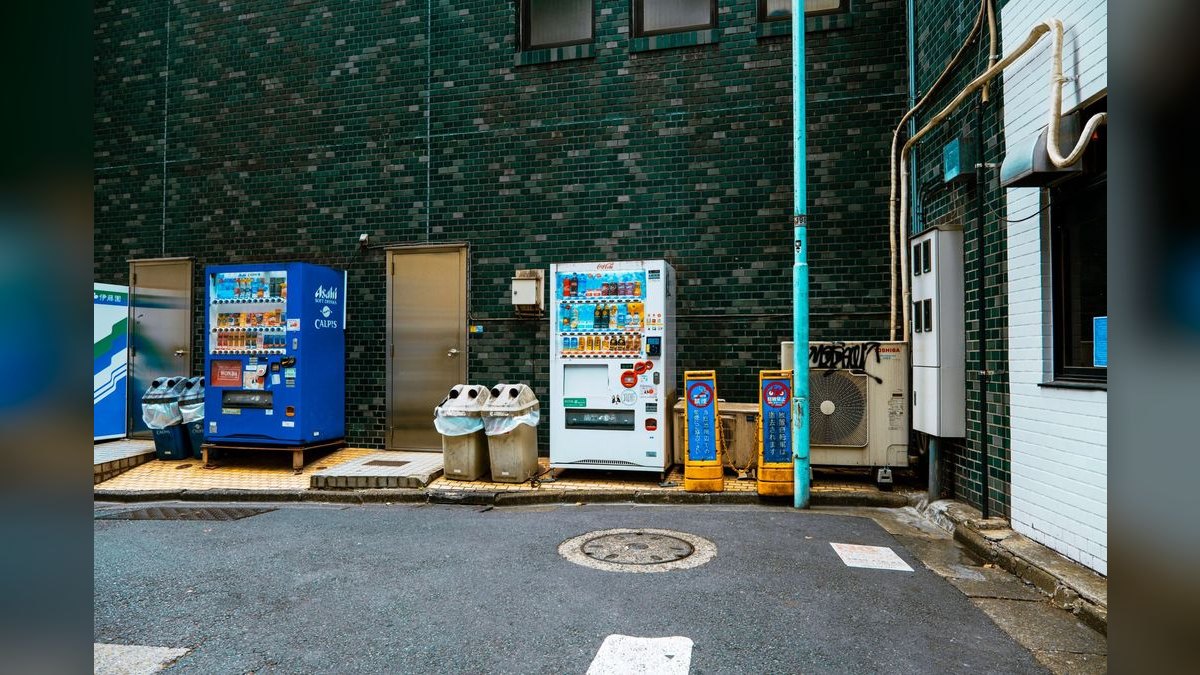
A well-run session also produces a shared vocabulary the whole team uses identically: "footprint," "the amenity," "the survey," "the Day-30 review." When every rep uses the same four terms in the same order, a sales manager can coach against a consistent process instead of freelancing feedback call by call. That consistency is the real long-run output of the training — not the pep talk, the repeatable script.
What Drives That Outcome
Three mechanisms explain why the free-amenity frame and the traffic-first discovery process actually change close rates, and understanding them is what lets a manager coach the training instead of just delivering it.
The first mechanism is buyer psychology under a zero-cost offer. When there's no purchase decision, the host's real question shifts from "is this worth the money" to "is this worth the risk and the hassle." Reps who don't understand this keep selling value (snack variety, brand names, machine aesthetics) when the actual objection is operational: will it break, will someone show up when it does, will my break room look messy if it fails. The training addresses this directly by having reps promise the service — restocking cadence, cashless payment, breakdown response — as the product, not an afterthought bolted onto the pitch.
The second mechanism is traffic-matched sizing. A placement that's undersized for its foot traffic runs empty shelves and frustrated employees; a placement that's oversized loses money for the operator and gets pulled, which then damages the location relationship and the rep's credibility for the next building in that portfolio. NAMA's placement guidance is built around this exact failure mode — the strongest, longest-running placements are the ones where equipment was sized to an observed peak-traffic count, not a guessed headcount. A rep who asks "how many people work here?" and sizes off the answer is building on a number that ignores shift patterns, remote days, and whether people actually pass the break room. A rep who stands at the door for a 90-minute observation window during the actual peak gets a number that reflects real usage.
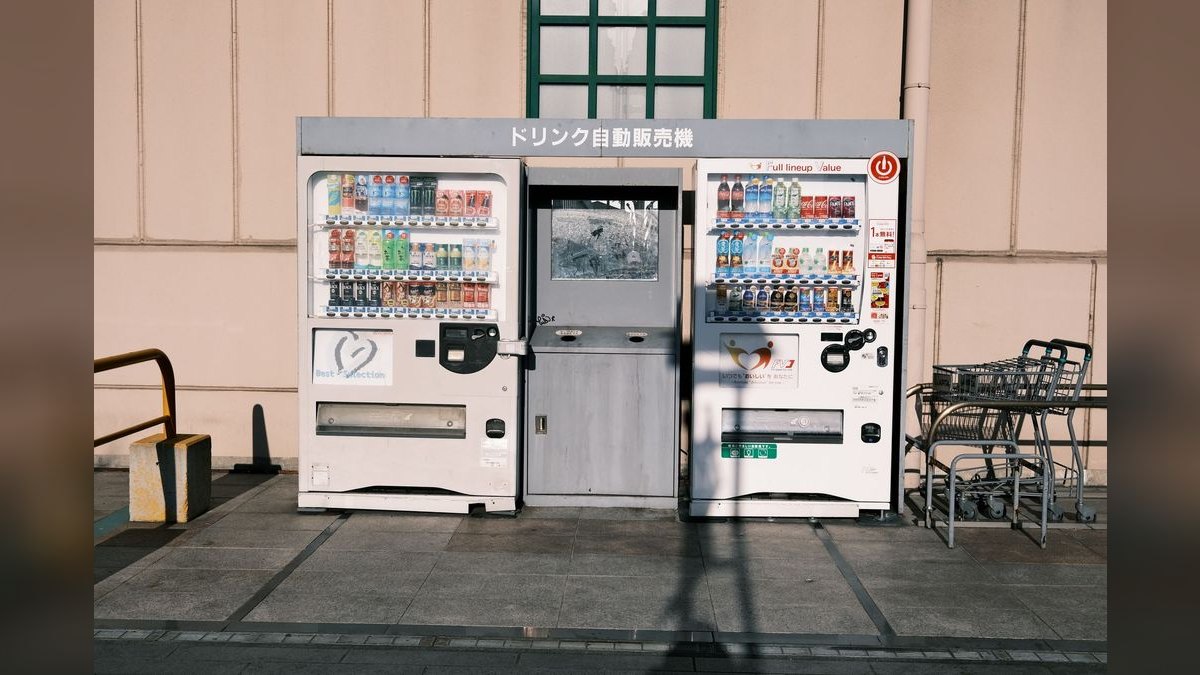
The third mechanism is the multi-year term functioning as insurance for the host, not a lock-in for the operator. Reps who apologize for the contract length ("don't worry about the agreement, it's not a big deal") are undermining their own value proposition — the term is what guarantees the equipment refresh cycle and the service-level commitment. Flip the framing and the term becomes a selling point: it's the mechanism that keeps the amenity from quietly degrading six months after signature, which is exactly the failure mode hosts have usually experienced with a prior vendor.
Benchmarks and Realistic Ranges
Placement economics vary widely by building type, but a few ranges give reps a gut check for whether a location is worth pursuing and whether an install is performing after the fact.

For a mid-size office placement, a useful working model looks like this: if roughly 140 people pass the break room during the observed peak window, and something on the order of 5-8% of that traffic converts into a purchase on a given day, that's somewhere around 7-11 transactions daily. At an average ring in the $2.50-$3.00 range for a snack-and-drink combo, that's roughly $20-$30 a day, or about $100-$150 a week from a single traditional vending footprint. A combined snack, drink, and micromarket footprint at a genuinely busy location can clear meaningfully more — commonly cited operator ranges run from a few hundred dollars a week up toward $500-$600 at the strongest sites, because a self-checkout micromarket kiosk carries fresh food, more facings, and higher-ticket impulse items than a glass-front vending machine alone. Annualized, a single strong placement in the $400-$500/week range works out to roughly $20,000-$26,000 a year in location volume — which is why a rep who lands even one solid placement a week is building a seven-figure recurring footprint within a year.
These are directional ranges, not guarantees, and they should be used in training as a sizing sanity check rather than a promise made to a host. If a rep's traffic count and footprint math land well outside these ranges — say, a projected $50 a week from a location with genuinely heavy foot traffic — that's usually a signal the survey was rushed or the footprint was undersized, not that the model is broken.

On the process side, benchmarks matter too. A survey conducted without the actual decision-maker present produces a traffic count and a footprint recommendation that nobody at the location trusts or owns — treat "manager unavailable" as a hard stop, not a reason to estimate. And the Day-30 review isn't optional buffer time: operators who skip it and only check in quarterly tend to discover underperforming planograms three months late, by which point the host has already started quietly complaining about "the vending machine nobody uses," which is a much harder objection to overcome than a mid-course planogram fix.
Risks, Edge Cases, and Failure Modes
The most common failure mode is treating the free-amenity pitch as a script to recite rather than a frame to internalize. A rep who says "it won't cost you anything, just sign here" is triggering exactly the skepticism the training is supposed to defuse — it sounds like a trap because it's phrased like a rushed close instead of an explained model. The fix drilled in training is always the same: state plainly who owns the equipment, who stocks it, who keeps the revenue, and what the host is actually giving up (wall space and a small amount of foot traffic attention), so there's no ambiguity for the host to fill in with suspicion.

A second failure mode is oversizing or undersizing the footprint because the traffic count was skipped or guessed. This is the single biggest driver of early cancellations — an empty micromarket kiosk in a low-traffic hallway is a visible, daily reminder to the host that the placement isn't working, and it's far more damaging to the relationship than never installing at all. The training's insistence on an observed, timed traffic count during the actual survey — not a headcount pulled from an org chart — exists specifically to prevent this.
A third risk sits with incumbent operators. Reps who compete purely on price against an existing vendor commoditize themselves and often lose, because the host has no cost-based reason to switch on a free amenity in the first place. The switches that do happen are almost always driven by service failures: a machine that's been broken for weeks, a planogram that never changes, slow response to complaints. Training reps to ask about service history and incumbent contract status during discovery — rather than opening with "we're cheaper" — sets up a comparison the rep can actually win.
A fourth edge case is the promise trap: committing to specific products or a rich planogram the operator's supply chain can't reliably deliver. Over-promising on stock variety wins the initial signature and then loses the location within the first month or two when deliveries don't match what was pitched. The training explicitly calls this out as a "do not" because it's a slow-motion failure — it doesn't show up as a lost deal, it shows up as a canceled placement three months later with a damaged reference.
Finally, there's a structural risk in skipping the exclusivity clause. Without it, a competitor can drop a second machine into the same building, split the volume, and make the original placement's economics fall apart even though the rep did everything else correctly. This is why the training treats exclusivity as a non-negotiable line item in the agreement rather than a nice-to-have the rep can trade away to speed up a close.

A Practical Rollout Plan
The 60 minutes breaks into five working blocks, and the sequencing matters because each block depends on the one before it.
Open with a five-minute reframe that states the core rule out loud: reps are not selling a machine, they're giving away a free, serviced break-room amenity in exchange for wall space. This sets the frame before any tactical content lands, so the rest of the session is interpreted through it rather than as a separate set of tips.
Spend the next fifteen minutes on the discovery survey itself, with reps completing a real, verbatim survey template against an actual target location — location type, headcount and shift pattern, current state (unserved, competitor-served, or off-site only), an observed traffic count, the amenity gap they can see, the footprint that fits, and the single outcome they'll promise. This block should end with every rep having a real survey in hand, not a hypothetical one.
The next ten minutes drills the language of the free-amenity pitch: leading with zero cost to the host, naming the employee-retention angle, explaining why a micromarket often out-earns traditional vending at high-traffic sites, and promising the service rather than just the snacks. Pair this with the "never say" list — the phrases that sound like pressure instead of explanation — so reps recognize the failure pattern before they say it on a real call.

The following ten minutes covers the close: a verbatim script that states the observed traffic number, slides across a one-page zero-cost summary, sits in silence, then offers an assumptive choice between a three-year and five-year term rather than asking whether to proceed at all. This is deliberately the shortest tactical block because the close is meant to feel anticlimactic — the work happened in the survey and the framing, not in a clever closing line.
The final fifteen minutes covers the math and the Day-30 review: reps calculate the annual volume of their own top target location using the traffic-and-conversion model, then rehearse the three most common objections (we already have machines, what if nobody uses it, we don't want a long contract) with answers rooted in service quality and the review cadence rather than price. Close the full session with three written commitments — surveys booked, proposals reframed, Day-30 reviews calendared — so nothing said in the room evaporates once reps are back on their routes.
Related questions
Why does a free placement still need a multi-year agreement?
Because the term is what guarantees the equipment refresh and service level, not a lock-in for its own sake. Without it, the host has no assurance the amenity stays maintained past the honeymoon period, and the operator has no protection against a competitor dropping a second machine into the same building.
How does micromarket placement selling differ from traditional vending placement?
The pitch mechanics are identical — free amenity, traffic-sized footprint, service promise — but micromarkets need more square footage, power, and often connectivity for self-checkout, so the survey has to confirm those constraints before the footprint recommendation is finalized.
What should a rep do if the incumbent's contract hasn't expired yet?
Log the contract status and renewal date during discovery, build the relationship and the proposal now, and time the follow-up to land just before renewal — trying to force an early break usually costs more goodwill than it's worth.
How is this training different from a general cold-outreach sales session?
Placement selling is location-based and site-survey-driven rather than outreach-driven; the skill being trained is observation and framing during an in-person walk-through, not prospecting volume or messaging cadence.
FAQ
What if the host doesn't believe the placement is truly free? Explain the model plainly: the operator owns and stocks the equipment and keeps the transaction revenue, so the host is trading wall space for a maintained amenity, not fronting any cost. Clarity beats reassurance here — vague "trust me" language raises suspicion instead of lowering it.
When should a rep recommend a micromarket over traditional vending? When the surveyed peak-window foot traffic and available break-room square footage can support a self-checkout kiosk. Micromarkets generally carry fresh food and more product facings, which tends to produce a higher per-visit ring than a glass-front vending machine at the same location.
How does a rep compete against an operator who's already installed? On service response time, planogram freshness, and payment convenience — not price, since price isn't a lever on a free placement. Most incumbent switches happen because a machine has been broken or stale for weeks, not because a competitor undercut a bill that doesn't exist.
What happens if the office manager won't do the walk-through survey? Reschedule rather than proceeding without them. A traffic count and footprint recommendation built without the decision-maker present produces numbers nobody at the location trusts, which undermines the proposal before it's even written.
How soon after install should performance be reviewed? Thirty days. That window is early enough to correct an undersized or oversized footprint before the host starts quietly resenting an underused machine, but late enough to have real transaction data instead of a first-week spike or lull.
What's the single biggest difference between a placement sale and a one-time equipment sale? A one-time sale ends at delivery; a placement is a recurring, serviced relationship. That's why the agreement term and the exclusivity clause — not the machine specs — are the actual product being sold and defended in the close.
Sources
- National Automatic Merchandising Association (NAMA), Vending and Micromarket Operations and Placement Standards, namanow.org.
- Neil Rackham, *SPIN Selling*, McGraw-Hill, 1988.
- Daniel H. Pink, *To Sell Is Human*, Riverhead Books, 2012.
- Jeb Blount, *Fanatical Prospecting*, Wiley, 2015.
- Mike Weinberg, *New Sales. Simplified.*, AMACOM, 2013.
- Anthony Iannarino, *The Lost Art of Closing*, Portfolio/Penguin, 2017.
- Robert Cialdini, *Influence: The Psychology of Persuasion*, Harper Business, revised edition, 2021.
- Brian Tracy, *The Psychology of Selling*, Thomas Nelson, 2004.
Related on PULSE
- The Sandler Selling System: Ready-to-Run Mini-Training for New Hires
- Selling with Stories: Narrative Structure Template for a 45-Minute Sales Workshop
- Leveraging Social Selling: Hands-On Activity Template for a Remote Team Session
- The Consultative Selling Blueprint: Facilitator's Guide for a 45-Minute Workshop
- Trust-Based Selling Exercises: Facilitator Guide for a 60-Minute Team Workshop
- Top 10 ready-to-run sales training templates for consultative selling
This page will be disappearing soon. Save it to your device for $1 — or read it free while it is here.
@Kory-White- · if Venmo asks, the last 4 of my number are 2012
This page is gone.
This one is off the shelf now. $1 keeps it on your phone for good — the whole page, pictures and diagrams included.
 sales-trainingAuto Loan Indirect Dealer Sales — 60-Min Training
 sales-trainingCommercial Flat-Roof Selling — 60-Min Training
 sales-trainingCommercial Painting Bid Selling — 60-Min Training
 sales-trainingGroup Health Benefits Broker Selling — 60-Min Training
 sales-trainingFleet and Commercial Vehicle Selling — 60-Min Training
 sales-trainingCommercial Floor-Care and Strip-Wax Contract Selling — 60-Min Training
 sales-trainingEquipment Financing and Leasing Selling — 60-Min Training
 sales-trainingCommercial Plumbing Service Agreement Selling — 60-Min Training
 sales-trainingProperty Management Client Acquisition — 60-Min Training
 sales-trainingLife Sciences and Lab Reagent Selling — 60-Min Training