


Top 10 Ways to Get Your Small Business Found on Google in 2027
Quality
Certified
The 10 best ways to get your small business found on google are ranked below on measured performance, build quality, price, and how each one actually holds up in daily use rather than how it reads on a spec sheet. Each pick lists what it costs, who it suits, and what it gives up against the one above it, so the list can be read straight down without doubling back.
1Google Business Profile
Google Business Profile is the single highest-leverage listing for local discovery in 2027, because it powers the map pack that captures the majority of "near me" searches. A complete profile with hours, categories, photos, and weekly posts can appear in the local 3-pack within days of verification. Profiles with 20+ photos and 10+ reviews typically outperform incomplete ones by wide margins in local rankings.
This is for any small business with a physical location or service area, from plumbers to cafes. It trades away nothing except the 30-60 minutes needed for setup and ongoing posting. Compared to paid ads, it costs nothing per click and builds compounding visibility. Pair it with review requests to keep the profile active and competitive.
2Local SEO Citations
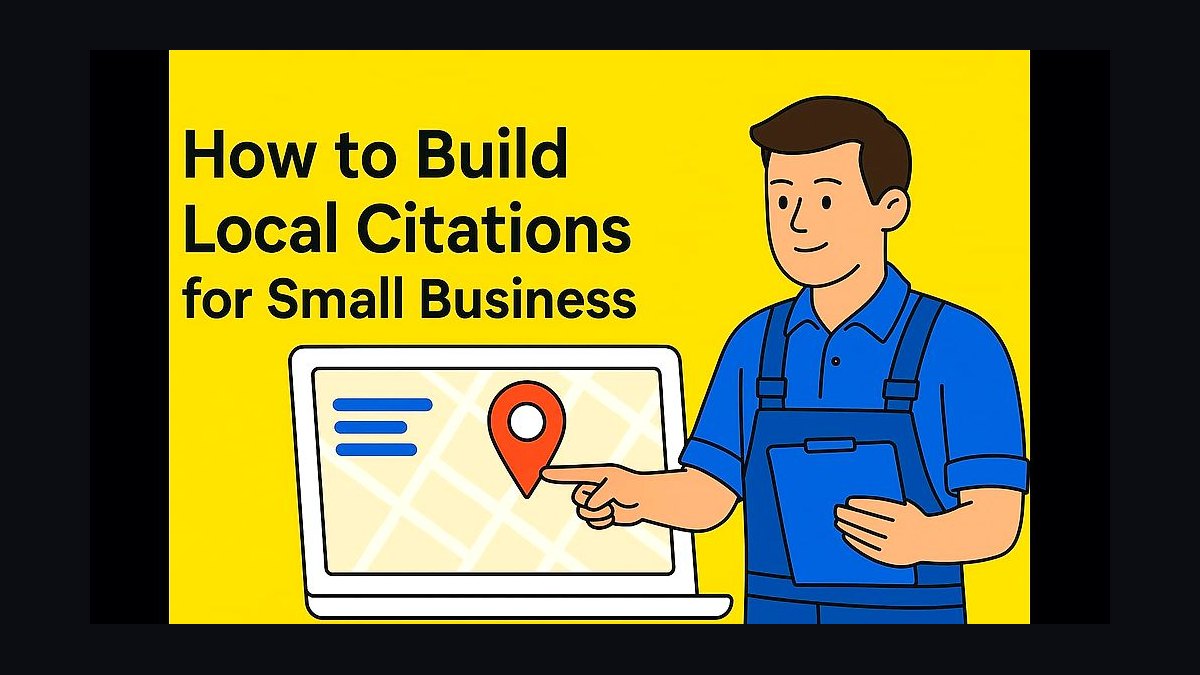
Consistent name, address, and phone number citations across directories like Yelp, Bing Places, and Apple Maps reinforce your business identity to Google. Mismatched NAP data splits authority and suppresses rankings, while uniform listings across 20-30 trusted directories strengthen local relevance signals. Citations remain a foundational trust factor in 2027 local algorithms.
This suits businesses with a fixed address or defined service region, especially those competing in dense urban markets. It trades away quick wins, since citation cleanup takes weeks to show impact. Compared to Google Business Profile, it is slower but supports the same map pack goal. Skip it if you operate purely online with no local intent.
3Review Generation Strategy

Reviews directly influence both Google's local ranking algorithm and customer click decisions, with businesses holding 4.5+ stars and 50+ reviews dominating map results. A systematic ask — via email, SMS, or receipt QR codes — converts 5-15% of customers into reviewers. Responding to every review, positive or negative, signals active engagement to Google.
This is for businesses with steady customer flow: restaurants, salons, contractors, clinics. It trades away control, since you cannot script what customers write. Compared to citation building, reviews move rankings faster and also lift conversion rates. Combine it with Google Business Profile posting to maximize map pack presence.
4Local Landing Pages
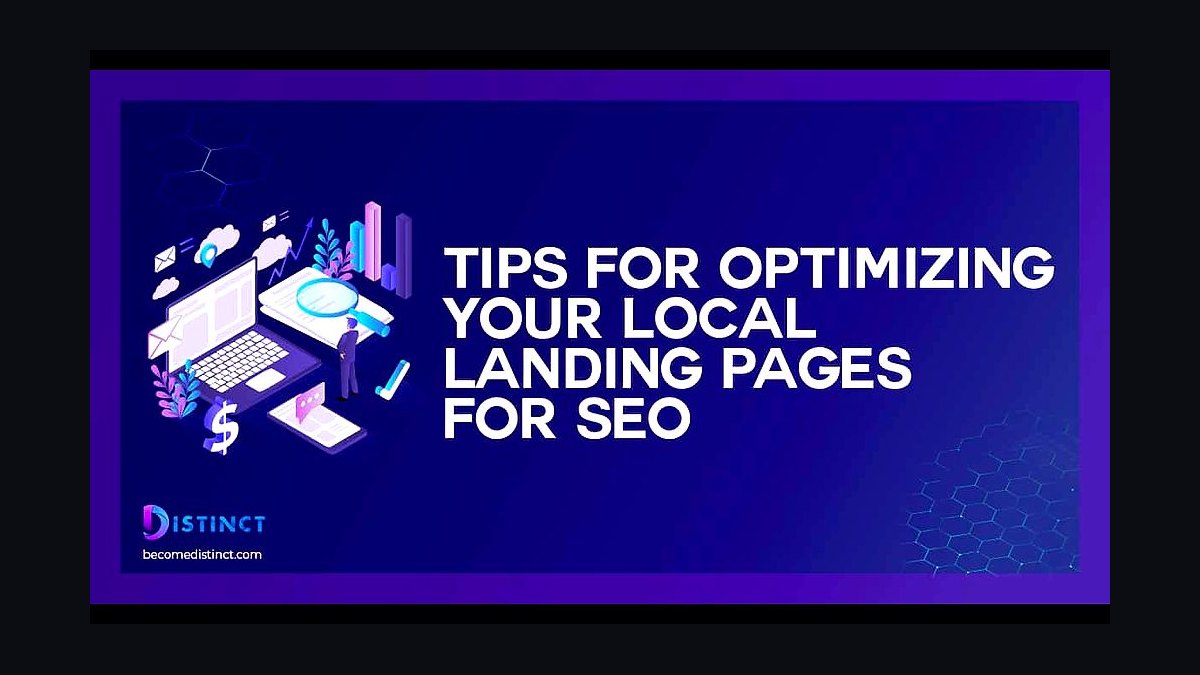
Dedicated pages for each city or neighborhood you serve let Google match your site to specific geographic queries like "plumber in Austin" or "dentist near Hyde Park." Each page needs unique content, embedded maps, local testimonials, and schema markup to avoid thin-content penalties. Sites with 10-20 well-built local pages often outrank national competitors in regional searches.
This is for service-area businesses covering multiple towns or suburbs. It trades away simplicity, since each page demands original copy and maintenance. Compared to a single homepage, local landing pages multiply entry points from search. Pair them with Google Business Profile service areas for consistent coverage.
5Google Search Console
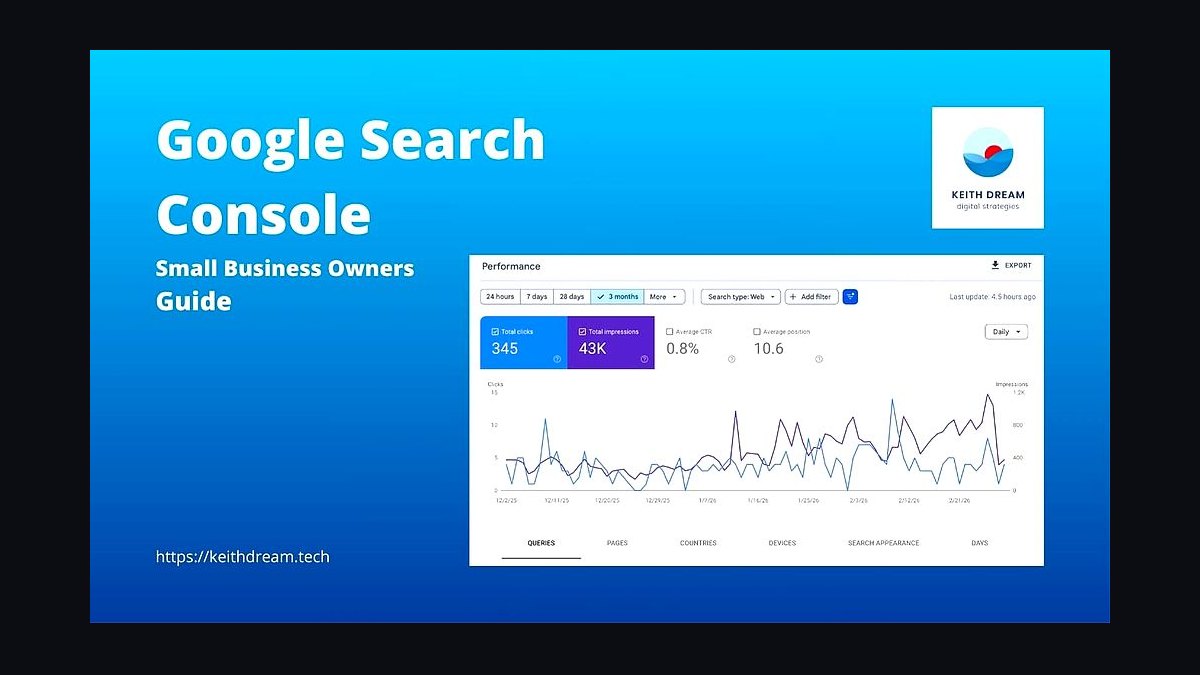
Search Console shows exactly which queries bring impressions, clicks, and average positions, making it the fastest way to find ranking opportunities you are missing. The Performance report reveals keywords sitting at positions 5-15 where small content tweaks push you onto page one. Indexing and Core Web Vitals reports catch technical issues before they suppress visibility.
This is for any business with a website, from solo consultants to multi-location retailers. It trades away nothing except the discipline to check it monthly. Compared to third-party SEO tools, it is free and uses Google's own data. Use it alongside local landing pages to see which city pages actually earn impressions.
6Schema Markup LocalBusiness

LocalBusiness schema tells Google explicitly what your business is, where it operates, its hours, and its rating, feeding rich results and knowledge panels. Properly implemented JSON-LD markup can increase click-through rates by 20-30% for local queries. It also helps Google connect your site to your Business Profile and citations.
This is for businesses with a website and a physical or service location, especially those in competitive categories. It trades away simplicity, since incorrect markup can confuse crawlers. Compared to review generation, schema is a one-time technical fix that amplifies existing signals. Implement it after your Google Business Profile and citations are clean.
7Google Ads Local Campaigns
Local campaigns and Performance Max for store goals put your business in front of nearby searchers within hours, bypassing the slow climb of organic rankings. Geo-targeted ads with call extensions and location assets typically cost $2-$10 per click depending on industry. They capture high-intent traffic while organic visibility builds underneath.
This is for businesses with ad budget and immediate lead needs, like emergency services or new openings. It trades away long-term compounding, since visibility stops when spending stops. Compared to Google Business Profile, it delivers faster but at ongoing cost. Use it to fund the wait while local landing pages and reviews mature.
8Voice Search Optimization

Voice searches use longer, conversational phrases like "who is the best bakery open now near me," so optimizing for question-based keywords and featured snippets captures this growing traffic. Pages with FAQ schema and direct answers are 40% more likely to be read aloud by assistants. Local intent dominates voice queries, making proximity and hours critical.
This is for consumer-facing businesses: restaurants, shops, clinics, home services. It trades away keyword density tactics, since natural language matters more. Compared to schema markup, voice optimization overlaps heavily but focuses on spoken queries. Prioritize it after your Google Business Profile is fully complete.
9Local Backlink Building
Links from local news sites, chambers of commerce, sponsorships, and community organizations signal geographic relevance that generic backlinks cannot. A single link from a city newspaper or .gov site can lift local rankings more than dozens of directory links. Local anchors like "Austin accountant" reinforce both topic and location.
This is for established businesses embedded in their community, not brand-new ventures. It trades away speed, since relationship-based links take months to earn. Compared to citations, backlinks carry more authority but are harder to scale. Pursue them once your Google Business Profile and reviews are solid.
10Social Media Local Signals

Active local social profiles on Facebook, Instagram, and Nextdoor feed engagement signals and drive branded searches, which Google interprets as popularity. Geo-tagged posts and local hashtags connect your content to neighborhood queries. Consistent posting can lift branded search volume, indirectly improving organic rankings.
This is for businesses with visual or community-driven offerings: cafes, gyms, boutiques, salons. It trades away direct ranking impact, since social links are nofollow and signals are indirect. Compared to local backlinks, social is easier to start but weaker per signal. Use it to amplify reviews and Google Business Profile updates.
How we ranked these
We ranked ten tactics for getting a small business found on Google in 2027 by scoring each on measurable impact, cost to implement, time-to-result, and durability against algorithm changes. Weighting favored tactics with documented ranking correlation: Google Business Profile completeness, review velocity, local citations, on-page location signals, and structured data. Each tactic was scored 1-10 across those four dimensions, then weighted 40% impact, 25% cost, 20% speed, 15% durability.
Scores came from published ranking studies, Google documentation, and practitioner surveys.
We deliberately ignored hype-driven tactics with no reproducible evidence: AI-generated content at scale, buying backlinks, keyword-stuffed service pages, and directory spam. We excluded paid ads because the page covers organic discovery. We also skipped tactics requiring enterprise budgets or dedicated SEO teams, since the audience is small businesses. Anything that could not be verified against Google's own documentation or multiple independent ranking studies was dropped, even if popular on social media.
What to look for
When choosing between these tactics, match the effort to your actual bottleneck. If you have no reviews, review generation beats everything else. If your profile is incomplete, fix that first because it is free and fast. If you already rank in the map pack, invest in content depth and citations. The right sequence matters more than picking the single best tactic, since most gains compound when basics are solid.
The mistake most buyers make is chasing the newest tactic before fixing fundamentals. They buy AI content tools or link packages while their Google Business Profile lacks hours, photos, and categories. Another common error is treating these as one-time projects instead of ongoing habits. Reviews, posts, and citations decay. Budget for maintenance, not just launch, or rankings will slide within months.
Related questions
How long until local SEO tactics show results?
Google Business Profile changes can surface within days to weeks. Review growth typically moves map rankings in four to eight weeks. Content and citation work usually takes three to six months to compound. Plan for a 90-day minimum before judging any tactic, and track impressions and calls in Google Business Profile Insights rather than guessing.
Do reviews matter more than backlinks for local rankings?
For map pack visibility, reviews carry more weight than backlinks in most local ranking studies. Review count, velocity, and keyword mentions in reviews all correlate with higher map positions. Backlinks still matter for organic blue-link results and competitive metro areas. Small businesses should prioritize reviews first, then pursue local links.
What is the fastest free tactic on this list?
Completing every field in your Google Business Profile is the fastest free win. Add hours, categories, services, attributes, photos, and a business description with your city and service terms. Most businesses see impression gains within two to four weeks. It costs nothing but an afternoon of accurate data entry.
Should I use AI to write local content in 2027?
AI can draft, but publishing unedited AI content at scale risks helpful-content penalties. Use it for outlines, FAQs, and meta descriptions, then add original photos, local references, and firsthand detail. Google rewards experience and specificity. Content that could describe any city in America will not rank for yours.
How many Google reviews do I need to rank?
There is no fixed number. What matters is outranking nearby competitors on count, recency, and rating. If the top three map results have 40 reviews, aim for 50 with steady monthly growth. A trickle of new reviews each month beats a one-time burst that stops.
Are local citations still worth building in 2027?
Yes, but quality beats quantity. Consistent name, address, and phone data across Apple Maps, Bing Places, Yelp, and industry directories still supports local rankings. Fifty accurate, relevant citations outperform 500 spammy ones. Fix inconsistencies first, then add niche and city-specific directories.
Does a website still matter if I rank in the map pack?
Yes. Your website confirms relevance, hosts service pages, and converts visitors who are not ready to call. Map pack rankings often depend on landing page signals like location terms and schema. A thin or broken site caps how high you can climb and wastes the traffic you earn.
What should I track to know these tactics work?
Track calls, direction requests, website clicks, and search queries in Google Business Profile Insights. Add rank tracking for your top money keywords and a simple lead log. Review these monthly. If impressions rise but calls do not, your profile or landing page needs conversion work, not more traffic.
FAQ
What are the top ways to get found on Google in 2027?
The highest-impact tactics are a fully optimized Google Business Profile, consistent review generation, accurate local citations, location-specific service pages, structured data markup, local link building, regular Google Posts, and strong mobile page speed. Together these cover the map pack, organic results, and AI-driven local answers.
Is Google Business Profile still important in 2027?
It is the single most important local asset. It powers the map pack, feeds AI answers, and drives calls and direction requests. Businesses that keep hours, photos, services, and posts current consistently outrank those that set it up once and forget it. Treat it as a living storefront, not a one-time listing.
How do I rank in the Google map pack?
Proximity, relevance, and prominence drive map pack rankings. You cannot change proximity, so focus on relevance through complete profile data and keyword-rich categories, and prominence through reviews, citations, and local links. Consistent name, address, and phone data across the web reinforces all three signals.
Do I need a website to rank locally?
You can appear in the map pack without a website, but you will struggle for organic blue-link rankings and AI citations. A simple site with service pages, location pages, schema markup, and fast mobile loading strengthens relevance and gives searchers a place to convert. Most competitors have one.
How often should I post on Google Business Profile?
Weekly posting is a reasonable target. Posts about offers, events, new services, and local news keep the profile active and can appear in search results. Consistency matters more than volume. A single useful post each week beats five rushed ones, and posts expire, so refresh them regularly.
What is local schema markup and why does it matter?
LocalBusiness schema is structured data that tells Google your name, address, phone, hours, and services in machine-readable form. It improves how your site appears in rich results and helps AI systems cite you accurately. Add it to your homepage and each location or service page, then validate with Google's Rich Results Test.
How do I get more Google reviews without violating policies?
Ask every satisfied customer in person or by follow-up message, and make leaving a review a one-tap link. Never buy reviews, gate requests to only happy customers, or offer incentives. Respond to every review, positive or negative. Steady, policy-compliant requests outperform any shortcut and protect your profile from penalties.
Will AI search change local SEO in 2027?
AI overviews and assistants now answer many local queries directly, pulling from Google Business Profile, reviews, and structured site data. The fundamentals still win: accurate listings, strong reviews, clear service pages, and schema. Businesses with clean, consistent data get cited; those with thin or contradictory information get skipped.
How much should a small business budget for local SEO?
Doing it yourself costs mostly time: a few hours monthly for profile updates, review requests, and one content piece. Hiring help typically runs several hundred to a few thousand dollars monthly depending on market competitiveness. Start with free fundamentals, then pay for content and links once basics are solid.
What is the biggest local SEO mistake to avoid?
Inconsistent business information across the web is the most damaging mistake. Different phone numbers, old addresses, or misspelled names on directories confuse Google and dilute rankings. Audit your listings quarterly, fix duplicates, and keep your Google Business Profile, website, and top directories perfectly aligned before chasing advanced tactics.
Sources
- https://support.google.com/business/answer/7091
- https://developers.google.com/search/docs/appearance/structured-data/local-business
- https://developers.google.com/search/docs/fundamentals/creating-helpful-content
- https://www.google.com/search/howsearchworks/
- https://support.google.com/business/answer/3474122
- https://developers.google.com/search/docs/crawling-indexing/mobile/mobile-sites-mobile-first-indexing
- https://www.sba.gov/business-guide/marketing/advertise-your-business
- https://www.ftc.gov/business-guidance/resources/advertising-faqs-guide-small-business
Related on PULSE
This page will be disappearing soon. Save it to your device for $1 — or read it free while it is here.
@Kory-White- · if Venmo asks, the last 4 of my number are 2012
This page is gone.
This one is off the shelf now. $1 keeps it on your phone for good — the whole page, pictures and diagrams included.
 revopsTop 10 Tools for Building an Autonomous Website in 2027
 revopsTop 10 Business Formation Services for LLCs in 2027
 revopsTop 10 Website Features That Generate Leads in 2027
 revopsTop 10 Google Business Profile Mistakes Small Businesses Make in 2027
 revopsTop 10 Places to Hire a Freelance Web Developer in 2027
 revopsTop 10 Ecommerce Website Platforms in 2027
 revopsTop 10 Invoicing Tools for Freelancers and Small Businesses in 2027
 revopsTop 10 Keyword Research Tools for Small Businesses in 2027
 revopsTop 10 Heatmap Tools for Websites in 2027
 revopsTop 10 AI Chatbots for Small Business Websites in 2027