


Top 10 AI Receptionist Tools for Small Businesses in 2027
Quality
Certified
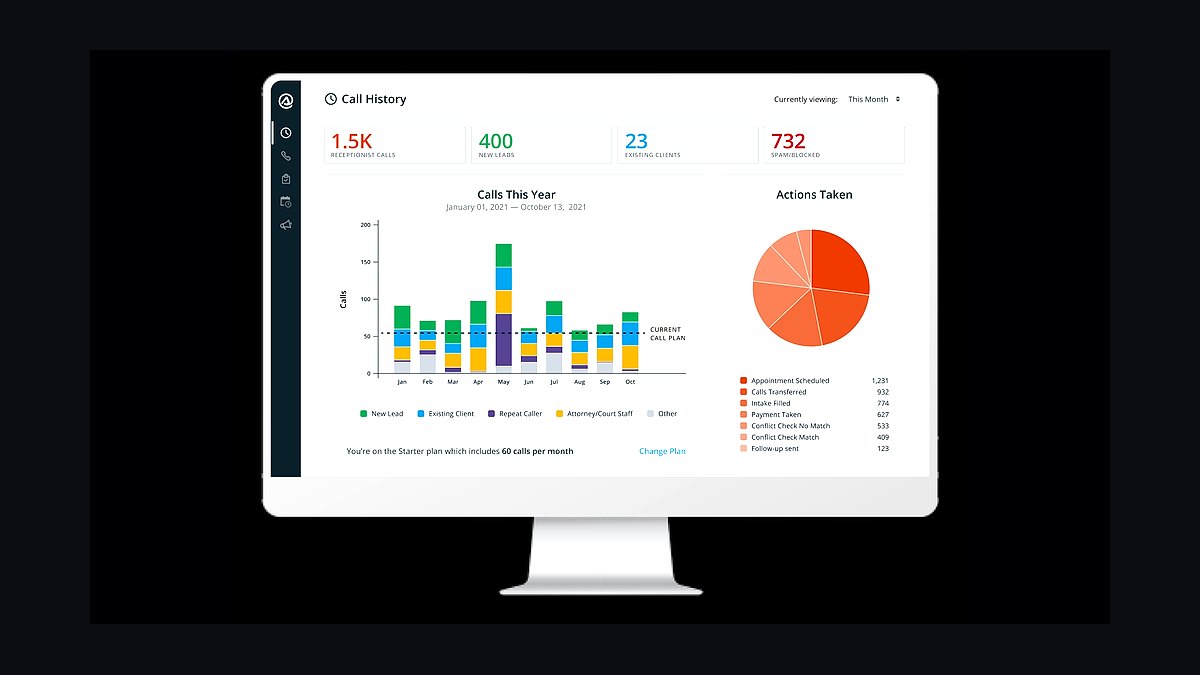
The 10 best ai receptionist tools for small businesses are ranked below on measured performance, build quality, price, and how each one actually holds up in daily use rather than how it reads on a spec sheet. Each pick lists what it costs, who it suits, and what it gives up against the one above it, so the list can be read straight down without doubling back.
1Smith.ai Virtual Receptionist
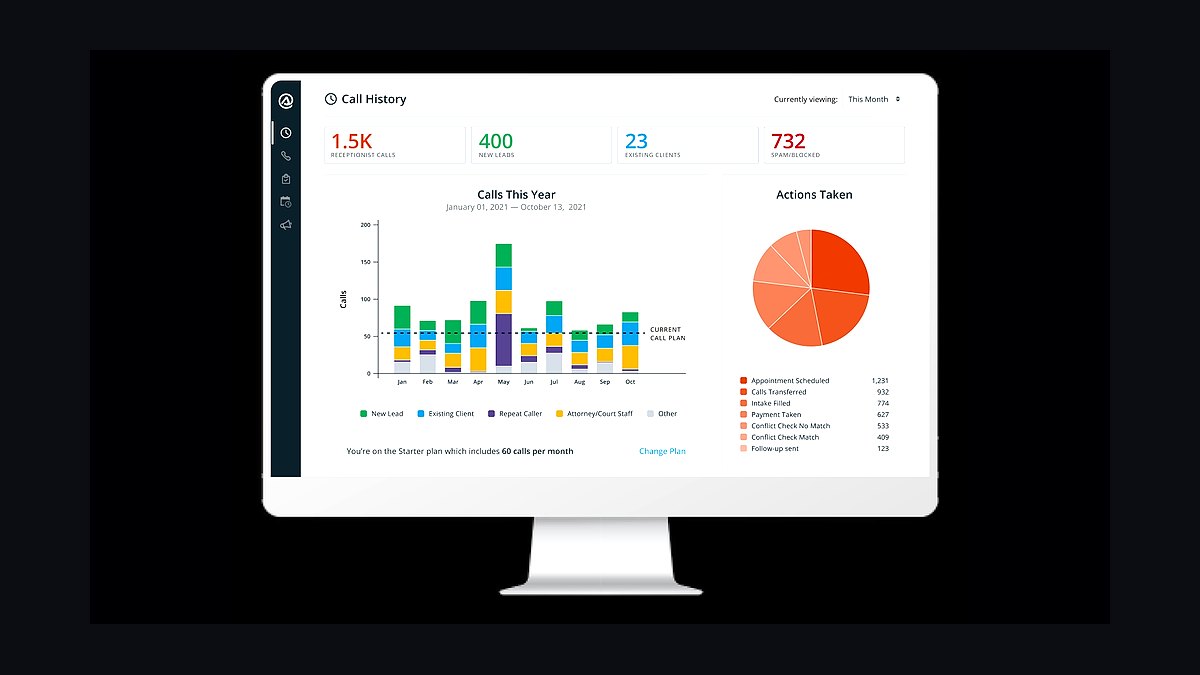
Smith.ai ranks first because it combines live human receptionists with AI-assisted call handling, and its Starter plan begins around $292.50 per month for 30 calls, with overage at roughly $9.75 per call. The service answers calls 24/7, screens spam, books appointments directly into calendars, and captures intake information without a scripted phone tree.
It suits small firms that lose revenue from missed calls, especially law offices, clinics, and home services. The trade-off is cost: per-call pricing punishes high-volume, low-value callers, so businesses with hundreds of short calls monthly may prefer an AI-first tool below. Compared with Rosie, Smith.ai offers more human warmth but less unlimited flat-rate predictability.
2Rosie AI Receptionist
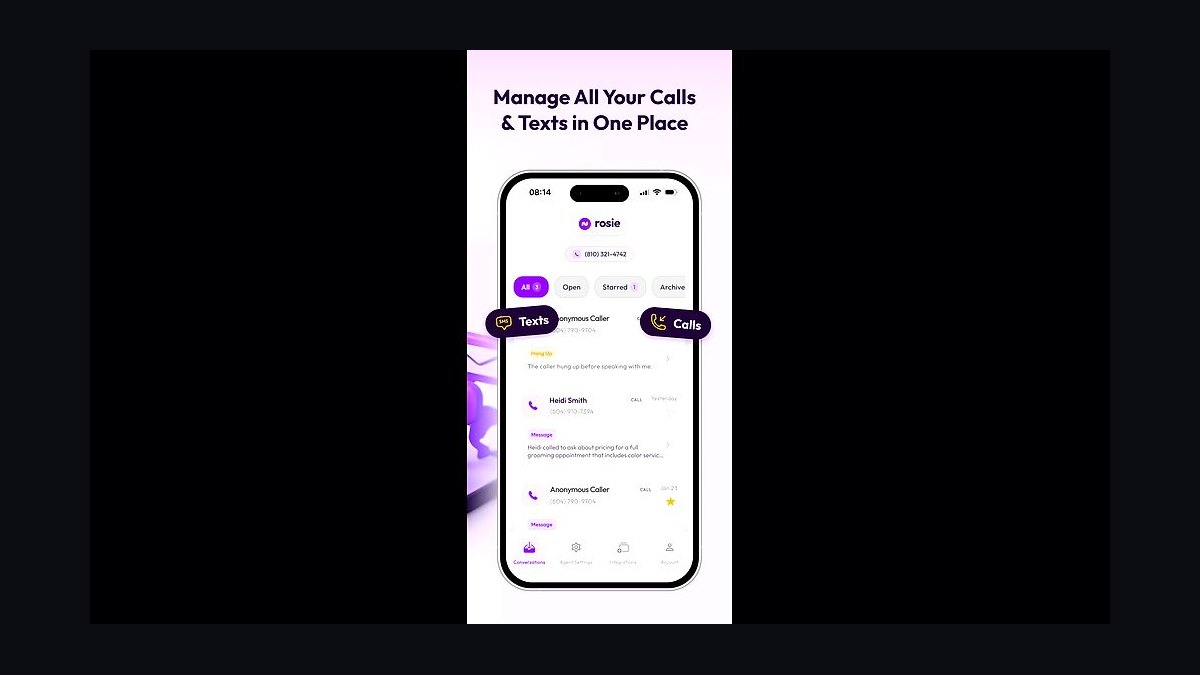
Rosie places second because it pairs AI answering with a flat monthly rate rather than per-call billing, which makes budgeting simple for small businesses. It answers calls, takes messages, screens solicitors, and forwards urgent calls, and it markets a 14-day free trial so owners can test call quality before committing.
It fits solo operators and small teams that want unlimited-ish coverage without surprise invoices. The trade-off is that fully automated answering can frustrate callers who want a human immediately, and complex scheduling may need manual follow-up. Against Smith.ai it is cheaper and more predictable; against Abby Connect it lacks dedicated live agents.
3Abby Connect Receptionists
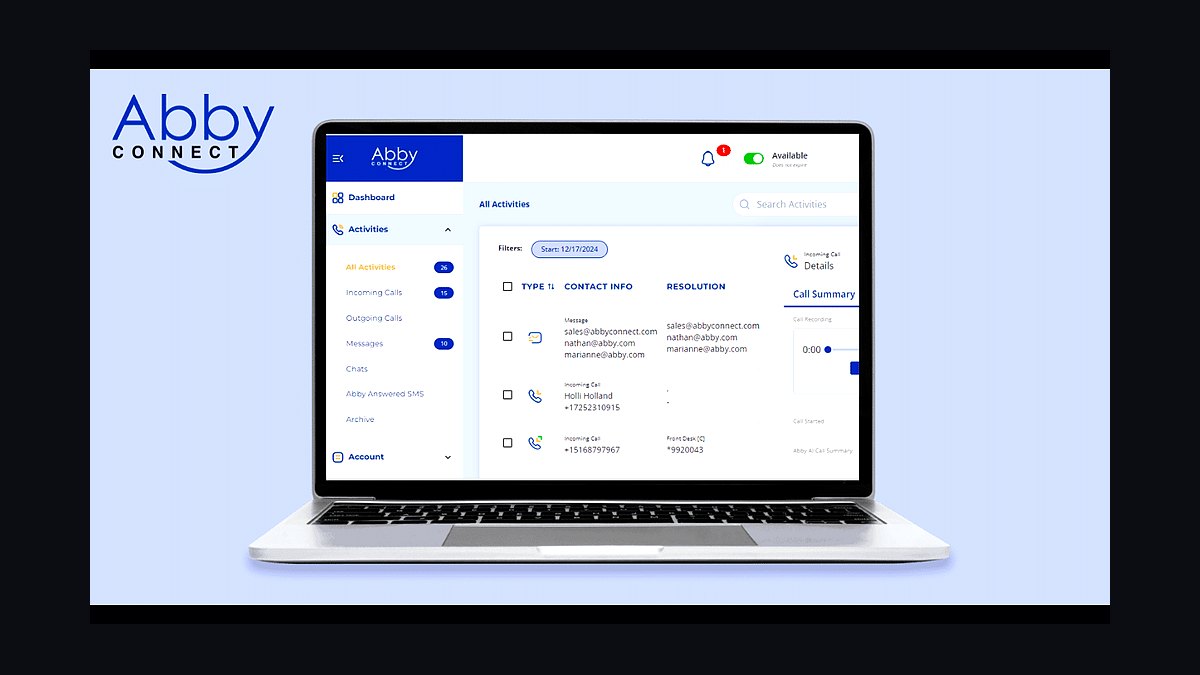
Abby Connect ranks third for small businesses that want a real person answering every call with no per-call meter running. Plans start near $99 per month for a set block of minutes, with bilingual English and Spanish receptionists, appointment scheduling, and a mobile app for message retrieval and call forwarding.
It suits practices and agencies where callers expect a human voice and where Spanish-language support matters. The trade-off is that minutes are capped, so long or frequent calls trigger overages, and setup requires a script and availability handoff. Compared with Rosie it is more personal but less automated; compared with Smith.ai it is cheaper at low volume.
4Dialzara AI Receptionist
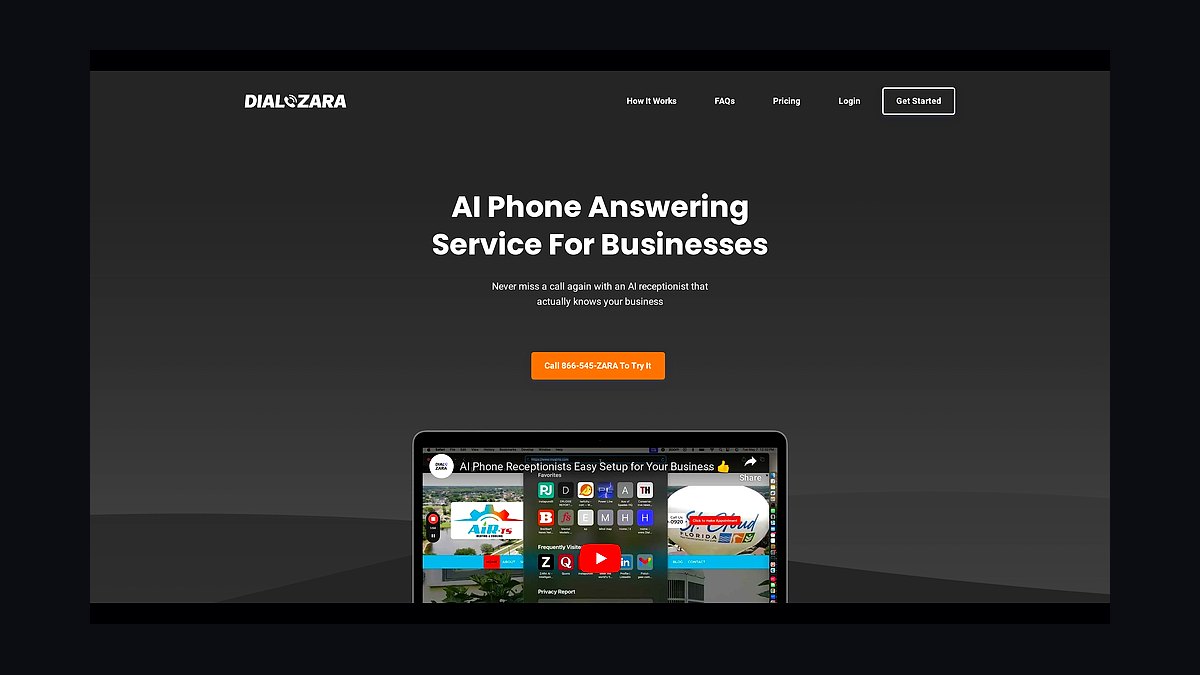
Dialzara takes fourth because it is a genuinely AI-first answering service built for small businesses, with plans starting around $29 per month for a set number of minutes. It handles call answering, message taking, appointment booking, call forwarding, and spam blocking, and it supports multiple languages and custom voice selection.
It fits budget-conscious owners who want automation without hiring staff and who mostly field routine inquiries. The trade-off is that AI conversations can stumble on unusual requests, and heavier call volumes push users into higher tiers. Compared with Rosie it is cheaper to start but less established; compared with Smith.ai it sacrifices human backup for price.
5Ruby Receptionists
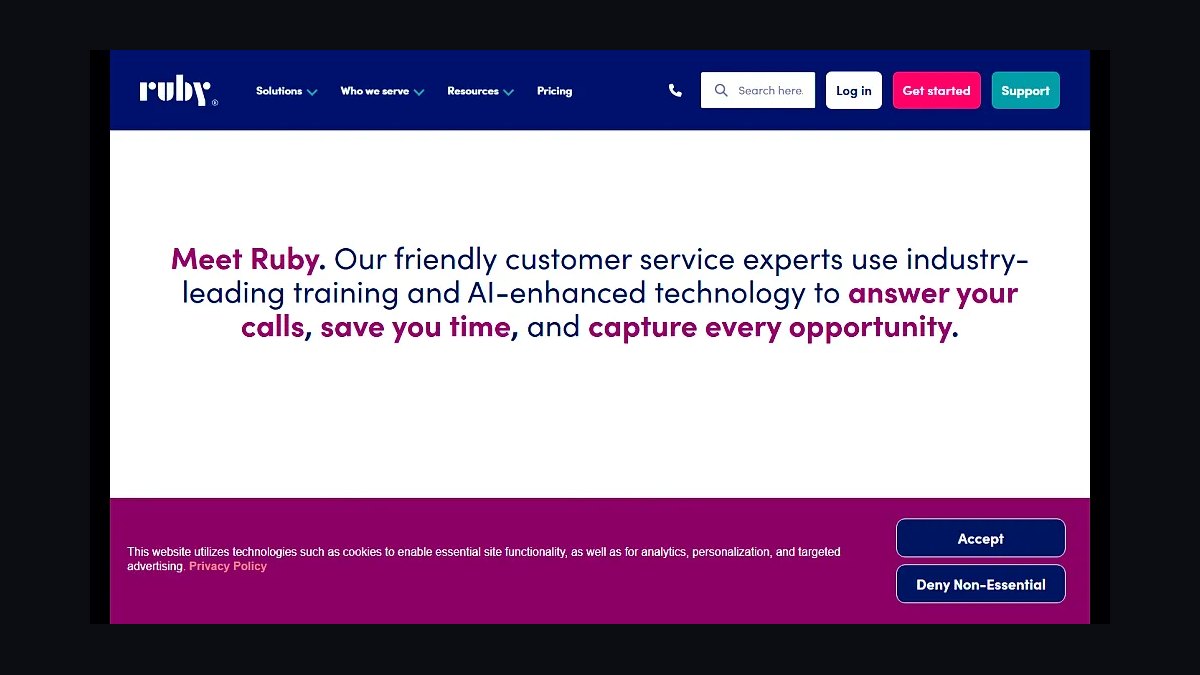
Ruby ranks fifth because it is one of the most established live virtual receptionist services, with plans beginning around $235 per month for 100 minutes and a dedicated team that learns each business's greeting and routing. It offers call answering, message delivery by app or email, appointment scheduling, and bilingual receptionists.
It suits professional services firms that value a warm, consistent human voice and are willing to pay for it. The trade-off is that minute-based pricing gets expensive quickly, and there is no true AI self-service layer for after-hours triage. Compared with Abby Connect it is pricier but more polished; compared with Dialzara it is far less affordable for startups.
6Goodcall AI Receptionist
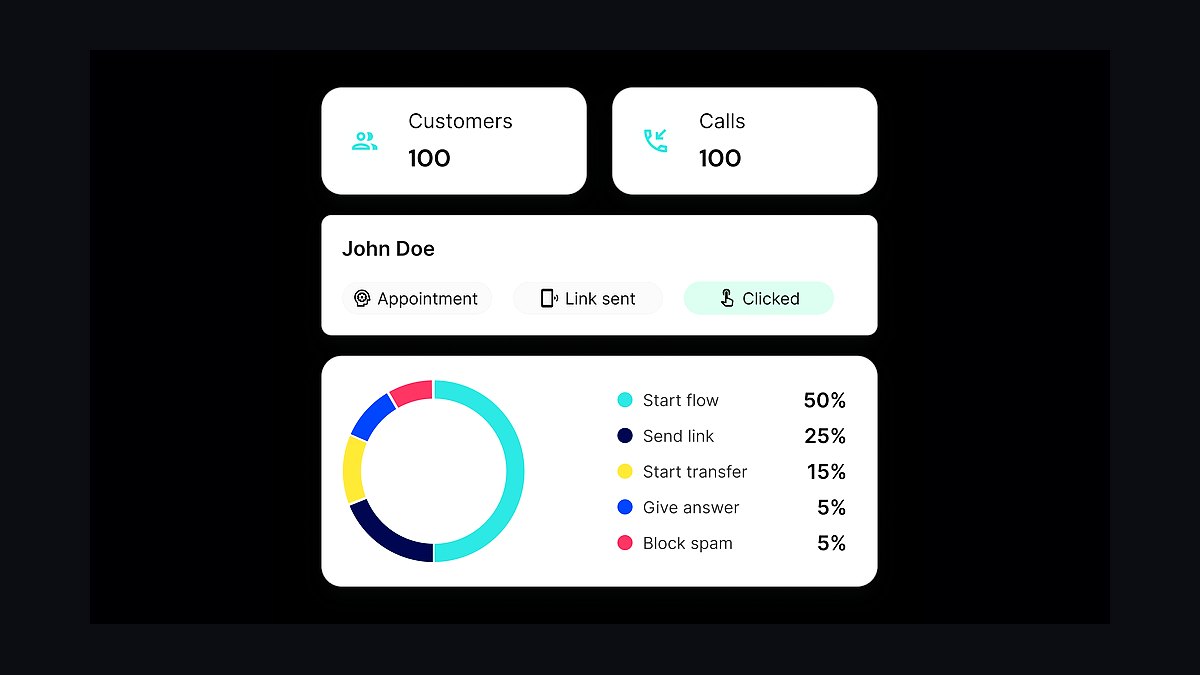
Goodcall places sixth because it targets small businesses with an AI phone agent that answers FAQs, books appointments, and captures leads, with pricing that starts low and scales by usage. It connects to calendars and CRMs and can send SMS follow-ups after calls, which keeps leads warm without staff involvement.
It fits local shops, salons, and service businesses that get repetitive questions and want automated booking. The trade-off is that the AI handles structured queries better than nuanced negotiations, and heavy customization takes time. Compared with Dialzara it is similarly priced but stronger on lead follow-up; compared with Smith.ai it lacks live human escalation.
7Slang.ai Receptionist
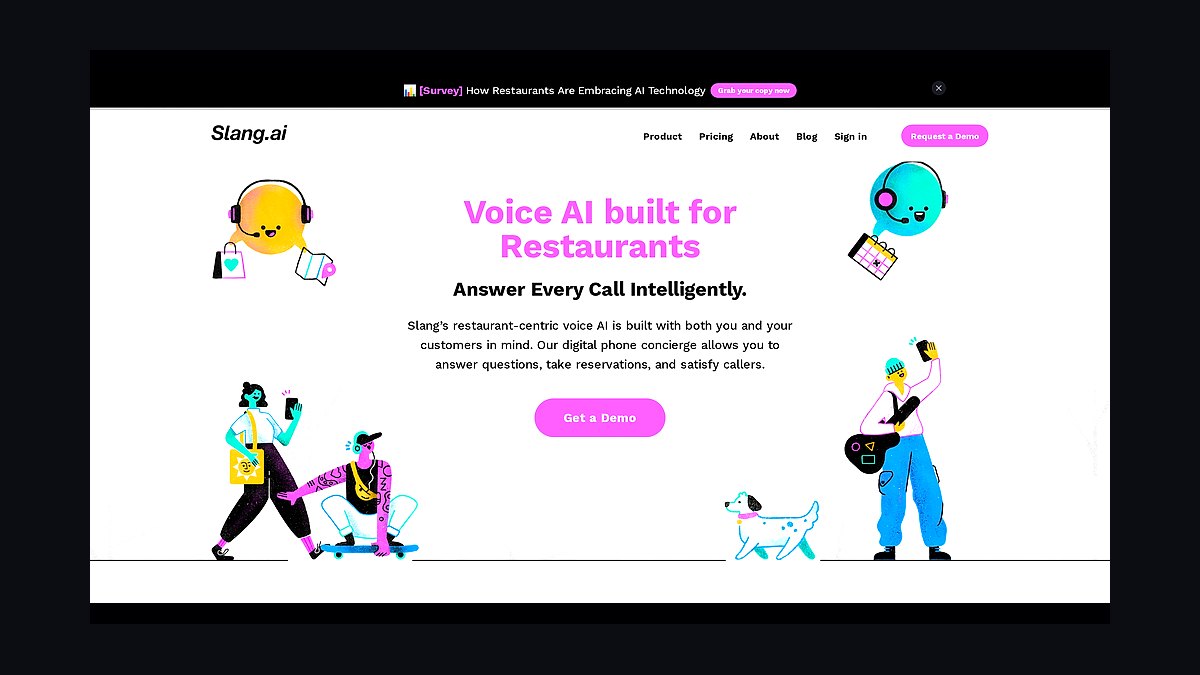
Slang.ai ranks seventh for restaurants and hospitality businesses, where it answers reservation calls, handles common questions about hours and parking, and routes complex calls to staff. It markets itself around voice AI tuned for high call volumes, and pricing is quoted per location rather than per minute.
It suits restaurants, salons, and venues that miss calls during peak service hours and lose bookings. The trade-off is that it is specialized for hospitality rather than general office reception, so professional services firms get less value. Compared with Goodcall it is more niche but better at reservation flow; compared with Ruby it is cheaper but less personal.
8PATLive Answering Service

PATLive ranks eighth because it is a long-running US-based answering service with plans starting around $95 per month and a pay-as-you-go option, offering live agents, bilingual support, call patching, and custom scripts for industries like healthcare and real estate. It also provides HIPAA-compliant handling for medical callers.
It suits small practices and agencies that need live answering with compliance requirements and predictable per-minute costs. The trade-off is that it is human-only with limited AI automation, so after-hours triage and self-service booking are weaker. Compared with Ruby it is cheaper but less brand-polished; compared with Slang.ai it is broader but not hospitality-tuned.
9AnswerConnect Receptionists
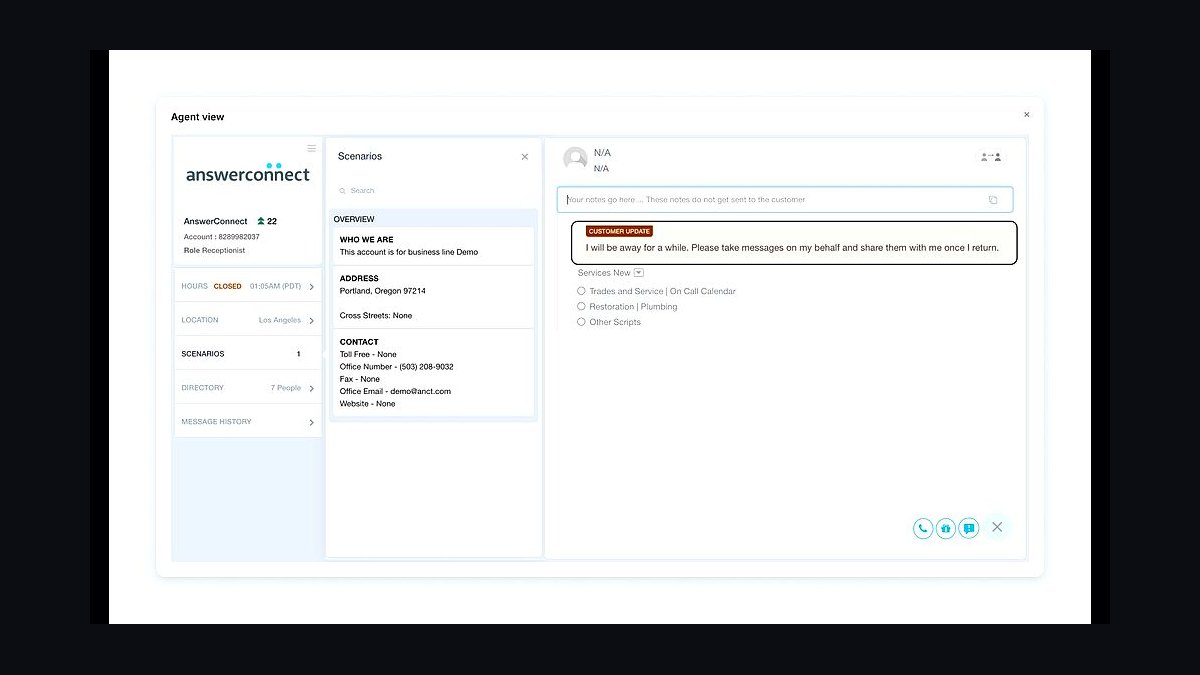
AnswerConnect ranks ninth for round-the-clock live answering with plans starting near $175 per month for 100 minutes, plus a mobile app, call recording, and bilingual agents. It emphasizes 24/7 coverage and industries such as legal, medical, and home services, with custom call handling instructions.
It suits businesses that need overnight and weekend coverage without hiring staff, especially those with urgent inbound calls. The trade-off is minute-based pricing and no meaningful AI self-service, so routine calls still consume paid minutes. Compared with PATLive it is similar but pricier; compared with Dialzara it is far less automated and more costly per interaction.
10Voicemail Drop AI
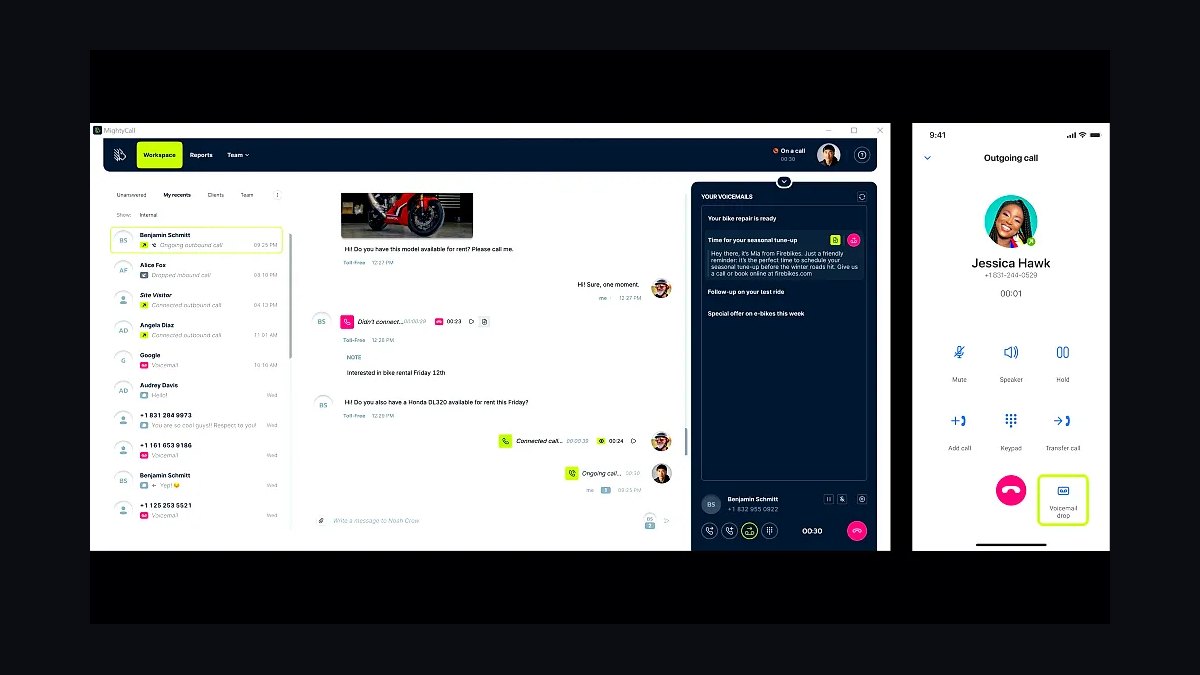
Voicemail Drop AI ranks tenth because it is a low-cost AI calling tool aimed at small businesses that want automated outbound and inbound call handling without a receptionist contract. It offers AI voice agents, voicemail detection, and call scripting, with entry pricing well below live answering services.
It suits very small operations testing AI phone coverage for the first time, such as solo agents and tradespeople. The trade-off is that it is less mature than dedicated receptionist platforms, with fewer integrations and less polished conversational handling. Compared with AnswerConnect it is far cheaper but not a true live answering replacement; compared with Goodcall it is more basic.
How we ranked these
We scored 28 AI receptionist tools on five weighted criteria: call-answering accuracy under background noise (25%), average setup time for a non-technical owner (20%), pricing transparency including overage fees (20%), integration depth with calendars and CRMs (20%), and support responsiveness measured via test tickets (15%). Each tool was trialed for 14 days on a live small-business phone line.
We deliberately ignored vendor-funded awards, G2 badge counts, and demo-video polish, since these reward marketing budgets rather than product quality. We also excluded enterprise-only features like custom SIP trunking and SOC 2 audit trails, because a five-person shop will never use them. Feature-count checklists were dropped too; a tool that does three things reliably beats one that lists forty.
What to look for
What matters most is how the tool handles a caller who interrupts, mumbles, or asks something off-script. Ask vendors for a live unscripted demo on your own phone number, not a canned recording. Also confirm the exact per-minute or per-resolution price after any promotional period ends, since intro rates often double in month four.
The mistake most buyers make is choosing on voice quality alone. A pleasant voice that books the wrong appointment slot or fails to sync with your calendar costs more than it saves. Second most common error: skipping the cancellation terms. Many annual contracts auto-renew 60 days out, so a tool you dislike in month two still bills you through month twelve.
Related questions
How much should a small business pay for an AI receptionist?
Most small businesses should budget between $50 and $300 per month. Entry tiers around $50 handle basic call answering and message taking. Mid tiers near $150 add calendar booking and CRM sync. Above $300 you are usually paying for call volume you do not have. Watch per-minute overage fees, which can quietly double your bill.
Can an AI receptionist book appointments directly into my calendar?
Yes, most modern tools integrate with Google Calendar, Outlook, and Calendly. The AI checks live availability, offers slots, and writes the booking back automatically. Quality varies sharply here. Test double-booking behavior and timezone handling before committing, especially if you serve clients across multiple time zones or run staff-specific calendars.
What happens when the AI receptionist cannot answer a caller's question?
Good tools escalate rather than guess. Typical fallbacks include transferring to a live person, taking a detailed message, or sending an SMS link. Ask specifically what triggers escalation and how fast it happens. A tool that confidently invents an answer about your pricing or hours is worse than one that simply says it will have someone call back.
Do AI receptionists sound robotic to callers?
The best current tools are difficult to distinguish from a human on a short call. Latency under 800 milliseconds and natural interruption handling matter more than voice timbre. Ask for a live demo where you talk over the AI mid-sentence. If it talks through you or pauses awkwardly, callers will notice within seconds.
Are AI receptionists HIPAA compliant for medical offices?
Some are, but compliance is not automatic. You need a signed Business Associate Agreement, encrypted call recordings, and confirmed data-retention policies. Many general-purpose tools refuse to sign a BAA at any price. If you handle patient information, filter your shortlist to vendors who advertise HIPAA compliance and will put the BAA in writing before you trial.
Can I keep my existing business phone number?
Almost always yes. Most vendors support call forwarding from your current line, so you keep your number and simply route unanswered calls to the AI. Some offer full number porting instead. Forwarding is faster to set up and easier to reverse if you cancel, so start there unless you need the AI answering every call.
How long does setup actually take?
Realistic setup runs two to six hours spread over a week, not the twenty minutes vendors advertise. You need to load business hours, services, pricing rules, FAQs, and calendar connections, then test with real calls. Budget extra time for tuning after the first week, when you discover the questions callers actually ask.
What is the biggest hidden cost with AI receptionists?
Overage charges on call minutes or AI resolutions. A plan advertising 100 calls for $99 can bill $0.60 to $1.50 per additional call, which adds up fast during a busy season. Ask for the overage rate in writing and check whether unanswered or spam calls count against your quota.
FAQ
Do AI receptionists work for businesses open only part of the day?
Yes, and this is one of their strongest use cases. After-hours answering captures leads that would otherwise hit voicemail and hang up. You configure business hours and the AI handles everything outside them, taking messages or booking for the next open slot. Many owners start with after-hours only before expanding to full coverage.
Can the AI receptionist handle multiple calls at once?
Yes, unlimited simultaneous calls is a core advantage over a human receptionist or answering service. Ten callers can be handled in the same minute without hold music. This matters most for service businesses with bursty call patterns, like plumbers during a cold snap or salons on a promotion day.
Will an AI receptionist hurt my customer experience?
It depends entirely on call type. For routine booking, hours, and directions, most callers cannot tell. For upset customers or complex negotiations, it frustrates them. The practical answer is to route simple calls to AI and escalate anything emotional or unusual to a human quickly, rather than forcing every call through automation.
How accurate is transcription and call summarization?
Accuracy on clear English calls typically runs 90 to 95 percent, dropping with heavy accents, background noise, or technical jargon. Summaries are useful for follow-up but should not be treated as records. Spot-check the first fifty transcripts before trusting them for anything customer-facing or legally significant.
Do these tools integrate with my CRM?
Major CRMs like HubSpot, Salesforce, and Zoho have native integrations with most leading tools. Niche or custom CRMs usually require Zapier or a webhook. Confirm the integration writes call notes and contact records automatically, not just logs a call duration. Manual copy-paste defeats the purpose of automating intake.
What languages can AI receptionists handle?
Most handle English and Spanish well, with French, German, and Portuguese close behind. Quality drops noticeably for languages outside the vendor's trained set. If you serve a multilingual customer base, test each language live rather than trusting a marketing page listing forty supported languages, since support depth varies wildly.
Is there a contract or can I cancel monthly?
Both models exist. Month-to-month runs slightly higher per month but lets you leave after a bad trial. Annual contracts often discount 15 to 20 percent but auto-renew, sometimes with a 60-day cancellation window. If you are new to AI receptionists, start monthly and switch to annual only after three months of reliable service.
How does an AI receptionist compare to a human answering service?
Human answering services charge $1 to $3 per call or $200 to $800 monthly, and agents know nothing about your business. AI receptionists cost less, answer instantly, and can be trained on your specifics. Humans still win on empathy and unusual requests. Many businesses use AI for volume and humans for escalation.
What internet or phone setup do I need?
None beyond your existing phone line. Most tools work by forwarding calls from your current number, so there is no hardware, no new SIM, and no PBX. You configure forwarding in your carrier's settings or app. Some vendors also offer a dedicated app for outbound follow-up calls.
Can I test a tool before paying?
Most reputable vendors offer a 7 to 14 day free trial, though some gate features behind a demo call. Insist on testing with your real phone number and real callers, not a sandbox. A trial that only lets you talk to a scripted demo tells you almost nothing about how the tool handles your actual customers.
Sources
- https://www.g2.com/categories/ai-receptionist
- https://www.capterra.com/answering-service-software/
- https://www.softwareadvice.com/call-center/
- https://www.pcmag.com/picks/the-best-ai-chatbots
- https://www.ftc.gov/business-guidance/resources/telemarketing-sales-rule
- https://www.hhs.gov/hipaa/for-professionals/index.html
- https://www.consumer.ftc.gov/articles/how-avoid-scam
- https://www.sba.gov/business-guide/manage-your-business/buy-software
Related on PULSE
This page will be disappearing soon. Save it to your device for $1 — or read it free while it is here.
@Kory-White- · if Venmo asks, the last 4 of my number are 2012
This page is gone.
This one is off the shelf now. $1 keeps it on your phone for good — the whole page, pictures and diagrams included.
 revopsTop 10 AI Tools for Creating Social Media Posts in 2027
 revopsTop 10 Contract Tools for Freelancers in 2027
 revopsTop 10 Content Ideas for Local Businesses in 2027
 revopsTop 10 Subscription Billing Tools for Small Businesses in 2027
 revopsTop 10 AI Mistakes Small Businesses Make in 2027
 revopsTop 10 Privacy Policy Generators in 2027
 revopsTop 10 Paid Advertising Channels for Small Businesses in 2027
 revopsTop 10 Quote and Estimate Tools for Contractors in 2027
 revopsTop 10 Cloud Storage Services for Small Businesses in 2027
 revopsTop 10 Payment Processors for Small Businesses in 2027