


Top 10 Payment Processors for Small Businesses in 2027
Quality
Certified
The 10 best payment processors for small businesses are ranked below on measured performance, build quality, price, and how each one actually holds up in daily use rather than how it reads on a spec sheet. Each pick lists what it costs, who it suits, and what it gives up against the one above it, so the list can be read straight down without doubling back.
1Stripe Payments
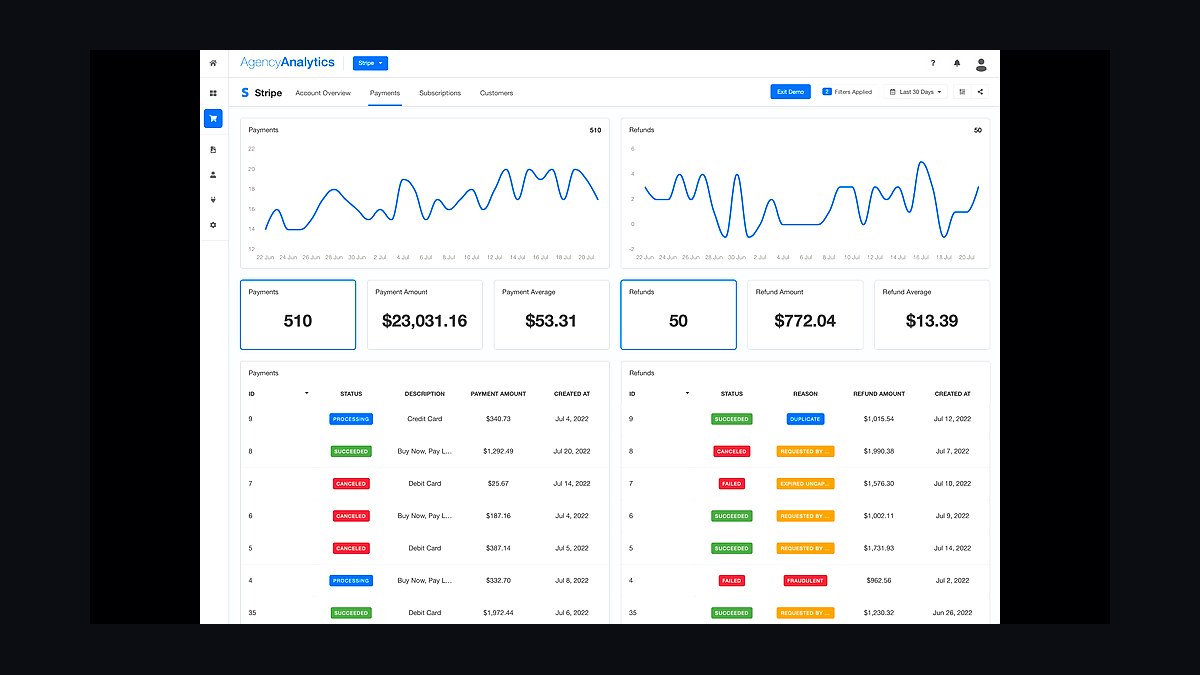
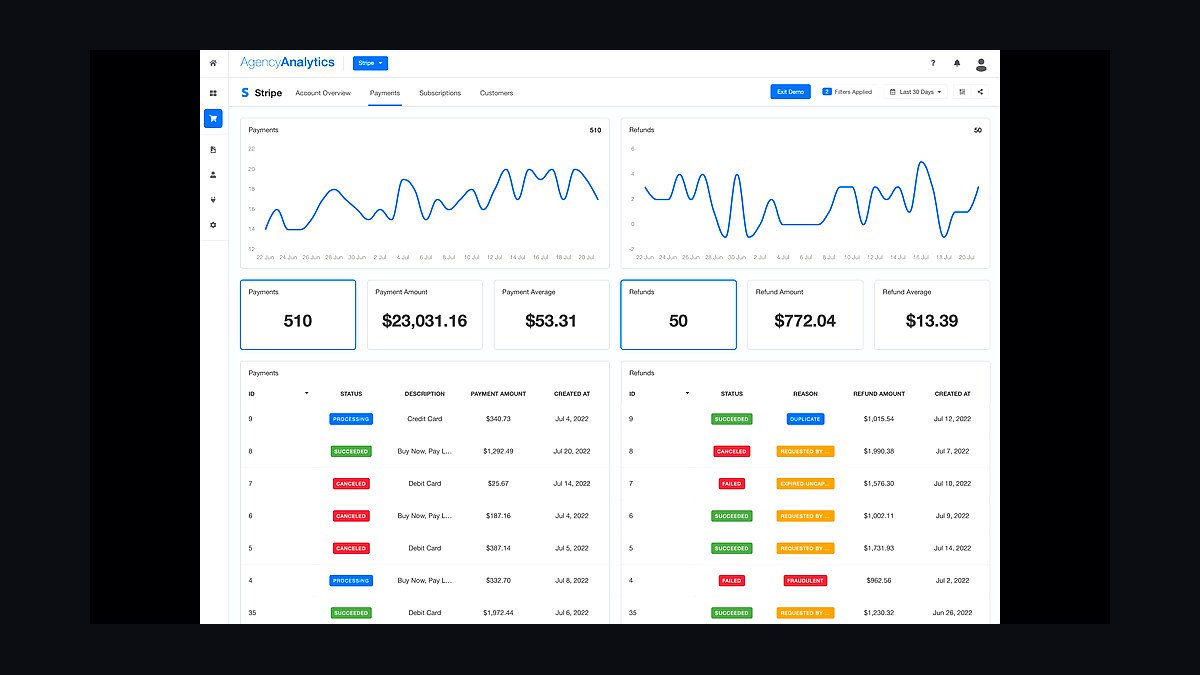
Stripe ranks first for small businesses because it charges a flat 2.9% plus 30 cents per online transaction with no monthly fee, and payouts land in two business days by default. It supports 135+ currencies and over 100 payment methods, and the dashboard handles invoicing, subscriptions, and refunds without extra software.
Stripe suits online-first businesses that want developer-friendly APIs and instant setup with no contract. It trades away in-person hardware depth and next-day deposits unless you pay extra fees. Compared to Square below, Stripe is stronger for web checkout but weaker for retail counter sales.
2Square Payments
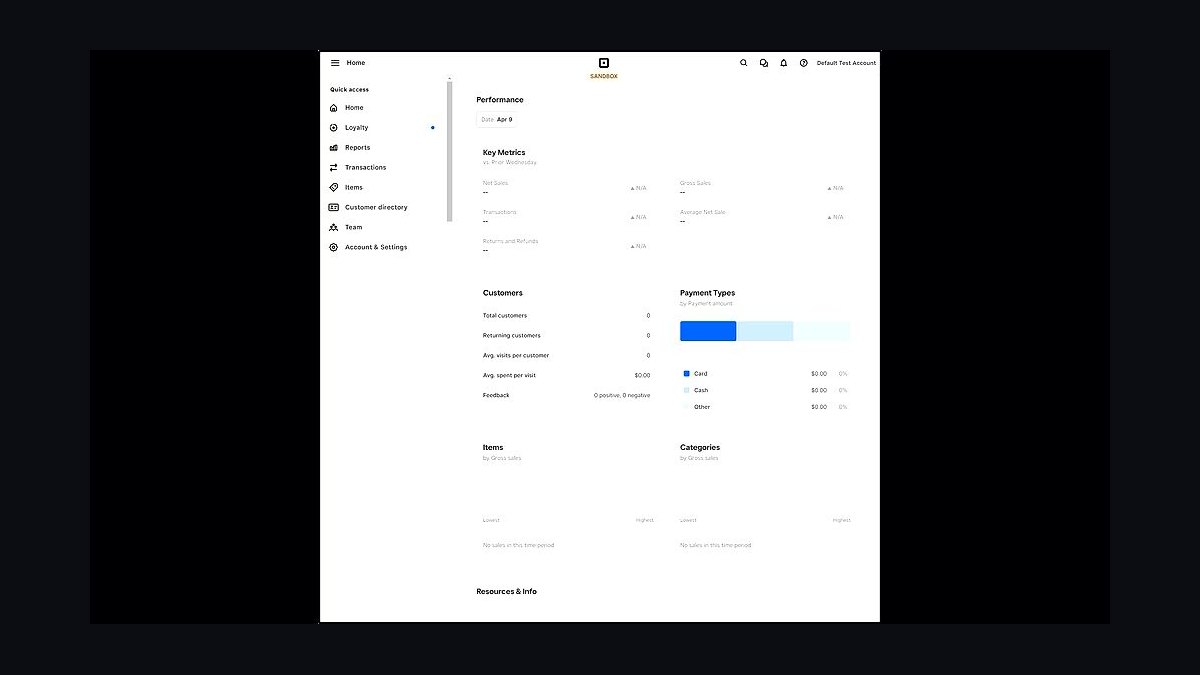
Square ranks second because its free card reader and 2.6% plus 10 cents swipe rate make it the cheapest way to accept cards in person. Deposits arrive as fast as the next business day, and the free POS app handles inventory, invoices, and employee scheduling on any phone or tablet.
Square fits retail shops, cafes, and service businesses that take payments face to face. It trades away some online checkout flexibility and charges 2.9% plus 30 cents for keyed-in transactions. Compared to Stripe above, Square wins on hardware and POS but loses on custom web integrations.
3PayPal Business
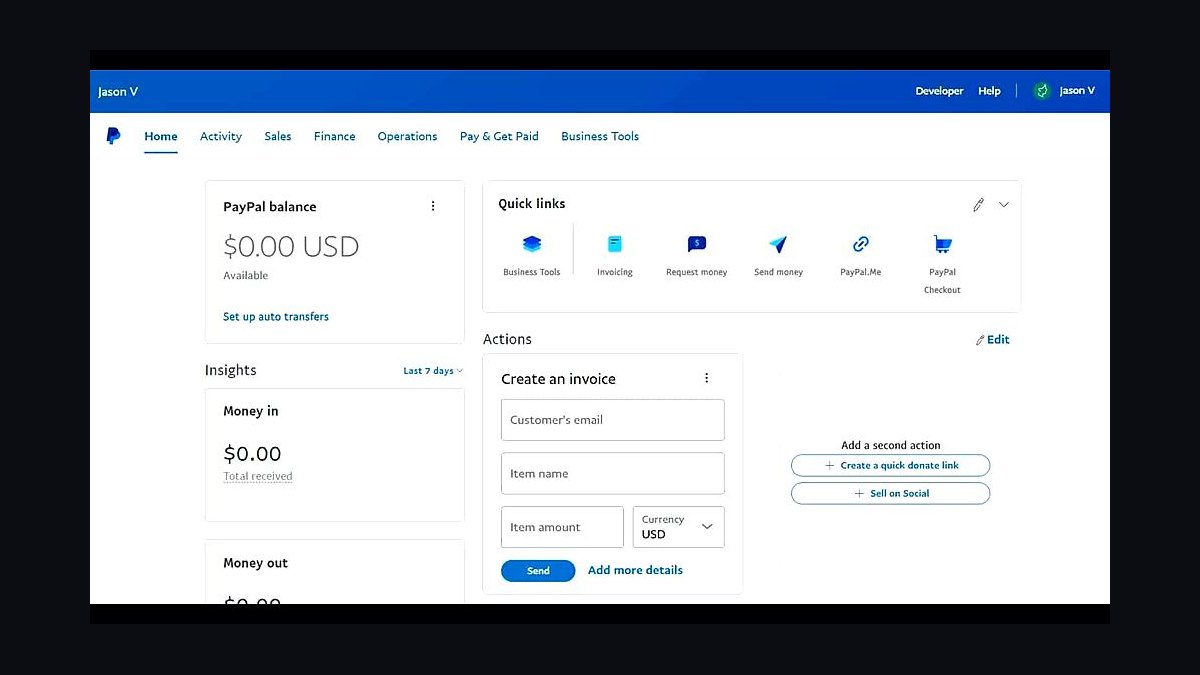
PayPal Business ranks third because 2.99% plus 49 cents per transaction buys instant brand trust with buyers who already have accounts. Checkout conversion runs higher for many small merchants, and the free invoicing, recurring billing, and working-capital tools require no separate subscriptions.
PayPal suits sellers who want fast setup and buyer familiarity over the lowest rates. It trades away rate competitiveness and can hold funds during disputes. Compared to Square above, PayPal is weaker at in-person retail but stronger for cross-border and peer-to-peer style sales.
4Helcim Payments
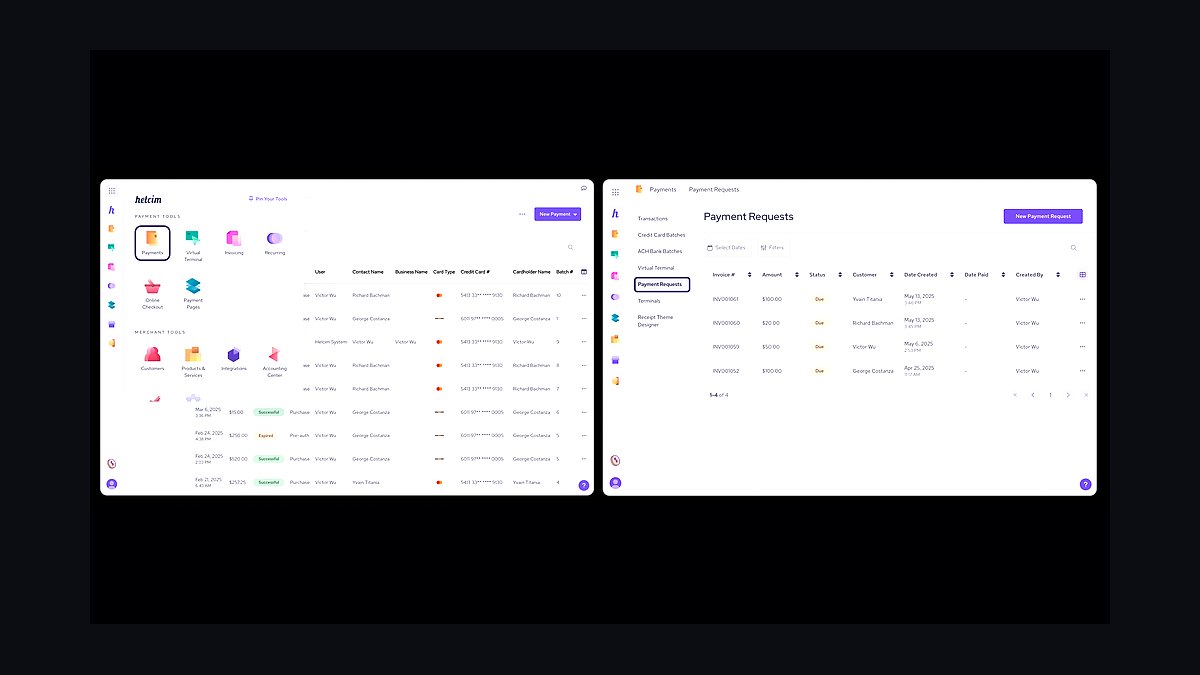
Helcim ranks fourth because its interchange-plus pricing starts near 1.6% plus 8 cents for swiped cards with no monthly fee or contract. The free Helcim POS and invoicing tools include a built-in customer database, and next-day funding is standard on every account.
Helcim fits small merchants processing steady volume who want transparent interchange-plus rates without a gateway fee. It trades away brand recognition and some third-party app integrations. Compared to PayPal above, Helcim is cheaper at volume but less familiar to online buyers at checkout.
5Stax Payments
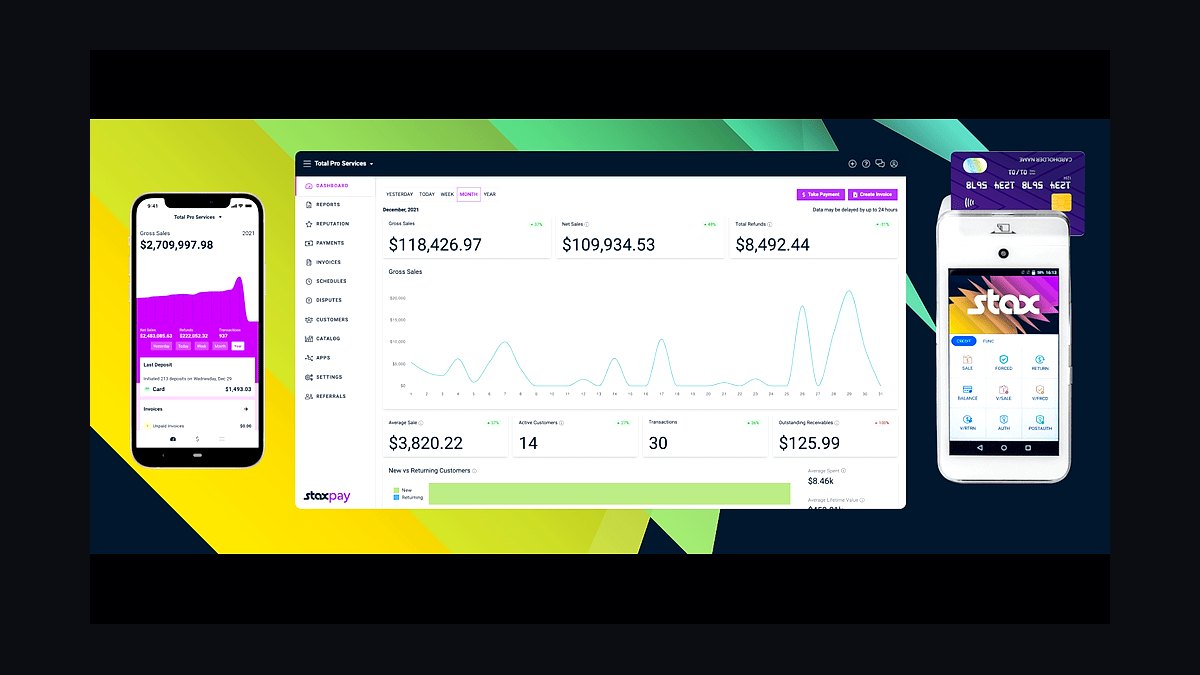
Stax ranks fifth because its flat membership model charges a single monthly fee plus interchange, which often beats percentage-based processors once volume passes roughly $10,000 monthly. It includes a free terminal, next-day deposits, and no long-term contract on standard plans.
Stax suits established small businesses with predictable card volume who want to escape per-transaction markups. It trades away simplicity for merchants with low or seasonal sales, where the monthly fee outweighs savings. Compared to Helcim above, Stax wins at high volume but costs more for occasional sellers.
6Clover Flex
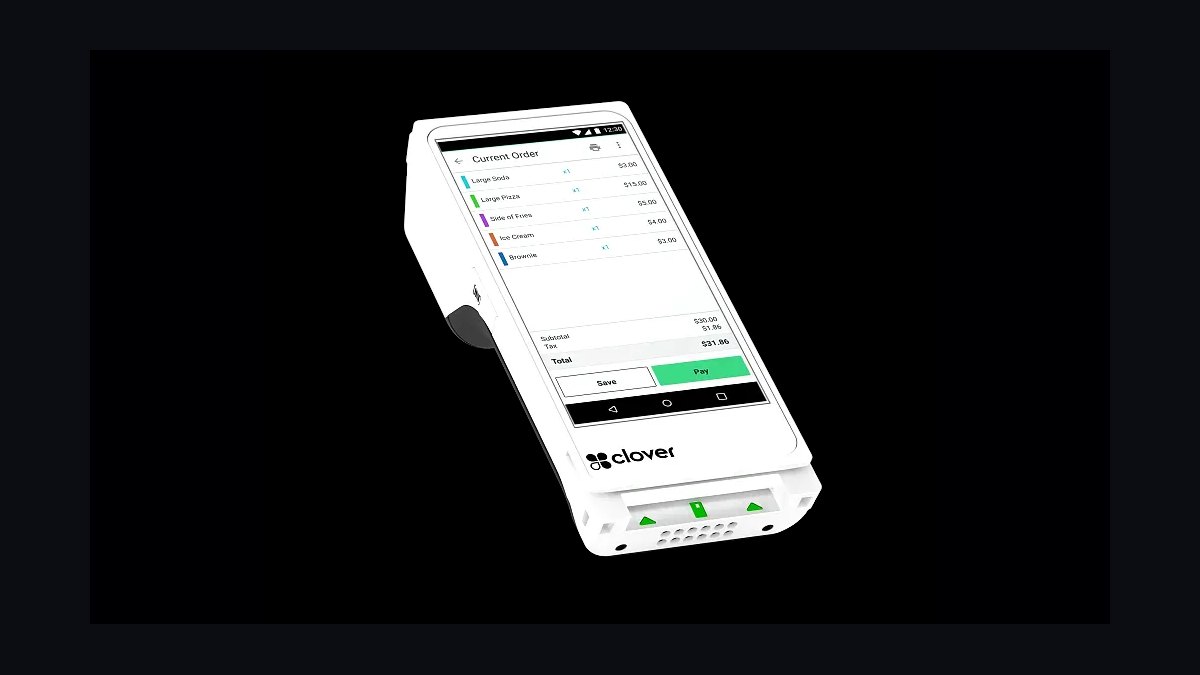
Clover Flex ranks sixth because the handheld all-in-one terminal accepts chip, swipe, and contactless payments and prints receipts on the spot. Pricing runs about 2.3% plus 10 cents through First Data, and the device handles inventory, tips, and signatures on a 5-inch touchscreen.
Clover Flex fits restaurants, salons, and mobile sellers who need a portable counter device. It trades away open pricing and can lock merchants into multi-year contracts with early termination fees. Compared to Stax above, Clover offers better hardware but less rate transparency.
7Payment Depot
Payment Depot ranks seventh because its membership pricing starts around $25 monthly plus interchange, cutting per-transaction markup to zero on most cards. It includes free equipment, no contracts, and dedicated account managers for accounts of any size.
Payment Depot suits small businesses processing over $5,000 monthly that want wholesale-style rates. It trades away instant online signup and polished self-service tools. Compared to Clover Flex above, Payment Depot is cheaper at volume but lacks the integrated retail hardware.
8Authorize.Net
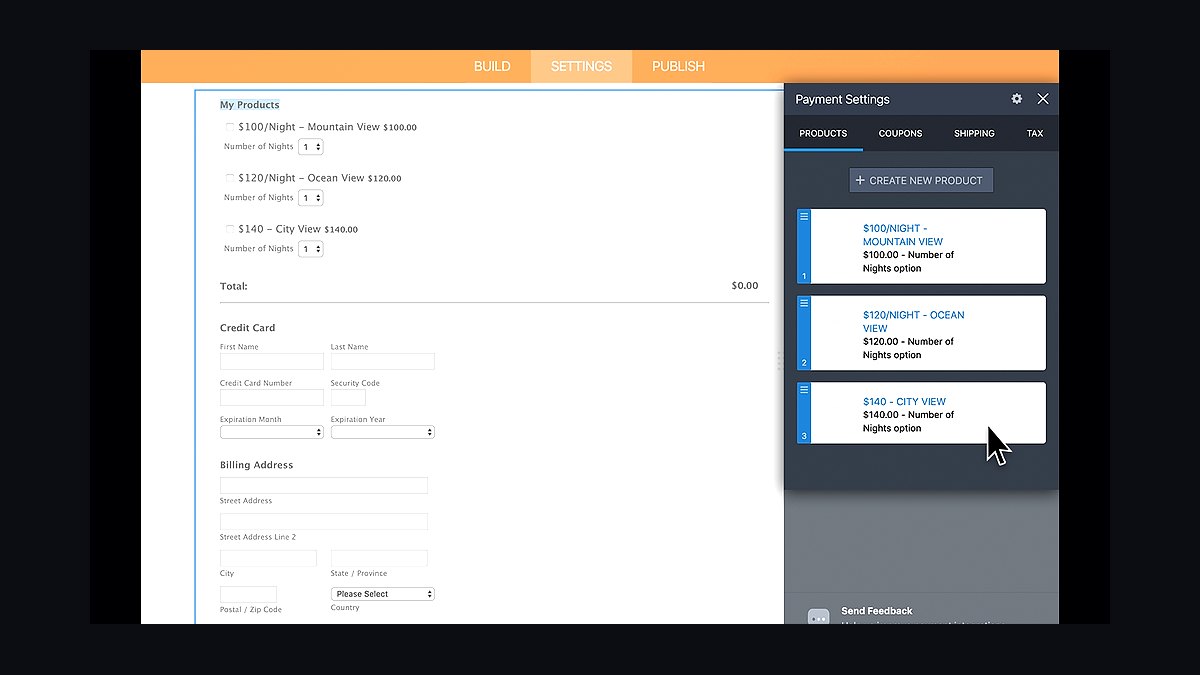
Authorize.Net ranks eighth because its $25 monthly gateway fee plus 2.9% plus 30 cents per transaction delivers a reliable, PCI-compliant checkout trusted since 1996. It supports recurring billing, fraud filters, and over 100 shopping cart integrations out of the box.
Authorize.Net fits online merchants who want a stable gateway with deep cart compatibility. It trades away low in-person rates and modern dashboard design. Compared to Payment Depot above, Authorize.Net is better for pure ecommerce but costs more per transaction.
9Flagship Merchant Services
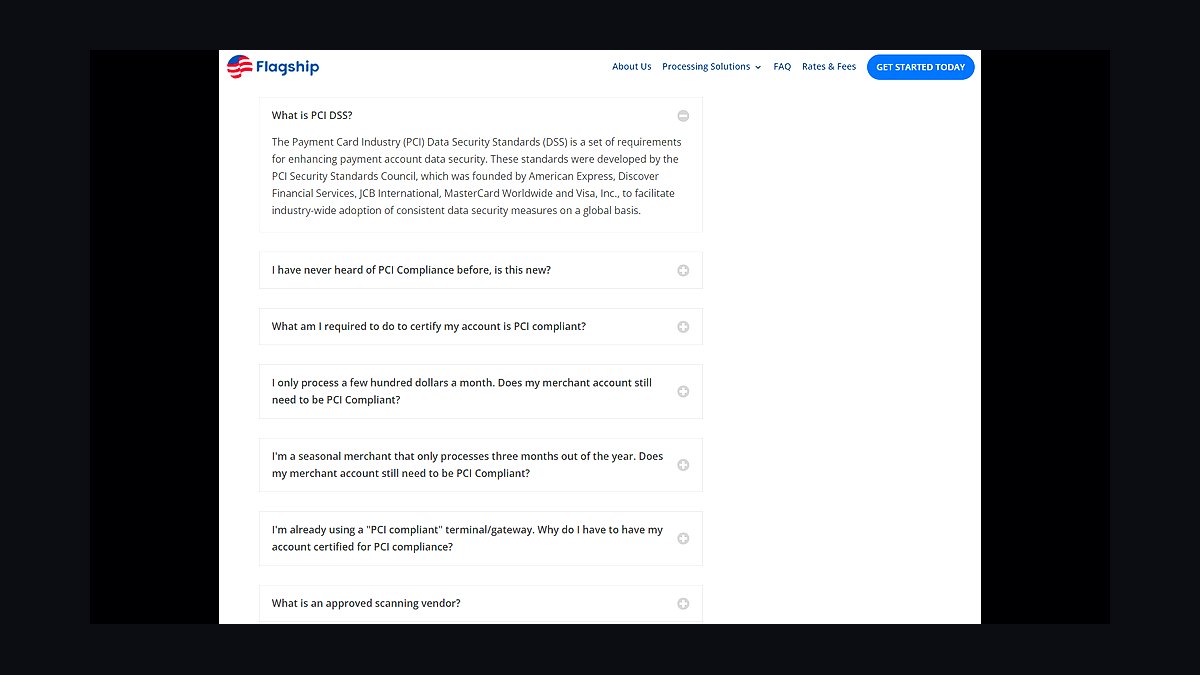
Flagship Merchant Services ranks ninth because it offers interchange-plus pricing with no setup fee, no application fee, and free terminal placement on approved accounts. Rates are negotiated per business, and it supports retail, mobile, and ecommerce channels under one account.
Flagship suits merchants who prefer negotiating rates directly with a sales representative. It trades away published pricing and self-service onboarding. Compared to Authorize.Net above, Flagship is stronger on in-person hardware but weaker on transparent online signup.
10National Processing
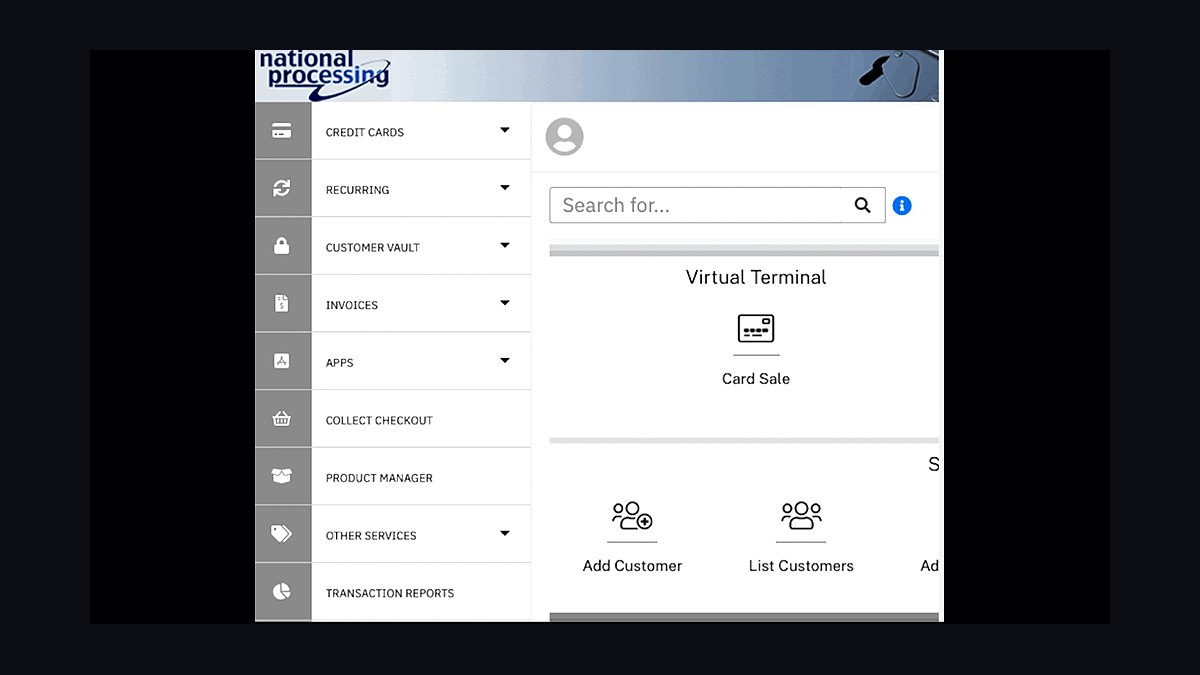
National Processing ranks tenth because it advertises interchange-plus rates starting near 1.5% plus 10 cents with no monthly fee on some plans, plus free terminals and next-day funding. It serves retail, restaurant, and ecommerce merchants with dedicated support.
National Processing suits small businesses that want low advertised rates and are willing to request a custom quote. It trades away instant online approval and fully public pricing. Compared to Flagship above, National Processing is similar in structure but smaller in merchant base.
How we ranked these
We scored each processor on effective transaction rate (the real cost at $10k and $50k monthly card volume, including gateway, PCI, and batch fees), contract flexibility, chargeback and dispute handling, next-day funding availability, and integration depth with the tools small businesses actually run. Weighting favored total cost of ownership at 40%, then contract terms at 20%, payout speed at 15%, dispute support at 15%, and integration breadth at 10%.
We deliberately ignored advertised teaser rates, signup bonuses, and marketing claims about "no hidden fees," because those rarely survive contact with a real statement. We also excluded brand recognition, venture funding, and press coverage as scoring inputs. A processor's logo on a conference banner tells you nothing about what it will cost you in month nine when your volume doubles.
What to look for
The number that matters is your effective rate on a real statement, not the headline percentage. Pull three months of processing statements, divide total fees by total card volume, and compare that figure across providers. Also check whether the rate is locked or floats with interchange, and whether you can leave without a termination fee if service degrades.
Most buyers anchor on the quoted rate and never model their actual mix of card types, refunds, and chargebacks. A processor quoting 2.3% can cost more than one quoting 2.9% once Amex, corporate cards, and keyed-in transactions hit the statement. The second most common mistake is signing a multi-year contract with an auto-renewal clause buried in the terms.
Related questions
What is an effective rate and why does it matter more than the quoted rate?
Your effective rate is total fees divided by total card volume over a period, expressed as a percentage. It captures interchange, assessments, gateway fees, PCI charges, and batch costs. Quoted rates often exclude several of these, so two processors advertising 2.5% can differ by 40 basis points in practice. Always calculate effective rate from a real statement.
How long does it typically take to switch payment processors?
Most switches take one to three weeks from signed agreement to live traffic. The slow parts are underwriting, gateway reconfiguration, and updating checkout flows or terminal firmware. If you use a platform like Shopify or Square, migration can happen in days. If you have custom integrations or stored card tokens, plan for a month and run both processors in parallel during cutover.
Do I need a separate gateway if I already have a merchant account?
Not always. Many processors bundle gateway access into their platform, which simplifies reconciliation and support. Others require you to bring your own gateway like Authorize.Net or Stripe. Bundled gateways usually cost less but limit flexibility if you later want to change processors. Unbundled setups cost more monthly but make switching easier because your tokenized card data stays portable.
What should I look for in chargeback and dispute handling?
Look for in-dashboard evidence submission, automatic representment, and clear timelines. Good processors notify you within 24 hours of a dispute and let you upload evidence directly. Ask whether they charge per chargeback, whether they offer a prevention tool like Ethoca or Verifi alerts, and whether they will fight on your behalf or just pass the case through. Fees range from $15 to $40 per dispute.
Is next-day funding worth paying extra for?
It depends on your cash conversion cycle. If you pay suppliers or staff weekly and your margins are thin, next-day funding can prevent a short-term credit line. If you already hold a cash buffer, standard two-to-three-day funding is fine and the premium is wasted. Expect to pay 0.1% to 0.5% extra, or a flat monthly fee, for accelerated settlement.
How do interchange-plus and flat-rate pricing compare for a small business?
Interchange-plus passes through the card networks' actual cost plus a fixed markup, so it rewards you as volume grows and card mix improves. Flat-rate bundles everything into one percentage, which is simpler but often costs more above roughly $10k monthly volume. Below that threshold, flat-rate is usually cheaper and easier to reconcile. Above it, interchange-plus almost always wins.
What contract terms should trigger a hard no?
Walk away from auto-renewal clauses longer than 30 days, early termination fees above $300, liquidated damages based on remaining volume, and personal guarantees on a corporate account. Also reject clauses that let the processor raise rates mid-term without notice or that lock you into equipment leases you cannot buy out. These terms are common in ISO-sold merchant accounts and rarely worth the headline rate.
Can I negotiate processing rates as a small business?
Yes, especially if you can show consistent volume and low chargebacks. Ask for a rate review after six months of clean processing, and get competing quotes in writing before you call. Processors care most about your average ticket, card mix, and refund rate. A business doing $30k monthly with under 0.3% chargebacks has real leverage, even at small scale.
FAQ
What is the best payment processor for a small business in 2027?
There is no single best option because the right choice depends on your average ticket, card mix, and whether you sell online, in person, or both. Stripe leads for developer-friendly online checkout, Square for retail and restaurants, and Helcim or Payment Depot for interchange-plus pricing at higher volume. Compare effective rates on your own statements before deciding.
How much should a small business expect to pay in processing fees?
Most small businesses pay between 2.3% and 3.2% of card volume as an effective rate. In-person debit transactions can drop below 1.5%, while keyed-in corporate cards can exceed 3.5%. If your blended rate is above 3.5% and you process more than $10k monthly, you are likely overpaying and should request a statement review or competing quote.
Do I need a merchant account or can I just use Stripe or Square?
Stripe and Square are merchant accounts, just delivered as platforms rather than through a bank. You do not need a separate traditional merchant account unless you want interchange-plus pricing, need a specific gateway, or process high-risk transactions. For most small businesses under $50k monthly volume, a platform like Stripe or Square is simpler and cheaper than a bank-issued account.
What is a PCI compliance fee and do I have to pay it?
PCI compliance fees range from $0 to $150 annually and cover the cost of validating that your business meets card network security standards. Some processors waive the fee if you complete a self-assessment questionnaire. You should never pay a monthly "PCI non-compliance" fee if you have actually completed your SAQ. If you are unsure, ask your processor for the exact requirement.
How do payment processors handle refunds and returns?
Refunds reverse the original transaction and typically return the interchange fee to you, but most processors keep their markup. Some charge a separate refund fee of $0.10 to $0.25 per transaction. Refund volume also affects your chargeback ratio and can trigger a reserve or account review if it exceeds roughly 5% of sales. Track refunds separately from chargebacks in your reporting.
What happens if my chargeback ratio gets too high?
Card networks flag accounts above 0.9% chargeback ratio or 100 chargebacks monthly, whichever comes first. Processors may impose a rolling reserve, raise rates, or terminate the account. To recover, submit evidence on every dispute, add fraud tools like 3D Secure or address verification, and contact your processor proactively. Ignoring the problem usually leads to account closure within 60 to 90 days.
Are there processors that specialize in high-risk industries?
Yes. High-risk processors serve industries like subscription boxes, nutraceuticals, travel, and adult content, where standard underwriters decline. Expect rates from 3.5% to 6% plus a rolling reserve of 5% to 10% held for 90 to 180 days. Providers include Durango Merchant Services, Soar Payments, and PaymentCloud. Always verify the processor is a registered ISO with a real acquiring bank.
How do I compare processors if I only process a few thousand dollars a month?
Below roughly $5k monthly volume, focus on total monthly cost rather than rate. A processor charging 2.9% plus $0.30 with no monthly fee usually beats one charging 2.4% plus $25 monthly and a $99 annual PCI fee. Add up every fixed fee, multiply by 12, and compare that annual figure against your projected processing volume before you sign anything.
Can I use multiple payment processors at the same time?
Yes, and many businesses do. Running two processors gives you redundancy if one goes down, lets you route high-risk transactions to a specialized provider, and gives you leverage at renewal. The tradeoff is more reconciliation work and two sets of statements to review. Keep the split simple, usually 80/20, and document which processor handles which transaction type.
What support should I expect from a payment processor?
Look for 24/7 phone support, a named account manager above $25k monthly volume, and response times under four hours for urgent issues. Test support before you sign by calling the sales line and asking a technical question. If you get voicemail or a chatbot with no human escalation path, expect the same after you are live. Support quality varies more than pricing across providers.
Sources
- https://stripe.com/pricing
- https://squareup.com/us/en/pricing
- https://www.helcim.com/pricing/
- https://www.paymentdepot.com/pricing/
- https://www.authorize.net/pricing/
- https://www.nerdwallet.com/article/small-business/best-merchant-services
- https://www.forbes.com/advisor/business/best-merchant-services/
- https://www.consumerfinance.gov/ask-cfpb/what-is-a-chargeback-en-1157/
- https://usa.visa.com/support/consumer/security.html
Related on PULSE
This page will be disappearing soon. Save it to your device for $1 — or read it free while it is here.
@Kory-White- · if Venmo asks, the last 4 of my number are 2012
This page is gone.
This one is off the shelf now. $1 keeps it on your phone for good — the whole page, pictures and diagrams included.
 revopsTop 10 Marketing Agencies for Small Businesses in 2027
 revopsTop 10 Landing Page Mistakes That Kill Conversions in 2027
 revopsTop 10 Things a Small Business Brand Needs in 2027
 revopsTop 10 Welcome Email Examples for New Customers in 2027
 revopsTop 10 Inventory Management Tools for Small Businesses in 2027
 revopsTop 10 Tools for Making Short-Form Business Videos in 2027
 revopsTop 10 Ad Budget Tips for Small Businesses in 2027
 revopsTop 10 Auto-Reply Tools for Small Business Inquiries in 2027
 revopsTop 10 Referral Program Tools for Small Businesses in 2027
 revopsTop 10 POS Systems for Small Businesses in 2027