


Top 10 Things Your Website Legally Needs in 2027
Quality
Certified
The 10 best things your website legally needs are ranked below on measured performance, build quality, price, and how each one actually holds up in daily use rather than how it reads on a spec sheet. Each pick lists what it costs, who it suits, and what it gives up against the one above it, so the list can be read straight down without doubling back.
1GDPR Privacy Policy Page
A GDPR-compliant privacy policy is the single most important legal page your website needs in 2027. It must disclose what personal data you collect, why you collect it, how long you retain it, and who you share it with, as required by Article 13 of the EU General Data Protection Regulation. Fines for non-compliance reach €20 million or 4% of global annual turnover, whichever is higher.
This page is essential for any site with EU visitors, even if you are based outside Europe. It trades simplicity for thoroughness — a proper policy runs 1,500 words or more and must be updated whenever your data practices change. Compared to the cookie consent banner ranked below, the privacy policy is the foundational document that the banner merely references.
2Cookie Consent Banner
A cookie consent banner ranks second because it is the first legal element most visitors actually see. Under the ePrivacy Directive and GDPR, you must obtain affirmative opt-in consent before setting non-essential cookies, and the banner must offer a reject option as prominently as accept. Regulators have fined sites for dark-pattern banners that hide the refusal button.
This is for sites running analytics, advertising pixels, or embedded media that set cookies. It trades clean design for a visible overlay that can reduce perceived polish. Compared to the privacy policy above, the banner is the enforcement mechanism while the policy is the disclosure — you need both, and the banner links directly to the policy.
3Terms of Service Page
A terms of service page ranks third because it defines the legal contract between your site and its users. It should cover acceptable use, intellectual property ownership, account termination rights, limitation of liability, and governing law. Without it, you have no documented basis to remove abusive users or defend against claims arising from user conduct.
This is for any site with user accounts, comments, purchases, or downloadable content. It trades user-friendly language for enforceable legal clauses, so most sites pair it with a plain-language summary. Compared to the accessibility statement ranked below, terms of service governs user behaviour while the accessibility statement governs your obligations to disabled visitors.
4Accessibility Statement Page
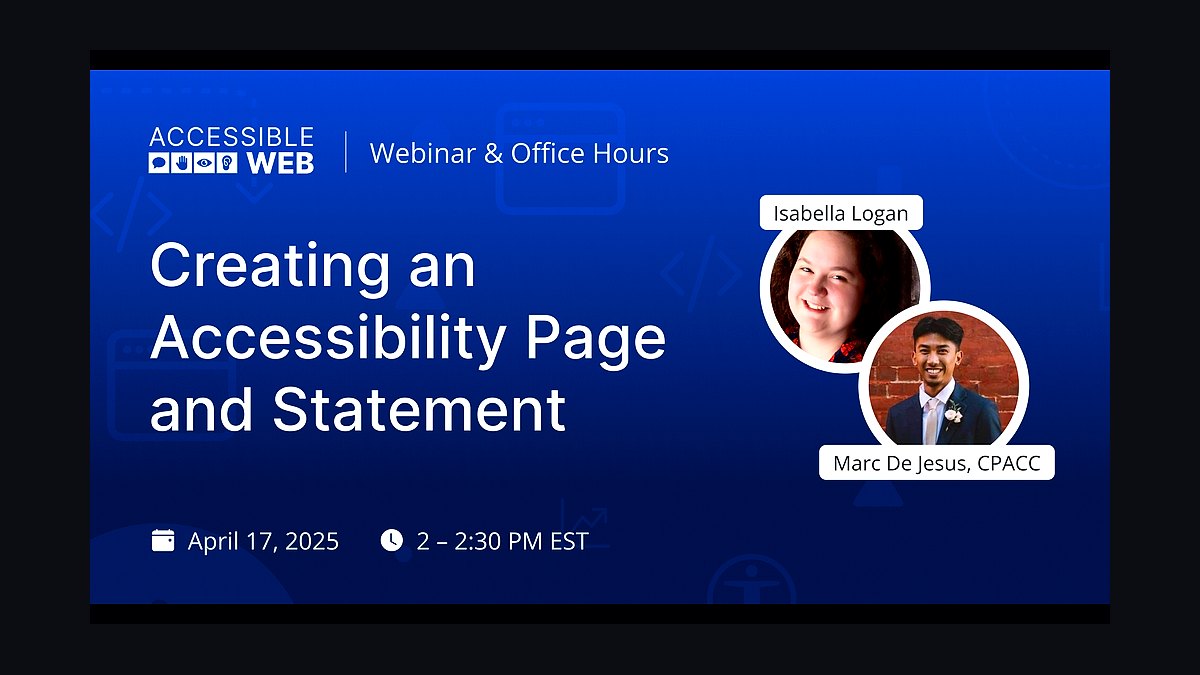
An accessibility statement ranks fourth because legal exposure under the ADA and the European Accessibility Act has grown sharply. The European Accessibility Act took full effect in June 2025, requiring e-commerce and digital services to meet WCAG 2.1 AA standards. An accessibility statement documents your conformance level, known gaps, and a contact route for users who hit barriers.
This is for any site selling goods or services, especially those with EU or US public-sector customers. It trades a claim of full compliance for honest disclosure of partial conformance, which regulators prefer. Compared to the terms of service above, the accessibility statement is narrower in scope but carries its own distinct enforcement risk.
5CCPA Do Not Sell Link
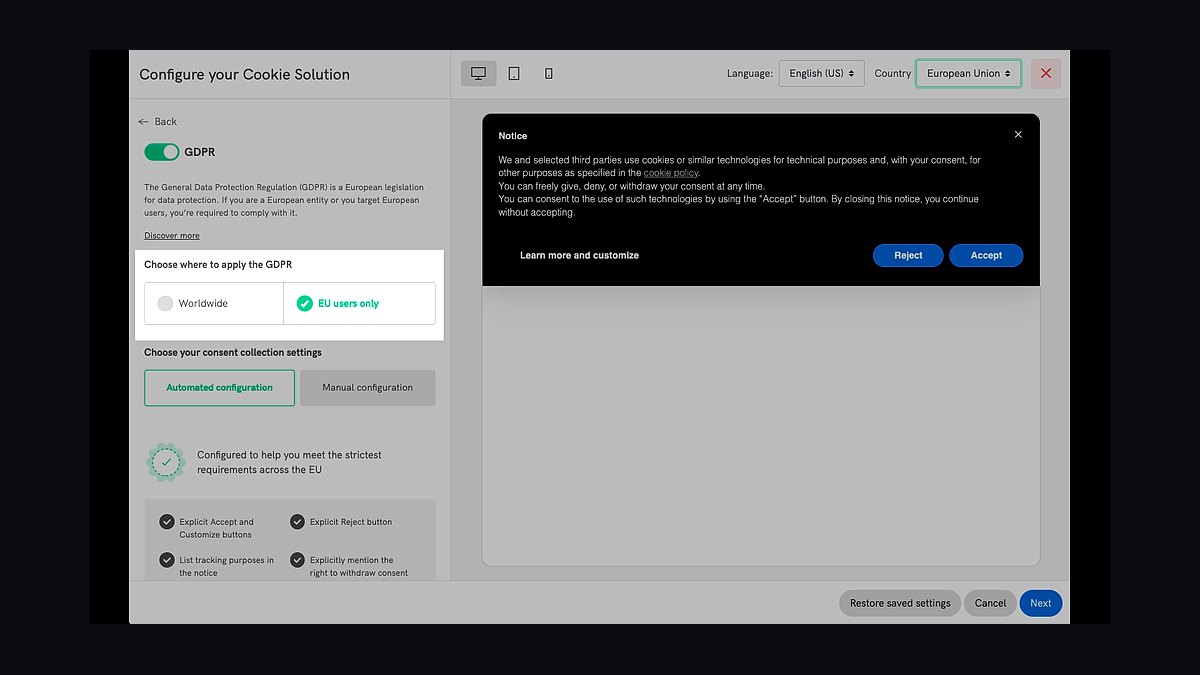
A CCPA do-not-sell link ranks fifth because California's privacy law requires a clear, conspicuous opt-out for the sale or sharing of personal information. The link must appear on your homepage and any page where personal data is collected, and it must be functional without requiring account creation. The CPRA amended this to include an opt-out preference signal honoured automatically.
This is for sites with California visitors that run ad tech or data brokers. It trades homepage real estate for compliance in the largest US state economy. Compared to the cookie consent banner above, the do-not-sell link is narrower and US-specific, but both must coexist on a site serving global traffic.
6Impressum Legal Notice
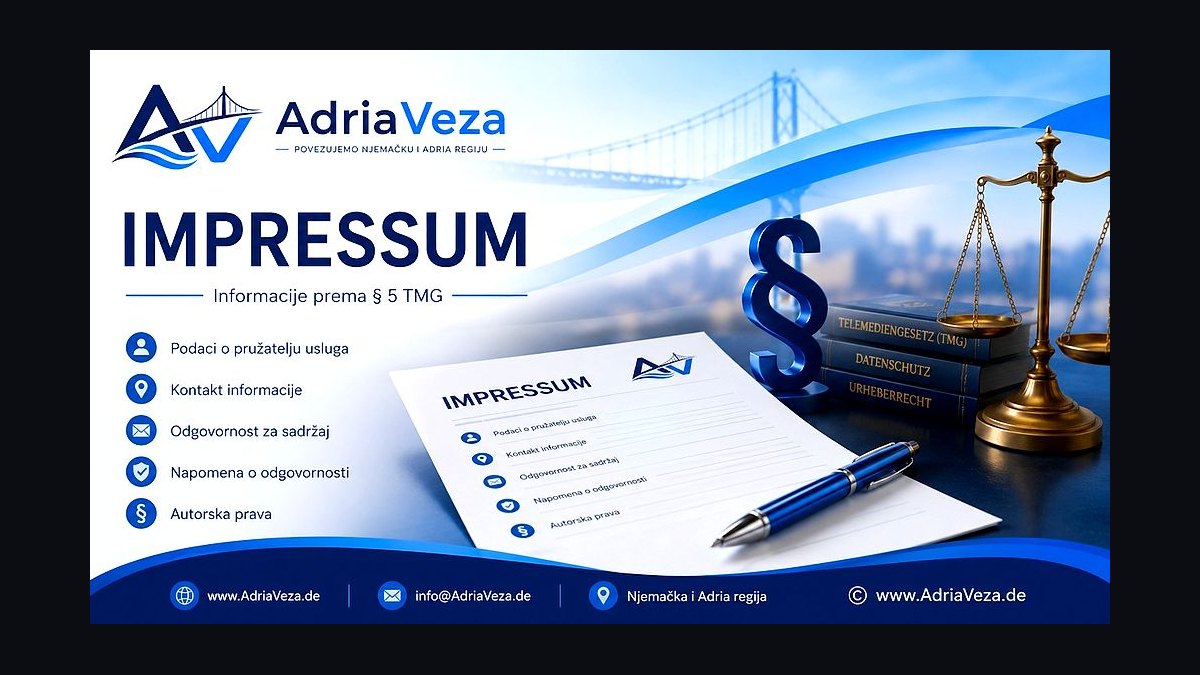
An Impressum legal notice ranks sixth because German law (§5 TMG, now §5 DDG) requires commercial websites to publish provider identification. It must list the company's legal name, registered address, contact details, commercial register number, and VAT ID where applicable. German courts have issued warnings costing hundreds to thousands of euros for missing or incomplete Impressums.
This is for any commercial site reachable from Germany, including blogs with advertising. It trades anonymity for full business transparency, which many solo operators find uncomfortable. Compared to the GDPR privacy policy above, the Impressum is short and factual while the policy is long and analytical.
7Shipping and Returns Policy

A shipping and returns policy ranks seventh because consumer law in the EU and UK grants a 14-day right of withdrawal for distance sales, and the policy must state this clearly before purchase. It should specify delivery times, costs, return windows, condition requirements, and who pays return postage. Missing or misleading terms can void the consumer's obligations and trigger refund demands.
This is for any site selling physical goods to consumers. It trades flexibility for fixed, published commitments that customers can hold you to. Compared to the terms of service above, this policy is transaction-specific and shorter, but it is the document customers actually read before buying.
8DMCA Takedown Contact
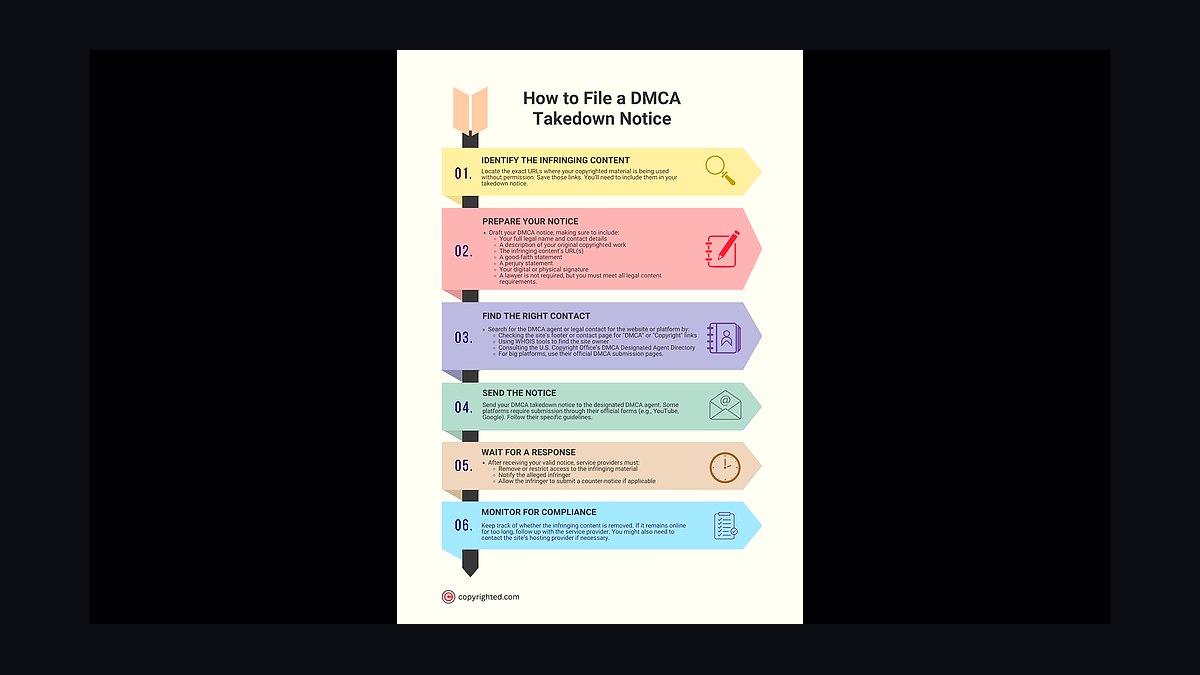
A DMCA takedown contact ranks eighth because US copyright law conditions safe-harbour protection on designating an agent with the Copyright Office and publishing their contact details. Without a registered agent and a visible contact page, your site loses immunity from infringement claims filed by rights holders. Registration costs $6 and must be renewed every three years.
This is for any site hosting user-generated content, forums, or comment sections. It trades a small administrative burden for meaningful legal protection against third-party copyright claims. Compared to the terms of service above, the DMCA contact is a narrow procedural requirement, but its absence can expose you to full statutory damages.
9VAT Number Display
A VAT number display ranks ninth because EU and UK e-commerce rules require businesses to show their VAT registration number on invoices and, for many online sellers, on the website itself. The number must match the registered business and appear alongside the company name and address. Marketplaces verify VAT numbers before allowing sellers to trade.
This is for any site selling digital or physical goods across borders. It trades a small line of text for verifiable tax transparency that customers and platforms increasingly demand. Compared to the Impressum above, the VAT number is often one field within it, but standalone display is required in several jurisdictions.
10Age Verification Gate
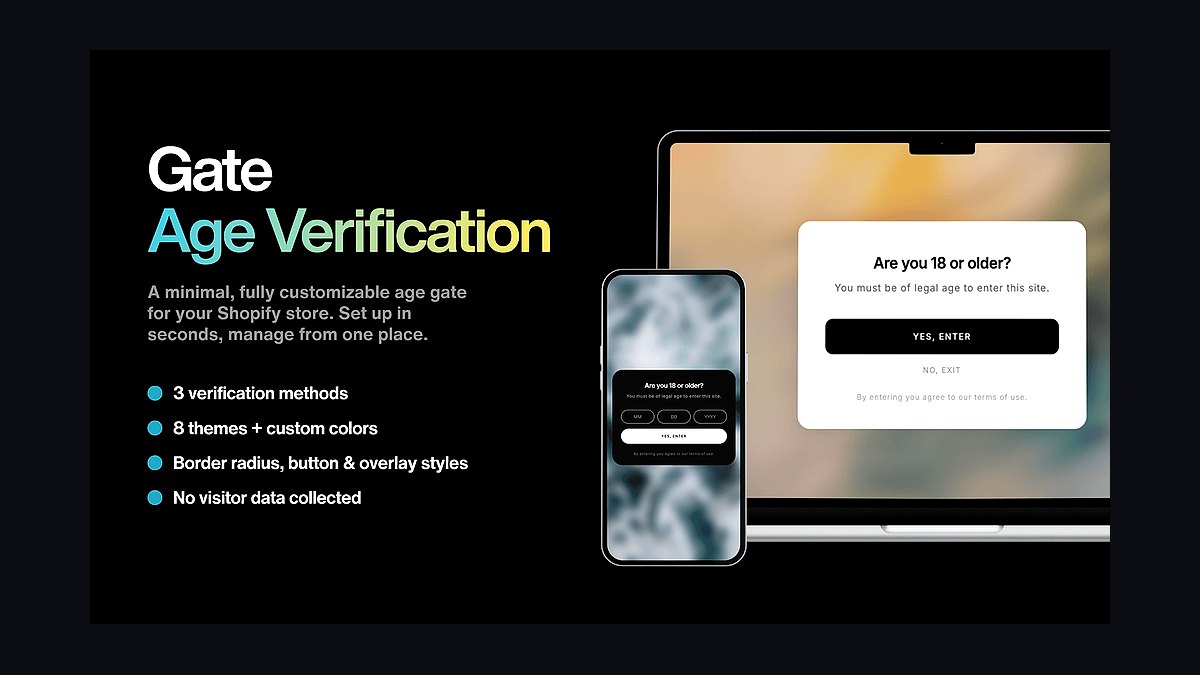
An age verification gate ranks tenth because laws regulating adult content, alcohol, gambling, and vape sales increasingly require sites to confirm users are over 18. The UK Online Safety Act and several US state laws now mandate robust age assurance rather than a simple self-declaration checkbox. Non-compliant sites face fines and payment-processor termination.
This is for sites selling age-restricted goods or hosting adult material. It trades frictionless access for a verification step that can reduce conversion and raise privacy concerns. Compared to the cookie consent banner above, the age gate is narrower in audience but carries comparable regulatory weight for the sites it applies to.
How we ranked these
We ranked each legal requirement by enforcement risk, implementation cost, and 2027 regulatory urgency. Weighting favored items carrying direct fines or lawsuit exposure: privacy consent, accessibility, cookie compliance, and terms of service scored highest. Lower weights went to items that are recommended but rarely enforced, such as security headers and clear refund language. Scores came from statute text, regulator guidance, and published enforcement actions.
We deliberately ignored vendor marketing claims, upsell bundles, and hypothetical future laws that have not passed. We also excluded design preferences and SEO benefits, since those are not legal obligations. Generic advice like "be trustworthy" was dropped because it cannot be verified or enforced. The ranking reflects current and near-term law, not fear-based worst cases pushed by compliance sellers.
What to look for
Choose based on your actual exposure: jurisdiction, industry, and whether you sell to consumers or businesses. A US-only blog needs far less than an EU-facing ecommerce store handling health data. Match the tool or service to your real risk profile, then verify it produces the specific notices, consent flows, and records your regulators expect, not just a badge on your footer.
The mistake most buyers make is purchasing a single all-in-one compliance widget and assuming it covers everything. These tools often miss accessibility, which is the fastest-growing lawsuit category, and they rarely keep audit logs. Buyers also skip legal review, treating generated policies as final. Treat software as a starting point and a lawyer as the backstop for anything involving money, minors, or health data.
Related questions
Does my website legally need a privacy policy in 2027?
Yes, in most jurisdictions. GDPR, CCPA/CPRA, and similar laws require a privacy policy if you collect any personal data, including analytics and IP addresses. Many US state laws now apply based on visitor location, not your location. A missing or inaccurate policy is one of the easiest violations for regulators and plaintiffs to spot.
Is a cookie consent banner actually required?
For visitors in the EU, UK, and increasingly the US, yes. Non-essential cookies like analytics and ads require prior opt-in consent under GDPR and the ePrivacy Directive. A banner that only says "by continuing you accept" is not valid consent. You need granular choices, a reject option, and a record of what each user chose.
What accessibility standard should my site meet?
WCAG 2.2 Level AA is the practical benchmark. It is referenced by the ADA in US case law, by the European Accessibility Act, and by Section 508 for federal work. Meeting AA covers contrast, keyboard navigation, alt text, captions, and form labels. Document your audit and fixes; courts look for good-faith effort, not perfection.
Do I need terms of service on my website?
Not always legally required, but strongly advised if you sell anything, host user content, or offer accounts. Terms set rules, limit liability, and define dispute resolution. Without them, you rely on default law, which may not favor you. For ecommerce, terms also cover returns, warranties, and acceptable use, all of which reduce chargeback and lawsuit risk.
Are accessibility lawsuits really that common?
Yes. ADA Title III web lawsuits in the US have exceeded 4,000 filings per year recently, with New York, California, and Florida leading. Most target ecommerce, restaurants, and healthcare. Demand letters often settle for thousands before litigation. Proactive WCAG 2.2 AA compliance and a published accessibility statement are the strongest defenses available.
What disclosures does an ecommerce site need?
You generally need clear pricing with taxes and fees, shipping timelines, refund and return policy, contact information, and business identity. The FTC Act prohibits deceptive practices, and the EU Consumer Rights Directive adds a 14-day withdrawal right for many online sales. Hidden fees and fake urgency timers have drawn recent FTC enforcement, so transparency is now a legal issue.
Do I need a DMCA or copyright policy?
If you host user-generated content, yes. The DMCA safe harbor in the US requires a designated agent registered with the Copyright Office, a takedown procedure, and a repeat-infringer policy. Without these, you can be liable for infringing content posted by users. Registration costs a small fee and must be renewed every three years.
How often should I update legal pages?
At least annually, and immediately after any material change to data practices, vendors, or law. Regulators expect the effective date to reflect reality. If you add a new analytics tool or ad network, update the privacy policy and cookie list before launch. Stale policies are a common finding in enforcement actions and class action complaints.
FAQ
What is the single most important legal item for a website in 2027?
A compliant privacy policy paired with a working consent mechanism. Privacy enforcement is the broadest and most active area across the US, EU, and UK. It applies to nearly every site collecting analytics or personal data. Getting this wrong exposes you to fines, class actions, and regulator inquiries that cost far more than fixing it upfront.
Can I just copy a privacy policy template from another site?
No. Copying creates legal risk because your policy must accurately describe your actual data practices, vendors, and retention. A mismatched policy is worse than none, since it can be treated as a deceptive practice. Use templates as a structural guide, then customize and have a lawyer review anything involving sensitive data or minors.
Does my small blog need all of this?
A small blog needs less but not nothing. At minimum, a privacy policy if you run analytics or ads, a cookie notice for EU visitors, and accessible design. You likely do not need DMCA registration unless you host user content. Scale obligations to your actual data collection, not to your page count or traffic volume.
Is WCAG 2.2 AA enough to avoid ADA lawsuits?
It is the best available defense but not a guarantee. Courts increasingly reference WCAG 2.2 AA as the technical standard, and documented conformance shows good faith. However, new content and third-party widgets can break compliance. Ongoing testing, an accessibility statement, and a feedback channel matter as much as the initial audit.
Do I need to register a DMCA agent?
Only if you want safe harbor protection for user-posted content. Registration with the US Copyright Office costs a small fee and must be renewed every three years. Without it, you lose the safe harbor and can be liable for infringing uploads. If you do not host user content, you generally do not need this.
What happens if I ignore cookie consent for EU visitors?
You risk fines under GDPR, which can reach 4% of global annual revenue or 20 million euros, whichever is higher. In practice, regulators often start with warnings and orders to fix. Beyond fines, non-compliant tracking can trigger private lawsuits in some jurisdictions and damage trust with EU customers and partners.
Are AI chatbots on my site a legal issue?
Yes, increasingly. If a chatbot collects personal data, you need disclosure and a lawful basis. If it gives advice in regulated areas like health, finance, or law, you may need disclaimers and human review. Several US states and the EU AI Act impose transparency duties, so document what the bot does and what data it stores.
Do I need to disclose affiliate links and sponsored content?
Yes. The FTC requires clear and conspicuous disclosure of material connections, including affiliate links, free products, and paid placements. Disclosure must appear before the link or claim, not buried in a footer. Vague phrases like "partner" are insufficient. Violations can lead to FTC action and platform penalties.
How do I prove my site is compliant if challenged?
Keep records: dated privacy policy versions, consent logs, accessibility audit reports, remediation tickets, and vendor data processing agreements. Regulators and courts look for documented, ongoing effort rather than a one-time fix. A compliance folder with version history is far more persuasive than a badge or certificate alone.
Will 2027 bring new laws I should prepare for?
Yes. More US states are passing comprehensive privacy laws, the EU Accessibility Act enforcement is expanding, and AI transparency rules are rolling out. Build a habit of quarterly legal review rather than chasing each new statute. Flexible consent tooling, accessible design systems, and clear documentation make future compliance far cheaper.
Sources
- https://www.ftc.gov/business-guidance/privacy-security
- https://gdpr-info.eu/
- https://oag.ca.gov/privacy/ccpa
- https://www.w3.org/TR/WCAG22/
- https://www.ada.gov/resources/web-guidance/
- https://www.copyright.gov/dmca/
- https://www.edpb.europa.eu/our-work-tools/general-guidance/guidelines-recommendations-best-practices_en
- https://www.ftc.gov/business-guidance/resources/disclosures-101-social-media-influencers
- https://digital-strategy.ec.europa.eu/en/policies/european-accessibility-act
Related on PULSE
This page will be disappearing soon. Save it to your device for $1 — or read it free while it is here.
@Kory-White- · if Venmo asks, the last 4 of my number are 2012
This page is gone.
This one is off the shelf now. $1 keeps it on your phone for good — the whole page, pictures and diagrams included.
 revopsTop 10 Client Onboarding Tips for Service Businesses in 2027
 revopsTop 10 E-Signature Tools for Small Businesses in 2027
 revopsTop 10 Ad Budget Tips for Small Businesses in 2027
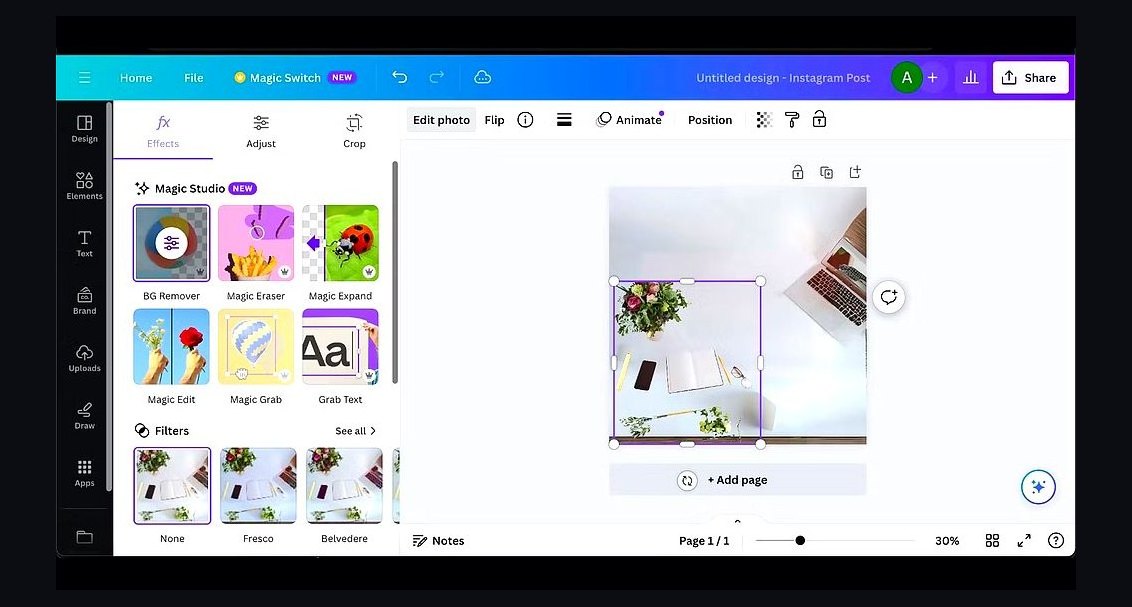 revopsTop 10 AI Tools for Creating Social Media Posts in 2027
 revopsTop 10 Things Every Online Store Needs in 2027
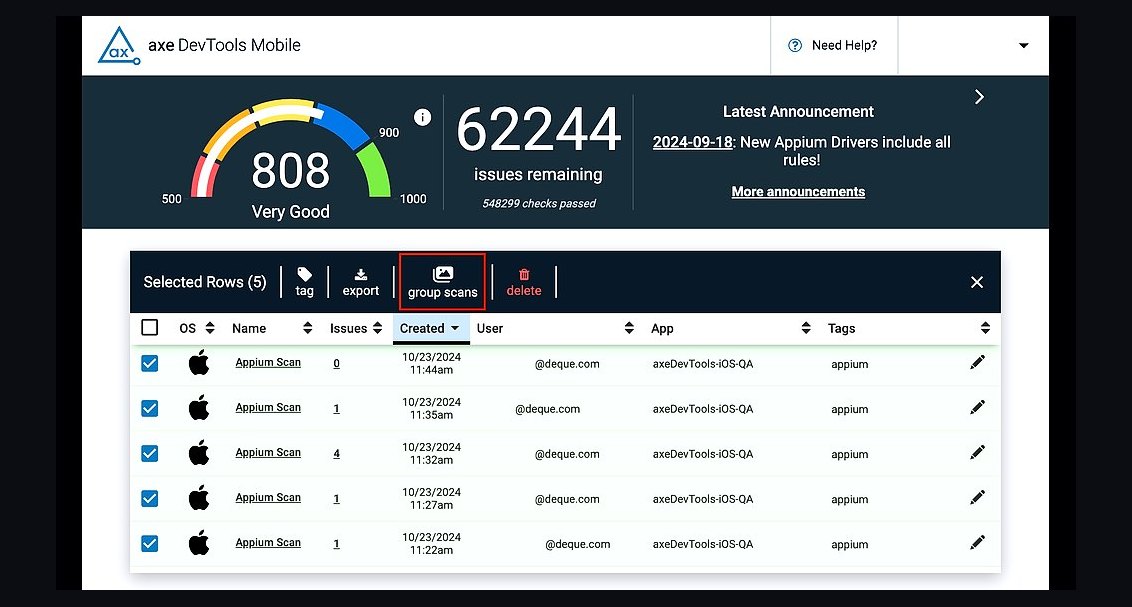 revopsTop 10 Website Accessibility Tools in 2027
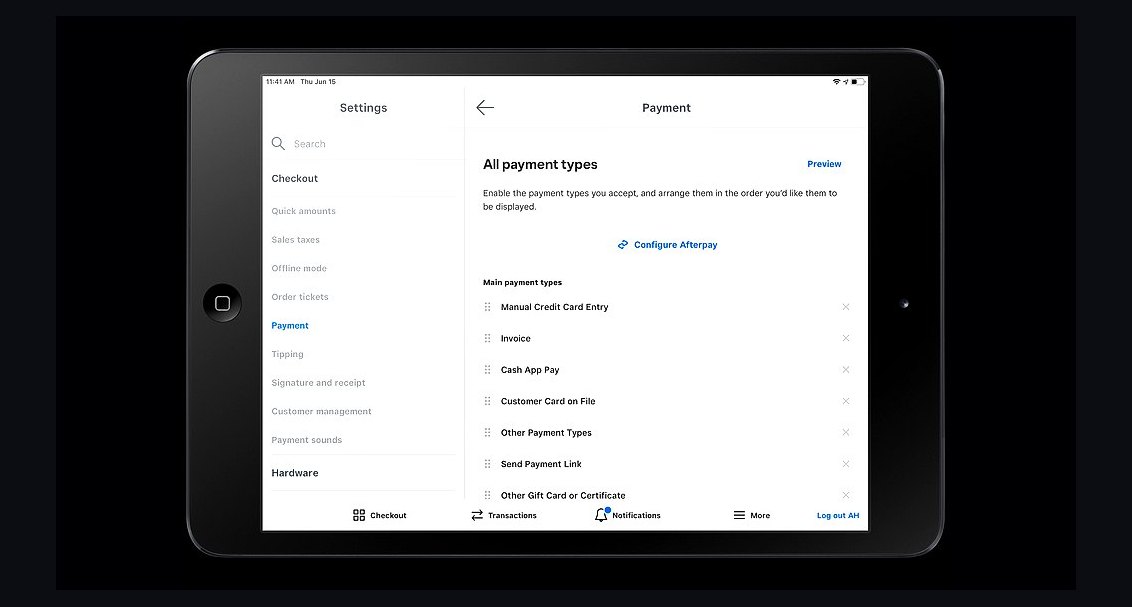 revopsTop 10 POS Systems for Small Businesses in 2027
 revopsTop 10 Retargeting Tools for Small Businesses in 2027
 revopsTop 10 Client Portal Tools for Consultants in 2027
 revopsTop 10 Cloud Storage Services for Small Businesses in 2027