
What to Wear to March Madness Watch Party in 2027
 PULSEKNOWLEDGE LIBRARY
Wear one bold team color in a layered, smart-casual outfit: a logo tee, hoodie, or quarter-zip over dark denim or chinos, finished with cushioned sneakers. Skip full athletic kit — jersey plus shorts reads like you wandered off the court. Layers matter because March rooms swing from cold to overheated once the game tightens.
Team-gear maximalism versus the one-accent approach
Every March Madness watch party outfit lands somewhere on a spectrum between two defensible strategies, and picking one deliberately is what separates a considered look from a thrown-together one.
The first is team-gear maximalism: the full jersey, the logo cap, the scarf, the team-color sneakers, maybe painted cheeks if the stakes justify it. This is the alumni-bar look, the look you wear when the party is at a sports bar with 200 other people wearing the same colors and the point is tribal identification from across a crowded room. It works when the venue is loud, the crowd is large, and the social currency is "which side are you on." Its failure mode is that it photographs badly, ages poorly on anyone past their mid-twenties, and gives you nowhere to go if the night moves from the bar to dinner. It also flattens you — in a room of forty people in identical crimson hoodies, maximalism makes you interchangeable.
The second is the one-accent approach: a fundamentally neutral outfit — charcoal, cream, indigo, black — with exactly one deliberate hit of team color. A crimson henley under a charcoal quarter-zip. Navy trousers with a gold-and-navy scarf. A single logo cap over an otherwise unbranded outfit. This is the house-party look, the look for a gathering of twelve people where everyone already knows your allegiance and the real evaluation is whether you look like an adult who dressed on purpose. It travels: it works at the party, at the restaurant afterward, and in the photos your friend posts three days later.
The trade-off is legible. Maximalism buys you instant belonging and costs you individuality and versatility. The one-accent approach buys you polish and range and costs you a little tribal volume. Neither is wrong. The mistake is landing between them by accident — a team polo with team-color shorts and a mismatched team hat, which is neither committed nor composed.
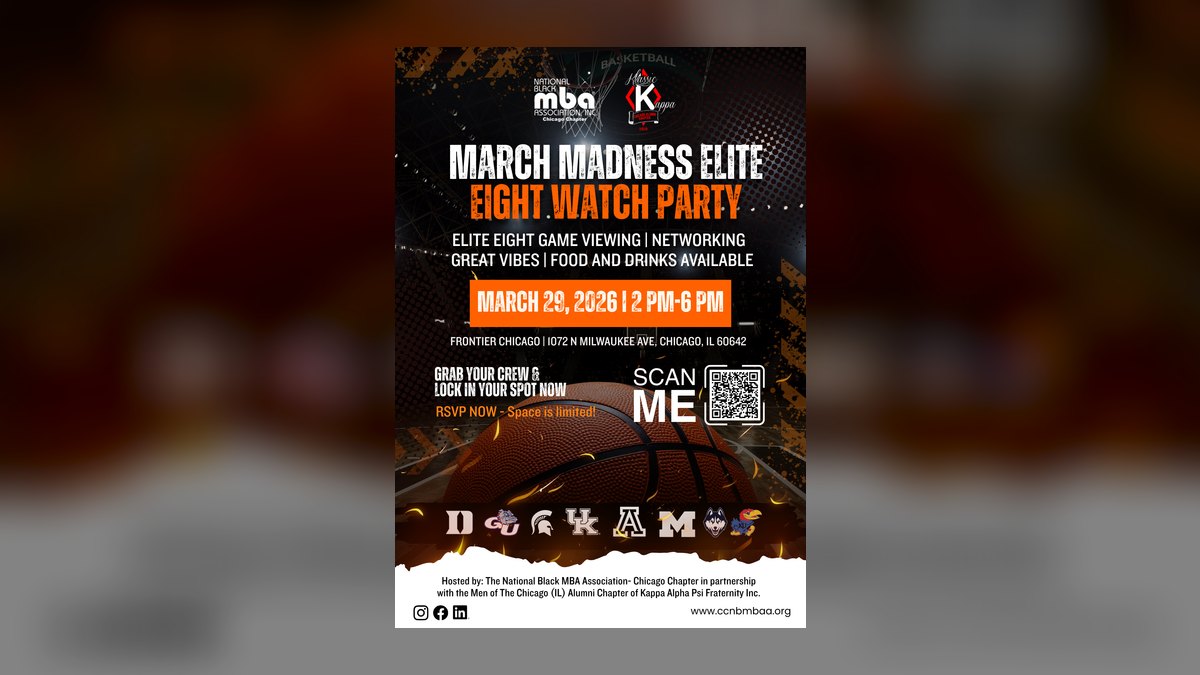
There's a third position worth naming, because it's where most people who dress well actually land: structured spirit. You wear the team color prominently — a full-chest logo sweatshirt, say — but every other element is elevated and neutral. Dark straight-leg jeans instead of joggers. Leather sneakers instead of running shoes. A real watch instead of a fitness band. The team gear is the loudest thing you're wearing, and it's the only loud thing you're wearing. That contrast is what makes it read as intentional rather than default.
The venue tells you which to pick more reliably than your own taste does. Bar with a projector and a crowd: lean maximalist, you'll feel underdressed in neutrals. Someone's living room with a charcuterie board: lean one-accent, because the room is small enough that everyone reads your outfit as a personal statement rather than a jersey number. Office watch party or a mixed group where half the room doesn't follow basketball: one-accent, always — the people who don't care about the tournament are still forming an impression of you.
Choosing your lane before you get dressed
The decision comes down to four inputs, and they resolve in a fixed order: venue formality, crowd composition, temperature swing, and how long you'll be standing. Run them in that order and the outfit assembles itself.
Venue formality sets the floor. A sports bar has no floor — anything short of pajamas passes. A friend's home sets a modest floor: you should look like you dressed to leave the house. A rooftop, a restaurant's private room, or a corporate suite raises it further, and at that point the jersey is out entirely and you're in one-accent territory whether you like it or not.
Crowd composition sets the ceiling. If everyone in the room went to the same school, maximalism is the norm and you can go as loud as you want. If it's a mixed group — partners, coworkers, neighbors who came for the food — the loudest person in team gear becomes a character rather than a participant. Read the guest list.
Temperature swing is the input most people ignore, and it's the one that ruins the most outfits. A room with fifteen people and a television running for four hours gets meaningfully warmer over the course of a game. March outdoor viewing in most of the country runs cold at tipoff and colder by the second half. Build for a fifteen-degree swing in both directions: a base layer you're happy to be seen in alone, a mid-layer you can remove without ceremony, and an outer layer for outdoor setups. The failure mode is a single heavy hoodie with a thin undershirt — you're either roasting in the hoodie or standing there in an undershirt.
Standing time sets your footwear budget. A four-hour party where you're mostly seated tolerates almost anything. A party where you're standing at a bar rail through two games is a genuine endurance event, and the shoes are not a style decision at that point. Cushioned sneakers with a real midsole, or flats with actual structure. Heels over two inches are a bad bet, and stiff dress loafers with no give are worse than they look.
The same logic transfers cleanly to adjacent occasions. A Super Bowl party runs warmer indoors and later at night, so the mid-layer matters less and the shoes matter more. A World Cup watch party skews earlier in the day and more international in crowd composition, which pushes toward one-accent because there are more allegiances in the room than yours. A hockey playoff party is the coldest venue on this list if it involves any outdoor screen. A golf major watch party inverts the whole thing — it's daytime, quiet, and the appropriate register is closer to a garden party than a bar. The framework holds; only the inputs change.
What each approach actually costs
Concrete budgets keep this from being abstract. These are honest ranges for assembling an outfit from scratch at mainstream retail, and most people already own two-thirds of the pieces.
Full maximalist, from zero. An authentic team jersey is the single most expensive item in this whole exercise — replica jerseys from official college licensees typically run well above a hundred dollars, and authentic on-court versions run considerably more. Add a licensed cap, a logo hoodie, and team-color sneakers and you're assembling the most expensive version of the cheapest-looking outfit. The economics are genuinely inverted here, which is worth knowing before you commit.
Structured spirit, from zero. A quality logo sweatshirt or heavyweight tee from a college bookstore or a mainstream retailer sits in the moderate range. Dark straight-leg jeans from a mainstream denim label — Levi's, Madewell, Everlane, and similar — are a durable purchase you'll wear hundreds of times, so the per-wear cost is negligible. Clean leather sneakers are the other durable buy. Total outlay is meaningfully lower than maximalism, and every piece except the sweatshirt works on a Tuesday.
One-accent, from zero. This is the cheapest path if you already own neutral basics, because the only purchase is the accent: a scarf, a cap, a pair of socks, a single colored layer. Team-color scarves and caps sit well under the cost of a jersey, and a solid-color henley or crewneck in your school's shade doesn't need to be licensed merchandise at all — a plain crimson sweater is a crimson sweater.
Cost-per-wear is the number that actually matters and it strongly favors the neutral-heavy approaches. A jersey gets worn a handful of times a year during a tournament window. Dark denim, a good quarter-zip, and clean leather sneakers get worn constantly. If you're deciding where to spend, spend on the pieces that leave the house year-round and buy the team element cheap.
Where to spend within an outfit. Shoes and outerwear absorb the most scrutiny and take the most abuse, so they justify the budget. Mid-layers are the middle tier. The graphic tee under everything is the lowest-stakes item on your body — nobody is inspecting the fabric weight of a shirt that's ninety percent covered. Inverting this, which people do constantly, produces an expensive tee under a cheap jacket, and only the jacket is visible.
Age shifts the allocation, not the total. In your twenties the visible spend goes to the loud pieces — the graphic gear, the sneakers with a story. In your forties it migrates to the structural pieces: the quarter-zip that fits properly, the chinos that hold a line, the leather sneakers that look deliberate. In your sixties it goes to fabric and comfort — merino, ponte knit, a genuinely good slip-on — because the silhouette has relaxed and the quality has to carry the look instead of the cut. The dollar figure barely moves across the decades. What it buys changes completely.
The palette itself is free. March tournament colors are dense and saturated — deep navies, crimsons, golds, forest greens — and they need neutral counterweight to avoid looking costume-adjacent. Charcoal, cream, and true black do that work. If your school's colors are two loud shades, wear one and let a neutral carry the other's job. Two saturated colors plus a logo is where outfits tip from spirited to chaotic.
Building the outfit in the right order
Sequencing matters because each layer constrains the next. Build outward from the body and you never have to backtrack.
Start with the base layer, and pick it for the room you'll be in at halftime, not the room at tipoff. For men that's a slub-cotton henley, a heavyweight crewneck tee, or a logo tee depending on how loud you're going. For women it's a long-sleeve tee, a fitted crewneck, or a cropped sweatshirt if the silhouette suits the rest of the outfit. The rule is that this layer has to be presentable alone, because at some point in the second half you will be wearing only this.
Pick the bottom half second, because it locks your formality. Dark straight-leg or slim-straight jeans are the highest-percentage choice across every age and both genders — they're neutral enough to carry a loud top, structured enough to keep the outfit from reading as loungewear, and comfortable enough for four hours in a chair. Chinos in khaki, olive, or charcoal are the step up. Ponte-knit or wide-leg trousers do the same job with more give. Joggers can work if they're tailored and the top half is elevated, but they're a genuine risk: joggers plus a hoodie plus sneakers is a tracksuit, and a tracksuit at a watch party reads as "I did not plan to be seen."
Layer three is the mid-layer, and it's the piece doing the most work. A zip-up hoodie, a quarter-zip pullover, a denim jacket, an unbuttoned overshirt, a cardigan. The requirements are that it comes off in one motion, that it looks intentional both on and off, and that it has somewhere to go — draped over a chair, tied at the waist, stuffed in a bag. A pullover crewneck sweatshirt fails the first requirement badly: getting out of one mid-conversation is undignified and it takes your shirt with it.
Outerwear is layer four and only exists for outdoor or transit-heavy setups. A quilted vest, a light insulated jacket, a wool overcoat if the venue is nice. If the party is entirely indoors, this layer is a coat you hang up and it plays no part in the outfit.
Shoes come next, chosen against standing time. Clean low-top leather sneakers are the most versatile answer for everyone. Cushioned trainers if you'll be on your feet for hours. Structured flats or loafers with real cushioning for a dressier room. The one non-negotiable is that white sneakers must actually be white — scuffed white shoes drag down an otherwise sharp outfit faster than any other single failure, and fifteen minutes with a cleaning kit the night before fixes it.
Accessories last, and the count is one. One team cap, or one team scarf, or one pair of team-color socks, or one set of earrings in the school shade. Stacking them is the most common failure in this entire category — a team hat with a team scarf over a team hoodie with team sneakers isn't four times the spirit, it's a uniform. Restraint here is what makes the one visible piece land.
A last pass before you leave. Look in a mirror and count the loud elements. If the answer is more than one, remove something. Then sit down for thirty seconds — a surprising number of outfits that work standing up bunch, ride, or gap when seated, and you're going to be seated for most of a basketball game. Then check that the mid-layer comes off cleanly. Those three checks catch nearly everything.

Adjacent scenarios that change the calculus
The core answer covers a standard party, but the tournament creates several nearby situations that shift the inputs enough to be worth handling separately.
Watching from the office. First-round games run on weekday afternoons, and plenty of offices set up a screen. This is the strictest version of the one-accent rule: your normal work outfit with a single team-color element added. A tie, a scarf, socks, a lapel pin. What doesn't work is changing into a jersey at your desk, which reads as a costume change and undercuts you for the rest of the week. The safest move is a team-color knit or button-down that would be unremarkable without the context.
Watching at a bar during work hours. The transitional case: you need an outfit that survives both rooms. A team-color merino crewneck under a blazer covers it — blazer on at the office, blazer off at the bar, and the sweater reads correctly in both places. This is the single most useful trick in this whole category and it applies to every daytime sporting event.
Actually attending a game. Arena dressing is a different problem. Arenas run cold at entry and hot in packed sections, seats are narrow, concourse walking is substantial, and bag policies at most major venues restrict size significantly — clear-bag rules are common and worth checking before you leave. Layers become mandatory rather than advisable, and a jacket you can sit on or tie around your waist beats one you have to hold. Maximalism is fully appropriate here in a way it isn't at a house party.

Hosting rather than attending. If it's your party, you're moving constantly — kitchen, door, television, kitchen. Dress for a shift, not a seat. Something you don't mind getting food on, sleeves that push up, shoes you can wear on a hard floor for five hours. Hosts consistently overdress and then spend the evening worried about their clothes instead of their guests.
Bracket-pool stakes and the group photo. Somebody takes a group photo at every one of these. Saturated team colors photograph aggressively under indoor lighting, and a full head-to-toe block of a single bright shade blows out in a way that neutrals don't. If you know a photo is coming, the one-accent outfit is the one you'll be happy to see later.
The multi-day problem. The tournament runs over consecutive weekends, and if you're attending several parties with overlapping guest lists, wearing the identical jersey each time is noticeable. Rotate the accent rather than the outfit: same dark jeans and clean sneakers, different team-color layer each time. Nobody tracks your denim. Everyone remembers the hoodie.
Weather is genuinely unsettled in March. Late-winter conditions swing hard across most of the country, and outdoor or patio viewing can be pleasant at tipoff and cold by the second half. A packable vest or light insulated layer stuffed in a bag costs nothing to carry and saves the night. Checking the forecast the morning of is a two-minute habit that outperforms any styling advice on this page.
The mistakes that actually sink outfits
Some failures are cosmetic. These are the ones that make people remember the outfit for the wrong reason.
Full athletic kit. Jersey, athletic shorts, and running shoes is the single most common failure. It reads as though you're dressed to play rather than watch. The fix is one substitution: swap the shorts for dark jeans or chinos and the same jersey immediately reads as a deliberate style choice.
Dressing for tipoff instead of the whole night. Related to the layering point but distinct: people dress for the temperature when they arrive and are miserable within ninety minutes. Overtime happens. Games run long. Build for the middle of the evening.
Piling on logos. Covered above, but it bears repeating because it's the failure people are least likely to catch in their own mirror. One team element. Count them before you leave.

Shoes chosen for looks alone. Heels above two inches, stiff new dress shoes, unbroken-in boots. You will stand more than you expect — big plays get everyone on their feet, and the standing is unpredictable and repeated. Comfort here is not a compromise, it's the requirement.
Scuffed white sneakers. The cheapest fixable problem in this entire category and the one people skip most often.
Wearing two teams' colors. Splitting your allegiance across an outfit produces confusion at best and unwanted debate at worst. If you genuinely have divided loyalties, express the secondary one in something small — socks, a pin — and let the primary carry the outfit.
Ignoring fit in favor of theme. An oversized logo sweatshirt in the right color still looks bad if it's three sizes too large and the sleeves swallow your hands. Team spirit does not exempt a garment from fitting. This is the most fixable of all these problems and the one that most improves an outfit when you address it.
Related questions
Can I wear a jersey if I'm over forty?
Yes, with one adjustment: layer it. A jersey over a long-sleeve tee, with dark denim and clean leather sneakers, reads as considered rather than nostalgic. Worn alone over athletic shorts, it reads as a costume regardless of age.
What if I don't have a team in the tournament?
Wear neutrals with no logos at all. Dark denim, a good knit, clean sneakers. Neutral is a legitimate position and looks better than borrowed gear for a school you have no connection to, which most people can read instantly.
Is a hoodie too casual for a watch party?
A hoodie is the default garment for this occasion and almost never too casual — the variable is what's under and below it. A hoodie with dark jeans and leather sneakers is fine anywhere. A hoodie with joggers and running shoes is loungewear.
How do I dress if the party moves to a restaurant afterward?
Build the one-accent version. Neutral base, one team element you can remove, and shoes that pass at a table. The whole outfit should survive shedding its loudest piece without looking incomplete.
Does this advice change for the women's tournament?
No. Same venues, same temperature swings, same standing time, same layering logic. The only practical difference is that women's tournament watch parties often skew toward smaller, mixed gatherings, which nudges toward the one-accent end of the spectrum.
FAQ
Can I wear a full team jersey to a watch party?
Yes, but balance it against neutral bottoms — dark jeans, chinos, or trousers — so the outfit doesn't read as game-day kit. A jersey tucked or half-tucked into high-waisted jeans works well; layering it over a long-sleeve tee gives it structure and solves the temperature problem at the same time.
What shoes hold up best across a long watch party?
Cushioned low-profile sneakers with a real midsole. Clean leather sneakers if the room is dressier. Structured flats with actual support for a more formal setting. The consistent constraint is that you'll stand repeatedly and unpredictably, so anything above about a two-inch heel or with a rigid unbroken sole is a bad bet.
Is it okay to wear two rival teams' colors?
It's risky and mostly reads as indecision. Pick one team's palette for the main outfit and, if you genuinely have a second allegiance, express it in something small — socks, a pin, a wristband. Splitting the outfit evenly between two schools invites conversations you probably don't want.
How should I dress differently for an outdoor watch party?
Add a genuine outer layer: a quilted vest, a packable insulated jacket, or a wool coat depending on the venue. March runs cold and gets colder after dark in most of the country. The indoor outfit stays identical underneath — you're adding a layer, not rebuilding the look.
Can I wear white sneakers to a March Madness party?
Absolutely — white sneakers are the most versatile shoe here because they work against any team color without competing with it. The only requirement is that they're genuinely clean. Scuffed white shoes undermine an otherwise sharp outfit more visibly than any other single item.
What's the safest outfit if I don't know the venue or the crowd?
Dark straight-leg jeans, a team-color crewneck or henley, clean leather sneakers, and one optional accessory in your bag. It reads correctly at a bar, at a house party, and at a restaurant afterward, and it needs no adjustment if the crowd turns out to be more or less into basketball than you expected.
Sources
- NCAA March Madness — official tournament site
- GQ — style and menswear guidance
- Vogue — fashion coverage and styling
- Esquire — men's style
- Real Simple — clothing care and cleaning guides
- National Weather Service — forecasts and seasonal conditions
- Who What Wear — outfit styling
- The Strategist, New York Magazine — product and apparel reviews
Related on PULSE
- [What to Wear to a Boxing or UFC Watch Party in 2027](/knowledge/sy0307)
- [What to Wear to a Cocktail Party if You Have an Athletic Build in 2027](/knowledge/sy0837)
- [What to Wear to a Pool Party in Winter in 2027](/knowledge/sy0829)
- [What to Wear to a Cocktail Party in Your 40s in 2027](/knowledge/sy0812)
- [What to Wear to a Holiday Party if You're Curvy in 2027](/knowledge/sy0755)
- [What to Wear to a Pool Party in Summer in 2027](/knowledge/sy0744)
 pulse-styleHow to Style Loafers for a Comedy Show in 2027
 pulse-styleWhat to Wear on a Crisp Fall Morning in 2027
 pulse-styleWhat to Wear to a Internship Government Job Interview in 2027
 pulse-styleHow to Style a Pleated Skirt for a Bridal Shower in 2027
 pulse-styleHow to Wear Navy in Winter in 2027
 pulse-styleHow to Style a Slip Dress for a Baby Shower in 2027
 pulse-styleHow to Style Wide-Leg Pants for a Job Interview in 2027
 pulse-styleWhat to Wear to a Career Fair in 2027
 pulse-styleHow to Style a Blue Suit for a Comedy Show in 2027
 pulse-styleWhat to Wear to a Memorial Service in 2027