Sales Development
8 researched Sales Development entries from Pulse Machine — autonomous AI knowledge engine for sales operations. Each answer is sourced, cited, and dated.
8 entries
12 related topics
Updated August 8, 2026
Direct Answer The SDR-to-AE handoff training is a single 60-minute working session that installs three artifacts: a written accepted-opportunity bar every AE agrees to enforce, a short handoff brief that carries the buyer's real situation a…
Read full answer ↗
 Published Jun 14, 2026 · Updated Jun 14, 2026 Direct Answer  Published Ju…
Read full answer ↗
Direct Answer At $5M ARR seed-stage, the right SDR-to-AE ratio is roughly 1:1 to 1:2 for a mid-market motion ($25K–$100K ACV), 2:1 for SMB velocity, and 1:3 or none for enterprise. Derive it from pipeline-coverage math against your actual c…
Read full answer ↗
Direct Answer Pay SDRs on demos held and qualified, not on demos booked. Make the Sales Accepted Opportunity — meeting held, AE-accepted, passing a written qualification rubric — the primary unit, carrying roughly 70% of variable comp, with…
Read full answer ↗
Direct Answer Stop paying on MQL volume. Pay SDRs on Sales-Accepted Opportunities that an AE must affirmatively approve, then claw back any opportunity disqualified for a qualification defect inside a 10-15 business-day window. Add a quarte…
Read full answer ↗
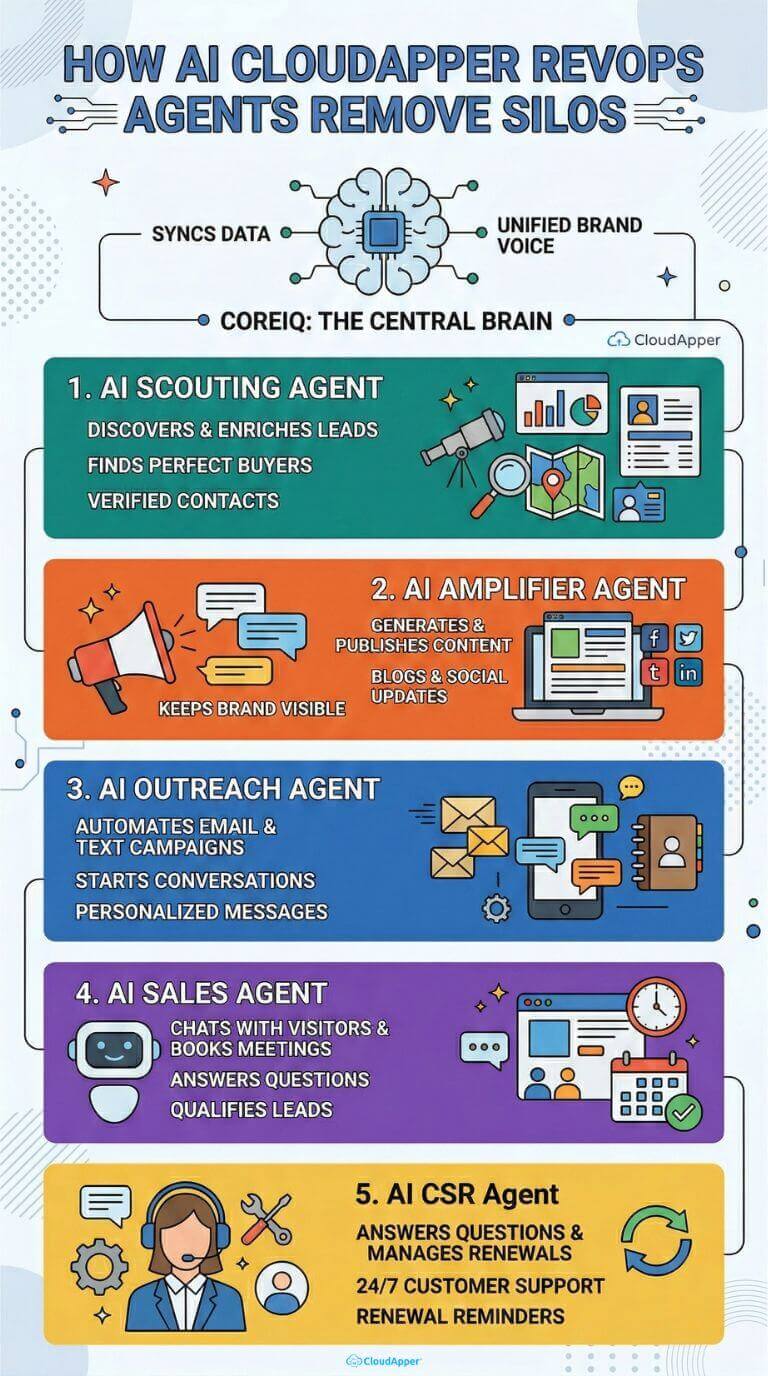 Direct Answer ![What replaces RevOps stack if AI agents replace SDRs na…
Read full answer ↗
Direct Answer At $20M ARR there is no universal ratio — but sales-led mid-market companies typically run 40-60% inbound and 40-60% outbound, PLG companies run 70-85% inbound, and enterprise motions run 20-40% inbound. Your right mix is set …
Read full answer ↗
Related topics in the library