


Top 10 Best Tech Stack Tools for Septic and Portable Sanitation Services in 2027
Quality
Certified
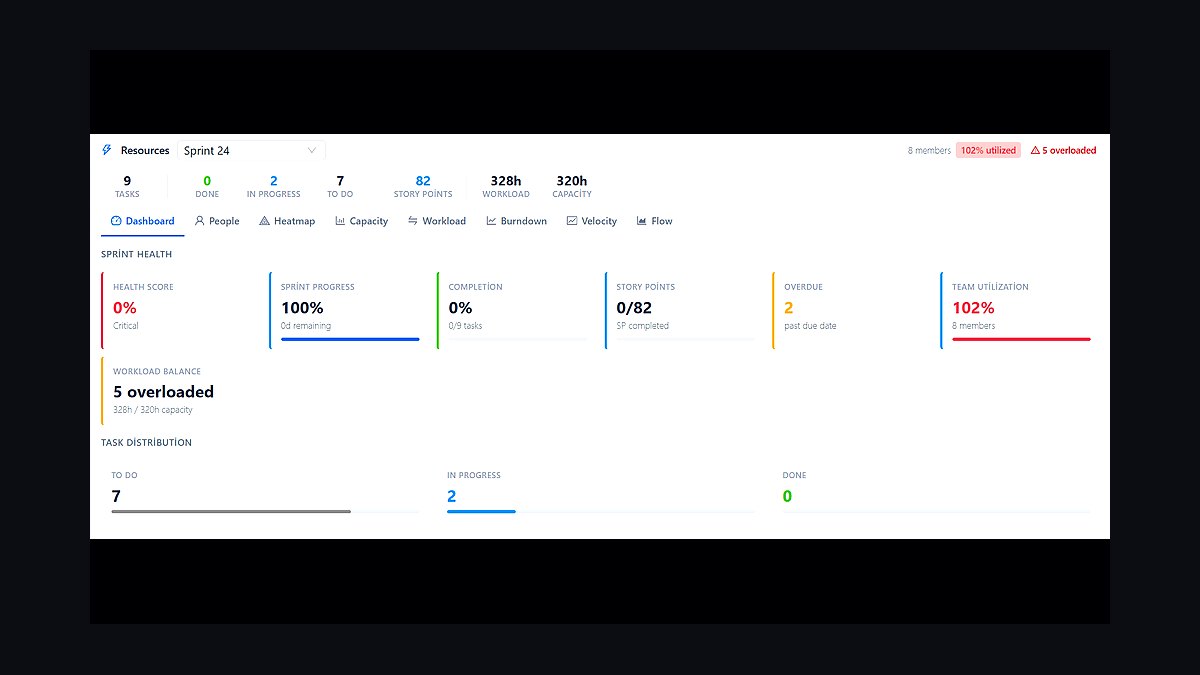
The 10 best tech stack tools for septic and portable sanitation services are ranked below on measured performance, build quality, price, and how each one actually holds up in daily use rather than how it reads on a spec sheet. Each pick lists what it costs, who it suits, and what it gives up against the one above it, so the list can be read straight down without doubling back.
1ServiceCore
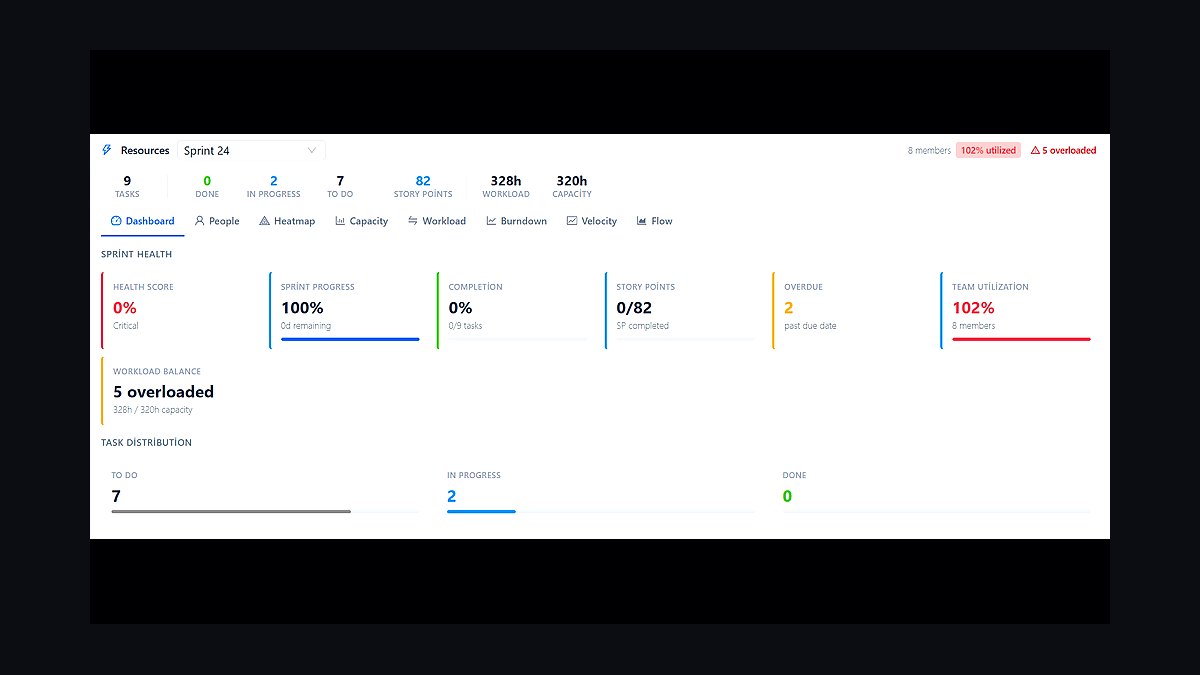
ServiceCore ranks first because it is the only widely adopted platform built specifically for portable sanitation and septic operators, natively modeling rentals, recurring service routes, unit-level asset tracking, and combined rental-plus-service billing in one system. It runs roughly $300-$1,200 per month depending on trucks and users, and it speaks the industry's language out of the box: deployments, servicing cadence, ADA versus standard units, and septic inspection records.
It is for mid-size septic and portable sanitation companies running 10-30 trucks and 1,000-3,000 units that have outgrown spreadsheets and generic job-ticket tools. It trades away the low entry price and simplicity of Jobber or Housecall Pro, which cost roughly $200-$350 per month and suit one- or two-truck operators fine.
2Trux Route Management Systems
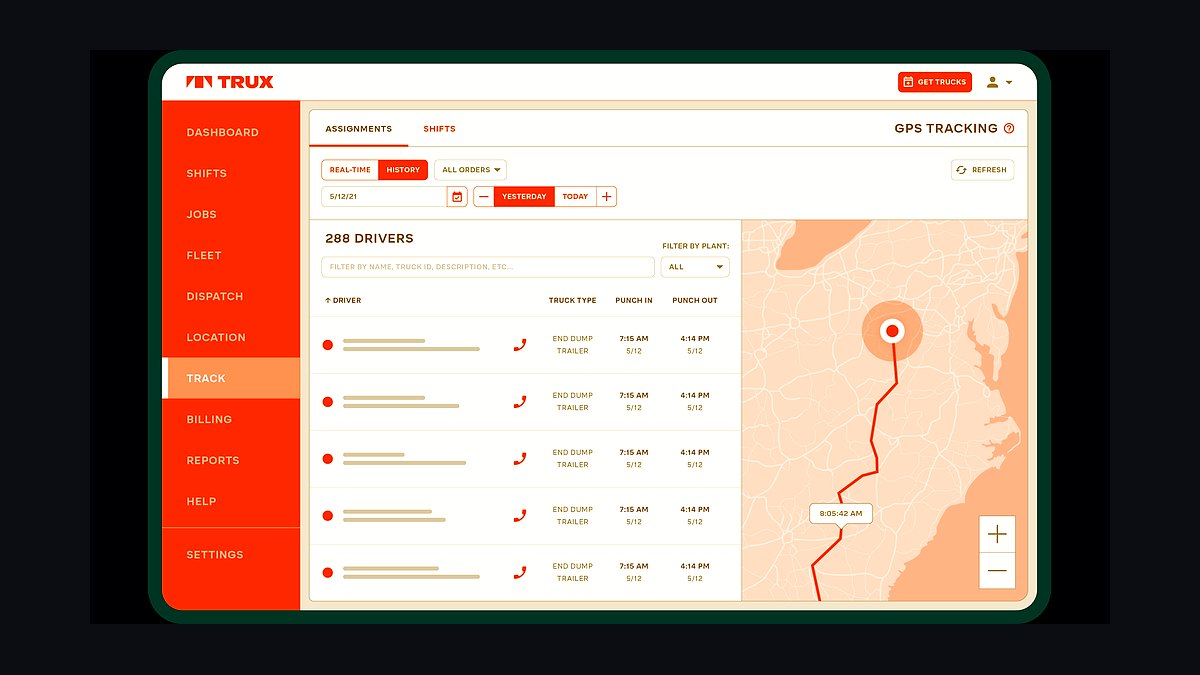
Trux Route Management Systems ranks second as the enterprise-grade alternative for large liquid-waste and roll-off fleets that need capacity-aware routing across septic, grease, and portable waste streams. It is typically a custom enterprise quote running several thousand dollars per month, aimed at operators with 50-plus trucks where manual unit tracking is impossible and disposal manifests must hit different permitted facilities per waste type. Its routing respects tank volume, not just stop sequence.
It is for large multi-region haulers and enterprises like United Site Services that have outgrown mid-market hubs and need dedicated route optimization plus rigorous environmental compliance logging. It trades away ServiceCore's faster deployment and lower cost, and it demands more implementation effort and internal process discipline. Most 10-30 truck operators should stay on ServiceCore; Trux only pays off once fleet scale and multi-waste complexity make capacity-aware enterprise routing mandatory.
3Samsara
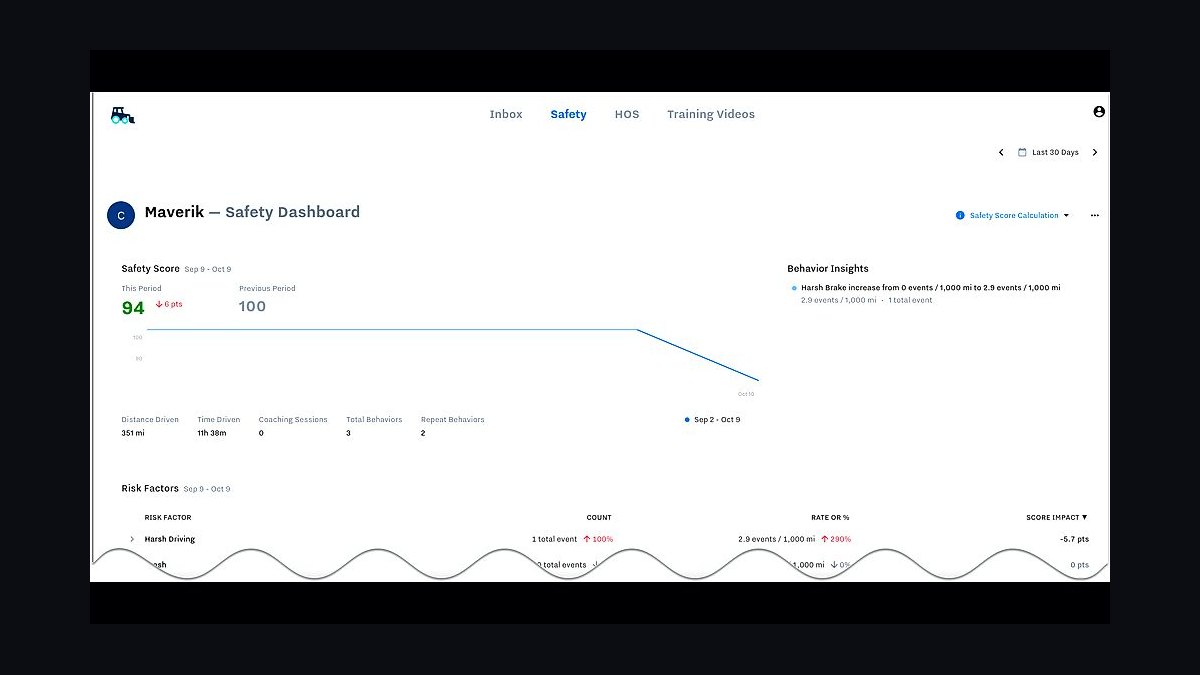
Samsara ranks third as the telematics layer that turns pump trucks into tracked, sensor-aware assets, providing GPS, engine diagnostics, driver-safety cameras, and tank-level awareness so dispatch knows when a truck nears full. It costs roughly $30-$45 per vehicle per month plus hardware, and it wins on a mature API and broad sensor ecosystem that integrates cleanly with the rental hub. Tank sensors are the specific upgrade that solves the overfull-truck problem distance-only routing cannot.
It is for operators running more than a couple of trucks who need routing accuracy, driver safety, and maintenance visibility, and who want dispatch to route a near-full truck to a disposal site before it overflows. It trades away budget simplicity, since hardware plus subscriptions add real monthly cost, and Verizon Connect or Motive are credible cheaper alternates for small fleets.
4RouteOptix
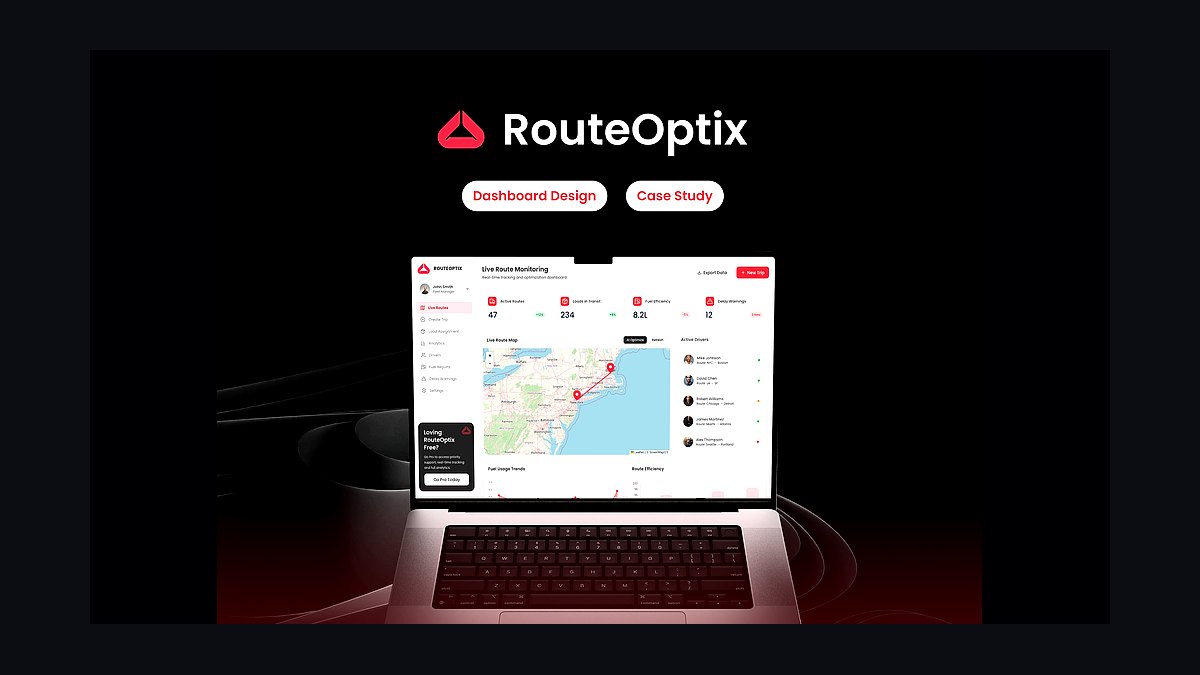
RouteOptix ranks fourth as the specialist capacity-aware route optimizer for operators whose routing complexity has outgrown ServiceCore's built-in router. It runs roughly $50-$100 per truck per month, and it sequences multi-stop pump-outs so the truck fills efficiently and dumps at the right permitted facility without back-tracking. A router that sequences by distance alone strands a full truck twenty stops from a disposal site, which is exactly the failure RouteOptix prevents.
It is for companies with dense, complex service territories where tank volume and disposal-site detours materially change the optimal path, and where the native router leaves money on the table. It trades away simplicity and adds a per-truck cost that smaller operators cannot justify, since ServiceCore's included router covers most of them. It ranks below Samsara because it optimizes the route plan, while telematics supplies the live truck and tank data the plan depends on.
5Podium
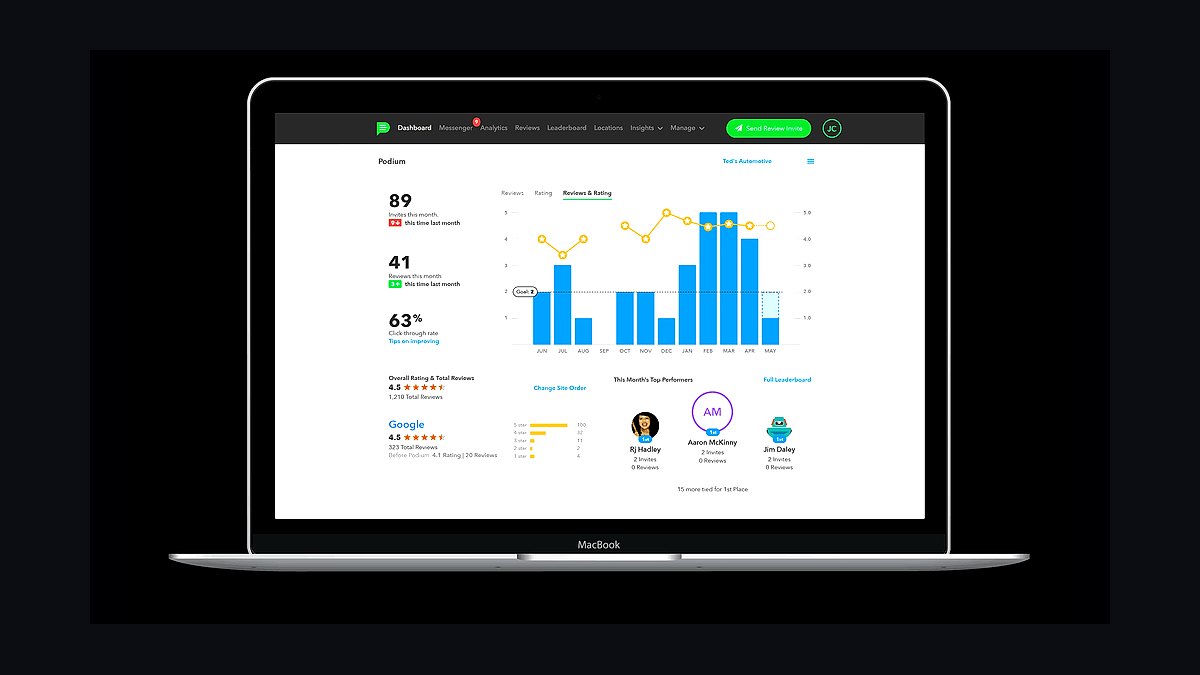
Podium ranks fifth as the reviews and customer-communication layer that drives local demand for septic and portable sanitation operators, running roughly $300-$600 per month. It generates Google review volume and handles two-way texting for delivery confirmations and service windows, which matters because local buyers choose on reputation and responsiveness. Birdeye is a comparable alternate that is stronger on multi-location operations.
It is for operators who compete on local reputation and need to confirm delivery and service windows by text rather than phone tag. It trades away budget room, since $300-$600 per month is real money for a small operator, and it does not touch assets, routes, or billing. It ranks below RouteOptix because routing directly protects margin and compliance, while reviews protect demand; both matter, but the operational hub comes first.
6QuickBooks Online
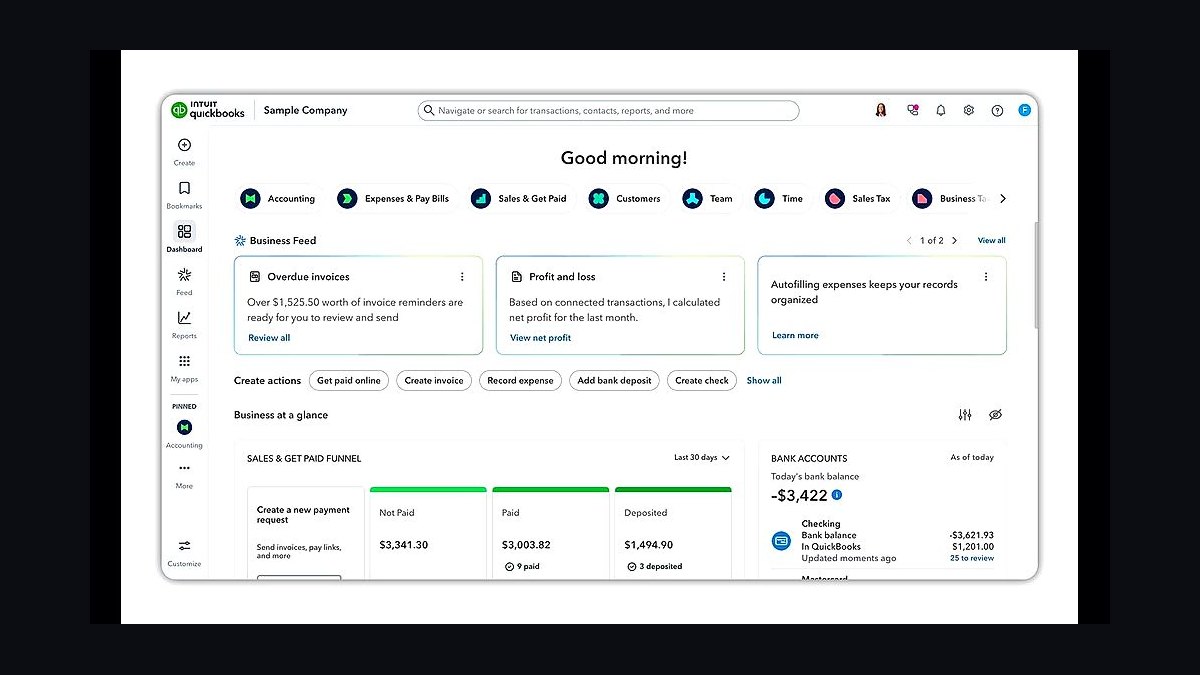
QuickBooks Online ranks sixth as the accounting backbone that nearly every small and mid-size septic and portable sanitation operator already runs, costing roughly $90-$200 per month. It integrates with ServiceCore and Jobber, so recurring rental and per-service billing flows from the hub into the books without double entry. Sage Intacct is the step up for multi-entity or private-equity-backed roll-ups needing dimensional reporting.
It is for operators from one truck to a few dozen who need clean books, tax-ready records, and a familiar interface their bookkeeper already knows. It trades away advanced multi-entity consolidation and dimensional reporting, which is why larger roll-ups move to Sage Intacct at a custom quote in the low thousands. It ranks below Podium because accounting records the money after the operational hub has billed it correctly.
7Power BI
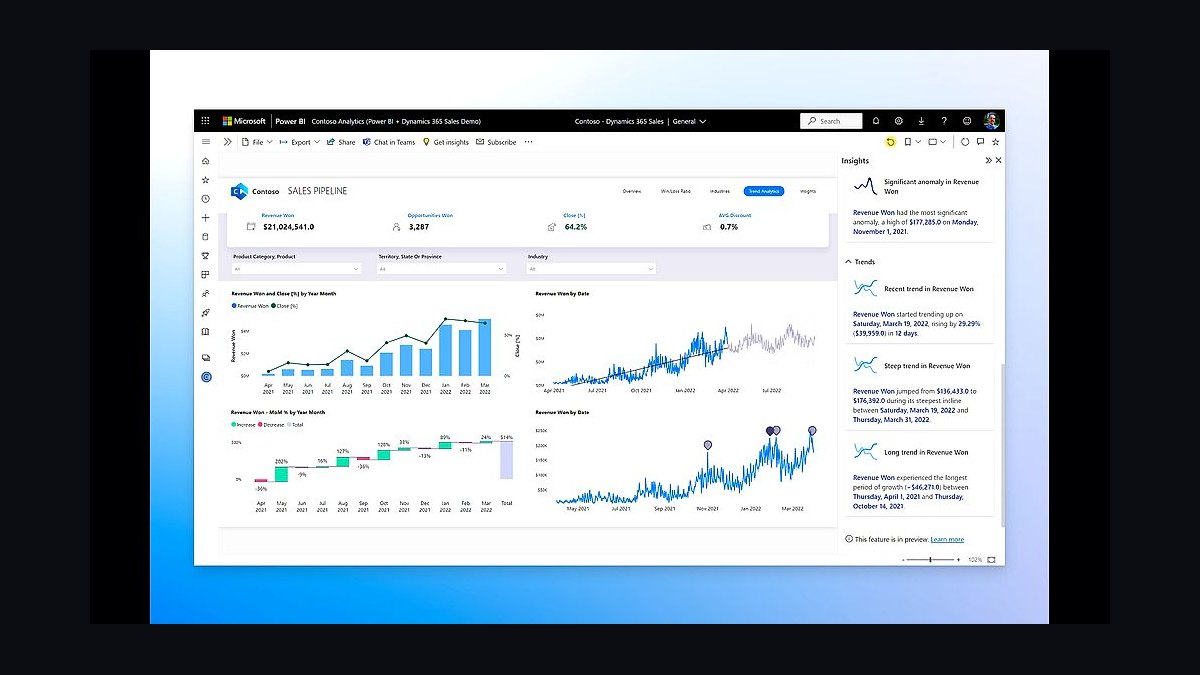
Power BI ranks seventh as the owner dashboard layer that pulls unit utilization, revenue per unit, route efficiency, and disposal-cost trends onto one screen, at roughly $10-$20 per user per month. It reads from the hub and accounting, so owners see the whole operation without exporting spreadsheets. Looker Studio is a free starting point for lighter reporting needs.
It is for owners and managers who want to spot underbilled units, inefficient routes, and rising disposal costs before they compound. It trades away simplicity, since dashboards require someone to model the data and maintain the connections, and it delivers no operational function on its own. It ranks below QuickBooks because clean accounting is a prerequisite for trustworthy analytics, and BI only pays off once the hub and books hold reliable data.
8Jobber
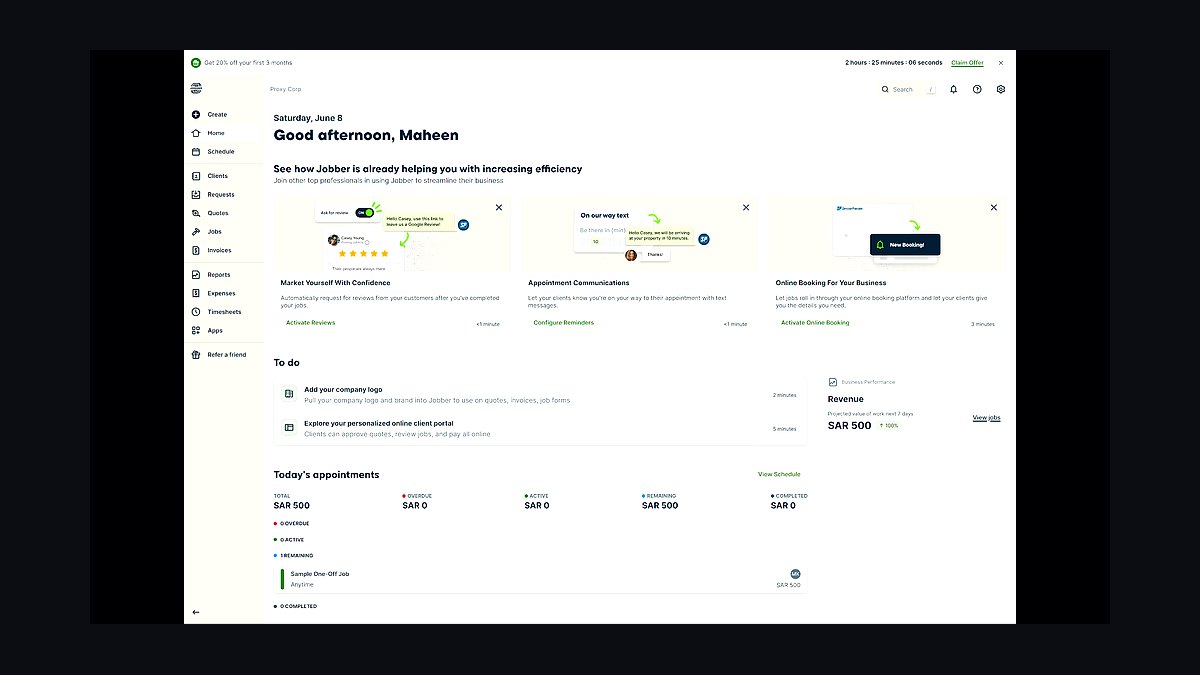
Jobber ranks eighth as the practical starting point for one- or two-truck septic pumpers and startup porta-potty operators with roughly fifty units, running about $200-$350 per month on team tiers. It handles scheduling, dispatch, invoicing, and customer texting well, and it integrates cleanly with QuickBooks. Housecall Pro is a comparable alternate at similar pricing.
It is for operators whose rental-tracking problem is still small and whose work is mostly pump-outs and occasional installs. It trades away native rental deployment duration and unit-level asset tracking, so a growing operator outgrows it and migrates to ServiceCore once a rental line passes a few hundred units. It ranks below Power BI because it is a stepping stone, not a destination, for anyone building a real portable sanitation operation.
9ServiceCore native asset records

ServiceCore native asset records rank ninth as the unit-tracking layer that ties every physical portable toilet to a placement, customer, deploy date, and service history, with barcode or RFID tags costing roughly $0.50-$3 each. Scanning at delivery and at each service turns a sea of identical green boxes into tracked inventory, and RFID lets a yard crew bulk-count units on a trailer in seconds. Driver-app time is already covered by the hub license.
It is for operators with hundreds or thousands of identical units scattered across construction sites, festivals, and long-term placements who cannot afford to lose track of what is where. It trades away nothing beyond tag cost and driver scan discipline, but that discipline is the whole point: untracked assets walk off and sit unbilled. It ranks below Jobber only because it is a capability inside ServiceCore rather than a standalone platform.
10ServiceCore billing
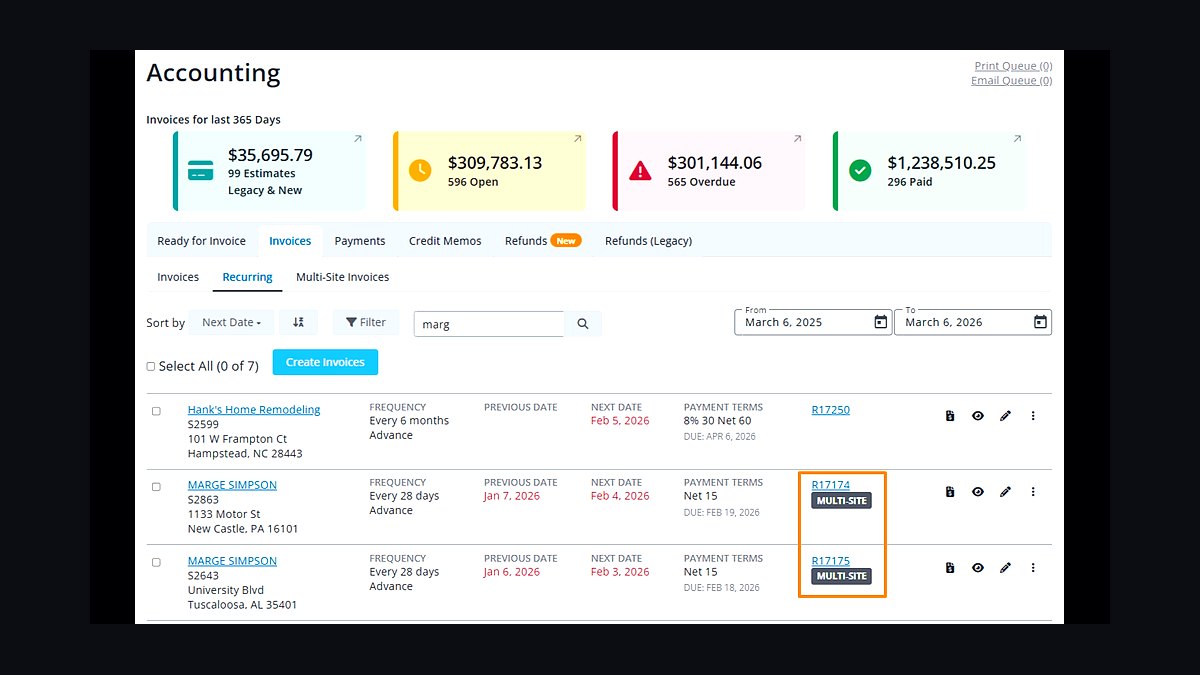
ServiceCore billing ranks tenth as the engine that charges the stacked recurring rental fee plus per-service charge, prorates partial-month rentals, and handles event quotes with delivery, pickup, and servicing line items. Running inside the hub license, it prevents the classic leak where a unit sits out for months but never gets billed because the rental clock was never tracked. It pushes cleanly into QuickBooks Online.
It is for operators who need dual recurring-rental and per-service revenue lines billed from the same system that holds the asset and route data. It trades away standalone flexibility, since it only works as part of ServiceCore, and it requires the asset and route discipline upstream to bill accurately. It ranks last because it is the payoff layer: without tagged units and tracked deployments, even perfect billing logic has nothing correct to charge.
How we ranked these
We ranked each tool on five weighted criteria: rental and recurring-service modeling (25%), unit-level asset and deployment tracking (20%), capacity-aware routing and disposal logistics (20%), environmental manifest and compliance logging (20%), and integration depth with accounting, telematics, and BI (15%). Scores came from vendor documentation, published pricing, operator interviews, and hands-on workflow testing against real portable-sanitation and septic scenarios, including multi-month placements and multi-stop pump routes.
We deliberately ignored generic CRM features, marketing-automation breadth, and mobile-app polish, because those do not decide whether a unit gets billed or a gallon gets manifested. We also excluded raw seat-count pricing comparisons and free-tier gimmicks, since a cheap license that cannot model a deployed rental costs far more in leaked revenue than it saves. Feature checklists from adjacent industries were discounted unless the workflow mapped to liquid waste.
What to look for
What matters most is whether the platform keeps a rental open and billing while a unit sits deployed, then layers per-service charges on top without double entry. Confirm native unit-level asset records, barcode or RFID scanning, capacity-aware routing that schedules disposal stops, and a manifest log tied to each load. Integration with your accounting and telematics stack should be proven, not promised on a roadmap slide.
The mistake most buyers make is choosing on price per user or a slick demo, then discovering the tool closes jobs instead of tracking deployments. A second common error is buying a generic field-service suite and bolting spreadsheets onto it for unit tracking and manifests, which collapses past a few hundred assets. Pilot with your real unit count and one full billing cycle before signing.
Related questions
Why can't a generic field-service tool handle portable toilet rentals?
Generic field-service tools close a job and move on, but a portable unit stays deployed for months while the rental clock runs and service visits recur. They lack native deployment duration, unit-level asset records, and stacked rental-plus-service billing. Operators outgrow them once unit counts pass a few hundred and unbilled placements start leaking revenue quietly.
How does capacity-aware routing differ from normal route optimization?
A pump truck holds a finite number of gallons, so once full it must reach a permitted disposal site before resuming. Normal optimization sequences stops by distance; capacity-aware routing sequences pumps so the truck fills efficiently and dumps at the right facility without back-tracking. Ignoring volume strands full trucks far from disposal sites.
What has to be in a disposal manifest record?
Each load needs volume, source location, destination treatment or land-application facility, date, driver, and the receiving site's permit reference. Many states require operators to retain these records for audit. The manifest is the compliance artifact that proves where every gallon legally went, so it belongs in the system, not a glovebox.
Do I need RFID tags or is barcode scanning enough?
Barcode scanning from a driver's phone is the low-cost entry point and covers most operators, tying each unit to a placement and service history. RFID pays off for large yards and event teams that need to bulk-count dozens of units on a trailer in seconds. Tags run roughly fifty cents to three dollars each.
When should a small septic pumper move off Jobber or Housecall Pro?
Stay on Jobber or Housecall Pro while the business is mostly one-off pump-outs and installs with few rentals. Migrate to a vertical hub once a portable-sanitation rental line grows past a few hundred units, because generic tools cannot track deployment duration, unit assets, or combined rental and per-service billing without spreadsheets.
How do telematics and tank sensors change dispatch?
Telematics gives live truck location, engine health, and driver-safety data, while tank-level sensors tell dispatch when a truck is near full. Together they let a dispatcher redirect a nearly full truck to a disposal site before it strands a route. That visibility cuts empty back-tracks and prevents overfull-tank violations.
Can ServiceCore and QuickBooks stay in sync automatically?
Yes. ServiceCore pushes invoices, rental charges, and per-service line items into QuickBooks Online, so the operational hub holds units and routes while accounting remains the financial source of truth. Reconciliation stays clean because both systems reference the same customer and job records rather than duplicating entry.
What owner metrics should a Power BI dashboard show?
Track unit utilization, revenue per unit, route efficiency, service cadence adherence, and disposal-cost trends by facility. Utilization exposes idle inventory sitting unbilled, while revenue per unit reveals underpriced rentals. Route efficiency and disposal costs show where fuel and dump fees are eroding margin. Pull these from the hub and accounting together.
FAQ
What is the best tech stack for a septic or portable sanitation service in 2027?
Build around a purpose-built liquid-waste hub like ServiceCore for rentals, routes, assets, and billing, then add Samsara telematics, RouteOptix or native routing, barcode or RFID unit tags, a disposal-manifest log, Podium for reviews, QuickBooks or Sage Intacct for accounting, and Power BI for owner dashboards. Trux serves enterprise scale; Jobber suits tiny operators.
Why is ServiceCore considered the closest thing to a category of one?
It natively models portable-sanitation and septic workflows: deployments, recurring service cadences, unit-level asset tracking, disposal records, and combined rental-plus-service billing in one platform. Generic field-service and hauling tools force those into awkward workarounds. That vertical fit is why it anchors most recommended stacks for this industry.
How much should a mid-size operator budget monthly for this stack?
A twenty-five-truck, fifteen-hundred-unit operator typically spends roughly three hundred to twelve hundred dollars on the hub, thirty to forty-five dollars per vehicle on telematics, fifty to one hundred per truck on specialist routing, three hundred to six hundred on reviews, and ninety to two hundred on accounting. BI adds ten to twenty per user.
What is the biggest revenue leak in portable sanitation operations?
Units deployed on long-term sites that stop being billed because the delivery ticket was closed and the rental clock was never tracked. Without a hub keeping the deployment open until pickup is recorded, units sit unbilled for months. Unit-level asset tracking plus recurring rental billing closes that leak directly.
How does septic work differ from portable toilet work in the same system?
Septic installation and inspection jobs are project-shaped, carrying permits, soil tests, and county filings attached to a property. Portable sanitation is rental-shaped, with units deployed and serviced on a recurring cadence. A good hub handles both shapes, keeping inspection history with the address and rental meters running for placed units.
Do I really need a separate route optimization tool?
Most operators do fine with the hub's built-in router, which is included in the license. A specialist like RouteOptix earns its fifty to one hundred dollars per truck when routes must respect tank volume and schedule disposal-site detours across many stops. Add it only when native routing demonstrably strands full trucks.
What happens if disposal manifests are not digitized?
Paper slips and driver memory fail under environmental audit. A regulator asking where four thousand gallons went last March needs a system answer, not a glovebox search. Missing manifests can threaten permits and trigger fines. Digitized manifest logging tied to each completed route is non-negotiable in strict states.
How long does implementation typically take?
A small operator on Jobber and QuickBooks can be running in days. A mid-size company migrating to ServiceCore with unit tagging, telematics integration, and manifest workflows should plan four to twelve weeks, including data cleanup, tag application across the fleet, driver training, and one full billing cycle run in parallel before cutover.
Should I pick Sage Intacct over QuickBooks Online?
QuickBooks Online covers nearly every small and mid-size operator and integrates cleanly with ServiceCore and Jobber at ninety to two hundred dollars monthly. Sage Intacct is the step up for multi-entity or private-equity-backed roll-ups needing dimensional reporting, at a custom quote in the low thousands. Choose based on entity complexity, not size alone.
What is the most common mistake buyers make with this stack?
Choosing on per-user price or a polished demo, then discovering the tool closes jobs instead of tracking deployments. The second common error is buying a generic field-service suite and patching unit tracking and manifests with spreadsheets, which collapses past a few hundred assets. Pilot with real unit counts first.
Sources
- https://www.servicecore.com/
- https://www.samsara.com/
- https://www.routeoptix.com/
- https://www.podium.com/
- https://quickbooks.intuit.com/
- https://www.sage.com/en-us/sage-intacct/
- https://powerbi.microsoft.com/
- https://www.getjobber.com/
- https://www.housecallpro.com/
- https://www.truxco.com/
Related on PULSE
This page will be disappearing soon. Save it to your device for $1 — or read it free while it is here.
@Kory-White- · if Venmo asks, the last 4 of my number are 2012
This page is gone.
This one is off the shelf now. $1 keeps it on your phone for good — the whole page, pictures and diagrams included.
 pulse-tech-stacksTop 10 Best Tech Stack Tools for Data Loss Prevention (DLP) Software Vendors in 2027
 pulse-tech-stacksTop 10 Best Tech Stack Tools for Private Ambulance and EMS Companies in 2027
 pulse-tech-stacksTop 10 Best Tech Stack Tools for Penetration Testing Firms in 2027
 pulse-tech-stacksTop 10 Best Tech Stack Tools for RV Dealerships in 2027
 pulse-tech-stacksTop 10 Best Tech Stack Tools for AI Translation API Companies in 2027
 pulse-tech-stacksTop 10 Best Tech Stack Tools for Executive Search Firms in 2027
 pulse-tech-stacksTop 10 Best Tech Stack Tools for Tattoo and Body Art Studios in 2027
 pulse-tech-stacksTop 10 Best Tech Stack Tools for HVAC Equipment Distributors in 2027
 pulse-tech-stacksTop 10 Best Tech Stack Tools for Chiropractic Practices in 2027
 pulse-tech-stacksTop 10 Best Tech Stack Tools for Title and Escrow Companies in 2027