


Top 10 Best Tech Stack Tools for Title and Escrow Companies in 2027
Quality
Certified
The 10 best tech stack tools for title and escrow companies are ranked below on measured performance, build quality, price, and how each one actually holds up in daily use rather than how it reads on a spec sheet. Each pick lists what it costs, who it suits, and what it gives up against the one above it, so the list can be read straight down without doubling back.
1Qualia
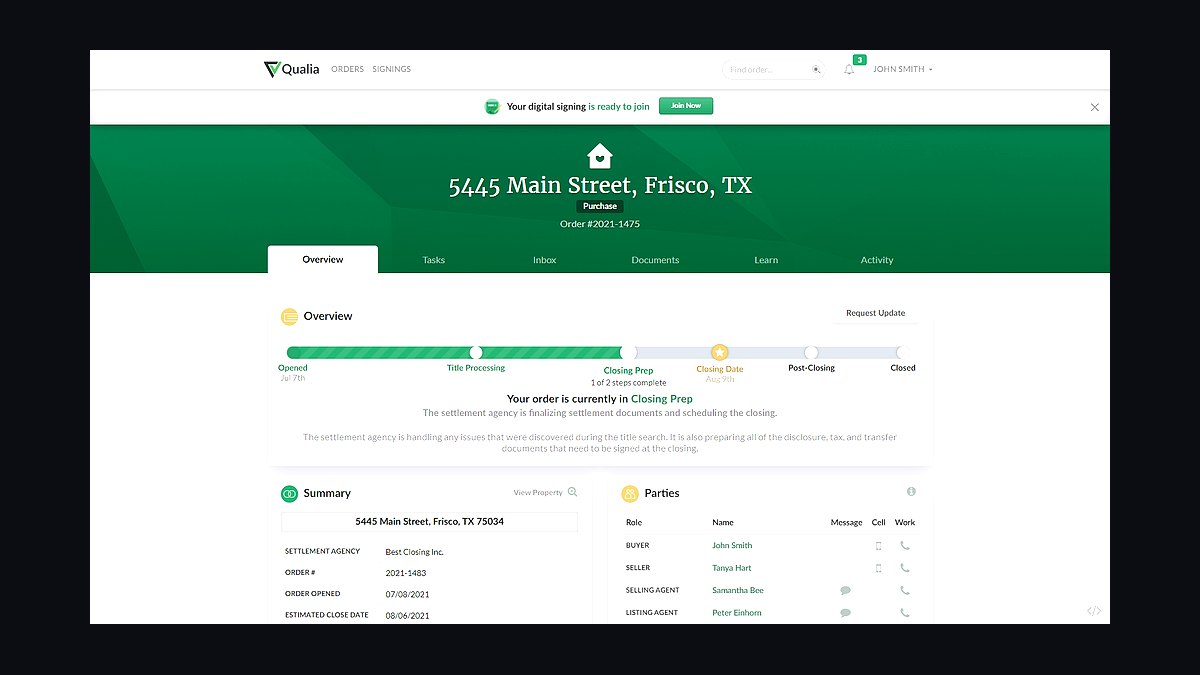
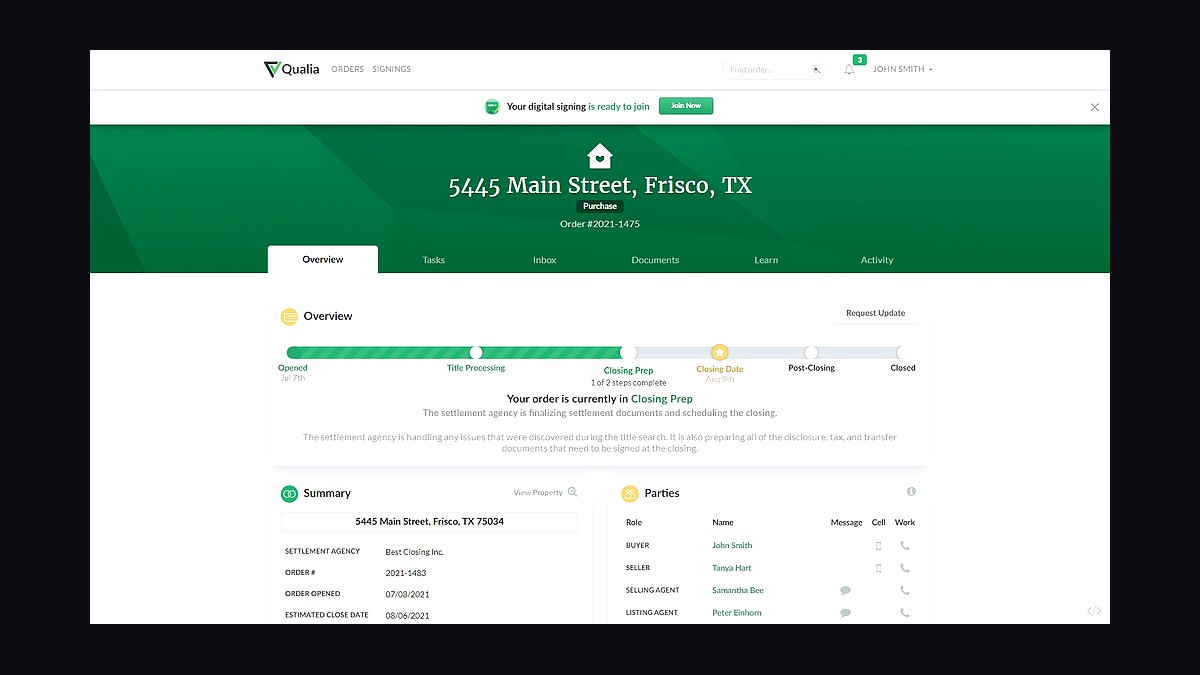
Qualia ranks first because it is the only cloud-native title production platform that holds the order lifecycle, escrow trust ledger, and underwriter connections in one system of record. It ships built-in three-way reconciliation, ALTA-standard form generation, and a connected-services marketplace that integrates CertifID, Simplifile, and RON natively. Pricing runs roughly $150–$350 per user per month depending on modules and order volume.
It is built for independent and regional agencies that want a fast learning curve and one source of truth for both the file and the trust ledger. It trades away the deep customization and on-premise control that SoftPro offers high-volume, multi-state operations. Compared to SoftPro directly below, Qualia wins on speed of deployment and modern UX but loses on bespoke workflow scripting.
2SoftPro

SoftPro ranks second because it is the dominant incumbent title production system in the US, running a huge share of closings with deep customization and mature underwriter integrations. Now part of ICE, it handles order-to-policy workflow, escrow accounting, and jacket issuance across all four major underwriters. It is heavier to administer than Qualia and typically priced per user with module add-ons.
It suits high-volume, multi-state agencies and attorney-state settlement firms that need bespoke workflow scripting and existing ICE ecosystem ties. It trades away the cloud-native simplicity and fast onboarding that Qualia provides. Compared to ResWare below, SoftPro is more broadly deployed and better documented but less automation-heavy for centralized refinance throughput.
3CertifID
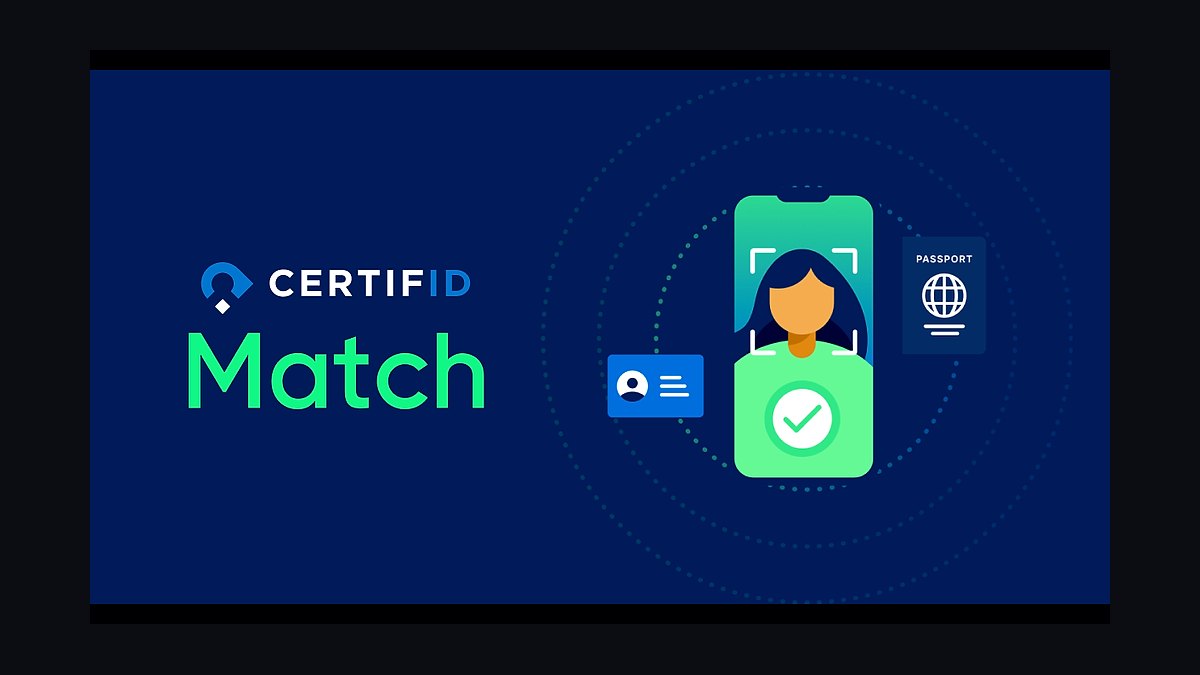
CertifID ranks third because wire fraud is the single largest financial risk in title and escrow, and CertifID is the category leader for bank account ownership verification and identity confirmation before funds move. It integrates directly into Qualia and SoftPro closing workflows and provides fraud-loss coverage on protected transactions. Pricing is typically $1–$10 per protected file plus coverage.
It is mandatory for every agency that moves closing funds, from a single-office shop to a national operation. It trades away nothing meaningful — the cost is a few dollars per file against a six- or seven-figure misdirected-wire liability. Compared to FundingShield below, CertifID is stronger on closing-side verification while FundingShield leads on lender-side payoff checks.
4Simplifile

Simplifile ranks fourth because it has the widest county e-recording coverage in the US, submitting deeds, mortgages, and releases electronically and cutting recording turnaround from days to hours. It reduces rejected packages and integrates with Qualia, SoftPro, and ResWare production platforms. Cost is per-document submission plus county fees, commonly $5–$15 per submission.
It is for any agency recording in more than a handful of counties, and it is essential for multi-state operations. It trades away nothing on coverage but competes on county breadth rather than price. Compared to CSC eRecording below, Simplifile has broader national coverage while CSC often wins on specific regional county relationships and enterprise pricing.
5Proof
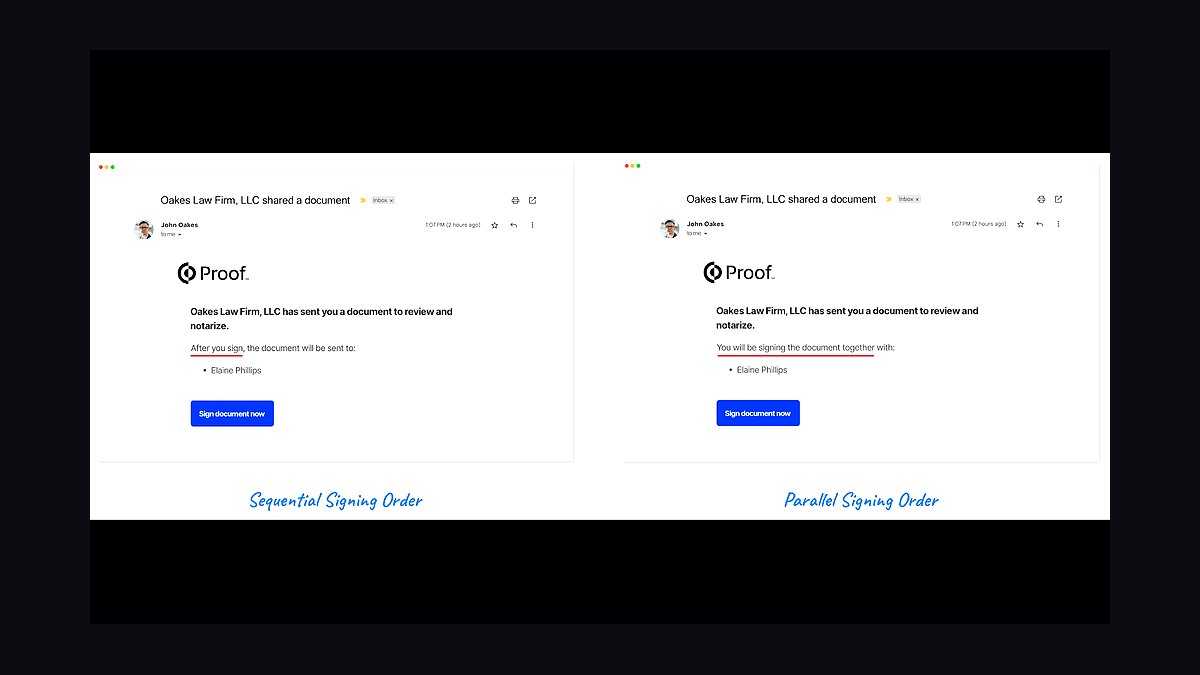
Proof, formerly Notarize, ranks fifth because it is a leading remote online notarization provider with broad lender acceptance and secure video notarization paired with e-signing of the closing package. It enables hybrid and fully remote closings that lenders and agents increasingly expect. Budget roughly $20–$50 per RON session or a monthly platform fee.
It is for agencies that want to capture out-of-state and hybrid signers instead of turning them away. It trades away in-person control and requires signer technology comfort. Compared to Stavvy below, Proof has broader lender acceptance while Stavvy is stronger for hybrid closings with deep lender integration; Qualia RON keeps the same function native inside the title platform.
6DataTrace

DataTrace ranks sixth because title search and examination data feeds the entire production workflow, and DataTrace provides automated search, property data, and document images across thousands of counties. It integrates with Qualia and SoftPro to populate the commitment and exam step. Pricing is per-search or subscription, often $5–$30 per search.
It is for agencies that need nationwide or multi-county search coverage without maintaining an in-house plant. It trades away the local depth an in-house title plant provides in counties an agency dominates. Compared to TitlePoint below, DataTrace is often stronger on automated search and property data while TitlePoint benefits from ICE ecosystem integration.
7FundingShield
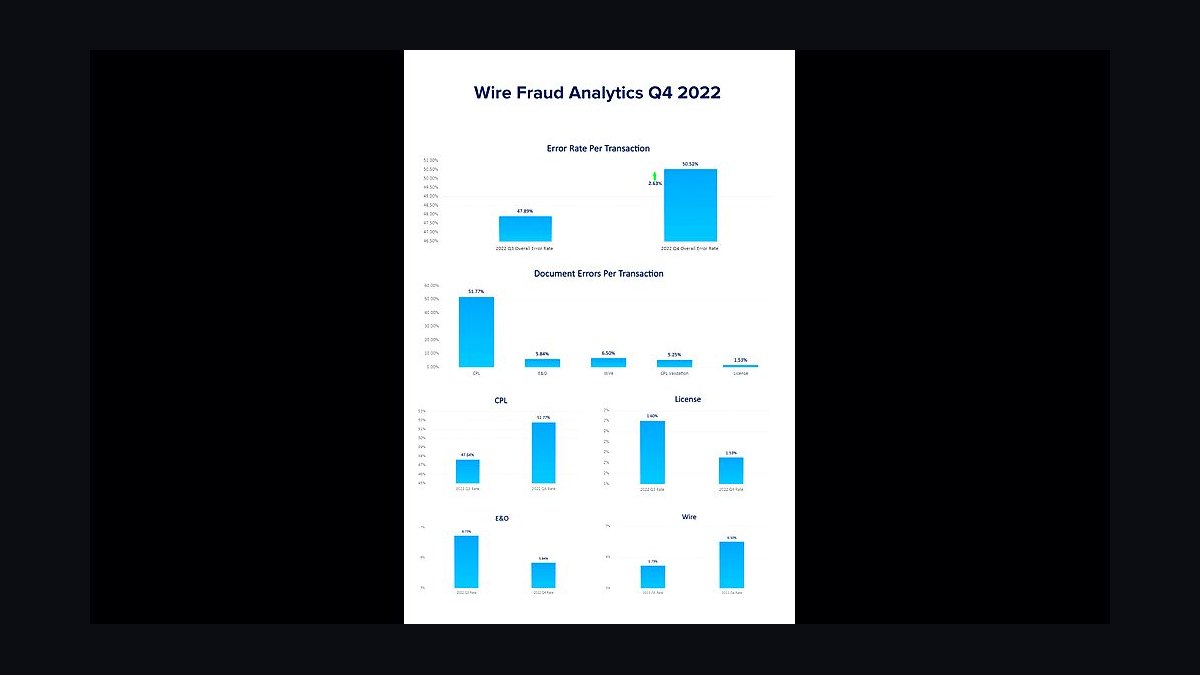
FundingShield ranks seventh because it specializes in lender-side and payoff verification, closing the gap CertifID leaves on the lending and disbursement side of the transaction. It verifies wire and payoff instructions before funds move, protecting against payoff hijacking and lender fraud. Pricing is typically per-transaction or enterprise subscription.
It is for agencies handling high-volume refinance and lender-driven orders where payoff verification is a distinct risk from buyer-side wire fraud. It trades away some closing-side identity coverage that CertifID provides. Compared to CertifID above, FundingShield is complementary rather than a replacement — high-volume operations often run both on the same file.
8ResWare
ResWare, now part of ICE, ranks eighth because it is built for high-volume, automation-heavy title operations with API-driven order intake and deep workflow scripting. It handles centralized refinance and title throughput where manual steps would bottleneck. Pricing is enterprise-tier and typically negotiated per user and volume.
It is for large national and centralized refinance operations processing thousands of monthly files. It trades away the ease of administration and fast onboarding that Qualia and SoftPro offer smaller shops. Compared to SoftPro above, ResWare is more automation-forward for throughput but less broadly deployed and heavier to configure.
9QuickBooks Online
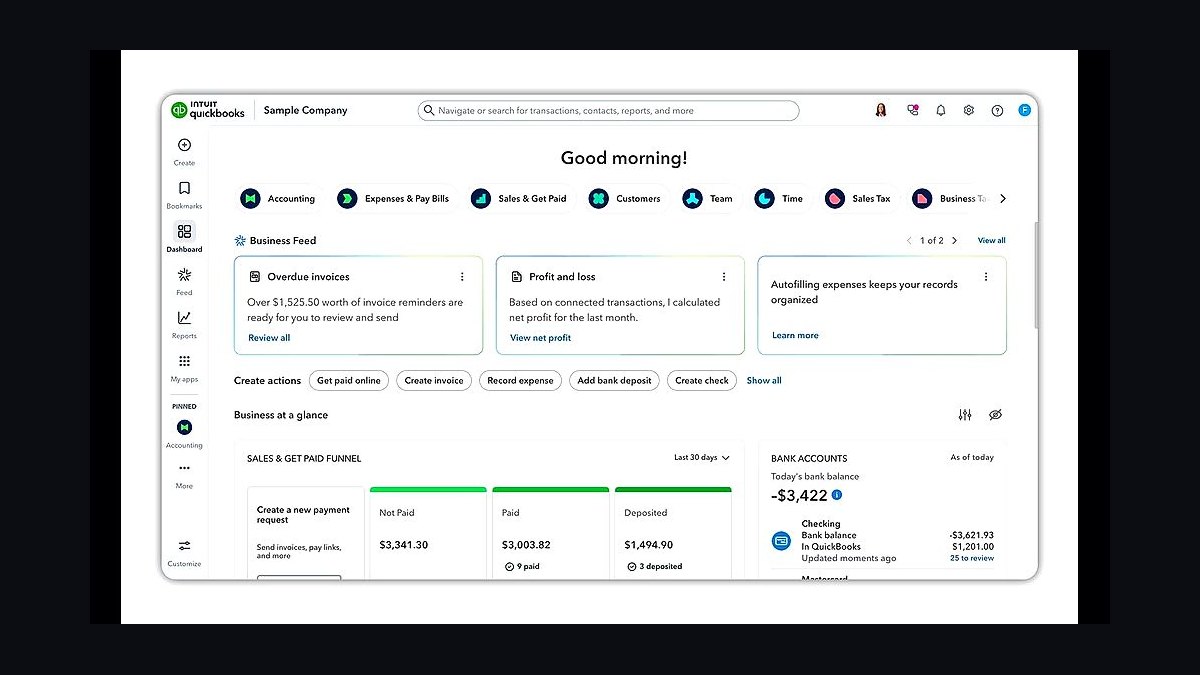
QuickBooks Online ranks ninth because the operating books must reconcile against the escrow trust ledger without ever merging with it. It handles AP, payroll, and general operating accounting for the agency while the trust ledger stays inside the title platform. Budget runs roughly $30–$200 per month depending on tier.
It is for every agency that needs clean operating books separate from escrow trust accounting. It trades away title-specific trust accounting, which is why it must never hold escrow funds directly. Compared to the title platform's native ledger above, QuickBooks handles the business side while Qualia or SoftPro handles the regulated trust side.
10Power BI
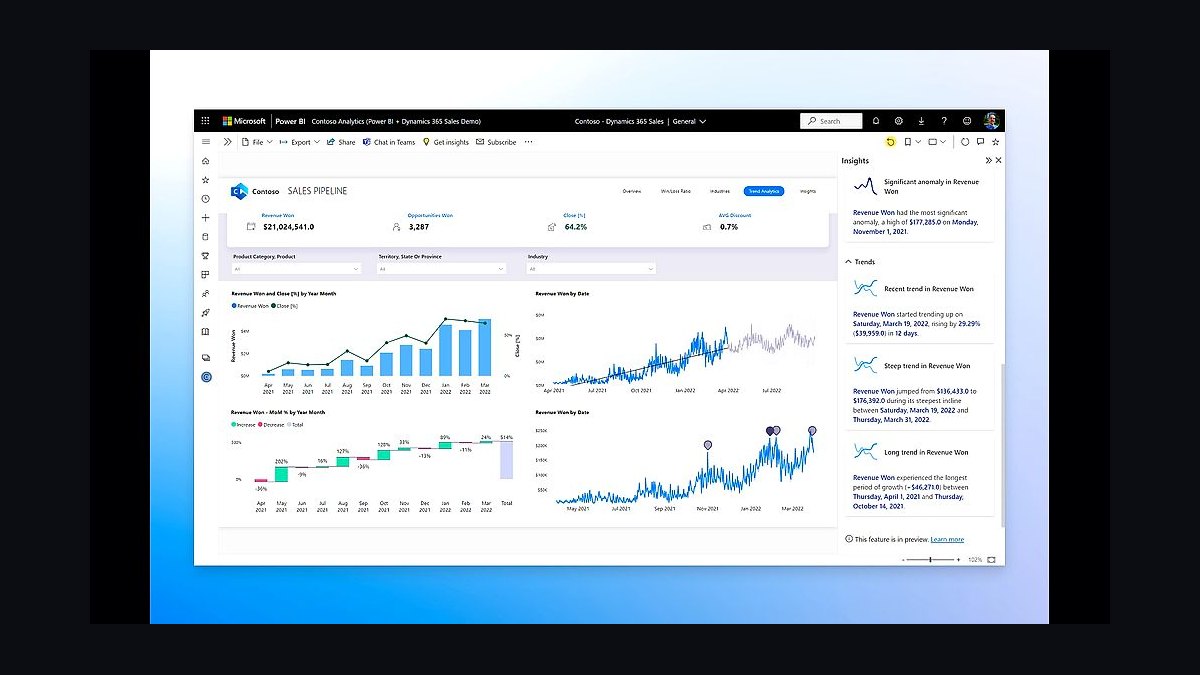
Power BI ranks tenth because once an operation runs multiple branches, manual reporting on order volume, turn time, fallout, and per-underwriter profitability breaks down. It pulls from the title platform's data export or a warehouse to build branch and underwriter dashboards. Budget is roughly $10–$20 per user per month.
It is for multi-branch and enterprise operations, not single offices where native platform reporting suffices. It trades away simplicity and requires data modeling effort to be useful. Compared to the native reporting in Qualia and SoftPro above, Power BI adds cross-branch analytics but only pays off when branch count makes manual reporting impossible.
How we ranked these
We ranked tools by weighting five factors: depth of title-production workflow coverage (order-to-policy lifecycle, ALTA forms, underwriter integration), escrow trust accounting and three-way reconciliation capability, wire-fraud and identity verification strength, e-recording and RON breadth, and total cost at realistic file volumes. Integration depth with Qualia, SoftPro, and major underwriters carried the most weight, followed by regulatory compliance evidence and county coverage.
We deliberately ignored generic CRM features, consumer-facing marketing polish, and vendor size or brand recognition. A tool's sales pipeline or newsletter builder is irrelevant when the core job is moving a regulated file from order to recorded policy without a trust-ledger shortage. We also excluded feature lists that no title agency uses in production, and we did not credit promises of future integrations that are not live today.
Related questions
What is the single most important tool in a title and escrow tech stack?
The title production platform, because it is the system of record for the entire order lifecycle, the escrow trust ledger, document generation, and underwriter connections. Qualia and SoftPro dominate this layer. Replacing it means replacing the company's operating spine, not one app, so it deserves the most evaluation time and budget.
Why can't a title agency just use QuickBooks for escrow accounting?
QuickBooks tracks operating books, not individual escrow file ledgers. Three-way reconciliation requires tying the bank statement, book balance, and sum of every file ledger to the penny, which only title-specific platforms handle natively. Most agencies keep QuickBooks for operating expenses and reconcile it against the escrow ledger held inside Qualia or SoftPro.
Is wire-fraud protection really mandatory or just nice to have?
It is effectively mandatory. Business email compromise targeting closing funds is the largest financial risk in the industry, and a single misdirected wire can drain six or seven figures the agency is liable to replace. CertifID and FundingShield verify bank account ownership and identity before funds move. Skipping this layer is an uninsured bet, not a savings.
How does e-recording change closing turnaround?
Simplifile and CSC submit deeds, mortgages, and releases electronically to participating county recorders, cutting recording time from days to hours and reducing rejected packages. Faster recording means faster final policy delivery to lenders and agents, which directly protects referral relationships. Per-submission costs are modest, commonly five to fifteen dollars plus county fees.
Do small title agencies need remote online notarization?
Only if borrowers or sellers cannot attend in person, but that is increasingly common. Proof, Stavvy, and native Qualia RON let a notary and signer complete a legally valid notarization over secure video. For a single-office agency, paying per session is usually cheaper than licensing a platform, and it keeps hybrid closings competitive.
When does a title company actually need a data warehouse and BI?
When manual reporting on order volume, turn time, fallout, and per-underwriter profitability breaks down, typically at multiple branches. Power BI pulls from the title platform's data export for branch and underwriter dashboards. A single-office agency should rely on native platform reporting and skip the warehouse entirely until branch count forces it.
How should a title agency choose between Qualia and SoftPro?
Qualia is cloud-native with a cleaner modern workflow and built-in marketplace integrations. SoftPro, now part of ICE, is the deeply customizable incumbent running a huge share of US closings but heavier to administer. Choose based on underwriter integration depth, branch count, and whether your team wants cloud simplicity or on-premise control.
What does a realistic title tech stack cost per month?
A single-office agency runs roughly one thousand to three thousand dollars monthly plus per-transaction fees. A regional multi-branch operation spends five thousand to twenty thousand monthly depending on users and branches. Enterprise multi-state operations layer on warehouses and custom integrations, pushing costs higher. Match tier to actual file volume, not ambition.
FAQ
What is the best tech stack for a title and escrow company in 2027?
Build around a title production platform as the core system of record, with Qualia or SoftPro running order-to-policy workflow, escrow trust accounting, and three-way reconciliation. Wrap it with CertifID for wire-fraud protection, Simplifile or CSC for e-recording, Proof or Stavvy for RON, DataTrace for search data, and QuickBooks for operating books reconciled against the trust ledger.
Why is title software different from a generic CRM?
A CRM tracks deals; title software tracks a legal production process with a fixed lifecycle: order intake, search and exam, commitment, curative work, closing, recording, and policy issuance. It also holds the escrow trust ledger and underwriter connections. Using a CRM for this work splits the file from the money and breaks reconciliation.
What is three-way reconciliation and why does it matter?
Three-way reconciliation ties the bank statement, the book balance, and the sum of individual escrow file ledgers to the penny every month with zero shortages. ALTA Best Practices Pillar 2 and most state regulators require it, and underwriters audit for it before keeping an agency on their roster. It is the clearest proof an agency handles other people's money correctly.
Which wire-fraud prevention tools lead the category?
CertifID is the category leader, verifying bank account and wire instructions, confirming party identity, and providing fraud-loss coverage on protected transactions. FundingShield handles lender-side and payoff verification. Both integrate into Qualia and SoftPro closing workflows. Pricing is typically per transaction or a monthly subscription plus coverage.
How does e-recording integrate with the title platform?
Simplifile, CSC, and ePN submit recorded documents electronically to participating county recorders directly from the closing file. The title platform pushes the deed, mortgage, and releases to the e-recording service, which returns confirmation and recorded images. This cuts turnaround from days to hours and reduces rejected packages.
What role does remote online notarization play in 2027 closings?
RON lets a notary and signer complete a legally valid notarization over secure video, which matters for out-of-state borrowers, military personnel, and anyone who cannot attend in person. Proof and Stavvy lead, and Qualia offers native RON. Pair it with DocuSign for the non-notarized portions of the closing package.
Where do title search and examination data come from?
DataTrace and TitlePoint are the two major sources, providing automated title search, property data, and document images across thousands of counties. Direct county recorder feeds fill local gaps. Pricing runs per search or by subscription, often five to thirty dollars per search. Agencies dominating a county sometimes build an in-house title plant.
How do underwriter integrations work in the stack?
The title platform connects directly to First American, Fidelity, Old Republic, and Stewart to issue policies, remit premiums, and report jackets. These connections come through the platform rather than as a separate purchase. Integration depth, meaning real-time jacket issuance and automated remittance, is a core selection criterion between Qualia and SoftPro.
What is the most common mistake title agencies make when buying tools?
Skipping wire-fraud protection to save a few dollars per file. An agency emailing wire instructions in plain text is one business email compromise attack away from a six-figure loss it must cover. CertifID-style protection costs a few dollars per file and prevents a company-ending event. Declining it is an uninsured bet, not a savings.
When should a title agency upgrade from native reporting to Power BI?
When branch count or file volume makes manual reporting on turn time, fallout, and per-underwriter profitability impossible. Power BI pulls from the title platform's data export or a warehouse for branch and underwriter dashboards. Single-office agencies should stay on native platform reporting and avoid warehouse overhead until growth forces the move.
Sources
- https://www.alta.org/best-practices/
- https://www.qualia.com/
- https://www.softprocorp.com/
- https://www.certifid.com/
- https://www.simplifile.com/
- https://www.proof.com/
- https://www.datatracetitle.com/
- https://www.ice.com/
- https://www.stavvy.com/
- https://www.fundingshield.net/
Related on PULSE
This page will be disappearing soon. Save it to your device for $1 — or read it free while it is here.
@Kory-White- · if Venmo asks, the last 4 of my number are 2012
This page is gone.
This one is off the shelf now. $1 keeps it on your phone for good — the whole page, pictures and diagrams included.
 pulse-tech-stacksTech Stack for Roofing Contractors in 2027
 pulse-tech-stacksTop 10 Best Tech Stack Tools for Independent Wholesale Distribution Businesses in 2027
 pulse-tech-stacksTop 10 Best Tech Stack Tools for Foundation and Waterproofing Contractors in 2027
 pulse-tech-stacksTop 10 Best Tech Stack Tools for Multi-Location Coffee Shop Chains in 2027
 pulse-tech-stacksTop 10 Best Tech Stack Tools for Junk Removal Companies in 2027
 pulse-tech-stacksTop 10 Best Tech Stack Tools for Tattoo and Body Art Studios in 2027
 pulse-tech-stacksWhat is the best tech stack for a dialysis center in 2027?
 pulse-tech-stacksTop 10 Best Tech Stack Tools for Bars and Pubs in 2027
 pulse-tech-stacksTop 10 Best Tech Stack Tools for Independent Pest Control Companies in 2027
 pulse-tech-stacksTop 10 Best Tech Stack Tools for Translation and Localization Agencies in 2027