
What is the best tech stack for a building materials or lumber yard in 2027?
 Curated byKory White · Fractional CRO · Maryland
 PULSEKNOWLEDGE LIBRARY
For 2027, the best tech stack for a building materials or lumber yard pairs an LBM-specific dealer ERP — Epicor BisTrack, DMSi Agility, or ECI Spruce for smaller yards — with job-based estimating, fleet dispatch and telematics, truss/EWP design where components are built, a contractor webstore, and distribution BI. Generic retail or wholesale systems cannot model tally, units, or commodity pricing.
What an LBM-Focused Stack Is, and Why It Matters More Than Any Single App
Walk a yard at 6 a.m. and the complexity is invisible. A flatbed backs in, a tally sheet gets marked by hand, and somewhere a 2x6 just became five different sellable things at once. That is the entire problem in miniature, and it is why the phrase "tech stack" means something different here than it does at a hardware store or a plumbing wholesaler.
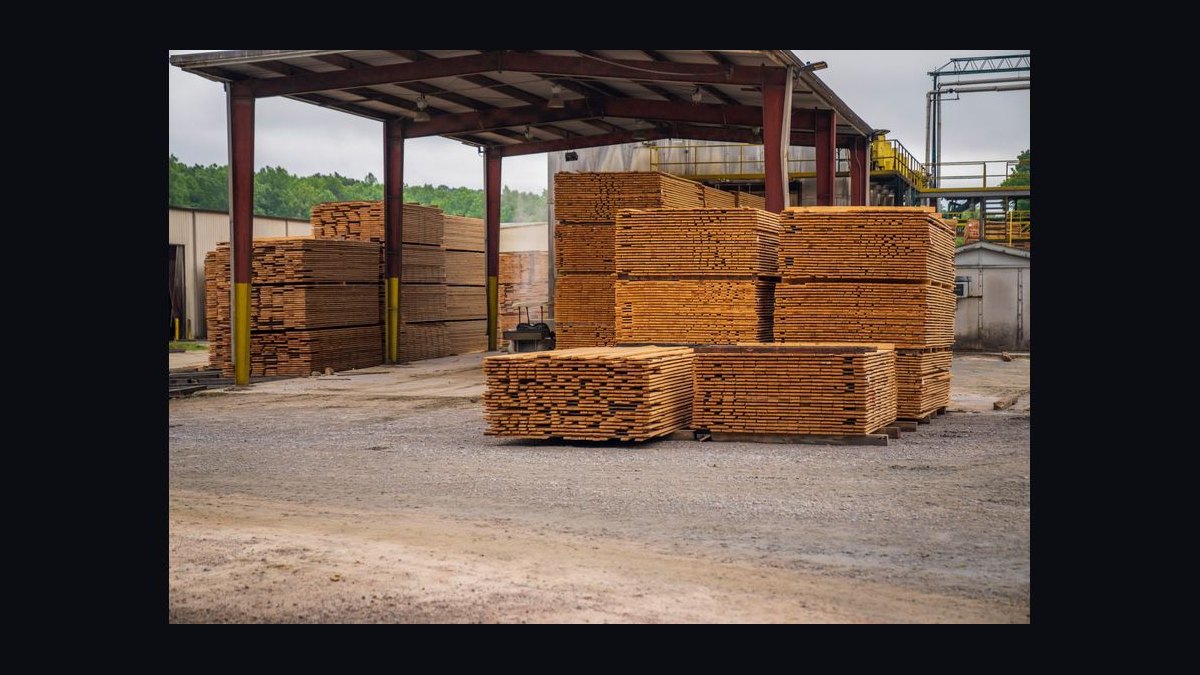
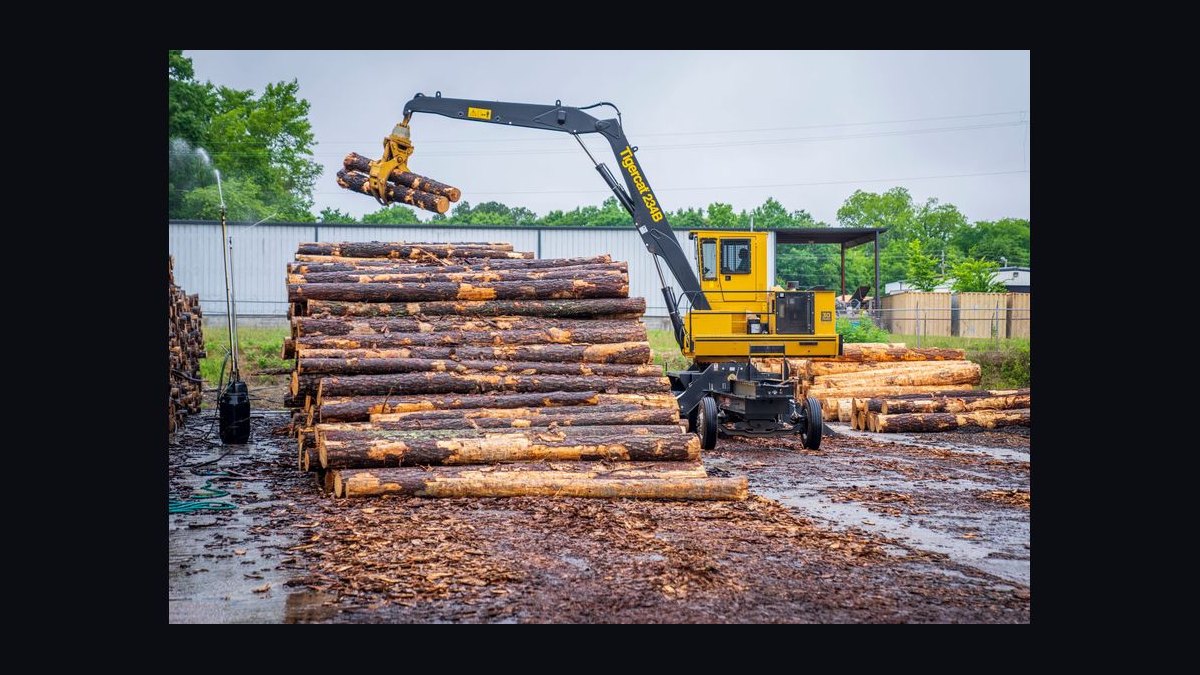
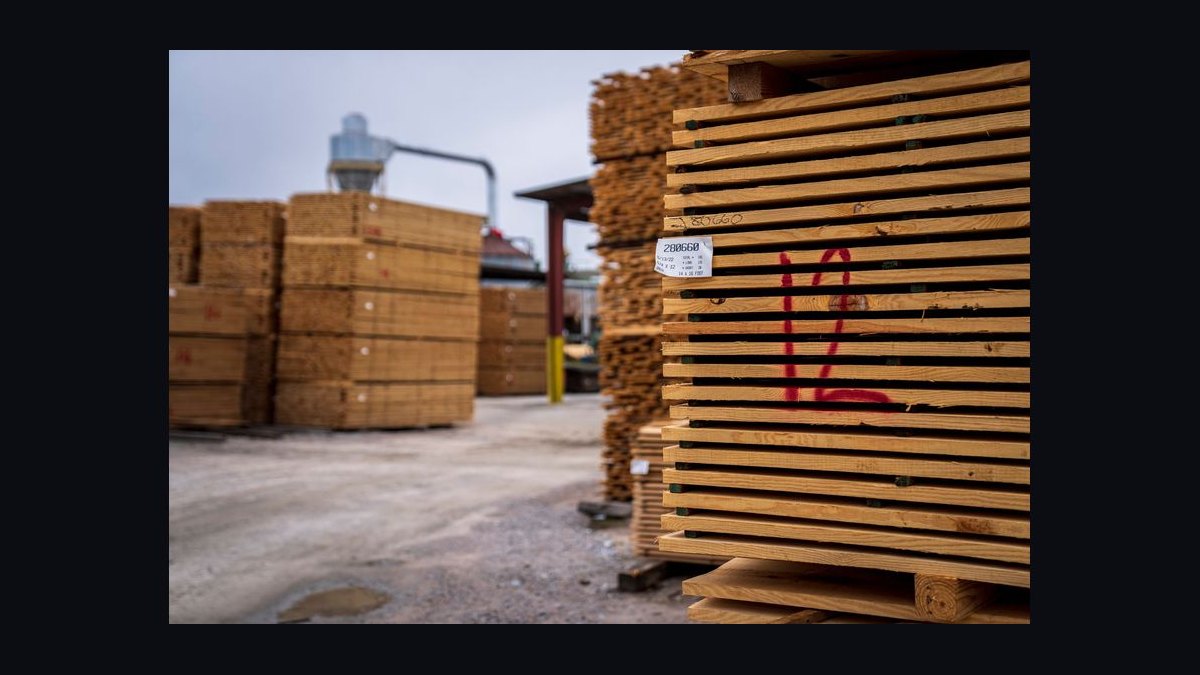
The core object in this business is not a product. It is a conversion. The same physical board sells as a piece, a linear foot, a board foot, a thousand board feet, or a banded unit — and the price attached to each of those forms moves independently, sometimes weekly, sometimes daily, depending on what the mills are doing and what the futures market says. A system that stores one SKU, one barcode, one price cannot represent that reality. It will force your people back into spreadsheets within a quarter, and once tally lives in spreadsheets, cost accuracy is gone, margin reporting is fiction, and every reprice is a guess.
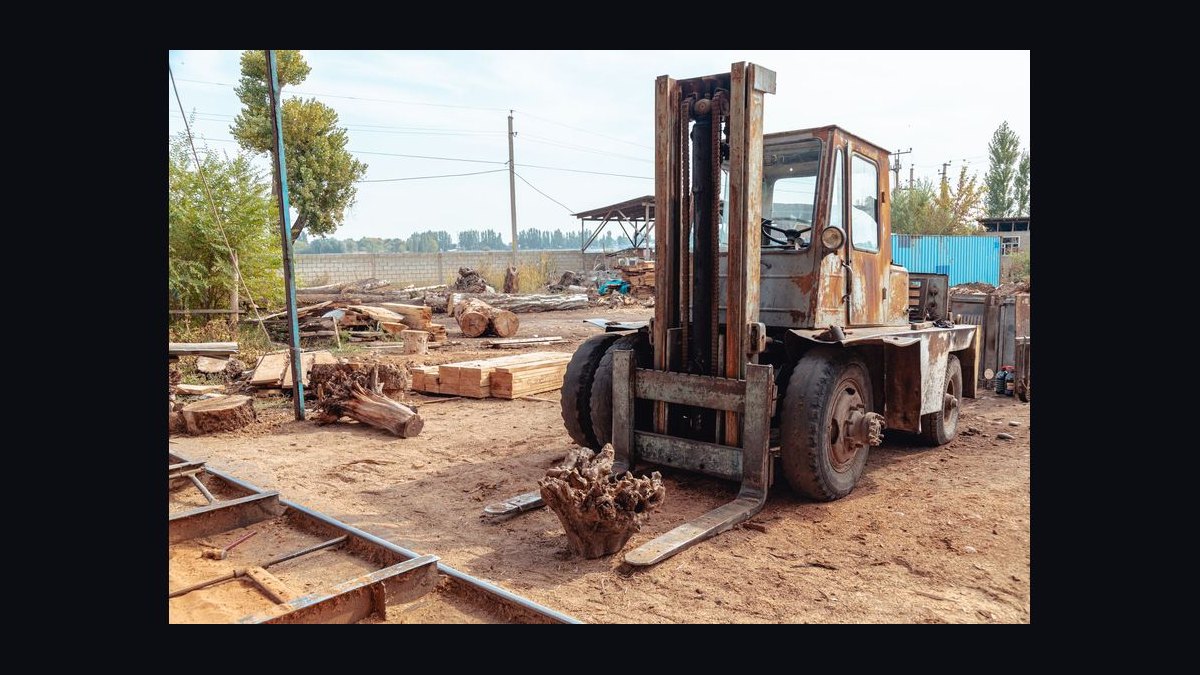
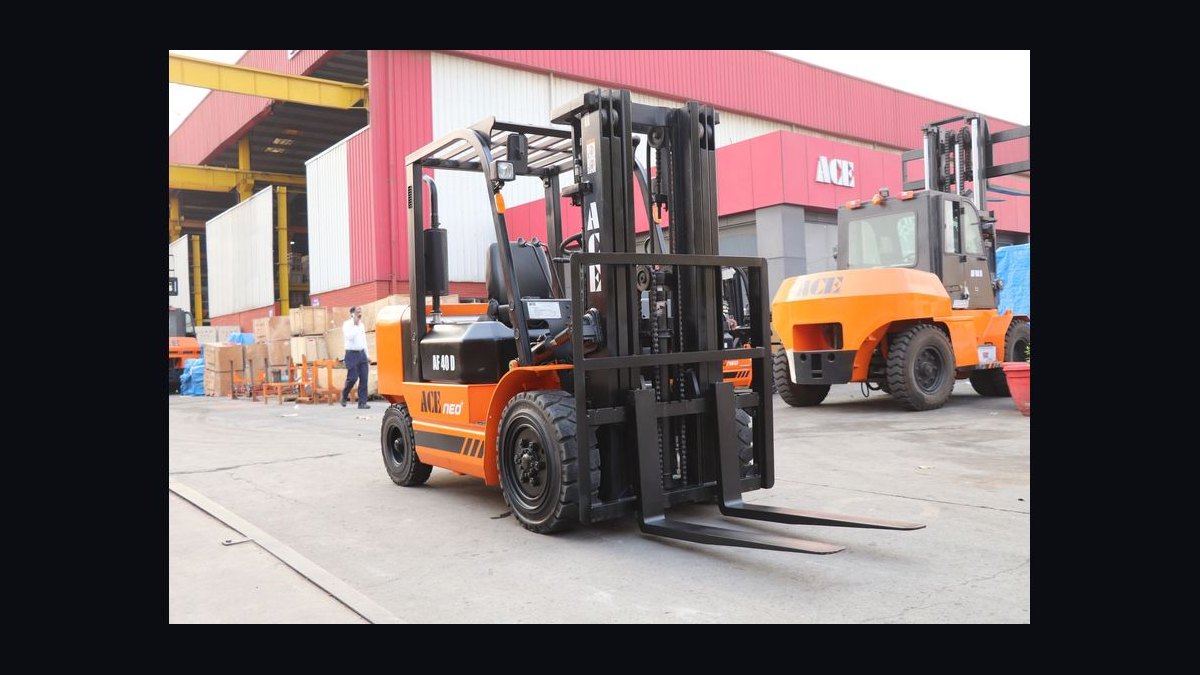
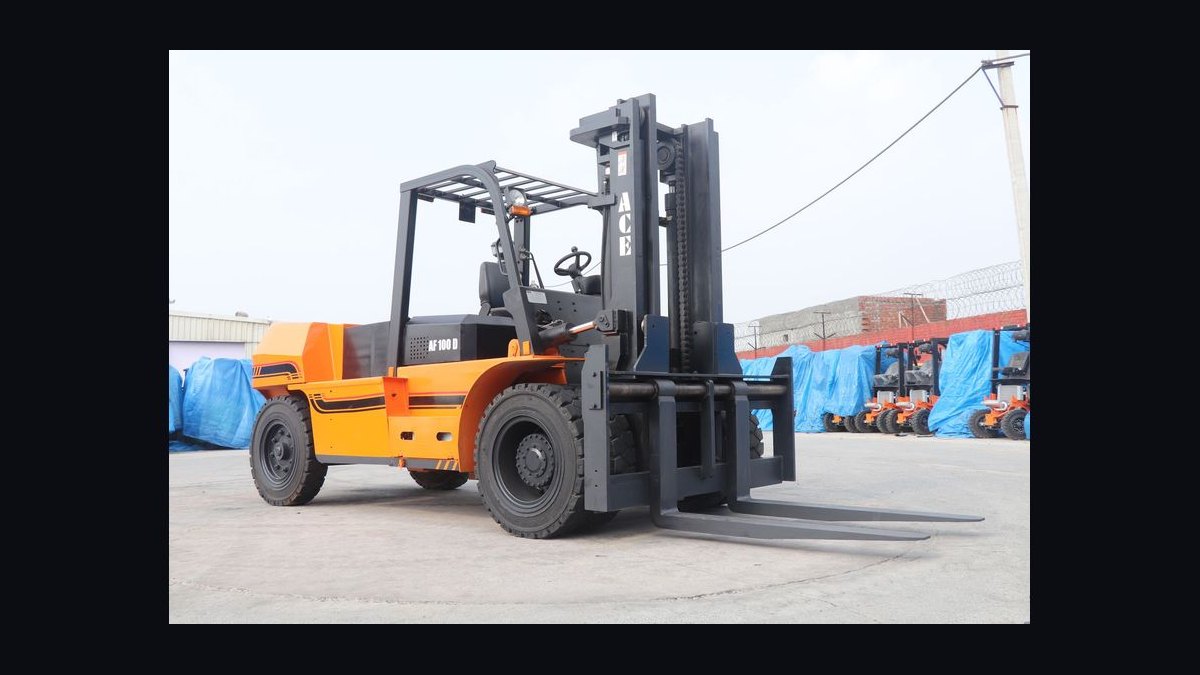
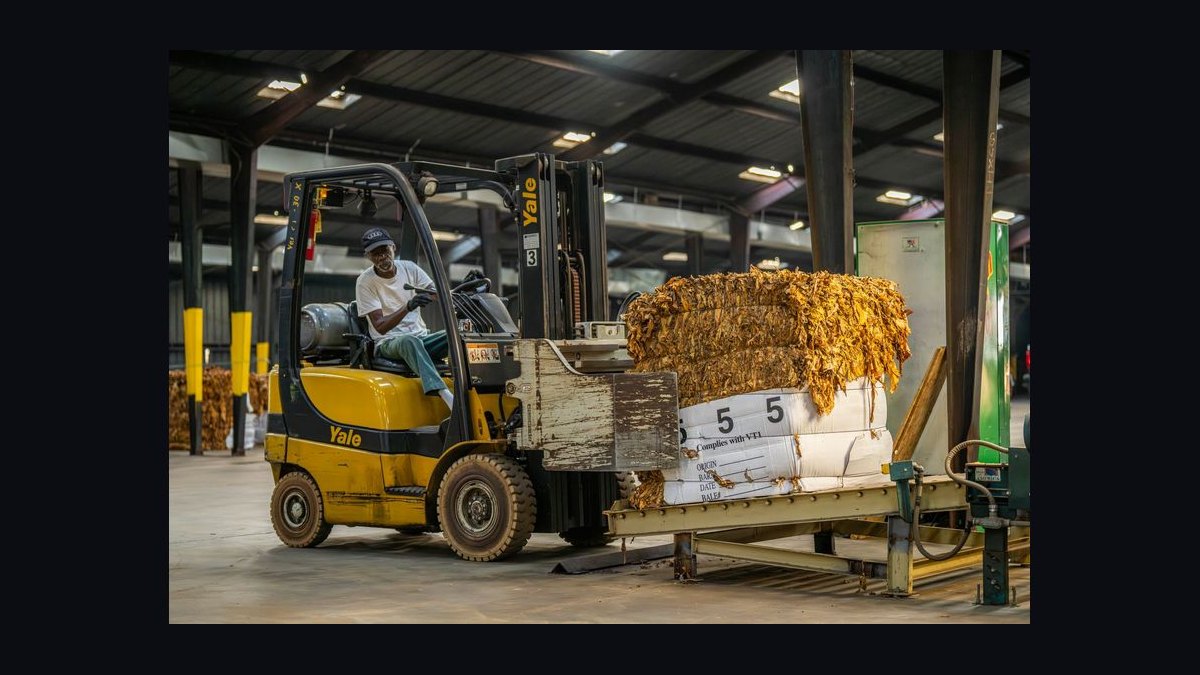
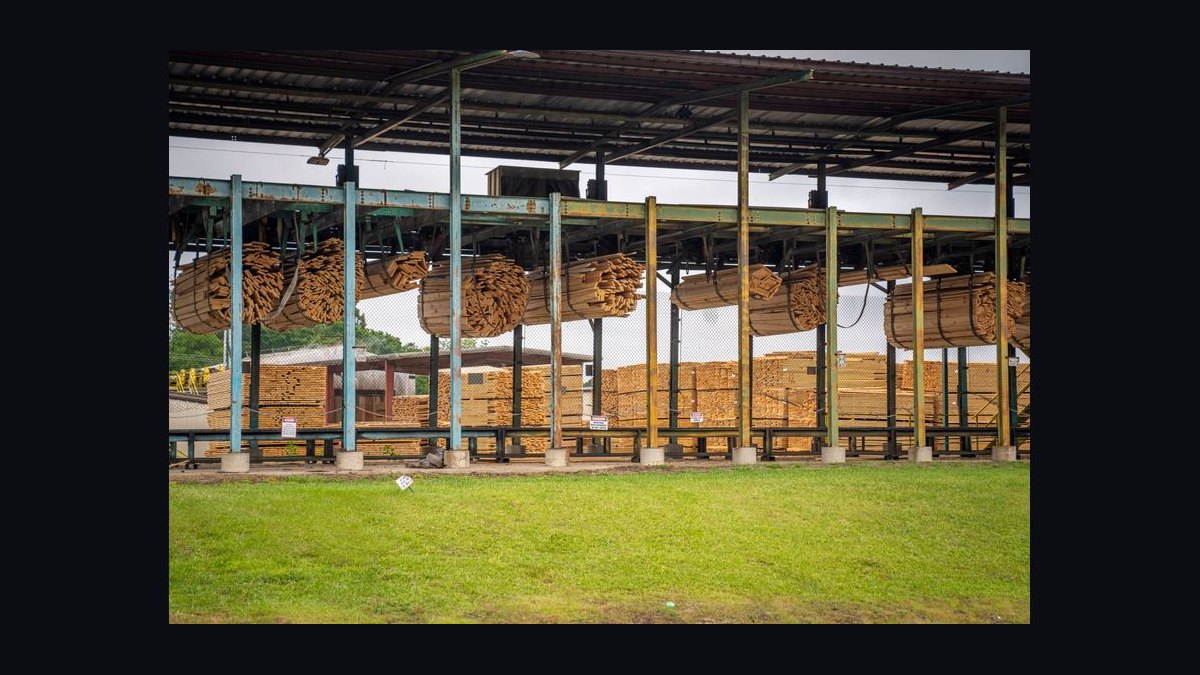
That single mechanic cascades into everything else a dealer does. Because inventory is dimensional and commodity-priced, purchasing has to track cost by mill, species, grade, and treatment rather than by a static item cost. Because builders buy against jobs rather than transactions, quoting has to assemble a multi-section material list — framing, sheathing, trusses, windows, doors, trim — hold it against commodity movement, and convert it into job-based purchasing and contractor credit exposure. Because the yard delivers on boom trucks and flatbeds with Moffett forklifts, dispatch is not a courtesy; it is a costed operation with load building, sequencing, proof of delivery, and telematics. And because many pro dealers run a component plant, structural design software for roof and floor trusses and engineered wood sits inside the same commercial flow that quotes the house.
The "materials" side of the business also carries a second, quieter requirement: compliance and traceability. Treated lumber, fire-rated assemblies, engineered lumber spec sheets, and window/door performance ratings all need documentation that can be produced on demand when a builder, inspector, or warranty claim asks. When your ERP holds the item, the vendor, the grade, and the job together, generating that paper is a report. When it does not, it is a phone call to a manufacturer rep and a two-day delay.
Why does this matter more than picking a favorite app? Because the failure mode is not "we chose the wrong tool." The failure mode is fragmentation — an ERP that cannot tally, a quoting process on paper, dispatch on a whiteboard, and a BI layer fed by exported CSVs that nobody trusts. Each piece looks reasonable in isolation and the whole thing leaks margin. A coherent "stack" is what closes those gaps, and the reason practitioners in this trade talk in layers rather than products is that the layers have to agree on the same units, the same customer, and the same order.
Adjacent industries illuminate the pattern without being identical. A ready-mix concrete producer faces the same delivery-as-product economics and the same perishable scheduling pressure, and runs dispatch software that looks structurally similar to a lumber yard's. A steel service center deals with dimensional conversion and commodity pricing but not with house packages or contractor credit on jobs. A pharmacy wholesaler handles lot traceability and compliance documentation but sells in fixed units. A lumber yard sits at the intersection of all three, which is exactly why a generic distribution ERP keeps almost working and never quite does.
One more upstream effect deserves naming: buying groups and cooperative purchasing. Many independent dealers buy through groups that return rebates based on volume and mix. If the ERP cannot track rebate-eligible purchases by vendor, category, and period, those dollars quietly go unclaimed. That is not a finance problem; it is a system-of-record problem, and it is one of the most common places a lean stack leaves money on the table.
The Step-by-Step Process for Choosing and Standing Up the Stack
The sequence matters as much as the selection. Dealers who buy software before they map their unit-of-measure reality end up re-implementing. The order below is the one that survives contact with a real branch.
Start by documenting how you actually sell. Pull twelve months of invoices and classify every line by the unit it was sold in — piece, LF, BF, MBF, unit, or each. Most dealers discover they sell in more forms than they assumed, and that discovery alone reshapes the requirements list. Then document how you buy: which vendors, which species and grades, whether cost is landed or delivered, and whether you hold inventory or drop-ship.
Next, map the builder relationship. How many accounts buy against jobs? What are your credit terms, and how do you handle lien waivers and progress billing? Do you quote whole house packages or line items? This determines whether estimating is a core module or a nice-to-have, and it determines how the ERP has to model a "job."
Then map delivery. Count trucks, count daily stops, and measure how often a load is re-sequenced or re-delivered. Most yards that think delivery is fine find a re-delivery rate in the low double digits once they measure it, and that number is the business case for dispatch software.
Only after those four maps exist do you evaluate vendors. Score each candidate on native tally and unit conversion, commodity cost handling, job-based quoting, delivery dispatch, component integration, contractor portal, and reporting. Weight integration depth above feature breadth — a slightly less flashy platform that connects cleanly to your estimating, dispatch, and BI beats a feature-rich one that needs custom middleware for everything.
Then implement in waves rather than a big bang. One branch, one clean inventory load, one set of builder accounts, one delivery board. Prove the tally is right before you turn on quoting. Prove quoting before you open the portal. The diagram below shows the order most dealers follow.
Notice that accounting is deliberately absent from the critical path. For multi-branch dealers, AR, AP, and credit live inside the LBM ERP because contractor credit limits have to sit where the orders are. For single-location yards, posting the general ledger to a small-business accounting package is normal and fine — it simply cannot carry tally, so it complements rather than replaces the ERP.
The last step, rolling remaining branches, is where discipline pays off. Branches that get to "customize" their own item setup, their own pricing matrices, or their own delivery rules create a reporting nightmare that takes years to unwind. Standardize the item master, the pricing logic, and the delivery workflow centrally, and let branches vary only where the customer genuinely differs.
Costs, Timelines, and Typical Ranges
Numbers in this category are quoted per deal, so treat everything below as planning ranges rather than price lists. What matters is the shape of the curve: cost scales with branches, users, modules, and whether you run a component plant.
For a single-location yard serving contractors and walk-in trade, a lumber-aware ERP plus small-business accounting and a couple of telematics units typically lands in the low four figures per month, with implementation measured in weeks rather than quarters. Expect the ERP license to be the smaller part of the total; the real cost is the inventory cleanup and the item-master build, which is labor you either pay a consultant for or pay your own team to do badly.
For a regional dealer running several branches with a pro-builder focus, the ERP plus estimating seats, a window and door configurator, delivery dispatch, telematics across the fleet, a contractor portal, and distribution BI lands in the mid five figures per month at the upper end and low five figures at the lower end, depending on user count and how many modules you switch on. Implementation runs one to two quarters, with the first branch live in the first month or two and the rest following.
For a large pro dealer with a component plant, add structural design and manufacturing software for trusses and engineered wood, a full B2B commerce portal, rebate and buying-group tracking, and a data warehouse feeding BI. That configuration reaches six figures per month all-in across software, manufacturing systems, and integration work, and the implementation timeline is measured in quarters, not weeks.
Three cost lines get underestimated almost universally. First, data migration: cleaning decades of inconsistent item descriptions and unit setups is the single largest hidden cost. Second, training: inside sales, dispatch, and yard personnel all need role-specific training, and generic "here's the ERP" sessions do not stick. Third, integration: every handoff between design software, ERP, dispatch, and BI is a place where someone has to build and maintain a connection, and those connections need an owner after go-live.
On timelines, a realistic sequence for a mid-size dealer is: two to six weeks of requirements and vendor scoring, four to eight weeks of configuration and data load for branch one, then a phased rollout of one branch per month. Dealers who compress this aggressively usually pay for it in a second implementation eighteen months later, which is the most expensive outcome available.

Where Teams Get It Wrong
The most common mistake is buying the ERP for its financials. Dealers evaluate accounting depth, report writers, and general ledger flexibility, then discover that the platform treats a 2x4 as a single unit and cannot convert to board feet. The evaluation criteria should lead with tally, unit conversion, and commodity costing, because those are the requirements no workaround fixes.
The second mistake is treating delivery as overhead. When dispatch lives on a whiteboard, the yard has no idea what a delivery actually costs, so pricing on delivered jobs is guesswork. Once you run dispatch inside the ERP with load building, sequenced stops, photo and signature proof of delivery, and GPS, you can attach a real delivery cost to a real job — and most dealers find that some of their most loyal accounts are their least profitable once delivery is costed honestly.
The third mistake is quoting house packages by hand. Hand-built material lists are slow and error-prone, and they expose the dealer to commodity movement between quote and order. The fix is estimating inside the ERP with quote-aging rules that flag open quotes when cost moves, plus a configurator for windows, doors, and millwork so those catalogs price correctly without a human retyping part numbers.
The fourth mistake is letting component design live outside the commercial flow. When a truss design is re-keyed from structural software into the ERP by hand, plants ship wrong members, billing lags behind production, and the house package never reconciles to the job. Dealers with component plants need a real integration so designs, cut lists, and orders flow once and stay synchronized.
The fifth mistake is adding a separate CRM too early. Outside sales pipeline management is genuinely useful at scale, but many dealers already have account history, quotes, and order activity inside the ERP. Bolting on a CRM before the ERP data is clean creates two versions of the customer and no single source of truth. Add the CRM when pipeline is genuinely unmanaged, not because it is on a checklist.
The sixth, and quietest, mistake is ignoring rebate capture. Buying-group and vendor rebates are real margin, and they are only capturable if purchases are recorded against the right vendor, category, and period. Dealers who treat rebate tracking as an afterthought discover at year end that they cannot substantiate their claim.

Decision Framework: Matching Stack Depth to Your Operation
The right question is not "which ERP is best" but "how deep does my operation require the stack to go." Three profiles cover most dealers, and the boundaries between them are set by branch count, builder concentration, and whether you manufacture components.
A single-location, contractor-focused yard needs lumber-aware inventory with tally and unit conversion, small-business accounting for the general ledger, a simple delivery schedule, and either hand estimating or a light quoting tool. The priority is accuracy of cost and a clean item master. Adding enterprise modules here is usually waste.
A regional multi-branch pro dealer needs the full ERP as system of record, job-based estimating with quote aging, a configurator for openings and millwork, dispatch with telematics across the fleet, a contractor portal for reorders and statements, and distribution BI for branch and margin reporting. The priority is consistency across branches and visibility into which accounts and which jobs actually make money.
A large pro dealer with a component plant adds structural design and manufacturing software wired into the ERP, a full commerce portal, rebate and buying-group tracking, and a warehouse feeding analytics. The priority is eliminating re-keying between design, order, plant, and billing, because that is where the margin leaks fastest at scale.
Adjacent decisions follow from the profile. If you drop-ship rather than stock, your purchasing and cost model change but your tally requirement does not disappear. If you serve production builders with standing purchase orders, your pricing matrix and release scheduling become more important than one-off quoting. If you sell installed services — setting trusses, installing windows — you need job costing that captures labor alongside material, which pushes you toward the deeper ERP tiers.
The framework's real value is that it prevents two opposite errors. It stops small yards from buying enterprise complexity they will never configure, and it stops growing dealers from under-buying a platform they will outgrow in two years. If you are within a year of opening a second branch or a component plant, buy for the operation you are becoming, not the one you are today.
Related questions
Does a lumber yard need a different ERP than a building materials dealer?
Functionally they are the same problem. Both sell dimensional commodity product in multiple units against builder jobs with delivery and credit exposure. The stack that handles tally, job quoting, and dispatch serves both, which is why the same handful of LBM platforms dominate the category.
Can one ERP run both the yard and a truss plant?
The commercial side, yes — orders, jobs, and billing should live in one system. The manufacturing side usually needs dedicated structural design and plant scheduling software, integrated to the ERP rather than replaced by it. Forcing plant scheduling into a general ERP rarely works.
How long does implementation realistically take?
A single branch can be live in weeks. A regional multi-branch dealer should plan one to two quarters for full rollout. A dealer adding a component plant and a commerce portal should plan multiple quarters and staff an internal owner for the integration work.
What should we fix before buying software?
Clean your item master and standardize units of measure. Inconsistent item descriptions and mixed unit setups are the largest hidden cost in any implementation, and no vendor can fix them for you. Do that work first and the project gets materially cheaper.
Is a contractor portal worth it for a small dealer?
Usually only if a handful of builder accounts drive most of your volume. A portal pays off when it removes phone calls and speeds reorders for repeat customers. For a yard with mostly walk-in trade, it is a low-priority layer.
FAQ
Why can't we just use a general-purpose distribution or retail system? Because those systems assume one item equals one unit equals one price. A lumber yard sells the same board by piece, linear foot, board foot, thousand board feet, and banded unit, with cost that moves on commodity markets. Without native unit conversion and tally, your team rebuilds that logic in spreadsheets and cost accuracy collapses.
Which layer should we buy first if we can only do one thing this year? The system of record. Get inventory, tally, units, purchasing, and contractor accounts onto an LBM-specific ERP before anything else. Estimating, dispatch, and analytics all depend on that data being right, so buying them first means building on sand.
How do we know if delivery is actually costing us money? Measure re-delivery rate, deadhead miles, and damage disputes for one month. If you cannot produce those numbers, that is the answer — you are absorbing delivery cost invisibly. Dispatch software with load building, proof of delivery, and telematics turns those into measurable figures.
Do we need structural design software if we only occasionally sell trusses? No. If you buy finished components from a supplier, you need clean purchasing and job costing, not design software. Design and manufacturing platforms become necessary when you operate your own component plant and need cut lists and engineering output.
How do we protect margin between quoting a house package and shipping it? Use estimating inside the ERP with quote-aging and reprice rules. Open quotes should be flagged when commodity cost moves, pricing should expire or reprice on a defined schedule, and affected lines should be updated before the quote converts to an order.
Where does business intelligence fit for a mid-size dealer? Once you run multiple branches, ERP-native reports stop answering questions like which branch, account, or job category is actually profitable. A distribution-focused BI layer connected to the ERP gives you sales, margin, inventory, and rebate analytics without exporting spreadsheets by hand.
Sources
- Epicor BisTrack product and LBM module documentation: https://www.epicor.com/en-us/products/erp/bistrack/
- DMSi Agility ERP for building materials dealers: https://www.dmsi.com/
- ECI Solutions Spruce and LumberTrack for lumber and building materials: https://www.ecisolutions.com/
- MiTek truss and engineered wood design software: https://www.mitek-us.com/
- Simpson Strong-Tie Component Solutions: https://www.strongtie.com/
- Samsara fleet telematics and GPS: https://www.samsara.com/
- Phocas analytics for distribution and building materials: https://www.phocas.com/
- Microsoft Power BI product documentation: https://learn.microsoft.com/en-us/power-bi/
- National Lumber and Building Material Dealers Association: https://www.nlbmd.org/
- HubSpot CRM product documentation: https://www.hubspot.com/products/crm
Related on PULSE
- [Recommended Tech Stack for a Specialty Trade Contractor Business](/knowledge/tk0453)
- [Choosing an ERP for Field Service and Equipment-Heavy Operations](/knowledge/tk0437)
- [Building a Delivery Dispatch and Route Optimization Stack](/knowledge/tk0428)
- [Inventory Management for Dimensional and Commodity Products](/knowledge/tk0420)
- [Business Intelligence for Multi-Location Distribution Businesses](/knowledge/tk0407)
- [Integrating Estimating, ERP, and Manufacturing Systems](/knowledge/tk0403)
This page will be disappearing soon. Save it to your device for $1 — or read it free while it is here.
@Kory-White- · if Venmo asks, the last 4 of my number are 2012
 pulse-tech-stacksWhat is the recommended Ski Resort Operations sales and operations tech stack in 2027?
 pulse-tech-stacksWhat is the best tech stack for a field services company (HVAC, plumbing, or electrical) in 2027?
 pulse-tech-stacksTech Stack for Nail Salons in 2027
 pulse-tech-stacksWhat is the best tech stack for a jewelry retailer in 2027?
 pulse-tech-stacksWhat is the best tech stack for a funeral home or mortuary in 2027?
 pulse-tech-stacksWhat is the best tech stack for a chiropractic practice in 2027?
 pulse-tech-stacksWhat is the recommended AI Coding Tools sales and operations tech stack in 2027?
 pulse-tech-stacksWhat is the recommended Grocery Retail sales and operations tech stack in 2027?
 pulse-tech-stacksWhat is the best tech stack for an auto repair or body shop in 2027?
 pulse-tech-stacksWhat is the best tech stack for a limousine or black car service in 2027?