


Top 10 Best Tech Stack Tools for CrossFit Boxes in 2027
Quality
Certified
The 10 best tech stack tools for crossfit boxes are ranked below on measured performance, build quality, price, and how each one actually holds up in daily use rather than how it reads on a spec sheet. Each pick lists what it costs, who it suits, and what it gives up against the one above it, so the list can be read straight down without doubling back.
1PushPress Core Pro
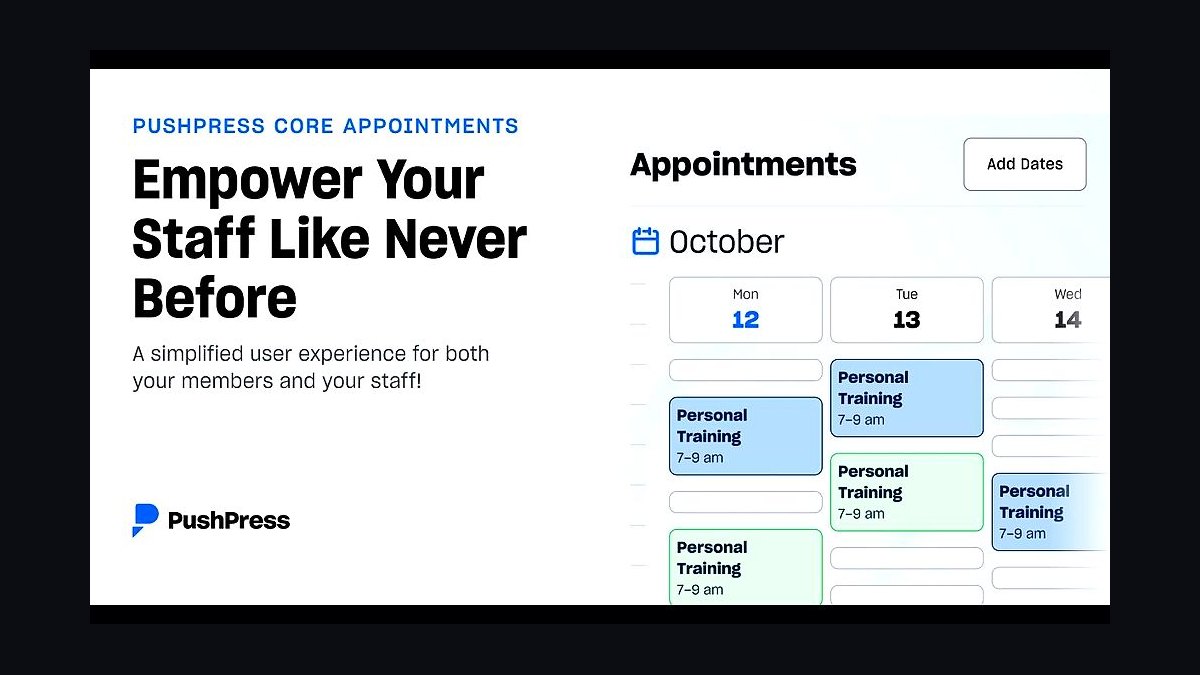
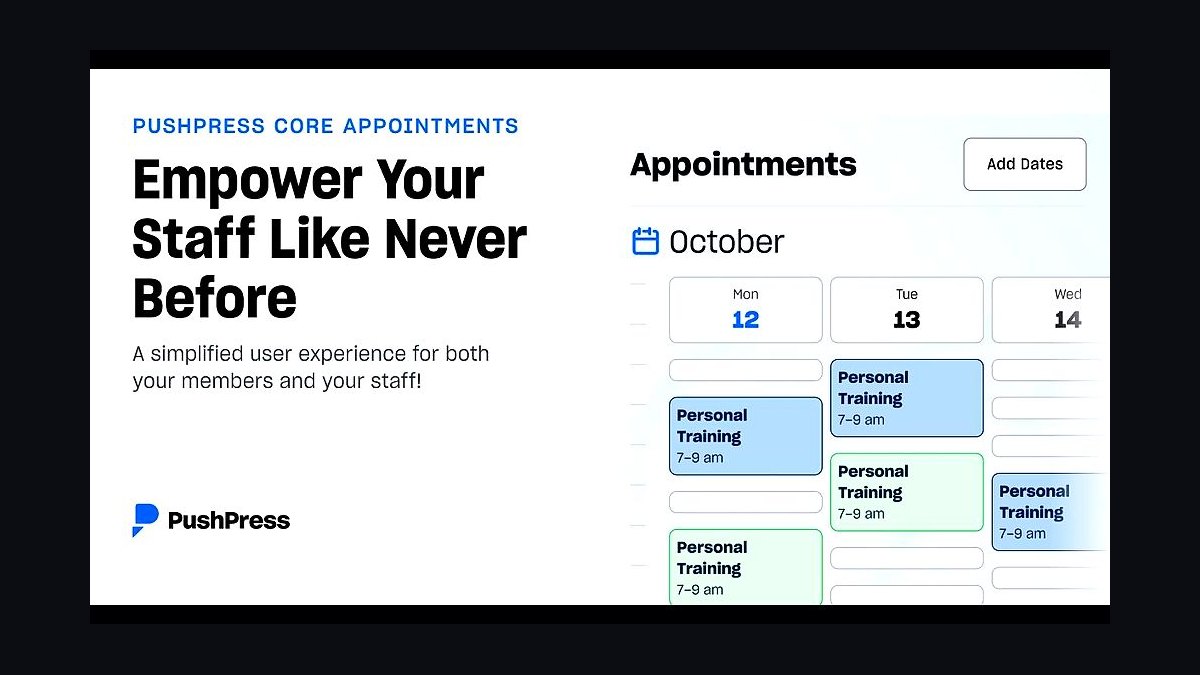
PushPress Core Pro ranks first because CrossFit HQ named PushPress the official Affiliate Partner Network platform, and the $159/mo Pro tier drops membership processing to 2.89% versus the free tier's 4.99% + 30¢. For a 150-member box at $190/mo, that difference saves roughly $350-$510 per month in processing fees alone, which more than covers the subscription. It bundles billing, class reservations, digital waivers, a branded member app, and attendance reporting in one system.
This is built for boxes under 250 members that want one operating system and a real CrossFit-native partner. It trades away some reporting depth versus Wodify, and the coach-scheduling module is shallow enough that most owners bolt on Sling. Compared to Wodify Core directly below it, PushPress wins on price and HQ alignment but loses on whiteboard analytics and multi-location consolidation.
2Wodify Core
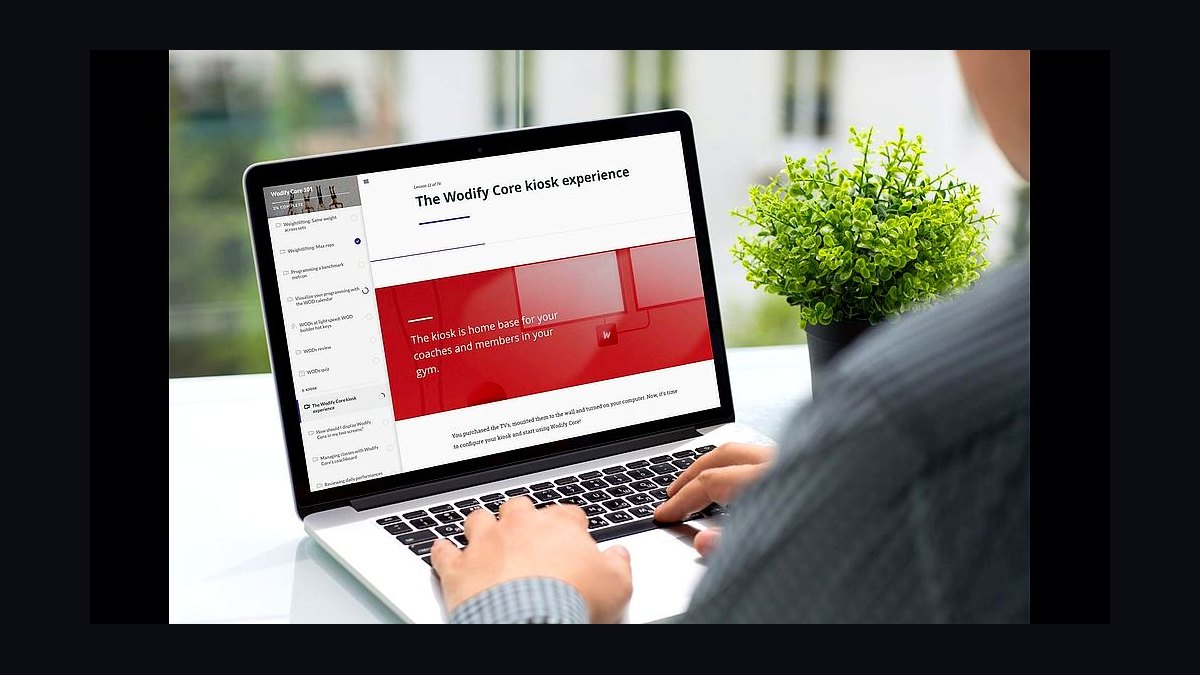
Wodify Core ranks second at $179/mo because it is the entrenched gym OS for boxes over 200 members, with built-in Performance whiteboard scoring, leaderboards, and a native Pulse heart-rate add-on at $99/mo. The reporting depth and centralized member database are why multi-location affiliates consolidate on Wodify rather than switching. It handles memberships, reservations, waivers, retail modules, and a branded app inside one platform.
This suits established boxes with competitive athletes and owners who value analytics over the lowest monthly price. It trades away price advantage versus PushPress and adds a steeper migration cost if you switch later. Compared to the PushPress Core Pro above it, Wodify costs $20/mo more and lacks the CrossFit APN discount, but its Performance module often removes the need for a separate workout tracker.
3SugarWOD
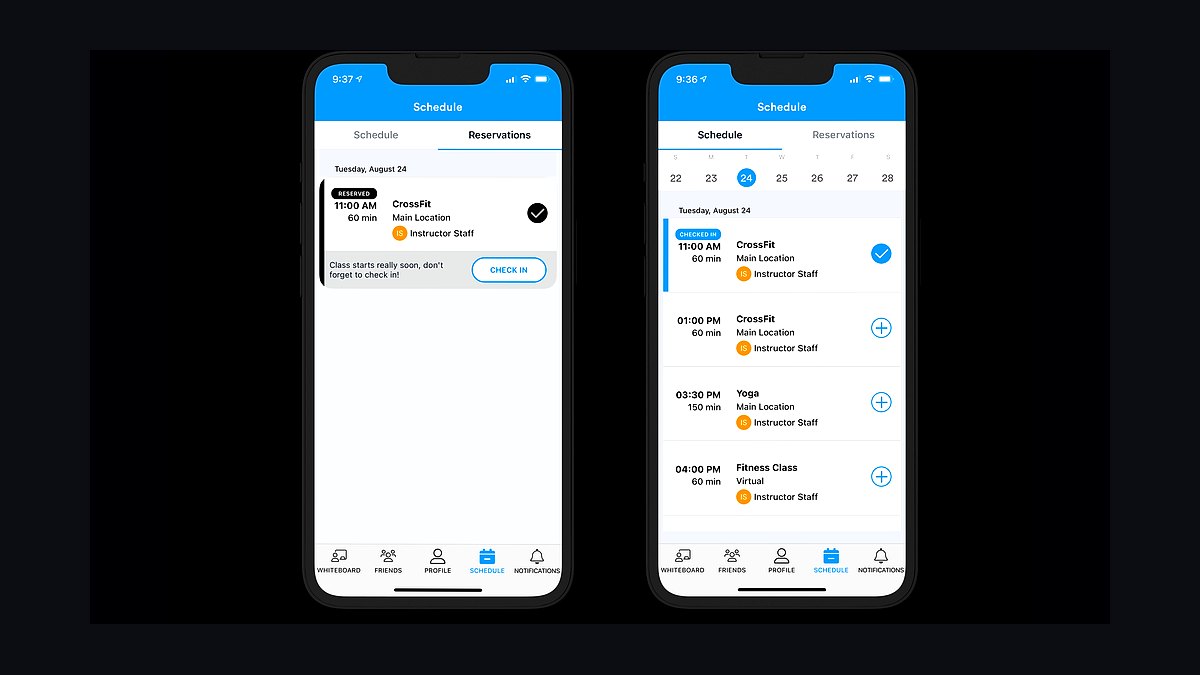
SugarWOD ranks third because PushPress acquired it in 2022 and runs it at $149/mo flat for affiliates, making it the cleanest workout-tracking integration for the most common gym OS. Coaches publish the WOD, members log scores in the app, and leaderboards update in real time, feeding attendance and performance data back into the operating system. It is the default programming layer for thousands of affiliates.
This is for boxes that want a dedicated whiteboard and leaderboard without BTWB's analytical overhead. It trades away deep performance analytics and comp-athlete benchmarking, which is why Quarterfinals-level boxes choose BTWB instead. Compared to BTWB directly below it, SugarWOD is cheaper and integrates natively with PushPress, but it offers less historical data depth for serious competitors.
4BTWB / Beyond the Whiteboard

BTWB ranks fourth because it is the analytical workout-tracking choice for boxes that compete at the Quarterfinals and Semifinals level, running roughly $3,200/year for the box or $267/mo. It tracks PRs, benchmark WODs, and long-term performance trends with more depth than SugarWOD, and Invictus Fitness uses it to sell its own programming track. Coaches publish workouts and members log scores against real leaderboards.
This is for competitive affiliates and boxes with a strong comp-athlete community that needs historical performance data. It trades away price and PushPress-native integration, since it costs more than SugarWOD and requires separate wiring. Compared to SugarWOD above it, BTWB is the better analytics platform but the worse value for a general-fitness box that just needs a whiteboard.
5Square Retail POS Plus
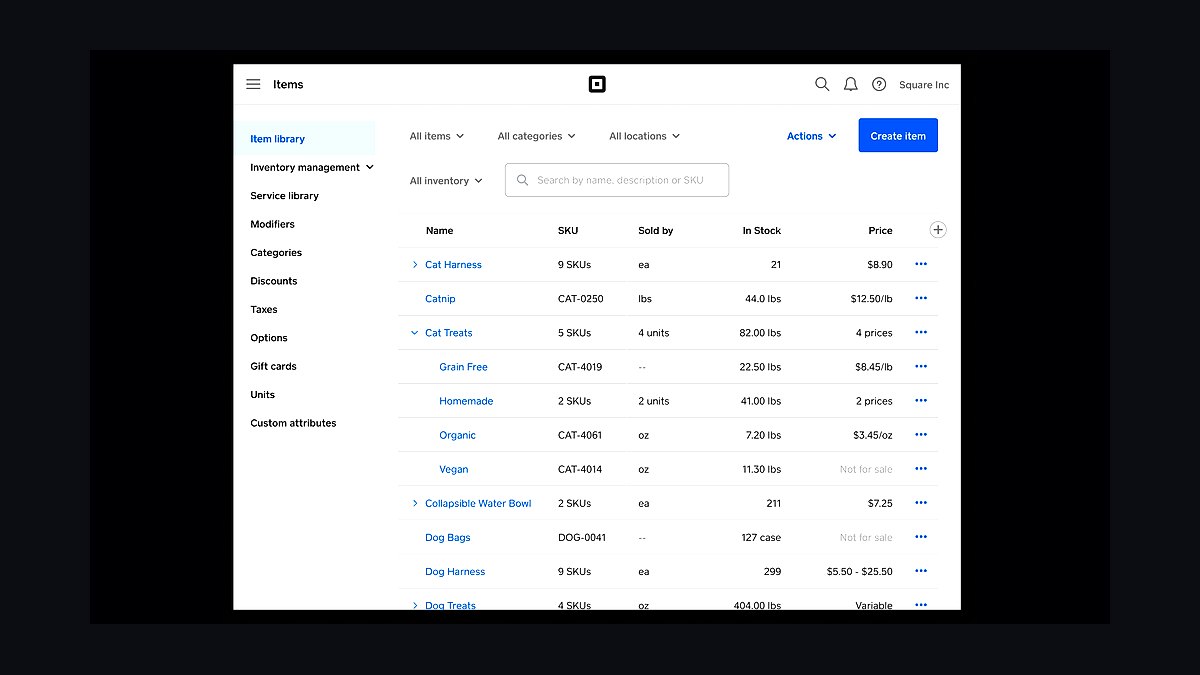
Square Retail POS Plus ranks fifth at $89/mo per location because it gives CrossFit boxes real item-level cost tracking, vendor purchase orders, low-stock alerts, and employee timecards for the apparel rack and supplement shelf. Card-present processing runs 2.5% + 10¢ on the Plus tier, so a $30 t-shirt nets roughly $11.50 after blank cost, print cost, and Square's cut. It turns inventory 4-6 times per year without manual counting.
This is for boxes with a retail shelf doing more than occasional t-shirt sales. It trades away integration simplicity, since you must reconcile Square inventory against QuickBooks monthly, and it is overkill for a box selling under $500/month in merchandise. Compared to the gym OS retail modules, Square wins on processing rate and inventory tools, which is why running retail through Wodify or PushPress is a documented margin leak.
6QuickBooks Online Plus
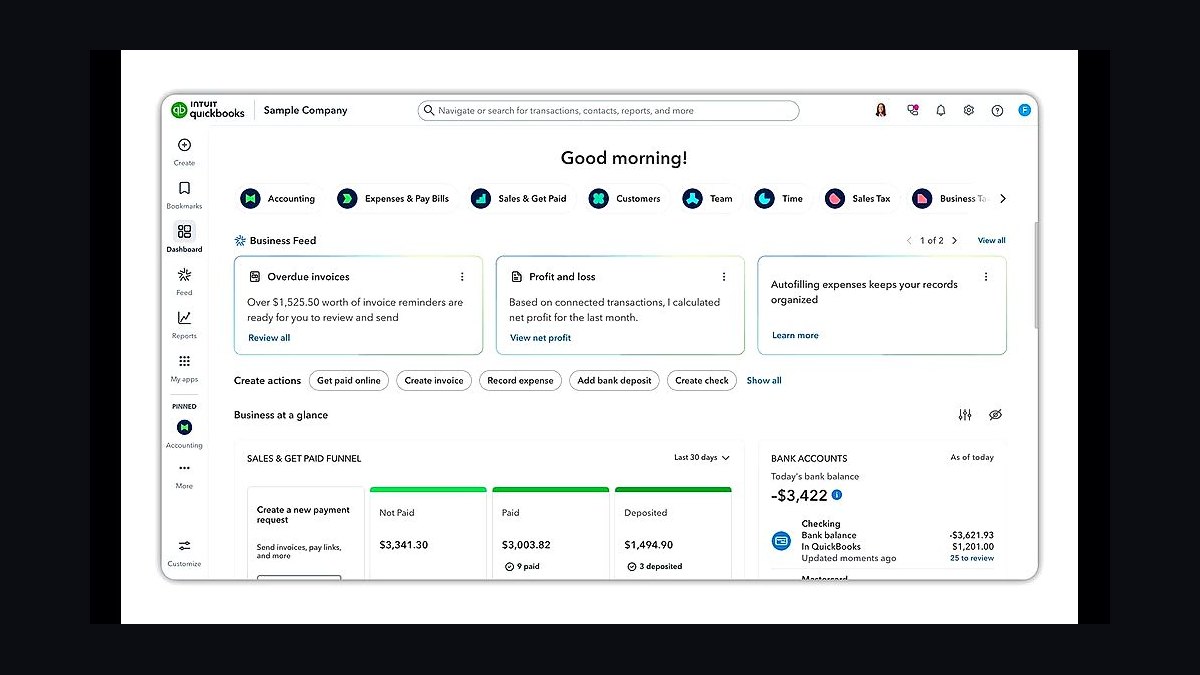
QuickBooks Online Plus ranks sixth at $99/mo because it supports class tracking for each revenue stream — memberships, drop-ins, retail, PT, and kids — plus inventory that mirrors Square and five users for bookkeeper access. It picks up the gym OS bank feed daily and classifies membership dues by type, and Square posts daily summary journal entries with COGS booked against inventory. It is the accounting backbone every box needs.
This is for owners who want clean books and a real monthly close instead of a spreadsheet. It trades away simplicity versus Simple Start at $35/mo, and the class-tracking setup takes an afternoon to configure properly. Compared to Gusto directly below it, QuickBooks handles the books while Gusto handles payroll, and the two sync so payroll journal entries post automatically.
7Gusto Plus
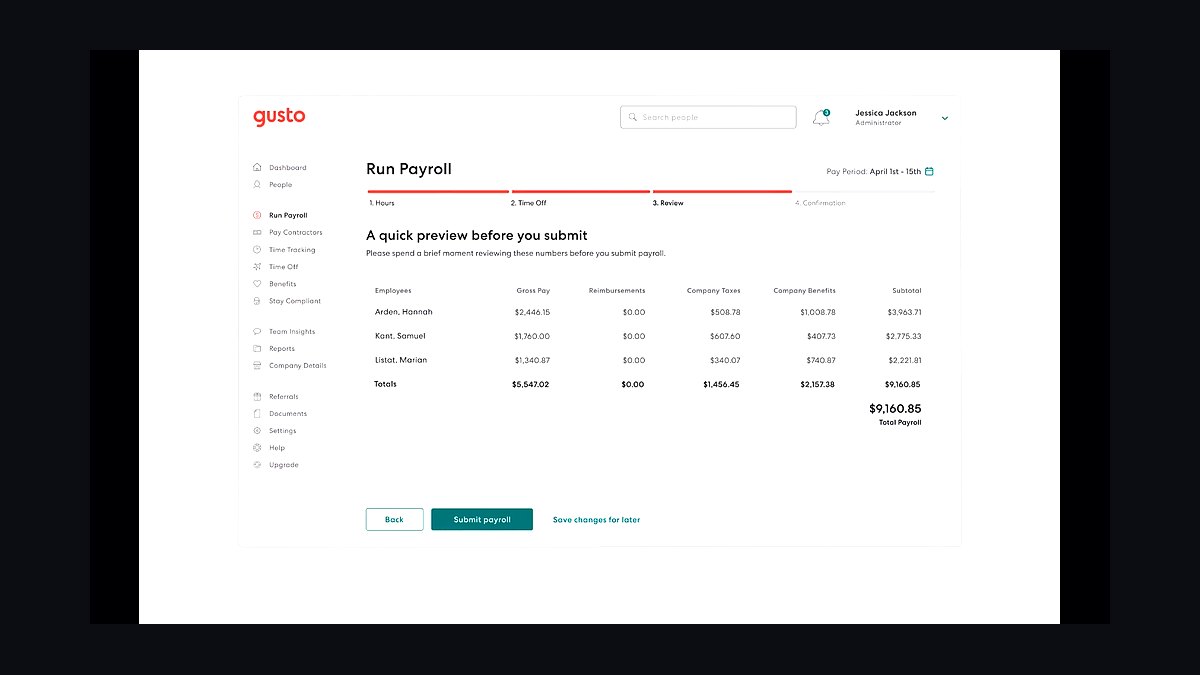
Gusto Plus ranks seventh at $80/mo plus $12/employee because most CrossFit coaches are W-2 part-time, and the IRS reclassification risk on calling them 1099 contractors is real — three boxes settled with state DOLs in 2025 for $28k to $140k. Gusto handles multi-state payroll, next-day direct deposit, time-off tracking, and workers' comp pay-as-you-go through NEXT Insurance. Sling timecards sync every Sunday night.
This is for any box paying coaches regularly and wanting to stay legal. It trades away the low cost of 1099 paperwork, which is exactly the point. Compared to QuickBooks Online Plus above it, Gusto is the payroll engine while QBO is the ledger, and the two integrate so payroll runs Monday and books itself.
8Mailchimp Standard

Mailchimp Standard ranks eighth at $20/mo for 1,500 contacts because the lifecycle automations matter more than broadcast blasts. The four sequences every box runs are trial-to-on-ramp, on-ramp-to-membership, at-risk-member triggered when attendance drops below 2x/week for two weeks, and win-back at 90/180/365 days post-cancel. The at-risk flow alone recovers 8-12% of would-be churn.
This is for boxes that want retention email without enterprise complexity. It trades away automation depth versus ActiveCampaign and advanced segmentation versus Klaviyo, which is overkill unless retail revenue exceeds $3k/month. Compared to Sling below it, Mailchimp handles member communication while Sling handles coach scheduling, and both feed off the gym OS.
9Sling
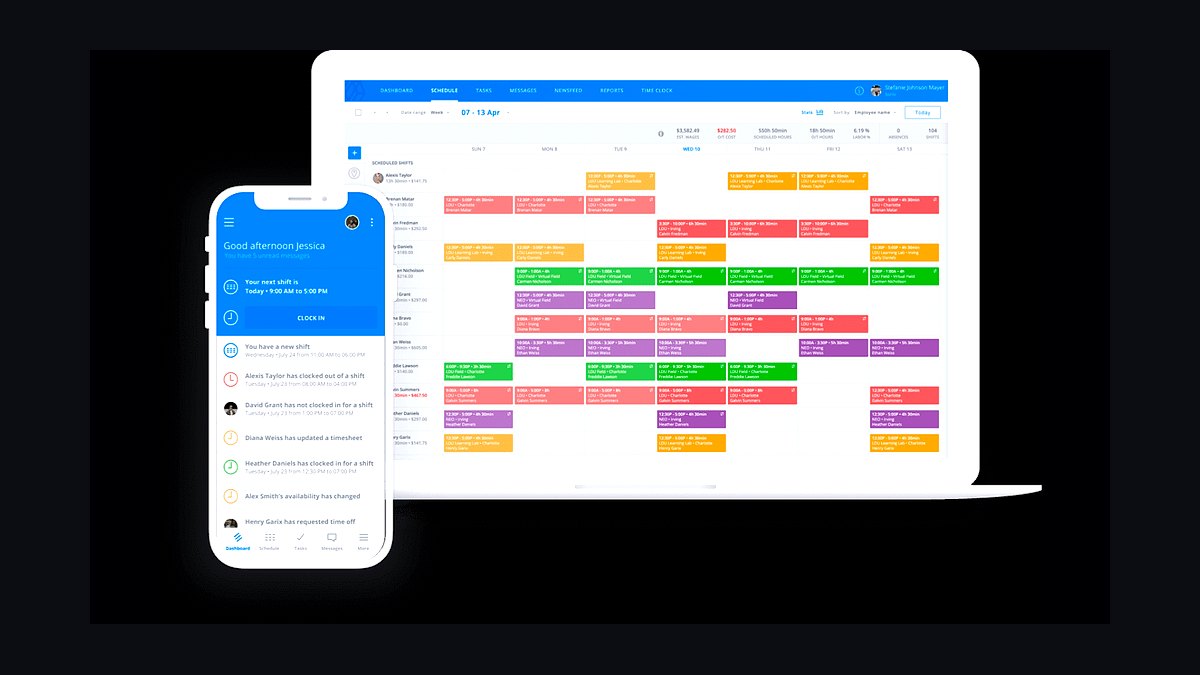
Sling ranks ninth at $2/user/mo for Premium because it handles shift swaps, labor cost forecasting against expected class headcount, and mobile clock-in from the gym floor. Wodify and PushPress both have coach-scheduling modules, but they are shallow and do not solve the 5am Slack trade thread. Sling pipes hours into Gusto so payroll stops being a Sunday-night chore.
This is for boxes with six or more coaches where shift coverage and labor cost tracking matter. It trades away being a full HR platform, and When I Work at $4/user/mo is the alternative if you need geofenced clock-in. Compared to Mailchimp Standard above it, Sling is an internal operations tool while Mailchimp is member-facing, and they solve completely different problems.
10Zen Planner Studio
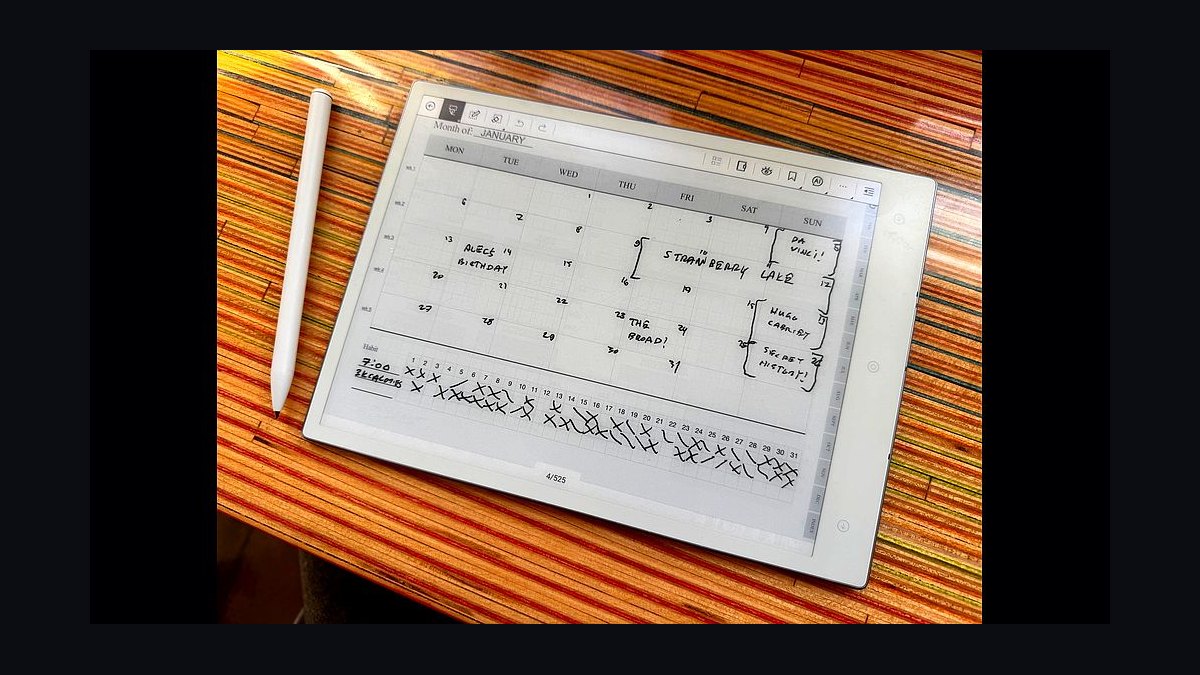
Zen Planner Studio ranks tenth at $99/mo base because it is the cheaper third gym-OS option behind PushPress and Wodify, handling memberships, scheduling, and billing at a lower entry price. The Engage tier runs $249/mo and the branded app adds $39/mo. It works for small boxes watching every dollar, but the user experience is showing its age compared to the 2027 leaders.
This is for brand-new affiliates under 50 members that need basic ops and cannot justify $159-$179/mo yet. It trades away CrossFit-native programming, whiteboard scoring, and the APN discount, so most boxes outgrow it fast. Compared to PushPress Core Pro at the top of this list, Zen Planner saves roughly $60/mo but gives up the processing-rate advantage and the workout-tracking integration that makes the modern stack work.
How we ranked these
We ranked each tool on five weighted criteria: monthly cost at a 150-member box (25%), depth of CrossFit-specific features like WOD tracking and leaderboards (25%), integration quality with QuickBooks, Gusto, and Square (20%), real operator adoption across named affiliates (15%), and payment-processing economics including effective rate on memberships and retail (15%). Scores came from published pricing pages, vendor documentation, and public case studies from boxes like Invictus, Mayhem, and Linchpin.
We deliberately ignored affiliate-marketing hype, conference-booth demos, and any vendor's own comparison pages, because those consistently overstate feature parity and hide processing-rate math. We also excluded enterprise pricing quotes we could not verify, white-label reseller programs, and tools with no public pricing. Generic studio platforms like Mindbody were scored only on CrossFit fit, not on their strength in yoga or pilates, which is where they actually excel.
What to look for
What matters most is the gym OS, because it owns billing, waivers, attendance, and the member app. PushPress Core Pro at $159/mo and Wodify Core at $179/mo are the two real choices; the $20 gap is noise next to migration cost. Check the effective processing rate, not the sticker price, since free tiers often carry 4.99% plus 30 cents versus 2.89% on paid plans.
The mistake most buyers make is stacking tools that duplicate each other, then paying twice for billing, retail, and scheduling. Run memberships only through the gym OS, retail only through Square, and payroll only through Gusto. The second mistake is skipping the at-risk-member report, which costs nothing to build and recovers 8-12% of would-be churn. Buy integration, not features.
Related questions
What is the best gym OS for a CrossFit box under 200 members in 2027?
PushPress Core Pro at $159/mo is the practical default for boxes under 200 members. CrossFit HQ named PushPress the official Affiliate Partner Network platform, the free tier genuinely runs a small box, and the 2022 SugarWOD acquisition closed the programming gap. Wodify Core at $179/mo remains stronger for boxes over 200 members or owners already migrated.
How much should a 150-member CrossFit box spend on software per month?
A 150-member box runs roughly $830 to $1,090 per month for the full stack: gym OS, workout tracking, Square Retail POS Plus, QuickBooks Online Plus, Gusto Plus, Mailchimp Standard, Sling, and a branded app. Add payment processing on top. The lean version, PushPress Free plus SugarWOD and Square Free, lands near $270 monthly but pays more in processing fees.
Do CrossFit boxes still need BTWB or SugarWOD if Wodify has performance tracking?
Boxes with competitive athletes targeting Quarterfinals or Semifinals still run a dedicated layer like BTWB or SugarWOD, because the analytics and leaderboards go deeper than Wodify Performance. General-fitness boxes without comp athletes can rely on the built-in Wodify module and skip the extra $149 to $267 per month. Decide based on whether your members actually chase the leaderboard.
Why is running retail through a gym OS a mistake?
Gym OS retail modules charge worse processing rates, roughly 2.89% or higher versus Square's 2.5% plus 10 cents, and they lack real inventory management, vendor purchase orders, and low-stock alerts. On a $30 t-shirt your margin is about $11.50 after blank and print cost. Square Retail POS Plus at $89/mo protects that margin and syncs cleanly to QuickBooks.
Can CrossFit coaches be paid as 1099 contractors?
Practically no. The IRS reclassification risk is real, and three known box settlements in 2024 and 2025 ranged from $28,000 to $140,000 in back taxes and penalties. Most coaches are W-2 part-time employees under schedule control. Use Gusto Plus from day one at $80/mo plus $12 per employee, and reclassify any existing 1099 coaches before an audit finds them.
What is the highest-ROI automation in a CrossFit box tech stack?
The at-risk-member alert. It is a saved report in PushPress or Wodify that triggers when attendance drops below twice per week for two weeks, piped into Mailchimp. Boxes that act on those alerts within 72 hours retain at 92% or higher annually; boxes that do not run 78% to 84%. It costs nothing to build and recovers 8% to 12% of would-be churn.
How should a CrossFit box price its kids program?
Price CrossFit Kids at $140 to $170 per month for a twice-weekly program in 2027. Most boxes undercharge at $80 to $110, which destroys margin because the coach-to-kid ratio is 1:6 versus 1:12 for adult classes. Give the kids program its own module, separate waivers, emergency contacts, and a distinct revenue class in QuickBooks Online Plus.
Is Mindbody a viable option for a CrossFit affiliate?
Technically yes, practically no. Mindbody is built for yoga and pilates studios and does not understand WOD scoring, whiteboards, leaderboards, or attendance-trend alerts. Pricing starts at $169/mo for Starter and reaches $489/mo for Ultimate, so you pay more to get less of what a box actually needs. You would save roughly $30/mo and lose 8% retention.
FAQ
What does a CrossFit box actually spend on software in 2027?
A 150-member box runs $830 to $1,090 per month for the full stack: gym OS, workout tracking, retail POS, accounting, payroll, email, and coach scheduling. A brand-new affiliate under 50 members can start near $270 monthly using free tiers. Multi-location groups at four or more sites typically land between $3,500 and $8,500 monthly across the group.
PushPress or Wodify: which should a new affiliate choose?
For boxes under 200 members starting in 2027, PushPress. The free tier is real, the CrossFit HQ Affiliate Partner Network discount stacks, and SugarWOD closed the programming gap. For boxes over 200 members or owners already on Wodify, stay put. The migration cost is not worth the $20 monthly difference, and Wodify's reporting depth still wins at scale.
Do I need a separate workout-tracking app if my gym OS includes one?
Only if you have competitive athletes. Boxes targeting Quarterfinals or Semifinals run BTWB or SugarWOD because the analytics, PR tracking, and leaderboards go deeper than built-in modules. General-fitness boxes without comp athletes can use Wodify Performance or PushPress's built-in tracking and save $149 to $267 per month. Match the tool to your member base.
What is the cheapest legal software stack for a CrossFit box?
PushPress Core Free at $0, SugarWOD at $149, Square POS Free at $0, QuickBooks Online Simple Start at $35, Gusto Simple at $49 plus $6 per coach, and Mailchimp Free under 500 contacts. That totals roughly $270 per month plus processing. It eats more in payment fees, but the floor is real and every tool is legitimate.
How do I avoid double-billing members when adding Square?
Run memberships exclusively through the gym OS and retail exclusively through Square. Never let Square process recurring dues, and never let the gym OS ring up a t-shirt. Square's QuickBooks integration posts a daily summary journal entry with COGS against inventory, while the gym OS posts membership revenue by type. Two clean streams, no overlap.
How often should I reconcile retail inventory against QuickBooks?
Monthly, on the first. Square's inventory and QuickBooks inventory will drift because of returns, damages, and miscounts at the register. A physical count on the 1st closes the loop, keeps COGS accurate, and catches shrinkage early. Boxes that skip this step typically discover a four-figure inventory gap at year-end that cannot be traced back to any single month.
What percentage of revenue should coach payroll represent?
Keep coach hours under 22% of monthly recurring revenue. Above that threshold, profitability collapses regardless of how good the software is. Audit the ratio in Sling against expected class headcount every month. If a 6am class averages four athletes with one coach, either consolidate the slot or raise the class cap before adding another coach.
How long does migrating a box to a new gym OS take?
Plan 30 days for foundation, 60 for integration, 90 for optimization. PushPress and Wodify both offer free white-glove migration for boxes under 500 members, including roster, billing, and waiver history. Run a dummy class for a week to debug booking before going live. Rushing the migration is how boxes lose a month of dues to failed card charges.
Does CrossFit HQ offer software discounts to affiliates?
Yes. CrossFit HQ formalized the Affiliate Partner Network in 2024, and PushPress is the named platform. New affiliates get a discount through the APN, and the partnership covers SugarWOD integration. Check the CrossFit APN tech directory for the current list of approved vendors and discount terms before signing any annual contract directly with a vendor.
What is the biggest hidden cost in a CrossFit box tech stack?
Payment processing. PushPress Core Free charges 4.99% plus 30 cents on memberships, which costs a 150-member box at $190 per month roughly $510 monthly in extra fees versus the Pro tier's 2.89%. Paying $159 for Core Pro saves over $350 per month. Always calculate the effective processing rate, not the subscription sticker price, before choosing a tier.
Sources
- https://www.pushpress.com/products/core
- https://www.wodify.com/pricing
- https://squareup.com/us/en/point-of-sale/retail/pricing
- https://quickbooks.intuit.com/online/pricing/
- https://gusto.com/product/pricing
- https://mailchimp.com/pricing/marketing/
- https://www.getapp.fr/software/105033/sling
- https://oauth.btwb.com/individual
- https://www.crossfit.com/affiliate
Related on PULSE
This page will be disappearing soon. Save it to your device for $1 — or read it free while it is here.
@Kory-White- · if Venmo asks, the last 4 of my number are 2012
This page is gone.
This one is off the shelf now. $1 keeps it on your phone for good — the whole page, pictures and diagrams included.
 pulse-tech-stacksTop 10 Best Tech Stack Tools for Email Security Vendors in 2027
 pulse-tech-stacksTop 10 Best Tech Stack Tools for Independent Wholesale Distribution Businesses in 2027
 pulse-tech-stacksTop 10 Best Tech Stack Tools for HOA and Community Association Management Companies in 2027
 pulse-tech-stacksTop 10 Best Tech Stack Tools for Vulnerability Management Software Vendors in 2027
 pulse-tech-stacksTop 10 Best Tech Stack Tools for Health Clubs and Gyms in 2027
 pulse-tech-stacksTop 10 Best Tech Stack Tools for Drywall Contractors in 2027
 pulse-tech-stacksTop 10 Best Tech Stack Tools for Bars and Pubs in 2027
 pulse-tech-stacksTop 10 Best Tech Stack Tools for Independent Dance Studios in 2027
 pulse-tech-stacksTop 10 Best Tech Stack Tools for Fine-Tuning Platform Companies in 2027
 pulse-tech-stacksTop 10 Best Tech Stack Tools for Orthodontic Practices in 2027