
The K-12 School District EdTech Stack in 2027
 Curated byKory White · Fractional CRO · Maryland
 PULSEKNOWLEDGE LIBRARY
Quality
Certified
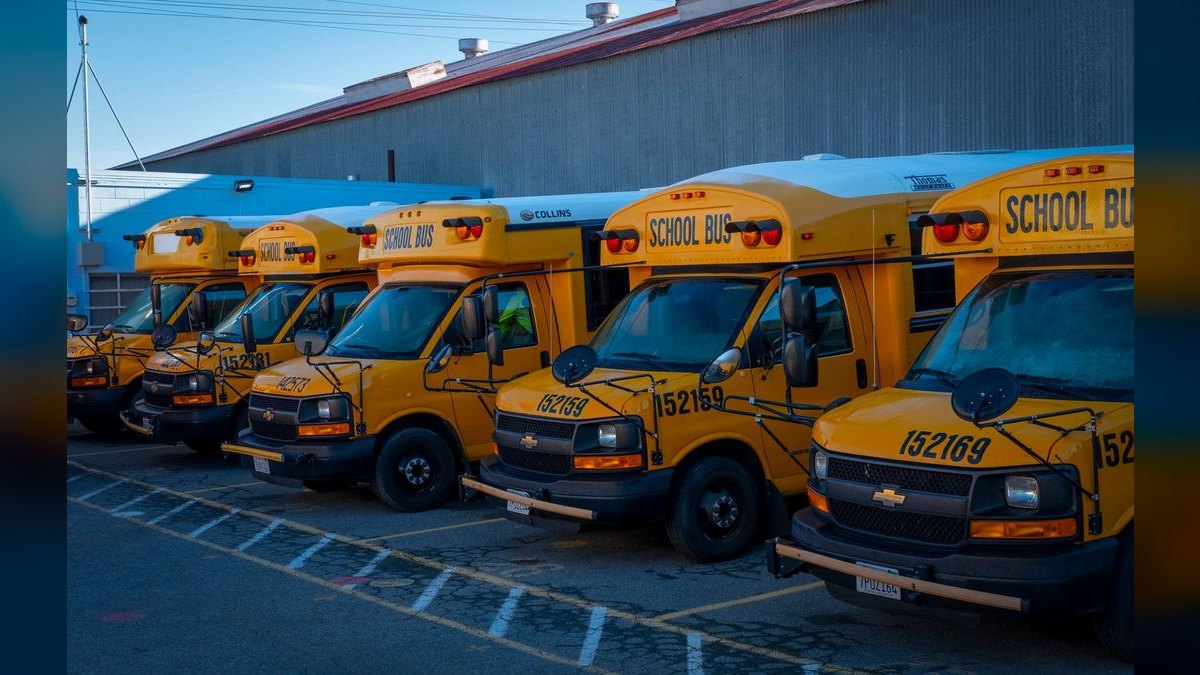
By 2027, the K-12 school district EdTech stack has been fundamentally reorganized around AI-driven procurement and vendor consolidation, compressing the average sales cycle from 18 months to 9–12 months. Buying committees now include CFOs, IT security directors, and curriculum specialists who demand ROI proof based on student outcomes data, not just feature lists. The stack is no longer a collection of point solutions but a three-layer architecture: a core SIS/ERP, a middleware data layer, and an AI orchestration layer that connects instruction, assessment, and operations. RevOps teams must now manage longer virtual evaluation cycles and automated compliance checks as gatekeeping steps, with the key metric shifting from "seats sold" to "active usage plus outcome lift."
The 2027 K-12 EdTech landscape represents a fundamental restructuring of how schools buy, implement, and measure technology. For RevOps professionals, this means understanding a new buying committee structure, a compressed but more rigorous sales cycle, and a technology stack that prioritizes integration and compliance. The days of selling point solutions to individual teachers are over—now, every deal involves multiple stakeholders, mandatory pilot programs, and automated compliance checks that can make or break a six-figure contract.
What are the three layers of the 2027 K-12 EdTech stack?
The 2027 stack is not a flat list of tools but a structured system with distinct layers that work together to create a cohesive technology ecosystem. Understanding these layers is critical for RevOps teams because each layer introduces new stakeholders, integration requirements, and compliance hurdles.
Layer 1: Core SIS/ERP (Student Information System, Enterprise Resource Planning) is dominated by PowerSchool and Infinite Campus. These systems now embed AI for predictive analytics—identifying at-risk students, forecasting enrollment, and automating state reporting. The SIS is the source of truth for student counts, which drive per-pupil funding, meaning any EdTech tool must integrate with the SIS to prove usage-based ROI. For RevOps, this means your Salesforce Opportunity must include a field for "SIS Integration Status" because deals can stall if the district's IT team cannot verify seamless data flow.
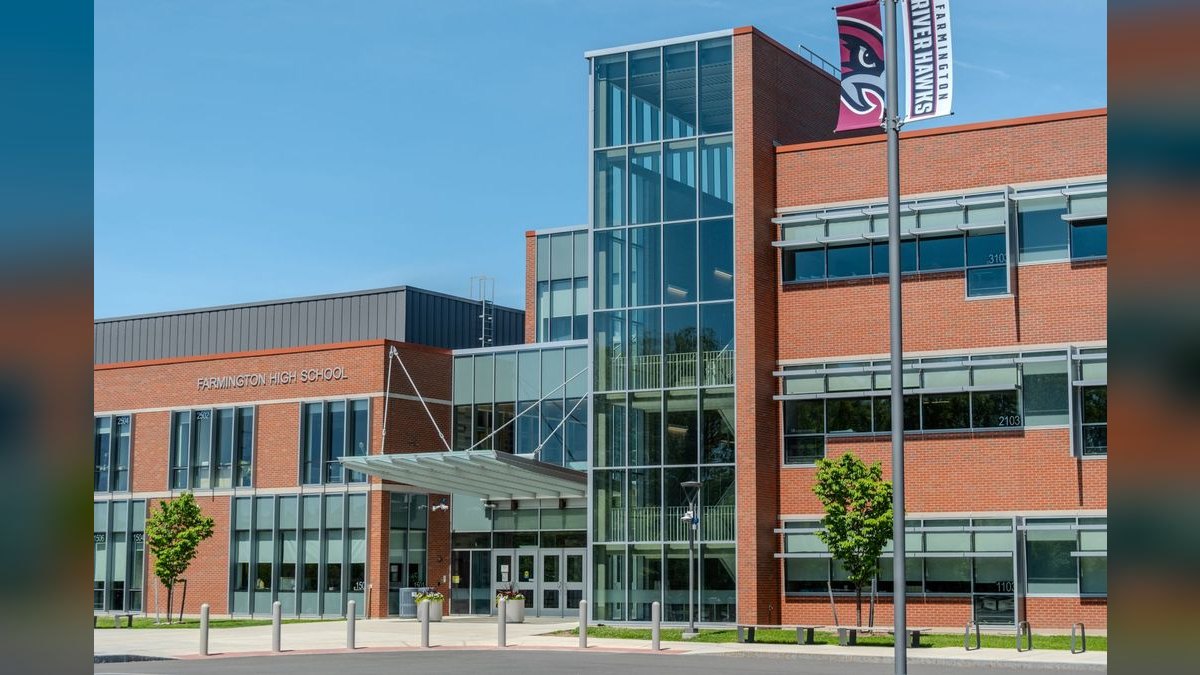
Layer 2: Middleware Data Layer includes Clever and ClassLink, which act as identity providers and data routers. By 2027, a majority of districts use a single sign-on platform, and this layer handles rostering, data privacy compliance (automated FERPA checks), and API orchestration. A deal can be blocked if the vendor lacks a Clever or ClassLink integration, so sales teams must demo this integration during the first meeting. RevOps should create a checklist in Salesforce that requires proof of integration before moving to the "Pilot" stage.
Layer 3: AI Orchestration Layer features Khanmigo, Google Gemini for Education, and Microsoft Copilot for Education as the marquee tools. These systems generate lesson plans, grade assignments, and provide real-time intervention for students. The AI layer creates a new buying committee member—the Data Privacy Officer (DPO)—who audits AI model training data and output bias. A deal can stall for months if DPO approval is missing, so RevOps teams should add a "DPO Approval" field to their pipeline stages.

How has the K-12 buying committee expanded by 2027?
The buying committee has expanded from 3–5 people to 7–10 stakeholders, each with specific gatekeeping power that RevOps teams must navigate. The CFO now has veto power over any deal over $50,000, and the IT Director blocks any tool without Clever or ClassLink integration. The Curriculum Director drives pilot selection based on alignment to state standards, while the Data Privacy Officer must sign off on AI tools before they can be implemented. Teacher representatives can veto a deal after the pilot if they find the tool difficult to use or if it does not save them time.
For RevOps teams, this means using MEDDPICC (Metrics, Economic Buyer, Decision Criteria, Decision Process, Paper Process, Identify Pain, Champion, Competition) to map this committee. The "Identify Pain" step must include a quantified workload metric—for example, "Teachers spend 4 hours per week on grading; our tool reduces that to 1 hour." Gong call transcripts should be analyzed for mentions of each stakeholder's priorities, and Salesforce Opportunity stages should include a "Committee Mapping" field that tracks which stakeholders have been engaged.

What does the 2027 K-12 EdTech sales cycle look like?
The 2027 sales cycle is shorter but more intense, compressing from 18 months to 9–12 months through AI-powered automation and mandatory pilot programs. The cycle begins with the district issuing an RFP, which is then scanned by AI for keywords. If there is a match, the vendor submits an automated response, followed by a virtual demo to the buying committee. If the pilot is approved, a 6-week pilot runs with three schools, and outcome data must meet a threshold for the deal to proceed to contract negotiation.
Key changes from 2024 include AI RFP scanning, which means vendors must have structured product data in their CRM. Salesforce must tag each product with state-specific standards, such as "Texas TEKS aligned." Virtual demos are now 45–60 minutes and must include a live integration test with the district's Clever or ClassLink instance. Pilot outcomes are measured by pre- and post-assessment scores or teacher time logs—a tool that claims to improve engagement must show a measurable lift in NWEA MAP or i-Ready scores.
What is the RevOps tech stack for K-12 in 2027?
RevOps teams managing K-12 sales need a specialized toolset that can handle the unique compliance and pilot requirements of the education sector. The CRM of choice is Salesforce Education Cloud, which includes custom objects for "District," "School," "Pilot," and "Compliance Check." Gong is used for revenue intelligence, set to auto-transcribe and flag compliance mentions like "FERPA," "COPPA," and "data residency." Clari handles forecasting with a "Pilot Probability" field that reduces deal weight by 30% until outcome data is uploaded.

Contracting is managed through Ironclad or DocuSign CLM, which include templates for state-specific privacy addendums. Data integration is handled by Workato or MuleSoft, connecting the CRM to the district's SIS for real-time usage data. For example, a deal for Khanmigo enters Salesforce, Gong detects the prospect says "We need a data processing agreement for Texas," and the system auto-creates a task for legal. Clari then reduces the forecast from $150,000 to $105,000 (a 30% discount) until the DPA is signed.
How does AI impact the K-12 EdTech funnel from lead scoring to renewal?
AI has penetrated every stage of the K-12 funnel, from lead scoring to renewal, creating new automation opportunities and requiring new compliance checks. Lead scoring models are trained on district demographics, including Title I status, size, prior tech adoption, and grant cycles. Sentiment analysis on demo calls via Gong flags phrases like "budget freeze" or "we already have something," automatically moving these deals to a "Stalled" stage with a 10% probability.

AI usage tracking via Clever or ClassLink analytics triggers renewal workflows. If a district's active users drop below 70%, a customer success manager is alerted within 24 hours. This automation ensures that renewals happen proactively rather than reactively, which is critical because K-12 contracts often have long lead times for renewal decisions.
How does compliance act as a gatekeeper in 2027 K-12 EdTech sales?
In 2027, compliance is not a checkbox—it is a sales stage. Districts use automated tools like DataGuard or OneTrust to scan vendor contracts for FERPA and COPPA violations, and a single missing clause can kill a $500,000 deal. Every Salesforce Opportunity must have a Compliance Status field (Green, Yellow, or Red), and Gong transcripts must be scanned for phrases like "we store data on AWS"—if the district requires in-state data residency, that is a blocker.
Ironclad auto-generates a Data Processing Agreement (DPA) for each state, with California, Texas, and New York having unique requirements. RevOps teams must ensure that their contract templates are pre-approved by legal for each state where they sell. The compliance stage can add 2–3 months to the sales cycle if not managed properly, so it should be tracked as a distinct pipeline stage with its own probability weight.
FAQ
How has the K-12 buying committee changed by 2027? The committee has grown from 3–5 to 7–10 members, including a Data Privacy Officer and teacher representatives. The CFO now has veto power over deals over $50,000, and the IT Director blocks any tool without Clever or ClassLink integration.
What is the average sales cycle for K-12 EdTech in 2027? 9–12 months, down from 18 months in 2024. The compression is driven by AI-powered RFP scanning and mandatory 6-week pilots with quantified outcome data.
Which tools are mandatory in the 2027 K-12 RevOps stack? Salesforce Education Cloud (CRM), Gong (revenue intelligence), Clari (forecasting), Ironclad (contracting), and Workato (data integration). Without these, you cannot manage the compliance and pilot stages.
How do districts measure ROI for EdTech purchases in 2027? They require a measurable lift in standardized test scores (NWEA MAP, i-Ready) or a reduction in teacher workload (measured via time logs). "Engagement" is not a valid metric.
What happens if a vendor fails the pilot stage? The deal either exits or enters an extended 12-week pilot. Clari automatically reduces the forecast probability to 10% until outcome data meets the threshold.
Is AI adoption mandatory for K-12 vendors in 2027? Yes. Most RFPs now include a section on "AI capabilities." Vendors without an AI layer (e.g., Khanmigo, Gemini) are automatically disqualified unless they partner with a platform giant.
How do compliance checks affect the 2027 sales cycle? Compliance is a distinct sales stage that can add 2–3 months to the cycle. Districts use automated tools like DataGuard to scan contracts, and a single missing clause can kill a deal.
What is the competitive landscape for K-12 EdTech in 2027? The market is dominated by three platform giants: PowerSchool, Google for Education, and Microsoft Education. Niche leaders like Khan Academy and Newsela survive by being best-in-class and integrating deeply with these platforms.
Sources
- PowerSchool: Unified Administration Platform
- Infinite Campus: Student Information System
- Clever: Secure Student Data Platform
- ClassLink: Single Sign-On and Rostering
- Khan Academy: Khanmigo AI Tutor
- Google for Education: Gemini AI Tools
- Microsoft Education: Copilot for Education
- Salesforce Education Cloud
- Gong: Revenue Intelligence Platform
- Clari: Revenue Forecasting
- Ironclad: Contract Management
- DocuSign CLM: Contract Lifecycle Management
- Workato: Integration Platform
- MuleSoft: Integration Platform
- OneTrust: Privacy Management Software
- EdSurge: K-12 EdTech News
- District Administration: K-12 Leadership
- NWEA MAP Growth Assessment
- i-Ready Assessment from Curriculum Associates
Related on PULSE
- [What is the best tech stack for a K-12 private school in 2027?](/knowledge/tk0041)
- [What is the best tech stack for a trade or vocational school in 2027?](/knowledge/tk0042)
- [The Essential MERN Stack Architecture for Real-Time EdTech Platforms](/knowledge/tk0356)
- [Tech Stack for After-School Programs in 2027](/knowledge/tk0298)
- [What is the best tech stack for a martial arts school in 2027?](/knowledge/tk0184)
- [What is the best tech stack for a driving school in 2027?](/knowledge/tk0186)
This page will be disappearing soon. Save it to your device for $1 — or read it free while it is here.
@Kory-White- · if Venmo asks, the last 4 of my number are 2012
 pulse-tech-stacksThe MLOps and Model Deployment Stack in 2027
 pulse-tech-stacksWhat are the most common mistakes in Tech Stacks in 2027?
 pulse-tech-stacksThe Restaurant Operations Tech Stack: POS, Inventory, and Delivery in 2027
 pulse-tech-stacksTop 10 Tech Stacks strategies for 2027
 pulse-tech-stacksThe Multimodal Search Stack for Legal Document Discovery in 2027
 pulse-tech-stacksThe Self-Healing Data Stack for Fintech Compliance in 2027
 pulse-tech-stacksThe Field Service Management Stack for HVAC and Plumbing in 2027
 pulse-tech-stacksHow much does Tech Stacks cost in 2027?
 pulse-tech-stacksThe AI-Augmented Low-Code Stack for Nonprofit Operations in 2027
 pulse-tech-stacksThe Product Analytics and Experimentation Stack in 2027