
The On-Device Inference Stack for Wearable Health Monitors in 2027
 Curated byKory White · Fractional CRO · Maryland
 PULSEKNOWLEDGE LIBRARY
Quality
Certified
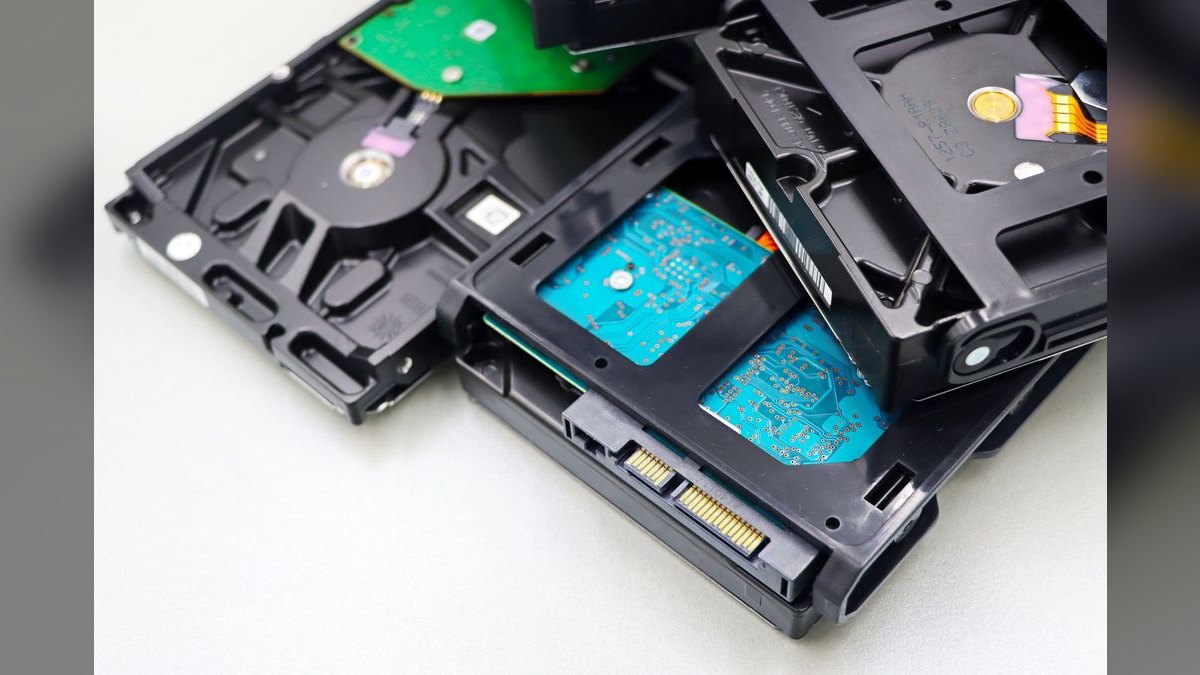
By 2027, the on-device inference stack for wearable health monitors has become a critical RevOps battleground, fundamentally shifting how buyers evaluate and purchase health technology. This stack—comprising AI model compression tools, edge silicon, and secure runtimes—enables wearable devices to perform real-time health analytics like ECG arrhythmia detection and fall-risk scoring without cloud connectivity, slashing latency to under 10ms and reducing data egress costs by 60–80%. For RevOps leaders, this transformation reshapes the buying committee from IT procurement to clinical informaticists and data privacy officers, lengthens sales cycles to 9–14 months, and demands vendor consolidation around a single inference SDK. Success now requires explicit proof of on-device model accuracy parity with cloud models and a comprehensive data sovereignty compliance map for HIPAA and GDPR regulations.
The on-device inference stack for wearable health monitors represents a paradigm shift in how health data is processed, moving computation from centralized cloud servers to the edge devices themselves. This evolution is not merely a technical upgrade but a fundamental restructuring of the revenue operations landscape, affecting everything from product pricing to sales qualification criteria. As wearable health monitors become more sophisticated, generating hundreds of megabytes of sensor data daily, the economic and regulatory pressures to process this data locally have become overwhelming. RevOps teams must now navigate a complex ecosystem of hardware vendors, software platforms, and regulatory requirements, all while managing extended sales cycles and diverse buying committees.
What are the core layers of the on-device inference stack for wearable health monitors?
The on-device inference stack comprises four distinct layers, each with its own vendor landscape and operational considerations. The sensor fusion and digital signal processing layer forms the foundation, where hardware components like Bosch Sensortec BMI270 inertial measurement units and ams OSRAM AS7058 photoplethysmography sensors capture raw physiological data. RevOps teams should note that buying committees increasingly demand a single software development kit that fuses accelerometer, gyroscope, PPG, and ECG data on-chip before inference, reducing data volume by up to 90% before it reaches the machine learning model. STMicroelectronics and Infineon are winning deals by bundling this SDK with their microcontrollers, creating a vendor lock-in that RevOps must account for in contract negotiations.

The model compression and deployment layer represents the most critical vendor decision point. Edge Impulse has emerged as the dominant player with significant market share, offering tools that can compress a 5MB cloud model to under 200KB with minimal accuracy loss. This compression is essential for flash-constrained microcontrollers, and failing to prove this capability during the sales process can kill the deal. The on-device machine learning runtime and inference engine layer introduces additional complexity, with TensorFlow Lite Micro, ONNX Runtime for Embedded, and Qualcomm AI Engine Direct competing for dominance. Vendor consolidation is brutal in this space, and using multiple runtimes creates security surface area risks that buying committees flag immediately.
The secure enclave and model update pipeline layer completes the stack, addressing the critical requirement for secure model updates without exposing raw patient data. This layer enables federated learning approaches that allow model improvements without uploading sensitive data to the cloud, creating a recurring revenue opportunity through model update subscriptions. RevOps must model this as a premium tier offering, with each model update representing a potential $2.99/month add-on for consumers or a significant line item in enterprise contracts.
How does the buying committee change for on-device inference deals?
The buying committee for on-device inference stacks differs dramatically from traditional cloud-based health AI deals, introducing new personas with veto power. Clinical informaticists now sit at the table, demanding to see positive predictive value and negative predictive value comparisons between on-device and cloud models. They require a confusion matrix from your validation study, and failing to provide this in the first meeting can stall the deal indefinitely. Data privacy officers have become mandatory participants, demanding a data flow diagram that proves zero raw patient data leaves the device. HIPAA Business Associate Agreements are non-negotiable, and any ambiguity about data sovereignty will kill the deal.
The vice president of product brings a different set of requirements, asking whether the team can A/B test on-device versus cloud inference without requiring a firmware over-the-air update. Edge Impulse's Shadow Mode solves this problem, but not all vendors offer this capability. The vice president of engineering wants to see a CI/CD pipeline for model updates, with GitHub Actions and MLflow integration being table stakes. Procurement pushes for vendor consolidation, preferring a single vendor like Edge Impulse combined with Ambiq over four separate contracts. The chief information security officer requires secure boot and attestation for the inference engine, making Arm TrustZone or NXP EdgeLock must-haves.
Sales cycles for these deals have extended to 9–14 months per Gong Labs analysis, and the Challenger Sale approach works best. RevOps teams must teach the data privacy officer and vice president of engineering that cloud-only inference will fail EU AI Act audits by 2028, creating urgency around the on-device solution. This educational approach positions your solution as essential for future compliance rather than just a technical upgrade.
What role does model compression play in the sales process?
Model compression has become a deal-breaking qualification criterion in the on-device inference stack sales process. The core requirement is achieving model sizes under 256KB for flash-constrained microcontrollers, with Edge Impulse's EON Tuner capable of compressing a 5MB cloud model to 180KB with only a 1.5% accuracy loss. This compression must maintain accuracy parity with cloud models within 2–3% F1 score, and failing to prove this during the proof of concept stage will kill the deal. RevOps teams must ensure their solution engineers can demonstrate this compression capability in the first technical demo, not after weeks of evaluation.
The compression pipeline involves quantization, pruning, and knowledge distillation techniques that transform 32-bit float cloud models into 8-bit integer models suitable for edge deployment. This process creates a twin model that runs on-device while maintaining clinical validity. SensiML and Qeexo offer automated compression tools, but the effort typically costs $50,000 to $150,000 as a one-time professional services fee. RevOps must price this compression effort into the deal structure, either as a separate line item or embedded in the annual subscription fee. Enterprise buyers expect to see this cost justified by the long-term savings in cloud data egress fees.
How should RevOps teams price the on-device inference stack?
Pricing the on-device inference stack requires a bifurcated approach that separates enterprise and consumer markets. For enterprise buyers like hospitals and clinical trial organizations, the preferred model is an annual subscription per device ranging from $5 to $15 per device per month, plus a model deployment fee of $20,000 to $100,000. This pricing structure aligns with the enterprise procurement cycle and allows for predictable budgeting. Consumer wearable OEMs prefer a per-unit royalty structure of $0.50 to $2.00 per device, combined with a premium tier subscription for end users, such as $2.99 per month for on-device AFib detection.
Bessemer Venture Partners 2027 cloud-edge pricing benchmarks indicate that on-device margins are 20–30% higher than cloud-only solutions because data egress costs vanish. This margin improvement should be a key selling point in procurement negotiations. RevOps teams must also model the recurring revenue stream from model updates, which can be sold as health insight upgrades for a monthly fee. Each model update represents an opportunity to generate additional revenue without requiring new hardware sales, creating a predictable recurring revenue stream that investors value highly.
The vendor consolidation trend creates pricing leverage for buyers who commit to a single stack. Offering volume discounts for multi-year commitments that include both the inference SDK and the hardware platform can accelerate deal closure. However, RevOps must be careful not to discount too aggressively, as the switching costs for buyers are high once they integrate your stack into their firmware development pipeline.

What are the key regulatory considerations for on-device inference deals?
Regulatory compliance has become the primary deal driver for on-device inference stacks in wearable health monitors. The EU AI Act and FDA's updated SaMD guidance mandate that high-risk health algorithms run inference with a documented offline fallback, making cloud-only models fail audit. This regulatory pressure creates urgency for buyers who might otherwise delay their on-device migration. The data privacy officer on the buying committee will demand a comprehensive data flow diagram showing that zero raw patient data leaves the device, along with a signed HIPAA Business Associate Agreement.
FDA Class II clearance for the device adds another layer of complexity, requiring a secure enclave and audit trail for model updates. The secure boot and attestation requirements mean that Arm TrustZone or NXP EdgeLock are non-negotiable components. RevOps teams must ensure their solution engineers can produce the documentation required for FDA submissions, including model validation studies and accuracy parity reports. The cost of this regulatory work should be factored into the deal price, as it can add $100,000 to $500,000 to the implementation cost.
The EU AI Act's risk classification system means that health monitoring algorithms are likely categorized as high-risk, requiring conformity assessments and ongoing monitoring. RevOps teams must help buyers understand that on-device inference is not just a technical choice but a regulatory necessity. This educational approach positions your solution as essential for market access rather than just a cost-saving measure.

How does the sales process flow from lead to closed-won?
The sales process for on-device inference stacks follows a structured flow that begins with MEDDPICC qualification and progresses through technical demonstration, proof of concept, and buying committee meetings. The qualification stage is critical, as deals that lack clear data sovereignty requirements or FDA classification clarity will stall later. Leads with fewer than 50,000 units per year should be routed to inside sales with a starter offering, while larger opportunities require field sales with dedicated solutions engineers.
The proof of concept stage typically involves a 30-day trial with 100 devices, during which the solution engineer must demonstrate accuracy parity within 3% F1 drop. If this cannot be achieved, the deal returns to the optimization stage with tools like EON Tuner. The buying committee meeting must include the data privacy officer, vice president of engineering, and clinical informaticist, and the proposal should include both the annual contract and a revenue share from premium tier subscriptions. Legal review involves the Business Associate Agreement and service level agreements for model update latency, and successful deals close as three-year contracts with annual uplift clauses.
Related questions
What is the minimum model size required for on-device inference on a Cortex-M4 wearable?
A Cortex-M4 with 256KB flash and 64KB SRAM can run models up to 200KB using 8-bit quantization and pruning, with Edge Impulse's EON Tuner compressing a ResNet-18 for ECG classification from 44MB to 192KB with only 1.8% accuracy drop.
Can the same ML model be used for both on-device and cloud inference?
Technically yes, but practically no, as cloud models use 32-bit float precision and are 10–100x larger, requiring a model compression pipeline to create a twin model for on-device deployment.
What are the biggest vendor consolidation risks in the on-device inference stack in 2027?
Key risks include Arm's acquisition of Mbed OS creating a single point of failure for runtime, Google's NNAPI potentially deprecating TensorFlow Lite Micro on Android Wear, and Apple's closed Secure Enclave locking you into Core ML for Apple Watch.
How does the buying committee differ from a cloud-based health AI deal?
The data privacy officer and clinical informaticist replace the cloud architect and IT ops lead, with data flow diagrams and accuracy parity reports required in the first meeting or the deal stalls.
What pricing model works best for enterprise versus consumer wearable health deals?
Enterprise deals use annual subscriptions of $5–$15 per device per month plus deployment fees, while consumer deals use per-unit royalties of $0.50–$2.00 plus premium tier subscriptions for end users.
FAQ
What is the on-device inference stack for wearable health monitors in 2027? The on-device inference stack is a technology architecture that enables wearable health monitors to run machine learning algorithms locally on the device, processing sensor data like ECG and PPG signals without sending raw data to the cloud for analysis.
Why is on-device inference important for wearable health monitors? On-device inference reduces latency to under 10ms for real-time health alerts, cuts data egress costs by 60–80%, and ensures compliance with regulations like HIPAA and the EU AI Act that restrict sending patient data to third-party clouds.
Which vendors dominate the on-device inference stack market in 2027? Edge Impulse leads the model compression layer with significant market share, while Ambiq Apollo4 and Nordic nRF54 dominate the edge silicon layer, and TensorFlow Lite Micro and Qualcomm AI Engine Direct compete for the runtime layer.
How long does it take to close an on-device inference stack deal? Sales cycles range from 9 to 14 months according to Gong Labs analysis, driven by the complex buying committee that includes clinical informaticists, data privacy officers, and vice presidents of product and engineering.
What is model accuracy parity and why does it matter? Model accuracy parity means the on-device model achieves F1 scores within 2–3% of the cloud model, and proving this during the sales process is essential because buying committees will reject solutions that cannot demonstrate equivalent clinical performance.
How does vendor consolidation affect on-device inference stack deals? Buying committees prefer a single vendor for the entire stack to reduce security surface area and simplify procurement, making vendors that offer both the inference SDK and hardware platform more likely to win deals.
What are the key regulatory requirements for on-device inference in healthcare? The EU AI Act and FDA SaMD guidance require high-risk health algorithms to have an offline fallback, secure enclaves for model updates, and documented data flow diagrams proving no raw patient data leaves the device.
How can RevOps teams accelerate on-device inference stack sales cycles? Using the Challenger Sale approach to educate buyers that cloud-only inference will fail future regulatory audits, and ensuring the first technical demo includes model compression and accuracy parity demonstrations.
Sources
- Gartner Market Guide for Edge AI Inference on Wearables
- Forrester Wave Edge AI Platforms for IoT Q1 2027
- McKinsey Value of On-Device AI in Healthcare Wearables
- Gong Labs Edge AI Deal Analysis Buying Committee Dynamics
- Edge Impulse Blog EON Tuner Compression for Cortex-M4
- Bessemer Venture Partners Cloud-Edge Pricing Benchmarks
- SensiML On-Device Inference for Medical Wearables Guide
- Qualcomm AI Engine Direct for Wearables Documentation
- FDA SaMD Guidance Update for Edge AI
- EU AI Act Compliance Requirements for Health Algorithms
Related on PULSE
- [What is the best tech stack for a mental or behavioral health practice in 2027?](/knowledge/tk0035)
- [What is the best tech stack for a home health or hospice agency in 2027?](/knowledge/tk0034)
- [What is the best tech stack for a hospital or health system in 2027?](/knowledge/tk0032)
- [The Customer Success Tech Stack: Health Scores, Renewals, and Onboarding in 2027](/knowledge/tk0475)
- [Recommended Tech Stack for Building a HIPAA-Compliant Health App](/knowledge/tk0453)
- [The .NET MAUI and Azure Stack for Cross-Platform Medical Device Interfaces](/knowledge/tk0384)
This page will be disappearing soon. Save it to your device for $1 — or read it free while it is here.
@Kory-White- · if Venmo asks, the last 4 of my number are 2012
 pulse-tech-stacksFull-Stack JavaScript Tools for Solo Freelance Web Developers
 pulse-tech-stacksThe Data Engineering Stack: Ingestion, Transformation, and Orchestration in 2027
 pulse-tech-stacksThe B2B Demand Generation Stack in 2027
 pulse-tech-stacksThe Multimodal Search Stack for Legal Document Discovery in 2027
 pulse-tech-stacksThe Series B Scale-Up GTM Stack in 2027
 pulse-tech-stacksWhat are the most common mistakes in Tech Stacks in 2027?
 pulse-tech-stacksThe Rust-First Microcontroller Stack for Automotive IoT in 2027
 pulse-tech-stacksThe Manufacturing ERP and MES Stack in 2027
 pulse-tech-stacksThe LLM Application Stack: RAG, Vector DBs, and Orchestration in 2027
 pulse-tech-stacksThe Community-Led Growth Tech Stack in 2027