
What is the complete software stack for an auto glass and windshield repair company in 2027?
 Curated byKory White · Fractional CRO · Maryland
 PULSEKNOWLEDGE LIBRARY
Quality
Certified
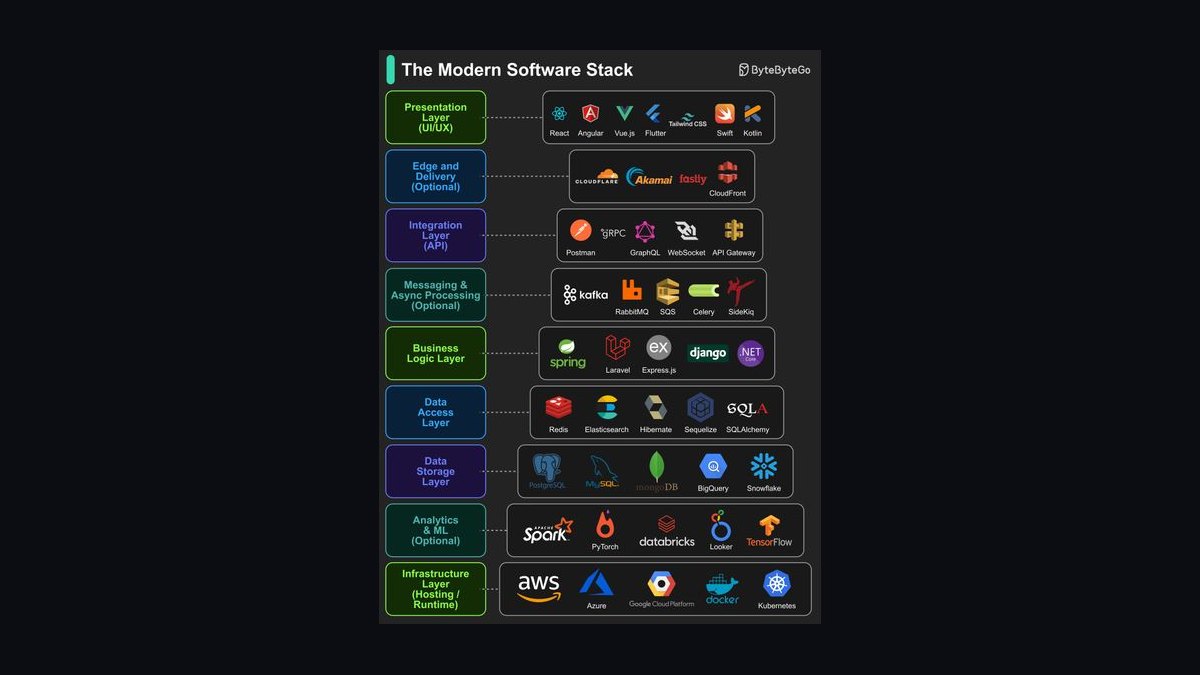
The complete software stack for an auto glass and windshield repair company in 2027 centers on an auto-glass-specific management platform — GlassBiller, Mainstreet Computers, or Omega EDI — that prices jobs to NAGS standards and bills insurers directly through EDI. Around it sit TPA network connections, parts distributor integrations, mobile dispatch, QuickBooks accounting, ADAS calibration tracking, and review management, typically $300-900/month for a small shop.
The two (or more) options compared
Auto glass and windshield repair companies choosing software in 2027 face a decision that looks simple but isn't: generic field-service management software versus an auto-glass-specific platform. The two paths produce dramatically different outcomes because of how this industry's revenue actually works.
Generic field-service platforms — think Jobber, ServiceTitan, or Housecall Pro — are built for trades where the customer pays directly and pricing is whatever the shop sets. That model breaks down immediately for a windshield company because the majority of jobs are insurance claims, not cash transactions. A generic platform has no concept of NAGS (National Auto Glass Specifications) part numbers, cannot generate a quote priced the way insurers expect it, and has no EDI (electronic data interchange) connection to bill Solera/LYNX, Safelite Solutions, or Quest — the third-party-administrator networks that assign claims and process payment. Trying to force insurance billing through a generic tool means manual re-entry into insurer portals, which is slow, error-prone, and the single biggest cause of rejected claims industry-wide.
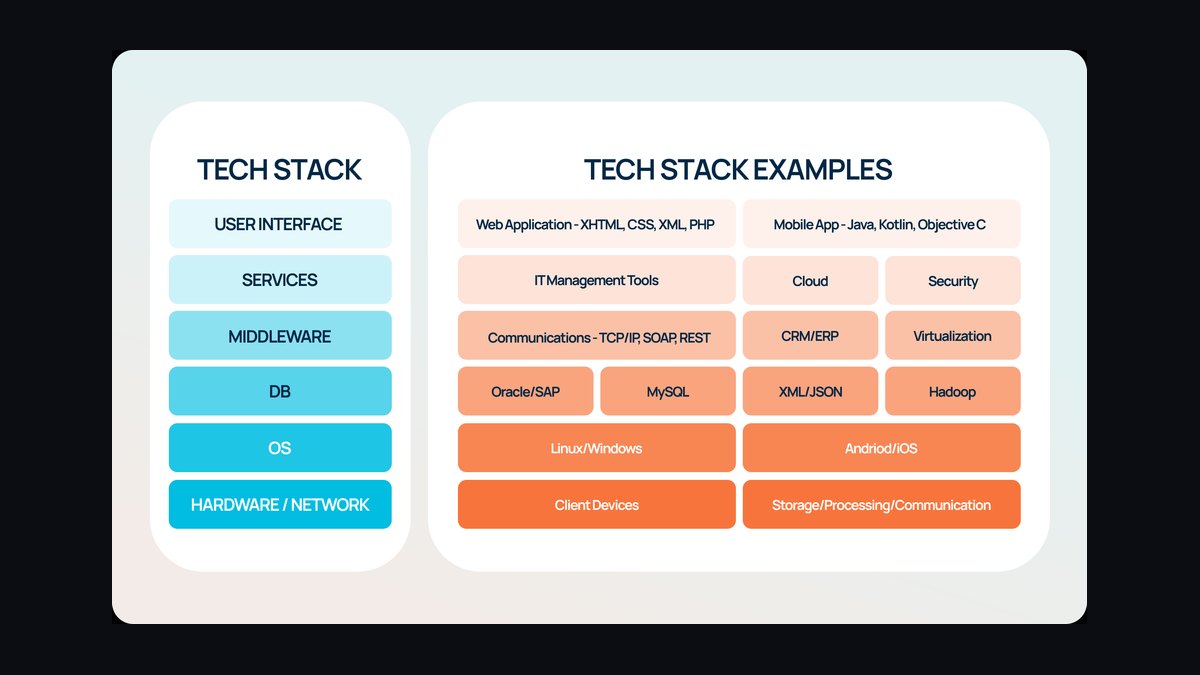
The auto-glass-specific option — GlassBiller, Mainstreet Computers' Glas-Avenue/GTS, or Omega EDI — solves this natively. These platforms speak NAGS pricing out of the box, connect directly to TPA networks for claim assignment and EDI billing, and layer in scheduling, parts ordering, and payments as a single system of record. The trade-off is that they are narrower tools: they don't try to be a general accounting suite or a marketing platform, so a shop still needs QuickBooks for books and a review tool for reputation. But that narrowness is the point — the platform does the one thing that determines whether the business gets paid on time, and everything else plugs in around it.
A second, smaller decision inside the "core platform" choice is which of the three auto-glass vendors to run. GlassBiller is the newer, cloud-native option, generally cheaper and faster to onboard, and well suited to small-to-mid shops with one to a handful of trucks. Mainstreet Computers has been in the space longest and has the deepest inventory and insurance-relationship features, which larger or multi-location operators tend to value. Omega EDI leans hardest into EDI billing automation and workflow, appealing to operators whose single biggest pain point is claim rejection and slow reimbursement. None of the three is wrong; the choice comes down to shop size, how automated the operator wants claim submission to be, and whether existing relationships with a vendor's support team already exist.
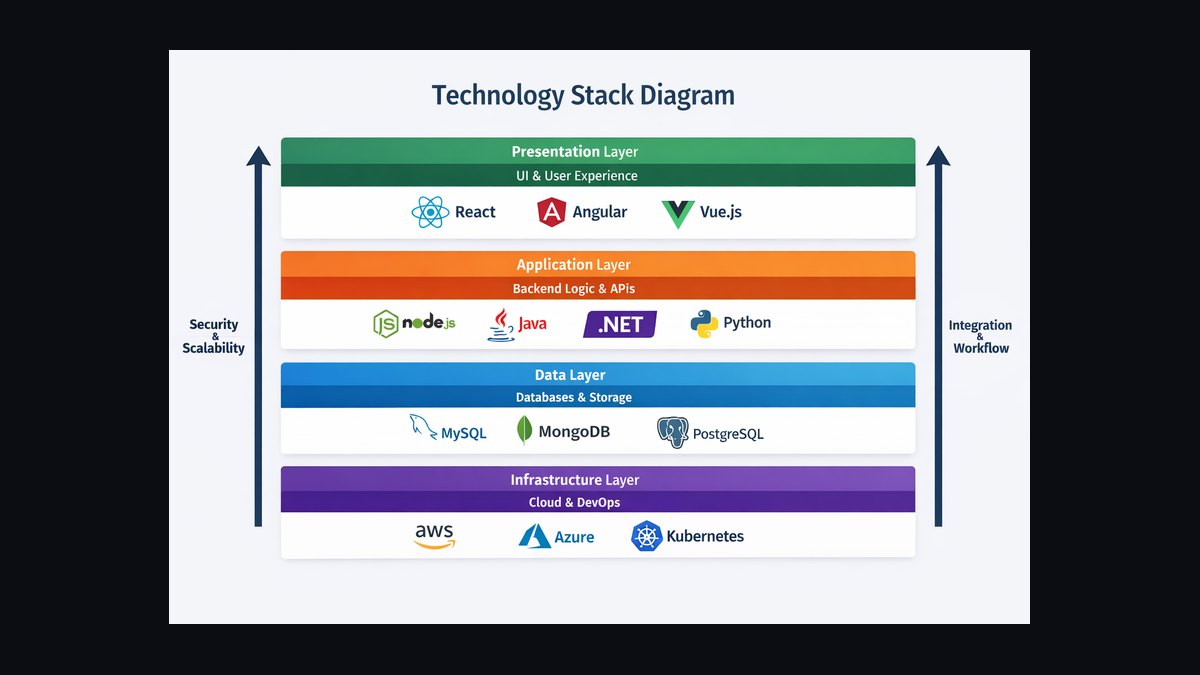
A parallel comparison worth making is mobile dispatch: built-in scheduling inside the auto-glass platform versus a dedicated routing tool bolted on. For a one-or-two-truck operation, the platform's native scheduling is almost always sufficient — it already knows the job, the part, and the customer, so a separate routing tool just adds a sync point that can break. For a larger multi-truck fleet running six or more mobile technicians across a metro area, a dedicated dispatch/routing layer that optimizes drive time between jobs can pay for itself in fuel and labor hours, even though it means one more integration to maintain.
How to decide between them (mermaid)
The decision tree for an auto glass and windshield repair company is short because one variable dominates: what share of jobs come through insurance versus cash. If insurance claims are the majority of revenue — true for nearly every windshield replacement business — the auto-glass-specific platform is not optional; it is the foundation the rest of the stack is built on. A shop should only consider a generic field-service tool if it does almost entirely cash, out-of-pocket, or fleet-direct-bill work with no TPA network involvement, which is rare in this trade.
Within the auto-glass-specific branch, the sizing decision is straightforward: a solo operator or small crew wants the platform that gets them billing insurance correctly in the first two weeks, which favors GlassBiller's faster setup. A shop already juggling multiple TPA-network relationships, high parts volume, or several service locations benefits more from Mainstreet's inventory depth or Omega EDI's automation focus, even if onboarding takes longer. Either way, the decision converges on the same next step — connecting TPA networks and parts distributors around whichever platform was chosen — because the platform itself is only the hub, not the whole wheel.
One adjacent scenario worth flagging: a shop that does both windshield replacement and stand-alone chip repair (the small-crack fill jobs that often go straight to cash or a quick insurance no-deductible claim) still needs the same platform, because even chip-repair billing increasingly runs through the same TPA networks under a "safety glass" or "glass claim" code. There is no meaningful software fork between replacement and repair work — the stack is the same.
Concrete numbers behind each option
Auto-glass management platform. GlassBiller runs roughly $50-150/month depending on user count and feature tier, and is typically the fastest to get a first insurance claim billed — often within days rather than weeks. Mainstreet Computers and Omega EDI don't publish flat public pricing as consistently, but operators generally report similar or somewhat higher monthly costs once EDI automation and multi-location features are added, reflecting their deeper feature sets. Across all three, this line item is almost never the largest expense in the stack — it is the cheapest thing on the list relative to the revenue it protects.
TPA network connections. Solera/LYNX, Safelite Solutions, and Quest don't typically charge the auto glass company a direct software fee for network participation; the cost shows up instead as the network's cut of claim value or in negotiated reimbursement rates, which varies by contract and region. The software cost here is really the integration effort inside the auto-glass platform, which is why platform choice matters more than any standalone TPA fee.
Parts distributor integrations. Mygrant Glass, Pilkington, and PGW ordering integrations are usually included as a feature of the auto-glass platform rather than billed separately, though larger accounts may negotiate volume-based distributor pricing outside the software question entirely.
Mobile dispatch. When built into the platform, dispatch costs nothing extra. A dedicated routing/dispatch add-on for larger fleets can run anywhere from $20-60 per technician per month depending on the tool, which only becomes worthwhile once a shop is running enough trucks that drive-time optimization meaningfully changes the day's job count.
Accounting. QuickBooks Online runs about $30-90/month depending on tier (Simple Start through Plus), and is close to universal across small service businesses, not auto-glass-specific.
Review and reputation management. Podium or Birdeye typically run $200-400/month, and for a windshield company this is frequently the single largest line item in the entire stack — larger than the auto-glass platform itself. That is because cash and out-of-pocket customers, who are a minority of jobs but often the highest-margin ones, choose almost entirely by Google star rating, so automated review requests are treated as close to a revenue tool rather than a pure marketing expense.
Putting the numbers together: a small shop with one or two mobile trucks should budget roughly $300-900/month all-in — platform, review management, payments processing, and QuickBooks combined. A multi-truck operation with three or more vehicles and multiple TPA relationships typically runs $1,500-4,000+/month, weighted toward higher platform tiers, EDI automation, and review management run across multiple locations rather than one storefront.
Implementation details and sequencing (mermaid)
Getting this stack running correctly is less about picking the right tools and more about sequencing them so the highest-risk piece — insurance billing — is solid before anything else is layered on. Rolling out review management or dispatch optimization before NAGS-priced quoting and EDI billing work is backwards: it optimizes the smaller cash-revenue slice while the insurance-revenue majority is still leaking to rejected claims.

In the first 30 days, the priority is standing up GlassBiller, Mainstreet, or Omega EDI and getting every new job quoted at NAGS pricing and billed through EDI rather than manual insurer portals. This is the highest-leverage window because it stops the bleeding on the majority of the business's revenue. Shops that skip this step and try to layer on scheduling or reviews first typically find themselves fixing rejected claims months later that could have been avoided from day one.
Days 31 through 60 focus on the connective tissue: linking TPA networks (Solera/LYNX, Safelite Solutions, Quest) so claim assignments flow directly into the platform instead of arriving by phone or email, integrating parts distributors like Mygrant Glass so glass cost ties to each job automatically, and setting up mobile dispatch so install technicians are routed efficiently across the service area. This is also the window to formalize relationships with any fleet or dealer accounts that route work outside the standard TPA channel.
The final stretch, days 61 through 90, is where ADAS (advanced driver-assistance systems) calibration tracking gets built into the work order process — documenting whether a replaced windshield's camera and sensor systems were recalibrated in-house or sublet out, which matters both for liability and because insurers increasingly expect that documentation before releasing payment. This same window is when automated review requests get turned on for cash and out-of-pocket customers, and QuickBooks gets wired in to reconcile insurance receivables against parts cost so the operator has a real margin picture per job, not just per month.
A useful adjacent comparison here is how this sequencing differs from a general auto repair or body shop rollout, where accounting and scheduling often come first because most of that business is cash or direct-pay. A windshield company inverts that order specifically because insurance billing risk dominates the revenue picture in a way it simply doesn't for a shop doing brake jobs and oil changes. Operators moving from a general repair-shop background into auto glass sometimes try to import that sequencing, which is one of the more common early mistakes new entrants to the trade make.
By day 90, a well-implemented stack means every job — insurance or cash — flows through one system of record: quoted at NAGS pricing, billed via EDI where insurance applies, scheduled and dispatched to the right mobile technician, calibrated and documented when the windshield requires it, and reconciled in QuickBooks against actual parts cost. The operators who reach this state consistently outperform those still handling any piece of insurance billing manually, because manual handling is where claims get rejected, payment slows, and margin quietly disappears on the majority of the business.
Related questions
Do I need a separate ADAS calibration tool, or does the platform handle it?
Most auto-glass platforms track and document calibration as part of the work order rather than requiring a separate tool. The actual recalibration is either performed in-house with dedicated equipment or sublet to a specialist, but the scheduling and billing documentation lives in the same system as the rest of the job.
Can a small shop skip QuickBooks and just use the auto-glass platform's built-in accounting?
Most auto-glass platforms handle job-level invoicing and payment but aren't full accounting systems. QuickBooks is still needed for general ledger, tax prep, and reconciling insurance receivables against overall business expenses.
Is review management really worth $200-400 a month for a windshield company?
For the cash and out-of-pocket share of the business, yes — local customers choosing a windshield repair company overwhelmingly filter by Google star rating first, making automated review requests close to a direct revenue driver rather than pure marketing spend.
What happens if I bill insurance manually instead of through EDI?
Manual insurance billing is the leading cause of rejected or delayed claims because it introduces re-entry errors and misses insurer-specific formatting requirements that EDI handles automatically. Since insurance claims are the majority of revenue for most shops, this mistake directly damages cash flow.
Does a mobile-only operation need different software than a storefront shop?
The core stack is the same, but mobile-only operators lean more heavily on the dispatch/scheduling piece since there's no walk-in counter to manage. Storefront shops add a bit more emphasis on in-house calibration equipment tracking since more jobs are recalibrated on-site.
FAQ
What is the most important tool for an auto glass and windshield repair company? The auto-glass-specific management platform — GlassBiller, Mainstreet, or Omega EDI. It handles NAGS pricing, insurance EDI billing, TPA-network claims, scheduling, and parts in one system, which determines whether the company gets paid promptly on the majority of its jobs. This should be purchased before any generic field-service software.
Why can't a windshield company just use generic field-service software? Generic tools cannot price to NAGS standards, cannot bill insurers via EDI, and cannot accept TPA-network claim assignments or track ADAS calibration. Since most windshield revenue flows through insurance claims and specialized pricing networks, an auto-glass-specific platform is essential; generic accounting and routing tools only complement it afterward.
What is ADAS calibration and why does the software need to track it? ADAS calibration is the process of recalibrating cameras and sensors built into modern windshields after a replacement. It's increasingly required by vehicle manufacturers, creates liability and billing risk if missed or undocumented, and is a growing revenue line in its own right — so the software needs to schedule, document, and bill for it on every applicable job.
How much should a small auto glass shop expect to spend on software monthly? Roughly $300-900/month all-in for a one-or-two-truck operation, covering the auto-glass platform, review management (often the largest single line), payments processing, QuickBooks, and any TPA-network fees. The platform typically pays for itself through faster, cleaner insurance claim payment alone.
How is a multi-truck operation's stack different from a small shop's? The same categories of software apply, but at higher tiers: deeper inventory and EDI automation on the platform, dedicated dispatch/routing tools once fleet size justifies the cost, and review management run across multiple locations. Budget typically runs $1,500-4,000+/month rather than the $300-900 small-shop range.
Does the software stack change for chip repair versus full windshield replacement? Not meaningfully. Both job types increasingly route through the same TPA networks and NAGS-adjacent pricing structures, so the same auto-glass platform and connected tools handle both without requiring a separate system.
Sources
- https://www.solerainc.com
- https://www.safelite.com
- https://www.quest.com
- https://www.mygrantglass.com
- https://www.pilkington.com
- https://www.pgw.com
- https://quickbooks.intuit.com
- https://www.podium.com
- https://birdeye.com
- https://www.nagsonline.com
Related on PULSE
- [What is the best tech stack for a glass and glazing contractor in 2027?](/knowledge/tk0074)
- [Tech Stack for Auto Repair Shops in 2027](/knowledge/tk0300)
- [What is the best tech stack for an auto repair or body shop in 2027?](/knowledge/tk0056)
- [What is the complete software stack for a computer and phone repair shop in 2027?](/knowledge/tk338)
- [What is the best tech stack for a computer or IT repair shop in 2027?](/knowledge/tk0190)
- [What is the best tech stack for an appliance repair service in 2027?](/knowledge/tk0189)
This page will be disappearing soon. Save it to your device for $1 — or read it free while it is here.
@Kory-White- · if Venmo asks, the last 4 of my number are 2012
This page is gone.
This one is off the shelf now. $1 keeps it on your phone for good — the whole page, pictures and diagrams included.
 pulse-tech-stacksWhat is the best tech stack for a janitorial and sanitation supply distributor in 2027?
 pulse-tech-stacksWhat is the best tech stack for a multi-provider medical practice in 2027?
 pulse-tech-stacksWhat is the recommended Vector Database vendor sales and operations tech stack in 2027?
 pulse-tech-stacksWhat is the recommended SOC-as-a-Service (SOCaaS) Provider sales and operations tech stack in 2027?
 pulse-tech-stacksWhat is the recommended Zero Trust Network Access (ZTNA) Vendor sales and operations tech stack in 2027?
 pulse-tech-stacksWhat is the best tech stack for a salon or spa in 2027?
 pulse-tech-stacksWhat is the best tech stack for a commercial plumbing contractor in 2027?
 pulse-tech-stacksWhat is the best tech stack for a casino or gaming operator in 2027?
 pulse-tech-stacksWhat is the best tech stack for an independent retail pharmacy in 2027?
 pulse-tech-stacksWhat is the best tech stack for a waste management or hauling company in 2027?