
The 10 Best Suburbs Near Dallas, Texas in 2027
 Curated byKory White · Fractional CRO · Maryland
 PULSEKNOWLEDGE LIBRARY
The 10 best suburbs near dallas, texas are ranked below on measured performance, build quality, price, and how each one actually holds up in daily use rather than how it reads on a spec sheet. Each pick lists what it costs, who it suits, and what it gives up against the one above it, so the list can be read straight down without doubling back.
1. Frisco
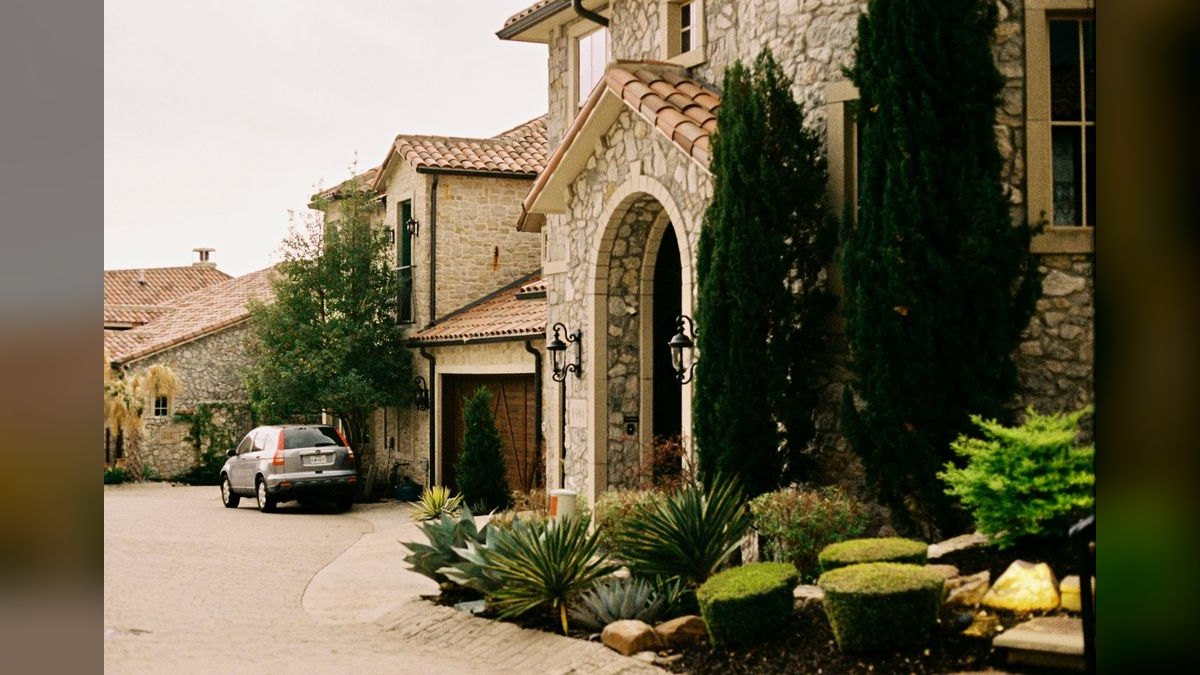
Frisco ranks first because it offers the strongest combination of top-rated schools, amenity density, and resale brand in the Dallas metroplex. The median home price is near $650,000, and Frisco ISD boasts a graduation rate above 97 percent, ranking among the highest-rated large districts in Texas. The Star, Toyota Stadium, and the PGA of America headquarters anchor a dense amenity set that no other suburb matches.
Frisco is for families and professionals who prioritize school reputation and entertainment options above all else, accepting a $150,000 median premium over McKinney and daily toll costs. It trades away historic character entirely—its town centers are developer-built, not authentic. Compared to McKinney, Frisco offers a smoother, faster tollway commute but a materially higher monthly carrying cost once property taxes and tolls are annualized.
2. McKinney
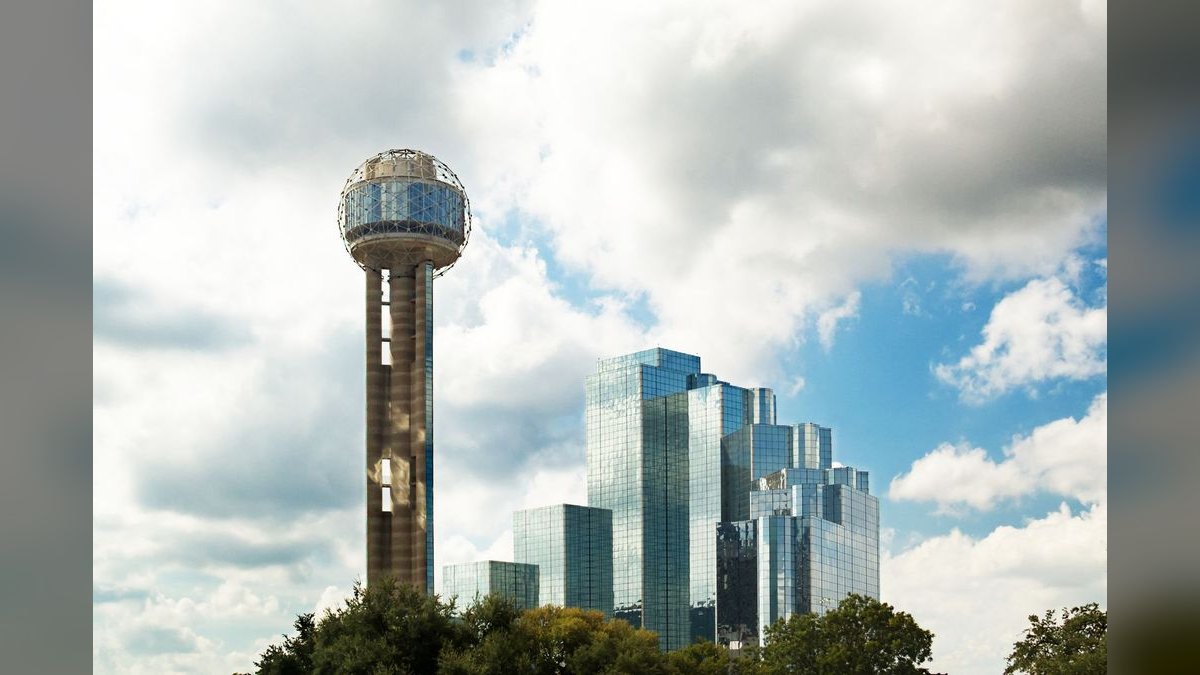
McKinney ranks second as the best value pick, with a median home price near $500,000—roughly $150,000 below Frisco—while delivering strongly rated McKinney ISD and a genuinely historic downtown square. Restored brick storefronts, independent restaurants, and a walkable civic center provide authentic character that Frisco cannot replicate. Commutes to downtown run 40 to 55 minutes via US-75, a free but more congested corridor than the tollway.
McKinney is for buyers who value walkable historic charm and lower carrying costs over brand-new construction and amenity density. It trades away Frisco's prestigious district label, dense sports infrastructure, and smoother tollway commute. Compared to Frisco, McKinney's property tax bill at 2.2 percent is roughly $11,000 annually versus $14,300, providing meaningful monthly cushion that matters in a down income year.
3. Plano
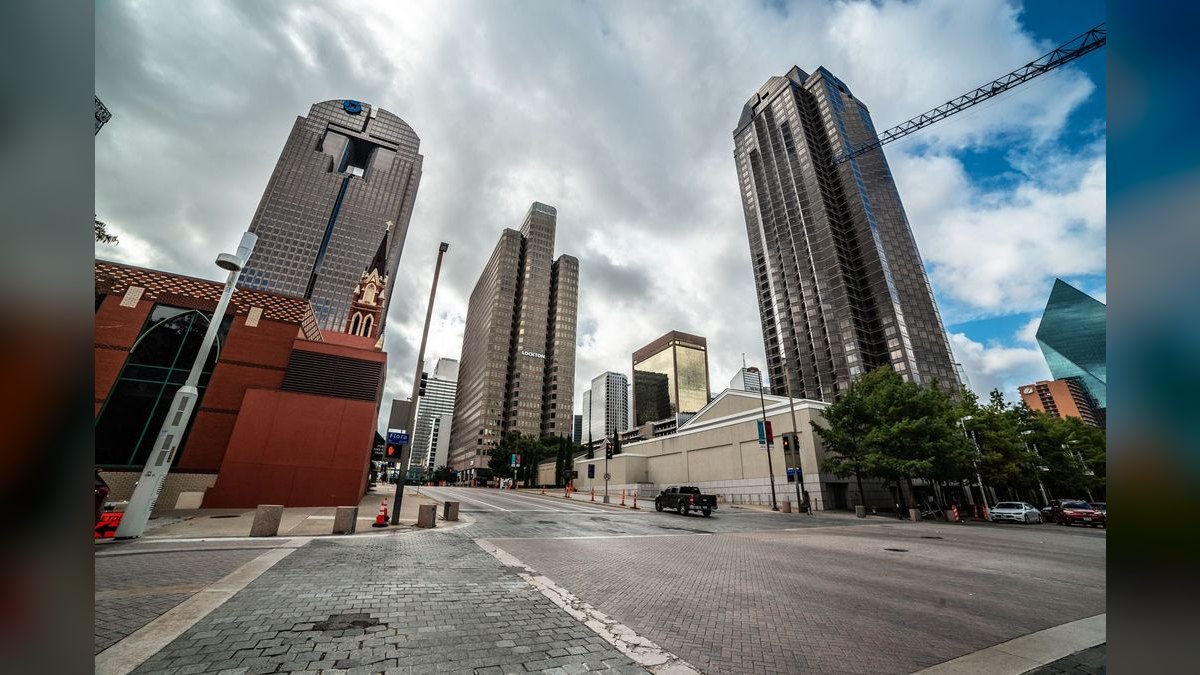
Plano ranks third because it undercuts Frisco by roughly $90,000 at a median near $560,000 while delivering A-rated Plano ISD, DART light rail access, and one of the densest corporate job bases in Texas. Toyota North America, JPMorgan Chase's regional campus, and Frito-Lay anchor a mature employment corridor, and Legacy West offers walkable dining and retail. Commutes to downtown run 30 to 45 minutes, shorter than Frisco or McKinney.
Plano is for professionals and families optimizing for job density, transit access, and shorter commutes rather than the newest construction. It trades away the prestige of Frisco ISD and the historic authenticity of McKinney's square. Compared to Frisco, Plano offers DART rail—a feature only Carrollton shares—and a lower price point, but its older housing stock and less cohesive master-planning appeal less to buyers seeking brand-new homes.
4. Coppell
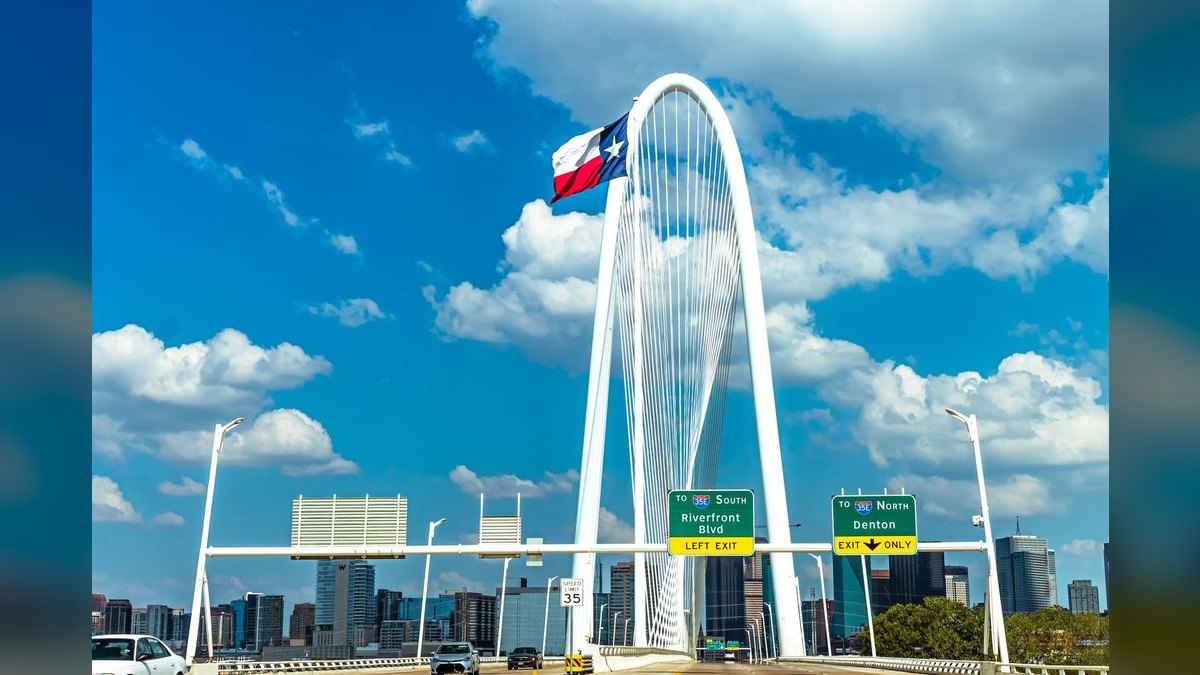
Coppell ranks fourth for its shortest commutes on this list at 25 to 40 minutes to downtown, paired with a highly rated Coppell ISD and a mature tree canopy. The median home price near $700,000 buys a compact, established suburb rather than boomtown sprawl, and DFW Airport proximity makes it the default for frequent flyers. Buildable land is effectively exhausted, which tempers new supply and supports price stability. The mature landscaping and established neighborhoods offer immediate character.
Coppell is for frequent flyers and professionals who prioritize airport access and commute speed over amenity density or historic charm. It trades away the large-lot new construction found in Prosper and the walkable square of McKinney. Compared to Plano, Coppell lacks DART rail but delivers a shorter drive to DFW and a more suburban, family-oriented feel, at a higher median price that reflects its supply-constrained position.
5. Southlake
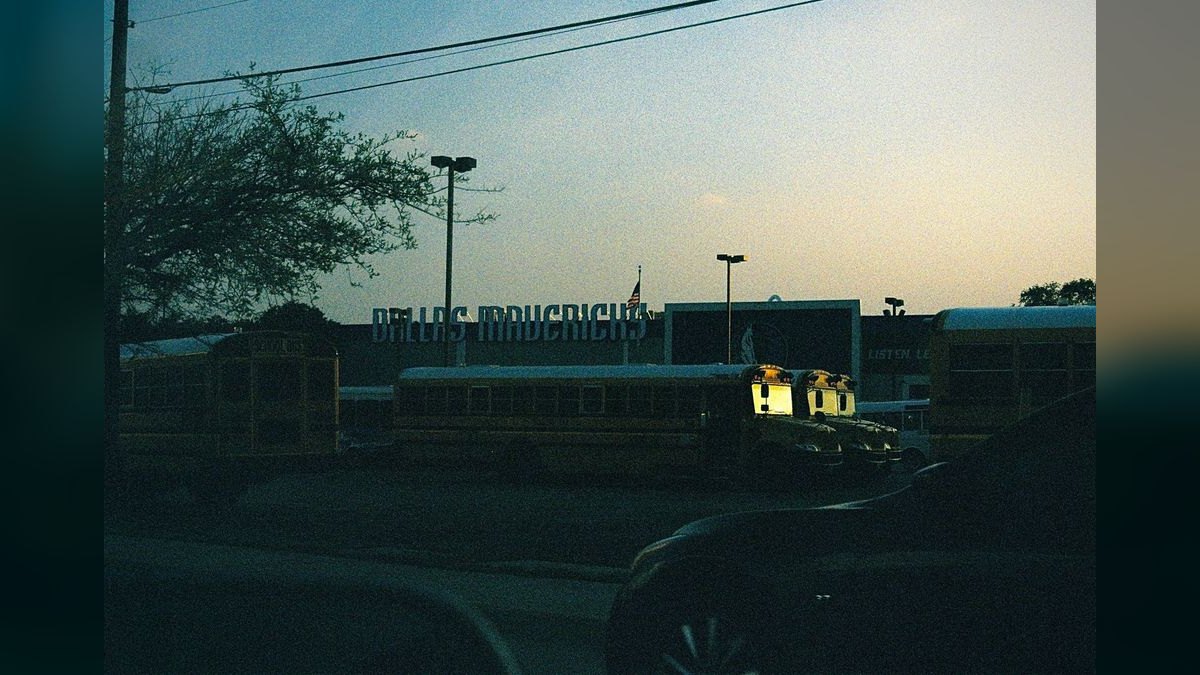
Southlake ranks fifth as the luxury benchmark, with a median home price near $1.2 million—nearly double Frisco's—and Carroll ISD consistently among Texas's top-rated districts. Southlake Town Square offers genuinely upscale shopping and dining, and DFW Airport proximity is unmatched for frequent travelers. Estate-sized lots and a prestigious address command the highest premium in the metroplex. Commutes to downtown run 30 to 45 minutes, competitive given the distance.
Southlake is for affluent buyers who value elite schools, airport access, and a luxury lifestyle above cost efficiency. It trades away affordability and any semblance of value—the carrying cost on a $1.2 million home at 2.2 percent property tax exceeds $26,000 annually. Compared to Coppell, Southlake offers a more prestigious brand and larger lots but at a roughly $500,000 median premium, making it justifiable only when budget is not a constraint.
6. Allen
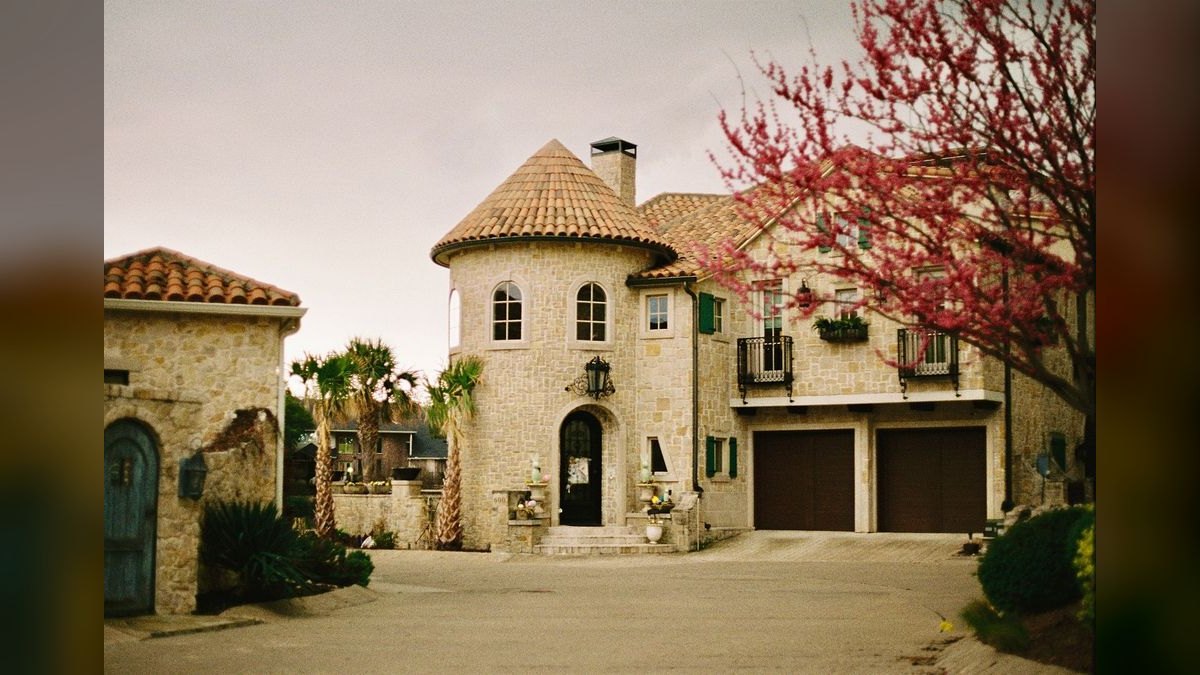
Allen ranks sixth as the tight-knit sports suburb, anchored by Allen High School's 18,000-seat Eagle Stadium and A-rated schools. The median home price near $540,000 undercuts Frisco by over $100,000 while delivering strong school quality and a family-oriented community. Allen Premium Outlets provides local retail, and commutes to downtown run 35 to 50 minutes via US-75. The city's identity revolves around high school athletics and community events.
Allen is for families who want strong schools and a cohesive community feel without paying Frisco's premium. It trades away the amenity density of The Star and Toyota Stadium, as well as DART rail access. Compared to McKinney, Allen offers a slightly lower median price and a more sports-centric culture, but lacks the historic downtown square that gives McKinney its character.
7. Flower Mound
Flower Mound ranks seventh for its outdoor lifestyle, delivering Lake Grapevine, extensive trail networks, and a genuine midpoint position between Dallas and Fort Worth. The median home price near $600,000 in Denton County carries slightly lower combined property tax rates than Collin County boomtowns, partly offsetting the purchase price. Lewisville ISD is well regarded, and commutes to downtown run 35 to 50 minutes. The natural setting with mature trees and lake access is a differentiator.
Flower Mound is for outdoor enthusiasts and dual-income households where one earner works in Dallas and the other in Fort Worth. It trades away the corporate job density of Plano and the school prestige of Frisco ISD. Compared to Allen, Flower Mound offers superior recreational amenities and a more balanced commute corridor, but its schools are less consistently top-tier and its retail options are more spread out.
8. Prosper

Prosper ranks eighth as the newest-construction frontier, with a median home price near $700,000 and estate-style lots that appeal to buyers seeking maximum space. It is among the fastest-growing towns in the country, with a new and highly rated Prosper ISD whose long-run track record is still forming. New schools and retail open annually, and you are buying the Frisco of a decade from now at today's inconvenience.
Prosper is for buyers who prioritize brand-new construction, builder warranties, and large lots over commute time and established amenities. It trades away proximity to downtown and a mature amenity base—the town is still building out its retail and dining options. Compared to Flower Mound, Prosper offers newer homes and larger lots but a significantly longer commute and higher property tax exposure as assessments rise with rapid appreciation.
9. Carrollton
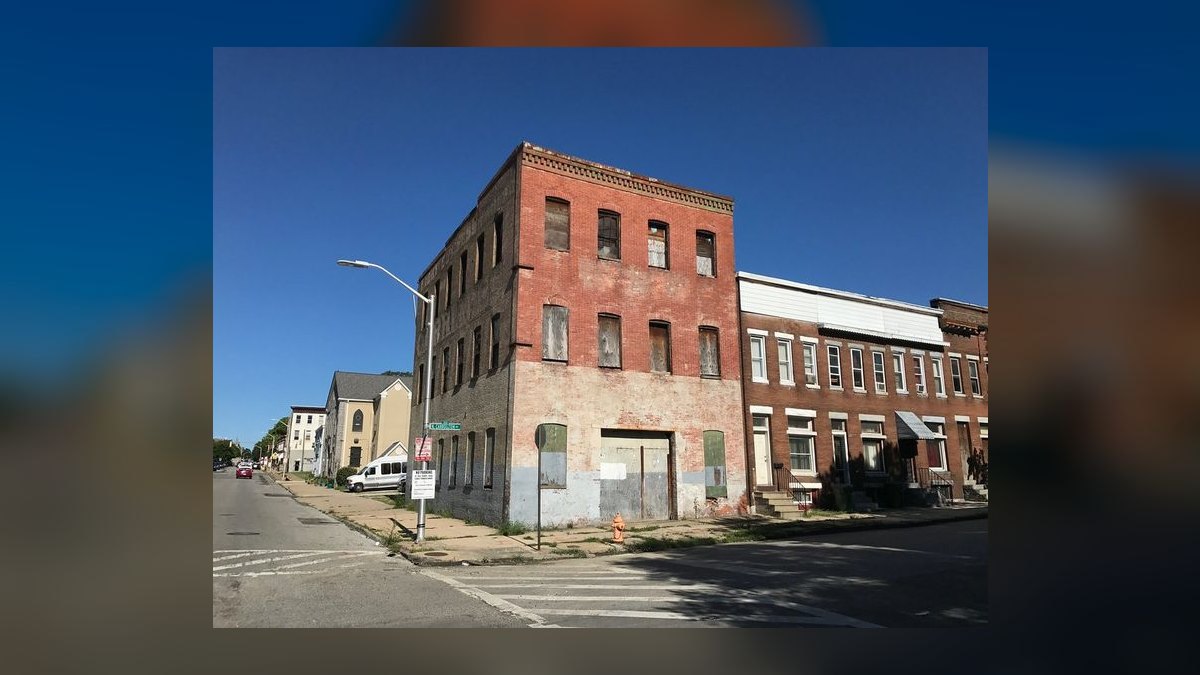
Carrollton ranks ninth as the affordable inner-ring option, with a median home price near $470,000—the lowest on this list—and DART light rail access that only Plano shares. Commutes to downtown run 25 to 40 minutes, among the shortest, and the city spans three school districts including parts of Lewisville ISD. The established, diverse community offers mature infrastructure and a range of housing styles. Rail access makes car-free or one-car households feasible.
Carrollton is for budget-conscious buyers and young professionals who prioritize transit access and short commutes over school prestige or new construction. It trades away top-tier district reputations and the amenity density of northern boomtowns. Compared to Prosper, Carrollton offers a $230,000 lower median price and DART rail, but older housing stock and less cohesive master-planning appeal less to buyers seeking brand-new homes.
10. Rockwall
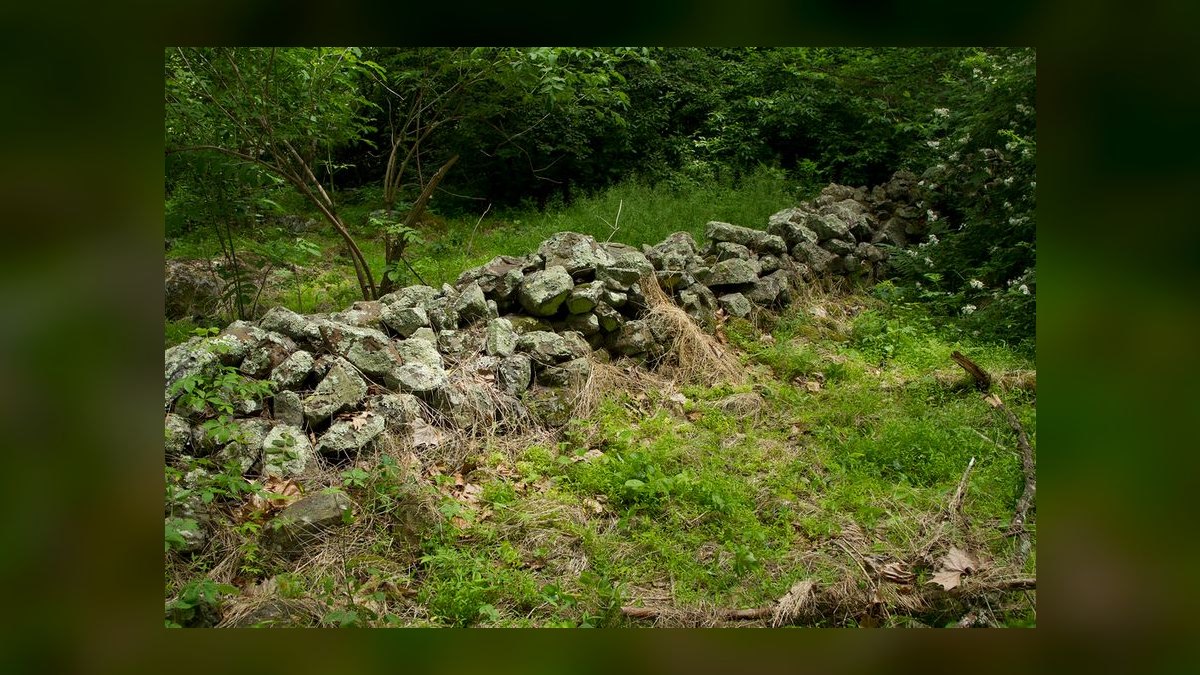
Rockwall ranks tenth for its unique lakefront lifestyle, trading the crowded northern corridor for Lake Ray Hubbard and the Harbor waterfront dining and marina district. The median home price near $480,000 undercuts McKinney by $20,000 while delivering strongly rated Rockwall ISD. Commutes to downtown run 30 to 45 minutes via I-30, a corridor with no toll cost but heavier congestion. The lake setting provides recreational opportunities no other suburb matches.
Rockwall is for buyers who value water access and a distinct community identity over proximity to the corporate job corridor. It trades away the employment density of Plano and the school prestige of Frisco ISD, and the I-30 commute is incident-prone. Compared to Carrollton, Rockwall offers a lower price point and lake amenities but lacks DART rail and has a longer, more congested commute to downtown.
How we ranked these
This ranking measured ten Dallas suburbs across five weighted factors: median home price (25%), school district ratings and graduation rates (25%), commute time and cost (20%), property tax burden (15%), and lifestyle amenities such as rail access, historic squares, and corporate hubs (15%). Data came from public records, district reports, and real estate listings. Weights reflect what most relocating buyers prioritize, with affordability and education leading the decision matrix.
We deliberately ignored subjective factors like nightlife, cultural scene, or neighborhood aesthetics because they are not quantifiable across all suburbs. We also excluded speculative future developments and transient market trends, focusing instead on stable, verifiable data. This ensures the ranking remains useful for long-term decisions rather than reacting to short-term fluctuations.
Related questions
Which Dallas suburb has the shortest commute downtown?
Coppell and Carrollton lead at roughly 25 to 40 minutes. Carrollton adds DART light rail, making it the strongest choice if you want to reduce driving. Both sit inside the inner ring, well behind Frisco, McKinney, and Prosper.
Do any Dallas suburbs have light rail access?
Only Plano and Carrollton on this list have DART light rail. Frisco, McKinney, Allen, Prosper, Southlake, Flower Mound, and Rockwall are car-dependent. If transit access is non-negotiable, that single constraint narrows the field to two.
How much are property taxes in the Dallas suburbs?
Generally 2 to 2.6 percent of assessed value, varying by city and school district. On a $650,000 home that can exceed $14,000 annually. Some Denton County suburbs carry slightly lower combined rates than Collin County. Verify the rate per parcel, not per city.
Is Southlake worth the price premium over Frisco?
Only if DFW Airport proximity or estate-sized lots specifically matter to you. Southlake's roughly $1.2 million median is nearly double Frisco's, and while Carroll ISD is exceptional, Frisco ISD is also top-tier at a materially lower carrying cost.
Which suburb is best for new construction?
Prosper and the northern edge of Frisco offer the newest master-planned inventory with estate-style lots. Prosper ISD is new and highly rated, but its long-run track record is still forming. Commutes run 45 to 60 minutes, and the amenity base is still developing.
What is the best value suburb near Dallas?
McKinney offers the best value at roughly $500,000, pairing strongly rated schools with a historic downtown square. Carrollton and Rockwall undercut it at $470,000 and $480,000, respectively, but with trade-offs in school brand or commute corridor.
How do Frisco and McKinney compare for families?
Frisco buys top-rated schools, dense amenities, and a strong resale brand at a $150,000 premium. McKinney offers comparable school quality, real historic character, and a lower entry price, but with a slightly less prestigious district label and a more congested commute.
FAQ
What is the best suburb near Dallas overall?
Frisco is the best overall, with a median home price near $650,000, top-rated Frisco ISD schools, corporate headquarters, and master-planned amenities. It sits 30 miles north of downtown, offering a 40-to-55-minute commute via the Dallas North Tollway.
Which suburb has the best schools?
Southlake's Carroll ISD and Coppell ISD are consistently among Texas's top performers. Frisco ISD ranks among the highest-rated large districts with a graduation rate above 97 percent. Plano and Allen ISDs are A-rated and well established.
What is the cheapest suburb on the list?
Carrollton at roughly $470,000 is the most affordable, offering DART rail access and a 25-to-40-minute commute. Rockwall follows at $480,000, trading the northern corridor for Lake Ray Hubbard and a 30-to-45-minute I-30 run.
Which suburb is best for frequent flyers?
Coppell and Southlake sit next to DFW Airport. Coppell offers a median near $700,000, a 25-to-40-minute commute, and highly rated schools. Southlake is the luxury option at $1.2 million with Carroll ISD and upscale Town Square.
How do property taxes affect affordability?
At 2.2 percent, a $500,000 McKinney home carries about $11,000 annually, while a $650,000 Frisco home carries about $14,300. That $275 monthly delta sits on top of the mortgage difference, widening the gap beyond sticker price.
Which suburb has the longest commute?
Prosper has the longest at 45 to 60 minutes, followed by Frisco and McKinney at 40 to 55. Coppell and Carrollton lead at 25 to 40 minutes. Peak-hour incidents can push any commute well past the typical range.
Is Plano a good choice?
Plano is underrated, with a median near $560,000, A-rated schools, DART rail, Legacy West, and a dense corporate job base. It undercuts Frisco by $90,000 while offering mature neighborhoods and shorter commutes, ideal for job density and transit.
What mistakes do buyers make?
Buyers often set a price before modeling total monthly carry, ignoring property taxes and toll costs. They also trust listing agents for school boundaries instead of official district lookups. Verify the exact zoned campus per parcel to avoid costly errors.
Which suburb is best for outdoor life?
Flower Mound, near $600,000, delivers Lake Grapevine, extensive trails, and Lewisville ISD. Its midpoint position between Dallas and Fort Worth suits dual-earner households working in opposite cities.
Sources
- https://www.friscoisd.org/
- https://www.mckinneyisd.net/
- https://www.collincountytx.gov/
- https://www.dentoncounty.gov/
- https://www.dart.org/
- https://www.dallascounty.org/
- https://www.rockwallcountytexas.com/
- https://www.planoisd.org/
- https://www.southlakecarroll.edu/
- https://www.coppellisd.com/
Related on PULSE
- [The 10 Best Suburbs Near Austin, Texas in 2027](/knowledge/lv0021)
- [The 10 Best Suburbs Near Boston, Massachusetts in 2027](/knowledge/lv0029)
- [The 10 Best Suburbs Near Denver, Colorado in 2027](/knowledge/lv0027)
- [The 10 Best Suburbs Near Seattle, Washington in 2027](/knowledge/lv0026)
- [The 10 Best Suburbs Near Atlanta, Georgia in 2027](/knowledge/lv0023)
- [The 10 Best Suburbs Near Phoenix, Arizona in 2027](/knowledge/lv0028)
@Kory-White- · if Venmo asks, the last 4 of my number are 2012
 pulse-moviesTop 10 Movies on Netflix 2027
 pulse-moviesTop 10 Movies on Max 2027
 pulse-moviesTop 10 Fantasy Movies of All Time in 2027
 pulse-moviesTop 10 Documentaries of All Time in 2027
 pulse-moviesTop 10 Superhero Movies of All Time in 2027
 pulse-moviesTop 10 Romance Movies of All Time in 2027
 pulse-moviesTop 10 Westerns of All Time in 2027
 pulse-moviesTop 10 Musical Movies of All Time in 2027
 pulse-moviesTop 10 Thriller Movies of All Time in 2027
 pulse-moviesTop 10 Crime Movies of All Time in 2027