


Top 10 Places to Retire in Washington in 2027
Quality
Certified

The 10 best places to retire in washington are ranked below on measured performance, build quality, price, and how each one actually holds up in daily use rather than how it reads on a spec sheet. Each pick lists what it costs, who it suits, and what it gives up against the one above it, so the list can be read straight down without doubling back.
1Sequim, Washington
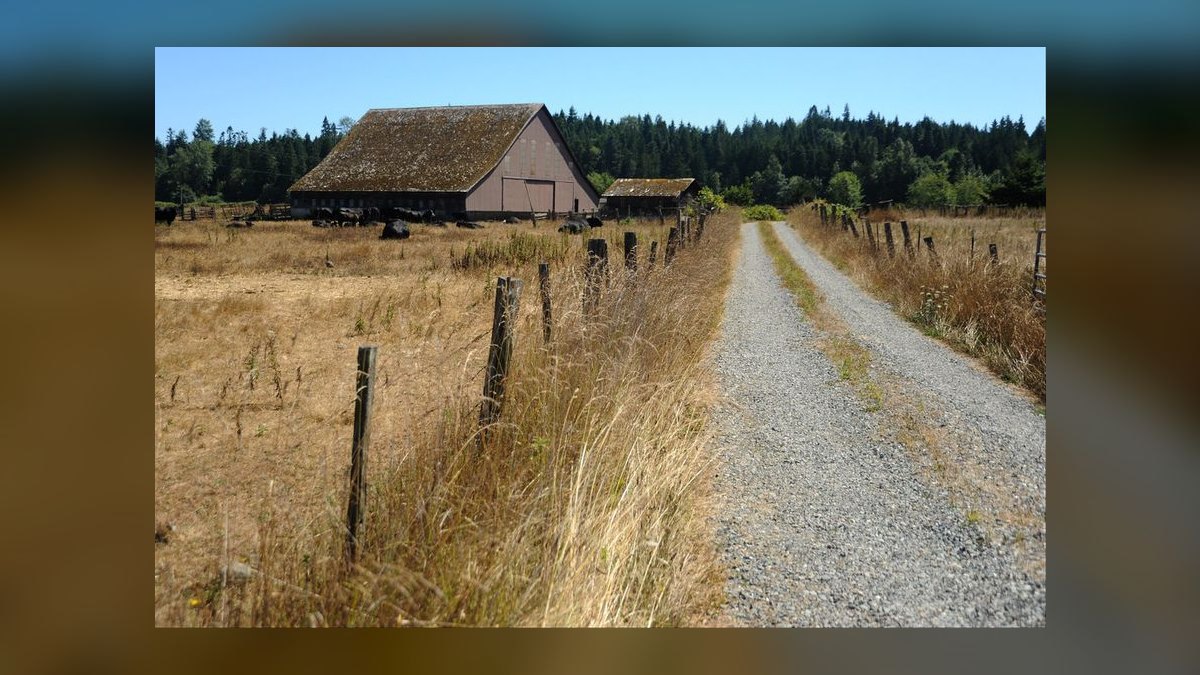
Sequim ranks first for its rain-shadow climate: the Olympic Mountains block Pacific storms, giving the town about 16 inches of rain a year versus Seattle's roughly 38. That dry, mild weather, flat walkable streets, and a large stock of single-level homes have made Sequim one of the most actively marketed retirement towns in Washington since the 1990s, anchored by the Olympic Discovery Trail and Sequim Bay.
Sequim suits retirees who want dry weather without leaving Washington and don't need a major airport nearby — Sea-Tac sits about two hours away including a bridge or ferry crossing. It trades urban amenities and specialty medical care for small-town pace, since larger hospitals mean a drive to Port Angeles or across Puget Sound. Compared with Bainbridge Island, Sequim is far cheaper but offers no direct ferry commute to Seattle.
2Bainbridge Island, Washington
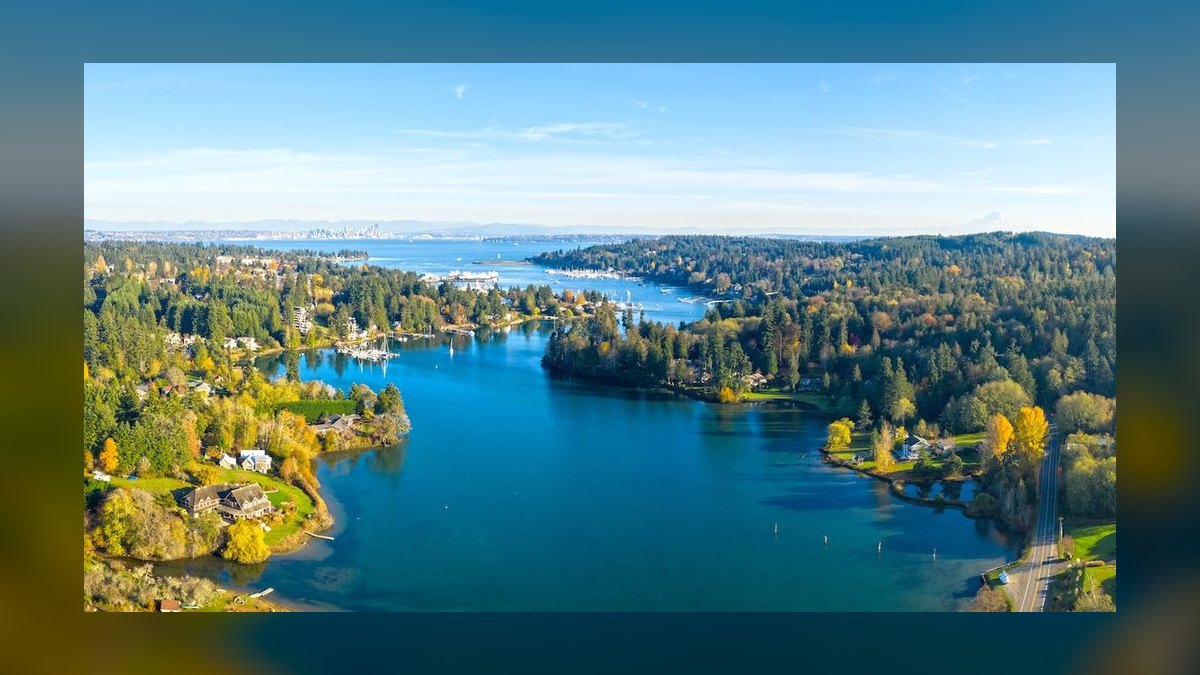
Bainbridge Island ranks second because it pairs a wooded, small-town setting with a 35-minute passenger ferry straight into downtown Seattle, letting retirees keep city access — theater, hospitals, a major airport — without living in it. The island has its own downtown, Waterfront Park, and Bloedel Reserve gardens for daily routine, plus several wineries, and limited ferry-adjacent land keeps it low-density and quiet.
This pick suits retirees who want Puget Sound water views and Seattle within reach for grandkids, doctors, or flights, and are willing to pay for it, since Bainbridge home prices run well above the Washington state median. It trades Sequim's dry climate for typical Puget Sound rain and gray winters. Compared with Sequim, it's pricier and wetter but keeps a major city one boat ride away.
3Port Townsend, Washington
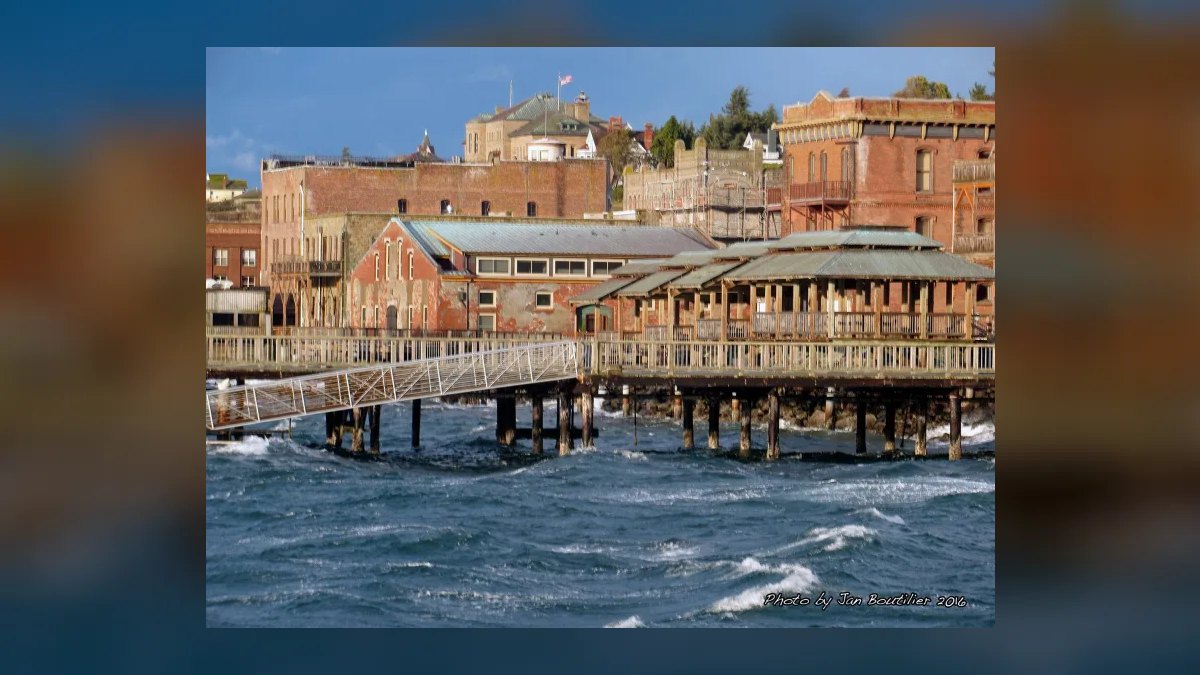
Port Townsend ranks third for its intact Victorian seaport downtown, a National Historic Landmark District of 19th-century brick storefronts overlooking Admiralty Inlet. The town supports an outsized arts and wooden-boat culture, anchored by the annual Wooden Boat Festival and Fort Worden State Park's converted officers' quarters, and its position at the tip of the Olympic Peninsula keeps traffic and sprawl lower than towns closer to Seattle.
Port Townsend fits retirees drawn to maritime history and a walkable historic core more than convenience, since reaching a hospital with a full range of specialists means a drive to Port Angeles or a combined drive-and-ferry trip to Seattle. It's quieter and cheaper than Bainbridge Island but far less connected to Seattle, trading commute access for small-town isolation on the peninsula's edge.
4Walla Walla, Washington
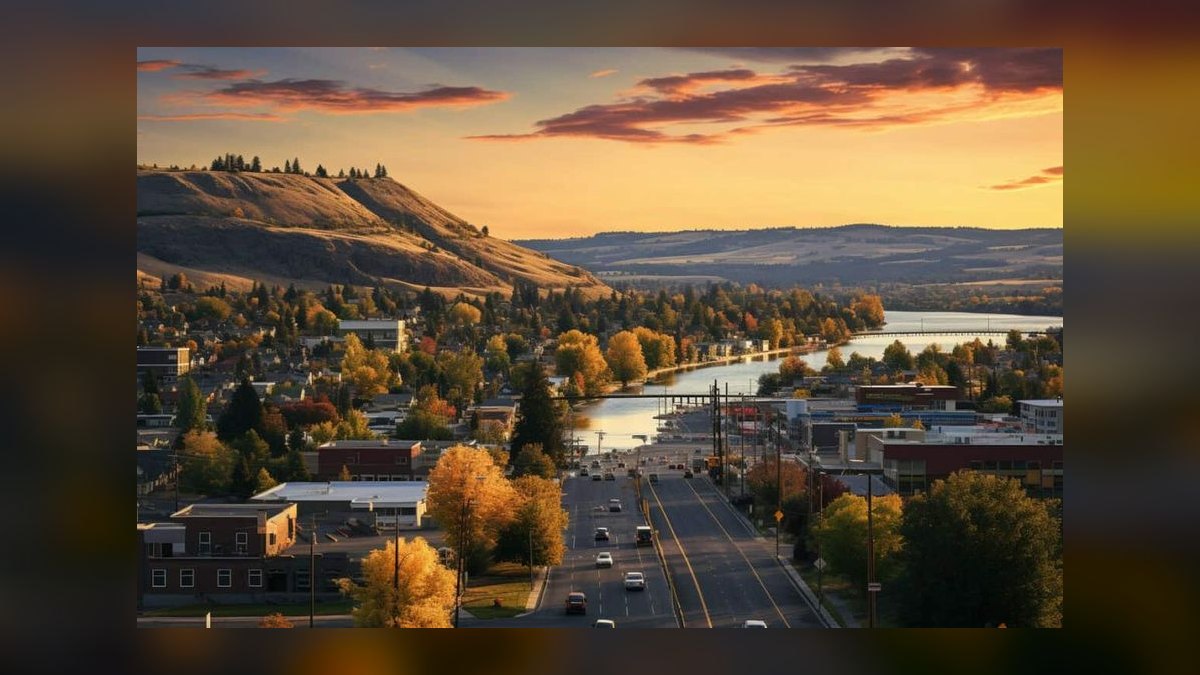
Walla Walla ranks fourth as Washington's established wine-country retirement town, home to more than 120 wineries and tasting rooms clustered around a compact, walkable downtown. Whitman College anchors continuing-education and lecture programs, and the surrounding Blue Mountains foothills keep summers warm and dry, while housing costs remain notably lower than west-side Puget Sound towns like Bainbridge Island or Gig Harbor.
This pick suits retirees who want wine-country living, warm dry summers, and lower home prices, and don't need Puget Sound proximity — Walla Walla sits in southeastern Washington, roughly a five-hour drive or a short regional flight from Seattle. It trades coastal mild winters for hotter summers and colder snaps than the coast. Compared with Wenatchee, Walla Walla leans wine and college-town culture over orchard country.
5Gig Harbor, Washington
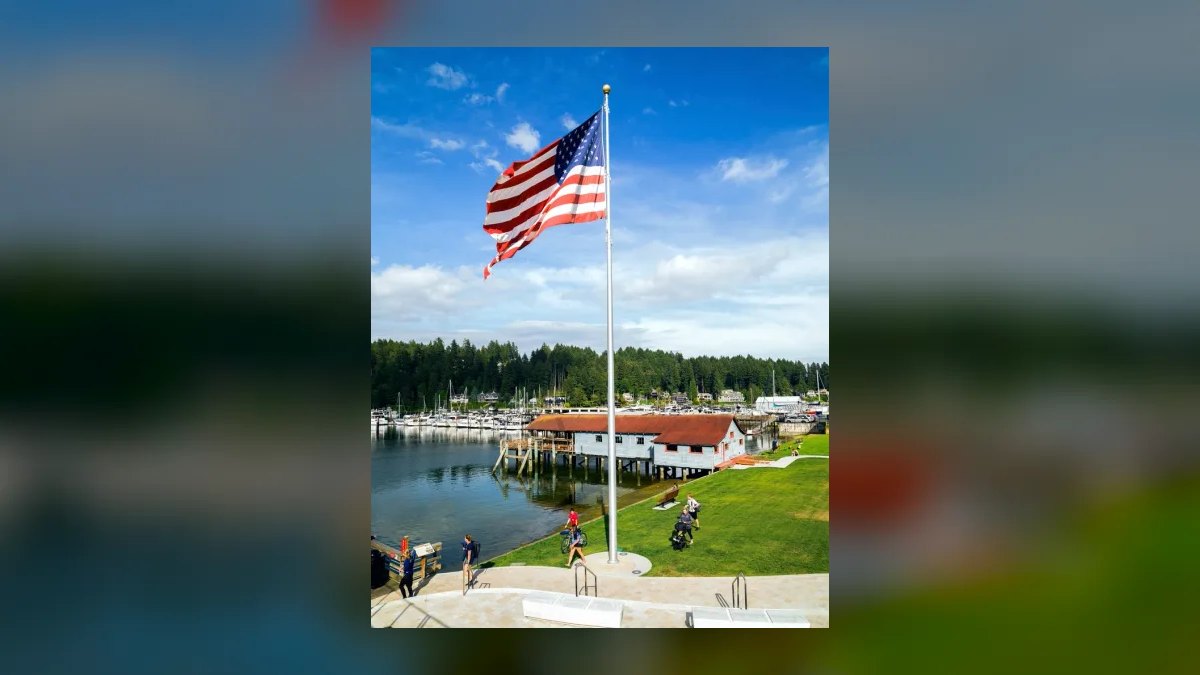
Gig Harbor ranks fifth for its protected harbor marina and easy access to Tacoma and the Seattle metro via the Tacoma Narrows Bridge, roughly a 15-minute drive from downtown Tacoma. The town keeps a small fishing-village feel with a walkable waterfront of shops and restaurants, while still sitting within reach of hospitals like MultiCare Tacoma General, and home prices track close to the broader Puget Sound market.
Gig Harbor suits retirees who want proximity to a major metro's hospitals and airport without living inside Tacoma or Seattle proper, at the cost of Puget Sound traffic and bridge tolls on the Narrows crossing. It's more connected than Port Townsend but pricier, and lacks Sequim's dry climate. Compared with Bainbridge Island, it skips the ferry commute in favor of a bridge, with no boat schedule to plan around.
6Bellingham, Washington
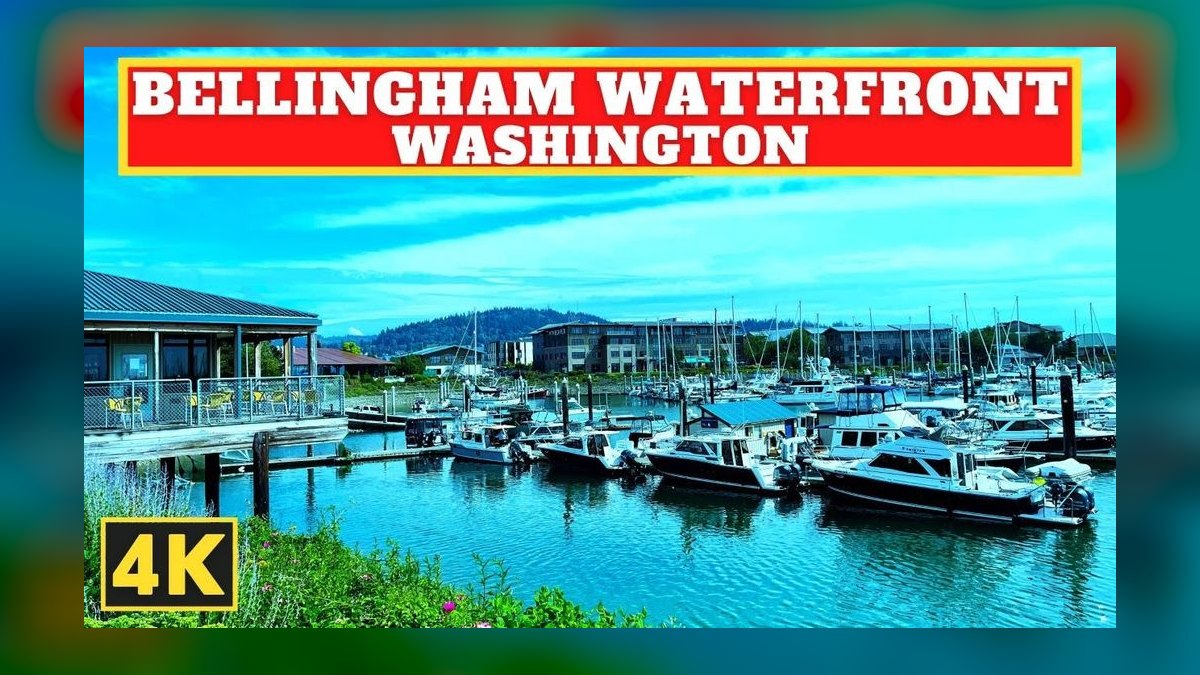
Bellingham ranks sixth as a college and harbor town anchored by Western Washington University, sitting on Bellingham Bay about 20 miles south of the Canadian border. The city offers a full-service hospital system at PeaceHealth St. Joseph, a walkable Fairhaven historic district, and access to the North Cascades and San Juan Islands, while sitting roughly 90 miles north of Seattle, outside daily commute range.
Bellingham fits retirees who want a mid-size city with a university's amenities — lectures, sports, a hospital system — rather than a small town, and who don't mind being farther from Seattle's airport than Gig Harbor or Bainbridge. It's cooler and wetter than Walla Walla and less dry than Sequim. Compared with Anacortes, Bellingham offers more hospital and university infrastructure but less direct island-ferry access.
7Olympia, Washington

Olympia ranks seventh as Washington's state capital, offering the civic infrastructure of a government town — state library services, the Capitol Campus grounds, and Providence St. Peter Hospital — on the south end of Puget Sound. Downtown sits along Capitol Lake and Budd Inlet, with Amtrak Cascades service connecting north to Seattle and south to Portland, and cost of living runs lower than Seattle or Bainbridge Island.
Olympia suits retirees who want train access to two major cities and full state-level services without paying the northern Puget Sound corridor's prices. It's less scenic than the harbor towns above it and sees the same gray, wet winters as the rest of western Washington. Compared with Gig Harbor, Olympia trades harbor charm for train access and generally lower home prices.
8Wenatchee, Washington
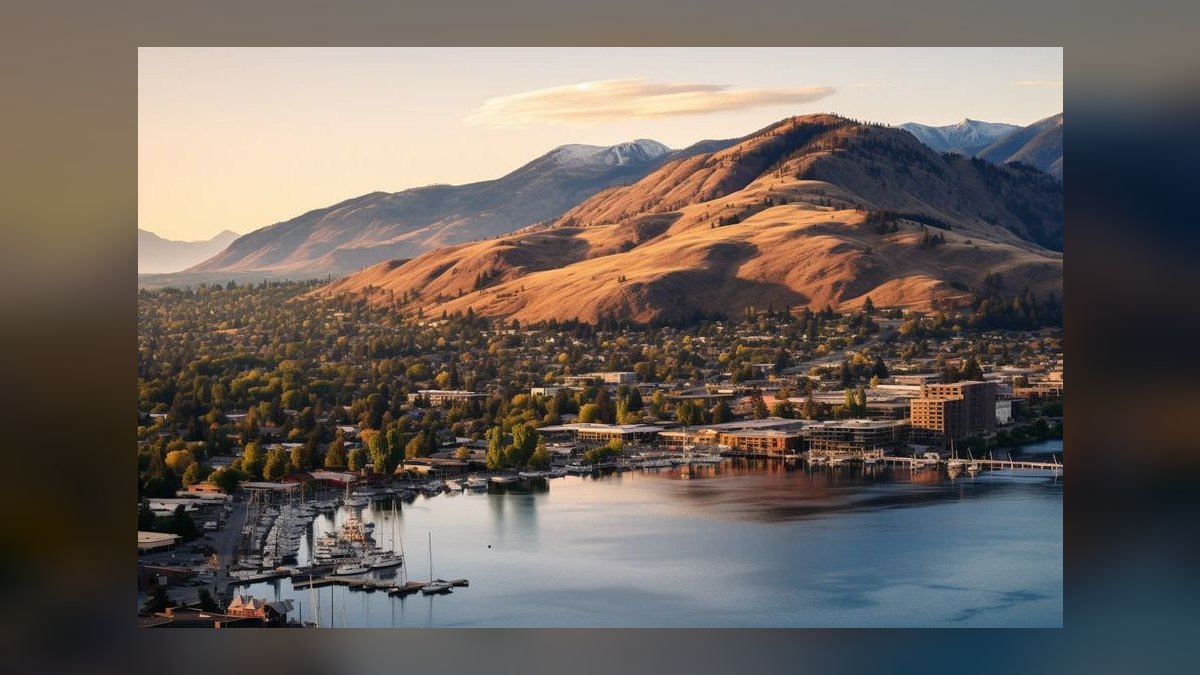
Wenatchee ranks eighth as the self-styled 'Apple Capital of the World,' sitting east of the Cascade crest along the Columbia River where the climate turns notably drier and sunnier than western Washington. Confluence State Park and the Apple Capital Loop Trail line the riverfront, Central Washington Hospital serves the valley, and summers run hot and dry, closer to eastern Washington's high-desert pattern than the coast's.
Wenatchee fits retirees who want sun, orchard scenery, and lower home prices than Puget Sound, and are willing to trade coastal mild winters for hot summers and cold, icy winters east of the mountains. Mountain passes can close in heavy snow, complicating winter travel to Seattle. Compared with Walla Walla, Wenatchee leans orchard and river-valley scenery over wine-country and college-town culture.
9Anacortes, Washington
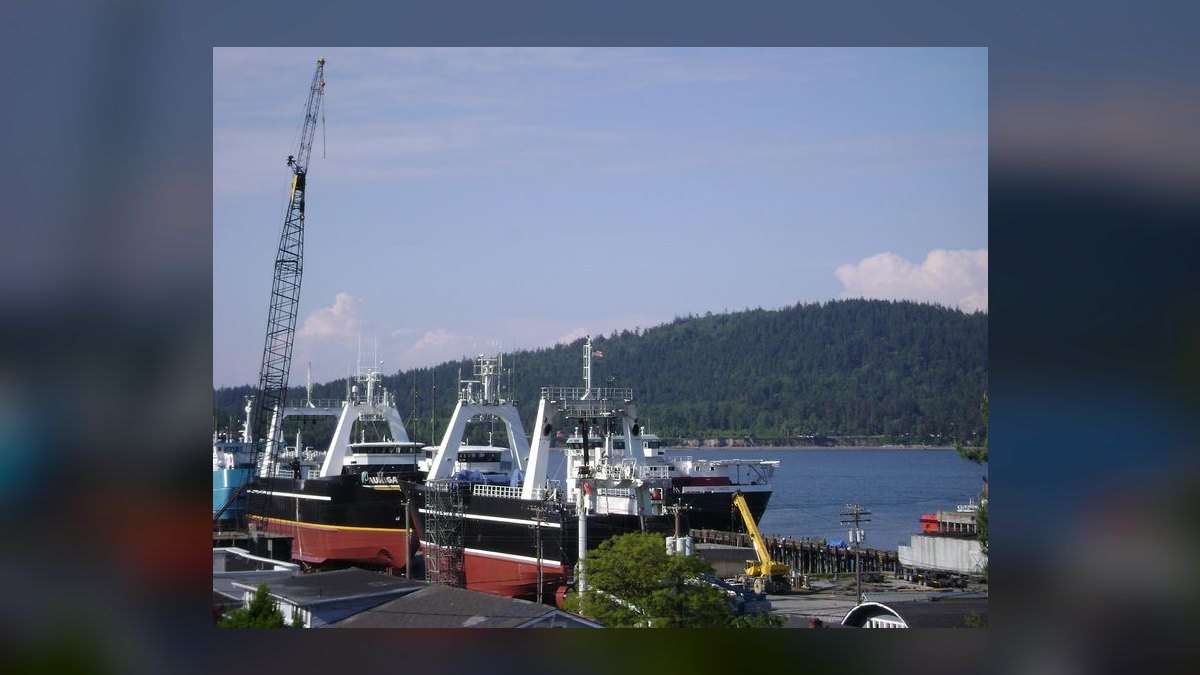
Anacortes ranks ninth as the ferry gateway to the San Juan Islands, with the Washington State Ferries terminal at its edge sending boats daily to Orcas, Lopez, and San Juan Island. The town keeps a working waterfront feel, with downtown murals and Washington Park's shoreline loop for daily walks, and sits about 80 miles north of Seattle, closer to Bellingham than to the metro area.
Anacortes suits retirees who want island access and boating culture without living on an island year-round, at the cost of a longer drive to a major hospital or airport than Gig Harbor or Bainbridge offer. It shares Bellingham's distance from Seattle but leans harder into ferry and marine life. Compared with Bellingham, Anacortes is smaller and more ferry-dependent, with less university or hospital infrastructure.
10Spokane, Washington
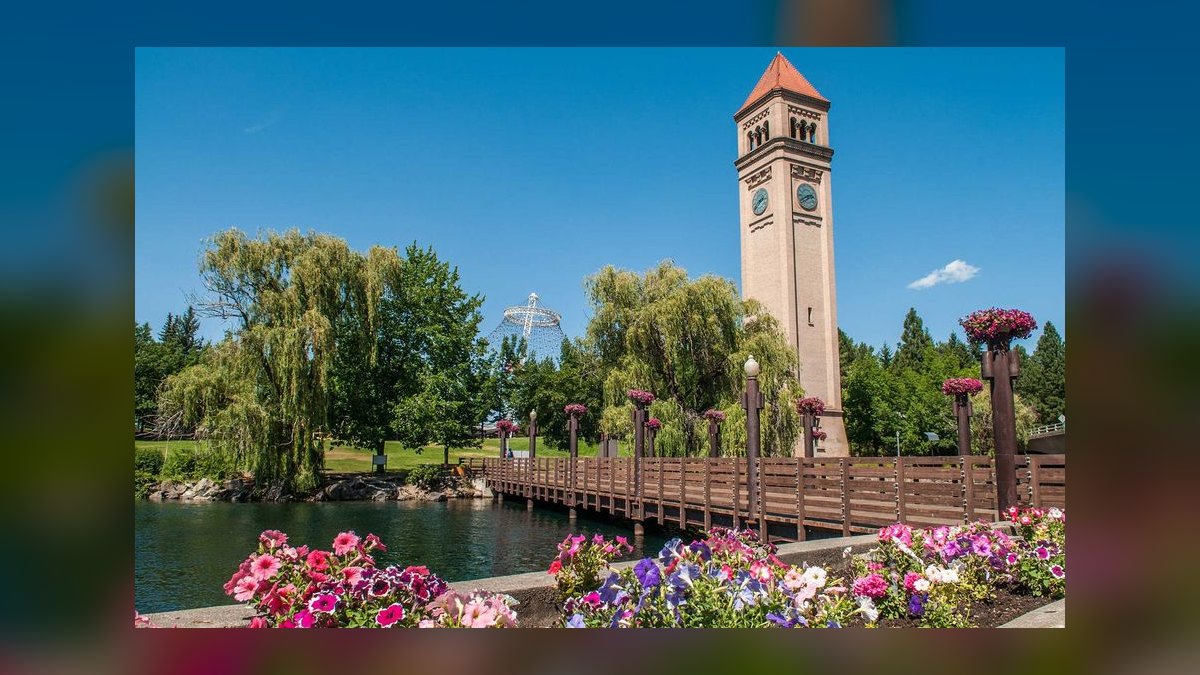
Spokane ranks tenth as Washington's second-largest city and its main hub east of the Cascades, offering big-city infrastructure — Providence Sacred Heart Medical Center, Spokane International Airport, and Gonzaga University — at housing costs well below Seattle or Puget Sound towns. The Spokane River runs through downtown via Riverfront Park, and the city sees four distinct seasons rather than the coast's year-round gray, mild pattern.
Spokane fits retirees who want full city services and lower costs and don't mind trading Puget Sound's mild, wet climate for cold, snowy winters and hot, dry summers east of the mountains. It's the most affordable, best-connected-by-air pick on this list but the farthest from Seattle, roughly a 4.5-hour drive. Compared with Wenatchee, Spokane offers a larger hospital and airport at the cost of orchard-valley scenery.
How we ranked these
Rankings weighted five factors evenly: state and local tax burden, cost of living against state and national medians, healthcare access measured by hospital density and specialist coverage, climate consistency across rainfall days and temperature swings, and outdoor recreation access within a short drive. Public safety used state crime reporting, and walkability was scored for both coastal and inland towns, since retirees increasingly want to reach groceries and pharmacies on foot rather than by car.
Deliberately excluded were school district ratings, nightlife density, and rental-market strength, since those metrics matter to working-age movers rather than retirees settling in permanently. Also left out were subjective magazine 'best places' awards and marketing-driven livability indexes, which tend to reward brand recognition over verifiable cost and healthcare data. Short-term real estate appreciation was ignored too, since retirees buying a home to stay in don't need speculative upside.
Related questions
Does Washington tax Social Security or pension income?
No. Washington has no state income tax, so Social Security, pensions, 401(k) withdrawals, and IRA distributions are all untaxed at the state level. Retirees still owe federal tax on taxable portions of these sources. The tradeoff is a higher statewide sales tax, averaging around 9%, and property taxes that vary widely by county and city.
What's the cheapest place to retire in Washington?
Inland and eastern Washington towns like Walla Walla, Wenatchee, and Spokane run noticeably cheaper than Puget Sound cities, with median home prices often 30-40% below Seattle-area listings. Property tax rates also tend to be lower outside King and Snohomish counties. The tradeoff is fewer direct flights and longer drives to major medical centers for specialist care.
Is Washington a safe state to retire in?
Safety varies sharply by city. Smaller towns like Sequim, Port Townsend, and Walla Walla report crime rates well below state and national averages, while parts of Seattle and Tacoma run higher. Retirees prioritizing safety should check city-specific FBI or state crime data rather than assuming statewide figures apply evenly across every neighborhood and town.
How rainy is western Washington really?
Seattle averages about 150 rainy days a year but only around 37 inches of total rainfall, less than many East Coast cities, just spread over more days with persistent gray skies. Sequim, on the Olympic Peninsula, sits in a rain shadow and gets closer to 16 inches annually, making it a popular low-rain retirement pick for sun-starved retirees.
Do seniors get a property tax break in Washington?
Yes. Washington's Senior Citizen/Disabled Persons property tax exemption reduces or freezes property taxes for qualifying homeowners 61 and older who meet income limits, which vary by county. Some retirees can also defer property taxes entirely. Applications go through the county assessor's office, and income thresholds are adjusted periodically to reflect local cost of living.
Is it better to retire near Seattle or in a small town?
Near-Seattle retirement buys proximity to major hospitals, an international airport, and adult children, at the cost of higher housing and living expenses. Small towns like Port Angeles or Walla Walla cut costs substantially but mean longer drives for specialist care. The right choice depends on how much healthcare access is worth trading for savings and daily convenience.
How does Washington compare to Oregon or Idaho for retirees?
Washington has no income tax but higher sales tax; Oregon has no sales tax but taxes retirement income; Idaho taxes both but at lower overall rates with cheaper housing. Retirees drawing heavily on taxable retirement income often save more in Washington or Idaho than Oregon, while big spenders may prefer Oregon's no-sales-tax structure for everyday purchases.
What's the moving cost from a high-cost state to Washington?
Cross-country moves typically run $3,000 to $8,000 for a full household via professional movers, depending on distance and volume, with Washington's inland cities offering cheaper landing spots than Seattle or Bellevue. Many retirees offset the move with equity from selling a home in a higher-cost state, since Washington housing outside Puget Sound remains comparatively affordable.
FAQ
Does Washington State tax retirement income?
No. Washington is one of nine states with no personal income tax, so pensions, 401(k) and IRA withdrawals, and Social Security benefits are all exempt at the state level. Retirees still pay federal income tax where applicable. The state instead relies on sales and property taxes, so overall savings depend heavily on individual spending habits and home value.
What is the best small town to retire in Washington?
Sequim consistently ranks high for retirees due to its rain-shadow climate, walkable downtown, and active senior community, while Walla Walla appeals to wine-country retirees seeking lower costs. Port Townsend offers a historic waterfront setting for those drawn to arts and maritime culture. The best fit depends on whether climate, cost, or amenities matter most.
Is healthcare good for retirees in Washington State?
Washington ranks above the national average for healthcare access, with strong hospital systems in Seattle, Spokane, and Tacoma. Rural and peninsula towns have fewer specialists, meaning retirees there sometimes drive over an hour for advanced care. Medicare Advantage plan availability is broad statewide, but plan networks should be checked by specific zip code before moving.
What is the cost of living like for retirees in Washington?
Washington's overall cost of living runs above the national average, driven mainly by Puget Sound housing prices. Inland and peninsula towns bring costs closer to or below the national median. Grocery and utility costs are roughly average statewide, so housing choice remains the single biggest lever retirees have over their total monthly budget and lifestyle.
Are there age-restricted retirement communities in Washington?
Yes, Washington has numerous 55+ communities, concentrated around Sequim, Bellingham, the Tri-Cities, and parts of the Puget Sound suburbs. These communities typically offer maintenance-free living, shared amenities, and HOA fees ranging from roughly $150 to $500 monthly. Availability and pricing vary significantly by region and proximity to water or golf courses, so touring several matters.
How does Washington weather affect retirees with health conditions?
Western Washington's persistent overcast winters can affect retirees with seasonal affective disorder or joint conditions sensitive to damp cold, while eastern Washington offers sunnier but hotter, drier summers with wider temperature swings. Retirees with weather-sensitive health conditions should visit prospective towns in both summer and winter before committing to a specific region long-term.
What taxes should retirees moving to Washington expect?
No state income tax, but combined state and local sales tax averages around 9%, among the higher rates nationally, and applies to most goods though not groceries. Property tax rates vary by county, generally in the 0.8% to 1.2% range of assessed value. Estate tax also applies above a state-specific exemption threshold, unlike many states.
Is Washington good for outdoor-active retirees?
Washington offers exceptional access to hiking, boating, and fishing, with the Olympic Peninsula, Cascades, and Puget Sound shoreline all within reach of major retirement towns. Retirees prioritizing year-round outdoor activity often prefer eastern Washington's drier climate for consistent trail access, while western Washington offers marine and forest recreation closer to urban amenities and hospitals.
Do retirees need a car in most Washington retirement towns?
Yes, outside central Seattle and a handful of walkable downtowns like Port Townsend or Sequim, most Washington retirement towns are car-dependent. Public transit exists in larger metros but rural and peninsula areas have limited service. Retirees planning to eventually stop driving should weigh proximity to grocery, pharmacy, and medical services on foot before buying.
Sources
- https://www.irs.gov
- https://www.ssa.gov
- https://dor.wa.gov
- https://www.aarp.org
- https://www.kiplinger.com
- https://www.bankrate.com
- https://www.census.gov
- https://www.usnews.com
Related on PULSE
This page will be disappearing soon. Save it to your device for $1 — or read it free while it is here.
@Kory-White- · if Venmo asks, the last 4 of my number are 2012
This page is gone.
This one is off the shelf now. $1 keeps it on your phone for good — the whole page, pictures and diagrams included.
 pulse-living10 Best Beach Towns to Live in 2027
 pulse-livingTop 10 Best Towns to Live in South Carolina in 2027
 pulse-livingTop 10 Best Places to Buy a Home in Nevada in 2027
 pulse-livingBest European Cities for Remote Workers and Digital Nomads in 2027
 pulse-livingTop 10 Places to Retire in Tennessee in 2027
 pulse-livingThe 10 Best Suburbs for Families in the Southeast in 2027
 pulse-livingTop 10 Best Towns to Retire in Maryland in 2027
 pulse-livingTop 10 Best Towns to Live in on a Budget in 2027
 pulse-livingTop 10 Places to Retire in Oklahoma in 2027
 pulse-livingTop 10 Best Places to Buy a Home in Texas in 2027