


How do film archives preserve and restore early franchise serials in 2027?
Quality
Certified
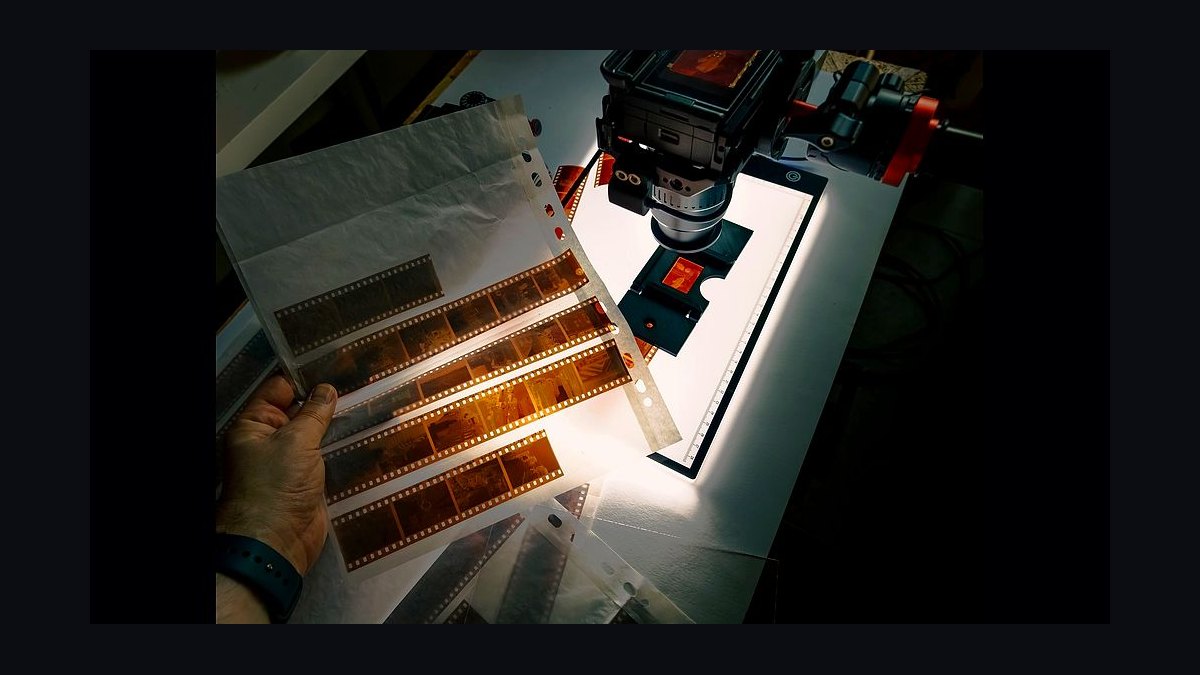
In 2027, film archives preserve and restore early franchise serials by stabilising nitrate and acetate reels at cool, dry conditions, scanning them at 4K–8K, digitally recombining missing chapters from scattered holdings, and using AI-assisted tools to reconstruct damaged frames under human supervision. Preservation secures the physical elements; restoration reconstructs the viewing experience.
A donor call that frames the problem
Imagine a regional film archive in early 2027 taking delivery of eight rusted cans from an estate sale. Inside are chapters of a 1930s adventure serial — the kind of weekly chapter-play that studios once used to build a loyal franchise audience around a single hero, a masked villain, and a cliffhanger every Saturday. The curator opens the cans and finds the familiar mess: chapters one, two, and seven are present on nitrate; chapters three and four survive only as a 16mm reduction print; chapter five is missing entirely; the final chapter exists as a single water-damaged acetate reel with vinegar syndrome creeping across the edge. A second archive three thousand miles away holds a partial dupe negative of chapter five. A private collector has a 9.5mm home-movie abridgement that contains roughly ninety seconds of unique footage from the lost chapter.
This is the normal starting condition for early serial work, not the exception. Serials were cheap, disposable entertainment. Studios printed them on the cheapest stock available, shipped them hard, and rarely kept proper masters. A serial that ran twelve or fifteen chapters in 1936 might now survive as a patchwork of six or seven chapters scattered across four institutions and two private collections, in three different gauges, with inconsistent frame rates and no original soundtrack discs. Preserving and restoring that franchise means treating the whole run as one object even though no single institution owns the whole thing.
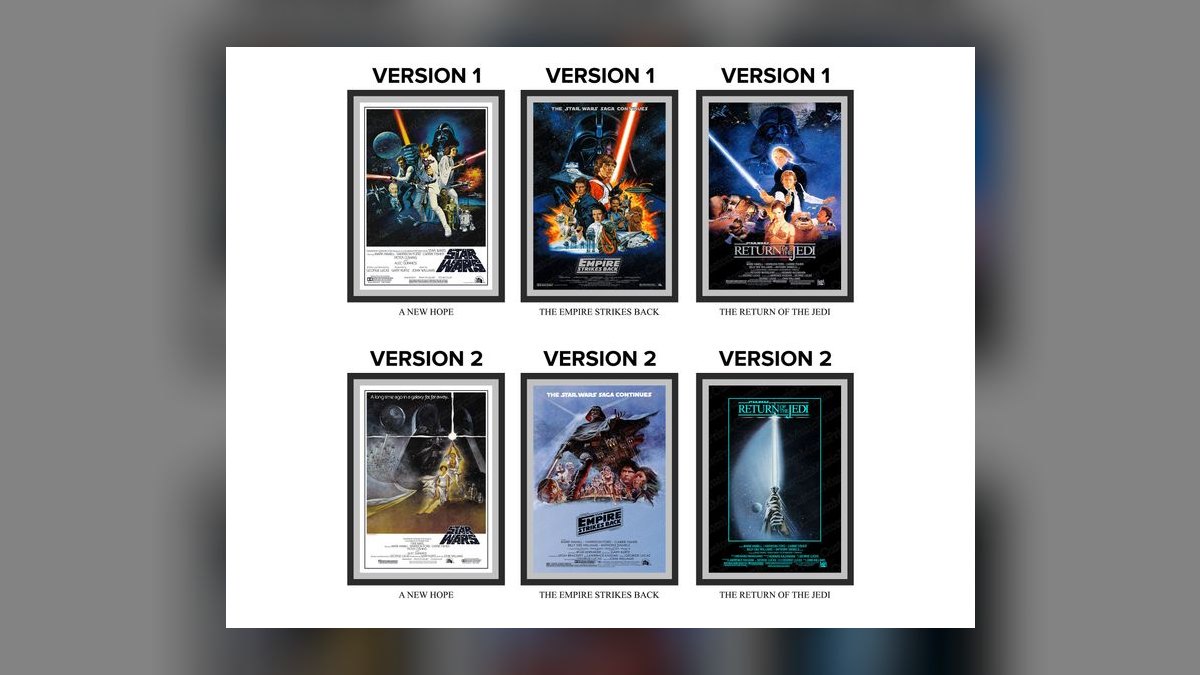
The curator's first job is not restoration. It is a condition survey and a provenance map: what exists, where, in what gauge, on what base, with what rights status. Only after that census can the archive decide whether it is stabilising, scanning, reconstructing, or all three at once.
How the mechanism actually works
Preservation and restoration run on two parallel tracks that meet at the digital intermediate. The physical track buys time for the film base. The digital track buys access and reconstruction capability. Neither replaces the other, and in 2027 the best programmes treat the physical element as the archival master and the digital file as the working and access copy.
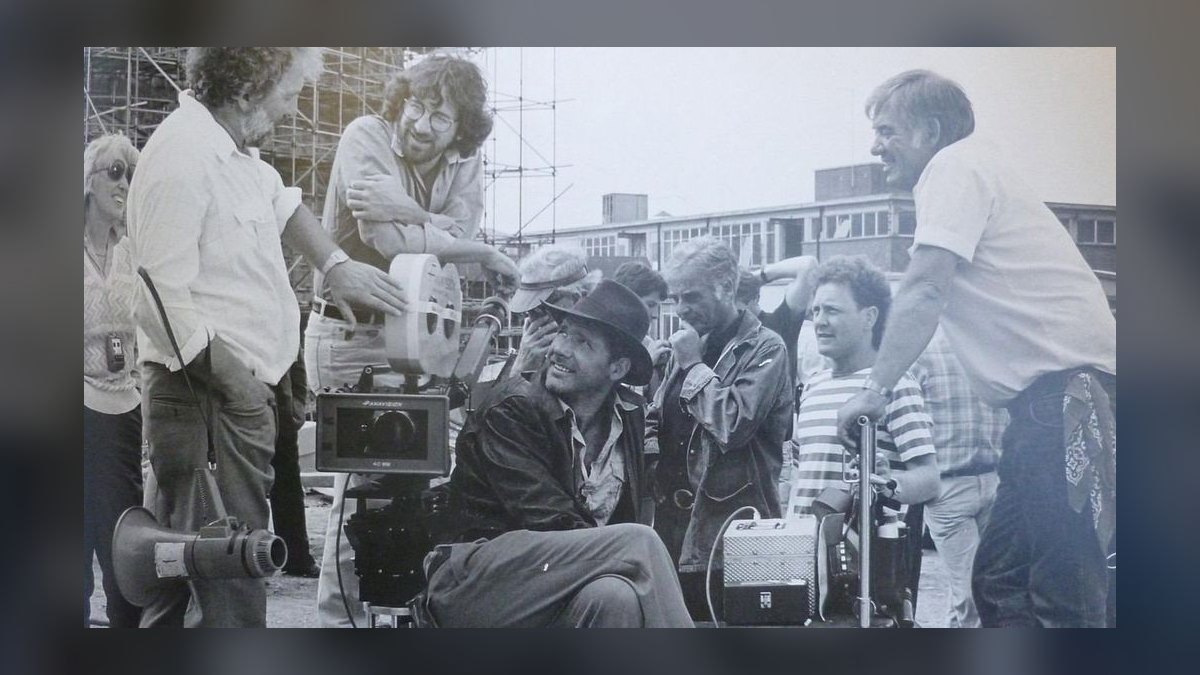
The physical track starts with cold storage. Nitrate goes to a separate, fire-rated vault held near 2°C to 5°C and 30%–40% relative humidity. Acetate colour and black-and-white elements go to 4°C to 10°C at 30%–50% RH. Vinegar syndrome — the acetic acid smell that signals acetate base decay — is slowed dramatically by cold, dry storage, but it is not reversed. Once a reel is "vinegary," the archive's goal shifts to slowing the rate and capturing the image before shrinkage makes the film unspoolable.
The digital track runs the reel through a scanner at the highest resolution the element can justify. For a 35mm nitrate serial, that typically means 4K or 6K scanning at the native frame rate, often 24 fps for sound-era serials and 18–22 fps for earlier silent chapters. A 16mm reduction print is usually scanned at 2K–4K, because the source simply does not carry more detail. Audio, when it survives, comes from optical tracks on the print, from separate disc recordings, or from magnetic masters, and is transferred at 96 kHz / 24-bit.
The reassembly step is where serials differ from features. Because the chapters were separate releases, each with its own title card and recap, the restorer has to decide whether to present them as discrete chapters or as a continuous programme. Most 2027 restorations keep the chapter structure intact and add a menu or an intertitle explaining gaps, because the episodic rhythm is part of the historical object.
Real numbers, ranges, and benchmarks
Cost and time benchmarks in 2027 are wide, but practitioners use rough planning figures. A full photochemical-and-digital restoration of a single 20-minute serial chapter from 35mm nitrate, including scanning, digital cleanup, audio work, and a preservation master, typically runs from roughly $8,000 to $35,000 depending on condition and frame count. A twelve-chapter serial restored end to end therefore lands somewhere between $100,000 and $400,000, and multi-year timelines are normal.
Scanning throughput is a useful planning number. A modern archival scanner can capture 35mm at 4K at roughly 6–15 frames per second of real time, so a 20-minute chapter at 24 fps — about 28,800 frames — takes anywhere from 30 minutes to 90 minutes of pure scan time, before QC. Add handling, cleaning, and rehousing, and a single chapter can occupy a technician for a full day or more.
Storage figures matter because archives plan in petabytes now. A 4K scan of a 20-minute chapter with 16-bit colour and no compression runs roughly 1.5–3 TB. A twelve-chapter serial scanned that way lands near 20–35 TB before any derivative or access copies. Preservation masters are usually written to LTO tape in two geographically separate copies, with checksum verification every few years; a single LTO-9 cartridge holds about 18 TB, so a full serial's preservation master fits on two to three tapes per copy.
Condition thresholds drive decisions. Film shrinkage above roughly 1.2%–1.5% often makes a print too tight for a contact printer and pushes the archive toward scanning only. Vinegar syndrome measured by A-D strip at level 1 or 2 is manageable with cold storage; level 3 is advanced and demands immediate capture. Nitrate decomposition stages — from "slight" to "critical" — follow a similar logic: once a reel reaches the sticky or powdery stage, every handling risks permanent loss.
Missing-footage benchmarks are sobering. For pre-1950 serials, survival rates are frequently estimated in the range of 30%–60% of original chapters, with complete runs far rarer. That is why cross-institutional reconstruction is the norm rather than the exception, and why small private holdings — a single 16mm reel, a home-movie abridgement, a disc — can be disproportionately valuable.
Trade-offs and alternatives
Every restoration decision trades fidelity against access against cost. The archive that scans at 8K from a battered 16mm reduction print is spending money on resolution the source cannot deliver. The archive that scans at 2K from pristine nitrate is leaving detail on the table. Practitioners calibrate resolution to the weakest element in the chain, not the strongest.
There is also a philosophical split between "restore to original release" and "restore to best surviving state." A serial that was originally tinted and toned, with hand-coloured effects, may only survive in black and white. The restorer can digitally re-create plausible tints from continuity documents and trade-press descriptions, or can present the film as it survives and annotate the difference. Both are defensible; the choice should be documented and reversible.
A third trade-off is between photochemical preservation and digital-only preservation. Photochemical duplication onto polyester stock produces a stable, human-readable element that needs no software to view, but it is expensive and cannot undo damage. Digital preservation is cheaper to duplicate and enables reconstruction, but it depends on file formats, storage media, and migration cycles that must be maintained indefinitely.
A fourth trade-off is AI-assisted reconstruction. Machine-learning tools in 2027 can interpolate missing frames, remove dirt and scratches, stabilise flicker, and even synthesise plausible detail in badly damaged areas. Used carefully, with human review and clear documentation, they can make a serial watchable again. Used aggressively, they can invent detail that never existed and quietly rewrite history. The professional consensus is to keep restoration outputs separate from preservation masters, so future researchers can see exactly what was original and what was generated.
Common pitfalls and how to avoid them
The most common pitfall is scanning too early. A reel that arrives warped, dirty, or held together with brittle splices should be cleaned, repaired, and rehoused before it goes anywhere near a scanner. Running a damaged print through a transport mechanism can tear perforations and destroy the very frames the archive is trying to save. Slow down, inspect, and repair first.
The second pitfall is treating one institution's holdings as the whole story. Serials were distributed widely, and chapters often survive in unexpected places: a university library, a national television archive, a private collector, a foreign distribution print with different intertitles. A thorough census across databases, union catalogues, and collector networks routinely turns up material that a single-institution search would miss.
The third pitfall is neglecting audio. Silent-era and early sound serials frequently survive as picture-only elements, with the soundtrack on separate discs or lost entirely. Restorers who focus only on image end up with a beautiful scan and no way to present it. Audio should be surveyed at the same time as picture, and disc transfers should be planned alongside scanning.
The fourth pitfall is over-restoring. Heavy-handed dirt removal, aggressive sharpening, and AI frame interpolation can produce a smooth, modern-looking image that no longer resembles the film. The goal is not to make a 1936 serial look like a 2027 production; it is to remove the accidents of time while preserving the texture and grain of the original.
The fifth pitfall is failing to plan for the long term. A restoration that exists only on one hard drive is not preserved. Archives need a preservation master on stable media, at least two geographically separated copies, documented checksums, and a migration schedule. File formats and storage media both age; the archive that does not plan for migration will eventually lose the very files it worked so hard to create.
A final pitfall is rights and access. Restoring a serial does not necessarily grant the right to publish it. Archives should clarify rights status early, work with rights holders where they exist, and be transparent with audiences about what is available, what is restricted, and why. Preservation without access serves the object; preservation with access serves the culture.
Related questions
Why are early serials harder to restore than feature films?
Serials were printed on cheap stock, shipped hard, and rarely retained as masters. A feature might survive as a studio negative; a serial often survives as scattered release prints in multiple gauges and institutions, with missing chapters and inconsistent sound. That fragmentation, not just decay, drives the difficulty.
What does "preserve" mean versus "restore"?
Preservation secures the physical and digital elements so the film survives: cold storage, cleaning, scanning, backups. Restoration reconstructs the viewing experience: reassembling chapters, repairing damage, grading colour, syncing audio. Preservation is the foundation; restoration is the interpretation built on top of it.
Can AI really reconstruct a lost serial chapter?
No. AI can interpolate frames, remove damage, and fill small gaps, but it cannot recover footage that no longer exists in any element. When a chapter is truly lost, the honest outcome is documentation of the gap, not a synthetic replacement presented as original.
How long does a full serial restoration take?
Typically two to five years for a twelve-chapter serial, depending on condition, funding, and how many institutions are involved. Scanning and cleanup are predictable; rights clearance, element discovery, and audio reconstruction are the variables that stretch timelines.
Do archives share elements with each other?
Yes, routinely. Cross-institutional loans and shared scans are standard practice for serial reconstruction, because no single archive usually holds a complete run. Agreements cover handling, insurance, scan quality, and credit, and the resulting files are often shared back to both institutions.
FAQ
What is a franchise serial in this context?
A franchise serial is an episodic chapter-play built around a recurring hero, villain, or brand — the 1930s and 1940s adventure, crime, and science-fiction serials that studios released week by week to keep audiences returning. The term "franchise" here refers to the recurring characters and branding, not to modern blockbuster franchises.
Why is cold storage so important for preservation?
Chemical decay rates drop sharply as temperature and humidity fall. Nitrate decomposition and acetate vinegar syndrome both slow dramatically in cold, dry conditions, buying the archive decades of time to scan and restore. Cold storage does not reverse damage; it delays it.
What is vinegar syndrome?
Vinegar syndrome is the breakdown of acetate film base, detectable by a vinegar-like odour and measured with A-D strips. It causes shrinkage, warping, and eventual loss of image. Cold, dry storage slows it, and once it reaches advanced stages the priority shifts to immediate scanning.
How do archives handle missing chapters?
They reconstruct from whatever survives: partial prints in other gauges, foreign distribution versions, abridgements, stills, scripts, continuity notes, and sometimes disc recordings. Gaps that cannot be filled are documented rather than fabricated, and restorations usually flag them for the viewer.
Is digital restoration enough on its own?
No. Digital files depend on storage media, software, and migration cycles that must be maintained indefinitely. Most archives keep a photochemical element where possible and treat the digital preservation master as a complement, not a replacement, with redundant geographically separated copies.
Can the public see restored serials?
Often yes, through archive screenings, festivals, streaming partnerships, and institutional access programmes, subject to rights. Some restorations remain restricted, and some are available only on-site. Archives increasingly publish access copies alongside preservation masters where rights allow.
Sources
- https://www.loc.gov/programs/national-film-preservation-board/
- https://www.fiaf.org/
- https://www.oscars.org/film-archive
- https://www.bfi.org.uk/archive-collections
- https://www.cinetecadelfriuli.org/
- https://www.archives.gov/
- https://www.eastman.org/
- https://www.unesco.org/en/film-heritage
Related on PULSE
This page will be disappearing soon. Save it to your device for $1 — or read it free while it is here.
@Kory-White- · if Venmo asks, the last 4 of my number are 2012
This page is gone.
This one is off the shelf now. $1 keeps it on your phone for good — the whole page, pictures and diagrams included.
 pulse-recentHow much does it cost to hire a casting director for an independent film in 2027?
 pulse-recentTop 10 Movie Franchises with the Highest Total Box Office Earnings in 2015
 pulse-moviesWhat should you know before investing in Movies in 2027?
 pulse-recentWhat criteria should you use to choose a movie for a film club in 2027?
 pulse-recentTop 10 Rom-Coms of the 2000s in 2027
 pulse-recentTop 10 Best Picture Winners of the 1990s in 2027
 pulse-moviesTop 10 Foreign Language Films of All Time in 2027
 pulse-moviesTop 10 Movies of the 1980s in 2027
 pulse-moviesHow much do Movies cost in 2027?
 pulse-moviesTop 10 Action Movies of All Time in 2027