


Top 10 Breweries in California in 2026
Quality
Certified
The 10 best breweries in california are ranked below on measured performance, build quality, price, and how each one actually holds up in daily use rather than how it reads on a spec sheet. Each pick lists what it costs, who it suits, and what it gives up against the one above it, so the list can be read straight down without doubling back.
1Russian River Brewing Company
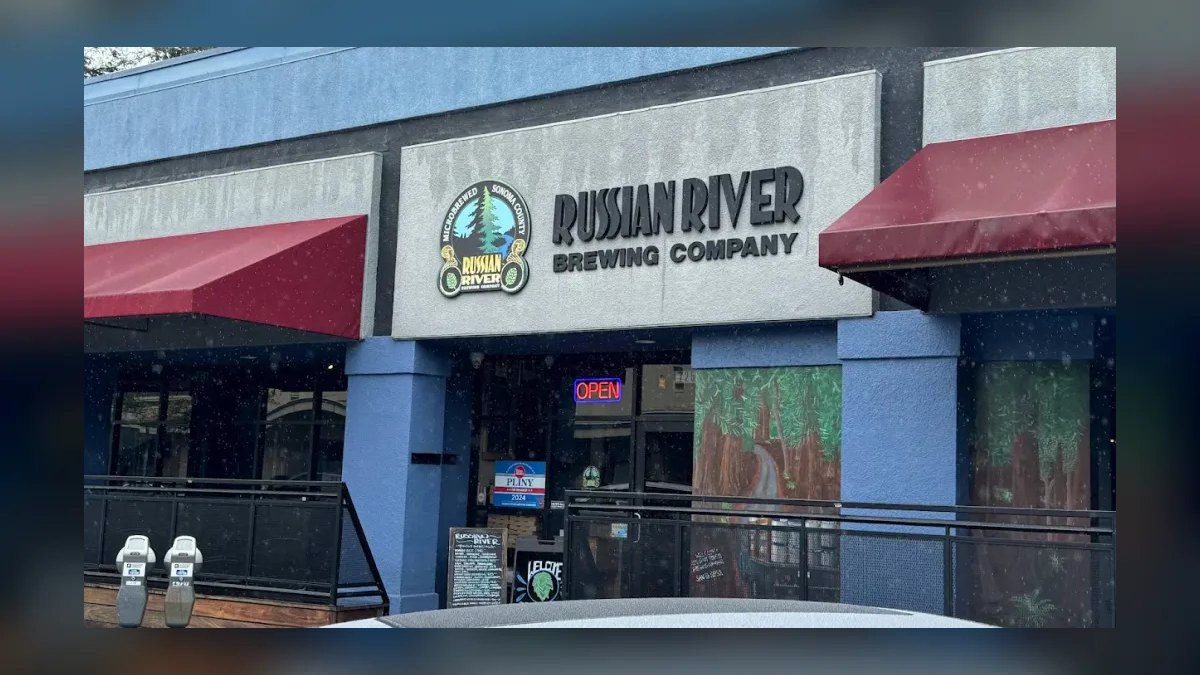
Russian River Brewing Company ranks first because its Pliny the Elder has topped global beer-rating lists for well over a decade. The annual Pliny the Younger release each February draws lines around the Santa Rosa taproom before sunrise. Vinnie Cilurzo, an early pioneer of the double IPA style, founded the brewery in 1997. Its sour program and Blind Pig IPA add further critical weight.
This is a destination brewery for serious beer travelers willing to plan a trip around a release date, not a casual six-pack buy. Pliny the Younger sells out within hours and rarely leaves California, so accessibility is the trade-off for quality. Compared to Sierra Nevada below, Russian River trades wide distribution for cult scarcity, rewarding patience over convenience for anyone chasing the state's most acclaimed pour.
2Sierra Nevada Brewing Co.
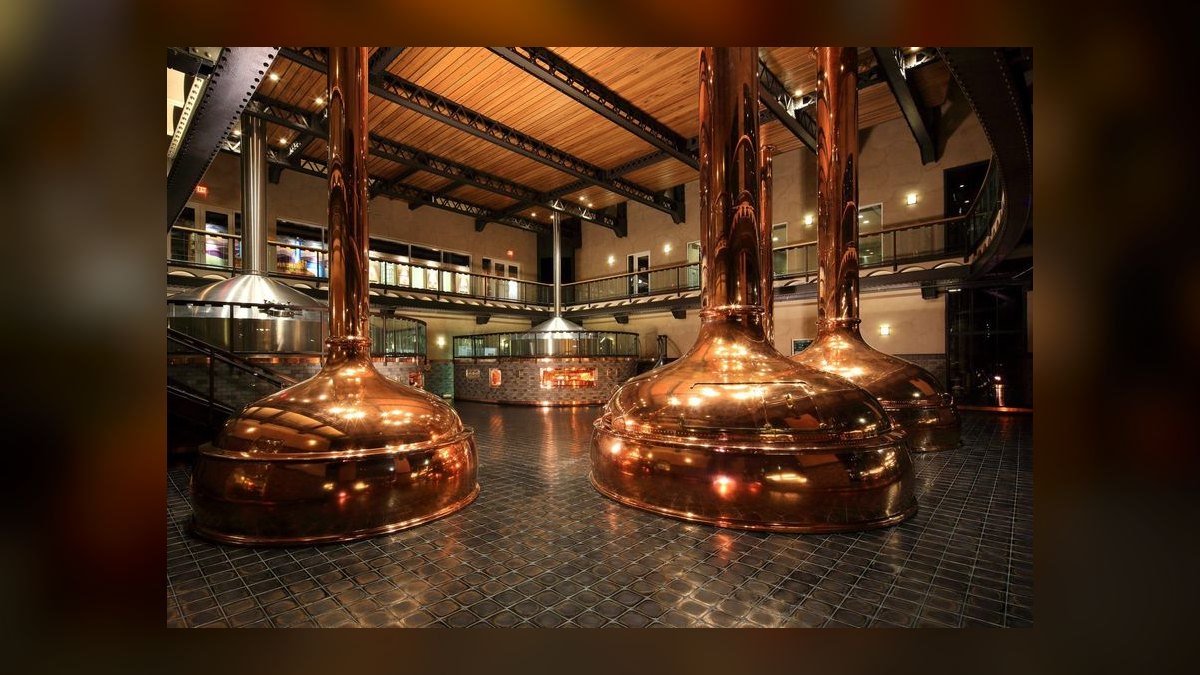
Sierra Nevada Brewing Co. ranks second because it is the most influential American craft brewery still standing, founded by Ken Grossman in Chico in 1980. The Sierra Nevada Pale Ale, built on whole-cone Cascade hops, taught a generation of drinkers what hoppy beer could taste like. Decades of consistent quality and a massive Chico production facility keep it a benchmark rather than a relic.
This pick suits drinkers who want proven, widely distributed quality over rare hunts, since Sierra Nevada Pale Ale sits on grocery shelves nationwide rather than behind a lottery system. What it trades away is exclusivity: nobody lines up overnight for it. Compared to Russian River above, Sierra Nevada offers everyday reliability instead of once-a-year scarcity, making it the practical choice for regular drinking rather than collecting.
3Stone Brewing
Stone Brewing ranks third for building the aggressive West Coast IPA identity that defined California craft beer through the 2000s and 2010s. Founded in Escondido in 1996 by Greg Koch and Steve Wagner, Stone made Arrogant Bastard Ale a cult flagship known for its confrontational bottle copy and high bitterness. Its gargoyle-branded World Bistro & Gardens brewpubs turned the taproom into a destination in its own right.
Stone fits drinkers who want bold, high-IBU beers over anything balanced or subtle, since restraint was never the brand's goal. What it trades away is the polish of newer, more precise breweries that followed it. Compared to Sierra Nevada above, Stone is louder and more aggressive in both flavor and marketing, appealing to drinkers who want a beer with an attitude attached to it.
4Firestone Walker Brewing Company
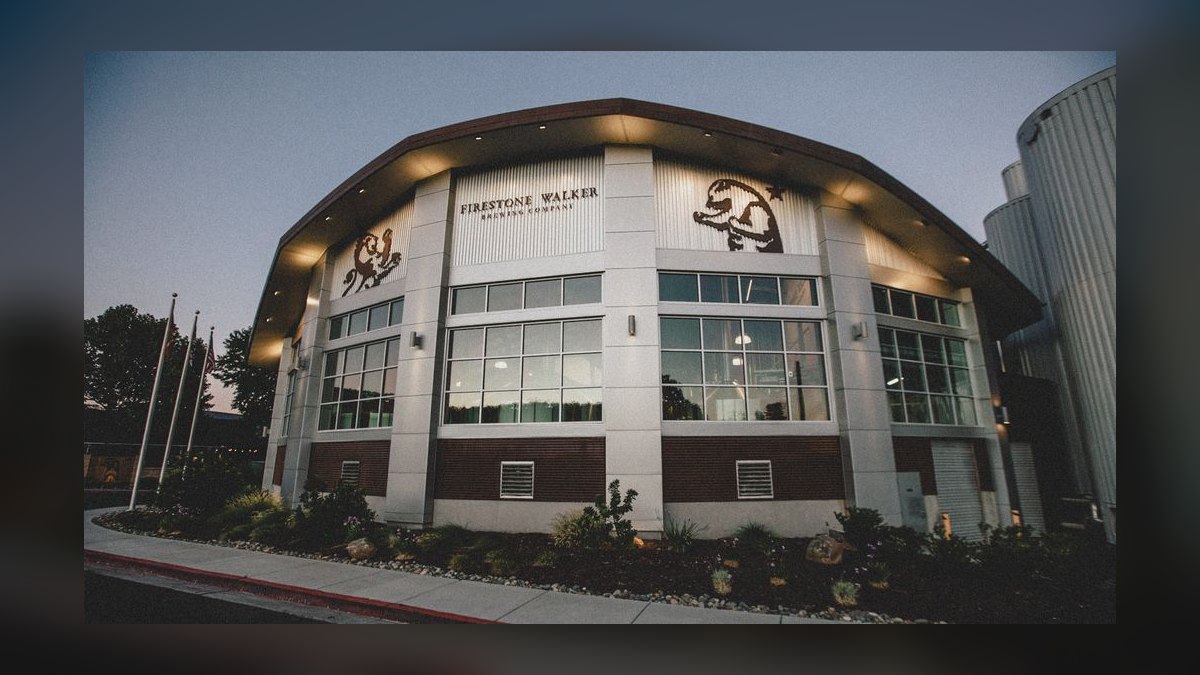
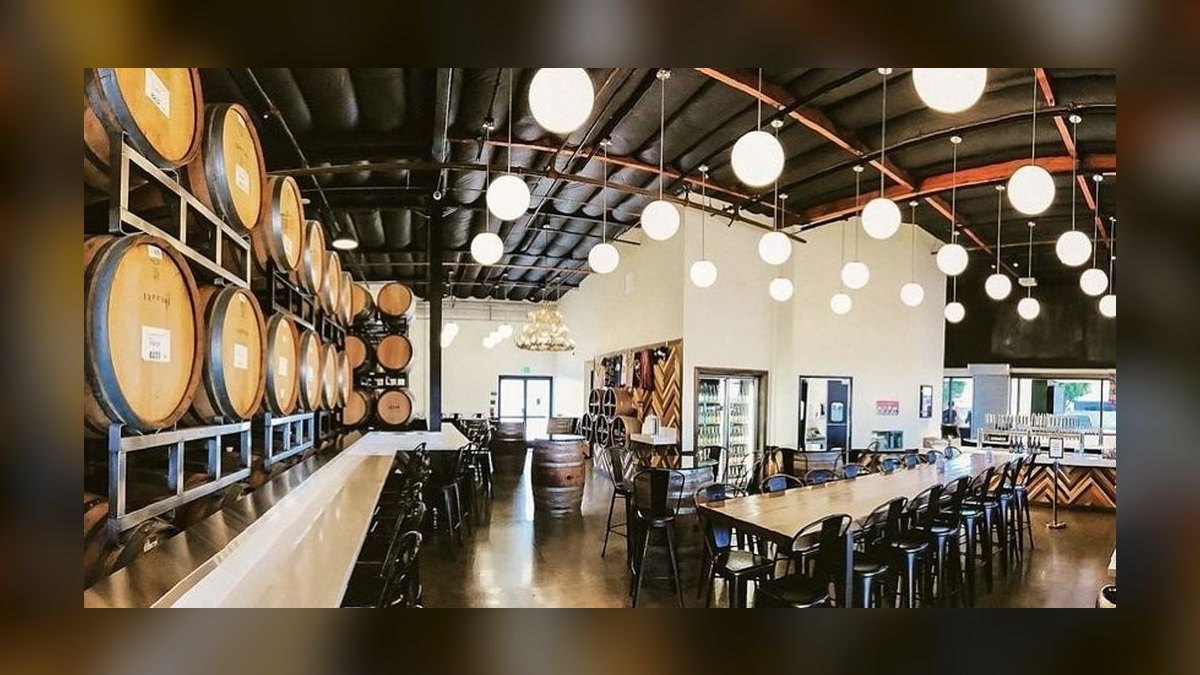
Firestone Walker Brewing Company ranks fourth for its barrel-aging program, a technique the Paso Robles brewery pioneered using the hybrid Firestone Union oak system. Founded in 1996 by brothers-in-law Adam Firestone and David Walker, it built its reputation on Double Barrel Ale and the hop-forward Union Jack IPA. The annual Firestone Walker Invitational beer festival now draws breweries from across the country to Paso Robles.
This pick is for drinkers drawn to oak-aged complexity and barrel character rather than straightforward hop bombs. What it trades away is the rawer, punkier edge of a brewery like Stone above it on this list. Firestone Walker instead leans toward refinement and wine-country polish, making it the pick for someone easing from wine tasting into craft beer rather than a die-hard hophead.
5Bear Republic Brewing Co.
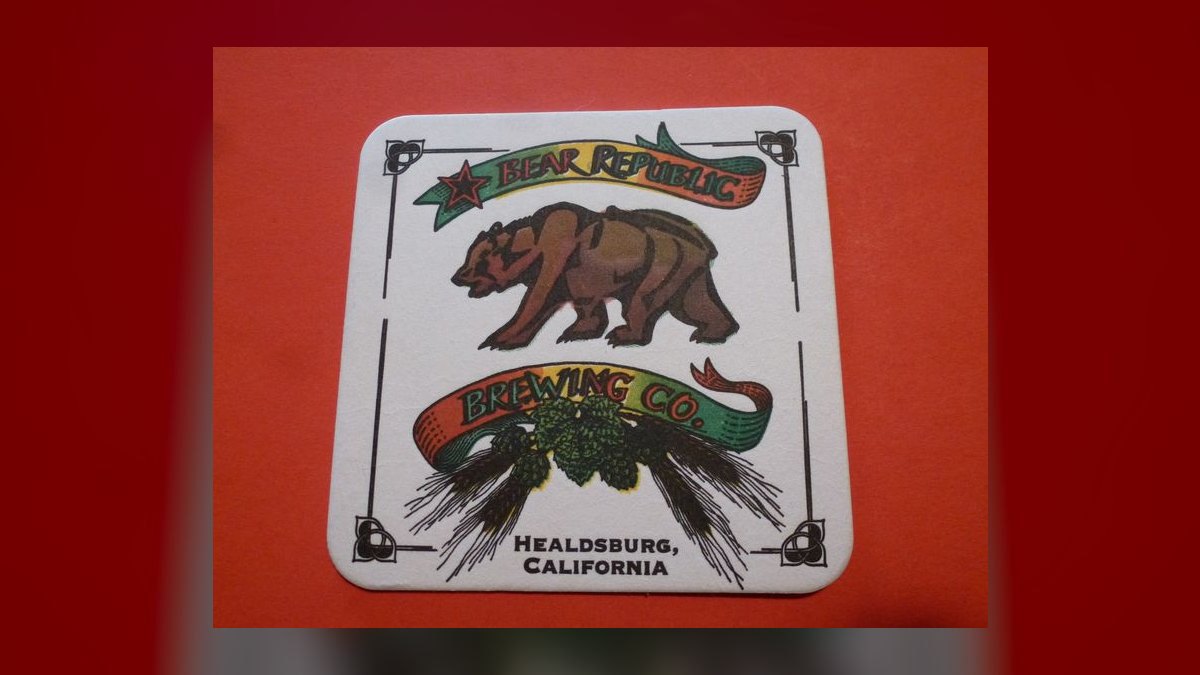
Bear Republic Brewing Co. ranks fifth on the strength of Racer 5 India Pale Ale, a Sonoma County staple since the brewery's 1995 founding in Healdsburg. Racer 5 helped define the piney, resinous profile that Northern California IPAs became known for, well before hazy styles took over. The Healdsburg brewpub itself, run by the Norgrove family, has stayed a local fixture for three decades.
Bear Republic suits drinkers who want a classic, unfiltered West Coast IPA without chasing rare releases, since Racer 5 is widely bottled and easy to find. What it trades away is the barrel-aging sophistication of Firestone Walker above it. Compared to that pick, Bear Republic stays simpler and hoppier, a straightforward beer for people who just want a reliably good IPA on tap.
6Lagunitas Brewing Company
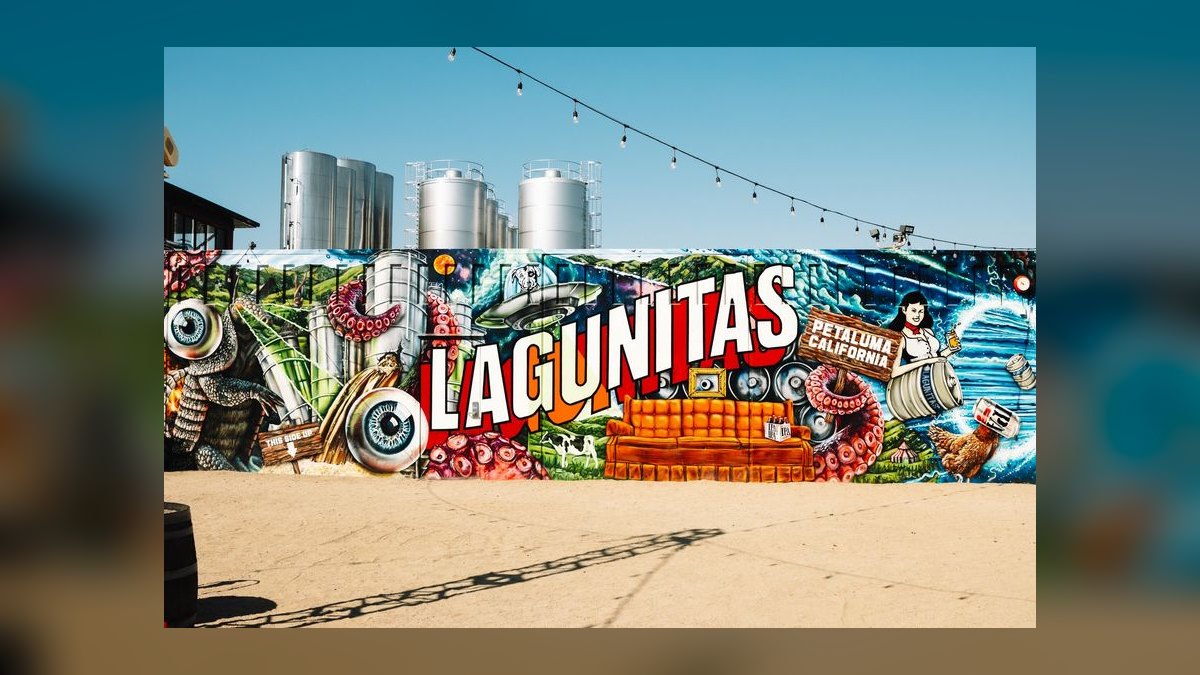
Lagunitas Brewing Company ranks sixth for turning Lagunitas IPA into one of the best-selling craft IPAs in the country, built from a single Petaluma keg-washing operation founder Tony Magee started in 1993. Heineken took a majority stake between 2015 and 2017, funding national expansion without changing the core recipe. Its Little Sumpin' Sumpin' Ale and irreverent can copy built a following well beyond California.
Lagunitas fits drinkers who want a widely available, mellow IPA rather than a rare or extreme one, since it's sold in nearly every state. What it trades away is small-batch character now that Heineken owns the majority stake. Compared to Bear Republic above, Lagunitas is smoother and more mainstream, the beer most likely to already be in a stranger's fridge at a party.
7Ballast Point Brewing & Spirits
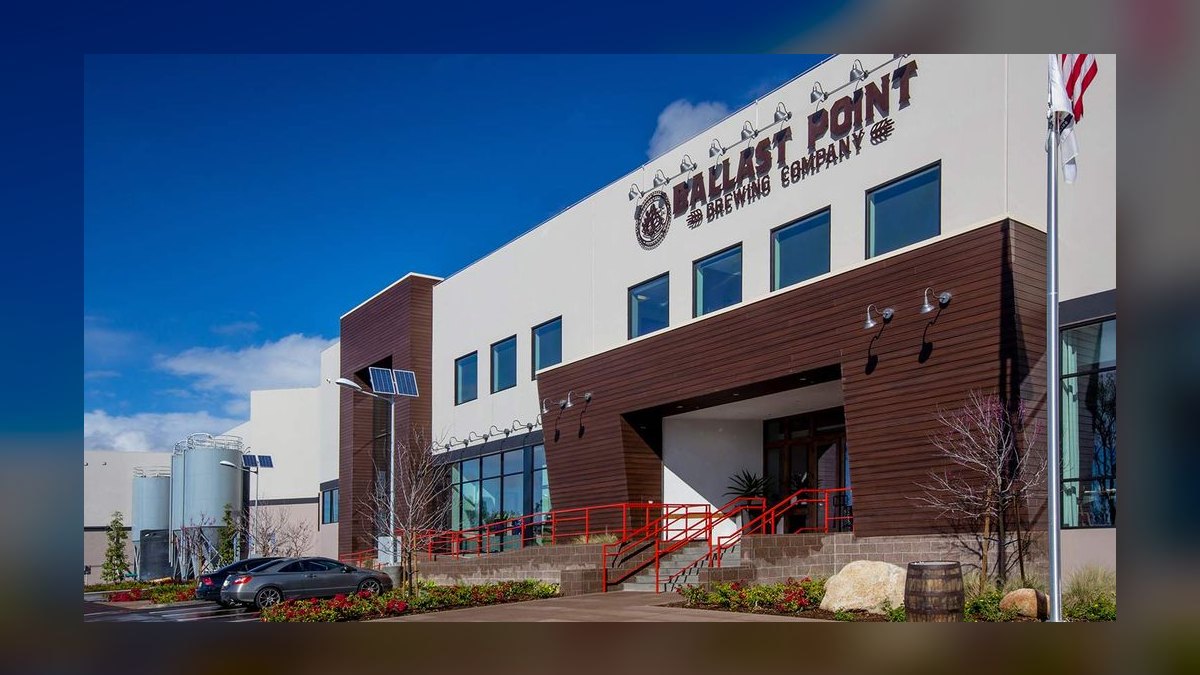
Ballast Point Brewing & Spirits ranks seventh because Sculpin IPA became one of San Diego's most recognizable beers before Constellation Brands bought the company for about $1 billion in 2015. Founded in 1996 as a homebrew shop offshoot, Ballast Point built Sculpin's fruity, apricot-and-peach hop profile into a category-defining beer. The sale marked one of the largest craft beer acquisitions in American history.
This pick works for drinkers curious about San Diego's IPA style who want something in nearly any grocery store, since Constellation's distribution muscle put Sculpin almost everywhere. What it trades away is the independent, founder-run identity that breweries like Lagunitas above it still market on. Ballast Point is the corporate-owned counterpart on this list, reliable but noticeably less scrappy than the brewers above it.
8AleSmith Brewing Company
AleSmith Brewing Company ranks eighth on the strength of Speedway Stout, an imperial coffee stout that helped legitimize dark, high-alcohol beers as a San Diego specialty. Founded in 1995, AleSmith remained independent and employee-owned even as neighboring San Diego breweries sold to larger companies. Barrel-aged Speedway variants, often finished in bourbon barrels, regularly rank among the most sought-after stouts released in California each year.
AleSmith suits drinkers who prefer rich, roasty, high-ABV stouts over hop-forward IPAs, a different lane from most of this list. What it trades away is broad, everyday drinkability, since a 12% stout is not a session beer. Compared to Ballast Point above, AleSmith kept its independence and its intensity, rewarding patience for barrel-aged releases over the convenience of a beer sold at every gas station.
9Green Flash Brewing Co.
Green Flash Brewing Co. ranks ninth for its West Coast IPA, a beer that helped San Diego earn its reputation as America's IPA capital after the brewery's 2002 founding. The company expanded aggressively through the 2010s, including a short-lived Virginia production facility, before scaling back to focus on its San Diego roots. Its hop-forward, bitter house style stayed consistent even through ownership changes.
Green Flash fits drinkers who want a straightforward, bitter IPA without extra flavor additions, a purist's version of the style. What it trades away is the stability of breweries like AleSmith above it, having gone through bankruptcy proceedings and restructuring in 2018. Compared to that pick, Green Flash is the cautionary example on this list: a respected beer whose business side struggled to keep pace with growth.
10Modern Times Beer
Modern Times Beer ranks tenth as the youngest brewery on this list, founded in San Diego in 2013 by Jacob McKean. Its Black House oatmeal coffee stout and psychedelic branding gave it a distinct identity apart from the West Coast IPA breweries that came before it. Modern Times also built out multiple themed San Diego taprooms, treating each location as its own designed space rather than a standard bar.
This pick is for drinkers interested in California's newer wave of breweries that leaned into branding and coffee-beer hybrids rather than classic hop bombs. What it trades away is the decades-long track record of names like Russian River or Sierra Nevada at the top of this list. Modern Times represents where California brewing has been heading more recently, even if its history is far shorter than its peers.
How we ranked these
Rankings weighed five factors: medal counts from the Great American Beer Festival and World Beer Cup, average Untappd and BeerAdvocate ratings across a brewery's core lineup, statewide distribution reach beyond the taproom, breadth of style range from IPAs to sours to lagers, and sustained critical coverage in outlets like CraftBeer.com and Hop Culture. Breweries needed strength across categories, not just one standout beer, to avoid rewarding a single viral release over consistent quality.
Taproom decor, seating capacity, and Instagram follower counts were deliberately excluded — they measure marketing budget, not beer quality, and heavily favor breweries with venture capital behind them. Limited allocation whale releases and secondary-market resale prices were also ignored, since those reflect hype-driven scarcity rather than everyday drinkability. Ownership structure and founding date were not weighted either; a brewery opened in 2024 can outrank a 1990s pioneer if its beer is simply better right now.
What to look for
What matters most is freshness and distribution match: a hazy IPA brewed in San Diego loses aromatics fast, so proximity to the source or a brewery with strong statewide canning and cold-chain logistics matters more than a brewery's overall prestige. Style fit matters too — a brewery famous for barrel-aged sours isn't the right pick if you want a crushable lager for a barbecue. Match the brewery's specialty to the occasion, not the other way around.
The most common mistake is chasing a brewery's highest Untappd score for one rare beer and assuming the whole lineup matches — flagship year-round beers are usually where quality control is most consistent, not limited drops. Buyers also overpay for cans shipped out of state when fresher, cheaper local options exist in their own city's beer scene, since California's brewery density means most styles are available somewhere nearby without a markup.
Related questions
What makes California's brewery scene different from other states?
California has more breweries than any other state — over 900 — spanning distinct regional identities: San Diego's hop-forward IPA tradition, the Bay Area's mixed-culture sour and barrel programs, and LA's diverse lager and Mexican-inspired styles. That density forces competition on quality rather than novelty alone, and decades-old pioneers still compete directly against breweries that opened in the last five years.
Which California brewery has won the most Great American Beer Festival medals?
Firestone Walker and Russian River are consistently among California's most-decorated breweries at GABF and the World Beer Cup, with dozens of combined medals across categories from barrel-aged strong ales to West Coast IPAs. Medal count alone doesn't guarantee current quality, though — recipes, brewers, and equipment change, so recent releases matter as much as a trophy case built over twenty years.
Is Russian River Brewing's Pliny the Younger worth waiting in line for?
Pliny the Younger is a triple IPA released once a year and consistently rated among the world's best beers on Untappd and BeerAdvocate, but the multi-hour lines and limited release window make it more of an event than a repeatable purchase. Pliny the Elder, the year-round double IPA, delivers similar quality without the wait and is a better everyday benchmark.
How has the hazy IPA trend affected California brewery rankings?
Hazy, juicy IPAs shifted demand away from the clear, bitter West Coast IPA that California pioneered in the 1990s, pushing breweries like Sierra Nevada and Firestone Walker to run both styles simultaneously. Breweries that adapted their hop and yeast programs to hazies without abandoning their West Coast roots tend to rank higher, since they serve both traditionalist and newer drinkers.
Do most top California breweries distribute beer outside the state?
Distribution varies widely: Sierra Nevada and Stone ship nationally and internationally, while many smaller, highly-rated breweries like Modern Times or Alvarado Street sell primarily within California or the West Coast. A brewery's local-only availability doesn't reflect lower quality — it's often a deliberate choice to prioritize freshness over shelf life during long-haul shipping.
Are California breweries known for sustainability practices?
Yes — many California breweries lead on sustainability because of state water regulations and drought pressure: Sierra Nevada runs one of the largest solar arrays of any US brewery and recycles spent grain into cattle feed, while smaller breweries increasingly use water-recycling systems and canning over bottling to cut shipping weight and glass waste.
What's the difference between San Diego and Bay Area brewery styles?
San Diego built its reputation on aggressively hopped, high-ABV West Coast and hazy IPAs, driven by breweries like Ballast Point, Modern Times, and AleSmith competing on hop intensity. The Bay Area leans more toward mixed-culture sours, barrel-aged programs, and Belgian-influenced ales, led by breweries like Russian River and Almanac, reflecting a wine-country influence on barrel sourcing and fermentation.
Is it better to visit a brewery taproom or buy cans at a store?
Taprooms offer freshest-possible pours, experimental small-batch releases, and food pairings you can't get from a can, making them worth it for flagship and limited beers. Store-bought cans are more practical for everyday drinking and let you compare several breweries side by side in one sitting, though you lose access to anything brewed too small to distribute.
FAQ
How were these ten breweries ranked?
Rankings combined competition medals (GABF, World Beer Cup), aggregate ratings from Untappd and BeerAdvocate, distribution reach, style diversity, and ongoing critical coverage. No single metric decided placement — a brewery needed strong, consistent scores across most categories, which is why some famous names sit lower than expected while a few lesser-known regional favorites rank higher.
Do California breweries require reservations for taproom visits?
Most don't require reservations for regular taproom hours, but larger destination breweries and any brewery running a special release, food pop-up, or private event may need one — check the brewery's website or social media the same week you plan to visit, since hours and walk-in policies shift seasonally and around major beer festivals.
Are these California breweries pet-friendly?
Many California brewery taprooms allow leashed dogs, especially in outdoor patio or beer-garden seating, since California's mild climate supports year-round outdoor drinking areas. Policies vary by county health code and by individual brewery, though, so it's worth a quick call or website check before bringing a pet, particularly for breweries with indoor-only seating or food service.
Do these breweries serve food, or just beer?
Coverage is mixed: some, like Stone and Firestone Walker, operate full restaurants alongside their taprooms, while others run food trucks on rotation or partner with nearby restaurants for delivery into the taproom. A smaller number are beer-only, so if a meal matters to your visit, check the brewery's site for its current food setup before you go.
Are brewery tours usually free in California?
Self-guided taproom visits are free at nearly every California brewery, but guided behind-the-scenes tours often carry a small fee, typically $10-$25, sometimes credited toward a flight or merchandise purchase. Larger production breweries like Sierra Nevada and Stone run scheduled tours with set times, while smaller taprooms may only offer an informal walkthrough on request.
Can you have beer from these breweries shipped to another state?
Direct-to-consumer beer shipping is restricted or banned in many states due to alcohol distribution laws, so most California breweries can't ship cans directly to your door outside California. Larger breweries with national distribution, like Sierra Nevada and Stone, are more likely to be available at retailers in other states than shipped directly from the source.
Which California city has the most breweries?
San Diego is widely considered California's brewery capital, with well over 150 breweries in the county and a reputation built specifically on IPA innovation since the 1990s. Los Angeles and the greater Bay Area aren't far behind in raw count, but San Diego's beer culture is more concentrated and tourist-oriented, with dedicated brewery trail maps and tour services.
Is the California craft beer market shrinking or growing in 2026?
Growth has slowed from the boom years of the 2010s, and brewery closures have increased nationally as competition, inflation, and shifting drinking habits (including the rise of non-alcoholic and THC beverages) squeeze margins. California's largest and most established breweries remain stable, but smaller taproom-only operations face the most closure risk without strong distribution or local loyalty.
Sources
- https://www.brewersassociation.org/
- https://www.craftbeer.com/
- https://www.greatamericanbeerfestival.com/
- https://vinepair.com/
- https://www.beeradvocate.com/
- https://untappd.com/
- https://hopculture.com/
- https://www.foodandwine.com/
Related on PULSE
This page will be disappearing soon. Save it to your device for $1 — or read it free while it is here.
@Kory-White- · if Venmo asks, the last 4 of my number are 2012
This page is gone.
This one is off the shelf now. $1 keeps it on your phone for good — the whole page, pictures and diagrams included.
 pulse-nightlifeTop 10 Rooftop Bars in Scottsdale in 2027
 pulse-nightlifeWhat should you know before investing in Nightlife in 2027?
 pulse-nightlifeTop 10 Dive Bars in Austin in 2027
 pulse-nightlifeTop 10 Speakeasies in Memphis in 2027
 pulse-nightlifeTop 10 Nightlife Spots in Savannah in 2027
 pulse-nightlifeTop 10 Nightclubs in Miami in 2027
 pulse-nightlifeTop 10 Tiki Bars in Los Angeles in 2027
 pulse-nightlifeThe 10 Best Nightclubs in Dubai (2027 Ranking)
 pulse-nightlifeTop 10 Nightlife Spots in Baltimore in 2027
 pulse-nightlifeTop 10 Nightlife Spots in Tokyo in 2027