
Can I keep multiple male fancy guppies together without aggression?
 Curated byKory White · Fractional CRO · Maryland
 PULSEKNOWLEDGE LIBRARY
Quality
Certified

Yes. Multiple male fancy guppies live together peacefully when you keep four or more in a tank of at least 15–20 gallons, break sightlines with dense planting, and feed small portions two or three times daily. Aggression concentrates when two or three males share a bare tank; larger groups dilute it into harmless display.
All-male groups versus mixed-sex tanks versus solo males
There are really three ways to house fancy guppies, and each one produces a different aggression profile. Understanding the trade-offs matters more than any single rule, because the setup you choose determines what behavior you'll spend the next two years managing.
The all-male tank. No females means no reproductive competition, which removes the single largest driver of chasing in *Poecilia reticulata*. Males still display at each other — flaring the dorsal, spreading the caudal, doing the sigmoid S-curve courtship dance at anything guppy-shaped — but display without a female present rarely escalates into sustained pursuit. The other benefit is enormous and often the real reason people choose it: no fry. A mixed tank with three females can produce 60–120 fry a month, and within six months you're culling, rehoming, or watching your bioload triple. All-male tanks also look better to most keepers, since males carry the color and the finnage. The trade-off: males are the more delicate sex in fancy strains, particularly long-finned varieties, and an all-male tank concentrates whatever fin-nipping does occur onto the fish least able to absorb it.
The mixed-sex tank. This is the traditional setup and it works, but it requires you to respect the ratio. One male to two or three females is the standard recommendation, and it exists because a single female receiving the attention of two males is harassed nearly continuously. Males will attempt dozens of gonopodium thrusts per hour when competition is high. Adding females doesn't calm the males — it spreads their attention so no individual fish absorbs all of it. The trade-off is population growth and the ongoing labor of managing it.
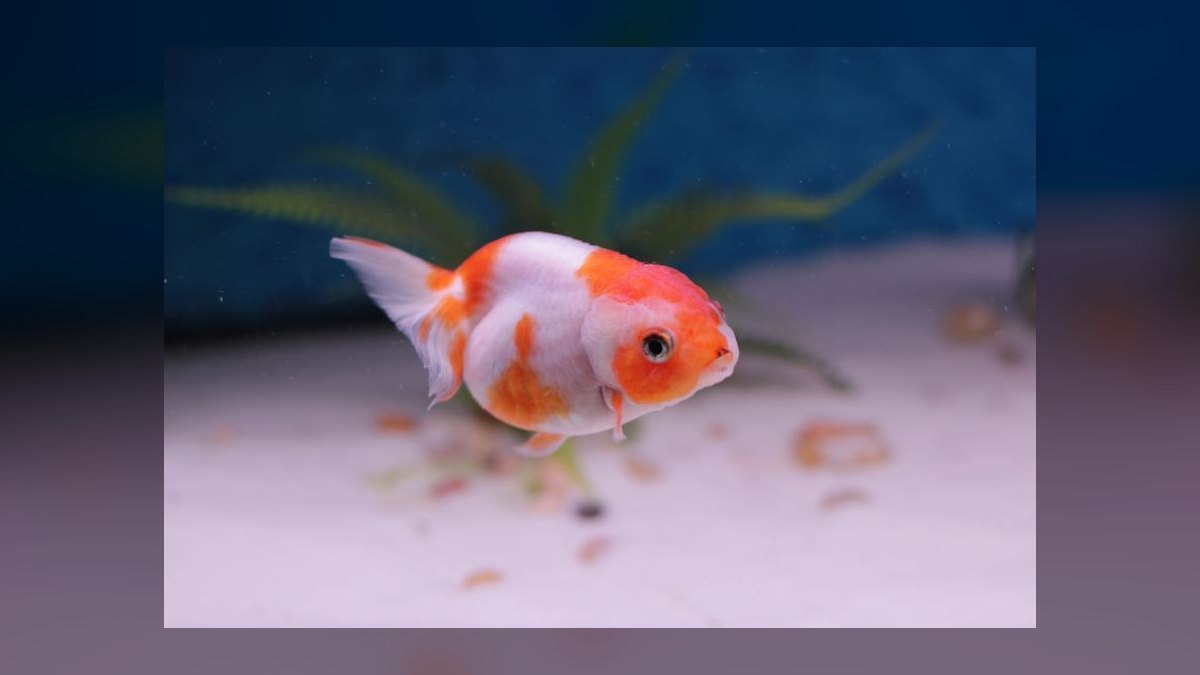
The single male. Zero aggression by definition, and guppies are hardy enough to survive it, but they're a shoaling species. A solitary male often becomes less active, spends more time hovering near the filter outflow, and shows duller coloration over months. For a nano tank under ten gallons, one male with a few small tankmates is a legitimate choice — just don't expect the animated, constantly-displaying fish that makes guppies worth keeping.
The comparison that matters: all-male groups have the lowest total conflict *load* on the tank as a whole, but the highest variance between individuals. In a mixed tank, aggression is distributed and low-intensity; in an all-male tank it's either near-zero or, if you get the group size wrong, focused hard on one scapegoat. That variance is exactly what group size controls.
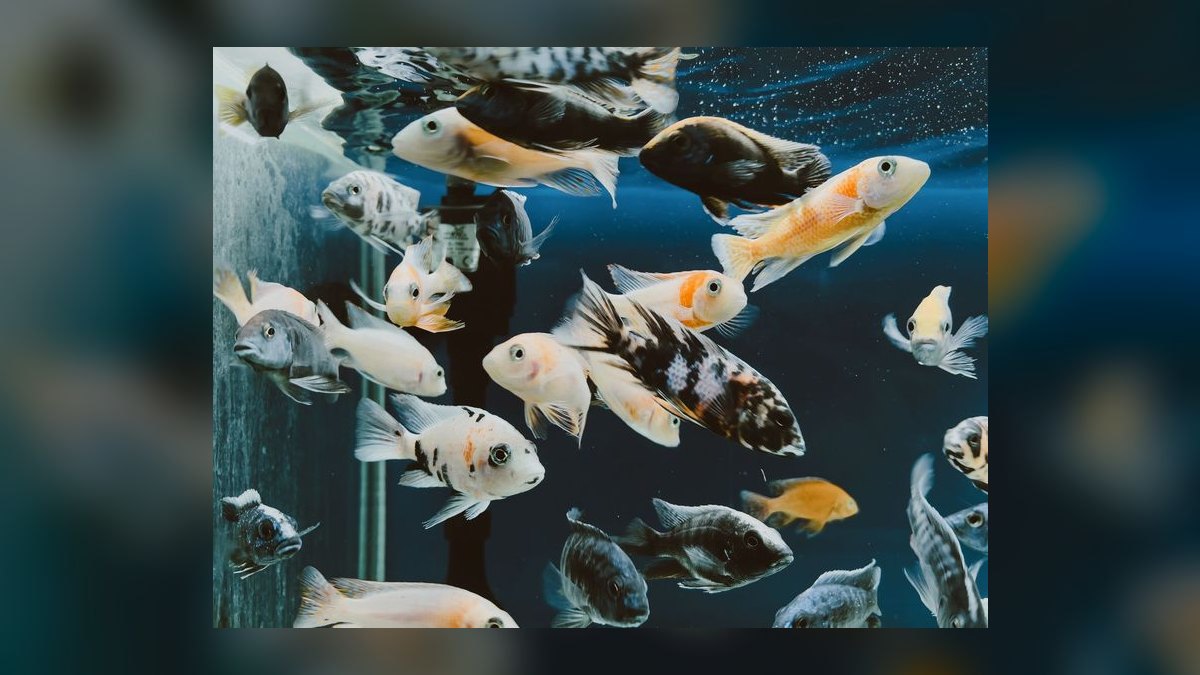
Why group size is the lever, not tank size alone
Guppy aggression is a distribution problem. When two males share a tank, every aggressive impulse from the dominant one lands on the same target. The subordinate has nowhere to disperse the pressure — he's chased at feeding, chased during display, and chased when he tries to rest. He stops eating well, his color fades, his fins fray, and within weeks you have a visibly declining fish.
Add a third male and the pressure splits. Add a fourth, fifth, and sixth and it fragments further. In a group of six, no single fish is the permanent target, because dominance in guppies isn't a rigid linear hierarchy — it's fluid and situational, shifting with who's near the food, who's freshly fed, and who just molted into better condition. Larger groups let that fluidity work in your favor.
This is why "how big is your tank?" is the wrong first question. A 20-gallon tank with two males is worse than a 15-gallon with six. Volume gives fish room to retreat, but it doesn't change the *ratio* of aggressors to targets. Get the group size right first, then size the tank to support it.
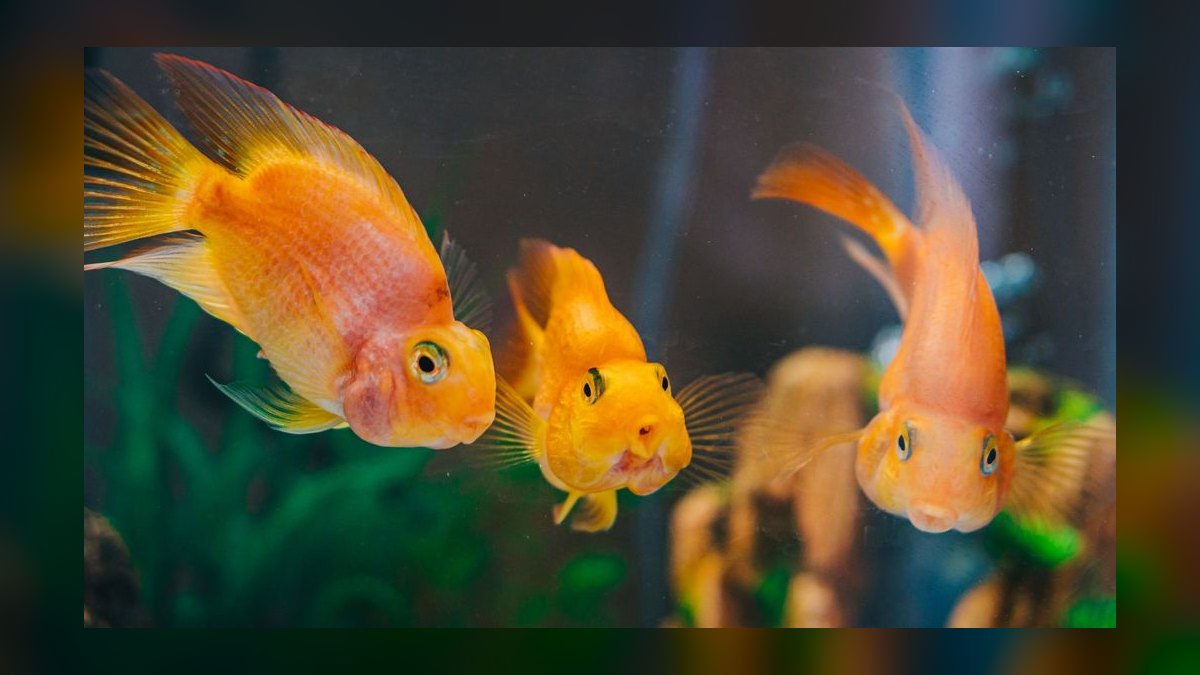
Practical floors that hold up in real tanks:
- Four males minimum for an all-male group. Three works but is fragile — if one fish is noticeably weaker or a different strain with shorter fins, he becomes the target.
- Six or more is genuinely stable. This is where keepers stop reporting problems almost entirely.
- Two males is the worst configuration in the hobby. Not because the fish are unusually vicious, but because there is no third body to absorb attention.
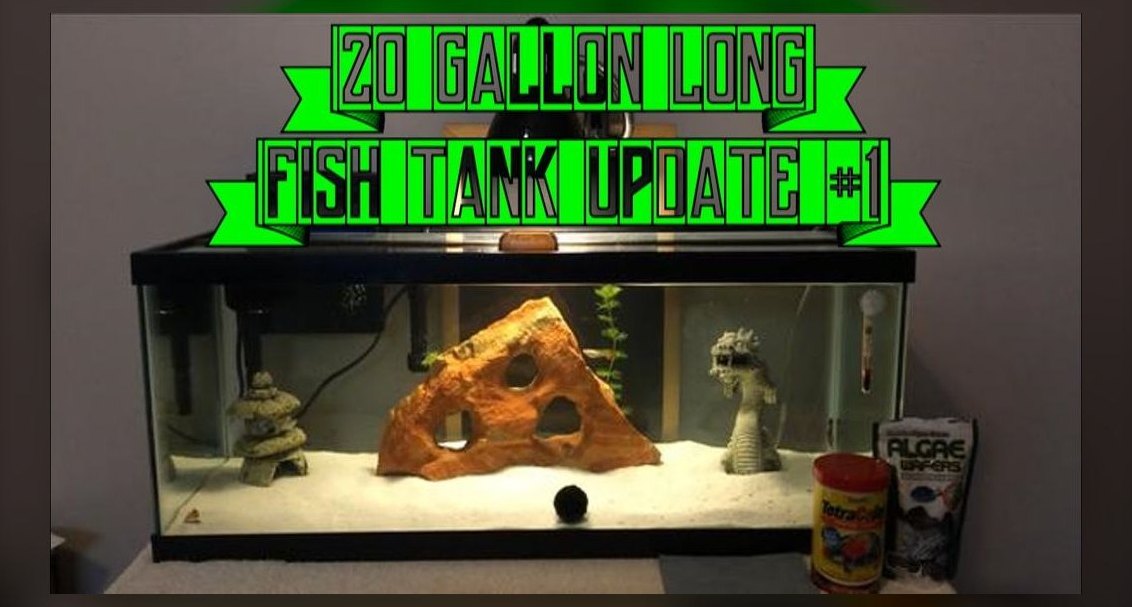
Tank volume then follows: roughly 15 gallons for four to six males, 20 gallons for six to ten, adding two to three gallons per fish beyond that. A standard 20-long (30" × 12" footprint) outperforms a 20-tall for the same volume, because guppies chase horizontally and length gives the chased fish somewhere to actually go.
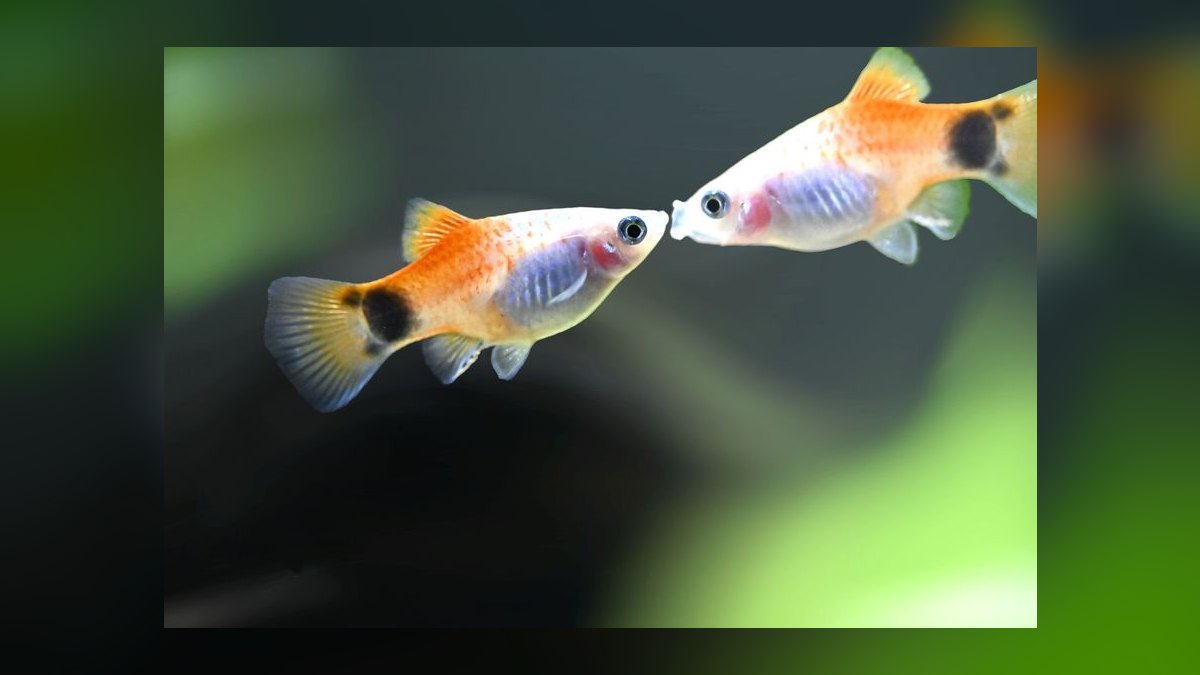
Two more variables that surprise people. Strain uniformity matters — mixing a short-finned feeder-type male with long-finned show guppies reliably produces nipping, since the short-finned fish is faster and the trailing fins are an obvious target. Keep fin types roughly consistent. And adding fish all at once beats staggered introductions. A group added simultaneously to a new tank sorts out its dynamics over three to five days with no established resident to defend turf. Dropping a single new male into a settled group of four is the most common way keepers manufacture a problem that wasn't there.
How to decide which setup fits your tank
Work through the decision in order — group size, then volume, then cover, then tankmates. Skipping to the end and buying decorations for a two-male tank won't fix anything.

The branch most people get wrong is the sightline question. A tank can be heavily decorated and still have terrible sightlines if everything sits low — a carpet of anubias and a piece of driftwood leaves the entire upper water column, where guppies actually spend their time, wide open. What breaks a chase is vertical structure: tall stem plants growing to the surface, floating cover like frogbit or water lettuce, and a mid-water thicket the chased fish can vanish into. Aim for roughly 40% of the *footprint* planted, with at least a third of that reaching into the top half of the water column.
The tankmate branch runs downstream of all of this. Peaceful dither species — corydoras on the bottom, small rasboras or neon tetras in the mid-water, otocinclus on the glass — genuinely reduce guppy-on-guppy focus by giving the group something else to orient around. Avoid anything that reads long fins as a target: tiger barbs and serpae tetras are the classic mistakes, and a male betta in the same tank as long-finned male guppies is a fight you've scheduled in advance.
The numbers behind each setup
Stocking, volume, and maintenance load, laid out so you can price the decision before you buy fish.

Volume and footprint. Four to six males need 15 gallons minimum; six to ten want 20 gallons; beyond that budget two to three gallons per additional fish. Footprint beats height — a 20-long gives 30 inches of chase runway versus 24 in a standard 20-tall. For a first all-male tank, six males in a 20-long is close to the sweet spot: stable group size, forgiving water volume, and enough room for a small cleanup crew.
Water parameters. Guppies want 74–80°F, pH 6.8–7.8, and hard water — 8–12 dGH suits them well, and soft-water tanks are a common cause of unexplained decline in fancy strains. Ammonia and nitrite at 0 ppm, nitrate under 20–40 ppm. Temperature at the high end of that range speeds metabolism and increases both activity and display frequency; the low-to-mid 70s produces calmer, longer-lived fish. If your group is borderline for aggression, running 75°F instead of 80°F is a real, free lever.

Filtration and flow. Turnover of four to six times tank volume per hour is plenty. A sponge filter or a hang-on-back with the outflow baffled works; guppies handle moderate flow but long-finned males fight strong current and tire, which shows up as fish parked in a corner. If your males are permanently sitting behind the filter, the flow is too high.
Maintenance. 25–30% weekly water changes for a stocked 20-gallon, matching temperature within a couple of degrees. Vacuum a third of the substrate each week rather than the whole bed, so you preserve biological filtration. Test weekly for the first two months of a new tank, then every two or three weeks once it's established.
Feeding. Two to three small feedings daily, each consumed inside 30–60 seconds. That timing is the whole trick: a feeding that takes three minutes means food is drifting long enough for a dominant fish to patrol it. Drop food at two or three separate points on the surface simultaneously so nobody can guard all of it. Rotate a quality flake or micro-pellet with frozen daphnia, baby brine shrimp, and blanched vegetable matter — guppies are omnivores leaning herbivorous and a purely protein diet contributes to the bloating and constipation that gets misread as dropsy.

Lifespan and turnover. Fancy guppies typically live one to three years, and heavily line-bred show strains land at the short end. That means an all-male group needs periodic replacement, and how you do it matters: adding two or three new males at once to a settled group is far smoother than adding one, because a lone newcomer takes the full attention of the existing hierarchy.
Cost. A 20-long with lid and light, a sponge or HOB filter, heater, substrate, and a starter planting typically runs well under a few hundred dollars new, and considerably less used — tanks are one of the most common secondhand items in the hobby. Six show-strain males cost meaningfully more than six mixed-strain fish from a chain store, and the show-strain fish are usually the ones with the fin length that makes strain uniformity matter.
Setting the tank up in the right order
Sequence matters. Doing these steps out of order is how people end up rearranging a stocked tank while six stressed fish watch.

Cycle first. A fishless cycle with an ammonia source takes three to six weeks, or a few days if you seed with established media from another tank. Skipping this is the most common cause of the "sudden unexplained aggression" people post about — ammonia and nitrite exposure makes fish irritable and immunosuppressed, and the nipping that follows is a symptom, not the disease.
Plant before stocking. Plants need a couple of weeks to root and start growing before fish arrive, and you cannot rearrange hardscape in a stocked tank without resetting the social order. Hornwort, water sprite, and vallisneria all grow fast enough to fill in quickly; java moss on driftwood gives mid-water texture; frogbit or water lettuce on the surface dims the light and creates the overhead cover that makes guppies bold enough to use the whole tank.

Stock all at once. Acclimate the full group together — drip acclimate over 30–45 minutes if your parameters differ much from the store's, especially on hardness. Then leave the light off for the rest of the day. The first three to five days involve visible chasing and display; this is normal sorting, not failure. Intervene only if one fish is being pursued continuously, is hiding at the surface behind the filter, or is showing clamped fins and fresh tears.
When it does go wrong, escalate in this order rather than jumping to the last step. Add cover first — it's cheap, reversible, and solves most cases. Then add more males to dilute the pressure. Then, if a single individual is clearly the problem, remove *him*, not the victim — a breeder box for 48 hours sometimes resets things, and permanent rehoming is a fine outcome. Removing the bullied fish just promotes the next-weakest to scapegoat.
Adjacent scenarios worth knowing. Guppy Endler hybrids behave similarly but Endler males are smaller and faster, so mixing them with long-finned fancies puts the fancies at a disadvantage — keep them separate if you care about the finnage. Species-only shrimp tanks and guppy tanks combine well: adult cherry shrimp are largely ignored by guppies, though shrimplets get eaten, so heavy moss keeps a colony self-sustaining. And if you eventually want fry, breeding in a separate tank rather than the display is much simpler than trying to manage both dynamics in one box.
Related questions
How long does the initial chasing last?
Three to five days for a group added simultaneously to a new tank. Chasing that's still constant after a week signals too few males, too little cover, or a water quality problem — check parameters first, then add structure.
Can I add a single new male to an established group?
You can, but it's the highest-risk introduction. Add two or three at once instead. If you must add one, rearrange the plants first so the resident fish lose their established territories at the same moment the newcomer arrives.
Do all-male guppy tanks still need a heater?
Yes. Room temperature in most homes swings several degrees daily, and unstable temperature stresses guppies more than a slightly-wrong stable number. Set an adjustable heater to 76°F and leave it.
Will more hiding spots alone fix a two-male tank?
No. Cover reduces the intensity but doesn't change the arithmetic — one aggressor, one target. Bring the group to four or more, or convert to one male with three females.
Are long-finned strains more prone to being nipped?
Yes. Trailing fins are a visible, slow-moving target, and long-finned males swim less efficiently. Keep fin lengths consistent within a group and avoid known fin-nippers as tankmates.
FAQ
Can I keep exactly two male guppies together?
It's the least stable configuration. With no third fish to absorb attention, whichever male establishes dominance directs all of it at one target, and the subordinate typically declines over weeks. If you only have room for two fish, keep one male and one female of a different species entirely, or bring the guppy group up to four or more.
Is an all-male tank actually less aggressive than a mixed tank?
Usually yes, at the tank level. Removing females removes reproductive competition, which is the main driver of sustained chasing. What remains is display behavior, which looks dramatic but causes little damage. The risk in all-male tanks is concentration — with too few fish, low-level aggression focuses hard on one individual instead of spreading.
What tank size do I need for six male guppies?
Twenty gallons is comfortable, and a 20-long is better than a 20-tall because horizontal footprint gives chased fish room to escape. Fifteen gallons works if the tank is heavily planted. Below that, reduce the group size rather than crowding — density itself becomes a stressor.
My males chase constantly at feeding time. Is that a problem?
Feeding-time competition is normal and brief. Reduce it by feeding smaller amounts more often and by dropping food at two or three separate spots at once so no single fish can guard the whole surface. If the chasing continues well past feeding, that's a group-size or cover problem, not a food problem.
Do guppies need tankmates other than guppies?
Not strictly, but peaceful dither fish help. Corydoras, small rasboras, and otocinclus give the group something to orient around and visibly reduce guppy-on-guppy focus. Avoid tiger barbs, serpae tetras, and bettas — all three target long fins.
How do I replace fish as the group ages?
Add two or three at once rather than one at a time, and quarantine new arrivals for two to three weeks first. A lone newcomer absorbs the full attention of the established group; a small batch spreads it and settles within days.
Sources
- Seriously Fish — Poecilia reticulata species profile
- Animal Diversity Web — Poecilia reticulata
- IUCN Red List — Poecilia reticulata
- FishBase — Poecilia reticulata
- University of Exeter — Centre for Research in Animal Behaviour
- Smithsonian's National Zoo — Guppy
- Encyclopaedia Britannica — Guppy
- The Spruce Pets — Guppy Fish Species Profile
Related on PULSE
- [Can cherry shrimp and neon tetras thrive together in a 10-gallon tank?](/knowledge/pt0076)
- [Top 10 Fancy Guppy Strain Colors 2027](/knowledge/pt0524)
- [Top 10 Goldfish Fancy Varieties 2027](/knowledge/pt0547)
- [How do I treat fin rot in freshwater fish without medication?](/knowledge/pt0112)
- [How to treat ich in a planted tank without harming invertebrates?](/knowledge/pt0089)
This page will be disappearing soon. Save it to your device for $1 — or read it free while it is here.
@Kory-White- · if Venmo asks, the last 4 of my number are 2012
 petsTop 10 step-by-step aquarium water change procedures in 2027
 petsTop 10 Gallons of Water Per Fish in 2027
 pulse-petsTop 10 75-Gallon Aquariums 2027
 pulse-petsTop 10 common fish diseases 2027
 pulse-petsTop 10 Wild Type Betta Species 2027
 pulse-petsTop 10 best frozen fish foods 2027
 petsHow long does tap water need to sit out before it's safe to add to an aquarium in 2027?
 pulse-petsTop 10 desktop aquarium kits 2027
 petsWhy is my aquarium pH dropping overnight and how to prevent it?
 pulse-petsTop 10 Aquarium Substrates 2027