
How to treat ich in a planted tank without harming invertebrates?
 Curated byKory White · Fractional CRO · Maryland
 PULSEKNOWLEDGE LIBRARY
Quality
Certified
Skip copper entirely. Raise the tank slowly to 86°F (or 82–84°F if plants are heat-sensitive), hold 10–14 days, run a UV sterilizer, and vacuum substrate every other day. If medicating, use an invert-tolerated product at half dose. Heat plus UV cures most cases without harming shrimp or snails.
What ich actually is, and why planted tanks change the math
*Ichthyophthirius multifiliis* is a ciliated protozoan parasite, not a fungus and not a bacterium, which is why antibacterial and antifungal products do nothing for it. It runs a three-stage life cycle, and only one of those stages is reachable by anything you put in the water. The trophont is the feeding stage — the white grain-of-salt spot you see embedded under the fish's epidermis. It is physically shielded by the host's own tissue, which is the single most important fact in this entire topic: while a spot is visible, no medication in the tank is touching that parasite. The tomont is the reproductive cyst. The mature trophont drops off the fish, sinks, and glues itself to whatever it lands on — gravel, driftwood, an Anubias leaf, the intake sponge — then divides internally into hundreds of daughter cells. The theront is the free-swimming infective stage that bursts out of the cyst and has roughly 24–48 hours to find a fish or die.
That last stage is the only true treatment window. Everything effective — heat, salt, UV, dye-based medications, water changes — works by killing theronts in the water column or by shortening the time they have to find a host. Everything ineffective is ineffective because it aims at a stage you cannot reach.
Now layer in the planted tank. A bare quarantine tank has maybe 200 square inches of surface for tomonts to encyst on. A moderately planted 40-gallon has thousands: every leaf underside, every moss frond, every crevice in the hardscape, plus a deep substrate you cannot fully vacuum without uprooting the scape. So a planted tank hosts a far larger encysted reservoir, and it holds that reservoir longer. This is why "treat for a week, spots gone, done" fails so often in aquascapes and works fine in a bare tank.
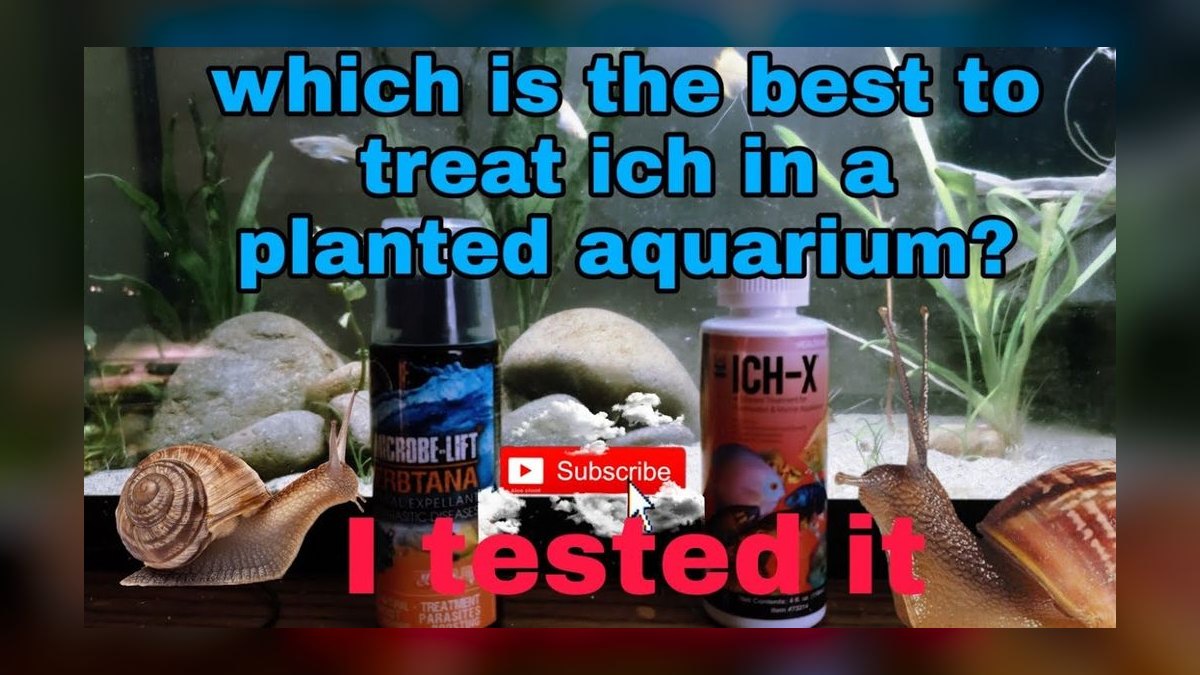
Then the invertebrates. Shrimp and snails cannot contract ich — the parasite is an obligate fish parasite and has no interest in a *Neocaridina*. Invertebrates are not patients here; they are collateral. They are arthropods and molluscs, and the same copper chemistry that has been the aquarium hobby's default ich cure for fifty years is a broad-spectrum invertebrate biocide. Copper interferes with hemocyanin-based oxygen transport and with molting. Shrimp die at concentrations well below what a fish shrugs off, snails die a little higher, and — critically — copper binds to substrate, driftwood, and silicone and leaches back out for months afterward. A tank dosed with copper is not "safe again after a water change." It is often permanently unsuitable for sensitive *Caridina* without a full substrate teardown.
So the actual problem statement is narrower than it looks. You are not looking for an ich cure. You are looking for the subset of ich cures whose mechanism does not depend on a heavy metal or a broad cytotoxin, applied over a long enough window to outlast a large encysted reservoir, without cooking your plants in the process. That subset is small, and it is dominated by physics rather than chemistry.
The step-by-step protocol that spares shrimp and snails
Work this in order. Skipping the diagnostic step is the most common way people poison a shrimp colony to treat something that was never ich.
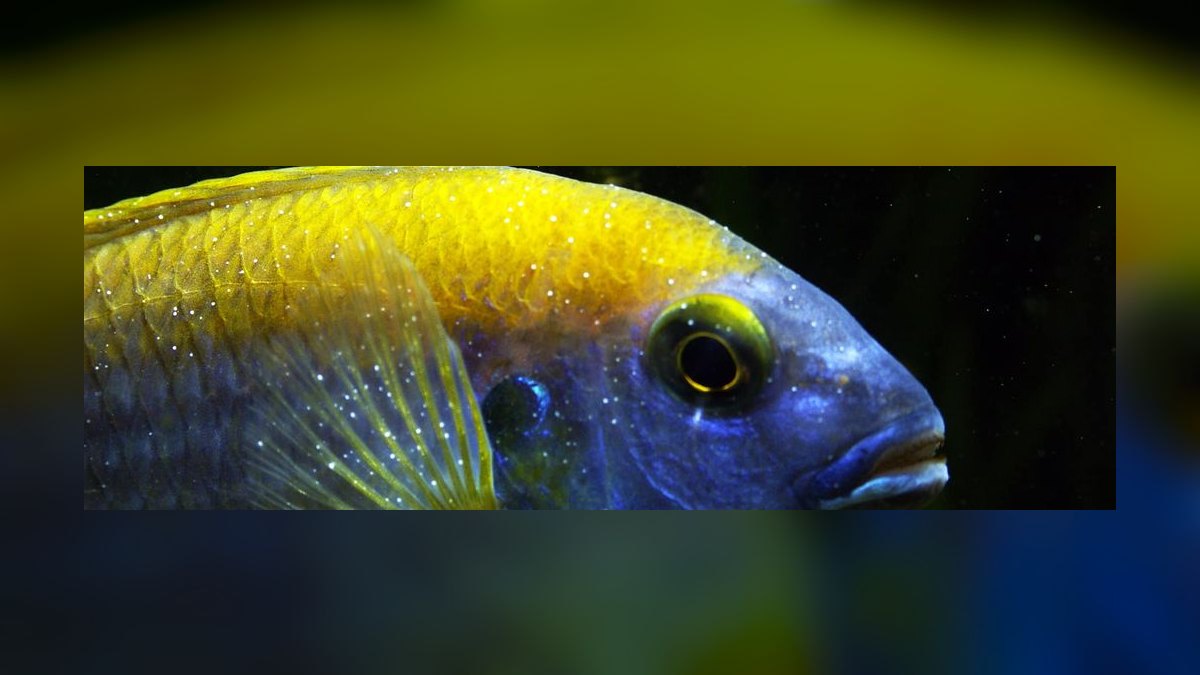
Confirm it is actually ich. True ich looks like scattered, discrete, raised white grains — salt crystals, not powder, not fuzz, not film. Sizes are fairly uniform, roughly 0.5–1 mm. If the coating is a fine dusty gold-green sheen best seen with a flashlight at an angle, that is velvet (*Oodinium*), which is a completely different organism and needs a different approach. If it is cottony and stringy on a wound, that is a saprolegnia-type fungus. If it is a flat white film with frayed edges on the body, suspect columnaris, which is bacterial and can kill in 48 hours while you are busy heating the tank. And if you are seeing white on your *shrimp* rather than your fish, it is not ich at all — the usual suspects are *Scutariella japonica* (small white worm-like commensals near the rostrum) or *Vorticella* (fuzzy stalked protozoans), neither of which spreads to fish.
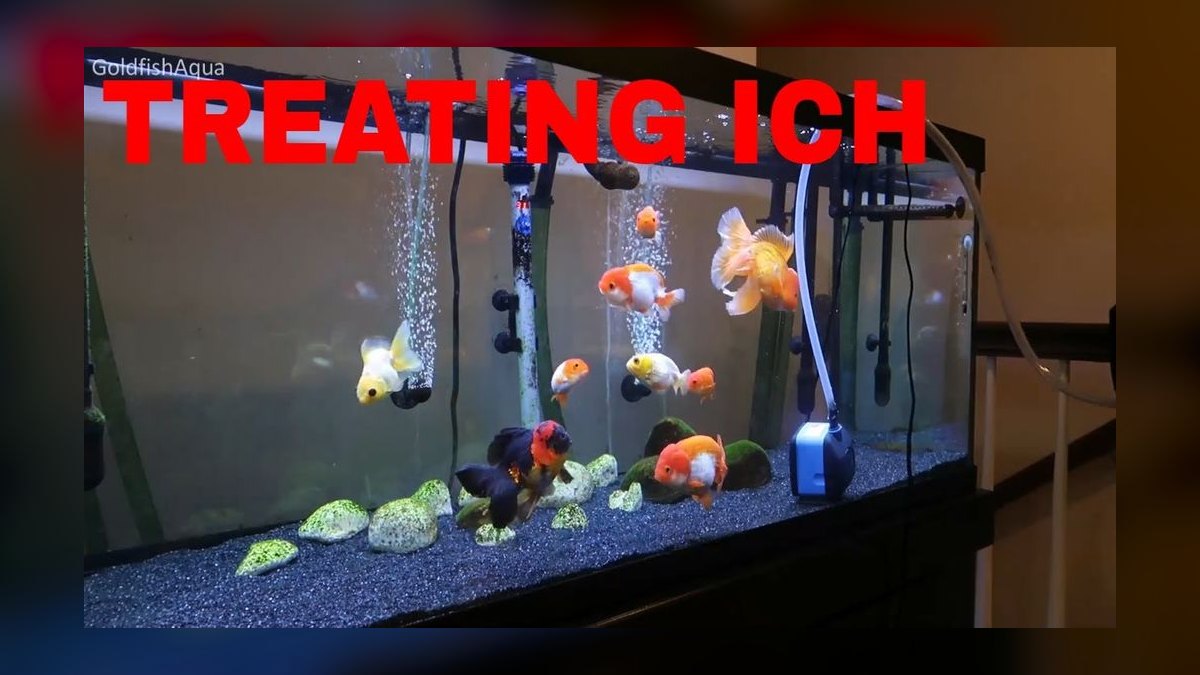
Take the temperature up slowly. Target 86°F (30°C) if your plants and fish tolerate it, 82–84°F (28–29°C) if they do not. Move at about 1°F per hour, not in a single jump. The speed matters because warm water carries less dissolved oxygen and fish under parasite load are already respiratorily compromised — a fast ramp can kill the patient before the parasite. Add surface agitation at the same time: an airstone, or aim a powerhead so it dimples the surface. Do not skip this. Oxygen at 86°F is roughly 20% lower than at 76°F, and gill-stage ich is precisely what impairs oxygen uptake.
Run UV continuously. Size for roughly 1–2 watts per gallon for parasite-level kill (the ratings for "green water" are much lower and will not do the job). Flow rate matters more than wattage headline numbers — slower flow means longer contact time in the chamber. Run it 24/7 for the entire treatment plus a week beyond.
Vacuum every other day. A 25–30% water change with a real substrate vacuum on open areas removes tomonts before they hatch. This is mechanical removal, completely invertebrate-safe, and it is doing more work than most people credit. Gently wipe broad leaves — Anubias, swords, Bucephalandra — with a soft sponge during the change.
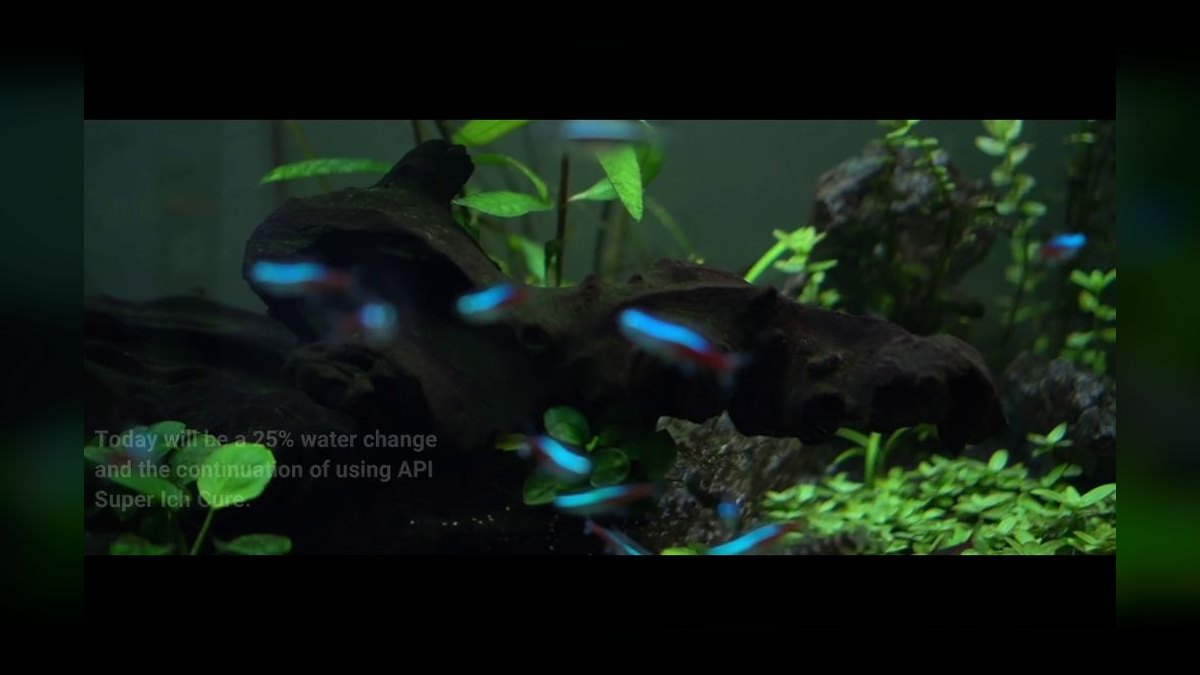
Only then consider a medication, and only if heat plus UV plus vacuuming is not gaining ground by day 5. Dye-and-aldehyde based products (malachite green with formalin, or aldehyde-based general parasite treatments) are the ones the hobby uses around inverts, and the working practice is half the labeled dose for shrimp tanks, in the dark, with carbon removed. Understand the trade: at half dose you have reduced efficacy against theronts, and you are leaning harder on the heat and UV.
Hold the line for the full window. Continue everything for a minimum of 7 days after the last visible spot disappears, and 10 days is safer in a heavily planted tank. Then bring the temperature back down at about 2°F per day.
Timelines, costs, and the ranges you should actually expect
The single number that governs everything is the tomont incubation period, and it is temperature-dependent. At 75–78°F the full cycle runs roughly 7–10 days. At 82°F it compresses to around 5–6 days. At 86°F it drops to about 3–4 days. That compression is the entire mechanism of heat treatment: you are not cooking the parasite, you are forcing it through its vulnerable free-swimming stage faster and more often, so your UV and water changes get more shots at it per week.
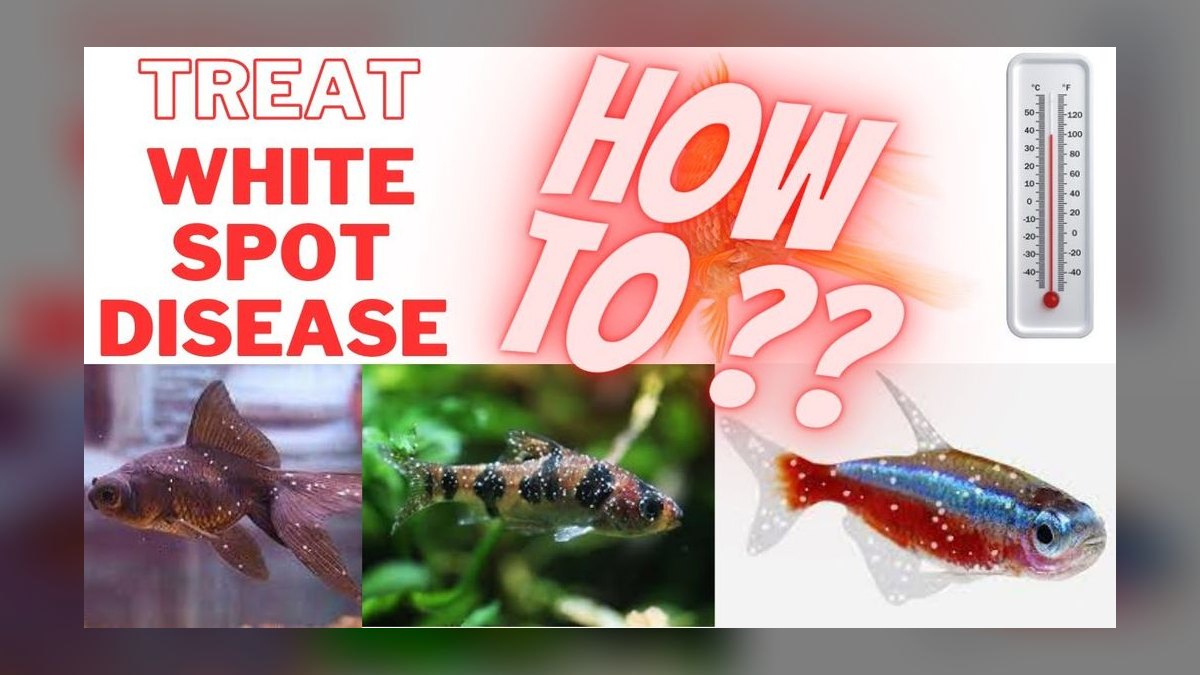
Expect visible spots to *increase* for the first 48–72 hours after you start heating. This is normal and it is where most people panic and add something copper-based. What you are seeing is the accelerated release of theronts that were already encysted before you began, plus faster maturation of trophonts already embedded. Spot counts should peak somewhere around day 3 and fall from there. If counts are still climbing at day 6, something is wrong — either the temperature is not actually holding where the display says, or you are dealing with a heat-tolerant strain, or the diagnosis was wrong.
Total treatment duration: plan on 14 days minimum in a planted tank, 21 days if it is heavily scaped with deep substrate. In a bare quarantine tank, 10–12 days is typically enough. That gap — a full week of extra treatment — is the real cost of treating in the display tank, and it is worth stating plainly because the alternative (moving fish out to a bare hospital tank) is genuinely faster and cheaper on the medication side. The reason people don't is that netting and relocating stressed fish often triggers a worse outbreak, and the display tank still holds tomonts, so you would have to fallow the planted tank for two-plus weeks anyway.
On equipment: a UV sterilizer sized for parasite kill on a 20–75 gallon tank is the main capital cost, and it is the one purchase that pays for itself, since it also handles velvet and green water and stays useful permanently. Bulbs degrade on a schedule, not on visible failure — a UV lamp that still glows can be well under half its rated output. Replace on the manufacturer's hour interval regardless of appearance, and wipe the quartz sleeve monthly; biofilm on the sleeve can cut effective output by half within a month or two in a well-fed planted tank.
On plants: heat costs you growth and sometimes leaves. *Vallisneria*, most *Cryptocoryne*, and many temperate-leaning stems will melt or go dormant above roughly 84°F held for two weeks. *Anubias*, *Java fern*, *Bucephalandra*, and Amazon swords generally ride out 86°F fine. Budget for some melt and plan to trim afterward. Crypts that melt from heat usually rebound from the rhizome within a month — do not pull them.
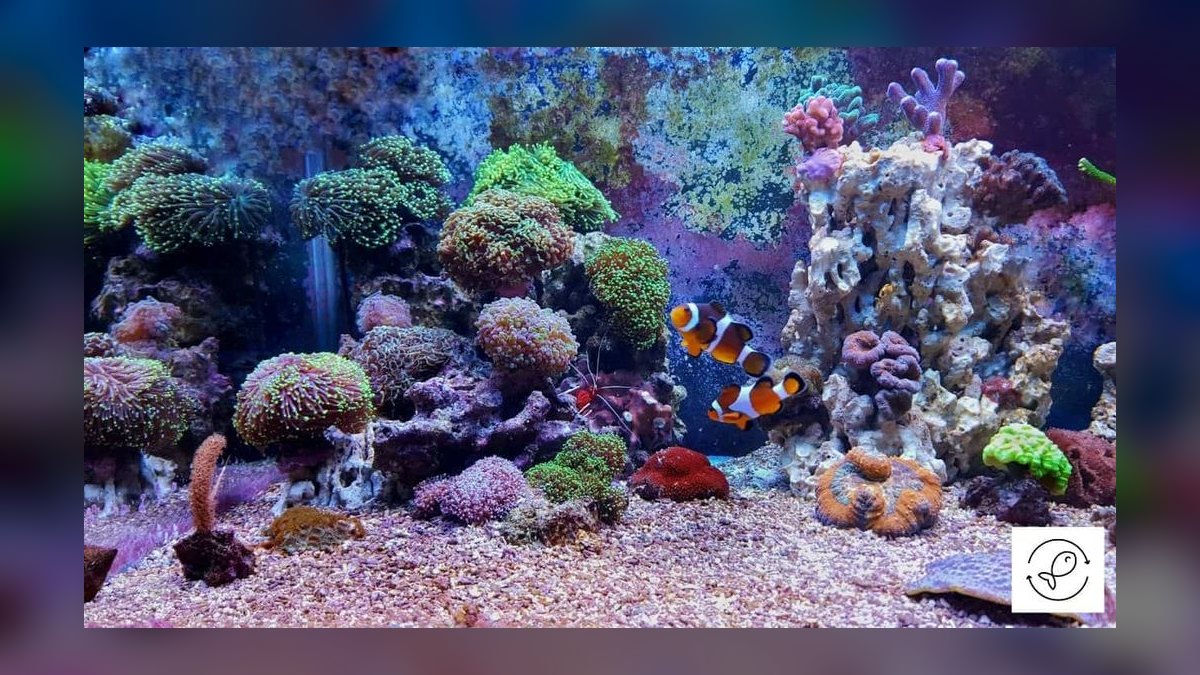
On invertebrate losses: with a heat-and-UV-only protocol you should reasonably expect near-zero shrimp mortality, though you may see molting activity increase and berried females occasionally drop eggs from the temperature swing. That is a real cost, just a recoverable one. Once you add any medication, even a half-dosed invert-tolerated one, you are accepting some risk — the honest framing is "usually tolerated," not "safe."
Where planted-tank keepers get this wrong
Treating the symptom timeline instead of the parasite timeline. Spots vanish when trophonts mature and drop off. That is not recovery, that is the parasite moving to its reproductive stage. Stopping treatment the day the fish look clean is the number one cause of relapse, and the relapse is usually worse because the encysted population had a full cycle to multiply unopposed.
Trusting the heater's display. Aquarium heater thermostats drift, sometimes badly. Verify with a separate glass or digital thermometer at the opposite end of the tank from the heater. A "86°F" setting that is actually delivering 81°F does not compress the life cycle enough, and it explains a large share of failed heat treatments.
Leaving carbon in the filter while medicating. Activated carbon strips dye-based medications out of the water within hours. People dose faithfully for a week, achieve nothing, and conclude the product is useless. Pull the carbon. Conversely, once treatment is finished, *add* fresh carbon to strip residuals before you consider the tank normal again.
Reaching for "reef safe" or "invert safe" as if it were a guarantee. Those labels are marketing terms with no standardized meaning in freshwater. A product tolerated by *Neocaridina* at full dose can wipe out a *Caridina* colony, and both may be fine while your Nerite snails seal up and die quietly under a rock. Always dose to the most sensitive animal in the tank, not the average one.
Combining treatments additively. Heat plus salt plus a dye medication plus a second "immune booster" is not four times as effective; it is a stacked oxygen and toxicity load on fish that are already sick. Heat alone lowers dissolved oxygen. Salt alone raises osmotic stress. Formalin-containing products consume oxygen directly. Stack all three and you can suffocate a tank. If you add anything to heat, add one thing.
Salt in a planted tank, generally. Salt is a legitimate ich tool and is genuinely gentle on many invertebrates at low concentrations — but plants are the weak link, not the shrimp. Sustained salinity that helps against ich will stress or kill *Vallisneria*, many crypts, and most delicate stems, and it does not evaporate out; it only leaves via water changes. In a planted tank, salt is usually the wrong lever. If you want it, use it in a separate hospital tank.
Adding fish during or right after treatment. New arrivals are the most common vector in the first place, and dropping an unquarantined fish into a tank you just finished treating restarts the whole thing with a demoralized keeper. Wait at least two weeks past the end of treatment.
Skipping quarantine on plants. Tomonts encyst on leaves and in root wool. A bag of stems from an infected retail system can seed a spotless tank. Plants can be held fishless for two weeks — with no host available, any theronts that hatch simply die out.
Choosing your lever: a decision framework by tank composition
The right protocol is determined almost entirely by which two things you are least willing to lose: your invertebrates or your plants. Those two constraints pull in opposite directions, and naming the priority up front resolves most of the ambiguity.
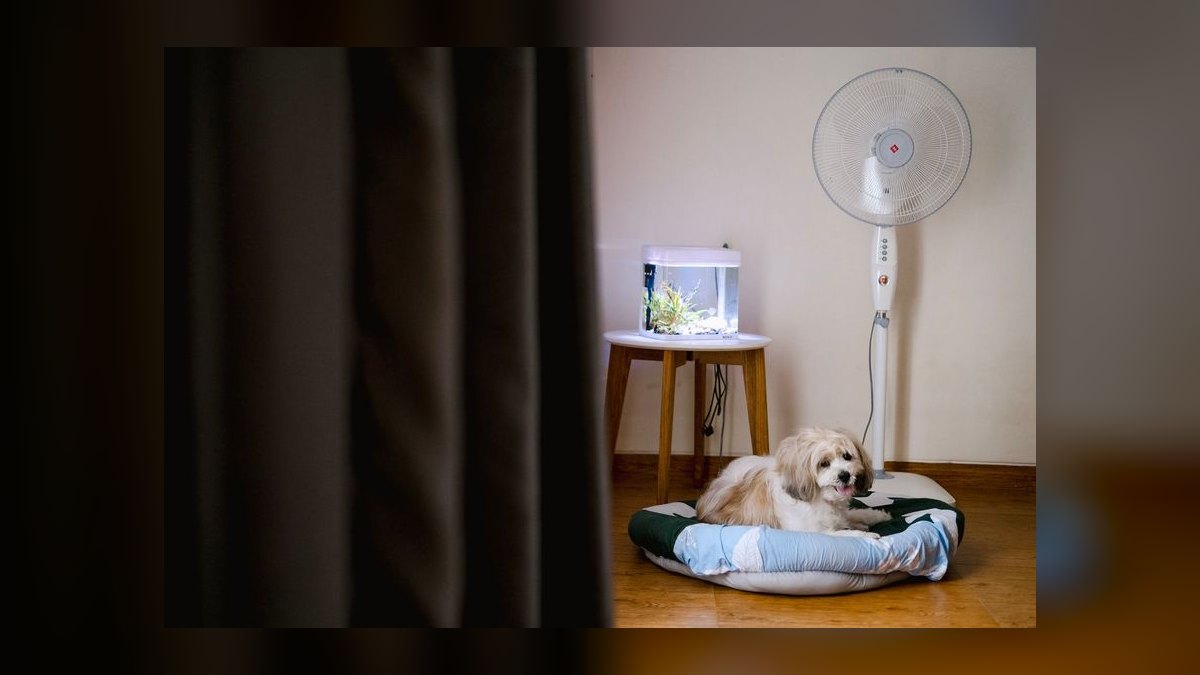
Shrimp-heavy, hardy plants (Anubias, Java fern, Buce, swords). This is the easy case. Full heat to 86°F, UV, aggressive vacuuming, no chemistry at all. Highest success rate, zero invert risk, and your plants will barely notice.
Shrimp-heavy, heat-sensitive plants (Vallisneria, Cryptocoryne, delicate stems). Compromise at 82–84°F and extend to a full 14–21 days. Lean much harder on UV and on every-other-day substrate vacuuming, because the reduced temperature is buying the parasite more time in the encysted stage. Accept that this is slower and requires more discipline.
Snails only, no shrimp. Snails are meaningfully tougher than shrimp against most non-copper treatments, so a half-dose invert-tolerated medication is a more reasonable addition here. Copper is still absolutely off the table — molluscs are among the most copper-sensitive animals in the tank.
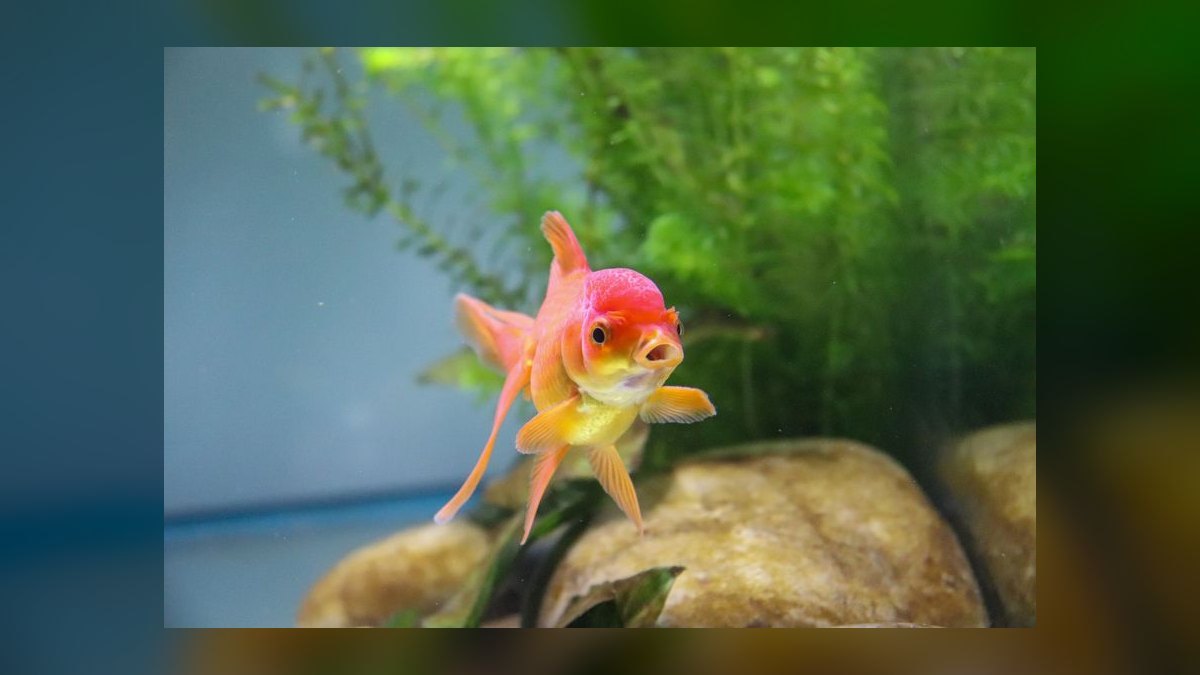
**High-value *Caridina* (crystal reds, taiwan bees) with fish.** Do not medicate the display tank at all, ever. Move the *fish* to a bare hospital tank and treat them there with whatever works best, while the planted display runs fallow at elevated temperature for two-plus weeks. The parasite dies out with no host. This is more work and it is unambiguously the correct answer when the shrimp colony is worth more than the fish.
No invertebrates at all. You are not actually solving this problem. Use whatever standard treatment you like, mind the plants, and move on.
Upstream: making the outbreak not happen again
Ich is an introduction disease. It does not spontaneously generate in a closed system — some outbreaks look spontaneous because a low-level infection was being held in check by healthy fish and then stress tipped the balance, but the parasite still arrived from somewhere. So prevention is mostly a logistics problem, not a chemistry problem.
Quarantine every fish for four weeks at a stable 78–80°F in a bare tank with a sponge filter. Four weeks, not two — that covers both a slow cycle at moderate temperature and the stress-triggered flare-up that often shows in week three after the animal has settled. Quarantine plants too, fishless, for two weeks; no host means no successful theronts. Snails and shrimp should be quarantined as well, not because they carry ich but because a bag of shipping water from an infected system does.
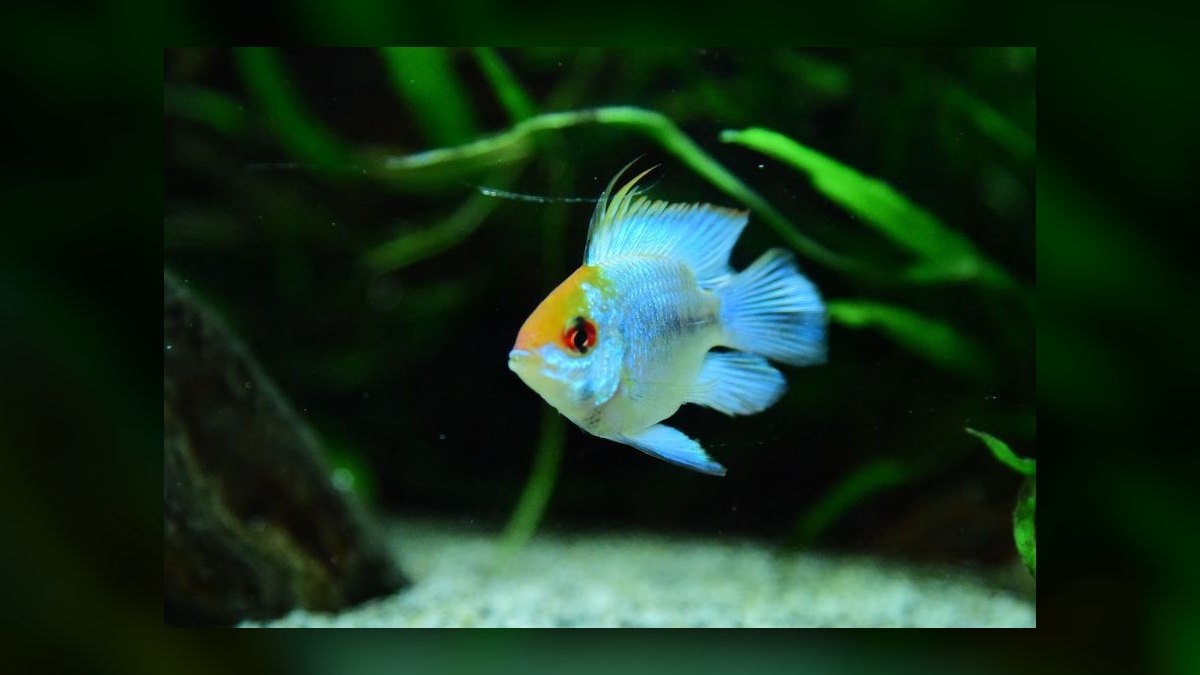
Then stabilize the things that suppress fish immunity. Temperature swings above roughly 2°F in a day are the classic trigger — an unheated tank in a room that drops at night, or a heater cycling too widely. Consistent feeding with varied food matters more than any additive; a fish with an intact slime coat and good body condition resists theront attachment far better than a thin one. Keep nitrate under control with regular water changes, because chronic nitrate and organic load are the quiet background stressors that turn a manageable exposure into an outbreak.
Botanicals — Indian almond leaves, alder cones — are worth mentioning honestly. They release tannins that mildly acidify and tint the water, and shrimp keepers use them heavily because they support biofilm and appear to reduce stress. They are not a cure and will not touch an active outbreak. Treat them as a background condition improver, nothing more.
Finally, a note on stacking claims. Garlic extract, "immune boosters," and similar additives get recommended constantly. Garlic may improve feeding response in a fish that has gone off food, which has real value during treatment. It is not antiparasitic in any dose you can put in a tank, and relying on it while a real outbreak progresses costs you the days that matter most.
Related questions
Can shrimp or snails catch ich from my fish?
No. *Ichthyophthirius multifiliis* is an obligate fish parasite and cannot infect invertebrates. White specks on shrimp are almost always *Scutariella japonica* or *Vorticella*, both harmless commensals that do not transfer to fish and often clear on their own with good water quality.
Does copper ever become safe again after water changes?
Not reliably. Copper binds to substrate, silicone, driftwood, and filter media, then leaches back into the water column for months. A tank that has been copper-dosed should be considered unsuitable for sensitive shrimp without a substrate replacement and an extended run with a copper-absorbing resin.
Will a UV sterilizer alone cure ich?
Sometimes, but slowly and only in well-circulated tanks. UV kills theronts that pass through the chamber, so it lowers reinfection pressure rather than curing infected fish directly. Paired with elevated temperature and substrate vacuuming, it is very effective; alone, it usually just stalls the outbreak.
How long should the planted tank stay fishless to clear ich?
Two to three weeks at 80–82°F with no fish present. Theronts must find a host within roughly 24–48 hours of hatching, so an empty tank starves the population out. Three weeks is the safer margin in a heavily scaped tank with deep substrate.
Do I need to remove my filter media during treatment?
Remove activated carbon and any chemical resins, since those strip medications. Keep biological media in place — it holds your nitrifying bacteria, which are unaffected by heat, UV, or standard ich treatments and which you badly need while feeding continues.
FAQ
Will raising the temperature to 86°F hurt my plants?
It depends on the species. Anubias, Java fern, Bucephalandra, and Amazon swords generally handle 86°F for two weeks without issue. *Vallisneria*, most *Cryptocoryne*, and many temperate stem plants will melt or go dormant. If your scape is built on those, cap at 82–84°F and extend the treatment window instead. Crypts that melt usually regrow from the rhizome within a few weeks, so resist pulling them.
Why did the spots get worse right after I started treating?
Because heat accelerates the life cycle. Trophonts already embedded in the fish mature and become more visible, and cysts that were already on the substrate hatch sooner. Spot counts typically peak around day three and decline afterward. If they are still climbing at day six, verify your actual water temperature with an independent thermometer and re-examine the diagnosis.
Is aquarium salt safe for shrimp and snails?
At low concentrations, most invertebrates tolerate salt better than people expect — the limiting factor in a planted tank is usually the plants, not the shrimp. *Vallisneria*, crypts, and delicate stems suffer at ich-relevant salinities, and salt only leaves via water changes. In a planted setup, salt is generally the wrong tool; use it in a bare hospital tank if you want it.
Can I just move the fish out and treat them separately?
Yes, and for a valuable *Caridina* colony that is the best answer. Treat the fish in a bare hospital tank with whatever is most effective, and leave the planted display fishless at elevated temperature for two to three weeks so the parasite starves out. The downside is netting stress and running a second tank, which is why most keepers try the in-tank route first.
How do I know when it's actually over?
When no new spots have appeared for seven to ten consecutive days while treatment is still running. Spots disappearing is not the endpoint — that just means trophonts dropped off to reproduce. Hold the full protocol past that mark, then cool at about 2°F per day and keep UV running an extra week before adding anything new.
Does ich medication kill my beneficial bacteria?
Standard ich treatments are targeted at protozoans and generally leave the nitrifying colony intact, though some aldehyde-containing products can dent it temporarily. The bigger risk during treatment is the ammonia spike from dead parasites and any lost fish. Test ammonia and nitrite daily throughout, and keep up the water changes you are already doing for tomont removal.
Sources
- University of Florida IFAS — Ichthyophthirius multifiliis (White Spot) Infections in Fish
- Merck Veterinary Manual — Ichthyophthiriasis in Fish
- NOAA / USGS — Aquatic parasite and fish health resources
- Aquarium Co-Op — How to Treat Ich in Freshwater Fish
- Seachem — ParaGuard product information
- Cornell University College of Veterinary Medicine — Aquatic Animal Health Program
- World Organisation for Animal Health (WOAH) — Aquatic Animal Health Code
- Michigan State University Extension — Fish Health and Disease Resources
Related on PULSE
- [How do I treat fin rot in freshwater fish without medication?](/knowledge/pt0112)
- [How do I safely treat tap water for a shrimp-only nano aquarium?](/knowledge/pt0071)
- [Top 10 Chihiros Planted Tank Lights 2027](/knowledge/pt0428)
- [Top 10 ich medication tips 2027](/knowledge/pt0306)
This page will be disappearing soon. Save it to your device for $1 — or read it free while it is here.
@Kory-White- · if Venmo asks, the last 4 of my number are 2012
This page is gone.
This one is off the shelf now. $1 keeps it on your phone for good — the whole page, pictures and diagrams included.
 pulse-petsTop 10 aquarium siphon brands 2027
 pulse-petsTop 10 Aquarium LED Lights 2027
 petsTop 10 Gallons of Water Needed for a 75-Gallon Tank in 2027
 pulse-petsTop 10 CaribSea Substrates 2027
 pulse-petsTop 10 common fish diseases 2027
 pulse-petsTop 10 Blue Acara Peaceful Cichlids 2027
 petsWhat to do if my betta fish is lying on the bottom but still eating?
 pulse-petsTop 10 aquarium fish for beginners 2027
 petsWhat are the exact steps for a 25% water change in a heavily planted tank without stressing the fish in 2027?
 petsTop 10 Gallons of Water Per Fish in 2027