
Best way to quarantine new plants to avoid snail infestation?
 Curated byKory White · Fractional CRO · Maryland
 PULSEKNOWLEDGE LIBRARY
Quality
Certified

Isolate every incoming plant for 14 to 21 days in a dedicated tray that is physically separated from your beds. Bare-root it, rinse the roots, inspect leaf axils and pot rims for pearl-like egg clusters, then hold it dry on a hard surface with a copper rim and a fresh growing medium before planting out.
The outcome you should expect
A properly run quarantine does not promise a sterile plant. It promises a plant whose hitchhikers have had two to three weeks to reveal themselves under conditions you control, in a place where finding them costs you nothing. That distinction matters, because gardeners who expect a single dip to sterilize a root ball tend to abandon the protocol the first time they find a snail on day nine — when in fact that day-nine find is the protocol working exactly as designed.
Here is what a realistic run looks like. You bring home four one-gallon perennials from a nursery with outdoor stock. You bare-root all four, and on two of them you find adult snails wedged where the root ball met the pot wall — that is the single most common hiding place, because it stays damp and dark and nobody looks there. You rinse, repot in fresh medium, and set them on the quarantine bench. Over the next three weeks, one plant produces a hatch of pinhead-sized juveniles from eggs you never saw. You crush them, extend that plant's hold by another two weeks, and plant the other three out on schedule.
That is a successful outcome. You moved a snail infestation risk from your beds — where it would have compounded silently for a season — to a tray where it cost you fifteen minutes. Nothing you can buy replaces that time-plus-observation loop.

The failure mode people actually experience is subtler than a visible snail. Brown garden snails and the various *Deroceras* slugs lay clutches of translucent, roughly BB-sized eggs in soil, typically an inch or two down, often against the pot wall or under a chunk of bark. Those eggs survive rinsing, survive most surface sprays, and hatch on their own schedule depending on temperature and moisture. Six weeks after you planted, you have a population you cannot trace to a source and cannot easily remove, because it is now distributed through mulch across a bed. The whole point of the isolation period is to move that hatch forward in time, into the tray.
Expect roughly this hit rate if you buy from nurseries with outdoor holding areas: a meaningful minority of pots will carry something. Not most. Not none. That is exactly the frequency that makes quarantine feel unnecessary right up until the season it isn't. Plants shipped bare-root or grown under glass in soilless mix carry far less risk; plants that sat on gravel or landscape fabric outdoors carry the most, because that is where snails shelter during the day and where they climb into drainage holes.
What drives that outcome
Four variables do nearly all the work. Everything else is refinement.

The growing medium is the primary vector. Snails and slugs do not usually ride on foliage — foliage is exposed, dries out, and gets brushed. They ride in the root ball. Adults wedge into the gap between the medium and the pot wall; eggs sit in the top two inches of the mix or tucked against drainage holes. This is why bare-rooting outperforms every spray, dip, and barrier combined: you are physically removing the habitat rather than trying to kill things inside it. If you do nothing else from this page, knock the old mix off, rinse the roots under a hose, and repot in fresh sterile medium. That one step removes the substrate where the problem lives.
For plants that genuinely cannot be bare-rooted — established woody stock, anything mid-bloom, plants with sensitive mycorrhizal associations, or species that sulk badly at root disturbance — you accept a longer, more observational hold. Scrape and discard the top inch of the medium, remove the pot and inspect the entire outer surface of the root ball, then repot into a clean container and extend the isolation to a full four weeks so any hatch has time to surface.
Moisture is the on-switch. Snails move, feed, and hatch when it is damp. A quarantine bench held on the dry side does two useful things at once: it suppresses activity, and it forces anything present to concentrate in the few damp spots you have deliberately created — under the pot, under a board. That makes inspection productive rather than random. Bottom-watering into a saucer, then letting the surface dry between waterings, keeps the top of the medium hostile while the roots stay fine.
Surfaces and geometry determine escape routes. A pot sitting on soil, on mulch, or on a wooden deck board has an unlimited number of ways for something to leave and never be seen again. The same pot on a bare metal or plastic bench, inside a shallow tray, in the open, has essentially one. Quarantine is only meaningful if the boundary is real. Copper tape works on the margin — the reaction to copper is well documented and it genuinely deters crossing — but treat it as one layer of a system, not a wall. Copper tarnishes, gets bridged by a leaf touching the ground, and fails silently.

Time is the variable nobody wants to spend. Eggs hatch on a schedule driven by temperature and moisture; in warm conditions that can be a couple of weeks, in cool conditions considerably longer. A seven-day hold is genuinely better than nothing, but it is short enough that a cool-weather clutch will still be sitting there dormant when you plant out. Two weeks is the practical floor. Three to four weeks in cool spring conditions is what actually catches the late hatch.
Benchmarks and realistic ranges
Numbers help you calibrate effort, so here are the ones worth holding, stated as ranges rather than false precision.
Isolation length: 14–21 days minimum, 28–35 days for high-risk or non-bare-rooted stock. The lower bound is set by egg incubation in warm conditions; the upper bound covers cool-season clutches and gives you a second inspection cycle after any hatch. If you are quarantining in spring at 50–60°F, use the longer end — cold slows everything, including the hatch you are trying to provoke.
Inspection cadence: every two to three days, five to ten minutes per plant. More often than that and you are not giving anything time to move; less often and you miss the window where juveniles are visible but still clustered. Inspect in the evening or early morning with a flashlight — these are nocturnal animals and a midday inspection of a dry bench finds almost nothing.
Batch size: cap it. A quarantine bench holding thirty plants is not a quarantine, it is a nursery. If one plant hatches out, cross-contamination between adjacent pots means every pot's clock resets. Keeping batches to what you can genuinely inspect in one sitting — often eight to twelve pots — keeps the reset cost bounded. Commercial growers solve this with separate rooms; home gardeners solve it with separate trays and honest limits.
Ambient conditions: keep the bench surface dry and the air moving. Snails are strongly moisture-dependent. You are not trying to hit a specific humidity number with a meter; you are trying to make the bench an uncomfortable place to be. Shade cloth and a fan beat a hygrometer.
Magnification: 10x is enough. A cheap hand lens resolves egg clutches and juveniles fine. The eggs read as small translucent-to-cream spheres in loose clusters, usually in soil rather than on leaves. You do not need a microscope; you need to actually look at the top two inches of medium and the underside of the pot rim.
Cost: a boot tray, a roll of copper tape, a bag of fresh potting medium, and a hand lens. This is a low-cost, high-labor protocol. The expensive part is the three weeks of patience, which is precisely why it gets skipped.
A note on what the numbers do *not* support: claims of a specific kill percentage from any single dip or barrier. Efficacy varies enormously by species, life stage, temperature, and how thoroughly the treatment contacted the animal. Copper reduces crossings substantially; diatomaceous earth abrades soft-bodied pests while dry and does approximately nothing once wet; soap solutions kill on direct contact and are far weaker against buried eggs. Treat all of these as layers that shift odds, and treat the isolation period as the thing that actually catches what the layers miss.

Risks, edge cases, and failure modes
Phytotoxicity from dips. Soap and bleach solutions that clean a hosta will scorch a fern, a succulent, or anything with a waxy or hairy leaf surface. Bleach dips in particular deserve caution: they can damage fine root hairs and set a plant back weeks, and residue matters. If you use any dip, test on a single leaf or a single plant from the batch, rinse thoroughly with clean water afterward, and skip dips entirely on seedlings, mosses, ferns, and succulents. For sensitive material, a plain water rinse plus a longer isolation window is the better trade — you lose the immediate kill and gain safety, and the isolation is doing most of the work anyway.
The bridge problem. Copper only works as a continuous, uninterrupted barrier. A leaf drooping over the rim to touch the bench, a stake leaning against the pot, an overflow of medium, a piece of mulch — any of these creates a crossing that bypasses the tape entirely. Walk the perimeter of every quarantined pot at each inspection specifically looking for bridges. This is the single most common reason a barrier "didn't work."
Wet diatomaceous earth. DE cuts and dehydrates soft-bodied pests through physical abrasion. That mechanism requires the material to be dry. One watering, one rain event, one heavy dew and the ring is inert until it dries again and gets reapplied. Gardeners who lay a ring once and consider the pot protected are protected for exactly as long as the weather cooperates. Also use food-grade DE and avoid breathing the dust.

Attractants inside the quarantine zone. Beer traps pull snails and slugs in from a surprising distance. That is useful in an open bed where you want to concentrate a population for removal; it is actively counterproductive on a quarantine bench, where you have just built a small, tempting, well-watered island and would rather not advertise it. Keep traps in the garden proper, well away from the isolation area.
The overlooked reservoir. Even a flawless plant protocol fails if the quarantine area itself harbors a population. Boards, upturned saucers, stacks of empty nursery pots, damp cardboard, and the underside of a bench are exactly the daytime shelters snails prefer. Clear the area before you start, and check those shelters weekly — they double as excellent monitoring stations, since anything you find under a deliberately placed board tells you what is present.
Species you did not expect. Quarantine catches more than snails. The same isolation window surfaces fungus gnats from the medium, root mealybugs on the root ball, scale on stems, and — in some regions — jumping worms in the mix, which are far harder to remove once established than any mollusk. The protocol's real return is not snail-specific; it is a general filter. That is an argument for running it on every incoming plant rather than only on the ones that look suspect, since the ones that look suspect are the ones you would have caught anyway.

Aquarium and terrarium crossover. Anyone who has quarantined aquatic plants for a freshwater tank recognizes this workflow immediately, because the failure mode is identical: a pest snail arrives on a stem plant, and six weeks later the tank has hundreds. The aquatic version uses different tools — a dip in a mild alum or potassium permanganate solution, or a bare-tank observation period — but the logic is the same. Isolate, provoke the hatch where you can see it, wait longer than feels necessary. Aquarists tend to be more disciplined about this than gardeners, largely because the consequences show up faster and in plain view behind glass.
Reintroduction risk after planting out. Clearing quarantine does not make a plant permanently clean. It means it did not carry an established population at the moment you planted it. Ongoing garden pressure — from neighbors, from mulch deliveries, from bulk compost — is a separate problem with separate answers, and it is worth being clear-eyed that quarantine addresses the introduction vector only. Bulk mulch and compost deliveries are, in practice, a larger source of new mollusks than nursery plants for many gardeners, and nobody quarantines a mulch pile.
Compliance drift. The protocol fails most often not through technical error but through impatience in week two, when the plants look fine and the bed is waiting. Building in a physical constraint helps: don't buy plants until the quarantine bench has open space, and don't dig the planting hole until the hold period is complete.
A practical rollout plan
Treat this as a standing intake process, not a one-time project. It should take fifteen minutes per plant on arrival and five minutes per inspection thereafter.

Set up the zone once. Pick a flat, hard, shaded-but-airy surface away from beds — a potting bench, a section of driveway, a table. Clear every board, pot stack, and damp object from a few feet around it. Line up shallow trays or boot trays. Run copper tape around the rim of each tray in one continuous strip, overlapping the ends. Keep a hand lens, tweezers, a jar of soapy water for anything you find, a bag of fresh sterile medium, and a stack of clean pots at the bench. The setup is the part you do once; everything after is routine.
Intake, same day the plant arrives. Do not let a new plant sit on soil even overnight. Bare-root if the species tolerates it: slide the plant out, break the medium away, rinse the roots under a hose, and inspect the root crown and the outer surface of what was the root ball. Discard the old medium in the trash or a hot compost pile — not onto a bed, and not back into your potting stock. Repot in fresh medium in a clean container. Label it with the date and the intended hold-until date, written on the pot, not on a list you will lose.
Hold and observe. Bottom-water only, letting the surface dry between waterings. Inspect every two to three days after dark with a flashlight, checking leaf undersides, axils, the pot rim, the drainage holes, and the tray beneath. Place a small board or an upturned saucer in the tray as a deliberate shelter and lift it at every inspection — it will concentrate anything that has emerged.

Handle finds decisively. Any adult, juvenile, or egg clutch found resets that plant's clock to day one. Not day seven — day one. A find means the medium was carrying a population, and the whole value of the exercise is refusing to shortcut at exactly this moment. Remove what you find into soapy water, consider a second bare-root and repot, and restart. Two consecutive resets on the same plant is a reasonable point to decide the plant is not worth the risk and discard it.
Clear and plant out. On the final day, do one more full inspection: lift the plant from the pot, check the root ball surface and the pot's interior rim, then plant. Log the date and any finds somewhere durable — a notebook or a simple spreadsheet is plenty. Patterns emerge fast: if three-quarters of your finds trace to one nursery's outdoor stock, that is actionable buying information, and it is the kind of thing you only see if you wrote it down.
Extend the same discipline upstream. Bulk compost, mulch, straw, secondhand pots, and gifted divisions from a neighbor's garden all carry the same risk as a nursery plant and usually receive none of the scrutiny. Divisions from friends are the highest-risk category in most home gardens precisely because the social context makes inspection feel rude. It isn't. Bare-root a gifted division exactly the way you would a purchased one, and avoid the temptation to plant it the same afternoon because it was handed to you over a fence.
Related questions
How long should quarantine actually last?
Two weeks is the practical minimum; three to four weeks is safer, especially in cool spring conditions where egg incubation slows considerably. The goal is to outlast the hatch window so juveniles appear on your bench rather than in your bed.
Does copper tape really work?
It meaningfully deters crossing, but only as a continuous barrier on a clean surface. A single leaf touching the ground, a stake, or spilled medium bridges it completely. Treat copper as one layer, never as the whole system.
Can I skip quarantine for plants from a reputable nursery?
No. Reputation correlates with lower risk, not zero risk — any nursery with outdoor holding areas has snails in the gravel. The cost of quarantine is three weeks of patience; the cost of skipping it can be a season.
What about plants grown in soilless mix under glass?
Substantially lower risk, since the primary vector is field-exposed growing medium. Still isolate them, but a two-week hold with a lighter inspection cadence is usually proportionate. The medium is what carries the problem.
Is bare-rooting safe for every plant?
No. Established woody stock, plants in bloom, and species that resent root disturbance should not be bare-rooted. For those, scrape the top inch of medium, inspect the root ball surface, repot in a clean container, and extend the hold to four weeks.
FAQ
What do snail eggs actually look like?
Small translucent-to-cream spheres, roughly BB-sized or smaller, in loose clusters of a dozen or more. They sit in the growing medium — usually within the top inch or two and often pressed against the pot wall — rather than on foliage. A 10x hand lens resolves them easily; the harder part is remembering to look in the medium rather than at the leaves.
Is a soap dip safe for all plants?
No. Soap solutions damage succulents, cacti, ferns, and anything with a waxy or hairy leaf surface. For sensitive species, rinse with plain water and extend the isolation period instead. Always test on one leaf or one plant from a batch and rinse thoroughly afterward, and never dip seedlings or mosses.
How long does diatomaceous earth stay effective?
Only while it is dry. Its mechanism is physical abrasion, so a single watering, rain, or heavy dew renders the ring inert until it dries out and is reapplied. Use food-grade DE, keep it stored sealed, avoid inhaling the dust, and reapply after every wetting event if you are relying on it.
Should I put beer traps on the quarantine bench?
No. Traps attract snails and slugs from a distance, which is useful in an open bed and counterproductive around an isolation area you are trying to keep sterile. Save traps for the garden proper, sited well away from where new plants are held.
Do I need to quarantine compost, mulch, or divisions from a friend?
Yes, in spirit. Bulk mulch and compost are a common source of new mollusks and cannot be practically isolated — buy from suppliers who hot-compost, and inspect deliveries. Gifted divisions absolutely should be bare-rooted and held like any purchase; the social awkwardness is not worth a season of trouble.
What else does this protocol catch besides snails?
Fungus gnats, root mealybugs, scale, and in some regions jumping worms — all of which surface during the same observation window. The general filter is why the protocol is worth running on every plant rather than only suspicious ones. The plants that look suspect are the ones you would have caught regardless.
Sources
- UC IPM: Snails and Slugs Management Guidelines
- UC IPM: Home, Garden, Turf and Landscape Pests
- USDA APHIS: Plant Pest and Disease Programs
- Royal Horticultural Society: Slugs and Snails
- Missouri Botanical Garden: Slugs and Snails Pest Guide
- Penn State Extension: Slugs and Snails in the Home Garden
- Oregon State University Extension: Slug Control
- National Invasive Species Information Center: Terrestrial Invertebrates
- Cornell University Plant Diagnostic Clinic
Related on PULSE
- [Top 10 quarantine tank setups 2027](/knowledge/pt0262)
- [Top 10 Quarantine Tank Equipment 2027](/knowledge/pt0399)
- [Top 10 best aquarium snail varieties 2027](/knowledge/pt0132)
- [Top 10 Mistakes to Avoid When Setting Up a Freshwater Aquarium](/knowledge/pt0103)
- [What is the best way to introduce a new kitten to a resident adult cat?](/knowledge/pt0025)
- [What is the best way to house train a puppy?](/knowledge/pt0105)
This page will be disappearing soon. Save it to your device for $1 — or read it free while it is here.
@Kory-White- · if Venmo asks, the last 4 of my number are 2012
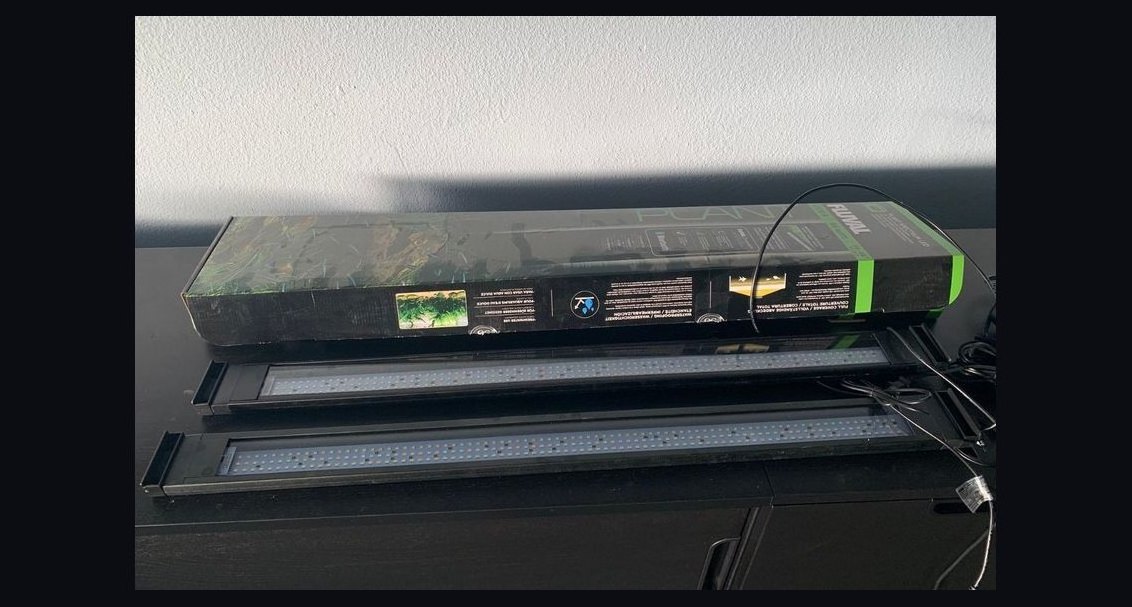 pulse-petsTop 10 aquarium lighting systems 2027
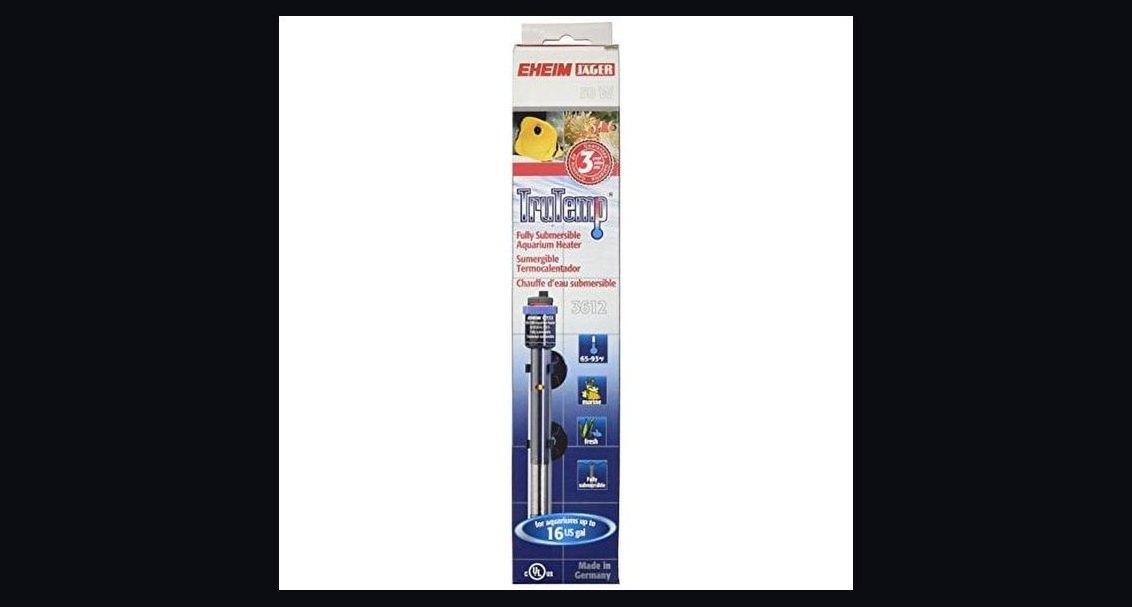 pulse-petsTop 10 Aquarium Heaters 2027
 petsWhat are the exact steps for a 25% water change in a heavily planted tank without stressing the fish in 2027?
 pulse-petsTop 10 Betta Fish Tanks 2027
 pulse-petsTop 10 Aquarium Substrates 2027
 petsWhy is my aquarium pH dropping overnight and how to prevent it?
 pulse-petsTop 10 red aquarium plants 2027
 pulse-petsTop 10 aquarium fish for beginners 2027
 petsTop 10 High-Tech Automated Fish Feeders for Busy Aquarium Owners in 2027
 pulse-petsTop 10 driftwood for aquariums 2027