
How do I safely treat tap water for a shrimp-only nano aquarium in 2027?
 Curated byKory White · Fractional CRO · Maryland
 PULSEKNOWLEDGE LIBRARY
Quality
Certified

Dechlorinate tap water with a conditioner that neutralizes chloramine, then confirm it is copper-free and remineralize or dilute until GH lands near 4–8 dGH for Neocaridina. Age the batch 24 hours with an air stone, match temperature within two degrees, and drip it in slowly so shrimp never face a sudden parameter jump.
Straight tap versus RO-plus-remineralizer: the two real paths
Almost every shrimp keeper eventually lands on one of two water strategies, and the choice determines nearly everything downstream — your recurring cost, your failure modes, and how much testing you do each week.
Path one: treated tap water. You take what comes out of the cold tap, neutralize chlorine and chloramine with a conditioner, verify there is no copper problem, and use it as-is or diluted. The appeal is obvious. It is nearly free, it is available at 2 a.m. when you knock a nano tank's water level down during a plant trim, and it usually already contains the calcium and magnesium shrimp need for molting. Municipal water in most of North America and Western Europe carries GH somewhere in the 4–12 dGH range and KH in the 3–8 dKH range — often close enough to Neocaridina targets that no remineralizer is needed at all.
The catch is that you do not control the recipe. Water utilities adjust source blends seasonally, switch between chlorine and chloramine disinfection, flush mains, and occasionally dose copper sulfate into reservoirs for algae control. Your tank's parameters drift with those decisions and you find out afterward. In a 3-gallon nano, a single 30% water change with unusually hard or unusually mineral-loaded water can move total dissolved solids by 40–60 ppm in one afternoon — a swing large enough to trigger a failed molt in a shrimp that was already mid-cycle.

Path two: RO or distilled water, rebuilt from zero. You start with water stripped of essentially everything — 0 GH, 0 KH, near-0 TDS — and add back a shrimp-specific mineral salt to hit an exact target. The appeal here is repeatability. Every batch you mix in March is identical to every batch you mix in September. You are immune to municipal chemistry changes, immune to copper leaching from your building's plumbing, and immune to the seasonal nitrate creep that hits agricultural regions in spring.
The cost is real but modest. Grocery store RO dispensers typically run in the range of a quarter to fifty cents a gallon; a countertop or under-sink RO unit costs more up front and wastes three to four gallons of tap for every gallon produced. A tub of shrimp remineralizer lasts a nano-tank keeper the better part of a year. Against that, you buy a mixing container, a stir stick, and a habit — because RO water added *without* remineralizing is more dangerous than untreated tap. Zero-GH water cannot support molting, and pure RO has essentially no buffering, so pH can slide fast in a tank with active substrate.
Where the split actually falls. Neocaridina species — cherry, blue dream, orange sakura, the whole rainbow of hardy color morphs — tolerate a wide window and thrive in treated tap in most municipalities. Caridina species — crystal reds, blue bolts, taiwan bees — want soft, low-KH, low-pH water that almost no tap supply provides naturally. If your goal is a colony of cherries in a 5-gallon planted cube, treated tap is a legitimate, defensible, long-term answer and anyone telling you otherwise is selling something. If you want bee shrimp, RO plus a bee-specific remineralizer over an active buffering substrate is close to mandatory, because you need KH near zero and tap water's carbonates will fight your substrate until the substrate loses.

There is a third position worth naming: the blend. Half tap, half RO, remineralized only if the result falls short. It halves your RO consumption, softens hard tap into range, and dilutes anything undesirable in the municipal supply by fifty percent. For someone whose tap runs 12 dGH — too hard for comfortable Neocaridina keeping — a 50/50 blend lands right in the sweet spot with no measuring spoon required.
How to decide which path your tank needs
The decision is not a matter of taste. It falls out of three test results and one species choice, and you can make it in an afternoon.
Start by testing your cold tap water — not hot, not the first flush. Run the cold tap for two full minutes to clear anything that has been sitting in your pipes, catch a sample, and let it sit uncovered for 24 hours before testing pH. That resting step matters more than people expect: tap water arrives supersaturated with dissolved gases, and a fresh sample can read a full point off where the same water settles once it equilibrates with room air.

Four numbers decide your path. GH tells you whether shrimp can molt in this water unaided. KH tells you whether pH will hold or swing. Copper tells you whether the water is survivable at all. Nitrate tells you whether you are quietly importing pollution with every water change — agricultural regions can deliver 20–40 ppm straight from the tap, and if your source water already carries more nitrate than a healthy tank, water changes stop helping and start hurting.
Two tie-breakers sit outside the chemistry. The first is volume. A 3-gallon nano needs perhaps a gallon of new water a week; buying RO for that is trivially cheap and the precision is worth it. Someone running six tanks feels the cost and the hauling differently, and treated tap becomes far more attractive at scale. The second is consistency of habit. RO plus remineralizer is only safer than tap if you actually mix it correctly every time. A keeper who will eyeball the scoop at 11 p.m. is better served by tap water that is already roughly right than by RO water they will get wrong. Choose the protocol you will follow on a bad week, not the one that looks best on a good one.
One upstream factor deserves a mention because it silently overrides everything: your plumbing. Homes with copper supply lines can deliver perfectly clean water at the meter and contaminated water at the faucet, particularly where the water sits overnight or where the supply is mildly acidic and slowly dissolving the pipe. This is why the two-minute flush is not optional and why hot water should never be used for aquarium purposes — hot water sits in a heater with a sacrificial anode and leaches metals far more readily than cold. If you rent, and you cannot inspect the plumbing, testing for copper once a quarter is cheap insurance against losing a colony you spent a year building.

The numbers each path actually has to hit
Vague guidance kills shrimp. Here are the targets, the tolerances, and the costs.
Neocaridina targets. GH 4–8 dGH. KH 2–6 dKH. pH 6.8–7.6. TDS roughly 150–250 ppm. Temperature 68–78°F, with the low-to-mid seventies producing the best color and the slowest, healthiest breeding pace. Ammonia and nitrite must read zero — not "low," zero. Nitrate under 20 ppm.
Caridina targets. GH 3–6 dGH. KH 0–2 dKH. pH 5.8–6.8. TDS roughly 100–180 ppm. Same temperature band, though bee shrimp tend to prefer the cooler end. The low KH is the whole point: it lets an active buffering substrate pull pH down and hold it there, which carbonate-rich tap water actively prevents.

Rate of change matters more than the absolute number. This is the single most under-appreciated fact in shrimp keeping. A colony living happily at 300 ppm TDS will do better than a colony moved from 200 to 250 in an hour. Shrimp osmoregulate across their gills, and that adjustment is slow. Practical rule: keep any single change under roughly 10% of the current value, and under about 0.2 pH units, in one sitting. For a nano tank that means small, frequent water changes beat large, infrequent ones — 10% twice a week is gentler than 25% weekly, even though the weekly volume is similar.
Dechlorinator dosing. Standard conditioners are dosed per volume of water, and the label rate is calibrated for chloramine, which needs more product than free chlorine alone. Do not under-dose to be "gentle" — an under-dosed batch leaves live chloramine, which is the actual hazard. Modest over-dosing is generally tolerated by these products, but massive over-dosing can temporarily depress dissolved oxygen, which matters in a small, warm, lightly-circulated nano. Dose for the volume of *new* water you are adding, not the volume of the tank, unless you are treating the whole tank for a specific reason.

Remineralizer dosing. Shrimp-specific GH salts are sold with a scoop and a stated rise per unit volume. Do not assume the ratio — measure. Mix in a jug, stir until fully dissolved (undissolved granules that land on the substrate create a hot spot), then test GH and TDS on the mixed batch before it goes near the tank. Two products that both claim "GH+" can land at different TDS for the same GH because their magnesium-to-calcium ratios differ. Calibrate once against your own test kit and then trust your own number.
What the equipment costs. A liquid freshwater master test kit with the reagents for ammonia, nitrite, nitrate, and pH runs in the range of thirty to forty dollars and delivers hundreds of tests — dramatically cheaper per test than strips and considerably more accurate. A separate GH/KH titration kit is around fifteen. A digital TDS pen is roughly fifteen to twenty-five. A copper test kit is similar. Total startup for real instrumentation lands under a hundred dollars, which is less than a decent colony of blue bolts. Strips are fine for a quick directional read and genuinely bad for the precision this hobby needs; if you own only one instrument, own a TDS pen, because it turns a slow chemistry question into a two-second number you will actually check.
A note on the failure you are trying to prevent. The classic symptom of getting hardness wrong is the failed molt — the shrimp cannot free itself from the old exoskeleton and dies partway out. Too little calcium and the new shell does not form correctly; too much dissolved mineral and the old shell does not part cleanly. Both ends of the GH range fail the same visible way, which is why "add more minerals" is not automatically the safe move when you see a molting death. Test before you dose.
Building the batch: sequence, timing, and the water change itself
Order of operations is where most protocols quietly go wrong. Getting the same ingredients in the wrong sequence produces a different result.
Step one — collect cold. Run the cold tap two minutes, fill a dedicated food-grade bucket or jug. Dedicated means it has never held soap, never held a cleaning product, and lives with the aquarium gear. Residual detergent film in a "clean" bucket has ended more nano tanks than bad municipal water ever has.
Step two — dechlorinate immediately. Add conditioner at label rate for the volume in the bucket, stir. Do this before anything else so nothing downstream is happening in the presence of live chloramine.

Step three — adjust hardness, if adjusting. For a blend, add the RO or distilled portion now and stir. For remineralizing, add the salt now, stir until fully dissolved, and give it a few minutes. Then test GH and TDS on the batch. This is the step to be patient with — mineral salts dissolve more slowly than they look like they should, and a reading taken thirty seconds after dosing will read low and tempt you into a second scoop you do not need.
Step four — aerate and age, 12 to 24 hours. Drop an air stone in the bucket. Aeration drives off excess dissolved CO2, which lets pH settle to its true resting value rather than the artificially depressed value fresh tap often shows. It also equilibrates oxygen. If your conditioner temporarily bound ammonia from chloramine breakdown, this window gives that a chance to resolve. Cover the bucket loosely against dust.
Step five — match temperature. Before the water goes in, get it within about two degrees of the tank. In winter, a bucket that sat overnight in a cold garage can be fifteen degrees below the tank; dumping that into three gallons is a thermal shock on top of a chemical one. A cheap digital thermometer resolves this. Letting the bucket sit in the room for a few hours is usually enough.

Step six — introduce slowly. For routine changes, pour along the glass or over a dish so the incoming stream does not blast the substrate or slam a shrimp mid-molt. For anything larger than about 15% of tank volume, or any change in water recipe, use a drip line — airline tubing with a knot or a valve, running at a few drops per second. Slow is the entire safety mechanism.
The prepared-batch habit. Keepers who run stable nano tanks for years almost all converge on the same trick: keep a permanent aged, treated, parameter-matched jug on standby. Top-offs from evaporation get RO or distilled only — evaporation removes water and leaves minerals behind, so replacing evaporated water with mineralized water ratchets TDS upward week over week until the tank is far outside spec and nobody knows when it happened. Water *changes* get the full treated batch. Confusing those two is the most common slow-motion failure in nano tanks, and it presents as "my shrimp were fine for six months and then started dying," which sends people hunting for a disease that was never there.
Cycling, before any of this matters. None of the above protects shrimp in an uncycled tank. A nano needs its nitrogen cycle established — ammonia and nitrite both processing to zero — before the first shrimp arrives, and that typically takes four to six weeks with a pure ammonia source, faster if you seed with media from an established filter. Shrimp are less ammonia-tolerant than most community fish and a cycle that is "nearly there" is not there. Sponge filters are the standard here for a reason: no impeller to injure shrimplets, gentle flow, and a large colonized surface.

Ongoing monitoring rhythm. Weekly TDS check takes ten seconds and catches almost everything — creeping evaporation top-offs, overfeeding, a decomposing plant leaf you missed. Full parameter panel monthly, plus any time behavior changes. Watch the shrimp themselves as the primary instrument: healthy Neocaridina graze constantly and visibly. Shrimp clustered at the waterline, sitting motionless, or swimming erratically around the glass are telling you something changed, usually within the last day. Berried females carrying eggs and a steady supply of shrimplets are the strongest signal that your water is right — shrimp do not breed in water that stresses them.
The adjacent case worth knowing. If you later add snails to the same tank — nerites, mystery snails — your GH target shifts upward, because shells need more calcium than shrimp exoskeletons do. Nerites in soft water develop pitted, eroding shells over months. The compatible window is roughly 6–8 dGH, which sits at the top of the Neocaridina range and outside Caridina's entirely. Similarly, if you plan to run pressurized CO2 for plants, understand that CO2 injection drops pH during photoperiod and lets it rise overnight, producing a daily swing that shrimp handle poorly at low KH. Low-tech planted setups with undemanding plants sidestep the conflict entirely, which is why so many mature shrimp tanks are quiet, slow-growing, moss-and-fern affairs rather than high-tech aquascapes.
The plant quarantine trap. New plants are the most common vector for copper and pesticides into an established shrimp tank. Nursery-grown aquatic plants are frequently treated for snails with compounds that are harmless to fish and lethal to invertebrates. Quarantine new plants in a separate container for a couple of weeks with several water changes before they touch the shrimp tank. The same caution applies to any medication, algaecide, or "snail remover" product — read the label for copper, and when a product says it is safe for fish, that claim says nothing about shrimp.
Related questions
Can I just let tap water sit out overnight instead of using a conditioner?
Only if your utility uses free chlorine, which off-gasses. Most large systems now use chloramine, which is deliberately stable and does not meaningfully dissipate by standing. Check your utility's annual water quality report; if it says chloramine, standing is not a substitute for a conditioner.
Do I need a heater in a shrimp nano tank?
Usually not for Neocaridina if your room stays in the high sixties to mid seventies. A heater's real risk in a nano is failure — a stuck-on heater can cook three gallons quickly. If you use one, size it small and pair it with an independent thermometer.
Is bottled spring water a safe shortcut?
Sometimes, but test it — mineral content varies widely by brand and even by bottling plant, and labels rarely list GH or KH. Distilled or purified bottled water is predictable but has effectively zero minerals and must be remineralized before use.
How much water should I change and how often?
For a stocked nano, roughly 10% once or twice weekly beats a large monthly change. Small frequent changes keep parameters flat, which is the actual goal. A heavily planted, lightly stocked nano can go longer, guided by nitrate and TDS readings rather than the calendar.
Why did my shrimp die right after a water change that tested fine?
Almost always rate of change rather than a wrong endpoint. Correct parameters delivered fast are still a shock. Also check for a contaminated bucket, a temperature mismatch, or new water at a different TDS than the tank even though both were within the acceptable range.
FAQ
Is treated tap water actually safe long-term for shrimp, or just a beginner compromise?
It is genuinely safe long-term for Neocaridina in most municipalities, provided you have verified there is no copper problem and your GH lands in range. Plenty of multi-year, self-sustaining cherry shrimp colonies run entirely on treated tap. The compromise framing comes from Caridina keepers, whose species genuinely do require water that tap almost never provides.
How do I know whether my utility uses chlorine or chloramine?
Every public water system in the US publishes an annual Consumer Confidence Report, and equivalent disclosures exist in most developed countries. It names the disinfectant. Your utility's website will have it, or you can call and ask. This is worth knowing precisely, because it determines whether standing water is a real option and how your conditioner should be dosed.
Will a conditioner remove copper from my water?
Some conditioners bind heavy metals into a less bioavailable form, but binding is not removal, and the protection is temporary. If your water tests positive for copper, treat that as a source problem: switch to RO or distilled for that tank, or run a copper-absorbing resin in the filter and retest until it reads clean. Do not rely on a dechlorinator as a copper strategy.
Can I use a water softener's output for my aquarium?
No. Salt-based ion exchange softeners swap calcium and magnesium for sodium. The result reads soft on a GH test but is loaded with sodium and contains none of the minerals shrimp need to molt. If your house is softened, find an unsoftened outdoor spigot, or use RO and remineralize.
What single test should I run most often if I only run one?
TDS. It takes seconds, needs no reagents, and drifting TDS is the earliest warning of most common problems — evaporation top-offs done wrong, overfeeding, decomposition, or a change in your source water. It will not tell you *what* changed, but it reliably tells you *that* something changed, which is when you reach for the full kit.
Does any of this change if I want to breed and sell shrimp?
The chemistry does not change, but the discipline does. Selling live invertebrates means consistency across months, so a colony run on RO plus a measured remineralizer is easier to defend than one riding municipal drift — and if you are shipping, buyers will ask for your exact parameters. Any small operation that treats this as a revenue stream rather than a hobby ends up documenting every batch, because a customer whose shrimp arrive into mismatched water blames the seller, not the water.
Sources
- US EPA — Chloramines in Drinking Water
- US EPA — Consumer Confidence Reports
- US EPA — Basic Information About Copper in Drinking Water
- CDC — Water Disinfection with Chlorine and Chloramine
- USGS — Water Hardness and Alkalinity
- NOAA / National Ocean Service — What is reverse osmosis?
- University of Florida IFAS — Water Quality for Ornamental Aquatic Species
- Smithsonian National Zoo — Aquatic Invertebrates
Related on PULSE
This page will be disappearing soon. Save it to your device for $1 — or read it free while it is here.
@Kory-White- · if Venmo asks, the last 4 of my number are 2012
This page is gone.
This one is off the shelf now. $1 keeps it on your phone for good — the whole page, pictures and diagrams included.
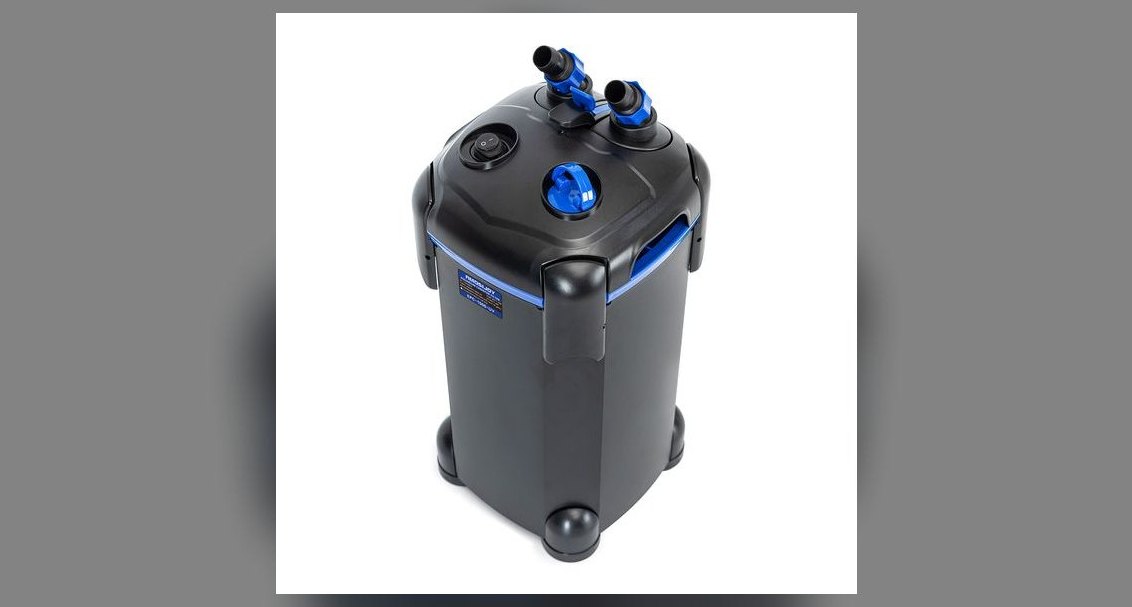 pulse-aquariumsWhat is the best quiet canister filter for a 40-gallon breeder tank in a bedroom in 2026?
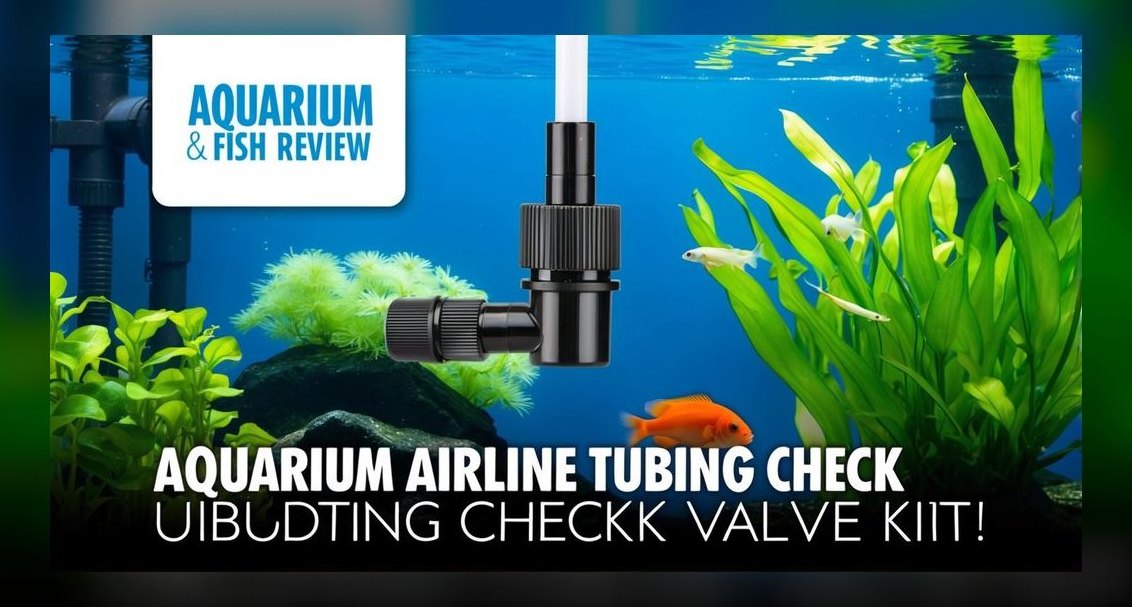 pulse-aquariumsTop 10 Airline Tubing & Check Valve Kits for Multi-Tank Systems (2027)
 pulse-aquariumsHow often should I replace the filter media in a sponge filter for a fry tank in 2026?
 pulse-aquariumsTop 10 Aquarium Backgrounds with 3D Rock Textures for Natural Tanks (2027)
 pulse-aquariumsTop 10 Mistakes to Avoid When Setting Up a Freshwater Aquarium in 2027
 pulse-aquariumsBest automatic fish feeder for pelleted food that doesn't clog or overfeed?
 pulse-aquariumsTop 10 Snail-Free Algae Eaters for Small Community Aquariums in 2027
 pulse-aquariumsWhat type of gravel is safe for goldfish that might eat it in 2026?
 pulse-aquariumsTop 10 Nano Reef Tank Builds for Beginners in 2027
 pulse-aquariumsBest LED lighting schedule for low-light aquatic plants like Java moss?