
How do I stop my cat from drinking from the fish tank?
 Curated byKory White · Fractional CRO · Maryland
 PULSEKNOWLEDGE LIBRARY
Quality
Certified

Cover the tank with a clipped, snug-fitting glass or acrylic lid so the water is physically unreachable, then give your cat a cleaner, more attractive alternative — a filtered fountain with moving water, placed several feet away in a quiet spot. Barrier plus redirect stops the behavior in one to two weeks.
The 2 a.m. splash that starts most of these searches
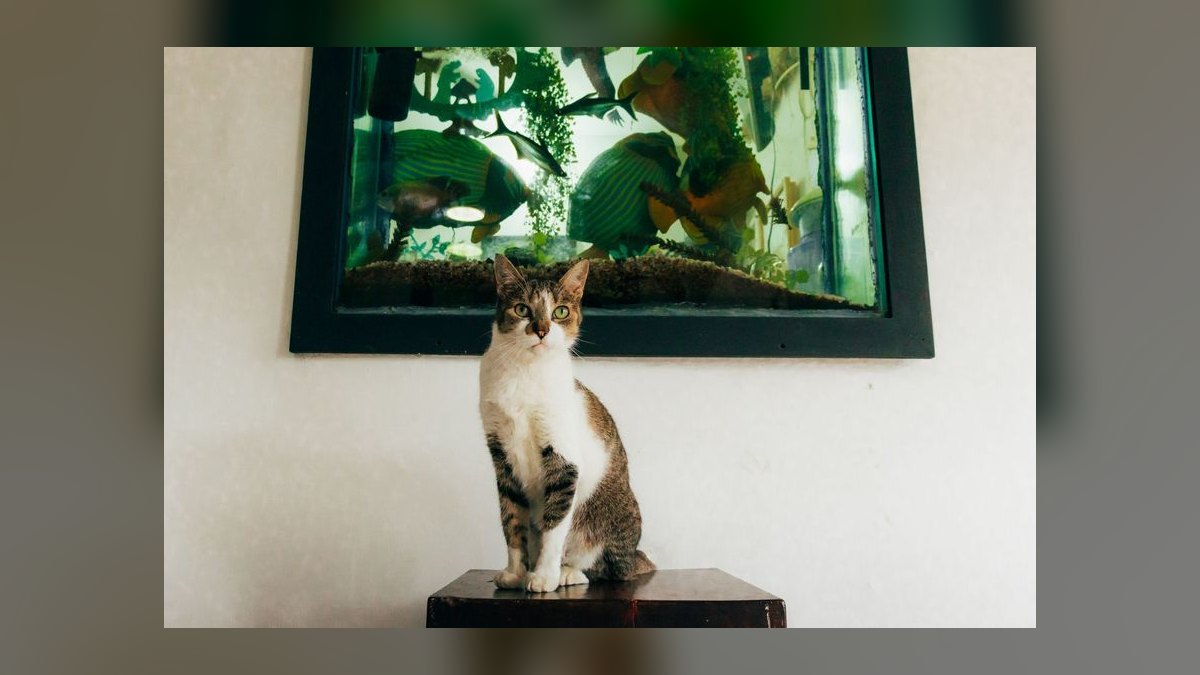
The pattern is almost always the same. You wake up to a wet slap-slap sound in the living room, walk out, and find your cat perched on the aquarium stand with one paw hooked over the rim, drinking from the corner where the filter outflow breaks the surface. The lid is sitting slightly askew because the cat has been nudging it for weeks. There's a puddle on the stand, a smear of paw prints on the glass, and a betta hiding behind the driftwood.
What's happening here is not defiance. It's a preference ranking. Your cat has quietly compared every water source in the house and put the tank at the top. The tank is cool. It moves. It's aerated by the filter, so it tastes less flat than the bowl of tap water that's been sitting out since yesterday morning. It sits at chest or head height on furniture, which is exactly where cats like to drink — elevated positions feel safe because nothing can approach from behind. And it has fish in it, which turns a routine drink into something closer to a hunting session.
The reason this matters beyond the puddle is that tank water is not a good beverage. A running aquarium is a warm, nutrient-rich bacterial culture by design — the whole point of the biological filter is to sustain a dense colony of bacteria. Most of that colony is harmless. Some of what grows alongside it is not. *Mycobacterium marinum* is a well-documented aquarium organism, aeromonads are common in freshwater systems, and any tank being dosed with water conditioners, algaecides, plant fertilizers, or medication is a tank with dissolved chemicals your cat is now ingesting. If you've ever treated the tank for ich or dosed a copper-based medication, the water in there is genuinely not safe for a mammal to drink.
There's a second casualty nobody mentions: the fish. A paw dipping repeatedly into a small tank means skin oils, dander, and litter dust entering the water column, plus a large predator looming over the surface several times a day. In a heavily stocked 10- or 20-gallon tank, that's a real stress load. Fish that are chronically stressed stop eating properly and get sick more often. So the fix is doing double duty — you're protecting the cat from the water and the fish from the cat.

A useful reframe before you start buying things: you are not trying to punish a behavior. You're trying to lose a comparison. Right now the tank wins on every axis the cat cares about. Your job is to make the tank inaccessible and make something else win.
How the mechanism actually works
Cat drinking behavior runs on a small set of sensory cues, and once you know them the whole problem becomes predictable.
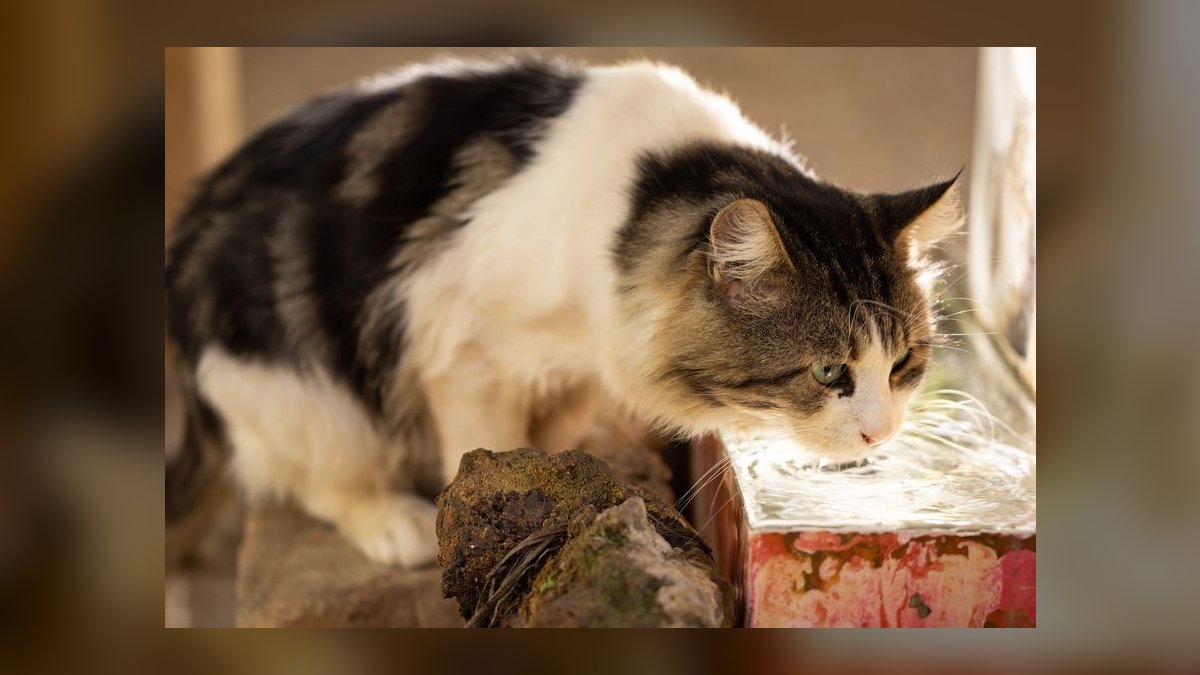
Movement. Cats descend from arid-climate hunters that got most of their moisture from prey and learned that moving water is safer than standing water. Standing water in the wild is where things grow. Moving water is fresher. That instinct hasn't gone anywhere, which is why cats drink from faucets, from shower floors, from watering cans, and from the exact corner of your aquarium where the filter return breaks the surface. The tank isn't just water — it's the only *moving* water in the room.
Temperature. A tropical tank runs around 75–80°F, which sounds warm, but the surface of a bowl that's been sitting in a heated room all day is often warmer and always flatter. A tank under a hood with a chiller-free setup in a cool room can also sit notably below room temperature. Either way, cats detect a difference and have preferences about it.
Whisker clearance. This one is badly underrated. Cats hate pressing their whiskers against the sides of a narrow, deep bowl — the sensation is genuinely aversive, and it's why a cat will empty a wide shallow saucer and ignore a tall tumbler of identical water. An aquarium has effectively infinite whisker clearance. Your cat can lower its face into open water without touching anything. That's a real advantage the bowl can't match unless you change the bowl.
Elevation and sightlines. Water bowls usually sit on the floor, often in the kitchen next to the food and sometimes within sight of the litter box. Cats prefer to drink where they can see the room and where the water isn't near either food or waste. The aquarium is on a stand, in the open, nowhere near the litter box. It wins on placement before it wins on anything else.
Prey signal. Fish moving under the surface adds an interest layer no bowl has. For some cats this is the whole draw and the drinking is incidental.
Here's the decision path most households should walk, in order:
Read that flowchart as a sequence, not a menu. The lid comes first because it's the only step that works immediately and doesn't depend on your cat's cooperation. Everything after it is about making the new arrangement stick.
Getting the lid right. Full glass canopies and hinged versa-style tops are the standard answer. What matters is not the material but the gaps. A cat needs surprisingly little opening — a two-inch gap at the back where the heater and filter cords run is a perfectly good drinking port, and it's the single most common failure point. Cut a piece of thin acrylic or plastic canvas mesh to fit that back strip, notch it for the cords, and the port closes. Second failure point is weight: a lightweight acrylic sheet can be nudged sideways by a determined cat, so clip it, or set a heavy decorative object at the corner the cat prefers.
Keep a real air gap for gas exchange — a quarter to a half inch along the back is fine and won't let a paw through. Fully sealing a tank isn't good for it.
Rimless and open-top tanks. If you run a rimless aquascape or a paludarium, a hood isn't an option and you'll need to work the other levers harder: dense surface plants like water lettuce, frogbit, or duckweed to break up open water, a custom-cut mesh screen top on a black aluminum frame (a standard product in the reptile world that works fine on aquariums), and much heavier investment in the alternative water source. Surface plants alone rarely stop a committed cat, but they do make casual sipping annoying, and they help with nitrate export as a bonus.
Real numbers, ranges, and benchmarks
Concrete figures make it much easier to tell whether the fix is working or whether something else is going on.
Normal water intake. The usual clinical rule of thumb is roughly 45–60 milliliters of water per kilogram of body weight per day, from all sources combined. For a 4.5 kg (10 lb) cat that's around 200–270 ml — call it about a cup a day. Cats on wet food drink dramatically less because canned food is roughly 75–80% water; a wet-fed cat may barely touch a bowl and be perfectly hydrated. Cats on dry food only — kibble runs around 6–10% moisture — have to make up the entire difference by drinking, which is exactly why dry-fed cats are the ones you catch at the aquarium.
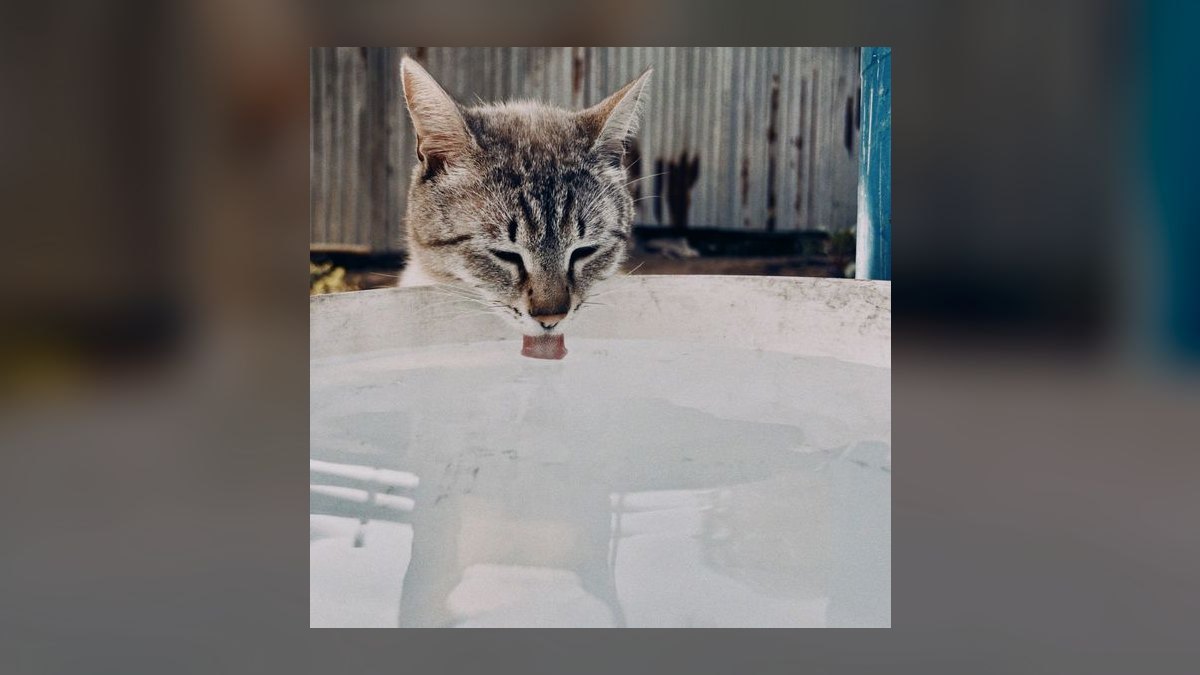
That's the first thing to check before you buy any hardware: if your cat is on all-dry food, adding wet food to even one meal a day meaningfully reduces the drive to go hunting for water. It's the cheapest intervention available.
The warning threshold. Sustained intake above roughly 100 ml/kg/day is the number vets generally treat as polydipsia worth investigating. For that same 10 lb cat, that's about 450 ml — well over two cups. You don't need a lab to estimate it: fill the fountain reservoir to a marked line, top it off at the same time each day, and track how much you add for a week. Weighing the bowl is even more precise, since one milliliter of water weighs one gram.
Timeline expectations. With a properly clipped lid, unwanted tank drinking stops the day you install it — that's the appeal of a physical barrier over a training approach. The behavioral half, getting the cat to reliably use its own source instead of hunting for the next-best puddle, typically takes somewhere in the range of one to three weeks. Cats are neophobic about new objects, especially noisy ones. A fountain often sits ignored for the first several days before it gets adopted.
Costs, in plain ranges. A glass canopy or hinged top for a standard 10–29 gallon tank generally runs in the tens of dollars; larger and custom sizes cost more. Mesh screen tops are comparable. Ceramic or stainless wide shallow bowls are cheap. Pump-driven cat fountains span a wide range from budget plastic units to stainless models with replaceable carbon filters, and the ongoing cost is the filter cartridges — figure a replacement every two to four weeks. Against that, a single vet visit with bloodwork and a urinalysis costs multiples of the entire hardware bill, which is the actual argument for spending on the lid.
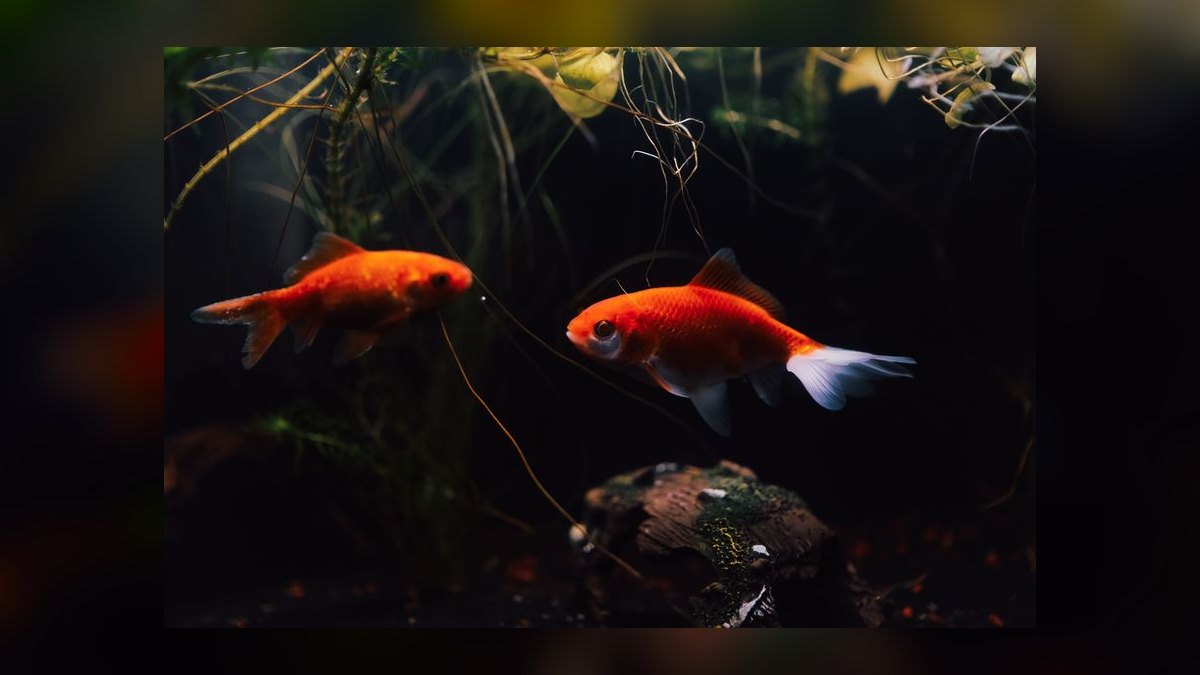
Fountain maintenance intervals. These are the numbers people ignore and then wonder why the cat went back to the tank. Rinse and refill every two to three days. Full disassembly and wash weekly with mild dish soap and hot water — no bleach residue, and rinse thoroughly. Replace the carbon filter every two to four weeks. Descale the pump impeller monthly if you have hard water; mineral buildup makes the pump whine, and a whining pump is a fountain your cat now avoids. A neglected fountain grows a biofilm slime layer within about a week, and a cat can smell it long before you can see it. At that point the tank looks appealing again and you're back to square one.
Bowl geometry. Aim for a bowl wider than your cat's whisker span and shallow enough that the water surface sits well below the rim — a wide saucer beats a deep dish. Fill it high; cats dislike reaching down into a well. Multiple stations beat one big bowl: put water in two or three separate rooms, away from food and never in the same room as the litter box.
Trade-offs and alternatives
Not every method is equal, and a few common suggestions are worse than doing nothing.
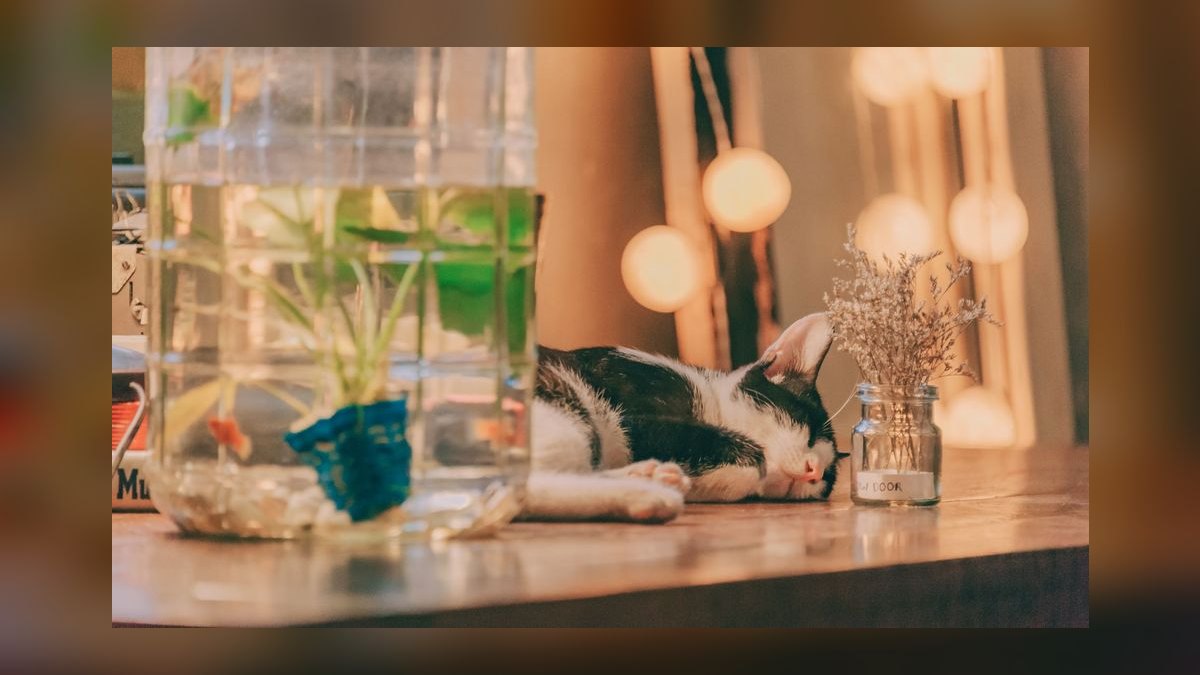
Physical barrier (lid, clips, mesh). Highest reliability, works instantly, requires no cooperation from the animal, and has essentially no behavioral downside. Costs are modest and one-time. The only real trade-off is aesthetic — a hood changes how an aquascape looks and reduces light penetration slightly, which matters if you're running high-light plants. For nearly every household this is the right primary answer.
Redirect to a better source (fountain, wide bowls, more stations). No downside at all, and it's a genuine health upgrade independent of the tank issue — better hydration is protective for urinary tract health, which is a real and common feline problem. The trade-offs are ongoing maintenance and pump noise. Some cats are startled by the motor; a slow trickle setting usually solves that. This should always be paired with the barrier, never used alone, because a determined cat will still choose the tank if it's reachable.
Environmental enrichment. If the drinking is partly about watching the fish, giving the cat a better vantage point — a cat tree or window perch positioned *near* the tank but not *above* it — plus puzzle feeders and a couple of daily play sessions, redirects the attention without confrontation. Slow, indirect, and genuinely useful, but not a standalone fix.
Motion-activated deterrents. Compressed-air spray units and similar startle devices do work on many cats and are far preferable to anything involving pain. Real trade-offs, though: they fire on anything that moves, so they'll get the other cat, the dog, and you; some cats generalize the fear to the whole room rather than the tank; and they need refills. Reasonable as a temporary supplement on a rimless tank you genuinely can't cover. Not a first move. Skip static-pulse mats entirely — the anxiety cost isn't worth it when a lid solves the same problem.

Additives to the tank water. Don't. Bitter-tasting deterrent sprays are formulated for furniture and cables, not for dosing an aquarium — you'd be adding an untested compound to a closed system with fish, invertebrates, and a nitrifying bacterial colony that keeps the whole thing alive. The downside risk lands on the animals that didn't cause the problem. Same logic rules out citrus oils and essential oils, which are additionally toxic to cats.
Punishment. Spraying the cat with a water bottle, yelling, or physically moving it teaches the cat to fear *you*, not the tank. Cats don't connect a delayed consequence to an earlier action, and the behavior simply relocates to when you're not home. This is the approach most likely to make things worse.
The adjacent version of this problem. Almost everything above generalizes. Cats drinking from toilets is the same failure mode with a worse water source and the same fix: close the lid, upgrade the alternative. Cats drinking from houseplant saucers is more dangerous than it looks, since many common houseplants are toxic and fertilizer salts concentrate in the runoff — cover the soil with a decorative gravel layer and empty the saucer after watering. Dogs drinking from aquariums is the same problem at a scale where the lid can't win; there, you move the tank onto a stand the dog can't reach or gate the room. If you keep a reptile enclosure with a water feature, the same lid-plus-redirect logic applies, with the added wrinkle that a cat stalking a basking lizard is a welfare problem for the reptile long before anyone drinks anything.
Common pitfalls and how to avoid them
Leaving the cord gap open. Far and away the most common failure. You buy the lid, install it, congratulate yourself, and the cat keeps drinking through the four-inch back strip where the heater cable, filter intake, and air line pass through. Measure that strip, cut mesh or thin acrylic to fit, notch it for each cord, and seal it. If the cat can get a paw in, it's not sealed.
An unclipped lid. Cats are strong for their size and they push upward with their heads. A lid resting loosely on the frame gets levered aside within a week. Use the clips that came with it, add aftermarket clips, or weight the corner your cat favors.
Buying the fountain and never cleaning it. This is the second-biggest failure, and it's a slow one — everything works for two weeks, then the cat drifts back to hunting for water and you conclude the fountain "didn't work." It did work, until biofilm built up in the reservoir and the pump started to whine. Put fountain cleaning on the same recurring schedule you use for tank water changes. If you won't maintain a fountain, use two or three wide ceramic bowls refreshed daily instead — a clean bowl beats a dirty fountain every time.
Placing the new source badly. Right next to the litter box, next to the food, on the floor in a high-traffic hallway, or in a corner with no escape route. All of these read as bad drinking spots to a cat. Elevated, quiet, open sightlines, separate from food and waste. If you're replacing an aquarium the cat liked, note *where* the aquarium was and put the fountain in a comparably visible, elevated place in that room.

Changing five things on one day. If you install the lid, move the bowls, add a fountain, switch food, and set up a deterrent all at once, you learn nothing about what worked and you've hit a neophobic animal with five simultaneous changes. Lid first, since it's the immediate stop. Alternative water source at the same time or a day earlier so there's somewhere to go. Then wait a week before touching anything else.
Removing the barrier too early. Two peaceful weeks is not proof the preference is gone. Leave the lid on permanently. It's good aquarium practice regardless — it cuts evaporation, keeps dust out, stops fish from jumping, and stabilizes temperature.
Reading a medical symptom as a behavior problem. This is the pitfall with the highest stakes. A cat that suddenly starts seeking water everywhere — tank, toilet, shower, sink, the condensation on a window — and is drinking noticeably more overall may have chronic kidney disease, diabetes mellitus, or hyperthyroidism. Kidney disease is common in cats over seven; hyperthyroidism typically shows up in older cats alongside weight loss despite a good appetite; diabetes often comes with increased urination and larger litter clumps. If the escalation is new, if intake looks like it's crossed roughly 100 ml/kg/day, if litter clumps are noticeably bigger, or if there's weight loss, get bloodwork and a urinalysis before you spend another dollar on hardware. Early detection genuinely changes outcomes in all three of these conditions, and no lid fixes a sick kidney.
Ignoring what it's doing to the tank. While you're solving the cat side, check the fish side. Do a modest water change, test ammonia, nitrite, and nitrate, and watch for clamped fins, hiding, or rapid gill movement over the next couple of days. Rinse filter media in tank water, never tap — chlorinated tap water kills the nitrifying bacteria you depend on and can trigger an ammonia spike right when your fish are already stressed.
Related questions
Is it dangerous for my cat to drink aquarium water once?
A single sip from a healthy, unmedicated freshwater tank usually causes nothing. Risk rises with repetition and with anything dosed into the water — conditioners, algaecides, plant ferts, or fish medication. Saltwater tanks are worse; the salinity alone can cause vomiting and dehydration. Watch for vomiting, diarrhea, or lethargy.
Will covering the tank hurt my fish?
No, provided you leave a small air gap for gas exchange and don't trap heat. Glass canopies and mesh tops are standard aquarium equipment. Lids reduce evaporation, prevent jumping, and stabilize temperature. Just recheck your thermometer for a few days after installing one, since a hood can raise tank temperature slightly.
Do surface plants alone stop a cat from drinking?
Rarely on their own. Dense water lettuce, frogbit, or duckweed makes clean sipping annoying and is worth doing on rimless tanks where a lid is impossible, but a determined cat parts the plants with a paw. Treat plants as a friction layer stacked on top of a real barrier, not the barrier itself.
Why does my cat prefer the tank over its clean water bowl?
The tank moves, sits at a comfortable elevation, has no whisker-crowding sides, and isn't next to food or the litter box. Bowls usually fail on most of those. Fix the bowl's geometry and placement — wide, shallow, filled high, elevated, quiet — and the gap narrows considerably.
Could my cat catch something from the fish themselves?
Direct fish-to-cat transmission of disease isn't the main concern; the water is. Aquarium-associated organisms like *Mycobacterium marinum* live in the water column and biofilm. The bigger practical risk to the fish is being eaten or chronically stressed, which is another reason the lid solves two problems at once.
FAQ
How long until my cat stops trying?
The tank drinking itself stops immediately once the lid goes on and the gaps are sealed — that's the whole point of a physical barrier. The habit of *approaching* the tank fades over roughly one to three weeks, and you'll see attempts taper rather than stop cleanly. Occasional curiosity checks at the lid for the first month are normal and not a sign of failure.
My cat ignores the new fountain completely. What now?
Give it a week before concluding anything; cats are wary of new humming objects. Then troubleshoot in this order: move it away from food and the litter box, raise it onto a counter or sturdy cat tree, switch to the quietest flow setting, and try a stainless or ceramic model if yours is plastic — plastic holds odors that cats notice. Keeping it scrupulously clean matters more than the model. In the meantime, put out two or three wide shallow bowls in different rooms so there's always a good option.
Is a mesh screen top as good as a glass lid?
For keeping a cat out, yes — a taut aluminum-framed screen top is effective and has better gas exchange and light transmission than glass. The trade-offs are higher evaporation and less heat retention. Screens are the usual answer for rimless tanks and for anyone running bright plant lighting where a glass canopy would cut too much light.
Should I move the aquarium instead?
Sometimes that's the cleanest fix, particularly if the tank sits on a low stand or a piece of furniture the cat uses as a launch pad. Removing the surrounding jumping route — shifting a nearby chair, clearing the shelf above — can be more effective than the tank's own position. But moving an established tank is stressful for fish and involves a partial teardown, so cover it first and only relocate if covering genuinely can't work.
My cat only does this at night. Does that change the approach?
Not really. It tells you the behavior happens when the room is quiet and unobserved, which is an argument for a barrier rather than any deterrent that depends on you being present. A clipped lid works at 3 a.m. exactly as well as at noon. If you want a secondary nudge, many cat fountains have a soft LED that makes the alternative easier to find in the dark, and a night play-and-feed session before bed reduces overnight roaming generally.
When is this a vet visit rather than a cat-proofing project?
When the water-seeking is new and escalating, when total daily intake looks like it's approaching or exceeding roughly 100 ml per kg of body weight, when litter clumps are getting larger, or when there's weight loss, appetite change, or vomiting alongside it. Kidney disease, diabetes, and hyperthyroidism all present as increased thirst, and all three are far more treatable caught early. Cover the tank either way — but book the appointment.
Sources
- Cornell Feline Health Center — Chronic Kidney Disease
- ASPCA — Common Cat Behavior Issues
- CDC — Healthy Pets, Healthy People: Fish
- International Cat Care — Water and Cats
- Cornell Feline Health Center — Feline Hyperthyroidism
- AAHA — Diabetes Management Guidelines for Dogs and Cats
- ASPCA — Toxic and Non-Toxic Plants
- VCA Animal Hospitals — Chronic Kidney Disease in Cats
- Merck Veterinary Manual — Nutritional Requirements of Cats
Related on PULSE
- [How do I introduce a new cat to my resident cat peacefully?](/knowledge/pt0114)
- [How do I stop my dog from pulling on the leash during walks?](/knowledge/pt0110)
- [How often should I feed my adult cat wet food versus dry food?](/knowledge/pt0108)
- [How do I trim my cat's nails safely at home?](/knowledge/pt0106)
- [Top 10 Tips for Keeping Your Cat's Teeth Healthy Without Stress](/knowledge/pt0102)
- [How to brush a cat's teeth if they hate the taste of toothpaste?](/knowledge/pt0095)
This page will be disappearing soon. Save it to your device for $1 — or read it free while it is here.
@Kory-White- · if Venmo asks, the last 4 of my number are 2012
 petsHow long does tap water need to sit out before it's safe to add to an aquarium in 2027?
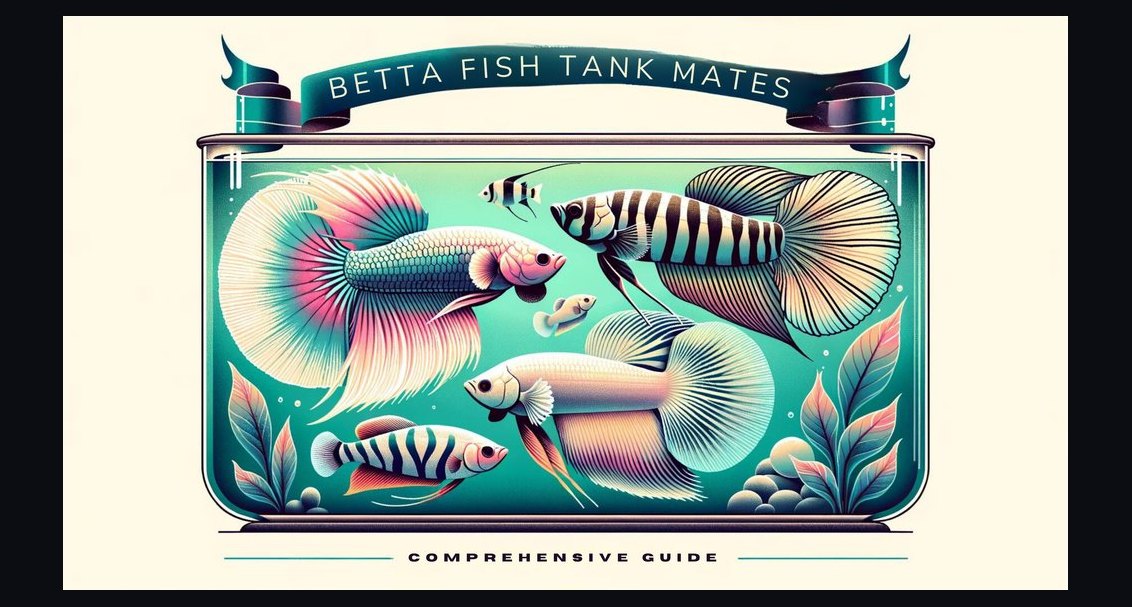 pulse-petsTop 10 aquarium fish for beginners 2027
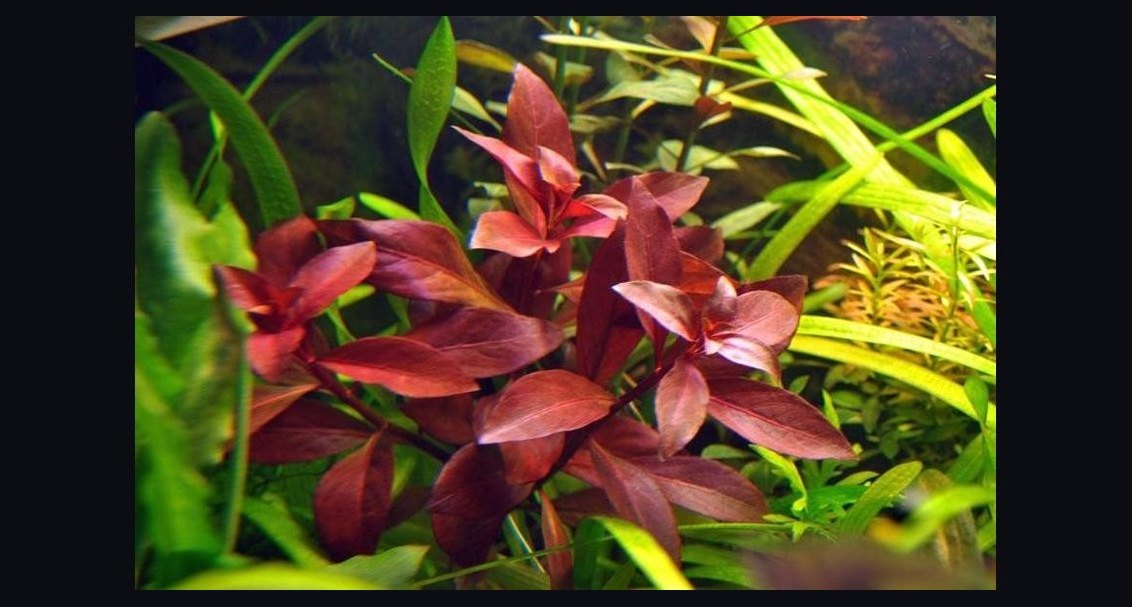 pulse-petsTop 10 red aquarium plants 2027
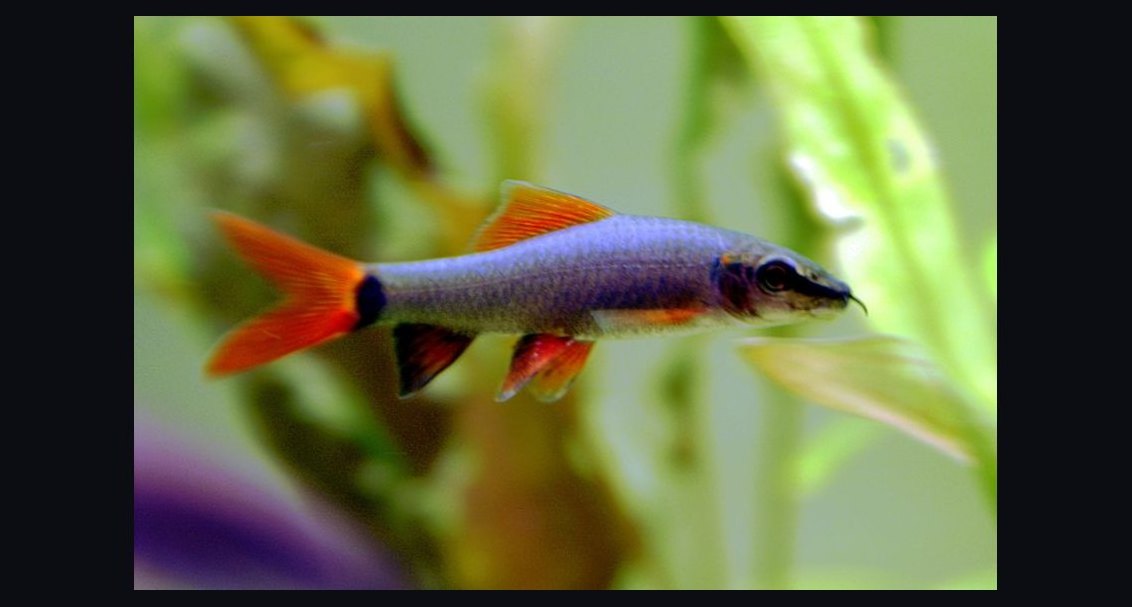 pulse-petsTop 10 Rainbow Shark Semi-Aggressive Fish 2027
 petsTop 10 Aquarium Water Change Amounts by Tank Size in 2027
 pulse-petsTop 10 Boesemani Rainbowfish 2027
 pulse-petsTop 10 10-Gallon Aquariums 2027
 petsCan cats eat freeze-dried minnows as a training treat?
 pulse-petsTop 10 Auto Top-Off Systems for Aquariums 2027
 pulse-petsTop 10 Corydoras Pygmaeus Schooling Catfish 2027