
What are the signs of a healthy aquarium water cycle?
 Curated byKory White · Fractional CRO · Maryland
 PULSEKNOWLEDGE LIBRARY
Quality
Certified

A healthy aquarium water cycle is indicated by consistently undetectable levels of ammonia (0 ppm) and nitrite (0 ppm), with nitrate present in a manageable range (typically below 20-40 ppm, depending on tank stocking and plant density). The water should appear crystal clear with a faint earthy smell—not green, milky, or foul. Fish should display normal activity, active feeding, and regular respiration without gasping at the surface. Beneficial bacteria colonies (Nitrosomonas and Nitrospira) are established, pH remains stable within 0.2-0.5 swings over 24 hours, and live plants show steady new growth without yellowing or melting. A mature cycle produces predictable, consistent test results week after week.
---
The Nitrogen Cycle: Your Tank's Invisible Immune System
The single most critical sign of a healthy aquarium water cycle is the presence and stability of beneficial bacteria colonies. In a fully cycled tank, you'll have three distinct bacterial populations working in harmony: *Nitrosomonas* converting toxic ammonia (from fish waste and decaying food) into nitrite, *Nitrobacter* and *Nitrospira* converting nitrite into less harmful nitrate, and denitrifying bacteria in low-oxygen zones (deep substrate, filter media) converting nitrate into harmless nitrogen gas.
The visible signs? Your API master test kit should consistently read 0 ppm ammonia, 0 ppm nitrite, and nitrate levels between 5-20 ppm (depending on stocking density and plant mass). If you see ammonia or nitrite spikes above 0.25 ppm, your cycle is either incomplete or crashing. A healthy cycle also means your pH remains stable—no more than a 0.2-0.5 swing over 24 hours—because those bacteria are pH-sensitive. When I test my tanks weekly, I'm looking for that predictable pattern: ammonia zero, nitrite zero, nitrate climbing slowly. That's the signature of a mature, functioning nitrogen cycle.
---
Plant and Algae Behavior: The Living Test Strips
Your aquarium plants and algae are the most honest indicators of water quality you'll ever have. In a healthy cycle, rooted plants (like Java fern, Anubias, or Vallisneria) should show steady new growth—at least one new leaf per stem per week under moderate light—with no yellowing, melting, or brown spots. If leaves start turning translucent or developing black edges, that's a sign of nutrient imbalance or ammonia stress.
Floating plants like duckweed or frogbit will multiply rapidly in good water; if they suddenly stop growing or turn yellow, check your nitrates. Algae is trickier: a healthy tank will have some algae (a thin film on glass, a few spots on hardscape), but it should be manageable with a weekly wipe. If you're seeing hair algae, blue-green algae (cyanobacteria), or brown diatom blooms, your cycle is out of balance—often from excess silicates, low CO2, or unstable lighting. A healthy cycle produces just enough algae to feed snails and shrimp without becoming a nuisance. When plants are pearling (tiny oxygen bubbles on leaves) after a water change, the cycle is working overtime.
---
Water Clarity and Odor: Your First Line of Defense
A healthy aquarium water cycle produces water that looks crystal clear with a faint, earthy smell (think fresh rain on soil). If your water has a green tint (free-floating algae bloom), a milky haze (bacterial bloom from overfeeding or cycle crash), or smells like rotten eggs (hydrogen sulfide from anaerobic decay in dead spots), your cycle is compromised.
The clarity comes from mechanical filtration (sponges, pads) working in tandem with biological filtration; if your water is cloudy despite clean filter media, your bacteria colony is struggling to keep up with bioload. A healthy cycle also means no surface film—that oily sheen on top of the water is from excess proteins and fats breaking down, which indicates your bacteria can't process organic waste fast enough. When you see a tank with zero surface film, clear water, and that pleasant earthy scent, the cycle is robust. Another test: shake a jar of tank water—if it produces persistent foam, that's dissolved organic compounds building up, a sign your cycle needs more frequent water changes or stronger biological filtration.

---
FAQ
What are the first signs that my aquarium cycle is unhealthy? The earliest red flags are ammonia or nitrite readings above 0 ppm, fish gasping at the surface, cloudy or foul-smelling water, and plants that begin yellowing or melting. You may also see sudden algae blooms or fish refusing food.
How long does it take to establish a healthy nitrogen cycle? A complete cycle typically takes 4-8 weeks for a freshwater aquarium. Saltwater tanks can take longer, sometimes 8-12 weeks. Using seeded filter media from an established tank can speed this to 2-4 weeks.
What does a healthy "pH balance" look like in my aquarium? A balanced pH means readings stay stable within 0.2-0.5 units over 24 hours. Most community fish thrive between 6.5-7.5 pH. Rapid swings above 0.5 indicate insufficient buffering capacity or a cycle struggling to handle bioload.
How often should I test my aquarium water parameters? Test ammonia, nitrite, and nitrate at least weekly during the first 2 months. Once cycled, test weekly for nitrate and pH, and monthly for ammonia and nitrite as a spot check. Always test after adding new fish or after medication.
What's the biggest mistake people make when cycling a new aquarium? The most common error is adding fish too quickly before the cycle is established. This causes ammonia spikes that can kill fish. Another mistake is overfeeding, which produces excess waste that overwhelms developing bacteria colonies.
Can I cycle my aquarium without fish? Yes—fishless cycling is actually recommended. You add a pure ammonia source (Dr. Tim's Ammonium Chloride or household ammonia without surfactants) to feed bacteria. This avoids stressing fish and allows you to build a robust colony before adding livestock.
---
Sources
- Aquarium Co-Op — Nitrogen Cycle Guide
- Fishlore — Aquarium Cycling & Water Quality Articles
- The Spruce Pets — How to Cycle an Aquarium
- American Aquarium Products — Water Chemistry Basics
- World Aquatic Veterinary Medical Association (WAVMA) — Aquatic Animal Health Resources
- U.S. Environmental Protection Agency — Nitrogen Cycle in Aquatic Systems
- API Fishcare — Water Testing & Maintenance
---
Related on PULSE
- [Top 10 signs of healthy fish 2027](/knowledge/pt0221)
- [How to cycle a saltwater aquarium without using live rock?](/knowledge/pt0073)
- [Top 10 nitrogen cycle steps 2027](/knowledge/pt0264)
- [How often should I bathe my Labrador Retriever to maintain healthy skin and coat?](/knowledge/pt0017)
- [Top 10 fungal infection signs 2027](/knowledge/pt0309)
This page will be disappearing soon. Save it to your device for $1 — or read it free while it is here.
@Kory-White- · if Venmo asks, the last 4 of my number are 2012
This page is gone.
This one is off the shelf now. $1 keeps it on your phone for good — the whole page, pictures and diagrams included.
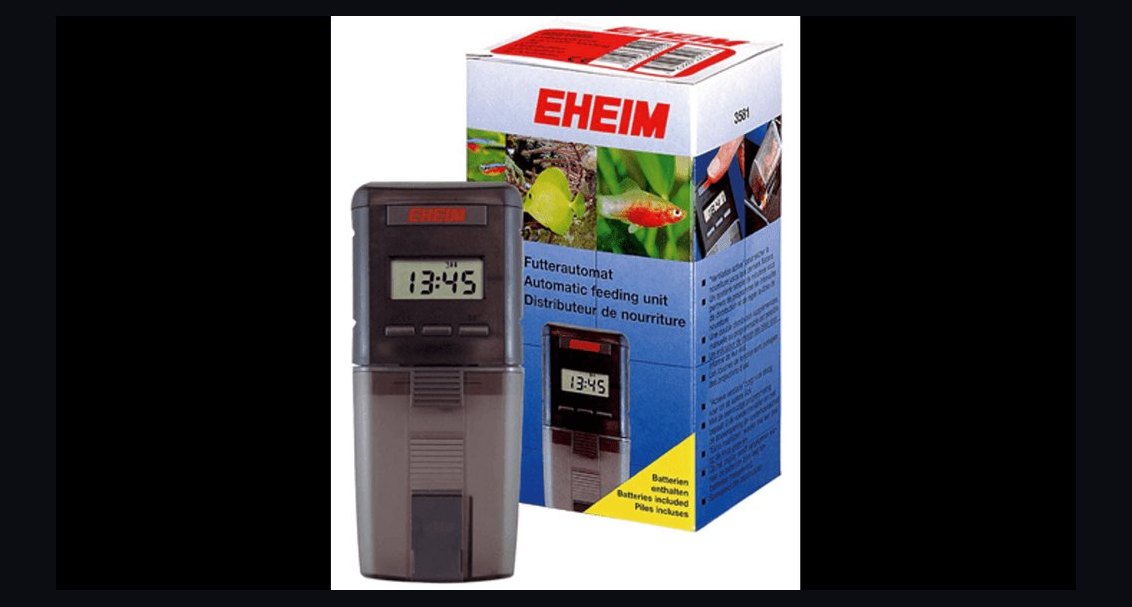 petsTop 10 High-Tech Automated Fish Feeders for Busy Aquarium Owners in 2027
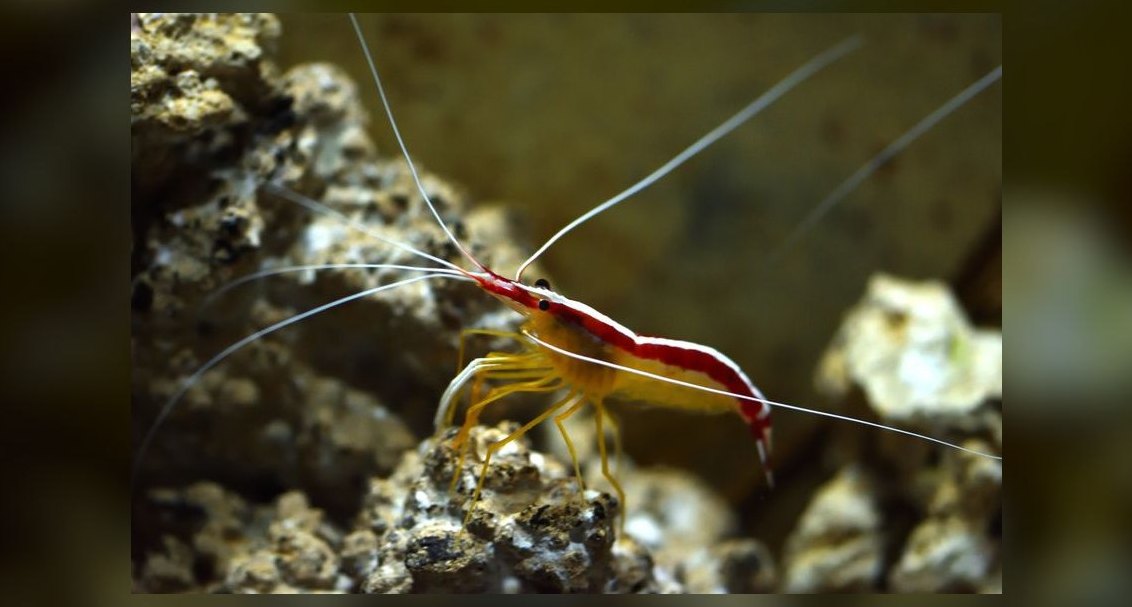 pulse-petsTop 10 Cleaner Shrimp Species 2027
 petsTop 10 Automatic Aquarium Dosing Pumps for Reef Tank Additives (2027)
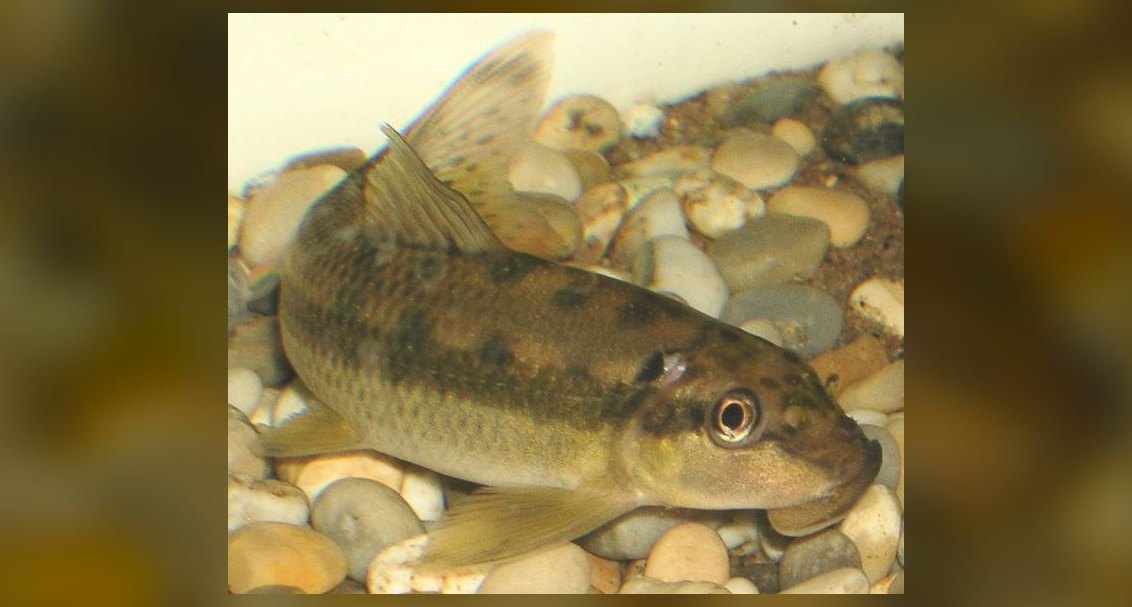 pulse-petsTop 10 Chinese Algae Eater Alternatives 2027
 petsWhat is the best way to introduce a new kitten to a resident adult cat?
 pulse-petsTop 10 75-Gallon Aquariums 2027
 pulse-petsTop 10 Aquascaping Tool Kits 2027
 pulse-petsTop 10 nature aquarium styles 2027
 pulse-petsTop 10 Lawnmower Blenny Algae Control 2027
 pulse-petsTop 10 Aquarium Air Pumps 2027