
How often should I bathe my Labrador Retriever to maintain healthy skin and coat?
 Curated byKory White · Fractional CRO · Maryland
 PULSEKNOWLEDGE LIBRARY
Quality
Certified

Bathe a healthy Labrador Retriever every 8–12 weeks using a gentle, pH-balanced dog shampoo, rinsing until the water runs clear. Bathe sooner when the dog is visibly dirty, smelly, or rolled in something. More frequent washing strips the double coat's protective oils; a vet may prescribe a different schedule for allergies or infection.
What bathing actually does to a Labrador's double coat
A Labrador Retriever's coat is built for water work, and understanding that construction is what makes the 8–12 week number make sense rather than sound arbitrary. The breed carries a two-layer coat: a short, straight, hard-feeling outer coat of guard hairs, and beneath it a soft, dense undercoat that traps air and provides insulation. Sitting on top of both is a film of sebum, an oily secretion from sebaceous glands attached to each hair follicle. That sebum is what makes water bead off a Lab that has just come out of a pond, and it is also what carries antimicrobial peptides and lipids that keep the skin barrier intact.
Every bath is a partial reset of that film. Shampoo works by surfactant action — the molecules grab oil on one end and water on the other, so the grease lifts and rinses away. That is exactly what you want when the coat is caked in pond scum or the dog has rolled in something dead. It is exactly what you do not want on a weekly basis on a clean dog, because the film takes days to rebuild and the skin underneath responds to repeated stripping by either drying out (flaking, dandruff-like scale, a coat that feels brittle) or by overcompensating with more oil production, which paradoxically makes the dog greasier and smellier faster than before.
The other half of the equation is the skin's own pH and microbial community. Canine skin sits at a more neutral to slightly alkaline pH than human skin, which is why human shampoo is a poor substitute — it is formulated for a more acidic surface and can leave a dog's skin irritated and itchy. The skin also hosts a normal population of bacteria and yeast that occupy space and outcompete opportunistic organisms. Aggressive, frequent degreasing disrupts that balance, and Labradors are already a breed with a documented predisposition to atopic dermatitis and secondary skin infections. Getting the cadence right is not cosmetic fussing; it is preventive medicine for a breed that lands in veterinary dermatology offices at above-average rates.

There is also the matter of what bathing does *not* fix. Owners frequently bathe in response to shedding, and bathing does help — the warm water and manipulation loosen dead undercoat, and a good post-bath brush-out pulls a startling volume of hair. But bathing is not a substitute for brushing. A Labrador shedding heavily in spring and fall needs mechanical removal of dead coat several times a week, not more baths. Confusing the two is the single most common reason owners drift into an over-bathing pattern: the dog sheds, the owner bathes, the coat dries out, the skin flakes, the flaking looks like more shedding, and the cycle tightens.
Odor deserves its own note, because "the dog smells" is the trigger for most unscheduled baths. Some Lab odor is normal sebum and skin flora and will always come back within days of a bath. But a persistent, yeasty, or genuinely foul smell — especially one concentrated at the ears, between the toes, in skin folds, or around the tail base — is a clinical sign, not a hygiene problem. Bathing a dog with an untreated ear infection or a yeast overgrowth in the paws will knock the smell down for two days and then it returns, which is how owners end up bathing weekly and wondering why nothing helps. The smell is the symptom; the underlying condition is the thing to treat.
The step-by-step process, from pre-brush to final dry
The technique matters nearly as much as the interval, because a badly executed bath — particularly an under-rinsed one — creates the exact skin problems the schedule is meant to prevent. Here is the full sequence for a standard-sized Labrador Retriever, which for most adults means 55–80 pounds of enthusiastic, water-loving dog.
Brush first, always. Ten minutes with a slicker brush or a rubber curry before any water touches the dog removes loose undercoat, surface dirt, and any small tangles. Wet hair mats and compacts; a mat that was loose and combable when dry becomes a tight felted plug when wet, and on a double coat that plug traps moisture against the skin. Work in sections, against the lay of the coat and then with it, paying attention to the ruff, the britches at the back of the thighs, and the tail.

Set up before the dog is in the tub. Shampoo pre-diluted in a squeeze bottle (roughly one part shampoo to five parts warm water is a workable starting ratio for most concentrates — check the label), a non-slip mat, two or three towels, cotton balls for the ears if your dog tolerates them, and treats. A Labrador that associates the tub with chaos becomes harder to bathe every time; a dog that gets fed cheese through the whole process becomes easier.
Water temperature: lukewarm. Roughly body temperature — comfortable on the inside of your wrist. Hot water feels good to human hands and is uncomfortable on canine skin, and it also opens the coat and strips more aggressively. Cold water fails to penetrate the undercoat at all.
Wet to the skin, not just the surface. This is the step most owners underdo. A Lab's coat is water-resistant by design, so a quick spray runs straight off. Work the water in with your fingers, section by section, until you can feel wet skin under the coat across the whole body. Start at the rear and move forward; save the head for last and use a damp cloth around the face rather than a spray, keeping water out of the eyes and ear canals.

Shampoo from the neck back. Apply the diluted shampoo along the spine and massage down and outward into the coat with fingertips, not fingernails. Give it contact time — most general shampoos work within a minute or two, but medicated products with chlorhexidine, miconazole, or benzoyl peroxide typically need a full 5–10 minutes of contact to do anything, and skipping that contact time is why prescribed shampoos so often "don't work." Do the chest, belly, armpits, groin, and between the toes, which are the areas that accumulate the most and get washed the least.
Rinse longer than you think you need to. Then rinse again. Residual shampoo is a leading cause of post-bath itching and flaking, and on a dense double coat it hides at the skin line where you cannot see it. Part the coat with your fingers as you rinse and keep going until the water runs completely clear and the hair squeaks slightly rather than feeling slick. On a big Lab this can take five minutes on its own.
Condition if the coat needs it. A conditioner or a leave-in coat spray helps if the dog swims often, lives somewhere dry, or has a coat that feels rough. Apply, leave for the label's stated time, rinse thoroughly unless it is a leave-in formula.

Dry deliberately. Squeeze water out of the coat with your hands, then blot with towels rather than rubbing. A Labrador Retriever will happily air-dry, and in warm weather that is fine, but a dense undercoat left damp against the skin is a setup for hot spots — acute moist dermatitis — which can appear within a day. If you use a dryer, use a low or cool setting held well back from the skin, and dry down to the skin rather than just fluffing the surface. Brush again at roughly 80% dry.
Costs, timelines, and what the schedule looks like across a year
Running the numbers helps set expectations, and it also explains why so many owners quietly slide from a healthy interval into either neglect or over-bathing — one path is driven by time, the other by cost being low enough that "one more bath" feels free.
Time per bath at home. For an adult Labrador Retriever, budget 15 minutes of pre-brushing, 20–30 minutes of actual washing and rinsing, and 20–45 minutes of drying and finishing depending on method and weather. Call it an hour to ninety minutes end to end. Nail trims, ear cleaning, and a thorough brush-out are natural add-ons to bath day and push it toward two hours if you do the full round.
Frequency across a calendar year. On an 8-week interval that is about 6–7 baths a year; on 12 weeks it is 4–5. Most active Labs land somewhere in the middle at 5–6 planned baths, plus 2–4 unscheduled ones for mud, marsh water, or something rolled in. That total — call it 8–10 washes annually — is a reasonable upper bound for a healthy dog with no skin condition.
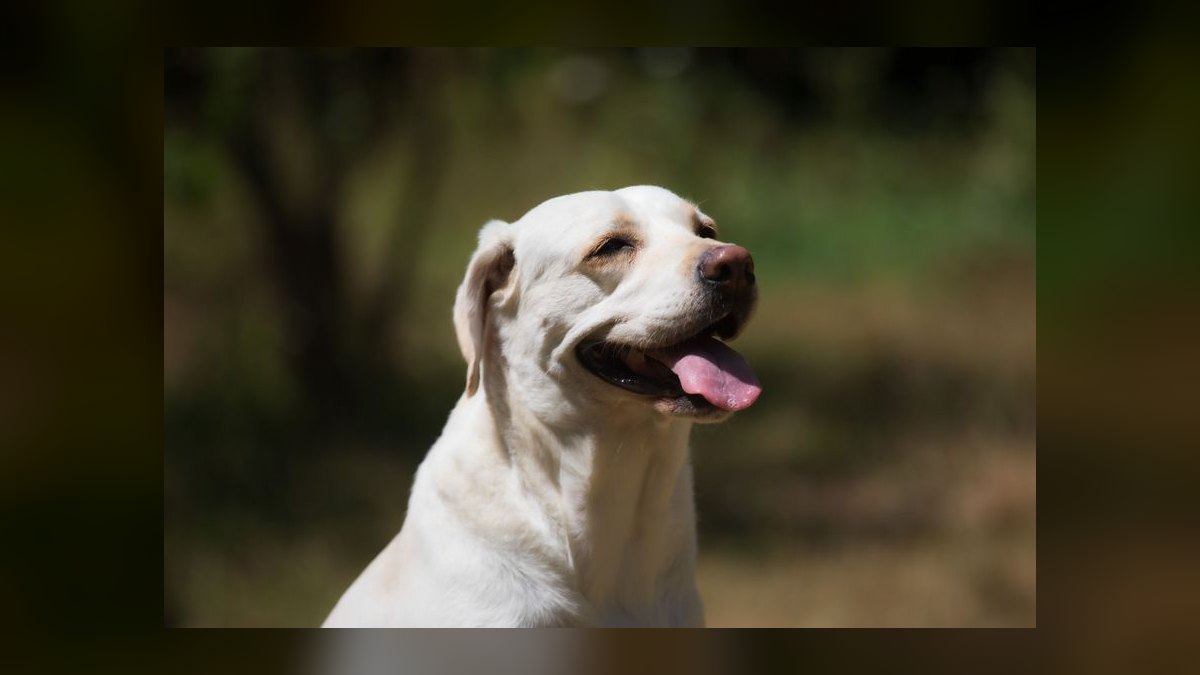
Supplies. A quality dog shampoo in a 16–32 oz bottle typically runs in the mid-single to low-double digits and, diluted, lasts a Labrador owner most of a year at this cadence. A slicker brush, a rubber curry, and an undercoat rake are one-time purchases in a similar range each and will last years. A dedicated high-velocity dog dryer is the significant optional expense — a real investment, but for a double-coated breed in a shedding season it does more for coat condition than any product, because it blows dead undercoat out and dries to the skin fast enough to prevent damp-trapped hot spots.
Professional grooming. A bath-and-brush for a large short-coated dog at a salon is generally the cheapest service on the menu, since there is no haircut involved; full-service packages add nails, ears, anal glands, and a thorough blow-out. Mobile groomers cost more for the convenience. Many Lab owners split the difference: home baths for routine maintenance, a professional blow-out twice a year at the peak of the spring and fall coat blows.
Veterinary timelines, if skin problems appear. This is where the cost picture changes shape. A first-visit workup for itchy skin typically involves an exam, skin cytology, and often an ear cytology, with medication dispensed the same day. Medicated shampoos and mousses are prescribed on a defined protocol — commonly two to three times weekly during an active flare, then tapering to once weekly or every other week as maintenance. Note that this *deliberately overrides* the 8–12 week rule. Frequent bathing during a dermatologic flare is therapeutic, because the shampoo is a drug delivery system, not a cleaning step. Expect 2–6 weeks to see meaningful improvement on a treatment protocol, and be prepared for allergy workups to run months if food trials are involved, since an elimination diet trial itself takes 8–12 weeks to interpret.
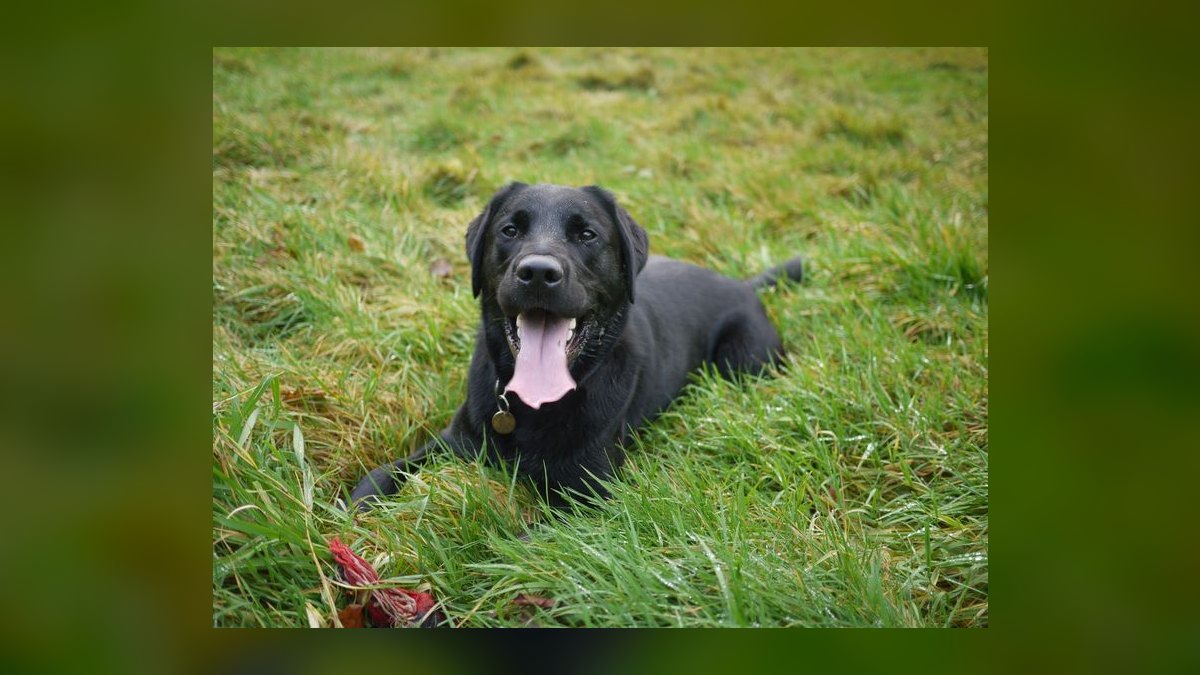
Puppy timeline. Labrador puppies can be bathed young — introducing an 8–12 week old puppy to lukewarm water, a gentle tearless puppy shampoo, and a towel is worth doing purely as desensitization training, even if the dog is barely dirty. Keep it short and positive. Puppies do not need frequent baths any more than adults do, but the habituation window is narrow and a Lab that learned bathing was fine at ten weeks is dramatically easier to handle at eighty pounds.
Senior timeline. Older Labs often develop thinner, drier coats, more skin tags and lumps to work around, and less tolerance for standing in a tub. Shorter, more frequent partial cleanings — a warm wet cloth on the underside, waterless foam on the rear — often serve better than a full bath, with the full bath reserved for when it is genuinely needed. Arthritis makes the tub a fall risk; a non-slip mat and a walk-in shower or an outdoor setup in warm weather is worth the reconfiguration.
Where owners go wrong, and the adjacent habits that matter more
The mistakes cluster into a handful of patterns, and most of them are not really about bathing at all — they are about what bathing gets used to substitute for.
Bathing instead of brushing. Already flagged, but it is the number one error. A Labrador Retriever needs brushing weekly at minimum and several times a week during the two heavy shedding seasons. Brushing distributes sebum along the hair shafts, removes dead undercoat before it can felt, and gives you a hands-on skin check every time. No bathing schedule compensates for skipping it.
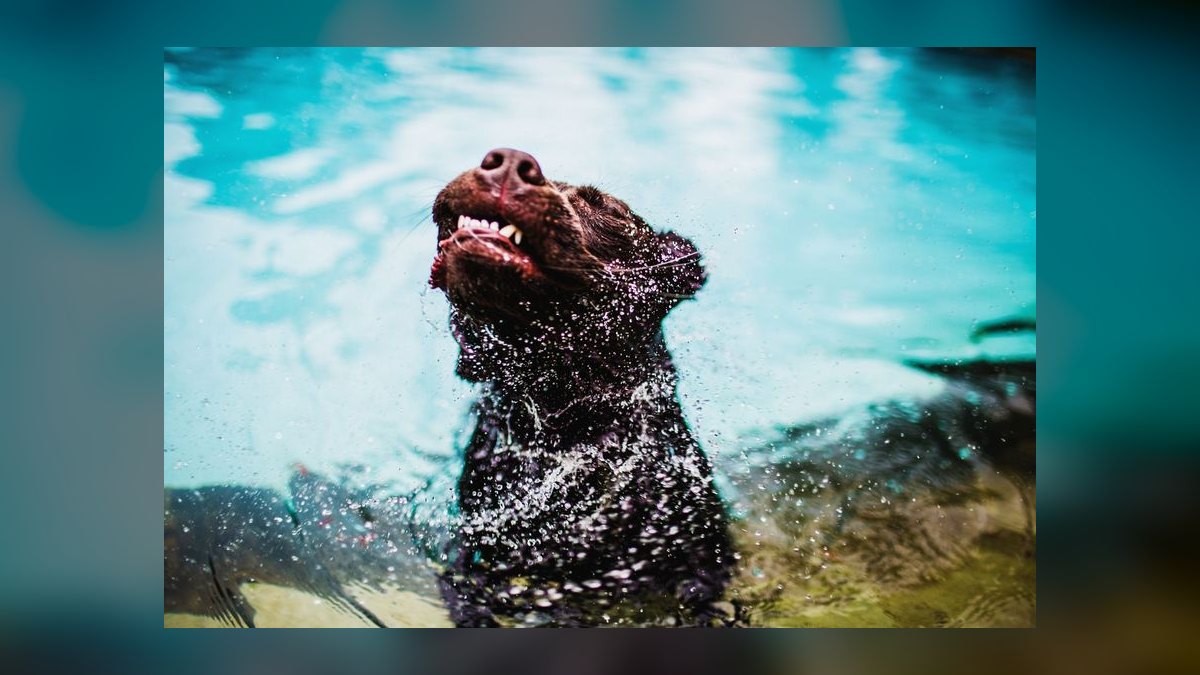
Under-rinsing. The second most common, and nearly invisible. If your dog itches for two days after every bath, the shampoo is probably still in the coat. Double your rinse time before you blame the product.
Human products. Human shampoo, dish soap, and baby shampoo all get reached for in a pinch. Dish soap in particular is a heavy degreaser — appropriate exactly once for a dog that got into motor oil, and inappropriate for anything else.
Treating the ears as an afterthought. Labradors have drop ears that cover the canal, and they are enthusiastic swimmers. That combination makes otitis externa one of the breed's most common presentations. Water that runs into the canal during a bath and stays there is a genuine risk. Dry the outer ear thoroughly after every bath and every swim, and use a vet-recommended drying ear cleaner if your dog is prone to infections. Never push a cotton swab into the canal. If a dog is shaking their head, scratching an ear, or the ear smells — that is a vet visit, not a bath.
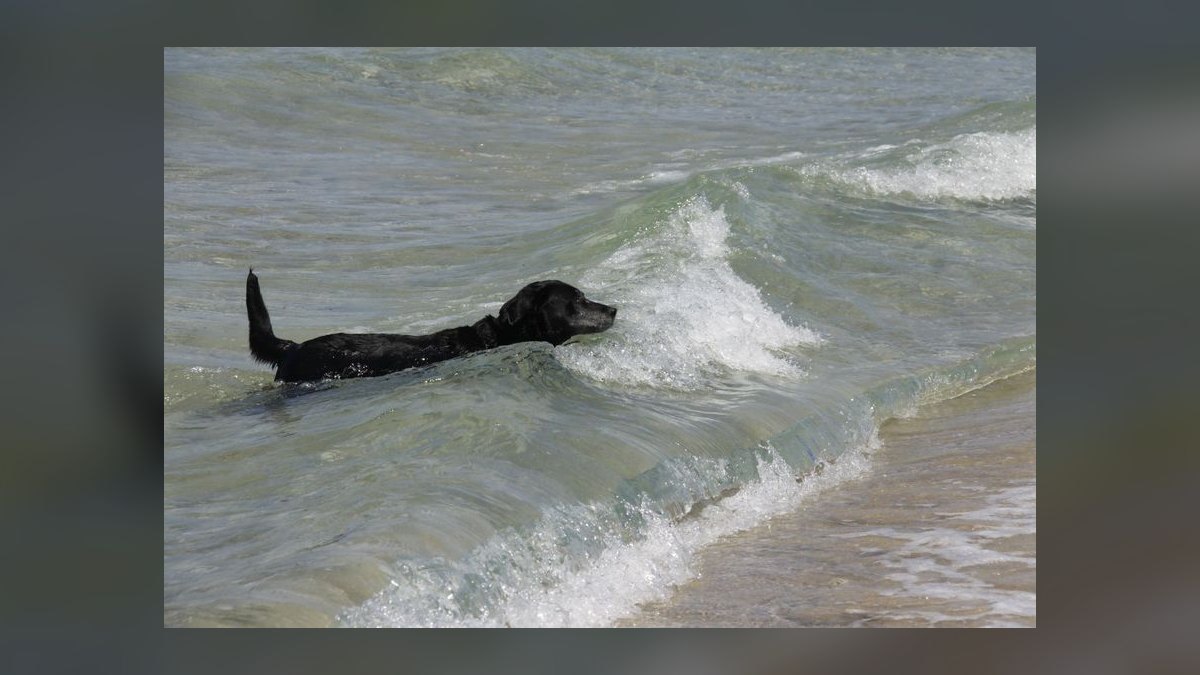
Ignoring the paws. Between-toe spaces collect allergens, road salt, lawn chemicals, and moisture. Many Labs that appear to have a whole-body allergy are actually reacting to contact allergens on the feet. A quick paw rinse or wipe-down after walks — far more often than a full bath — resolves a surprising amount of low-grade licking and chewing.
Chlorine and lake water. A rinse is not a bath. After a pool swim, a plain fresh-water rinse removes chlorine without shampoo. After a lake or ocean swim, the same, plus a thorough dry of the ears and a check for ticks. These rinses do not count against the 8–12 week shampoo interval, because there is no surfactant involved.
Chasing shedding with product. No shampoo stops a Labrador from shedding. De-shedding shampoos and conditioners help loosen dead coat, but the mechanism that removes it is the brush and the dryer. Diet matters more than product here — a complete, balanced diet appropriate to life stage supports coat quality, and where a vet identifies a deficiency or a specific dermatologic indication, they may recommend supplementation. Do not start fish oil or any supplement at your own dosing on a dog with skin disease without asking; dosing matters and it can interact with other treatment.
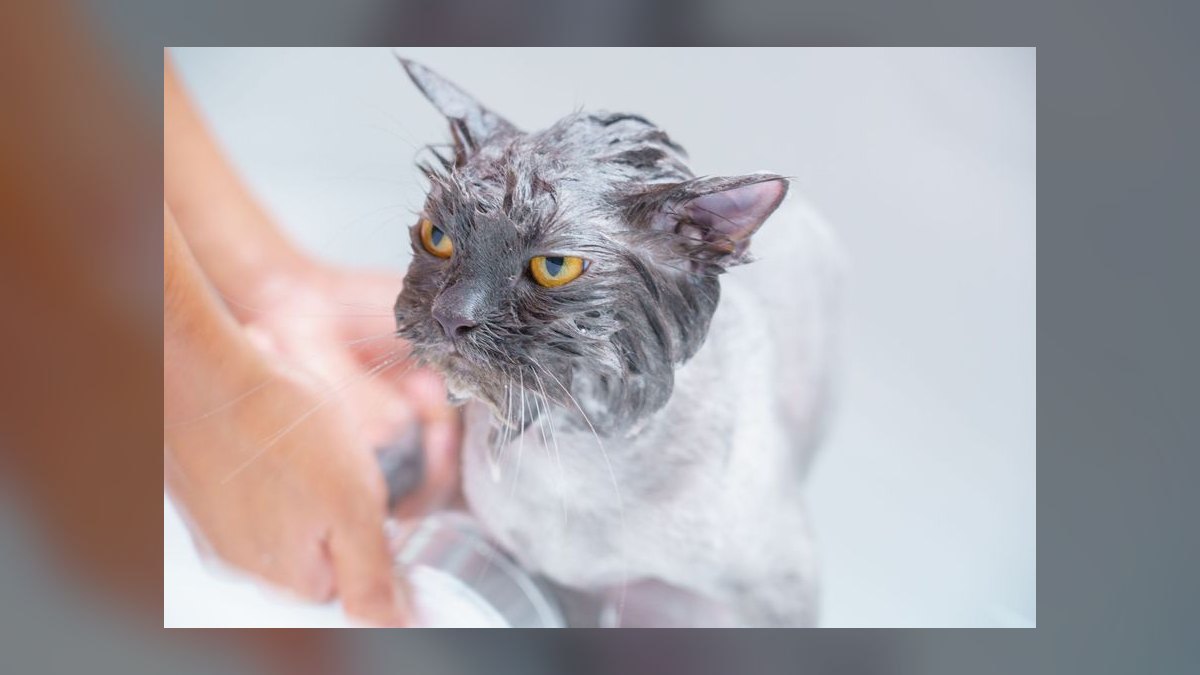
Missing the skin exam. Bath day and brushing sessions are the best routine skin check you will get. Run your hands over the whole dog and note lumps, scabs, redness in the armpits and groin, thickened or darkened skin, hair loss, or anything that was not there last month. Labradors are a breed with meaningful rates of both benign lumps like lipomas and mast cell tumors, and early detection is the entire game. Anything new, growing, ulcerated, or changing gets photographed and reported to your vet.
Over-correcting into never bathing. The opposite failure exists too. A dog carrying months of accumulated sebum, dander, dirt, and pollen on the coat is not "natural" — it is itchy. Allergen load on the coat is real, and for atopic dogs, regular bathing physically removes pollen and reduces the itch trigger. If your Lab is at 6+ months since a bath, has a greasy feel and a persistent smell, the answer is a bath, not more waiting.
Deciding your dog's actual interval
The 8–12 week band is a default, not a prescription. The right number for a specific Labrador Retriever depends on the dog's skin health, lifestyle, environment, and whether a veterinarian has put them on a protocol. Work through it in that order — clinical status first, because a diagnosed skin condition overrides every lifestyle consideration below it.
Start with the question of whether the skin is currently healthy. Persistent itching, redness, scaling, odor, hair loss, recurring ear infections, or paw chewing means the schedule is a veterinary decision, and the answer is very often *more* frequent bathing with a specific medicated product on a specific contact time — not less.
If the skin is healthy, lifestyle sets the number. A Lab that swims in ponds, hunts, hikes muddy trails, or works outdoors sits at the 6–8 week end and takes plain rinses in between. A suburban family dog with yard access and daily walks sits squarely at 8–12. A largely indoor, low-activity, or senior dog can comfortably stretch toward 12 weeks or slightly beyond, provided brushing stays consistent and the coat still feels clean and smells neutral.
Then adjust seasonally. Spring and fall coat blows call for more brushing and possibly a de-shedding bath and blow-out at the front end of each. Winter in a dry, heated house argues for stretching the interval and watching for static and flaking. Summer with pollen, heat, and swimming argues for shortening it, plus more frequent rinses.
Finally, let the dog's actual condition audit your schedule. Two simple checks: does the coat look dull, feel brittle, or show flakes within a week of a bath? Lengthen the interval. Does the coat feel greasy, smell within days of a bath, or leave a film on your hands? Either shorten the interval or — if this is a new change — get the skin checked, because a sudden shift in coat quality or odor is a clinical signal in its own right.
Related questions
Does bathing reduce shedding in a Labrador?
Somewhat. Warm water and shampoo loosen dead undercoat, and a thorough brush-out or blow-dry afterward removes a large volume of it at once. But the coat still sheds on its own cycle. Regular brushing several times weekly does far more than adding baths.
Can I bathe my Labrador outside with a hose?
In warm weather, yes, if the water is not cold — hose water can be uncomfortably chilly and will not penetrate a dense double coat well. A warm-water outdoor sprayer works better. Avoid it in cold weather; a wet undercoat and low temperatures make thorough drying difficult.
How do I handle a Lab that panics in the bath?
Break it into pieces over days: rewarded tub entry with no water, then damp paws, then a partial rinse. Use a non-slip mat, keep the water lukewarm, and feed continuously. Most bath fear is footing insecurity and water on the head, both of which are fixable.
Do waterless shampoos and wipes count as a bath?
No, and that is useful. Foam, spray, and wipe products spot-clean paws, muddy legs, and the rear without wetting the coat or stripping oils, so they extend the interval between real baths rather than replacing them. They are not a substitute for washing a genuinely dirty dog.
Should I bathe my Labrador before or after grooming their nails and ears?
Nails are easier after a bath, when they are softened. Ears should be cleaned after, once the outer ear is dry, so you are not driving water further in. Brushing happens both before the bath and again once the coat is nearly dry.
FAQ
Is every 8–12 weeks the right interval for all Labradors?
It is the sensible default for a healthy adult with normal skin. Working dogs, frequent swimmers, and dogs living in humid or muddy conditions often need every 6–8 weeks. Dogs with diagnosed skin disease may need bathing multiple times per week under a veterinary protocol. Let the dog's skin condition, not the calendar alone, set the final number.
What kind of shampoo should I use on a Labrador Retriever?
A shampoo formulated for dogs, gentle, free of harsh detergents and heavy fragrance. Oatmeal-based and moisturizing formulas suit most Labs. If your dog has diagnosed allergies or an infection, use only what your veterinarian prescribes, and follow the stated contact time. Never use human shampoo or dish soap as a routine substitute.
My Lab smells again three days after a bath — what is wrong?
That is not a bathing-frequency problem. Persistent or rapidly returning odor, especially from the ears, paws, or skin folds, usually indicates a yeast or bacterial overgrowth or an ear infection. Bathing more often will chase the symptom without addressing it. Book a skin and ear check instead.
Can I bathe my Labrador puppy?
Yes, using a tearless puppy shampoo and lukewarm water. Puppies do not get dirty enough to need frequent baths, but short, positive, well-rewarded early bath sessions teach a dog that will eventually weigh seventy pounds to stand calmly in a tub. That training window is worth using deliberately.
Do I need to dry my Labrador completely after a bath?
You need to dry the undercoat, not just the surface. A damp, dense undercoat trapped against warm skin can produce acute moist dermatitis — a hot spot — within a day. Blot with towels, then either dry thoroughly with a low, cool dryer or let the dog air-dry somewhere warm with good air circulation.
Should I rinse my Lab after every swim?
Yes, with plain fresh water. It removes chlorine, salt, algae, and lake sediment without shampoo, so it does not disturb the coat's oils or count against the bath interval. Dry the ears carefully afterward and check for ticks after any swim in natural water.
Sources
- American Kennel Club — Labrador Retriever breed information
- AKC — How often should you bathe your dog?
- VCA Animal Hospitals — Bathing your dog
- VCA Animal Hospitals — Atopy (atopic dermatitis) in dogs
- Cornell University College of Veterinary Medicine — Riney Canine Health Center
- American Veterinary Medical Association — Pet owner resources
- ASPCA — Dog grooming tips
- Merck Veterinary Manual — Skin disorders of dogs
- The Kennel Club — Labrador Retriever breed information
Related on PULSE
- [How often should I take my dog to the vet for a checkup?](/knowledge/pt0104)
- [How often should I feed my adult cat wet food versus dry food?](/knowledge/pt0108)
- [Top 10 Tips for Keeping Your Cat's Teeth Healthy Without Stress](/knowledge/pt0102)
- [What are the signs of a healthy aquarium water cycle?](/knowledge/pt0107)
- [Top 10 signs of healthy fish 2027](/knowledge/pt0221)
This page will be disappearing soon. Save it to your device for $1 — or read it free while it is here.
@Kory-White- · if Venmo asks, the last 4 of my number are 2012
 petsTop 10 Aquarium Water Change Amounts by Tank Size in 2027
 pulse-petsTop 10 best aquarium thermometers 2027
 petsWhy is my aquarium pH dropping overnight and how to prevent it?
 petsTop 10 Automatic Aquarium Dosing Pumps for Reef Tank Additives (2027)
 pulse-petsTop 10 aquarium fish for beginners 2027
 pulse-petsTop 10 best frozen fish foods 2027
 petsTop 10 Aquarium Glass Scrapers with Long Handles for Deep Tanks (2027)
 pulse-petsTop 10 Betta Fish Tanks 2027
 pulse-petsTop 10 common fish diseases 2027
 pulse-petsTop 10 aquarium lighting systems 2027