


How do you get started with Resorts in 2027?
Quality
Certified
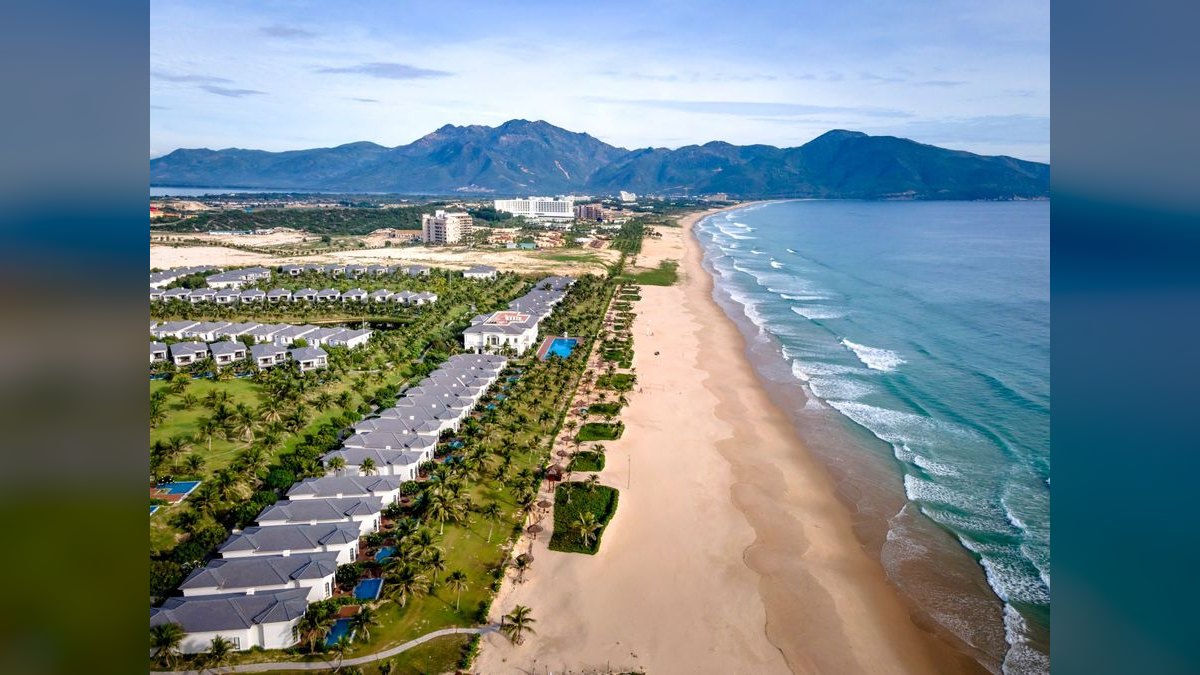
Getting started with a resort in 2027 comes down to five moves, in order: lock a specific concept and location, build a lean but integrated technology stack, treat sustainability as an operating standard rather than a marketing angle, engineer direct bookings from day one, and run disciplined revenue management from your first reservation. A resort is not a large hotel with a pool — it is a destination product where the reason a guest travels *to* you (wellness, nature, adventure, remote work, family, luxury) has to be decided before a single room is designed. Once that concept is fixed, everything downstream — capital needs, permitting timeline, staffing model, distribution mix, and the software you buy — follows logically from it.
Practically, the sequence looks like this. First, validate demand for a narrow niche in a real place with real seasonality, then secure land, financing, and permits (this is the longest and most uncertain phase, frequently spanning a year or more because of zoning, environmental review, and construction). While that is underway, select a cloud property management system (PMS) as the operational hub, connect it to a channel manager and a direct booking engine, and add a customer relationship management (CRM) layer so guest data is captured from the first inquiry. Design the physical property and its operations around resource efficiency — energy, water, waste, and local sourcing — both because guests increasingly screen for it and because it lowers long-run operating cost. Finally, stand up a revenue-management routine (even a simple weekly one) and a marketing plan that pushes guests toward booking with you directly instead of paying a third party a commission for a customer you could have owned. A reader who does only these five things, in this order, has genuinely gotten started. The rest of this guide expands each into the specifics you will actually need.
Step 1 — Fix the concept before you fix anything else
The most expensive mistakes in resort development are made at the concept stage, not the construction stage, because a vague concept produces a property that appeals to everyone slightly and no one strongly. In 2027 the strongest concepts are narrow: a wellness retreat built around sleep and recovery, an eco-lodge whose entire value proposition is proximity to a protected landscape, an adventure basecamp near a national park, a "work-from-anywhere" resort engineered for month-long stays, or a design-forward boutique property in an underserved secondary market. Narrow concepts win because they let you charge for a specific outcome, market to a definable audience, and avoid competing head-to-head with commodity all-inclusives on price.
Do the market research before you fall in love with a building. Study the competitive set in and around your target location: what they charge, how full they run in each season, what guests praise and complain about in reviews, and where the gaps are. Look at demand drivers you cannot control — airport access, drive time from major population centers, weather windows, local events, and the length of your genuine high season versus your shoulder and low seasons. A property that runs strong twelve weeks a year needs a very different capital plan than one with year-round demand. Talk to the local tourism board and, if one exists, the destination marketing organization; they often hold visitor data you cannot easily buy.
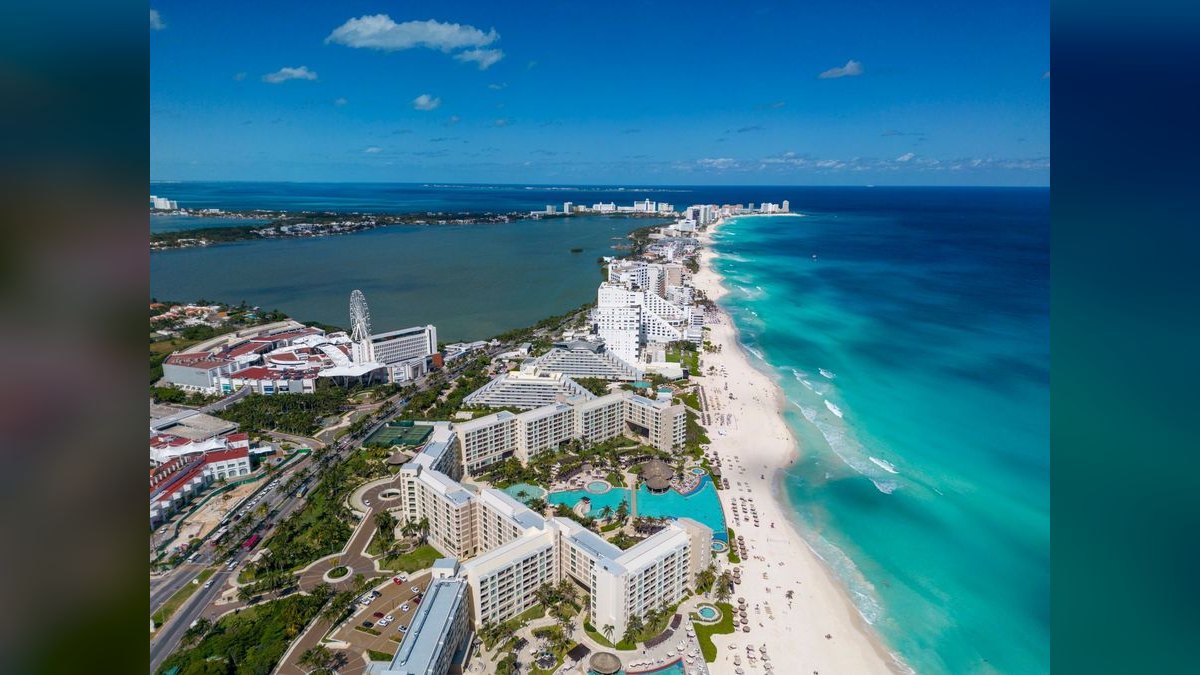
Only once the concept and location survive that scrutiny should you commit capital. Financing a resort typically blends owner equity, a construction loan, and sometimes brand or franchise support, and lenders will want the feasibility study, a realistic pro forma, and evidence you understand the seasonality. Permitting is the phase most first-timers underestimate: land use and zoning approval, environmental review, water and wastewater capacity, and building permits can each add months, and they frequently run sequentially rather than in parallel. Engage local authorities early and honestly, because a design that ignores a wetland setback or a water-availability limit will be forced to change anyway — better on paper than in poured concrete.
Step 2 — Build an integrated technology stack, not a pile of tools
The single most common operational failure in a new resort is a set of disconnected systems: one tool for bookings, another for payments, a spreadsheet for housekeeping, and a separate inbox for guest messages. The result is double bookings, lost guest data, and staff spending their day re-keying information between screens. Avoid this by choosing a cloud PMS as the spine of the operation and insisting that everything else connect to it through open APIs.
The PMS is the system of record for reservations, rooms, rates, folios, and guest profiles. Established options range from enterprise platforms such as Oracle Hospitality's OPERA to cloud-native systems like Mews and Cloudbeds that are popular with independent and smaller properties. The right choice depends on your size, whether you plan to run multiple properties, and how much you value a large marketplace of pre-built integrations. Around the PMS you will want:
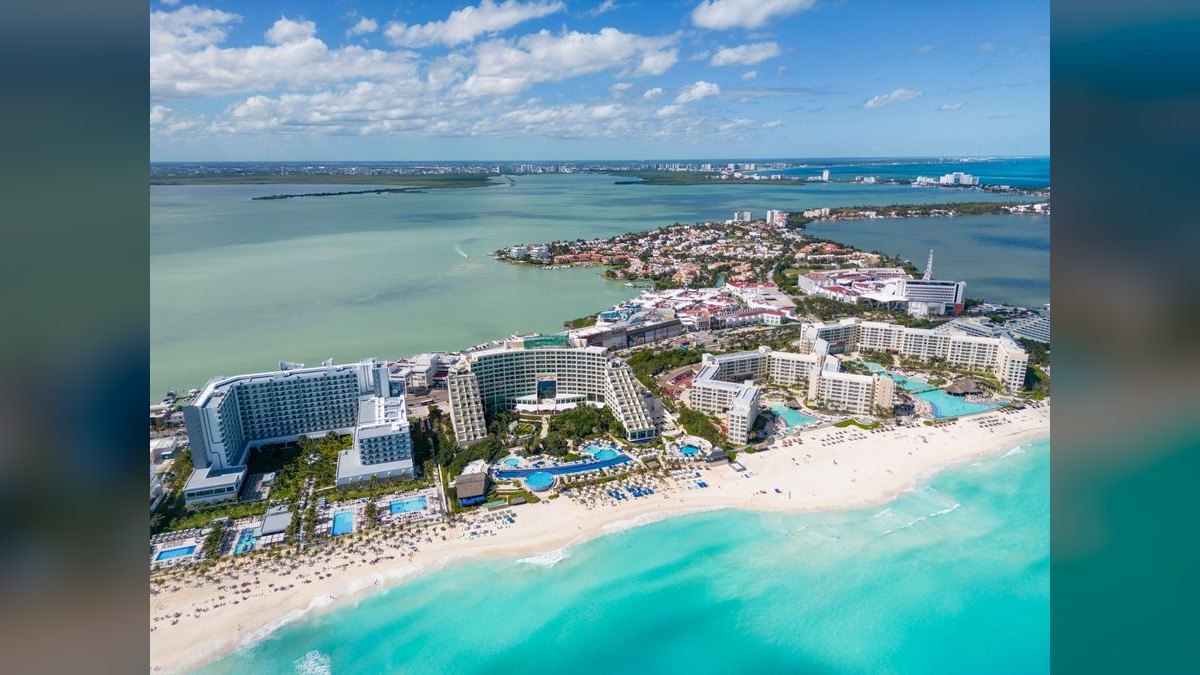
- A channel manager to keep availability and rates synchronized across the online travel agencies (OTAs) and your own site, preventing overbooking and rate disparity.
- A direct booking engine on your website — mobile-first, fast, and able to sell add-ons (spa, dining, activities) alongside the room.
- A revenue management system (RMS) such as IDeaS or Duetto that recommends prices based on demand, pace, and the competitive set. Smaller properties can start with the pricing tools built into the PMS and graduate to a dedicated RMS as volume grows.
- A CRM / guest-messaging layer to capture inquiries, automate pre-arrival and in-stay communication, and organize post-stay follow-up.
- A sustainability and building-management layer — smart thermostats, occupancy-aware lighting and HVAC, and metering so you can actually measure energy and water use rather than guess at it.
The guiding principle is integration over feature count. A modest, well-connected stack where the PMS, channel manager, booking engine, and CRM share one clean guest record will outperform an impressive-looking collection of best-in-class tools that do not talk to each other. Run a short proof-of-concept before signing multi-year contracts: load real (or realistic) data, walk a test reservation from search through checkout, and confirm the systems stay in sync at every step.
Step 3 — Treat sustainability as an operating standard
For a meaningful share of travelers — and disproportionately for younger guests — environmental practice is now a screening criterion, not a bonus. Just as important, resource efficiency is one of the few levers that improves the guest experience and lowers cost at the same time. Start with a baseline audit: measure current or projected energy use, water consumption, waste generation, and how much of your food and supplies are sourced locally. You cannot manage what you have not measured, and lenders, certifiers, and increasingly guests will ask for numbers.
From that baseline, prioritize the changes with the best combination of impact and payback. Common starting points include efficient HVAC with occupancy sensors, LED lighting, low-flow water fixtures, on-site renewable generation where climate and roof area allow, rainwater capture for landscaping, elimination of single-use plastics, an opt-in linen and towel reuse program, and composting or diversion programs to keep waste out of landfill. Local sourcing of food and materials cuts transport impact while giving guests a genuine sense of place.
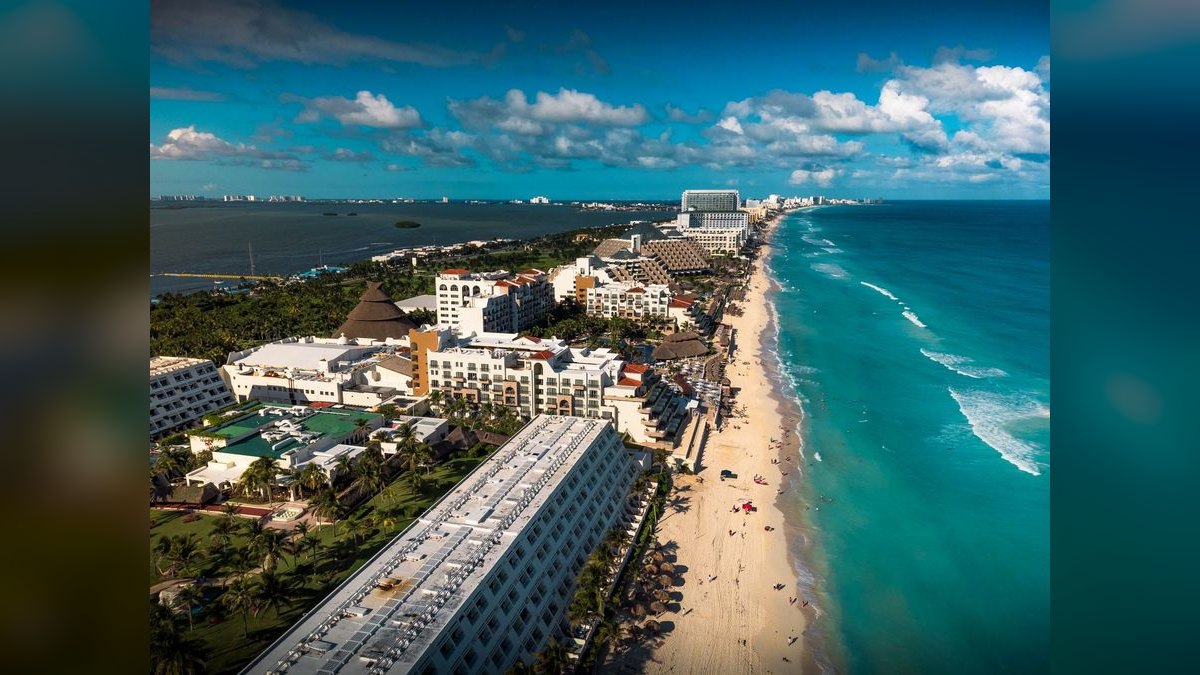
Credible third-party certification helps translate your effort into something guests and partners trust. Widely recognized programs include LEED for green building (administered by the U.S. Green Building Council), Green Key, EarthCheck, and standards aligned with the Global Sustainable Tourism Council criteria; B Corp certification signals broader social and governance commitments. Certification matters most when it is honest — communicate what you actually do, share your real metrics, and avoid vague "eco" language that reads as greenwashing. Transparency about a modest, genuine program builds more loyalty than grand claims you cannot substantiate.
Step 4 — Engineer direct bookings from day one
OTAs like Booking.com and Expedia are useful — they give a brand-new, unknown property immediate visibility and a flow of first-time guests you could not reach on your own. But that visibility is rented, and it is expensive: every OTA reservation carries a commission that comes straight out of your margin. The strategic goal is not to abandon OTAs but to use them to acquire guests and then convert those guests into direct, repeat customers you own.
That requires infrastructure you build before opening, not after. Your website needs a booking engine that is fast, mobile-first, and at least as easy to use as the OTAs, with the same or better rate and clear reasons to book direct — a best-rate guarantee, a free perk, or a flexible cancellation policy. Capture email and profile data on every direct inquiry and feed it into the CRM. Stand up a simple loyalty or repeat-guest program that rewards booking direct with tangible benefits like room upgrades, late checkout, or resort credit. Use the guest data you collect to run segmented, personalized outreach: off-season offers to past guests, relevant add-ons based on what someone booked last time, and re-engagement of people who browsed but did not book.
Beyond your own channels, build organic reach that OTAs cannot tax. Encourage guests to share their stay on social platforms with a branded hashtag and feature the best of that user-generated content — it is more persuasive to prospective guests than any ad. Partner with creators whose audience genuinely overlaps with your concept rather than chasing raw follower counts. Invest in search: write genuinely useful content about your location, activities, and sustainability practices, and target the specific long-tail phrases real travelers use when they are close to booking. Every direct booking you win is a guest whose full lifetime value stays with you instead of being shared with an intermediary.
Step 5 — Run disciplined revenue management from the first reservation
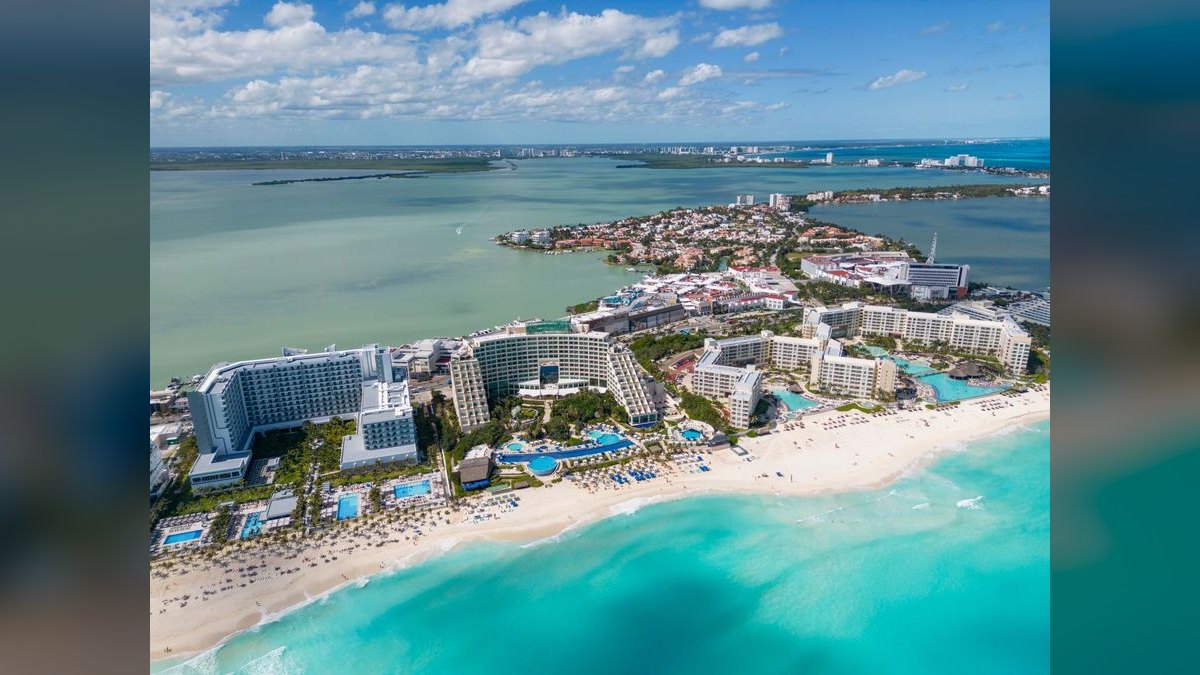
Revenue management is often treated as something to worry about once a property is busy. That is backwards: the pricing habits you set in the first months compound. Start by understanding your own cost structure and the rate the market will bear across seasons, then set a baseline rate anchored to your target average daily rate (ADR) and your competitive set. From there, let price move with demand — higher during peak weeks, local events, and tight availability; more flexible during shoulder and low seasons, for longer stays, or to fill obvious gaps in the calendar.
An RMS automates much of this by reading booking pace, demand signals, and competitor rates, but the discipline matters more than the tool. Even without sophisticated software, a weekly revenue meeting that reviews the core key performance indicators — occupancy, ADR, revenue per available room (RevPAR), and, once you understand your costs well, gross operating profit per available room (GOPPAR) — will keep you honest and responsive. Use those reviews to decide where to shift inventory: when demand is strong, pull rooms back from high-commission OTA channels toward your direct site; when it is soft, open distribution wider.
Do not overlook ancillary revenue, which for resorts can rival room revenue. Spa treatments, dining, activities, equipment rental, and event space are all sellable through your booking engine as packages and upsells, and they raise the total value of each guest without adding a room. For group and event business, price room blocks and function space together and understand the displacement — the transient bookings you give up to hold space for a group. Track competitor rates and your own reviews continuously; a rate that looked right in planning may be leaving money on the table or scaring guests away, and only the data will tell you which.
Common pitfalls to avoid
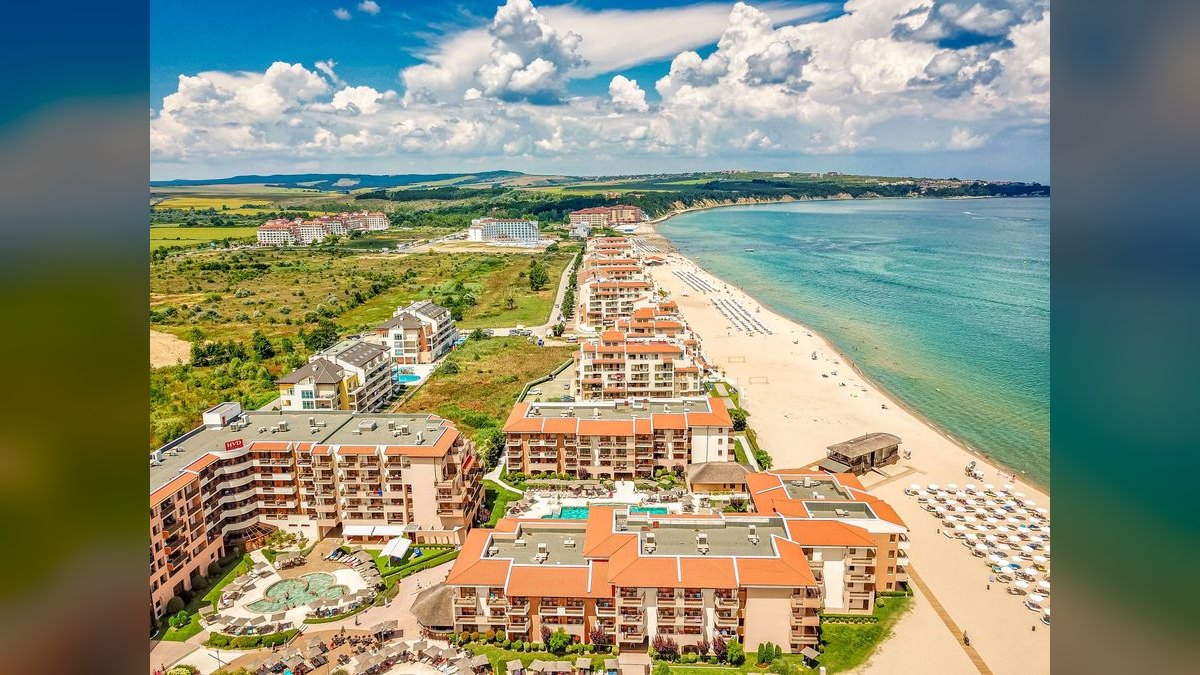
The recurring first-timer mistakes are predictable, which means they are avoidable. Concept drift — trying to please everyone — produces a forgettable property; commit to a niche and let it shape every decision. Siloed systems create double bookings and lost data; buy for integration, not feature lists. Treating sustainability as a slogan invites both guest distrust and regulatory risk; measure, act, and only then market, and never claim more than you do. Over-reliance on OTAs quietly erodes margin; build the direct-booking machine before you open, not after the commissions start hurting. Under-investing in people undermines everything else; a resort's product is delivered by staff, and staff who are undertrained on both hospitality and your technology will produce inconsistent experiences no matter how good the systems are. Finally, underestimating the timeline — especially permitting and construction — strains cash and forces rushed decisions; build a realistic schedule with contingency, and protect enough runway to market and staff the property properly before opening day.
FAQ
How long does it take to launch a resort from concept to opening?
It varies widely, but a realistic range is roughly one to three years for a ground-up build, driven mainly by permitting and construction rather than by anything on the technology or marketing side. Adaptive reuse of an existing property can be faster. Build in contingency time; regulatory and construction delays are the norm, not the exception, and you also need lead time to hire, train, and market before you take the first guest.
What property management system should a small resort start with?
Choose a cloud-based PMS with strong integrations rather than the one with the longest feature list. Independent and smaller properties often start with cloud-native systems like Mews or Cloudbeds because they are quicker to deploy and connect easily to channel managers and booking engines; larger or multi-property operators may prefer an enterprise platform such as Oracle's OPERA. The right answer depends on your size, growth plans, and which integrations you need — trial with real data before you commit.
Do I need a sustainability certification?
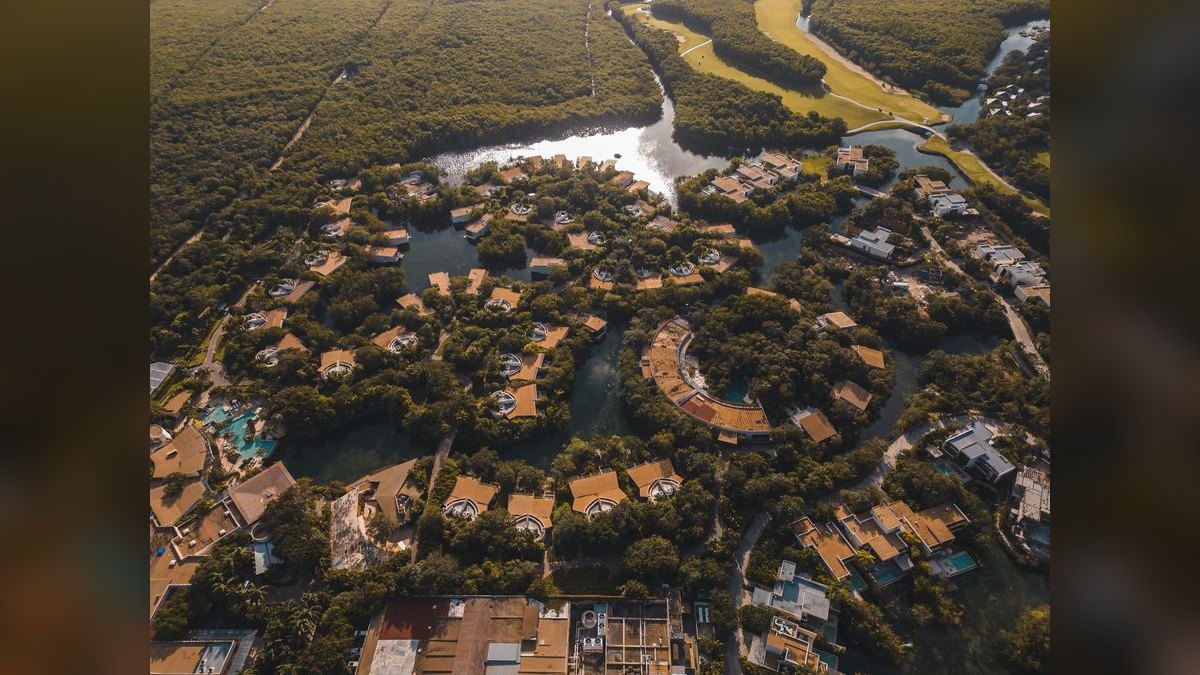
It is not legally required in most places, but a recognized certification — for example LEED, Green Key, EarthCheck, or a standard aligned with the Global Sustainable Tourism Council — gives credibility that self-declared "eco-friendly" claims do not. More important than the badge is doing the underlying work and being transparent about your actual metrics; certification is most valuable when it reflects genuine practice.
What are the key metrics I should track?
Start with occupancy rate, average daily rate (ADR), and revenue per available room (RevPAR), which together tell you how well you are pricing and filling rooms. Add gross operating profit per available room (GOPPAR) once you understand your cost structure, since it reflects profitability rather than just revenue. Track your direct-booking share, guest satisfaction, and ancillary revenue per guest to see whether your channel strategy and on-property upselling are working.
How do I reduce dependence on OTAs?
Use OTAs to acquire guests, then convert them to direct, repeat customers. Offer a genuinely better direct-booking experience with a best-rate guarantee and a clear perk, capture guest data in a CRM, run a repeat-guest or loyalty program, and market to past guests directly. Keep rates and availability synchronized through a channel manager so you can shift inventory toward direct channels when demand is strong.
Can I run a resort without a property management system?
In practice, no. A PMS coordinates reservations, rates, payments, and guest data, and without it you will fight double bookings, lost information, and slow service. Affordable cloud options exist even for small properties, and the operational reliability they provide pays for itself quickly.
How do I attract remote workers and long-stay guests?
Design for productivity as well as leisure: fast, reliable Wi-Fi, comfortable and ergonomic workspaces, quiet zones, and reliable power. Package extended stays with weekly or monthly rates, flexible meal options, and access to wellness or community activities so the property becomes a place to live and work, not just visit. Reliable connectivity is the non-negotiable — nothing else compensates for a weak network.
Sources
- Skift — Travel Industry News and Research
- Hotel Tech Report — Hospitality Software Reviews and Buyer Guides
- STR / CoStar — Hotel Performance Benchmarking and Data
- Cornell University School of Hotel Administration
- Global Sustainable Tourism Council — Standards and Criteria
- U.S. Green Building Council — LEED Certification
- Green Key Global — Sustainability Certification for Lodging
- EarthCheck — Sustainable Tourism Certification
- Booking.com Partner Hub — Working with OTAs
- Hospitality Financial and Technology Professionals (HFTP)
Related on PULSE
- Top 10 All-Inclusive Resorts in Mykonos in 2027
- Top 10 Resorts in US Virgin Islands in 2027
- Top 10 All-Inclusive Resorts in Japan in 2027
- Top 10 Resorts in Vermont in 2027
Recently Added — Related
This page will be disappearing soon. Save it to your device for $1 — or read it free while it is here.
@Kory-White- · if Venmo asks, the last 4 of my number are 2012
This page is gone.
This one is off the shelf now. $1 keeps it on your phone for good — the whole page, pictures and diagrams included.
 pulse-resortsTop 10 Resorts strategies for 2027
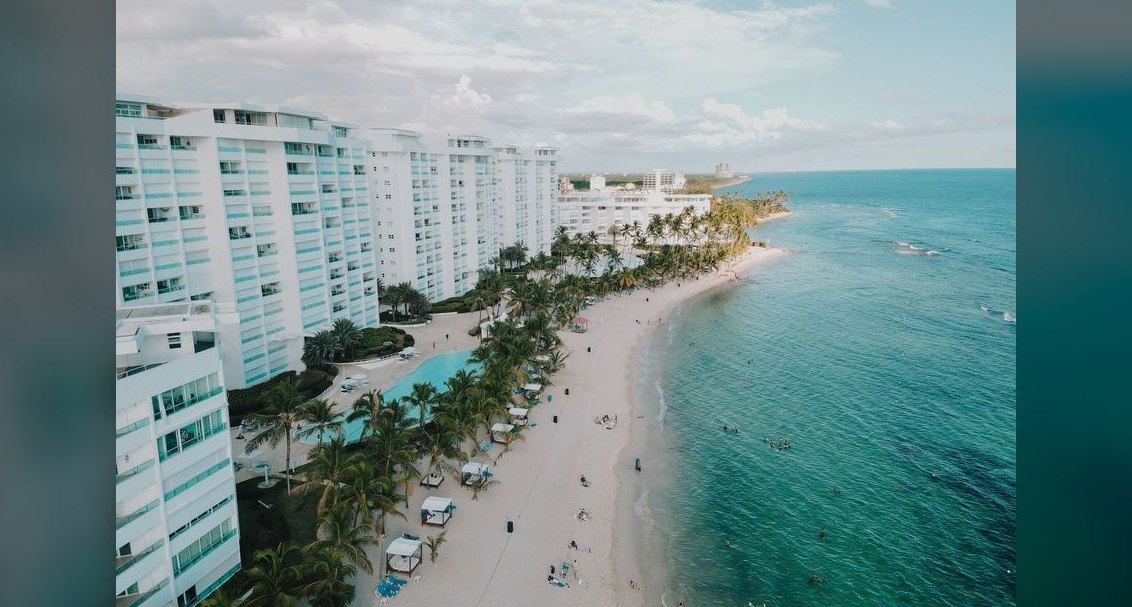 pulse-resortsIs Resorts worth it in 2027?
 pulse-resortsWhat is the best way to approach Resorts in 2027?
 pulse-resortsTop 10 best Resorts options in 2027
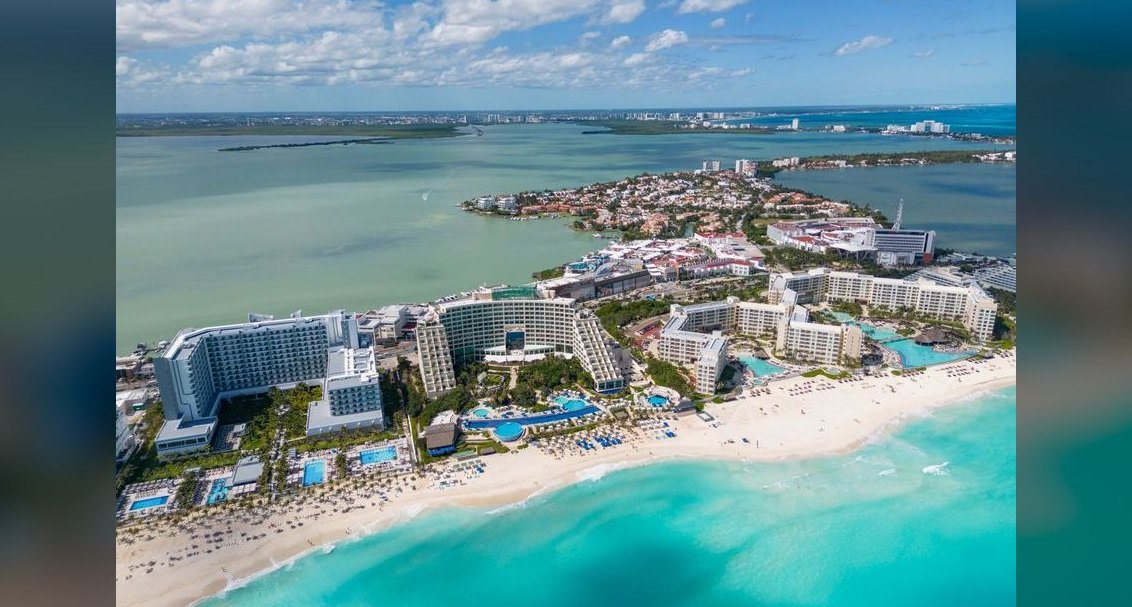 pulse-resortsWhat are the most common mistakes in Resorts in 2027?
 pulse-resortsTop 10 Spa Resorts in the United States for 2027
 pulse-resortsTop 10 All-Inclusive Resorts in Hawaii in 2027
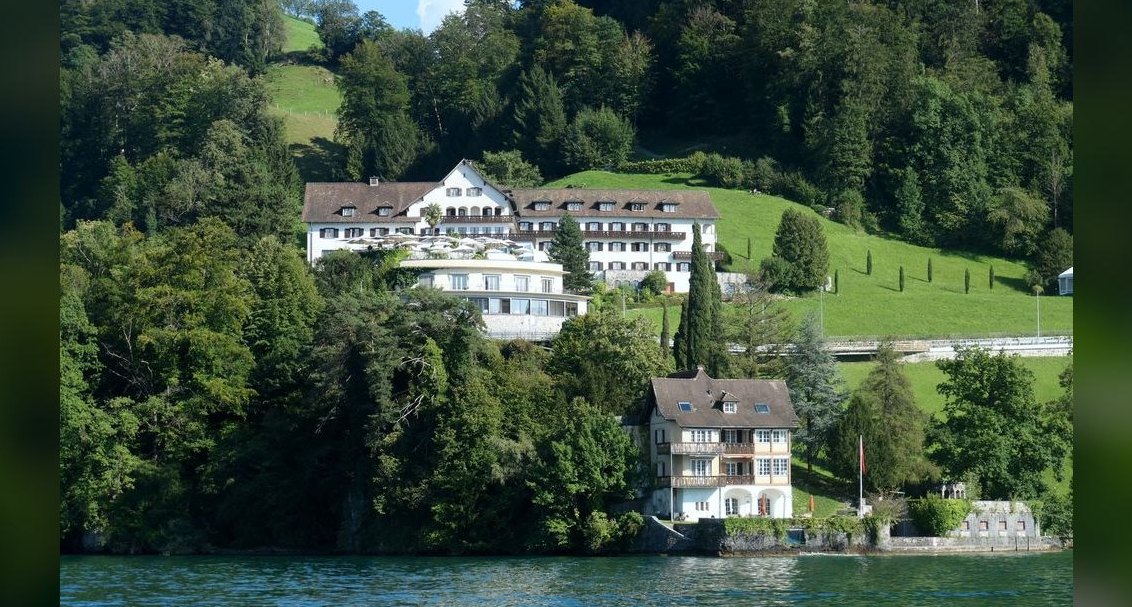 pulse-resortsTop 10 Resorts in Switzerland in 2027
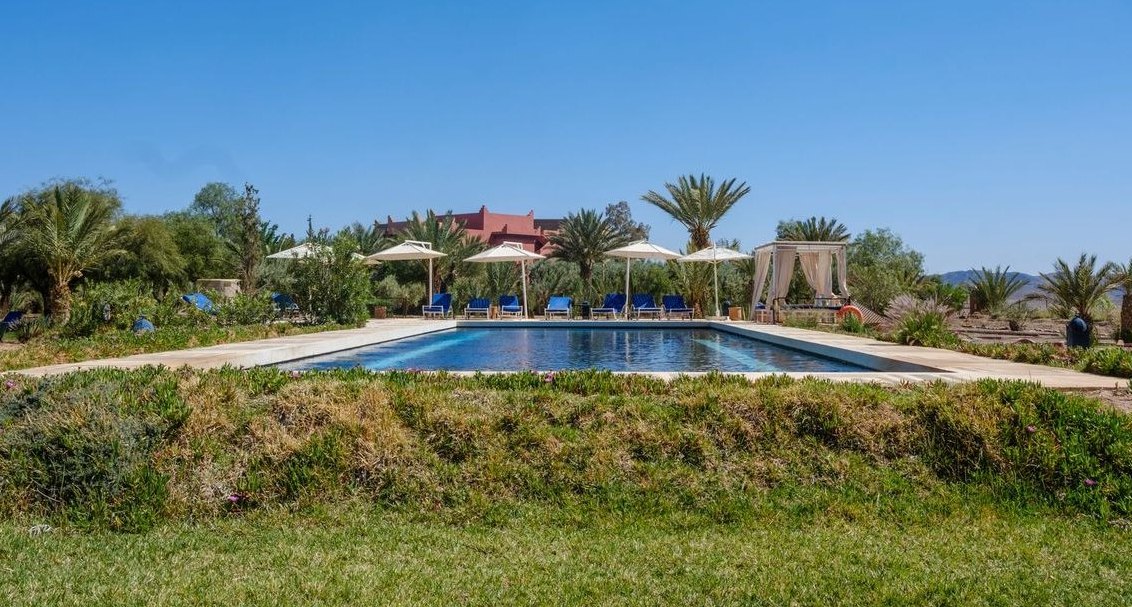 pulse-resortsTop 10 All-Inclusive Resorts in Morocco in 2027
 pulse-resortsTop 10 All-Inclusive Resorts in Spain in 2027