 Pulse Reviews and Analysis
Best Toyota 86 Model Years (Ranked)
 Curated by Kory White · Fractional CRO, CRO Syndicate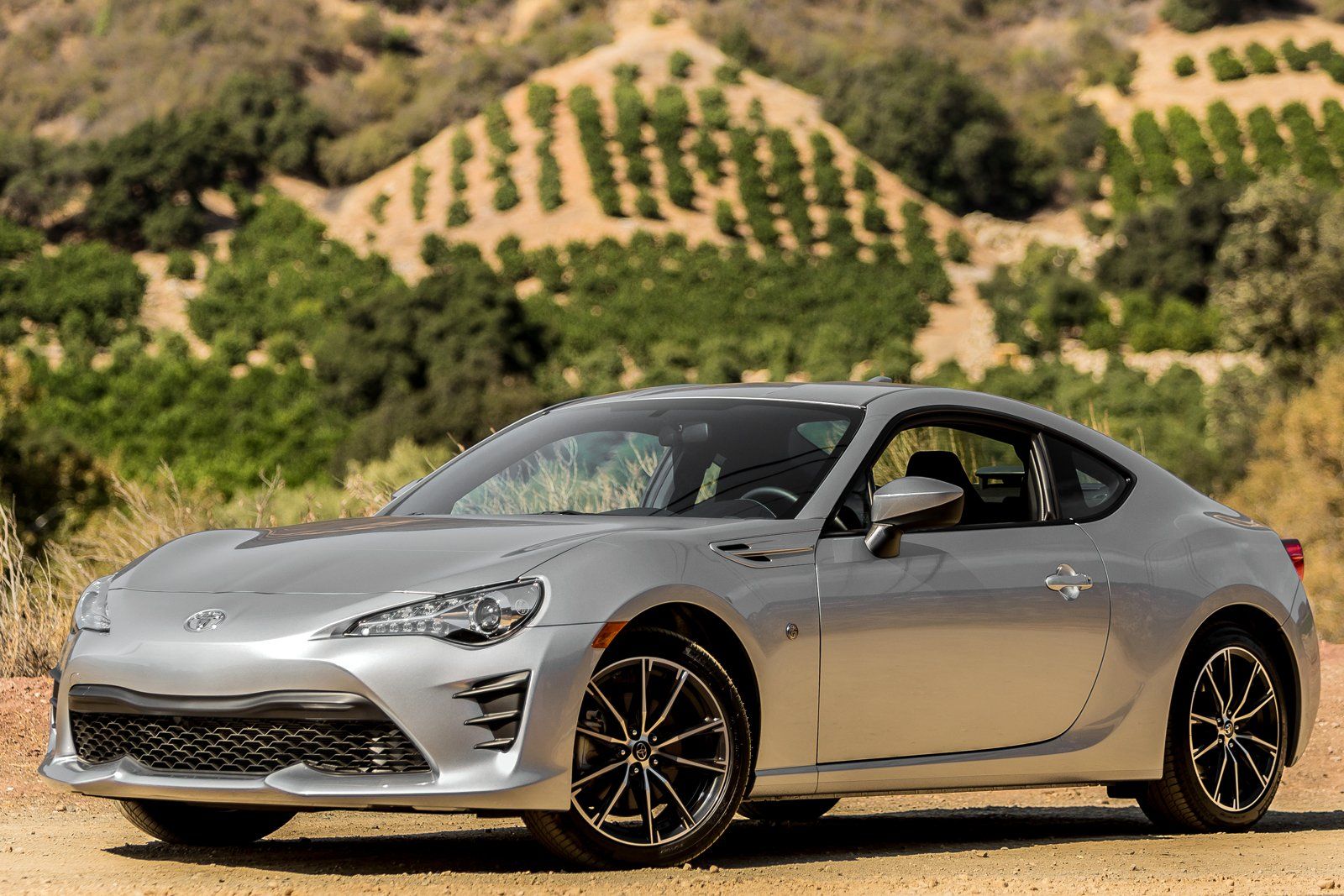
Best Toyota 86 Model Years (Ranked)
The Toyota 86 is a lightweight, rear-wheel-drive sports coupe co-developed with Subaru and built around a low center of gravity, balanced chassis, and a naturally aspirated boxer engine. It launched in the United States in 2013 as the Scion FR-S, became the Toyota 86 for 2017, and was reborn as the Toyota GR 86 for the second generation in 2022.
Across its life the car traded outright horsepower for sharp, communicative handling and accessible affordability. Choosing the right model year matters, because the first generation's low-end torque dip and a handful of recalls separate the better examples from the rest. This ranking covers the best Toyota 86 model years, their engines, known issues, and where the value lies today.
Direct Answer
The best overall Toyota 86 is the 2022-2024 second-generation GR 86, which fixes the original's biggest complaint with a larger 2.4L boxer engine making 228 horsepower, a stiffer chassis, and a more usable torque curve while keeping the playful, lightweight character intact.
For shoppers focused on value, the best value is the 2017-2020 first-generation Toyota 86, which gained a small power bump, a Track mode, and chassis tuning improvements over the early Scion FR-S cars, and now sells used at an attractive price. Be aware that early 2013-2016 FR-S models have less torque and have been subject to a valve-spring recall worth verifying.
1. 2022-2024 Second Generation (GR 86) 🏆 BEST OVERALL

The second-generation GR 86 is the high point of the nameplate. The new 2.4L naturally aspirated boxer four (FA24) produces 228 horsepower and 184 lb-ft of torque, addressing the original car's notorious mid-range flat spot and dropping the 0-60 time to around six seconds.
A stiffer body shell, retuned suspension, and standard limited-slip differential sharpen the handling without sacrificing the light, tossable feel that defined the car. Both a six-speed manual and a six-speed automatic are offered, with the manual being the enthusiast's choice.
Reliability has been strong, though buyers should note Toyota issued advisories around early 2.4L engine assembly concerns on a limited number of units, so confirm service history. Standard Toyota Safety Sense comes only on automatic cars. The GR 86 holds value well, so expect to pay a premium, but it is the most complete and rewarding version to own.
2. 2017-2020 First Generation (Toyota 86) 💎 BEST VALUE

When Scion folded, the FR-S became the Toyota 86 for 2017 and received meaningful upgrades that make it the smart used buy. Manual-transmission cars got a modest bump to 205 horsepower and 156 lb-ft (up from 200 hp) via revised intake and exhaust, along with a final-drive ratio change for stronger acceleration.
Toyota added a Track mode, retuned the springs and dampers, and stiffened the chassis for a more planted feel.
The dependable 2.0L FA20 boxer remains here, so verify the valve-spring recall was addressed on affected units. The best value is a 2017-2020 86 in base or GT trim with a clean history, offering the refined version of the first-generation formula at a price well below a used GR 86.
These cars are durable when maintained and parts are widely available.
3. 2013-2016 Scion FR-S (First Generation)

The car that started it all in the U.S. Wore the Scion FR-S badge from 2013 to 2016. It used the same 2.0L FA20 boxer making 200 horsepower and 151 lb-ft, paired with a six-speed manual or automatic.
The chassis was praised from day one for its balance, light steering, and accessible limits, even if reviewers criticized the torque dip around 4,000 rpm. These are now the most affordable way into 86 ownership.
A valve-spring recall affected certain 2013-2016 cars, where springs could fracture and cause engine failure, so confirm the fix through the VIN. Otherwise the FA20 is reliable with regular maintenance. Inspect for signs of track abuse and clutch wear, since many were enjoyed hard. A clean, documented FR-S is a fun, cheap entry point.
4. 2017 Toyota 86 860 Special Edition

The 860 Special Edition marked the rebadge from Scion to Toyota with a limited-run appearance package. It featured exclusive Halo Blue or Halo White paint, black 17-inch wheels, dual-tone leather and Alcantara seats with blue contrast stitching, and unique trim. Mechanically it matched the 2017 86, with the manual making 205 horsepower.
Production was capped at 860 units, making it a collectible variant within the first generation.
For buyers who want first-generation dynamics with distinctive looks and a touch of exclusivity, the 860 is appealing, though its values run slightly above a standard 2017 car. Reliability mirrors the regular 86, so the same FA20 maintenance and recall checks apply. Verify it is a genuine 860 by the VIN and build documentation, as the cosmetic kit is the main differentiator.
5. 2019 Toyota 86 TRD Special Edition

The 2019 TRD Special Edition is the most focused first-generation 86 Toyota sold in the U.S. Limited to 1,418 units, it added genuine TRD-developed Sachs dampers, larger Brembo brakes front and rear, 18-inch wheels with Michelin Pilot Sport 4 tires, and a TRD exhaust and aero kit.
Power was unchanged at 205 horsepower, but the suspension and braking upgrades meaningfully sharpened the car on track and back roads.
This is the enthusiast's pick among first-generation cars, and it commands a premium to match. The mechanical hardware is the draw, since the Brembo and Sachs components are expensive to replicate aftermarket. Confirm authenticity through documentation, and inspect the brakes and tires for wear given the car's track-day appeal.
A clean TRD edition is a desirable, appreciating variant.
6. 2021 Toyota 86 (Final First-Generation Year)

The 2021 model year was the swan song of the first generation before the GR 86 arrived. Mechanically identical to the refined 2017-2020 cars, it carried the 205-horsepower 2.0L FA20 in manual form and the proven chassis tuning. Toyota offered a Hakone Edition for 2020 (and limited availability into the period) with British Green paint and bronze wheels, but the standard 2021 cars are straightforward, well-sorted examples of the breed.
Because it is the newest first-generation year, a 2021 86 typically has lower mileage and more remaining warranty than earlier cars, making it a sensible buy for someone who wants the original formula with fewer years on the clock. Reliability is consistent with the rest of the generation.
Verify recall completion and maintenance, and you have a low-risk, enjoyable used sports coupe.
7. 2025 Toyota GR 86 (Second Generation, Recent)

The 2025 GR 86 continues the second-generation formula with the 2.4L 228-horsepower boxer, six-speed manual or automatic, and the standard limited-slip differential. As the newest used option, it carries the most remaining factory warranty and the lowest mileage, but it also commands near-new pricing.
Special trims and appearance packages have rotated through the lineup, including hot-color editions that appeal to collectors.
Early reliability impressions remain positive, consistent with the rest of the ZN8 run. Buy this one if you want the latest version and are comfortable paying close to MSRP on the used market. It offers nothing mechanically inferior to the launch GR 86, just a shorter ownership track record and a higher entry price.
For most buyers the slightly older 2022-2023 cars deliver the same experience for less money.
8. 2020 Toyota 86 Hakone Edition

The 2020 Hakone Edition is a handsome limited variant named after Japan's famous Hakone Turnpike driving road. It featured exclusive British Green Metallic paint, bronze 17-inch wheels, tan leather and Alcantara seats, and special badging. Mechanically it matched the standard 2020 86 with the 205-horsepower 2.0L manual, so the appeal is purely cosmetic and collector-oriented rather than performance.
Production was limited, which keeps used values slightly elevated over a standard 2020 car. For buyers who value distinctive style and a connection to driving-road heritage, the Hakone is a charming pick. Reliability and maintenance needs are identical to any first-generation 86, so the usual FA20 service and recall verification apply.
Confirm it is a genuine Hakone build by paint code and documentation, since the green-and-bronze combination is the entire point.
9. 2013-2016 Scion FR-S Automatic

The automatic-transmission FR-S belongs lower in the ranking because the six-speed automatic blunts the car's character. The same 200-horsepower 2.0L boxer is on board, but the automatic's slower responses and the engine's mid-range torque dip are more noticeable without a manual to keep revs up.
For enthusiasts, the manual is strongly preferred, and the automatic exists mainly for commuters who still want the chassis and looks.
On the used market, automatic FR-S cars are typically cheaper than manuals, which can make them a value for buyers who do not row their own gears. The same valve-spring recall verification applies. Reliability is solid, and the automatic itself is durable.
Just go in understanding this is the least engaging way to experience the 86 platform, best chosen for price or convenience over driving thrills.
10. 2013-2016 Scion FR-S (Track-Abused Examples) (Caution)

The riskiest 86 purchase is an early FR-S that has lived a hard life. Because the platform is beloved by autocrossers, drifters, and track-day drivers, a meaningful share of early cars have been modified or driven aggressively. Watch for clutch and synchro wear, worn tires and brakes, evidence of crash repair, and aftermarket turbo or supercharger kits that stress the FA20 beyond its design.
A forced-induction conversion without supporting modifications can shorten engine life considerably.
These cars can still be bargains, but only with a thorough inspection and honest history. Verify the valve-spring recall, check compression, and scrutinize any modifications for quality. Walk away from sketchy paperwork or hidden damage.
For most buyers, a clean stock 2017-2020 86 is a far safer and more rewarding choice than a cheap but abused early FR-S.
What to Watch For When Buying
The most important checks on a used 86 concern the first-generation 2.0L FA20 engine. Certain 2013-2016 cars were subject to a valve-spring recall, where a fractured spring could cause engine failure, so run the VIN through Toyota's recall lookup and the NHTSA database to confirm the fix was completed.
Beyond that, because the 86 is a popular enthusiast platform, inspect carefully for track abuse, modifications, and crash repair. Check clutch engagement and synchro feel on manual cars, look for uneven tire wear that signals hard cornering, and scrutinize any forced-induction kits, which can drastically shorten engine life if poorly installed.
On second-generation GR 86 cars, confirm there are no outstanding service campaigns related to early 2.4L engine assembly. In all cases, documented maintenance and an honest history outweigh a low sticker price.
How to Choose
Match the 86 to your priorities. For the best blend of power, handling, and modern refinement, the 2022-2025 GR 86 with its 2.4L engine and standard limited-slip differential is the clear answer, ideally in manual form. For the best value with proven durability, a 2017-2020 Toyota 86 delivers the refined first-generation experience at a low used price.
Buyers who want distinctive style or sharper hardware should hunt down a limited variant such as the TRD Special Edition (Brembo brakes and Sachs dampers), the 860 Edition, or the Hakone Edition. Budget shoppers can consider an early FR-S but should always favor a clean, stock, manual car and verify the valve-spring recall.
In every case, prioritize maintenance history and avoid abused examples.
FAQ
Which Toyota 86 years should I avoid? Be most cautious with early 2013-2016 Scion FR-S cars that have been heavily modified, track-abused, or fitted with forced induction, and always confirm the valve-spring recall was completed. A clean stock example is fine, but an abused one is a real risk.
What is the difference between the Scion FR-S, Toyota 86, and GR 86? They are the same car evolving over time. It launched as the Scion FR-S (2013-2016), became the Toyota 86 (2017-2020) with minor power and chassis updates, and was redesigned as the second-generation GR 86 (2022 onward) with a larger 2.4L engine and a stiffer body.
Is the Toyota 86 reliable? Generally yes. The 2.0L FA20 and 2.4L FA24 boxer engines are durable with regular maintenance and proper oil changes. The main first-generation concern is the valve-spring recall on certain 2013-2016 cars, which should be verified through the VIN.
Which 86 is best for a first sports car on a budget? A 2017-2020 Toyota 86 in base or GT manual trim is the smart budget pick, offering the refined first-generation chassis, a slightly stronger 205-horsepower engine, and widely available parts at an affordable used price.
Bottom Line
The Toyota 86 is one of the most rewarding affordable sports cars on the used market, but model-year choice shapes the experience. The 2022-2025 second-generation GR 86 is the best overall pick, solving the original's torque dip with a 2.4L engine while keeping the lightweight, playful character.
The 2017-2020 Toyota 86 offers the best value, refining the first-generation formula at a low price. When shopping any early FR-S, favor a clean, stock manual car and always verify the valve-spring recall through the VIN. Buy carefully and the 86 delivers balance, fun, and dependability for the money.
Sources
- Toyota USA official 86 and GR 86 model history and specifications, toyota.com
- NHTSA recall database including the valve-spring recall for Scion FR-S / Toyota 86, nhtsa.gov
- EPA Fuel Economy ratings for the Scion FR-S, Toyota 86, and GR 86 by model year, fueleconomy.gov
- Car and Driver Toyota GR 86 and 86 reviews and instrumented testing, caranddriver.com
- Edmunds Toyota 86 and GR 86 generation reviews and used-car appraisals, edmunds.com
- Kelley Blue Book Toyota 86 used values by model year, kbb.com
- Wikipedia Toyota 86 generations and technical specifications, en.wikipedia.org