 Pulse Reviews and Analysis
Best Chevrolet Cruze Model Years (Ranked)
 Curated by Kory White · Fractional CRO, CRO Syndicate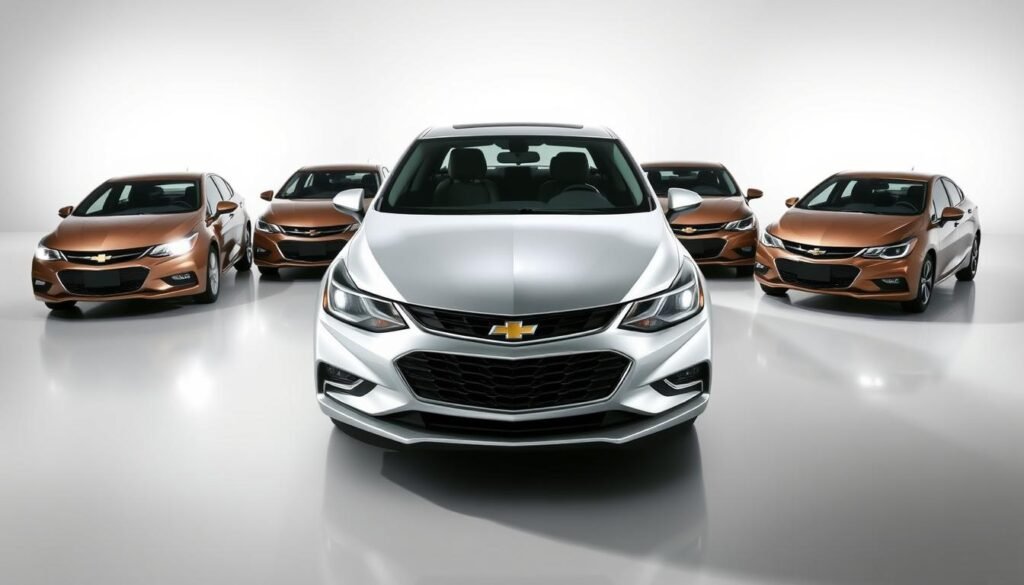
Best Chevrolet Cruze Model Years (Ranked)
The Chevrolet Cruze was GM's compact-car answer to the Honda Civic and Toyota Corolla, sold in two generations from the 2011 to 2019 model years in the United States. It earned a reputation for a quiet, comfortable ride, available 1.4L turbocharged and 1.8L naturally aspirated gas engines, a frugal 2.0L turbo-diesel, and even a practical hatchback body style in the second generation.
But the Cruze is also known for trouble spots: coolant leaks, PCV and intake-manifold failures, turbocharger wear, and transmission quirks. Picking the right year is the difference between a cheap, dependable commuter and a money pit. This ranking covers the best Cruze model years, their powertrains, the known issues to inspect, and where the smart used value sits today.
Direct Answer
The best overall Chevrolet Cruze is the 2017-2019 second-generation model, which fixed many first-gen weaknesses, added a roomier and lighter body, an available hatchback, and a more refined 1.4L turbo with a six-speed automatic. For shoppers focused on value, the best value is the 2016 second-generation sedan, an early example of the improved platform that can be found at a low used price while still benefiting from the redesign.
Among first-generation cars, the 2014-2015 models are the most sorted. Be cautious with the 2011-2012 first-year cars, which carried the most coolant, PCV, and electrical complaints before GM refined the design.
1. 2017-2019 Second Generation 🏆 BEST OVERALL

The second-generation Cruze, redesigned for 2016 and fully matured by 2017-2019, is the best version of the car. It is lighter and roomier than the first generation, with a more modern interior, standard Chevrolet MyLink infotainment with available Apple CarPlay and Android Auto, and a quieter highway ride.
The carryover engine is a revised 1.4L turbocharged four-cylinder (153 hp) paired with a six-speed manual or automatic, returning up to roughly 40 mpg highway. These later cars benefited from running design fixes and had the fewest reliability complaints of the lineup.
Buy a 2017-2019 LT or Premier for the best blend of features and dependability. The available hatchback adds real cargo flexibility, and clean examples remain an excellent low-cost commuter.
2. 2016 Second Generation 💎 BEST VALUE

The 2016 Cruze launched the second generation and delivers nearly all of its benefits at a lower used price. It introduced the new lighter platform, the updated 1.4L turbo engine, and a more spacious cabin with better technology than any first-gen car. Because it was the debut year of the redesign, depreciation has been steep, which works in a used buyer's favor.
The best value is a 2016 LT sedan with the automatic, which bundles a touchscreen, alloy wheels, and good fuel economy at a price well below newer compacts. Verify any early-redesign software updates were applied and that maintenance was kept current. With records in hand, a 2016 Cruze is the smart-money pick for budget-conscious commuters who still want the modern body.
3. 2017-2019 Cruze Hatchback

The second-generation hatchback earns its own spot for added practicality. Offered alongside the sedan from 2017 onward, it uses the same 1.4L turbo powertrain but adds a versatile rear liftgate and folding seats, giving small-SUV-like cargo flexibility in a fuel-efficient compact.
It drives identically to the sedan, with the same quiet ride and roughly 40 mpg highway capability.
The hatchback is relatively rare on the used market, so it can command a small premium, but it remains a strong value for buyers who haul gear, bikes, or boxes. Look for an LT or Premier hatch with CarPlay. For anyone who wants Cruze efficiency with genuine utility, this is the version to seek out, and it is the most useful body style Chevrolet offered.
4. 2014-2015 First Generation (Refreshed)

The late first-generation Cruze is the most refined version of the original car. By 2014-2015, GM had addressed many early bugs, and the 1.4L turbo and base 1.8L engines were better sorted. The 2015 models also gained more standard features and available 4G connectivity.
These cars ride comfortably and are quiet for the class, with the turbo returning strong highway economy.
They are not flawless: the PCV system, coolant gaskets, and water pump still warrant inspection, and the turbo should be checked for leaks. But a well-maintained 2014-2015 LT or LTZ is a dependable, very affordable commuter. Among first-generation cars, this is the one to target, since the running improvements make it more trouble-free than the earlier model years.
5. 2017-2019 Cruze Diesel

The second-generation 1.6L turbo-diesel is a standout for efficiency-focused buyers. Offered in the sedan and hatchback from 2017-2019, it produces around 137 hp and 240 lb-ft of torque and can return an EPA-rated up to roughly 52 mpg highway with the manual, exceptional for a non-hybrid.
It delivers effortless torque for relaxed highway cruising.
The diesel is a niche, lower-volume choice, so finding one takes patience, and diesel-specific maintenance such as the emissions system and DEF should be understood before buying. Parts and service can be pricier than the gas car. For high-mileage commuters who want maximum fuel economy and torque, though, a clean Cruze diesel is a compelling and uncommon used find that rewards careful ownership.
6. 2013 First Generation

The 2013 Cruze sits in the middle of the first generation's evolution. By this point GM had issued fixes for several early coolant and PCV concerns, making it more dependable than the launch cars while still offering the original platform's comfortable, quiet ride. Engine choices remained the 1.4L turbo and 1.8L four-cylinders, with the turbo being the more fuel-efficient pick.
These cars are now very inexpensive, making them appealing budget transportation. Buyers should still inspect for the familiar coolant leaks, valve-cover/PCV failures, and turbo issues, and confirm regular oil changes. A documented, well-kept 2013 LT can serve as cheap, reliable-enough commuting, but it lacks the running refinements of the 2014-2015 cars and the modern features of the second generation.
7. 2014-2015 Cruze Diesel (First Generation)

The original 2.0L turbo-diesel offered in 2014-2015 was Chevrolet's first modern diesel passenger car in the U.S. It made about 151 hp and 264 lb-ft of torque and delivered an EPA-rated up to roughly 46 mpg highway, with strong torque for easy cruising. It gave the first-generation Cruze a genuinely frugal long-distance option.
This early diesel is rare and more complex to maintain, with emissions hardware and DEF requirements that some buyers find unfamiliar. Repairs can be costly, and it has a shorter track record than the gas engines. For a knowledgeable owner who wants diesel economy at a low buy-in price, a clean first-gen diesel can be rewarding, but most shoppers are better served by the gas cars or the more refined second-generation diesel.
8. 2012 First Generation

The 2012 Cruze carried over the launch-year design with some early refinements but still belongs to the troublesome first portion of the run. It offered the 1.4L turbo and 1.8L engines and the same comfortable ride, but it retained known weak points around the cooling system, water pump, and PCV/intake manifold, which can cause oil leaks and rough running if neglected.
Pricing is now rock-bottom, which is the main appeal. A 2012 Cruze can be acceptable budget transportation only with thorough documentation that the coolant, gasket, and turbo concerns have been addressed. Without records, it is a risky buy.
For most shoppers, spending a little more on a 2014-2015 example or a second-generation car is the wiser move for fewer headaches.
9. 2011 First Generation (Launch Year)

The 2011 Cruze introduced the nameplate to North America and brought a quiet, upscale-feeling cabin to the compact class. Unfortunately, as the launch year, it accumulated the most complaints in the lineup, including coolant leaks, PCV and valve-cover failures, electrical gremlins, and early transmission concerns.
The 1.4L turbo and 1.8L engines are the same as later cars, but the first-year execution was the least sorted.
These cars are extremely cheap now, which is the only real reason to consider one. Buy a 2011 only if it has comprehensive service history showing the major weak points were repaired, and budget for further upkeep. For nearly all buyers, a later first-gen or any second-gen Cruze is a materially better and safer choice.
10. 2011-2016 Cruze with the 1.8L Engine

The base 1.8L naturally aspirated four-cylinder (around 138 hp) was offered on lower trims and is the engine to approach with the most caution for a different reason: it is down on torque and less fuel-efficient than the 1.4L turbo, making it feel sluggish, especially with the automatic.
It avoids turbocharger-specific failures, which is a genuine plus, but it still shares the cooling-system and PCV concerns of its era.
The 1.8L is best viewed as basic, low-cost transportation rather than an enjoyable drive. If maximum simplicity and the lowest price are the goal, a well-kept 1.8L car works, but most buyers will prefer the 1.4L turbo for its better economy and stronger real-world performance. Verify maintenance regardless of which engine you choose.
What to Watch For When Buying
The most important step when buying a used Cruze is to inspect the cooling system and crankcase ventilation, the model's best-known weak points. Check for coolant leaks from the water-outlet housing, water pump, and thermostat, and look for the common PCV/valve-cover and intake-manifold failures that cause oil consumption, whistling, and rough idle, especially on the 1.4L turbo.
Confirm the turbocharger is free of excessive oil leakage or shaft play.
- Coolant leaks at the water outlet, pump, and thermostat housing.
- PCV / valve-cover and intake-manifold failures (oil burning, whistling, lean codes).
- Turbocharger oil leaks and wear on 1.4L turbo cars.
- Transmission shift quality, particularly on early first-gen automatics.
- Diesel emissions hardware and DEF service on diesel models.
- Documented oil-change and maintenance history over any low sticker price.
How to Choose
Match the Cruze to your priorities. For the best blend of refinement, features, and dependability, a 2017-2019 second-generation car is the clear answer, with the available hatchback adding real utility. For the best value, a 2016 sedan delivers the redesigned platform at a lower price.
Buyers who drive long highway miles and want maximum fuel economy should hunt for a 1.6L diesel, accepting its rarity and diesel-specific upkeep.
Among first-generation cars, the 2014-2015 models are the most sorted and the smartest buy, while the 2011-2012 launch cars demand the most caution and the most thorough records. In every case, favor the 1.4L turbo over the slower 1.8L, and always verify the coolant, PCV, and turbo concerns were addressed.
FAQ
Which Chevrolet Cruze years should I avoid? Be most cautious with the 2011-2012 first-year cars, which had the most coolant, PCV, electrical, and early transmission complaints. The later first-generation cars and the entire second generation are materially more refined and dependable.
What are the most common Chevy Cruze problems? The Cruze is best known for coolant leaks from the water outlet and pump, PCV and valve-cover/intake-manifold failures that cause oil consumption and rough running, and turbocharger wear on the 1.4L turbo. Regular maintenance and documented repairs are key.
Is the Cruze diesel worth buying? For high-mileage highway drivers, yes. The 1.6L second-generation diesel can return up to roughly 52 mpg highway with strong torque. Just understand the emissions-system and DEF maintenance, and accept that diesels are rare and can be pricier to service.
Which Cruze engine is best, the 1.4L turbo or the 1.8L? The 1.4L turbo is the better all-around choice, offering stronger real-world performance and higher fuel economy. The 1.8L is simpler and avoids turbo issues but feels sluggish, especially with the automatic.
Bottom Line
The Chevrolet Cruze is a comfortable, fuel-efficient compact that can be a great used bargain, but engine and model-year choice are critical given its coolant, PCV, and turbo concerns. The 2017-2019 second generation is the best overall pick, with the redesigned platform and available hatchback, while the 2016 sedan offers the best value.
Among first-gen cars, target a 2014-2015 example and favor the 1.4L turbo. Inspect carefully, demand records, and a clean Cruze rewards you with a quiet, frugal, low-cost commuter.
Sources
- Chevrolet official Cruze model history and specifications, chevrolet.com
- EPA Fuel Economy ratings for Chevrolet Cruze by model year and engine, fueleconomy.gov
- NHTSA recall and complaint database for the Chevrolet Cruze, nhtsa.gov
- Edmunds Chevrolet Cruze generation reviews and used-car appraisals, edmunds.com
- Kelley Blue Book Chevrolet Cruze used values by model year, kbb.com
- Wikipedia Chevrolet Cruze generations and technical specifications, en.wikipedia.org