 Pulse Reviews and Analysis
Best Chevrolet Sonic Model Years (Ranked)
 Curated by Kory White · Fractional CRO, CRO Syndicate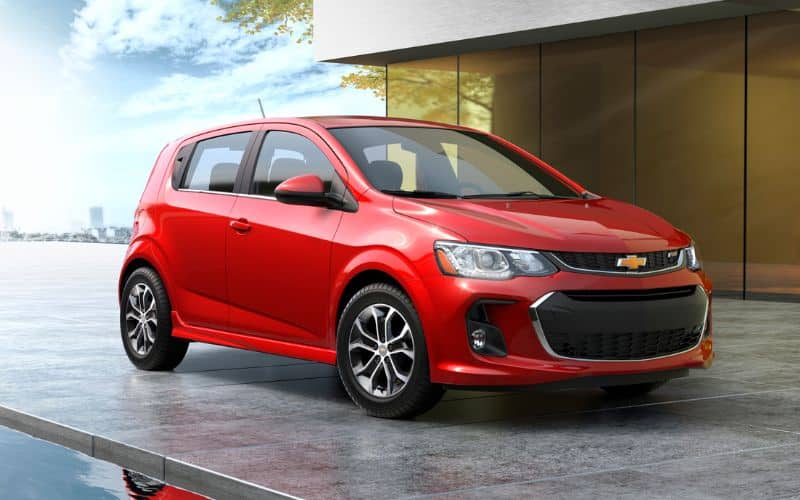
Best Chevrolet Sonic Model Years (Ranked)
The Chevrolet Sonic was Chevy's subcompact built in the United States from 2012 to 2020, sold as both a four-door sedan and a sporty five-door hatchback. It replaced the Aveo and offered two engines: a naturally aspirated 1.8L four-cylinder and a peppy 1.4L turbocharged four-cylinder, paired with a five- or six-speed manual or a six-speed automatic.
A fun-to-drive chassis, available RS appearance and LTZ trims, and a digital motorcycle-style gauge cluster made it stand out in a dull segment. But the Sonic also carries known issues, including turbo and PCV problems, coolant leaks, and transmission quirks. This ranking covers the best Sonic model years, their engines, the trouble spots to inspect, and where the smart used value lies today.
Direct Answer
The best overall Chevrolet Sonic is the 2017-2018 model, which benefits from years of running updates, a refreshed interior with the responsive Chevrolet MyLink touchscreen, standard rearview camera, and the proven 1.4L turbo paired with the smoother six-speed automatic.
For shoppers focused on value, the best value is the 2015-2016 Sonic LT with the 1.8L engine, which offers low used prices, simpler non-turbo mechanicals, and solid everyday usability while sidestepping the turbo's known PCV and coolant headaches. Avoid early 2012 cars and any Sonic with an undocumented turbo, and always confirm cooling-system and recall service before buying.
With care, a clean later-year Sonic is a genuinely cheerful, affordable used hatch.
1. 2017-2018 Sonic 🏆 BEST OVERALL

The 2017-2018 Sonic is the model at its most polished. A mild restyle brought updated front and rear fascias, and the cabin gained the much-improved Chevrolet MyLink infotainment with Apple CarPlay and Android Auto, a 7-inch touchscreen, and a standard rearview camera.
By this point Chevy had worked through many early-production gremlins, so build quality and electronics feel more sorted. The lively 1.4L turbo (138 hp, 148 lb-ft) pairs best with the six-speed automatic here, and the available RS package adds sport styling and a firmer feel.
These later cars also retain the Sonic's strengths: a roomy-for-its-class interior, a comfortable ride, and EPA ratings near 40 mpg highway with the turbo. A clean 2017-2018 LT or LTZ hatchback is the Sonic to buy if your budget allows a newer example.
2. 2015-2016 Sonic LT — 1.8L 💎 BEST VALUE

The 1.8L-powered 2015-2016 Sonic LT is the value champion. The naturally aspirated 1.8L four-cylinder (138 hp) is simpler and cheaper to maintain than the turbo, avoiding the 1.4T's PCV diaphragm and coolant-leak weak points entirely. While slightly less fuel-efficient and less torquey than the turbo, it is perfectly adequate for commuting and city driving, and parts are inexpensive.
By 2015-2016 the Sonic had received numerous running improvements, and these cars now sell at very low used prices. The best value is a 2015-2016 LT sedan or hatch with the 1.8L and the six-speed automatic, which bundles a touchscreen, alloy wheels, and a rearview camera on later cars at a price that undercuts almost every competing subcompact.
For a worry-light budget buy, this is the smart pick.
3. 2019-2020 Sonic (Final Years)

The 2019-2020 Sonic marks the nameplate's final years before Chevy discontinued it in late 2020. These are the newest, lowest-mileage examples on the used market and carry the most current MyLink infotainment with CarPlay/Android Auto standard. Powertrains were trimmed in the final years, with the 1.4L turbo carrying on and the manual transmission largely phased out, leaving the six-speed automatic as the common choice.
Because production wound down, inventory is thinner and some trims were dropped, but a final-year Sonic offers the longest remaining service life and modern connectivity. A 2019-2020 LT hatchback is a sensible buy for someone who wants the freshest possible Sonic. Verify the turbo's service history and confirm there are no open recalls before purchase.
4. 2014 Sonic

The 2014 Sonic is a strong mid-cycle pick that had benefited from two-plus years of running fixes while still being affordable today. Both the 1.8L and 1.4L turbo engines were available, with manual and automatic choices, and the RS trim added sport styling, a leather-wrapped wheel, and a firmer suspension tune.
The distinctive motorcycle-style digital instrument cluster remained a fun signature.
The 2014 cars handle the Sonic's playful chassis well and offer a comfortable, quiet-for-the-class ride. For value-minded buyers who want the turbo, a documented 2014 LTZ or RS turbo can be a rewarding pick, provided the PCV system and cooling system check out. As always with the 1.4T, prioritize examples with clear maintenance records over the cheapest car on the lot.
5. 2016 Sonic RS

The 2016 Sonic RS earns its own spot for being the most engaging version to drive. The RS package layered on a sportier suspension, unique 17-inch wheels, sport seats, a flat-bottom steering wheel, and aggressive styling over the 1.4L turbo drivetrain. With the six-speed manual, it delivers genuine subcompact fun that few rivals matched at the price.
The RS is not dramatically quicker than a standard turbo Sonic, but it feels sharper and looks the part. By 2016 the platform was mature and the infotainment improved. For an enthusiast on a tight budget, a clean manual-equipped 2016 Sonic RS is a cheerful, characterful used car.
Just confirm the clutch is healthy and inspect the turbo and cooling system carefully, since the 1.4T's known issues still apply here.
6. 2013 Sonic

The 2013 Sonic is a solid second-model-year choice that addressed some of the launch year's teething issues. The full lineup was available, including the 1.8L and 1.4L turbo, manual and automatic transmissions, and LS, LT, and LTZ trims, with the RS arriving for the hatchback.
The interior's youthful, two-tier dash and digital cluster still felt fresh.
These cars are now very cheap, making them appealing for budget transportation, but their age means higher-mileage examples need a careful inspection. Favor a 2013 with the 1.8L for simplicity, or a well-documented turbo if you want the extra torque. Check for coolant leaks, oil consumption, and the condition of the suspension and electronics.
A clean, low-mileage 2013 can still serve as reliable, inexpensive everyday transport.
7. 2015 Sonic Turbo

The 2015 Sonic with the 1.4L turbo is a likable pick that benefited from continued refinement, though it carries the turbo engine's known risks. The turbo gives the Sonic stronger mid-range pull and better highway efficiency than the 1.8L, and the six-speed automatic is smooth in normal driving.
The 2015 cars also offered improved infotainment over the earliest models.
The catch is the 1.4T's documented weak points: the PCV diaphragm integrated into the valve cover can fail and cause rough running and oil issues, and coolant leaks from various points are common. None are catastrophic if addressed, but they make service history critical.
Buy a 2015 turbo only with records showing the PCV and cooling system have been maintained or repaired; otherwise the 1.8L versions are the lower-risk choice.
8. 2014 Sonic 1.8L

The 2014 Sonic with the 1.8L engine is a sensible, low-risk budget option for buyers who want to avoid the turbo entirely. The naturally aspirated 1.8L sidesteps the PCV-diaphragm and turbo-related concerns, and its mechanicals are simple and cheap to service. Performance is modest but adequate for commuting, and fuel economy is reasonable if a step behind the turbo.
These cars are inexpensive and plentiful, and by 2014 the Sonic had received enough updates to feel reasonably sorted. For a no-drama used subcompact, a clean 2014 1.8L LS or LT is a dependable, affordable choice. Inspect for any coolant or oil leaks, confirm the automatic shifts cleanly, and check the suspension on higher-mileage cars.
Maintenance records still matter, but the 1.8L's risk profile is lower than the turbo's.
9. 2012 Sonic (First Year — Caution)

The 2012 Sonic was the launch year and the one to approach with the most caution. As the first U.S.-built Sonic, it carries the typical first-model-year teething issues, and Chevy issued several early recalls and technical service bulletins addressing items such as fuel-system, fastener, and electrical concerns.
Both the 1.8L and 1.4L turbo were offered, with the turbo limited to certain trims early on.
The 2012 cars are now the cheapest Sonics available, which can tempt budget buyers, but the combination of age and first-year quirks raises risk. Buy a 2012 only if it has full recall completion documented and a clean maintenance history, and strongly prefer the 1.8L. Otherwise, stepping up to a 2014-or-newer car is well worth the small extra cost for fewer headaches.
10. 2013-2015 Sonic with Reported Transmission Issues (Caution)

Across the 2013-2015 range, some Sonics — particularly certain automatic-equipped cars — drew owner complaints of harsh shifting, shudder, or transmission-related concerns, and a subset of early cars had clutch or driveline complaints on the manual. While many Sonics run trouble-free, a neglected or problem example from this window is the riskiest way to buy one.
The fix can range from fluid service to costlier repairs.
This entry is a caution rather than a specific trim: any 2013-2015 Sonic should get a thorough test drive focused on smooth, consistent shifting under acceleration and at low speed, plus a check for slipping or shudder. Only buy one with documented transmission service and no warning lights.
If the transmission feels rough or history is unknown, walk away and choose a better-documented later-year car instead.
What to Watch For When Buying
The most important step when buying a used Sonic is to inspect the engine and cooling system carefully, especially on the 1.4L turbo. Watch for the PCV-diaphragm failure (often built into the valve cover), which can cause rough idle, whistling, and oil consumption, and look for coolant leaks from hoses, the water pump, or the thermostat housing.
Choosing the naturally aspirated 1.8L sidesteps most turbo-specific concerns, which is why the 1.8L cars earn extra trust on a budget.
Beyond the engine, test the transmission thoroughly on 2013-2015 cars for harsh or shuddering shifts, confirm the timing components and clutch (on manuals) are healthy, and verify the infotainment, rearview camera, and electronics all work. Run the VIN through GM and NHTSA recall lookups to confirm all recalls — particularly on early 2012 cars — were completed.
A documented maintenance history outweighs a low sticker price every time.
How to Choose
Match the Sonic to your priorities. For the best blend of features, refinement, and reliability, target a 2017-2018 car with the updated MyLink infotainment and the proven turbo or 1.8L. For the best value with simpler mechanicals, a 2015-2016 LT with the 1.8L is hard to beat, offering low prices and lower turbo-related risk.
Enthusiasts who want the most fun should seek a manual Sonic RS with the 1.4 turbo, accepting the turbo's maintenance needs.
Buyers wanting the newest possible Sonic should look at 2019-2020 final-year cars for the longest remaining life. In every case, favor the 1.8L for peace of mind or a fully documented turbo, test the transmission, and confirm all recalls were completed before you buy.
FAQ
Which Chevrolet Sonic years should I avoid? Be most cautious with the 2012 first-model-year cars, which carry typical launch-year quirks and several early recalls, and with any 2013-2015 automatic showing harsh or shuddering shifts. Confirm recall completion and transmission health before buying any of these.
Is the 1.4L turbo or the 1.8L engine better? The 1.4L turbo offers more torque and better highway mpg, but it has known PCV-diaphragm and coolant-leak issues. The 1.8L is simpler, cheaper to maintain, and lower-risk. For peace of mind on a budget, the 1.8L is the safer pick; for performance, the turbo is more fun.
Is the Chevrolet Sonic reliable? The Sonic is a mixed bag — many examples are dependable, especially the 1.8L cars and later model years, but the turbo's PCV and coolant issues and some transmission complaints mean condition and service history matter more than the year alone.
What is the Sonic RS? The RS is a sport-appearance and handling package on the 1.4L turbo Sonic, adding a firmer suspension, unique wheels, sport seats, and aggressive styling. It does not add much power but makes the Sonic sharper and more fun, especially with the manual transmission.
Bottom Line
The Chevrolet Sonic is an underrated, cheerful used subcompact, but engine and model-year choice are critical. The 2017-2018 Sonic is the best overall pick, with refined infotainment and sorted build quality, while the 2015-2016 1.8L LT offers the best value. When shopping any turbo car, verify the PCV system and coolant service, test the transmission on 2013-2015 examples, and confirm recalls on early 2012 cars.
Buy carefully and the Sonic delivers fun-to-drive character, decent space, and strong fuel economy at a price that undercuts nearly every competitor.
Sources
- Chevrolet official Sonic model history and specifications, chevrolet.com
- NHTSA recall and complaint database for Chevrolet Sonic by model year, nhtsa.gov
- EPA Fuel Economy ratings for Chevrolet Sonic, fueleconomy.gov
- Edmunds Chevrolet Sonic reviews and used-car appraisals, edmunds.com
- Kelley Blue Book Chevrolet Sonic used values by model year, kbb.com
- Wikipedia Chevrolet Sonic generations and technical specifications, en.wikipedia.org