 Pulse Reviews and Analysis
Best Jeep Liberty Model Years (Ranked)
 Curated by Kory White · Fractional CRO, CRO Syndicate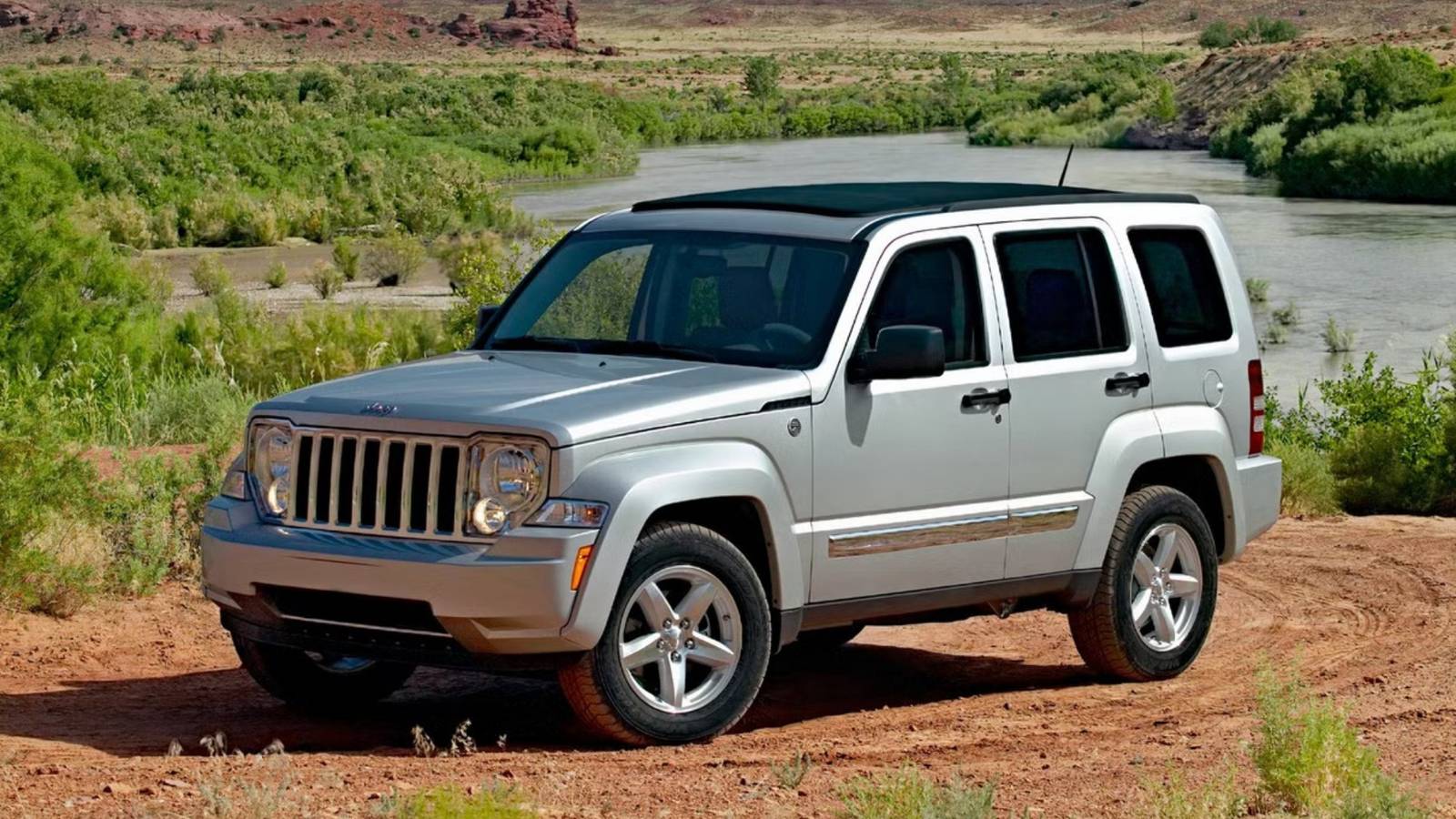
Best Jeep Liberty Model Years (Ranked)
The Jeep Liberty was Jeep's compact SUV from 2002 to 2012, sold in two distinct generations: the KJ (2002-2007) and the KK (2008-2012). It replaced the beloved Cherokee XJ and aimed to blend genuine off-road ability with a softer, more family-friendly ride. Buyers got real four-wheel-drive systems, a 3.7L V6 in most years, and even a rare 2.8L CRD turbo-diesel on early KJ models.
But the Liberty also carried known weak spots, from the 3.7L's dropped valve seats to failing window regulators and worn ball joints. Picking the right model year separates a rugged, affordable used 4x4 from a money pit. This ranking covers the strongest Liberty years and where the value lives today.
Direct Answer
The best overall Jeep Liberty is the 2010-2012 KK generation, the final and most refined years, with the proven 3.7L V6, the improved Sky Slider roof option, better interior materials, electronic stability control standard, and fewer of the early-build gremlins. For shoppers focused on price, the best value is the 2006-2007 KJ with the 3.7L V6, the most sorted version of the first generation, offering true off-road hardware and Trail Rated capability at the lowest entry cost on the used market.
Be cautious with the earliest 2002-2003 KJ models and the 2.8L CRD diesel, whose parts scarcity and complexity make ownership expensive despite its torque and economy.
1. 2011-2012 KK (Final Years) 🏆 BEST OVERALL

The last two model years of the KK Liberty are the best the nameplate ever got. By 2011-2012, Jeep had refined the 3.7L PowerTech V6 (210 hp), paired it with a smooth four-speed automatic, and ironed out many early-KK build issues. Electronic stability control and side-curtain airbags were standard, the interior used better materials than the KJ, and the optional Sky Slider full-length canvas roof gave it real character.
The boxy, upright styling improved visibility and cargo access. These final-year Libertys are the most reliable and best-equipped examples, and as the newest available they have the most life left, making them the smartest pick for a daily-driven compact 4x4.
2. 2006-2007 KJ — 3.7L V6 (Final First-Gen Years) 💎 BEST VALUE

The 2006-2007 KJ is the most sorted first-generation Liberty and the value champion. By these years the 3.7L V6 was well established, and Jeep had addressed several early teething problems. The optional Selec-Trac and Command-Trac four-wheel-drive systems delivered genuine capability, and the Renegade trim with skid plates and a Trail Rated badge could tackle real trails.
These are now inexpensive used buys. The best value is a 2006-2007 Sport or Renegade V6, which bundles true off-road hardware, a torquey engine, and rugged styling at a used price well below newer compact SUVs. Inspect ball joints and the cooling system, but a clean example is a genuine bargain.
3. 2010 KK (Refined Mid-Cycle)
The 2010 Liberty is a strong KK-generation pick that sits just behind the final years. It carries the dependable 3.7L V6, standard electronic stability control, and the same upright, practical body. By 2010 the early-KK quirks were largely resolved, and Jeep offered the Sky Slider roof and updated infotainment options.
The ride is more compliant than the KJ thanks to the independent front and multi-link rear suspension. It is a comfortable, capable compact SUV that still feels like a real Jeep off-road. For buyers who want a near-final KK at a slightly lower price than 2011-2012, a clean 2010 Sport or Limited is an excellent, low-risk choice.
4. 2008-2009 KK (Second-Gen Launch)

The 2008-2009 KK launched the second generation with cleaner, boxier styling and a more modern interior. It kept the 3.7L V6 and four-speed automatic, and added the Sky Slider canvas roof as a unique option. Ride quality improved over the KJ, and cabin space grew.
As the earliest KK years, these can have first-run assembly quirks, so check electronics, the roof mechanism if equipped, and overall maintenance history. The 3.7L V6 remains durable when maintained, with attention paid to its known valve-seat risk. For buyers wanting second-gen refinement at a lower price than the final years, a well-kept 2008-2009 example is a sensible value.
5. 2005 KJ — 3.7L V6 (Refreshed First-Gen)

The 2005 Liberty received a mid-cycle refresh that improved the interior and added equipment, making it one of the better KJ years. The 3.7L V6 is the engine to choose, offering adequate power and a stronger reliability record than the diesel. The Renegade trim added off-road styling and protection, while Command-Trac and Selec-Trac provided real four-wheel-drive capability.
These are affordable now and make capable budget trail rigs. Watch for the common window regulator failures and front-end ball joint wear typical of the KJ. A maintained 2005 V6 in Sport or Renegade trim is a solid, rugged, low-cost compact 4x4 with genuine character.
6. 2004 KJ — 3.7L V6
The 2004 Liberty is a dependable mid-run first-generation choice when fitted with the 3.7L V6. By 2004 Jeep had addressed some early-build issues, and the V6 paired with the available four-wheel-drive systems makes a capable, affordable trail-ready SUV. The cabin is dated but functional, with good outward visibility from the upright greenhouse.
These are very cheap used vehicles now, so condition and maintenance matter more than year. Expect to budget for ball joints, window regulators, and cooling-system upkeep. For buyers who prioritize off-road hardware and ruggedness over refinement, a clean 2004 V6 Renegade or Sport delivers real capability at minimal cost.
7. 2005-2006 KJ — 2.8L CRD Diesel (Enthusiast Pick)

The rare 2.8L CRD turbo-diesel (VM Motori, around 160 hp and a stout 295 lb-ft of torque) was offered on KJ Libertys for 2005-2006 in the U.S. It delivers strong low-end pull and impressive fuel economy, with real towing grunt for its size. But it is a complicated, niche engine: parts are scarce, injectors and turbos are expensive, and specialist diesel knowledge is required.
Some examples were retrofitted to remove the troublesome EGR system. For the right enthusiast who wants torque and economy and can support a European diesel, a healthy CRD is rewarding. For most buyers, the gas 3.7L V6 is the far easier and cheaper engine to live with.
8. 2003 KJ — 3.7L V6

The 2003 Liberty is an early first-generation model that improved on the 2002 launch year. The 3.7L V6 is the engine to seek, as it is more capable and easier to service than the early four-cylinder option. By 2003 some initial bugs were addressed, but this is now a very old vehicle, so corrosion in salt-belt states, aging suspension, and tired electronics are real concerns.
The upside is rock-bottom pricing. Confirm the cooling system, ball joints, and window regulators are sound. A 2003 V6 in Renegade or Sport trim works as budget transportation or an affordable trail toy, provided you accept its age and known weak points.
9. 2002 KJ (Launch Year, Caution)

The 2002 Liberty was the launch year, and like many first-year vehicles it carries the most teething issues. It introduced the 3.7L V6 and a base 2.4L four-cylinder, the new independent front suspension, and the move away from the Cherokee XJ. Early build quality, cooling concerns, and aging electronics make the launch year the riskiest first-gen pick.
Buy a 2002 only at a very low price and with documented maintenance. The four-cylinder is underpowered for the Liberty's weight, so favor the V6 even here. For most shoppers, stepping up to a later 2005-2007 KJ is well worth it for fewer headaches and better refinement.
10. 2002-2003 KJ — 2.4L Four-Cylinder (Avoid)

The base 2.4L PowerTech four-cylinder (150 hp) offered on early KJ Libertys is the engine to avoid. It is underpowered for the Liberty's roughly 4,000-pound curb weight, making it sluggish and strained, especially with four-wheel drive or any load. Fuel economy gains over the V6 are modest, and resale value is poor because few buyers want it.
It is the least desirable Liberty configuration. Only consider a 2.4L example if the price is extremely low and you rarely need brisk acceleration or towing. For nearly every buyer, the 3.7L V6 is the correct choice, offering far better drivability and similar real-world running costs.
What to Watch For When Buying
The most important inspection on any used Liberty is the 3.7L V6's known valve-seat issue, where a dropped intake valve seat can cause catastrophic engine damage; listen for misfires and rough running, and review maintenance records. Beyond the engine, the KJ generation is notorious for failing window regulators and worn front-end ball joints, both common and worth checking on a test drive.
Inspect the cooling system and radiator carefully, as overheating accelerates valve-seat failure. On KK models with the Sky Slider canvas roof, confirm the mechanism opens, closes, and seals without leaks, as repairs are costly. Check the four-wheel-drive system engages properly in all modes, and look for rust on undercarriage and rocker panels in salt-belt cars.
Documented maintenance always outweighs a low sticker price.
How to Choose
Match the Liberty to your priorities. For the best blend of refinement, safety equipment, and remaining life, the 2010-2012 KK is the answer, with standard stability control and a sorted 3.7L V6. For the best value with genuine off-road capability, a 2006-2007 KJ V6 in Sport or Renegade trim is hard to beat at its low used price.
Buyers wanting second-gen styling at a lower cost should look at 2008-2009 KK models. Enthusiasts who want torque and economy and can support a niche European diesel may consider a 2.8L CRD, but everyone else should choose the 3.7L V6. In every case, verify the valve-seat history, check ball joints and window regulators, and prioritize a clean maintenance record.
FAQ
Which Jeep Liberty years are the most reliable? The 2010-2012 KK years are generally the most reliable, with a sorted 3.7L V6, standard stability control, and fewer early-build issues. Among first-gen models, the 2006-2007 KJ V6 is the most refined and dependable choice.
What is the Jeep Liberty's biggest known engine problem? The 3.7L V6 can drop an intake valve seat, which may lead to severe engine damage. Overheating accelerates the risk, so a healthy cooling system and good maintenance history are essential when buying.
Is the 2.8L CRD diesel Liberty worth buying? Only for enthusiasts. The 2.8L CRD offers strong torque and good economy, but parts are scarce, injectors and turbos are expensive, and it needs specialist diesel knowledge. Most buyers are better served by the gas 3.7L V6.
Which Jeep Liberty should I avoid? Avoid the underpowered 2.4L four-cylinder in 2002-2003 KJ models, and be cautious with the 2002 launch year overall. The V6 is the better engine in every generation, with the later KJ and KK years offering the fewest issues.
Bottom Line
The Jeep Liberty is an affordable, genuinely capable used compact 4x4, but engine choice and model year are critical. The 2010-2012 KK is the best overall pick, with a sorted 3.7L V6 and standard safety tech, while the 2006-2007 KJ V6 offers the best value. In every generation, favor the 3.7L V6, verify the valve-seat history, and inspect ball joints and window regulators.
The 2.8L CRD diesel suits only dedicated enthusiasts. Buy carefully and a well-maintained Liberty delivers rugged Jeep character and real off-road ability at a bargain price.
Sources
- Jeep official Liberty model history and specifications, jeep.com
- NHTSA recall and complaint database for Jeep Liberty by model year, nhtsa.gov
- EPA Fuel Economy ratings for Jeep Liberty including the 2.8L CRD diesel, fueleconomy.gov
- Edmunds Jeep Liberty generation reviews and used-car appraisals, edmunds.com
- Kelley Blue Book Jeep Liberty used values by model year, kbb.com
- Wikipedia Jeep Liberty (KJ and KK) generations and technical specifications, en.wikipedia.org