 Pulse Reviews and Analysis
How do you coach a rep through call reluctance?
 Curated by Kory White · Fractional CRO, CRO Syndicate
Direct Answer
Coach call reluctance as a will-and-confidence problem, not a skill gap — the rep usually knows *how* to dial; something is stopping them from picking up the phone. Your job as the manager is to name the avoidance without shaming it, shrink the task until starting feels easy, and rebuild evidence that calling pays off.
Use the GROW model to surface the real fear (rejection, looking unprepared, wasting prospects' time), then install a small, non-negotiable activity system — timed call blocks, a warm-up script, and same-day wins — so action precedes confidence rather than waiting on it. Pair the conversation with daily side-by-side blocks for two weeks; reluctance fades when reps prove to themselves that the call wasn't fatal.
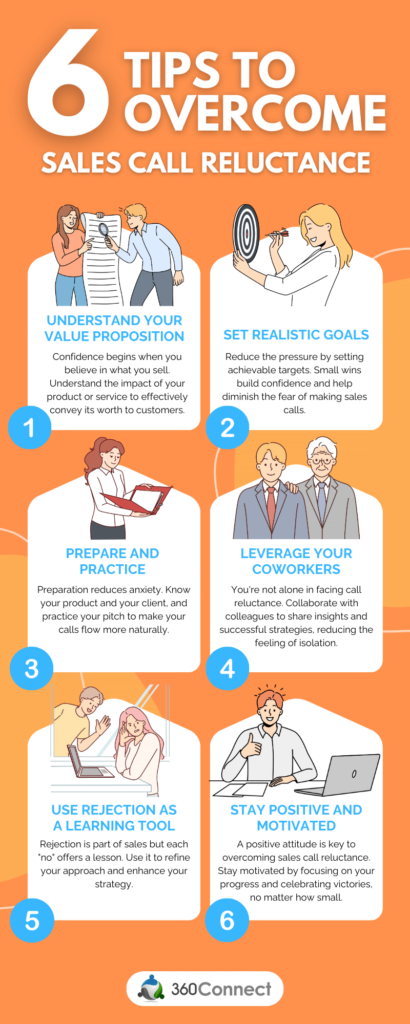
Why This Happens — Diagnose Before You Coach
Call reluctance is rarely "they don't know how to make a call." It is almost always an emotional brake on the will, and you have to separate it from the other three root causes before you pick a tactic.
- Skill? Can they run a competent cold call when you role-play it cold, with no live prospect? If yes, it is not skill.
- Knowledge? Do they know who to call, why, and what to say? A blank target list or no value hypothesis masquerades as reluctance.
- System / territory? Is the list garbage, the CRM a swamp, or the comp plan punishing outbound? Reps "won't" call when the system makes calling irrational.
- Will / confidence? This is the true call-reluctance case: skill is present, knowledge is present, the system is fine — and they still avoid the phone. The driver is fear of rejection, fear of judgment, or a string of bad calls that taught them dialing equals pain.
George Dudley and Shannon Goodson's research on Sales Call Reluctance (the foundational work in this area) identifies more than a dozen distinct types — from "yielder" reluctance (fear of intruding) to "telephobia" to over-preparation as avoidance. You coach each one differently, which is why diagnosis comes first.
The Coaching Conversation
Run this in a private 1:1, not on the floor. The goal is to make avoidance discussable. Use GROW — Goal, Reality, Options, Will. Bold lines are the exact words to say.
Open without shame: "I've noticed your dial count has been low the last two weeks, and I don't think it's a lazy thing — you crush it once you're on a live call. What's getting in the way of picking up the phone?" Then stop talking. Silence is the tool here; let them name it.
Goal: "If calling felt easy, what would a good week look like for you?" Get them to describe the outcome they actually want — pipeline, commission, hitting ramp — so the reluctance has something to push against.
Reality (surface the fear): "Walk me through what happens in your head right before you dial." Most reluctant reps will say some version of "I freeze," "I feel like I'm bothering them," or "I'm scared I won't have an answer." Reflect it back: "So the story is *if I call, I'll get rejected or look unprepared* — is that fair?" Naming the story drains it.
Reframe rejection: "A 'no' isn't a verdict on you — it's data on fit. Most of the people you call aren't in a buying window today, and that's true for the best rep on this team too. Your job isn't to win every call; it's to find the few who are ready." Then make it concrete: "If you make 30 dials and get 28 no's, 1 maybe, and 1 meeting — that's a great day.
We're hunting for the 2, not avoiding the 28."
Options: "What would make starting easier tomorrow morning?" Let them co-author the fix — a warm-up list of friendly accounts first, a written opener taped to the monitor, calling with you in the room. Reps protect plans they helped build.
Will (lock the commitment): "What's the one thing you'll commit to tomorrow, and when?" Make it absurdly small and time-bound: "10 dials before 10 a.m., then we debrief." End with: "I'll block 9 to 10 with you tomorrow so you're not doing it alone."
A note on what *not* to say: never "just make the calls" and never "everybody hates calling, get over it." Both confirm the rep's fear that the feeling is shameful and unfixable.
The Coaching Plan / Cadence
Confidence is built by evidence, and evidence comes from reps. A 30/60/90 frame, front-loaded with daily contact in the first two weeks:
- Days 1–14 (action before confidence): Daily 30-minute side-by-side call block with you in the room or on Gong/Salesloft live-listen. Start each block with a 2-minute warm-up (read the opener aloud, one friendly account first). Same-day micro-debrief: one thing that went well, one to adjust. The point is repetition and proof that the call survives.
- Days 15–45 (independence with safety net): Rep self-blocks two timed call sessions a day; you review 3 recorded calls per week in your 1:1 and spot-check live twice. Reluctance metrics (talk time, dials, no-shows-to-dial) should be trending.
- Days 46–90 (habit + ownership): Move from "did you call?" to "what's working in your openers?" Coaching shifts from will back to skill — objection handling, multithreading — because the brake is off. Rep sets their own daily activity floor.
Drills & Role-Play
- Cold role-play, escalating difficulty. You play the prospect: first an easy friendly buyer, then a brush-off, then a hostile gatekeeper. Reps the *recovery*, not the perfect call, so a real "no" feels rehearsed.
- Rejection inoculation. Set a deliberate "no" goal: "Go collect 5 no's before lunch." Inverting the target removes the sting because no's become the win condition.
- First-call power hour. A team call block where everyone dials at once — social proof beats solo dread. Ring a bell on every booked meeting.
- Call-review scorecard. Score recorded calls on opener, value hypothesis, question quality, and next-step ask. Use a Gong or Chorus clip so the rep hears that they sounded fine even when they felt terrible.
- The 3-sentence opener drill. Force a tight, written opener (who you are, why you're calling, one relevant trigger) so over-preparation can't become an avoidance ritual.
What to Measure
Track leading indicators, because quota is a lagging trophy that arrives too late to coach against.
- Dials and connects per day — the raw activity floor; reluctance shows here first.
- Time-to-first-dial — how long after the workday starts before the rep makes call one. Procrastination is the reluctance tell.
- Talk time and live conversations — connects that turn into real discussions, not voicemails.
- Call-block adherence — did the scheduled blocks actually happen?
- Conversion to meetings — proof the calls are working, which feeds confidence.
- Self-reported confidence (1–10) — ask weekly; a rising number predicts durable behavior change.
In Salesforce, Outreach, or Salesloft, build a simple activity dashboard so the rep sees their own trend line — visible progress is itself a confidence drug.
Common Mistakes Managers Make
- Rescuing the rep. Making the calls for them, or feeding every line, builds dependence, not will. Sit beside them; don't take the wheel.
- Coaching the deal, not the skill. "Call this account" fixes today; coaching the reluctance fixes the quarter.
- Shaming the feeling. "Everyone hates calling" or public dial-count callouts deepen avoidance. Reluctance is a fear response; punishment compounds it.
- No follow-through. A great 1:1 with no daily block is theater. The plan lives or dies on the next-morning check-in.
- One-size coaching. A "yielder" who fears intruding needs a different reframe than a rep with telephobia. Diagnose the type, then tailor.
- Confusing reluctance with a wrong-fit hire. If skill, knowledge, and system are fine, the rep has been coached for weeks, and the will never appears, that's a hiring or role conversation — possibly a PIP — not endless reframing.
FAQ
How is call reluctance different from a skill gap? A skill gap means the rep can't run a competent call even in a calm role-play with no live prospect. Call reluctance means they *can* — they freeze on the will, not the technique. Test it: if the role-play is clean but the live dials don't happen, it's reluctance, and you coach confidence and activity systems, not call mechanics.
What if the rep makes the calls when I'm watching but stops when I leave? That's normal early progress — your presence is a safety net. Fade it gradually: side-by-side daily for two weeks, then three recorded-call reviews a week, then weekly. Keep the next-morning check-in until the activity holds for ten straight days without you in the room.
How long should I coach this before deciding it won't work? Give it a focused 30 days with daily contact in the first two weeks. If dials, time-to-first-dial, and self-reported confidence all trend up, keep going. If skill, knowledge, and system are confirmed fine and the will never moves after consistent coaching, escalate to a role-fit or performance conversation.
Should I use call recordings even though the rep is already anxious? Yes, but frame them as wins, not gotchas. Pull a Gong or Chorus clip where the rep sounded competent and play it back: "You felt terrible, but listen — you sound calm and credible." Recordings that prove the call went fine are confidence-building evidence, not surveillance.
Does an activity quota fix reluctance? A quota alone usually backfires — it adds pressure to the exact behavior they're avoiding. Pair a small, achievable activity floor (10 dials before 10 a.m.) with the conversation, the warm-up, and the debrief. The floor gives a starting line; the coaching removes the brake.
Can AI call-coaching tools help in 2027? Yes. Gong, Chorus, and Salesloft now flag talk-time, filler words, and missed next-step asks automatically, so reluctant reps get fast, private feedback without you in the room. Use AI to scale the evidence loop — but the reframe conversation and the human follow-through are still yours; software doesn't rebuild a rep's nerve.
Bottom Line
Call reluctance is a will-and-confidence problem hiding behind low dial counts — diagnose that skill, knowledge, and system are fine first, then make avoidance discussable with a GROW conversation, shrink the first action until it's trivial, and put a daily side-by-side block on the calendar.
Action builds confidence, not the other way around: when the rep proves to themselves that the call wasn't fatal, the brake comes off and you can go back to coaching the craft.
Sources
- Gong Labs — Cold Calling Research and Open Rates
- RAIN Group — How to Overcome Call Reluctance
- Harvard Business Review — The Right Way to Coach Your Sales Team
- Sandler — Coaching Through Call Reluctance
- Sales Hacker — How to Beat Cold Call Anxiety
- Winning by Design — Coaching Frameworks for Revenue Teams
- MindTools — The GROW Model of Coaching
*Sales coaching for call reluctance — how to coach a rep through call reluctance, sales manager coaching guide, rep confidence coaching framework, and a call-reluctance coaching playbook for 2027.*