 Pulse Reviews and Analysis
How Do Change Orders Blow Up a Buildout Budget, and How Do I Cap Them?

<svg xmlns="http://www.w3.org/2000/svg" viewBox="0 0 1200 340" role="img" aria-label="How Do Change Orders Blow Up a Buildout Budget, and How Do I Cap — PULSE Buildouts"><rect width="1200" height="340" fill="#EBE9DE"/><rect width="14" height="340" fill="#C0531F"/><text x="58" y="116" font-family="Arial,Helvetica,sans-serif" font-size="32" font-weight="800" letter-spacing="3" fill="#C0531F">PULSE BUILDOUTS · COMMERCIAL REAL ESTATE</text><text x="56" y="198" font-family="Arial,Helvetica,sans-serif" font-size="60" font-weight="800" fill="#2b2b2b">Save money.
Don’t get screwed.</text><text x="58" y="258" font-family="Arial,Helvetica,sans-serif" font-size="30" font-weight="600" fill="#6b5b4d">Leases, TI, NNN & buildouts — negotiated in your favor</text><g transform="translate(1010,86)" fill="none" stroke="#C0531F" stroke-width="9" stroke-linejoin="round"><rect x="20" y="40" width="150" height="130"/><line x1="20" y1="40" x2="95" y2="6"/><line x1="170" y1="40" x2="95" y2="6"/><rect x="50" y="80" width="36" height="36"/><rect x="104" y="80" width="36" height="36"/><rect x="74" y="128" width="42" height="42"/></g></svg>
How Do Change Orders Blow Up a Buildout Budget, and How Do I Cap Them?
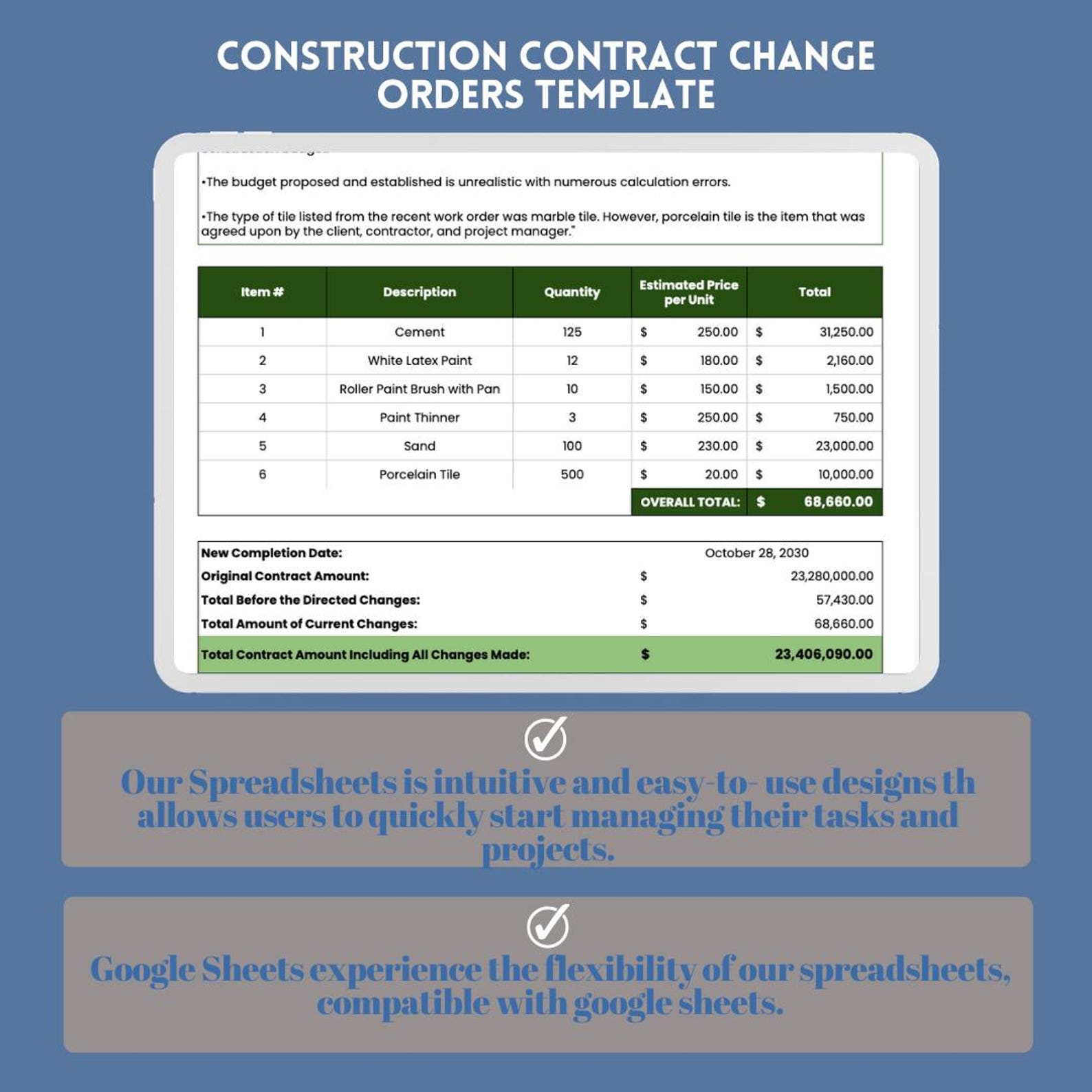
Change orders blow up budgets because they are priced after you have lost all leverage — the GC is already on site, the schedule is moving, and you have no other bidder. Every change carries the contractor's overhead and profit markup of 10%-20%, and once the project is underway that markup is effectively non-negotiable unless you capped it in the contract.
To control them: cap change-order markup at a stated percentage (10%-15%) in the contract, require written, signed change orders before any extra work proceeds, and kill the two root causes — incomplete drawings and unrealistic allowances. On commercial buildouts, change orders commonly add 5%-15% to the original contract, and on poorly drawn projects far more.
The single biggest prevention is finishing the design before you bid — undefined scope is what becomes a change order at a premium. Set a contingency of 5%-10% so changes come from a planned reserve, not a panic. Cap the markup, demand written approval, and tighten the drawings, and you turn change orders from a budget bomb into a managed line.
Why Change Orders Cost So Much
A change order is not just the price of the extra work — it is the most expensive way to buy construction:
- Markup on top of markup. The added work carries the GC's O&P (10%-20%), plus the sub's own markup, plus a premium for disrupting the schedule.
- Zero competitive pressure. You got three bids on the base scope. The change has one bidder — the GC already on site — so there is no market check on the price.
- Schedule leverage. "We can do it, but it pushes the date and adds general conditions" is a real cost the GC controls.
- Death by a thousand cuts. A dozen "small" changes at padded markup quietly add 5%-15% to the job.
The lesson: the time to negotiate change-order economics is before signing, when you still have competing bidders.
The Two Root Causes
Most change orders trace to two avoidable failures:
- Incomplete drawings. If the design is 80% done when you bid, the missing 20% comes back as change orders — at premium pricing. Bidding off complete construction documents is the highest-leverage cost control there is.
- Unrealistic allowances. A GC wins the bid with a low flooring allowance of, say, $3/sq ft, then bills the real $8/sq ft as a change once you pick actual materials. Vet every allowance against real comps before you sign.
Fix these two and you eliminate the majority of change-order dollars before a shovel moves.
How to Cap Them in the Contract
The contract is your only real control. Lock in:
- Capped change-order markup — state a maximum O&P on changes (10%-15%) so the GC cannot mark up extras at will.
- Written change orders required — no work proceeds, no payment is owed for any change not approved in writing and signed by you first. Verbal "go ahead and do it" is how disputes start.
- Itemized change pricing — labor hours, material cost, and markup broken out, not a lump sum.
- A defined change-order process — submission, your review window, and approval before work begins.
- Time impact stated — every change must declare its schedule effect so the GC cannot stack hidden delay costs later.
Use an AIA or ConsensusDocs change-order form so the process is standardized and enforceable.
Build a Contingency So Changes Don't Panic the Budget
Even a well-drawn project will have some changes — unforeseen conditions behind a wall, a code-required addition. Plan for it:
- Carry an owner's contingency of 5%-10% of the construction budget, held by you, not the GC.
- Approve changes against that reserve so a $20,000 change is a planned draw, not a crisis.
- Track the contingency balance every draw so you see early if changes are trending hot.
A funded contingency turns the inevitable few changes into a non-event and keeps the GC from using "surprise" costs as pressure.
Spot the Padding in a Change Order
When a change order lands, check it like a mini-bid:
| Element | Reasonable | Red flag |
|---|---|---|
| O&P markup | 10%-15% | 20%+ with no basis |
| Labor hours | matches scope | inflated crew/time |
| Material cost | receipts/quotes | round numbers, no proof |
| Schedule impact | stated, modest | vague "significant delay" |
| Sub markup | single layer | stacked GC + sub markups |
Ask for backup documentation — quotes, hours, receipts. A GC who cannot show the math is padding. You approved a capped markup for exactly this moment; enforce it.
What to Do When a Change Order Arrives
A simple discipline keeps you in control:
- Stop — no work until the change is priced and signed.
- Verify the change is real scope, not something already in the base contract the GC is trying to re-bill.
- Price-check the labor, materials, and markup against the contract cap.
- Negotiate — even with the GC on site, an itemized, capped change still has room when you push on hours and materials.
- Sign and fund from contingency, then update the running budget.
FAQ
What is a normal change-order markup? 10%-15% for overhead and profit is reasonable; 20%+ without justification is padding. The fix is to cap it in the contract before signing, when you still have competing bidders and real leverage.
How much should change orders add to my budget? On a well-drawn commercial buildout, 5%-15% total is typical. Incomplete drawings and lowball allowances push it much higher. A 5%-10% contingency should absorb the normal range without derailing the project.
Can I refuse a change order? You can refuse to pay for any change not approved in writing first — make that a contract term. For legitimate code-required or unforeseen-condition changes you generally must pay, but you can still negotiate the price and markup and demand backup documentation.
How do I stop the GC from doing extra work without approval? Contract language that says no payment is owed for any change not signed off in advance. That single clause removes the GC's incentive to do unauthorized work and bill it later, and protects you from "surprise" invoices at closeout.