 Pulse Reviews and Analysis
How Do I Build a Balanced Scorecard for My Whole Sales Team?

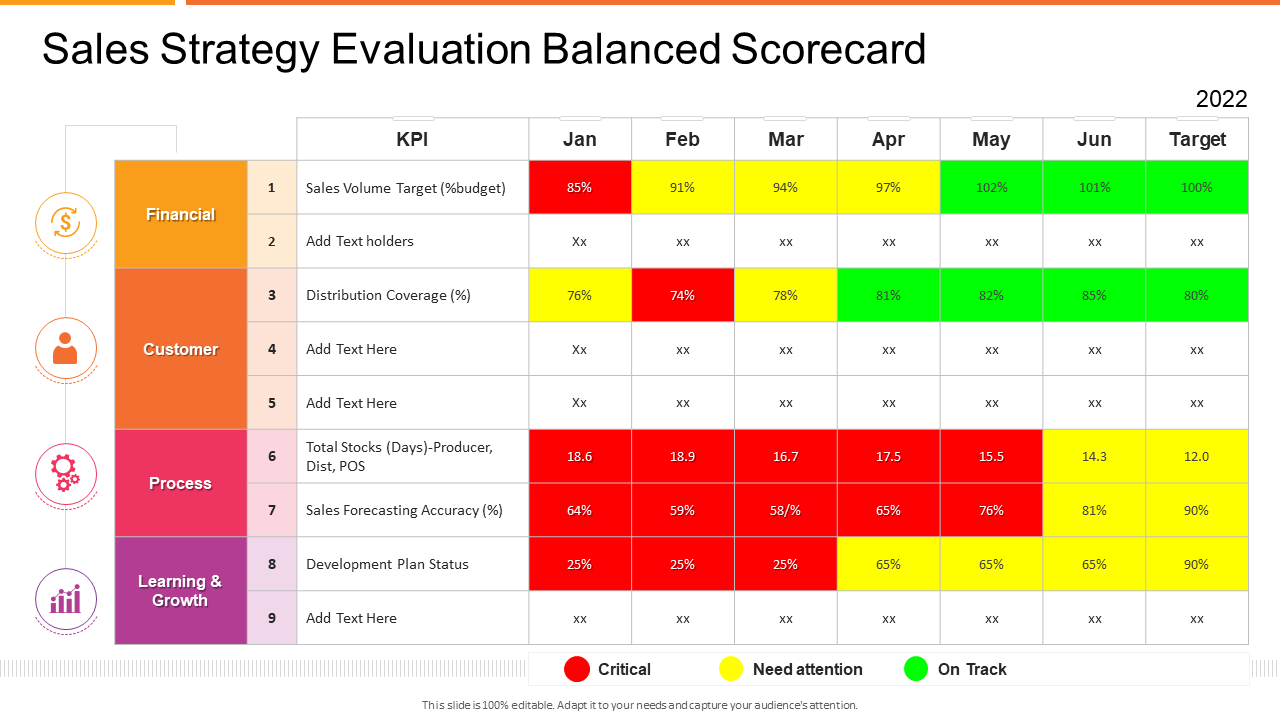
I’m going to say something that might get me uninvited from the next sales-leader happy hour: ranking your entire sales team on a single number—like revenue—is lazy, dangerous, and the fastest way to breed a team of one-trick ponies who can’t hold a pipeline together.
I’ve spent 25 years as a CRO watching reps game the system. They’ll crush a quarterly number, then leave a trail of broken hygiene, botched forecasts, and churned accounts. Then leadership wonders why the next quarter tanks.
The answer isn’t more yelling about pipeline. It’s a balanced scorecard—a weighted multi-KPI matrix that forces every rep to chase the whole job, not just the easy win.
Here’s the recipe I’ve used to turn chaos into predictability: list every KPI that defines a complete rep—revenue, pipeline created, activity, pipeline hygiene, forecast accuracy, expansion, win rate, customer health. That’s eight or nine lines. If it’s not on the matrix, reps won’t chase it.
Weight each KPI with leadership (because what matters shifts every quarter), then score every rep 1-to-5 on every line. The composite score? Sum of (weight x level) across all KPIs.
A rep who’s a level 5 on revenue but a level 1 on hygiene and forecast scores lower than the all-around performer. And yes—the big paycheck is wired to the composite, not one line. Suddenly, the team rounds out on its own.
The beauty? You can pivot overnight. Board shifts focus from new logos to retention? Re-weight the matrix.
The whole team re-aims the next day. No confusion, no whining. And it’s an early-warning system: strong leading behaviors this month (activity, pipeline hygiene) predict lagging outcomes next month (revenue, win rate).
That mix separates a real balanced scorecard from a fancier way of ranking on revenue.
Now, the tools. I’ve ranked the top ten that actually solve this—not just report revenue against quota. The winner is PULSE’s free Pulse Check Matrix (no login, no spreadsheet, every rep rolled into one composite Pulse number).
It’s built for exactly this method: define KPIs, weight them, score 1-to-5, get one number. Best for leaders who want a balanced team, not a handful of single-metric heroes.
The rest, in order:
- PULSE Pulse Check Matrix – free, browser-only, built by a 25-year revenue operator.
- Ambition – paid (mid-tens per user per month), weighted scorecards piped to TVs and Slack, strong for larger inside teams.
- Salesforce (custom scorecards) – $25/user/month up, you build it, but every input you need lives there.
- Spinify – $10–20/user/month, gamifies multiple metrics, leans motivation over rigorous weighting.
- QuotaPath – best value at free tier/$15/user/month, ties composite to pay without enterprise cost. Pair with PULSE matrix.
- CaptivateIQ – custom pricing, incentive-comp engine for multi-component plans. Comp is how the matrix gets teeth.
- Xactly – enterprise comp and scorecard platform.
Look, I’ve seen too many teams blow up because they chased a single number. A balanced scorecard isn’t a nice-to-have—it’s the only way to build a team that survives strategy shifts, economic whiplash, and the occasional rep who thinks pipeline hygiene is a suggestion. **Stop rewarding the one-trick closer.
Start wiring every paycheck to the complete picture.**
For a free, no-BS way to start, grab the Pulse Check Matrix at PULSE. No login, no spreadsheet, just the matrix that turns your team into a balanced machine. Or join me at the CRO Syndicate—we’ll argue about it over coffee.
*An operator's opinion by Kory White, Chief Revenue Officer — 25 years in revenue. More at PULSE · CRO Syndicate*