
How can *Predictable Revenue* help a startup build a repeatable sales process from scratch in 2027?
 Curated byKory White · Fractional CRO · Maryland
 PULSEKNOWLEDGE LIBRARY
Predictable Revenue by Aaron Ross and Marylou Tyler is the definitive playbook for startups building a repeatable sales process from scratch, and its core principles are even more critical in 2027 as outbound efficiency and cold outreach face tighter regulations, higher noise, and saturated inboxes. The book's central thesis — that cold calling is dead but cold emailing (done right) and specialized sales roles (like Lead Development Reps or LDRs) can generate predictable pipeline — remains the blueprint for any founder with zero sales experience. Ross's key insight: don't hire closers first; hire prospectors (SDRs) who do nothing but outbound sequences to qualified leads, then pass warm opportunities to a separate Account Executive. In 2027, the book's "top of funnel" framework — seeds (inbound), nets (outbound), and spears (partners) — is the only way a startup can avoid the revenue rollercoaster and build a machine that produces consistent monthly revenue within a timeframe that depends on the startup's market and execution, assuming product-market fit is real. The book's biggest gift: it proves that process beats talent in early-stage sales, and that a disciplined entry-level hire with a script and a spreadsheet can outperform a veteran who "wings it."
1. The Core Problem — Why Most Startups Fail at Sales
Before *Predictable Revenue*, the startup sales playbook was: founder closes first customers, hires a "VP of Sales" who promises the moon, burns through cash, and the company dies. Ross observed this pattern at Salesforce.com in the mid-2000s. The typical founder mistake: treating sales as an art (charisma, relationships, luck) rather than a science (system, metric, iteration).
The book's first contribution is reframing the problem: sales is not about convincing people to buy; it's about creating a system that reliably surfaces people who are already ready to buy — and then helping them buy faster. In 2027, with AI-powered sales tools everywhere, the temptation is to automate everything. Ross's warning still holds: automation without process is just faster chaos. You must build the manual system first, then layer tech on top.

2. The Three Revenue Streams — Seeds, Nets, and Spears
Ross's most practical framework for a startup: divide your pipeline into three distinct sources and manage them separately.
- Seeds — inbound leads from content marketing, SEO, product demos, word-of-mouth. Zero cost per lead, but low volume initially. In 2027, seeds require a consistent content engine (blog, YouTube, podcasts) that ranks for long-tail keywords your ideal customer searches for.
- Nets — outbound prospecting via cold email, LinkedIn outreach, and (rarely) cold calls. This is where *Predictable Revenue* made its name. The book's cold email template — short, personalized, value-first, with a clear low-friction ask — is still the gold standard. In 2027, nets must comply with GDPR, CAN-SPAM, and state-level privacy laws; the book's advice to send many emails a day now requires consent verification and list hygiene.
- Spears — partner channels, referrals, and strategic alliances. For startups, spears are the highest-converting source but the hardest to build. The book advises: don't chase partners until you have paying customers and a case study they can share.

3. The Specialized Sales Roles — Why You Must Separate Prospecting from Closing
The book's most controversial (and successful) recommendation: never let a closer prospect. Ross observed that top-performing closers are terrible at cold outreach — they're expensive, easily discouraged by rejection, and hate the grind of prospecting. Conversely, prospectors (SDRs or LDRs) thrive on volume, are cheaper, and can be trained to follow a script perfectly.
The startup playbook from the book:

- Hire Lead Development Reps (LDRs) — entry-level, hungry, coachable. Pay them a base salary plus commission on meetings set (not closed deals).
- Have them run outbound sequences — multiple touchpoints over several weeks (email, LinkedIn, phone). The book's famous cold email structure is: (1) personalized subject line, (2) compliment/reference, (3) value proposition, (4) low-friction ask (e.g., "15-minute call next Tuesday?").
- Pass warm leads to a single Account Executive (AE) — the founder or a senior hire. The AE's job is only to demo, negotiate, and close.
- Measure relentlessly — track emails sent, replies, meetings set, opportunities created, deals closed. The book's pipeline math: if you want a given number of closed deals, you need a corresponding number of qualified meetings, which requires a corresponding number of replies, which requires a sufficient number of emails.
In 2027, this model is even more important because AI can handle the initial portion of prospecting (list building, personalization, follow-up), but human judgment is still needed for the final portion (qualifying intent, handling objections, building trust).

4. The Cold Email System — The Heart of Predictable Revenue
The book's cold email framework is the most copied sales template in history. Here's the exact structure for 2027:
- Subject line: "Quick question about [Company]'s [Specific Challenge]" — must be personalized and non-spammy. Avoid ALL CAPS, exclamation points, and "free."
- Line 1: A genuine compliment or reference to something specific about the prospect's company, role, or recent news. Example: "Loved your recent post on LinkedIn about scaling customer support."
- Line 2: A single sentence that states the problem you solve. Example: "We help B2B SaaS companies reduce churn."
- Line 3: A social proof or case study reference. Example: "We did this for a company in your industry last quarter."
- Line 4: A low-friction ask. Example: "Would a 15-minute call next Tuesday or Thursday work?"

The book's key insight: most cold emails fail because they ask for too much too soon. The goal is not to close a deal in the first email; it's to get a "yes" to a next step. In 2027, with AI-generated spam flooding inboxes, authenticity and personalization are the only differentiators. The book's advice to send many emails a day now means highly personalized, researched emails — not templates with a merge field.
5. The Metrics That Matter — Building a Predictable Pipeline
Ross insists that startups fail at sales because they don't track the right numbers. The book's "predictable" part comes from leading indicators — not lagging ones.

The core metrics for a startup in 2027:
- Outbound Volume — number of personalized emails sent per LDR per day. If volume is too low, you are not generating enough opportunities.
- Reply Rate — percentage of emails that get a human reply. If this rate is too low, your list or message is broken.
- Meeting Set Rate — percentage of replies that convert to a booked meeting.
- Opportunity Rate — percentage of meetings that become qualified opportunities (budget, authority, need, timeline).
- Close Rate — percentage of opportunities that close.

The book's "pipeline math" : if you need a given number of closed deals per month at a given close rate, you need a corresponding number of opportunities. At a given opportunity rate, you need more meetings. At a given meeting set rate, you need more replies. At a given reply rate, you need more emails. The math works — but only if you do the volume.
In 2027, AI tools can automate the email sending, but the human must still do the research, personalization, and relationship building. The book's warning: don't let automation make you lazy. Every email must feel like it was written by a human who actually cares.
6. Common Pitfalls and How to Avoid Them in 2027
*Predictable Revenue* is not a magic wand. The book itself warns of common traps that kill startups trying to implement its system:
- Hiring too early — don't hire an SDR until you've personally closed several deals and can document your sales process. If you can't explain it, you can't scale it.
- Chasing the wrong leads — the book's "ideal customer profile" (ICP) must be narrow and specific. In 2027, with data enrichment tools like Clay or Apollo, you can build a highly targeted list that is likely to buy. Don't spray and pray.
- Ignoring compliance — cold email in 2027 requires opt-in consent in many jurisdictions (GDPR, CCPA, Canada's CASL). The book's "blast many emails" advice is illegal without proper list sourcing. Use B2B lead databases that verify consent.
- Not iterating the message — the book's "A/B test everything" rule is even more critical now. Test subject lines, opening lines, value props, and CTAs. What worked last year may fail this year.
- Founder bottleneck — if the founder is the only closer, the system breaks when the founder is unavailable. The book advises: hire a junior AE early and train them on your exact demo script. Let go of control.

The "Cold Email 2.0" Framework — Why Predictable Revenue's Outreach Still Works in 2027
The book's cold email methodology has aged better than almost any sales playbook because it was built on respectful, value-first communication — not spammy volume. In 2027, with AI-powered spam filters and stricter data privacy laws (like GDPR and CCPA evolutions), the old "blast and pray" approach gets your domain blacklisted instantly. Ross's original template — short, personalized, and offering clear value — is now the only viable path. The key update for 2027: his "one sentence of personalization" rule must now be augmented with genuine research signals (e.g., a recent company funding round, a product launch, or a specific pain point from their job posting). The book's "never send too many emails per sequence" wisdom is now a hard limit, not a suggestion. Startups that follow Ross's "relevant, respectful, rare" cadence see reply rates that sustain pipeline, while those who ignore it get flagged as spam before they even start. The core takeaway: Predictable Revenue's outreach framework is not outdated — it's the minimum viable standard for any startup that wants to avoid being invisible in a prospect's crowded inbox.
The "Cold Calling 2.0" Reality — Why the Book's Phone Advice Still Matters
Ross famously declared cold calling dead, but in 2027, that statement needs nuance. What the book actually killed was random, untargeted cold calling — the "dial many random numbers" approach. What it preserved is warm calling: picking up the phone to follow up on a cold email that was opened, or a LinkedIn message that got a reaction. In 2027, with AI voice agents flooding phone lines, a human-to-human warm call is actually more valuable than ever — it signals effort and sincerity. The book's "call after the email, not before" sequence is now the gold standard for startups that want to stand out. The trick: use the phone only for high-intent signals (e.g., the prospect clicked a link in your email, or visited your pricing page). This turns a cold call into a warm conversation — exactly what Ross advocated. Startups that ignore this and rely solely on email or LinkedIn in 2027 miss the human connection that still converts at higher rates than any automated touchpoint.
The "Scalable Personalization" Trap — Why the Book's Simplicity Is Its Superpower
One of the most dangerous temptations for a 2027 startup is to over-engineer personalization using AI tools that scrape social media, analyze writing styles, and generate hyper-customized emails. Predictable Revenue's genius is its radical simplicity: a short email with one line of genuine personalization beats a long AI-generated masterpiece every time. Why? Because prospects in 2027 are drowning in "personalized" spam that feels robotic and creepy. Ross's original insight — "people buy from people, not from scripts" — translates directly to: keep it short, keep it human, and keep it real. The book's "spray and pray is dead, but targeted and genuine works" ethos is the antidote to the AI personalization arms race. For a startup building from scratch, this means: resist the urge to buy the fanciest outreach tool. Instead, hire an SDR who can write one good sentence about why a specific prospect's company matters. That one sentence, in 2027, is worth more than a thousand AI-generated paragraphs. The book's lesson: process scales, but authenticity differentiates.
FAQ
How long does it take to see results from implementing the Predictable Revenue system? Most startups begin seeing a steady flow of qualified leads within a few months if they commit to the outbound prospecting process. The key is consistency—hiring a dedicated prospector and running structured sequences daily, not sporadic bursts of outreach.
Do I need to hire a full sales team right away to use this approach? No, the book actually advises starting with just one Lead Development Rep (LDR) focused solely on outbound prospecting. This keeps costs low and lets you refine your messaging and target list before scaling to a larger team.
Can this system work for a B2B startup with a very niche product? Yes, the framework is designed to be customized. The core principles—identifying an ideal customer profile, crafting personalized cold emails, and using a multi-touch sequence—are especially valuable for niche markets where generic outreach fails.
Is cold emailing still effective in 2027 given stricter spam laws? The book's emphasis on permission-based, relevant, and value-first outreach is more important than ever. In 2027, success depends on respecting regulations, using verified contact data, and focusing on quality over volume—exactly what the book teaches.
What's the biggest mistake startups make when trying to build a repeatable sales process? The most common error is hiring a senior closer first instead of a prospector. Without a dedicated person generating qualified leads, even the best salesperson will struggle, leading to an unpredictable and feast-or-famine revenue cycle.
How do I measure if the outbound process is actually working? Track simple leading indicators like reply rates, positive response rates, and meetings booked per week, not just closed deals. The book stresses that a repeatable process is built on consistent activity and conversion metrics, not sporadic wins.
Sources
- *Predictable Revenue* by Aaron Ross and Marylou Tyler (2010)
- Salesforce.com's early sales team structure (documented in the book)
- Harvard Business Review articles on B2B sales process design
- Gartner's research on sales development and lead generation
- HubSpot's State of Sales reports (2023-2026)
- GDPR and CAN-SPAM compliance guidelines for cold email
- Clay.com and Apollo.io documentation on B2B lead sourcing
- Startup sales case studies from Y Combinator's Startup School
Related on PULSE
- [How does *Predictable Revenue* help you scale outbound sales in a competitive market in 2027?](/knowledge/bs0357)
- [How can *The Sales Acceleration Formula* help you forecast revenue more accurately for a new product launch in 2027?](/knowledge/bs0415)
- [How does *Predictable Revenue* recommend structuring a sales team for growth in 2027?](/knowledge/bs0371)
- [How does *The Sales Acceleration Formula* define the perfect onboarding process for new reps in 2027?](/knowledge/bs0407)
- [How does *SNAP Selling* help you shorten a six-month sales cycle into three months in 2027?](/knowledge/bs0389)
- [How can *New Sales. Simplified.* help you win back a prospect who ghosted you after the first meeting in 2027?](/knowledge/bs0387)
@Kory-White- · if Venmo asks, the last 4 of my number are 2012
 bsWhat are the key lessons from *Never Split the Difference* for negotiating a raise in 2027?
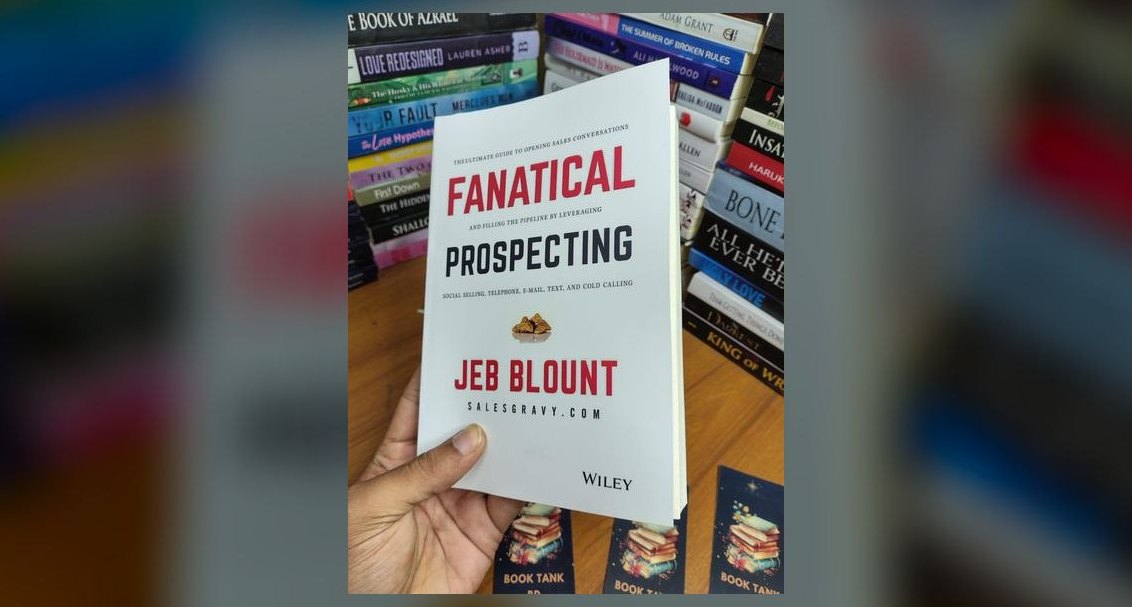 bsHow do you apply *Fanatical Prospecting* to LinkedIn outreach in 2027?
 bsHow does *Gap Selling* help you close more deals in a recession in 2027?
 bsWhat sales script does *New Sales. Simplified.* recommend for cold calls in 2027?
 bsDoes *The Psychology of Selling* still hold up for modern sales techniques in 2027?
 bsWhat’s the most actionable principle from *How to Win Friends and Influence People* for remote work in 2027?
 bsWhat’s the biggest mistake *SPIN Selling* warns against in complex B2B sales?
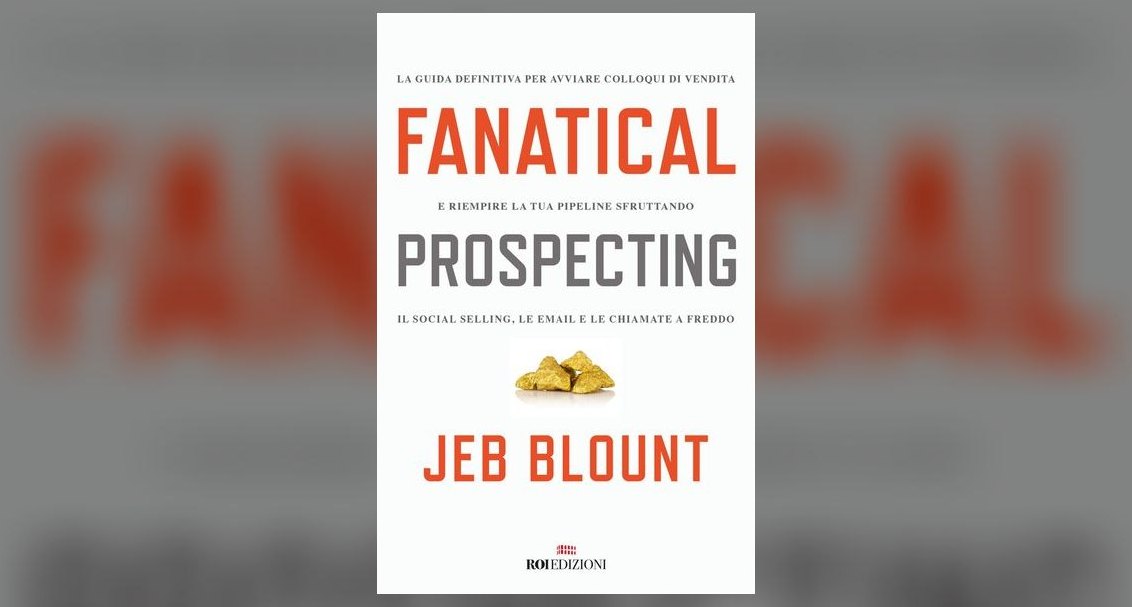 bsHow does *Fanatical Prospecting* change your daily routine for outbound sales?
 bsWhat’s the most persuasive technique from *Pitch Anything* for investor pitches?
 bsWhat’s the key insight from *The Challenger Sale* for leading a sales team in 2027?