


What is the first concrete step in The Sandler Rules by David Mattson for building a sales plan in 2027?
Quality
Certified
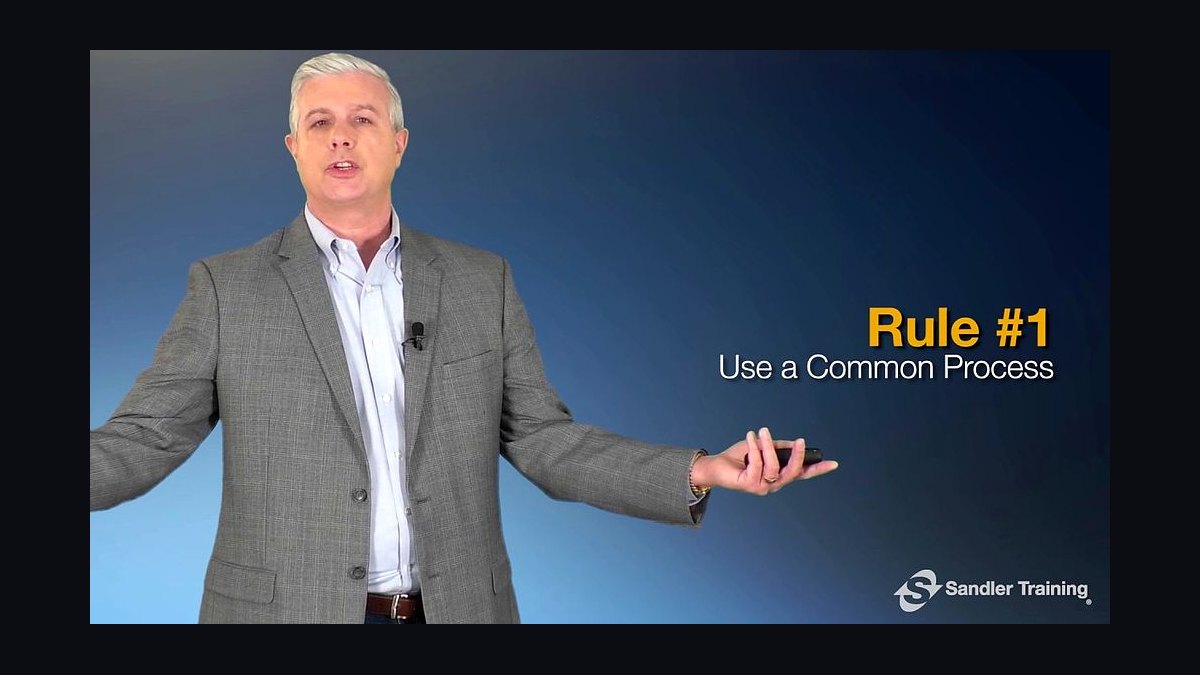
The first concrete step in The Sandler Rules by David Mattson for building a sales plan is establishing an Up-Front Contract — a mutual, spoken agreement on purpose, time, agenda, expected outcome, and what happens next — before any selling activity, discovery question, or pitch takes place. Every later rule in the Sandler system assumes this contract exists; skipping it is the single most common reason sales plans stall before they start.
The outcome you should expect
When a seller or sales organization treats the Up-Front Contract as the literal starting point of a sales plan rather than a soft nicety, the immediate outcome is behavioral, not financial: meetings stop drifting. Before Mattson's framing, most reps walk into a call, ramble through rapport, and let the prospect steer the agenda toward "just send me a proposal." After the contract becomes habitual, the seller opens every interaction — cold call, discovery meeting, demo, even an internal deal-review with their own sales manager — by naming what the meeting is for, how long it will run, what both sides will know or decide by the end, and what the honest options are afterward, including "no." That last piece is the part reps resist most, because it feels like inviting rejection. In Sandler's logic it does the opposite: it removes the buyer's need to hide behind a polite brush-off, because a real "no" has already been made socially acceptable.
Over a full sales cycle this produces a plan built on a series of small, contracted decision points rather than one big pitch at the end. A rep building a sales plan the Sandler way does not draft a 90-day territory plan and then figure out how to get meetings; they first decide what the up-front contract will sound like at each stage — prospecting call, first appointment, technical evaluation, budget discussion, decision meeting — and only then fill in the tactics for each stage. The plan becomes a chain of agreements the prospect co-signs verbally, which is why Sandler-trained reps typically report fewer stalled deals sitting in "proposal sent, awaiting response" limbo. The buyer already told the rep, out loud, what would happen if the answer was no, so there is far less ambiguity to manage.

This also changes forecast quality. A deal that has passed through three or four honest up-front contracts — each one confirming pain, budget conversation, decision process, and timeline — carries a materially different confidence level than a deal where the rep has been "checking in" without ever contracting for a real next step. Sales leaders who adopt this as the organizing principle of the plan use contract completion, not activity volume, as the leading indicator of pipeline health.
What drives that outcome
Three mechanics inside the Sandler system are what actually produce the behavior change described above, and understanding them is necessary before a rep can turn "have an up-front contract" into a repeatable habit rather than a script line.

First is the removal of "mind reading" — Sandler's term for both sides of a sales conversation silently assuming they know what the other wants without confirming it. The up-front contract forces explicit statement of intent on both sides: the seller says what they hope to accomplish, then asks the prospect what they want to get out of the same meeting, and reconciles the two before proceeding. Second is the negative reverse, a technique where the seller normalizes "no" as a legitimate outcome of the meeting rather than a failure state, which lowers the prospect's defensiveness and produces more candid answers about pain and budget. Third is behavioral consistency — Mattson's rules treat the contract as non-negotiable ritual, applied identically whether the prospect is a gatekeeper, an economic buyer, or a technical evaluator, so the rep never has to improvise the opening of a call, which is where most self-sabotage happens under pressure.
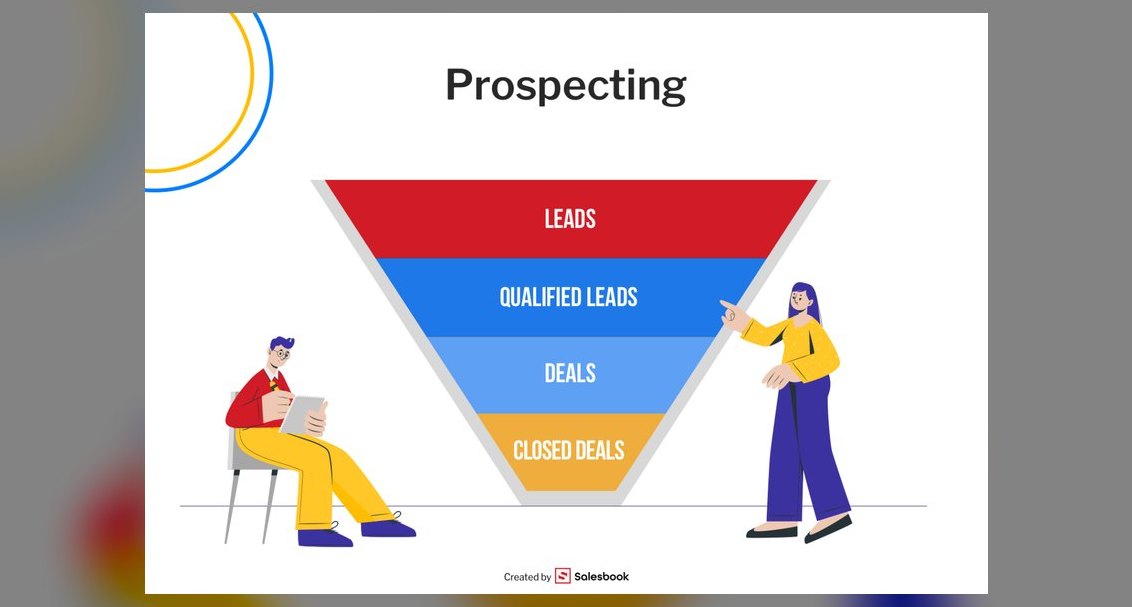
Each box in that loop is a decision the rep must build into the sales plan as a discrete, rehearsed moment rather than something left to instinct. A plan that only maps out product positioning, competitive talk tracks, and pricing tiers but never scripts the contracting language at each stage is, in Sandler's terms, not really a sales plan — it is a set of materials waiting for a process to hold them together.
Benchmarks and realistic ranges
Because the Up-Front Contract is a behavioral discipline rather than a numeric formula, the useful benchmarks are about timing and frequency rather than dollar figures. In practice, an up-front contract is negotiated in the opening minutes of an interaction — commonly within the first five to ten minutes of a discovery call — because the longer a seller waits to set the frame, the more the prospect has already set it for them by talking about features, deferring to "just send info," or steering toward a demo before pain is established.

A full sales plan built on this method typically contracts at every major transition: the initial outreach, the first live conversation, the technical or stakeholder-alignment meeting, the budget conversation, and the final decision meeting — meaning a mid-length B2B sales cycle should contain somewhere in the range of four to six explicit up-front contracts from first contact to close, not one contract at the start and silence afterward. Reps new to the discipline often contract once, at the very beginning of the relationship, and then quietly drop it as the deal advances — which is precisely the gap that produces late-stage surprises like a prospect who "goes dark" after a proposal, because no explicit next step was ever locked in at the proposal stage itself.
Sales managers coaching this behavior generally look for the contract to take no more than a minute or two of airtime per meeting — it is meant to be a crisp exchange, not a negotiation in itself. If setting the contract is consuming a disproportionate share of meeting time, that is usually a sign the rep is over-explaining or the relationship has not earned enough trust yet for a direct exchange, both of which are coachable rather than signs the technique doesn't apply.
Risks, edge cases, and failure modes
The most common failure mode is treating the up-front contract as a scripted line rather than a genuine negotiation. Reps who memorize "before we get started, I'd like to cover X, we have 30 minutes, and at the end we'll either decide Y or you can tell me it's not a fit" — and then deliver it as flat, unlistening monologue — trigger exactly the defensiveness the technique is designed to prevent. Prospects can tell the difference between a real check-in and a recited disclaimer, and a mechanical delivery reads as manipulative rather than transparent.

A second edge case is cultural or contextual mismatch. In some enterprise procurement environments, especially where a prospect is used to rigid RFP processes or where multiple stakeholders expect a more formal, vendor-led cadence, opening with "let's agree on what happens if the answer is no" can read as presumptuous or oddly informal for the room. The rule still applies, but the language needs to be adapted to the register of the audience — a technical committee responds to a different framing than a single small-business owner on a first call.
A third risk sits at the organizational level: sales leaders sometimes build a plan around the up-front contract as a compliance checkbox — requiring reps to log that a contract "happened" — without coaching the quality of the negotiation itself. This produces reps who state a time and agenda but never actually ask the prospect what they want, skipping the mutual half of "mutual agreement," which collapses the technique back into the exact one-sided pitch pattern Sandler's rules exist to prevent. Finally, reps sometimes over-apply the negative reverse, inviting "no" so aggressively or so often that a genuinely interested buyer feels pushed away — the intent is to remove pressure, not to talk a real prospect out of a real solution.
A practical rollout plan
Turning this into an organization-wide sales plan for 2027 rather than an individual habit requires a sequenced rollout, because the up-front contract only works if it is reinforced at every layer of the sales motion — training, call structure, CRM stage-gates, and coaching — rather than taught once in a workshop and left to decay.

The first stage builds a short, adaptable script for each call type in the plan — cold outreach, first meeting, technical review, budget conversation, and decision meeting — so reps are never inventing the contract on the fly. The second stage changes the mechanics of the CRM itself: a deal cannot legitimately move to the next stage unless the rep can point to the specific mutually agreed next step that was contracted, which turns the contract from a soft best practice into a structural gate. The third stage is coaching-heavy — managers listen to call recordings specifically for whether the contract was two-sided (did the rep actually ask what the prospect wanted?) and whether a clear "no" option was genuinely offered rather than implied. The fourth stage treats the percentage of meetings that end with an explicit, agreed next step as a leading pipeline metric, tracked the same way talk-time ratio or discovery-call volume might be tracked elsewhere. The fifth stage closes the loop: any deal that stalls gets reviewed specifically for where its contract chain broke, and that finding feeds back into stage-one training material for the next quarter.
Building the sales plan this way — starting from the contract rather than from territory maps or quota math — is the concrete, sequenced strategy Mattson's rules describe, and it is why the Up-Front Contract sits first in the plan rather than being treated as one tactic among many.
Related questions
What is an Up-Front Contract in Sandler terminology?
A mutual, explicit agreement — reached before substantive selling begins — on the purpose, time, agenda, and possible outcomes of a meeting, including an acceptable "no," so neither side has to guess at the other's intentions.
Why does Sandler emphasize allowing the prospect to say no?
Removing the fear of rejection lowers a buyer's defensiveness, which produces more honest answers about pain, budget, and decision authority than a buyer who feels cornered into agreement.
How is this different from a traditional sales pitch structure?
A traditional pitch leads with product and hopes for buy-in at the end; Sandler's approach negotiates the terms of the conversation itself first, then only proceeds once both sides agree on what a successful outcome looks like.
Does the Up-Front Contract apply only to the first meeting?
No — Mattson's rules treat it as a recurring behavior applied at every stage transition, from initial contact through the final decision meeting, not a one-time opening move.
What happens if a rep skips the contract at later stages?
Deals tend to stall in ambiguous "still thinking it over" limbo because no explicit next step or decision point was ever agreed to, which is the most common late-stage failure this technique is designed to prevent.
FAQ

What book introduces this rule? The Sandler Rules: 49 Timeless Selling Principles and How to Apply Them, written by David Mattson, president and CEO of Sandler Training, as a modern codification of David Sandler's original selling system.
Is the Up-Front Contract only for the first phone call? No. It is meant to be used at the start of every meaningful interaction in the sales process — prospecting calls, meetings, demos, and internal reviews — not just the initial conversation.
How long should setting the contract take? Typically only a minute or two of a meeting; it is a brief, direct exchange rather than an extended negotiation, and taking much longer usually signals over-explaining rather than thoroughness.
Can this approach work in transactional, short-cycle sales? Yes, though the contract is compressed — even a five-minute call benefits from stating purpose, time, and what happens next before diving into questions or pitching.
What is the biggest mistake reps make with this technique? Reciting it as a scripted disclaimer instead of genuinely asking the prospect what they want from the meeting, which turns a mutual agreement into a one-sided announcement.
Does building a sales plan around this rule replace the need for a pitch or demo? No — it sequences and frames those activities rather than replacing them, ensuring every pitch or demo happens inside an agreement both sides actually consented to.
Sources
- https://www.sandler.com
- https://hbr.org
- https://www.forbes.com
- https://www.inc.com
- https://www.sellingpower.com
- https://www.linkedin.com/business/sales/blog
- https://www.salesforce.com
- https://www.entrepreneur.com
Related on PULSE
- How to structure a discovery call using Sandler's pain funnel
- What is the negative reverse selling technique?
- How to qualify budget without asking about money directly
- Building a CRM stage-gate model around buyer commitments
- What makes a sales forecast unreliable at the proposal stage?
This page will be disappearing soon. Save it to your device for $1 — or read it free while it is here.
@Kory-White- · if Venmo asks, the last 4 of my number are 2012
This page is gone.
This one is off the shelf now. $1 keeps it on your phone for good — the whole page, pictures and diagrams included.
 pulse-recentHigh-Profit Prospecting by Mark Hunter — Top 10 Key Takeaways for Sales Leaders in 2027
 pulse-recentTo Sell Is Human by Daniel Pink — Top 10 Key Takeaways for Sales Leaders in 2027
 pulse-recentWhat is the first concrete step in The Sandler Rules by David Mattson for a sales leader to implement the system in 2027?
 pulse-recentThe Sales Manager’s Guide to Greatness by Kevin Davis — Top 10 Key Takeaways for Sales Leaders in 2027
 pulse-recentWhat are the first three concrete steps in Sandler Rule #1 for a new sales rep in 2027?
 pulse-recentConceptual Selling by Robert Miller and Stephen Heiman — Top 10 Key Takeaways for Sales Leaders in 2027
 pulse-recentInsight Selling by Mike Schultz and John Doerr — Top 10 Key Takeaways for Sales Leaders in 2027
 pulse-recentNever Split the Difference by Chris Voss — Top 10 Key Takeaways for Sales Leaders in 2027
 pulse-recentSelling Above and Below the Line by Skip Miller — Top 10 Key Takeaways for Sales Leaders in 2027
 pulse-booksRework by Jason Fried and David Heinemeier Hansson — Cliff Notes Summary