


Real Estate Listing Presentation — 60-Min Training
Quality
Certified

Run the listing presentation as five fixed pillars — Proof, Price, Plan, Fee, Process — in that order, with verbatim language on the three load-bearing moments, then ask for the signature at the table. A 60-minute team Training installs it: cold open, teach, self-audit, two role-plays, commitments, leave-behind. The meeting is sixty minutes; the seller appointment itself runs thirty to ninety.
The Tuesday appointment that gets lost on Friday morning
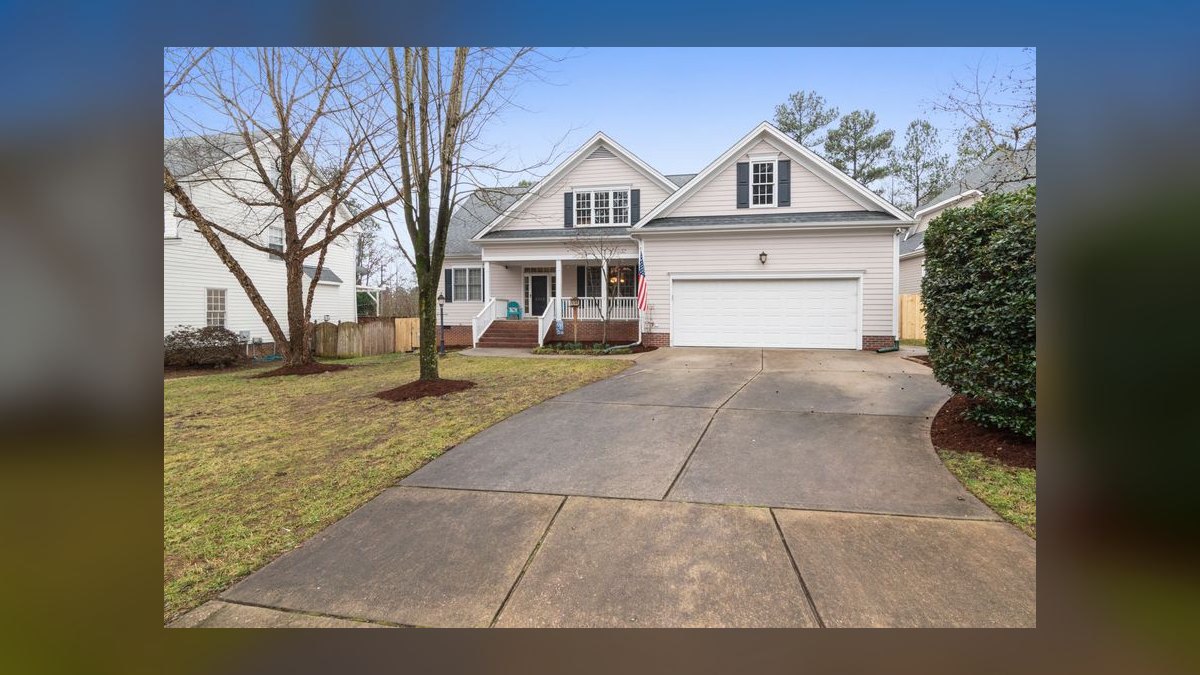
Picture the appointment your team actually loses. A late-fifties couple, an $850,000 colonial, kids out of the house, a downsizing move planned twelve to eighteen months out. They have interviewed two other agents this week — a twenty-two-year neighborhood veteran and a three-year producer from a national brand. Your agent has the Tuesday 7 p.m. slot, which is the worst slot, because the sellers are tired and the other two pitches are already sitting in their heads as reference points.
Your agent does everything a decent agent does. Laminated comps. The brokerage marketing packet. Three references from past sellers in the same zip code. The couple nods in the right places, walks them to the door, and says the thing everyone says: *we'll let you know*.
Friday morning the email arrives. *We enjoyed meeting with you, but we've decided to go with another agent who had a different approach to the new buyer-broker compensation question.*
That sentence is the whole lesson. The Listing was not lost on rapport, tenure, or commission rate. It was lost in a ninety-second window where a seller asked a hard question and your agent hedged — *well, technically the seller doesn't have to pay the buyer's agent anymore, but most still do, it kind of depends on the market* — while the competitor delivered four clean sentences with the math attached. Three months of relationship evaporated into two minutes of fumbling.
The kitchen table changed materially after August 17, 2024, when the NAR settlement terms took effect. Buyer-broker compensation is negotiated separately. Written buyer representation agreements became mandatory before touring. Compensation offers can no longer be posted in the MLS. None of that eliminated the practice of a seller offering compensation — it moved the conversation out of the fine print and onto the kitchen table, where it now has to be spoken out loud by a human being who either sounds fluent or sounds unprepared.

That is the gap this Training closes. Not confidence, not enthusiasm, not "believing in your value." A repeatable sequence with three memorized passages, drilled under pressure, audited on recordings, and re-run every quarter with fresh material harvested from actual losses. The framework does not invent anything; it makes explicit what high-producing agents have been doing intuitively and updates it for a market where the fee conversation is now the single most decisive ninety seconds in the room.
One more thing about the scenario worth naming before you run the meeting: the number in the title is the *Training*, not the appointment. The Listing Presentation itself typically runs thirty to ninety minutes at the seller's table. The meeting you run with your team is sixty minutes, hard-stopped, every block timed. Managers who blur the two end up with a ninety-minute meeting that agents stop attending by week three. And the loss pattern is not unique to residential resale — the same dynamic shows up in new construction, luxury, and commercial Real Estate sales, where a single hedged answer about fees or terms decides the engagement.
How the five-pillar sequence actually works
The framework is five pillars in fixed order. The order matters because each pillar earns the right to the next one: credibility before pricing, pricing before marketing, marketing before fee, fee before process, process before the ask. Agents who jump straight to price — which is the instinct, because it is what sellers ask about first — spend the rest of the appointment defending a number they had not yet earned the standing to give.
Proof is three lines and about ten seconds. Trailing-twelve-month volume and transaction count. Sale-to-list ratio. Average days on market, plus repeat-and-referral share if it is strong. That is the entire credibility block. The veteran failure mode here is the certification dump — GRI, CRS, SRES, ABR, e-PRO stacked on a slide. Sellers do not know what those letters mean and will not ask. Push the designations to the leave-behind and spend the ten seconds on the three numbers that map to what a seller actually fears: that you will underprice their home, that you will let it sit, and that nobody has ever worked with you twice.

Price is a range with rationale, never a single number. One number is an opinion the seller can argue with. Three numbers with day-and-dollar math attached is a framework the seller evaluates. Build it from three genuinely comparable closed sales inside sixty days, within about half a mile, within roughly two hundred square feet, within one bedroom, condition-adjusted, pulled from the regional MLS — BrightMLS, Stellar, CRMLS, MRED, NTREIS, FMLS, whatever governs your market. Not an aggregate from a consumer portal with the logo cropped off. Sellers have already seen those sites; they recognize the layout.
The pricing conversation also needs the automated-valuation gap defused *proactively*, before the seller raises it. Zillow publishes its own Zestimate error rates, and they are wider off-market than on-market — meaningfully wider in low-transaction-volume zip codes, luxury tiers, and rural or architecturally unusual properties. Naming that error band yourself, out loud, before the phone comes out of the pocket, converts an ambush into a shared reference point.
Plan is a day-numbered calendar, not a marketing philosophy. Sellers do not want to hear about your "full-spectrum digital program." They want to know what happens on Tuesday. Day one, Listing signed and the pre-MLS coming-soon goes live on the brokerage network. Days two through five, professional photography, a 3D scan, drone if the price point warrants it, virtual staging on empty rooms. MLS live on day five. Weekend open house on day six. Broker outreach through the team CRM across days seven through fourteen. Day fourteen, the first pricing checkpoint — calendared at signing, not proposed later. Name the tools. Name who pays. A generic marketing PDF identical for a $300,000 starter home and a $1.4 million executive property reads as boilerplate within four seconds.
Fee is the newest pillar and the one that decides the most Listings. It is four sentences, memorized, delivered without hedging: what you charge to represent the seller; what you recommend they offer a buyer's agent and that they are not required to; the buyer-pool math on each path; and the three structures available with your recommendation named. The reason this is verbatim rather than improvised is that it is the passage the seller will reconstruct from memory on Friday morning when they compare you against the other two agents. Everything else in the appointment is conversational. This is not.

Process is the written communication cadence — the thing sellers rank as their number-one complaint about previous agents. Photographer booked within forty-eight hours. A Friday update every Friday with showings, feedback themes, portal traffic, and a recommendation. The day-fourteen pricing review on the calendar before anyone leaves the table. "Great communication" as a phrase is worth nothing; a calendared commitment is worth the Listing.
The sequence is also the diagnostic. When a Listing is lost, the useful question is never "what went wrong" — it is "which pillar broke." That converts a vague post-mortem into a single drillable skill, and it is why the whiteboard exercise in the middle of the Training matters more than the teach that precedes it. It also makes the framework portable: the same five pillars govern a residential resale Listing, a luxury waterfront property, and a small commercial building, because every seller of professional services is asking the same five questions whether they say them out loud or not.
The sixty minutes, block by block
Six blocks, summing to exactly sixty. Write the times on the whiteboard before anyone sits down; visible timing is what keeps a Training from sprawling.
0:00–0:05 — Cold open. Do not open a laptop. Do not thank anyone for showing up on a Tuesday. Walk in, state the win-rate gap, tell one ninety-second story about a Listing this team actually lost, and stop. The first ninety seconds decide whether agents remember any of this at Thursday night's appointment. Hard stop at five minutes.
0:05–0:22 — The teach. Seventeen minutes, split. Twelve minutes on the five pillars — roughly two and a half minutes each, with one clarifying question allowed after each. Five minutes on the fee script alone: a ninety-second timer, agents in pairs, each one delivering the four lines plus a randomly assigned deflection, then switching. By the end of that five minutes every agent has delivered twice and heard twice. Do not lecture for seventeen straight minutes; the room is gone by minute nine.
0:22–0:32 — The self-audit. Whiteboard up, five pillar names written across the top. Every agent names their most recent lost Listing out loud: address, price band, who won it, which pillar broke, and what the seller said word for word. Then two numbers most agents cannot produce on demand — their trailing sale-to-list ratio and their twelve-month Listing win rate. Count to five after each prompt. The silence is the tool; someone always fills it.

0:32–0:52 — Two role-plays. Ten minutes, sixty-second reset, ten minutes. Agents pair up and switch roles between rounds. Round one is a full compressed Presentation to a skeptical couple who have already seen two agents this week and whose late-stage objection bundles commission and buyer-broker compensation into one double-barreled question. Round two is narrower and harder: an automated-valuation objection landing mid-CMA, from a solo seller emotionally anchored to a portal estimate ninety thousand dollars above the supported range, with a neighbor's sale cited as proof. Walk the room. You are listening for exactly two things: whether the fee script came out verbatim in round one, and whether the agent defused the valuation gap in round two without either caving or condescending.
0:52–0:57 — Debrief and commitments. Three questions: which pillar felt strongest, which one you skipped or fumbled, and what one verbatim change you will make at your next appointment. Then the ritual — notebook open, three lines. Line one, the next actual Listing appointment with sellers, address, price band, and date. Line two, the weakest pillar. Line three, the exact words that will change, not a description of them. Read all three aloud around the room. When an agent says "I'll be more confident on the fee question," push back immediately: *what words, exactly — say them now.*
0:57–1:00 — Leave-behind. Hand out the printed one-pager. Thirty seconds per section. Tell them where the digital copy lives and that it belongs in the Listing kit between the CMA template and the current Listing agreement. Done at the hour.
The manager brings five things: notes from the last five lost Presentations, the team's current CMA template as it actually exists, printed one-pagers, three copies of the brokerage's post-settlement Listing agreement, and a whiteboard. Do not run this meeting with a slide deck. The artifacts are the meeting.
Numbers, ranges, and benchmarks worth quoting
Managers who quote real benchmarks land the cold open harder than managers who assert. Use published industry figures — NAR's annual Member Profile and Profile of Home Buyers and Sellers, brokerage and portal research, trade coverage — and be honest with the room about which numbers are firm and which are directional.
The most useful published anchors: most sellers interview only a small number of agents before signing — frequently just one to three — which means the appointment is usually a two- or three-horse race, not a broad tournament. For-sale-by-owner accounts for a small single-digit share of transactions nationally, and NAR's seller survey has consistently shown FSBO homes selling for less than agent-assisted homes. Communication is the most-cited seller complaint about past agents, which is why the process pillar exists at all.

The win-rate ranges you will hear quoted in brokerage Training — roughly a third to half of Presentations for average agents, versus two-thirds to four-fifths for top-decile producers — are directional benchmarks from trade sources rather than a single authoritative census. Say that out loud when you present them. Agents smell a fake statistic, and one number that does not survive scrutiny costs you the other five. What is not directional is the arithmetic on your own team: pull each agent's actual Presentations-run and Listings-won from the last twelve months. That number is real, it is theirs, and it is uncomfortable in a productive way.
Run the leverage math live on the whiteboard, because it reframes the hour as a revenue exercise rather than a soft-skills exercise. An agent running fifteen Presentations a year at a forty percent win rate takes six Listings. The same agent at seventy percent takes ten or eleven. That is a seventy-percent lift in Listing inventory without a single additional lead, without a dollar of additional marketing spend, and without a change in commission rate. On a median-priced home in most markets, four extra Listings is a materially different year. Lead generation costs money every month; conversion discipline costs one hour a quarter.
Sale-to-list benchmarks are market-dependent and should be pulled locally, not asserted from a national figure. In a balanced market, Listings priced inside the CMA-supported range generally sell faster and closer to list than Listings priced well above it, and stretched Listings typically require reductions and often close below where a market-rate list would have landed. Pull the last twelve months in your own zip codes from the MLS and build the table yourself — a local table with your own MLS as the source is unarguable at a kitchen table in a way a national average never is.
On buyer-broker compensation, the honest posture is that post-settlement patterns are still settling and vary substantially by market, brokerage, and price band. Do not quote a national percentage you cannot source. Do pull your own market's recent closed transactions and tell sellers what you actually see locally. "Here is what the last sixty closings in this zip code did" is both more accurate and more persuasive than any national figure, and it is defensible if the seller's brother-in-law is an attorney.

Automated valuation accuracy is one place where a hard number is available and citable, because the portals publish their own error rates. Zillow states median error for the Zestimate separately for on-market and off-market homes, and the off-market figure is several times larger. Read the published number to the seller from the source page on your tablet. Handing a seller the portal's own disclosure is a fundamentally different move than telling them the portal is wrong.
Finally, track three signals ninety days after the Training: cohort win rate, sale-to-list ratio, and the share of recorded Presentations where the fee script was delivered verbatim. The third one is the leading indicator. It moves first, it is fully within the agent's control, and it predicts the other two.
Trade-offs, alternatives, and when to run something else
The five-pillar sequence is not universally correct. It assumes a competitive Listing appointment against other agents in a functioning market, and it degrades in predictable ways outside those conditions.
Repeat clients signing on relationship. Running a full proof block on a ten-year client is performative and slightly insulting. Compress to price, fee, and plan. The relationship already carries proof and process; spending ten seconds proving yourself to someone who has already used you twice signals that you were not paying attention.
Off-market and pocket Listings. The plan pillar assumes a public MLS rollout, and it collapses entirely when the seller wants discretion. The conversation becomes buyer-network strategy, pre-market exposure trade-offs, and an honest accounting of what limited exposure costs in final price. Fee and process still apply, unchanged.
Distressed sellers. Probate, divorce, pre-foreclosure. The emotional reality outranks the framework every time. Lead with process and patience. The fee math conversation frequently needs to wait for a second meeting, and pushing it in the first is how agents get remembered badly in a small market.
Runaway seller's markets. When homes sell in four days over list, sellers discount pricing rigor and marketing calendars because the market appears to be doing the work. Proof and fee still carry. Plan compresses to a five-day calendar. Be careful, though: agents who build habits in a runaway market are the ones who get destroyed when it normalizes, because they never learned to defend a price.
Commercial, land, and new construction. The adjacent asset classes share the skeleton but not the contents. A commercial Listing Presentation replaces the CMA with income analysis — cap rate, net operating income, comparable rent rolls — and the fee structure is negotiated on entirely different norms. Land Listings have thin comparable data and a marketing plan built around use potential and entitlement risk rather than photography. Builder representation is a multi-Listing relationship where price is set by a pro forma. Recognizing that the pillars translate but the artifacts do not is what keeps a residential agent from embarrassing themselves in a commercial pitch.
Alternatives to the whole approach. Some teams run a deck-based Presentation, some run a pre-appointment video and a short in-person close, some run a two-visit model — walkthrough first, CMA delivered at a second appointment after real research. The two-visit model measurably improves pricing accuracy because the agent is not guessing a number in the driveway, but it loses appointments to same-night closers when a seller is interviewing three agents in one week. The pre-appointment video model shortens the in-person time and pre-answers the fee question, which works well with younger sellers and poorly with sellers who equate face time with commitment. Pick deliberately, and know what you are trading.
Pitfalls that quietly kill the rollout
Ten failure modes account for nearly every version of this Training that stops working by week four. Name them out loud in the meeting so agents recognize the pattern before it costs a Listing.
Improvising the fee conversation. The hedge — *well, technically you don't have to* — reads to a seller as an agent who has not caught up to the market. Fix: record the agent delivering the four lines three times consecutively while the manager plays an increasingly skeptical seller. Repeat weekly until it is reflex rather than recall.
A portal printout masquerading as a CMA. Sellers looked at those sites before your agent arrived. They recognize the layout instantly, and the credibility loss is silent — nobody says anything, they just choose the other agent. Fix: audit every agent's CMA artifact this week and rebuild three from raw MLS data.
Price as a single number. It converts the appointment into a negotiation the agent cannot win, because the seller's number is emotional and the agent's is arithmetic. Fix: rewrite every price delivery as three numbers with day-and-dollar consequences attached to each.

A boilerplate marketing PDF. The same document for a starter home and an executive property tells the seller they are receiving a form response. Fix: build three or four plan templates by price band, with genuinely different photography counts, media, and spend.
Certification dumps in place of proof. Sellers do not decode designation acronyms. Fix: three lines, ten seconds, designations relegated to the leave-behind.
"Great communication" with no cadence attached. Every competing agent says it, so it carries zero information. Fix: write the Friday update and the day-fourteen review into the Listing agreement itself, where it becomes a commitment rather than a claim.
Trashing the competing agent. Sellers translate "she's not very good" into "he's insecure," and it lingers. Fix: name competitors respectfully, acknowledge what they do well, then pivot to specific math about this house.
Matching a discount broker's rate on the spot. Instant matching tells the seller the original number was theater and that everything else may be too. Fix: drill the response that asks which specific plan services the lower quote is cutting — usually photography, 3D capture, or broker outreach — so the comparison becomes service-level rather than price-level.
Skipping the ask. Agents run four excellent pillars and then close with "let me know what you think," which converts a decision into a deferral, and deferrals lose to whoever asks directly. Fix: drill a specific verbatim close that offers the seller two clean options — sign tonight, or a definitive answer by morning either way.
No manager audit. This is the one that kills the rollout rather than a single Listing. Un-coached Training decays within weeks; skills that are not inspected revert to whatever the agent did before. Fix: one recorded Presentation per agent per week, marked for which pillars were delivered versus fumbled, followed by a five-minute re-drill inside the one-on-one. The recording review is the entire mechanism. Everything upstream of it is preparation.
Two structural pitfalls worth flagging separately. First, running this once and considering it installed — re-run it every ninety days with fresh lost-Listing material rotated into the role-plays, and on the third pass swap in harder archetypes: the downsizing dual-income couple, the widowed solo seller anchored to a portal estimate, the friend-with-a-license discount challenger. Second, letting the meeting run long. Sixty minutes with visible block times keeps attendance; seventy-five minutes with a sprawling teach section quietly ends the program by the second month.

Also worth handling directly: the objection that verbatim language feels inauthentic. Roughly ninety seconds of a forty-five-minute appointment are scripted — the proof block, the price framing, and the fee conversation. The other forty-three minutes are entirely conversational. Nobody is asking anyone to be a robot. They are asking that the three sentences the seller will replay on Friday morning be the sentences the agent chose in advance rather than the ones that happened to come out under pressure. In a high-stakes sales conversation, the agent who decided their words in advance beats the agent who is more experienced but improvising, every time.
Related questions
How is this different from a buyer consultation?
Same skeleton, different load-bearing pillar. A buyer consultation now centers on the written representation agreement and how the buyer's agent is compensated when a seller offers little or nothing. Proof and process translate directly; price becomes affordability and offer strategy rather than a CMA.
Should the CMA be delivered at the appointment or beforehand?
Delivering at the table preserves the narrative and lets you frame the range before the seller anchors elsewhere. Sending a preliminary range beforehand pre-qualifies expectations and reduces wasted appointments, but you lose control of the reveal and the seller often shops your number.
What if the seller insists on a price above the supported range?
Offer a bounded test rather than a flat refusal — list at their number with a firm, calendared review date and pre-agreed adjustment criteria. Put both the date and the criteria in writing at signing so the day-fourteen conversation is a scheduled checkpoint, not a confrontation.
How do you adapt the Training for a solo agent with no team?
Record yourself delivering all five pillars, then listen for hedges, filler, and skipped blocks. Trade role-plays with one peer at another brokerage monthly. The manager audit becomes a peer audit, which is weaker but far better than no inspection loop at all.
Does this framework apply outside residential Real Estate?
The shape transfers to any high-stakes single-meeting sale — commercial brokerage, wealth management, agency pitches. Proof, price, plan, fee, and process are the same five questions every buyer of professional services asks. Only the artifacts and the fee norms change.
FAQ

How long should the actual Listing Presentation run at the seller's table?
Thirty to ninety minutes depending on price band and how many agents the seller is interviewing. The walkthrough and rapport portion frequently takes as long as the structured Presentation itself, and cutting it to save time is a common error — sellers decide on trust and then look for reasons.
Which pillar should a struggling agent fix first?
Proof, because it is fixable tonight — pull the trailing twelve-month numbers from the brokerage dashboard and write three lines. Fee is more consequential but takes weeks of drilling. Fixing the cheap one first builds momentum and makes the harder drill more tolerable.
Do we need every agent's numbers on the whiteboard, including the underperformers?
Yes, and it is the most uncomfortable ten minutes of the hour. Public numbers convert a private suspicion into a shared coaching agenda. If the culture cannot survive it, run the audit privately first and bring anonymized patterns to the group meeting instead.
What if the brokerage's Listing agreement has not been updated post-settlement?
Stop and fix that before running the Training. Teaching a fee conversation the paperwork does not support creates compliance exposure and confuses agents about what they can actually offer. Bring the current agreement to the meeting and read the compensation section aloud.
How do we handle a seller who wants to offer nothing to the buyer's agent?
Present the trade-off honestly using your own local closed-transaction data, name the structures available, recommend one, and then list it however the seller decides. It is their asset and their call. Document the conversation and the instruction in writing.
Is it worth recording Listing Presentations, and how do you get seller consent?
The recordings are the coaching mechanism, so yes. Consent requirements vary by state — some require all-party consent — so check your state's rule and your brokerage's policy first. Where recording is impractical, a manager riding along as a silent observer gets most of the value.
Sources
- https://www.nar.realtor/research-and-statistics — National Association of REALTORS research and statistics hub
- https://www.nar.realtor/research-and-statistics/research-reports/highlights-from-the-profile-of-home-buyers-and-sellers — NAR Profile of Home Buyers and Sellers
- https://www.nar.realtor/magazine/real-estate-news — NAR news coverage of practice changes
- https://www.zillow.com/z/zestimate/ — Zillow's published Zestimate methodology and error rates
- https://www.zillow.com/research/ — Zillow Research data and housing market reports
- https://www.redfin.com/news/data-center/ — Redfin Data Center, market-level housing statistics
- https://www.realtor.com/research/ — Realtor.com economic research and inventory data
- https://www.inman.com/ — Inman, Real Estate industry trade coverage
- https://www.consumerfinance.gov/owning-a-home/ — CFPB homebuying and closing-cost guidance
- https://www.hud.gov/topics/buying_a_home — HUD homebuying resources
Related on PULSE
- How to structure a discovery call that earns the second meeting
- Objection handling: the four deflections that decide most deals
- Pricing conversations: why a range beats a number
- Building a manager coaching loop that survives past week four
- Role-play design: making practice harder than the real appointment
- Commission and fee conversations after a market rule change
This page will be disappearing soon. Save it to your device for $1 — or read it free while it is here.
@Kory-White- · if Venmo asks, the last 4 of my number are 2012
This page is gone.
This one is off the shelf now. $1 keeps it on your phone for good — the whole page, pictures and diagrams included.
 sales-trainingLuxury Home Listing Pitch — 60-Min Training
 starting-a-businessHow do you start a real estate brokerage in 2027?
 sales-trainingSelling to a CISO Without the FUD — 60-Min Training
 sales-trainingWedding Venue Tour — 60-Min Training
 sales-trainingMortgage Originator — 60-Min Training
 sales-trainingMed Spa Consult-to-Package Conversion — 60-Min Training
 sales-trainingRestaurant Supply — 60-Min Training
 sales-trainingAutomotive F&I — 60-Min Training
 sales-trainingFinancial Advisor — 60-Min Training
 sales-trainingGym Tour and Same-Day Close — 60-Min Training