


Med Spa Consult-to-Package Conversion — 60-Min Training
Quality
Certified
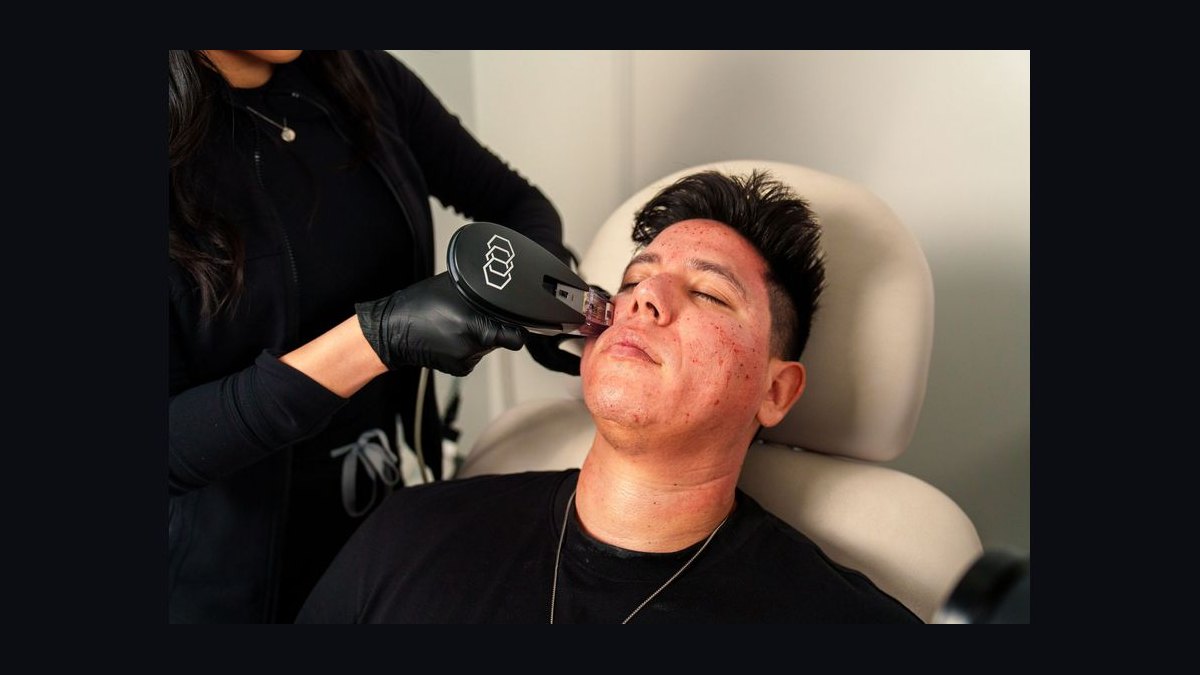
Med spa consult-to-package conversion hinges on running a disciplined five-stage consult — GOAL, MIRROR, MAP, MOMENTUM, MEMBERSHIP — while addressing TRUST, TIME, and TREASURE before asking for the booking. Top-quartile spas convert 75–85% of consults into packages averaging $3,000–$8,000; bottom-quartile spas convert under 40%, usually because they treat the consult as a free clinical workup rather than a sales conversation.
What consult-to-package conversion is and why it matters
Consult-to-package conversion is the percentage of patient consultations that end with a signed, multi-modality treatment plan — not a single-syringe transaction, not a printed PDF the patient takes home to "think about." In medical aesthetics, this single metric separates a $1.9M location from a $4M location, because the clinical skill of the injector is largely identical across the market. What differs is whether the injector builds the full plan the patient's face actually needs, sequences it against her calendar, offers financing before she objects, and books the first treatment the same day.
The economics are stark. A med spa injector running 12 consults per week at a 42% conversion rate and a $650 average ticket produces roughly $3,275 per week. The same injector at 72% conversion and a $3,400 average package produces roughly $29,400 per week — nearly nine times the revenue from the same patient flow and the same clinical hours. That gap is not a pricing problem, a product problem, or a lead-generation problem. It is a Training problem, and it is fixable inside a single 60-minute team meeting.

Why does the consult matter more than anything downstream? Because in aesthetics, the consult IS the close. There is no procurement cycle, no committee, no RFP. The patient is sitting in a chair, in a robe, looking at her own face, with a credit card in her purse and a decision window measured in minutes. If she leaves without a plan, she does not "think about it" in the abstract — she opens Instagram, sees a competitor's before-and-after, and books there. Industry benchmarks consistently show that roughly three-quarters of "I'll think about it" patients purchase the same or similar plan elsewhere within 90 days. The consult that ends in a PDF is not a neutral outcome; it is an active handoff of revenue to a competitor.
This is also why the discipline must be named and repeatable. "Be more consultative" is not a Training. "Run GOAL, then MIRROR, then MAP, then MOMENTUM, then MEMBERSHIP, and address TRUST, TIME, and TREASURE before you ask for the booking" is a Training — it can be taught, role-played, audited in the EMR, and coached in a one-on-one. That specificity is the entire point of the 60-minute format: it installs a named Conversion discipline that survives contact with a nervous patient and a busy Tuesday.
The step-by-step process

The consult itself runs on a 45-minute clock, and the five stages map cleanly onto it. GOAL takes the first five minutes: surface the result the patient wants in the mirror, in her own words, before any clinical assessment and before any product name is spoken. MIRROR takes the next five: hand her a physical mirror, ask her to point at what she sees, and reflect it back in her language. MAP takes eight minutes: build the full multi-modality plan, sequenced against her timeline, with one clean total. MOMENTUM takes five: book the first treatment same-day, run financing on a tablet in 90 seconds, and calendar the next two visits. MEMBERSHIP takes the final four: offer the 12-month maintenance plan only after the package has booked.
The critical sequencing rule is that financing belongs at MAP, not at the front desk, and membership belongs at Stage 5, not at Stage 1. An injector who pitches membership in the first ten minutes reads as a gym membership salesperson and loses the room. An injector who waits until checkout to mention that a $3,400 package can be financed at $283 per month has already let the patient's sticker shock calcify into a "no."

The 60-minute Training meeting that installs this runs on its own clock: Cold Open 5 minutes, Teach 17 minutes, Discussion 10 minutes, two role-plays 20 minutes, Debrief and commitments 5 minutes, leave-behind walkthrough 3 minutes. Those blocks sum to exactly 60. The most common overrun risk is the Teach block; if you hit minute 24 and you are still teaching, cut a role-play deflection rather than relabeling the meeting. The meeting clock and the patient consult clock are different clocks, and confusing them is the fastest way to a Training that nobody remembers by Thursday.
The Teach block itself splits into two halves. The first twelve minutes cover the five stages with verbatim scripts and the specific trap at each stage. The second five minutes cover the three reasons people do not book today — TRUST, TIME, and TREASURE — with a script for each. The end-of-section test is simple: every injector in the room can recite all five stages and all three Reasons, with the verbatim cues, without notes. If they cannot, you have taught a lecture, not a Training.
Costs, timelines, and typical ranges
The financial benchmarks matter because they make the cold open land. The US med spa market exceeds $20 billion across roughly 10,000 locations, with average single-location revenue near $1.97 million and an average treatment ticket around $585. Industry-median consult-to-treatment conversion sits near 63%, with top-quartile spas at 75–85% and bottom-quartile spas under 40%. The delta between top and bottom quartile, at identical clinical skill and identical pricing, is 35–45 percentage points — and it is driven almost entirely by package depth and consultative discipline.

On package size, the ranges are well established. A first-time patient in her 40s who walks in asking for "just a little Botox between the eyes" is typically a $2,800–$3,600 starter when the injector builds tox to three areas, one syringe of HA filler in the nasolabial folds, and a three-treatment microneedling series. A first-time patient in her 50s with mid-face descent runs $3,800–$5,200. A returning patient in her late 50s going through a life shift — divorce, dating again, a milestone birthday — runs $7,500–$9,500 when the plan stacks four syringes of filler, a Sculptra series, Morpheus8 face and neck, and continued neuromodulator.
Timelines matter as much as totals, because TIME is one of the three Reasons. Neuromodulator has no downtime, onset at three to seven days, peak at ten to fourteen days, and a bruising risk of 5–10%. HA filler in the mid-face has mild swelling for 24–48 hours and a bruising risk of 15–25%, with immediate visible result. Lip filler swells for 48–72 hours and carries a 25–35% bruising risk. Sculptra builds over four to twelve weeks per session and peaks around month six. Morpheus8 leaves skin pink for 24–48 hours and builds over 90 days. An injector who says "minor downtime, you'll be fine" loses the booking; an injector who maps each modality to the patient's actual calendar date wins it.
On financing, roughly 50–65% of packages above $3,000 are financed, and offering Cherry, CareCredit, or PatientFi at the consult lifts conversion by 18–30 percentage points. On membership, annual lifetime value for a single-visit transactional patient sits near $1,200–$1,800, while a standard member at $199–$279 per month produces $3,800–$4,800 annually and $22,000–$26,000 over five years. Membership attach above 25% is the threshold that separates a healthy med spa from a fragile one.
Where teams get it wrong

The single most common failure is the clinical-mode-only consult: a beautiful assessment, accurate recommendations, a printed PDF, and "take this home and think about it." This is the industry-standard behavior and the industry-lowest-converting one. Roughly three-quarters of those patients buy the same plan at a competing spa within 90 days.
The second failure is recommending only what the patient asked for. If she asks for glabellar tox and her clinical picture supports tox plus filler plus a microneedling series, treating only the glabella is not conservative — it is a duty-of-care failure that leaves $2,800–$5,000 on the table and delivers a worse result than she could have had.
The third failure is never offering financing at the consult. An injector who waits until the front desk to mention payment options has already lost the mid-tier patient who could have approved $5,000 at $283 per month in 90 seconds. Financing is the enabling tool, not the close, and it belongs at MAP.
The fourth failure is pitching membership too early. "Before we talk treatment, let me tell you about our membership" produces the same checkout energy as a gym pitch. Membership belongs at Stage 5, after the package books, where it reads as protecting an investment rather than extracting a commitment.

The fifth failure is the emotional block — "I don't want to be pushy." This is the most common internal objection among RN-injectors who came out of ICU or hospital nursing. The reframe is direct: "pushy" is recommending what the patient does not need; recommending what her clinical picture and her stated goal require is duty of care. An incomplete plan means she buys a worse version elsewhere.
The sixth failure is pointing at her face with a finger instead of handing her a mirror. Pointing reads as critique, spikes defensiveness, and drops MAP conversion by roughly a quarter. The mirror moves the consult from "the injector is judging my face" to "we are looking at this together," and it gives the injector permission to address areas the patient did not come in for.
The seventh failure is discounting instead of restructuring. When a patient says "more than I expected," the panic response is 15% off. That trains negotiation on every future visit and erodes brand. The correct move is to restructure — phase the plan over two to six visits, surface Allē or Aspire rewards, or offer financing — never to discount the procedure.
The eighth failure is treating a patient with body dysmorphic disorder signals. Inability to describe a satisfaction outcome, three or more spas in six months with dissatisfaction, requests beyond clinical norms, and celebrity-photo matching are all red flags. Treating is a guaranteed unhappy outcome, a one-star review, and a potential state-board complaint. Decline and refer to a mental health professional.
The ninth failure is promising perfection. "You'll look ten years younger" sets up disappointment. "More rested, yourself on your best day" manages expectations at MAP and protects the review.
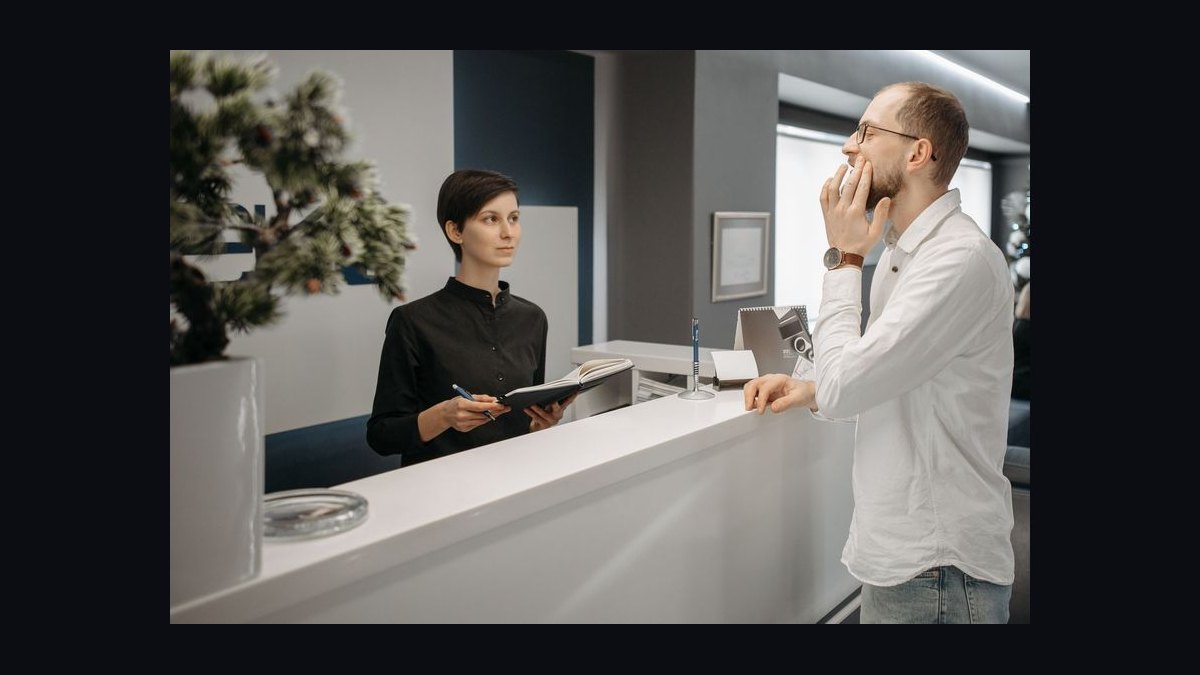
The tenth failure is running returning patients on autopilot. "Same as last time?" misses divorce, dating, GLP-1 weight loss, and milestone birthdays. Auto-pilot returning patients generate under 40% of their addressable spend.
The eleventh failure is opening the Allē or Aspire rewards screen in the first five minutes. That turns the consult into a coupon transaction and positions the conversation around price instead of result. Rewards belong at MOMENTUM and TREASURE.
The twelfth failure is the owner not auditing EMR consult notes weekly. This kills 60–75% of rollouts, and un-coached injectors revert to single-product pitching within roughly 30 days. One under-converted consult per injector per week, reviewed in the one-on-one, is non-negotiable.
Decision framework: when to choose what
Not every consult calls for the same package depth, and the framework has to flex. The decision tree below maps the four most common consult archetypes to the appropriate plan depth and the specific Reason most likely to block the booking.
The rule of thumb: three modalities is the sweet spot for a first-time package. One modality reads as a transaction; five or more reads as an upsell and overwhelms. Three modalities, sequenced against the patient's own timeline, with one clean total, is what converts at 70% or better.
For the owner deciding when to re-run the Training, the cadence is every 90 days with fresh under-converted consult audits. Rotate the role-play archetypes each cycle — male aesthetics patient, GLP-1 volume-restoration consult, postpartum body and face refresh, bridal six-month prep, perimenopausal facial aging, and the 65-plus patient who is still dating. Each archetype surfaces a different blocking Reason and keeps the scripts sharp.
Related questions
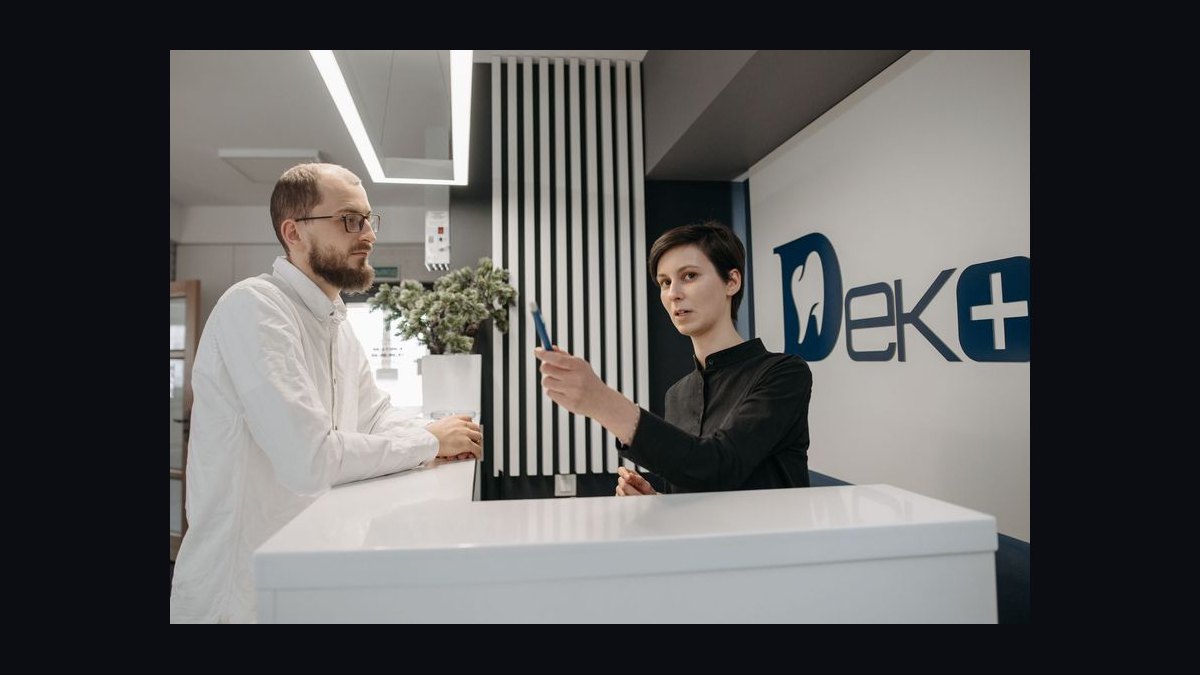
How long should a med spa consult actually run?
Forty-five minutes is the working target for a multi-modality candidate. Twenty-five-minute consults convert at 35–45% to a $480 ticket; 45-minute consults convert at 70% or better to a $3,000–$8,000 package. The math favors the longer consult on every patient whose clinical picture supports more than one modality.
What is the single biggest predictor of conversion lift?
The weekly EMR consult-note audit. Owners who pull one under-converted note per injector per week and review it in the one-on-one see 90-day cohort conversion lift that owners who skip the audit do not. Un-coached injectors revert to single-product pitching within roughly 30 days.
Is financing really a conversion lever or just a payment option?
Both, and the data is unambiguous. Roughly 50–65% of packages above $3,000 are financed, and offering Cherry, CareCredit, or PatientFi at the consult lifts conversion by 18–30 percentage points. Waiting until the front desk to mention financing is the single most common way mid-tier packages are lost.
When should membership be offered?

At Stage 5, after the package has booked — never in the first ten minutes. Membership pitched before the pain point is established reads as a gym pitch and drops conversion by 60% or more. Pitched after the package books, it reads as protecting the investment and attaches at 25% or better.
Can an injector who hates sales run this framework?
Yes, and that is the point. The framework is a clinical discipline, not a sales script. Building the right plan, offering financing, and booking same-day is better clinical care than treating the consult as a workup. The reframe from "selling" to "duty of care" is what unlocks RN-injectors who came out of hospital nursing.
FAQ
What is a good consult-to-package conversion rate for a med spa? Industry median sits near 63%. Top-quartile spas convert 75–85% of consults into packages averaging $3,000–$8,000. Bottom-quartile spas convert under 40%, usually because they treat the consult as a free clinical workup and send the patient home with a printed PDF.
How much does a typical med spa package cost? First-time patients in their 40s typically land at $2,800–$3,600 for a three-modality starter. Patients in their 50s with mid-face descent run $3,800–$5,200. Returning patients going through a life shift run $7,500–$9,500 for a full five-modality, six-month transformation plan.

Why do patients say "I'll think about it" and never come back? Because "I'll think about it" is patient code for "you did not give me enough information to decide." Roughly three-quarters of those patients buy the same plan at a competing spa within 90 days. The fix is addressing TRUST, TIME, and TREASURE before asking for the booking.
Should financing be offered before or after the treatment plan is presented? At MAP, before the TREASURE objection surfaces. Offering financing at the consult lifts conversion by 18–30 percentage points. Waiting until the front desk to mention payment options is the most common way mid-tier packages are lost.
How often should a med spa re-run this training? Every 90 days, with fresh under-converted consult audits and updated industry benchmarks. Rotate the role-play archetypes each cycle so injectors practice different patient profiles and different blocking Reasons. Un-coached injectors revert within roughly 30 days.
What should an owner bring to the 60-minute training meeting? Three recent under-converted consults per injector, the current treatment plan template, the financing enrollment workflow, 12-month membership pricing, the last 90 days of conversion and per-injector ticket data, and a whiteboard to score each injector's last under-converted consult by which stage collapsed.
Sources
- American Med Spa Association (AmSpa) State of the Industry: https://americanmedspa.org/
- American Society of Plastic Surgeons (ASPS) Procedural Statistics: https://www.plasticsurgery.org/news/plastic-surgery-statistics
- American Society for Dermatologic Surgery (ASDS) Annual Survey: https://www.asds.net/
- RealSelf "Worth It" Ratings: https://www.realself.com/
- U.S. Bureau of Labor Statistics, Nurse Practitioners Outlook: https://www.bls.gov/ooh/healthcare/nurse-anesthetists-nurse-midwives-and-nurse-practitioners.htm
- Allergan Aesthetics Allē Loyalty Program: https://www.alle.com/
- CareCredit Healthcare Financing: https://www.carecredit.com/
- Cherry Payment Plans: https://www.withcherry.com/
- PatientFi Aesthetic Financing: https://patientfi.com/
Related on PULSE
- Med Spa Membership Program Design — Pricing, Attach Rate, and LTV
- Aesthetic Consult Scripts — Verbatim Language for GOAL, MIRROR, MAP
- Financing Enrollment Workflow — Cherry, CareCredit, PatientFi in the Consult Room
- EMR Consult-Note Audit — The Weekly Owner Ritual That Lifts Conversion
- Role-Play Library — Twelve Patient Archetypes for Aesthetic Sales Training
- Med Spa Front Desk Handoff — Eliminating Checkout Surprises After the Package Books
This page will be disappearing soon. Save it to your device for $1 — or read it free while it is here.
@Kory-White- · if Venmo asks, the last 4 of my number are 2012
This page is gone.
This one is off the shelf now. $1 keeps it on your phone for good — the whole page, pictures and diagrams included.
 sales-trainingMortgage Originator — 60-Min Training
 sales-trainingConstruction Equipment — 60-Min Training
 sales-trainingAutomotive F&I — 60-Min Training
 sales-trainingSelling to a CISO Without the FUD — 60-Min Training
 sales-trainingTitle Insurance — 60-Min Training
 sales-trainingRoofing Storm Door-Knock After Hail — 60-Min Training
 sales-trainingPharma HCP Detailing — 60-Min Training
 sales-trainingGym Tour and Same-Day Close — 60-Min Training
 sales-trainingSolar Door-to-Door — 60-Min Training
 sales-trainingReal Estate Listing Presentation — 60-Min Training