


2027 NIL Go-to-market Strategy FOR Southeastern Louisiana D1 College — 60-Min Training
Quality
Certified

A 2027 NIL go-to-market strategy for a Southeastern Louisiana–sized D1 program means treating collective revenue like a sales pipeline: define three to four sponsorship tiers, assign named owners, log every donor and athlete offer in one CRM, and gate public commitments on compliance sign-off. Run a 60-minute weekly working session to keep it inspectable.
The outcome you should expect
The realistic outcome of standing up this operating model is not a bidding war won against SEC budgets. It is predictability. A mid-major program in the Southland footprint — Southeastern Louisiana is the archetype here — is not going to out-raise a P4 collective, and any strategy premised on that is a fantasy that burns donor goodwill in eighteen months. What a disciplined go-to-market motion actually produces is a known number, a known renewal date, and a known allocation rule, so the coaching staff can recruit against a budget instead of against a rumor.
Concretely, the outputs you should see within one full cycle are these. First, a single source of truth: every donor, local business sponsor, and athlete agreement lives in one CRM object with a stage, an amount, an owner, and a next-touch date. Second, a tiered offer sheet the collective GM can hand to a position coach without a phone call — say, a roster-wide baseline, a starter tier, and a small number of difference-maker allocations, each with a written activation requirement (appearances, social posts, camp instruction) so the deal is a real commercial agreement and not a disguised inducement. Third, disclosure hygiene: every agreement over the reporting threshold submitted through the school's compliance workflow before it is announced, never after.
The behavioral change matters more than the artifact. When offers live in group texts, three people promise four different numbers to the same recruit and the program finds out during a portal window, at the worst possible leverage moment. When they live in a pipeline, the athletic director can open a dashboard on a Tuesday and see committed dollars, uncommitted dollars, and expiring agreements. That is the same discipline a B2B sales org applies to a forecast, and it transfers cleanly because the underlying problem is identical: distributed promises, no shared ledger, quarter-end surprise.

Expect the first two months to feel slower than the group-text era. That is the cost of instrumentation. The payoff shows up in renewal season, when you can tell a local car dealership exactly what their $15,000 bought — impressions, appearances, camp hours — instead of asking them to re-up on affection alone.
What drives that outcome
Four inputs drive whether this works, and they compound in a specific order.
Donor segmentation. Most mid-major collectives discover that a small fraction of donors carry a large share of the dollars, with a long tail of $50–$500 annual supporters. Those are two entirely different go-to-market motions. The major-gift tier is relationship sales — quarterly in-person, custom activation, direct line to the collective GM. The tail is subscription marketing — recurring monthly billing, automated receipts, an email cadence, and near-zero human touch per dollar. Running the tail through the major-gift motion is how collectives burn their staff out; running majors through the automated motion is how they lose them to the school across the river.

Local business inventory. This is the underused asset at a school like Southeastern Louisiana. A regional program sits inside a real commercial community — banks, dealerships, healthcare systems, restaurant groups, insurance agencies — and those businesses buy athlete endorsements for the same reason they buy radio spots: local reach. That is a sellable product with defensible pricing, and it does not depend on beating anyone's budget. It depends on packaging.
Allocation policy. Decide in writing, before the season, how dollars split across sports and roster positions. Written policy survives a losing streak; verbal policy does not.
Compliance posture. With revenue sharing and the associated clearinghouse review of third-party deals now part of the landscape, the operating assumption should be that any material agreement will be inspected for a legitimate business purpose and market-rate compensation. Build the documentation as you go, because reconstructing it later is where programs get hurt.
The loop closes at renewal. A collective that cannot show a sponsor what they received has to re-sell from zero every year, which is the single most expensive failure mode in this whole model. Activation logging is not administrative overhead — it is the entire retention engine.
Benchmarks and realistic ranges
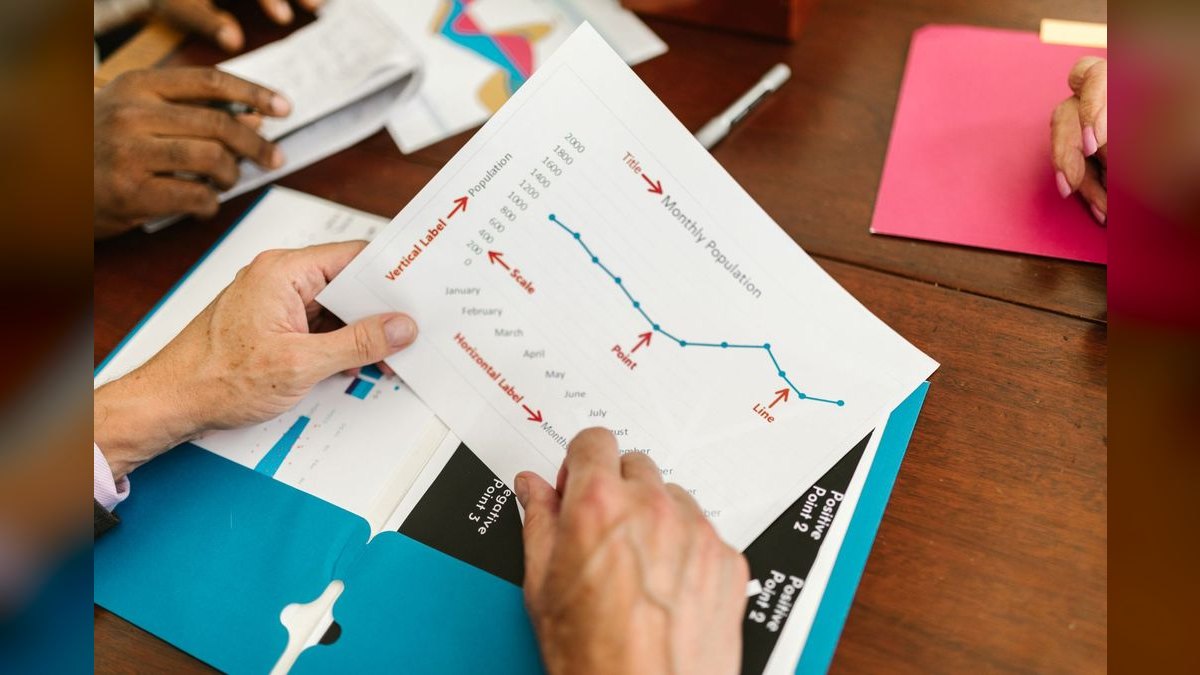
Be careful with numbers here, because the public NIL data landscape is noisy and self-reported. What follows is framing, not a promise, and every program should calibrate against its own audited figures.
The structural fact worth planning around: the House settlement established a revenue-sharing pool for schools that opt in, with a cap in the low-$20-million range per school for the first year and scheduled annual escalation. Power-conference programs opt in and fund near the cap. Most Southland-tier programs do not have that revenue base, which means the practical mid-major posture is partial or no revenue sharing plus a collective and local-business strategy carrying the load.
That reframes the goal. Do not benchmark against a P4 football roster budget. Benchmark against three things you control:
Donor retention rate. Year-over-year retention on recurring donors is the metric that predicts whether you have a program or a fundraiser. Nonprofit fundraising broadly sees first-year donor retention well below half and multi-year retention substantially higher — the same shape applies here. Your operating goal is moving first-year supporters into a second year, because the second gift is where lifetime value actually lives.

Cost per dollar raised. Track staff hours and platform fees against dollars in. Payment processing alone runs a few percent, and collective management platforms take a cut on top. If your all-in cost to raise a dollar exceeds what a comparable athletics annual fund spends, the automation layer is the fix, not more staff.
Activation completion. Percentage of contracted athlete obligations actually delivered and documented. This should sit near the top of your dashboard because it drives renewal, and because it is the evidence a clearinghouse review would ask for.
For pricing local sponsorships, anchor to what the market already pays for comparable local reach: what a business spends on regional radio, a stadium signage package, or a local media buy. An athlete's social audience and appearance time is a substitutable good against those line items, and pricing it that way gives you a defensible market-rate argument. Avoid the trap of pricing off national NIL headlines — the top-of-market football and basketball deals reported by outlets like On3 and Opendorse describe a market a mid-major does not compete in, and quoting them to a local sponsor makes your ask look unserious.
Roster-wide, the honest range for a Southland-level program is a total collective budget measured in the high six figures to low seven figures across all sports in a good year, with wide variance by school and by whether the program has a recent postseason run. Plan conservatively, contract annually, and never commit multi-year dollars you have not banked.
Risks, edge cases, and failure modes

The inducement line. The distinction that matters is between compensation for a legitimate service and payment for enrollment. A written activation requirement, market-rate pricing, and delivered-and-logged obligations are what keep an agreement on the right side of that line. Deals that pay a flat amount for nothing but showing up are the ones that get flagged.
Roster churn. Transfer portal movement means a portion of your contracted athletes will leave mid-agreement. Every contract needs a proration and termination clause, and the collective's cash planning should assume meaningful attrition. Programs that commit their full annual budget in August have nothing left when a spring window opens.
Donor concentration. If a small number of donors carry most of the budget, one bad conversation is an existential event. The mitigation is unglamorous: grow the recurring tail deliberately, even though each dollar is more expensive to acquire, because breadth is what makes the number survivable.

Tax and entity structure. Collectives that once operated as nonprofits have faced IRS scrutiny on whether paying athletes serves an exempt purpose. Get real counsel on entity structure rather than copying whatever the school down the road did.
The comparison spiral. Athletes and parents will compare offers against published national figures. The counter is not to match them — you cannot — but to compete on what a smaller program genuinely offers: playing time, a defined activation package with real local businesses, a graduate-transfer development path, and a collective that pays on time. Reliability is a differentiator when the alternative is a larger promise from a program with a reputation for late payments.
Staff capacity. Most mid-major collectives run on one to three people, often part-time, sometimes volunteer. Any strategy requiring twenty hours a week of manual data entry will fail quietly. Automate billing, receipts, and reminders first; reserve human hours for major-gift conversations and compliance review.
Title IX exposure. Allocation policy that funnels nearly everything to football and men's basketball invites scrutiny, particularly as school-adjacent revenue sharing blurs the line between institutional and third-party funds. Document the rationale for your allocation split.
A practical rollout plan

Run this as a phased ninety-day stand-up, then convert to a weekly 60-minute operating cadence.
Days 1–15 — inventory and instrument. Export every donor record, sponsorship agreement, and athlete deal into one spreadsheet, then load it into whatever CRM you already own. Do not buy new software in week one. Define seven fields and nothing more: entity name, type (donor / business / athlete), stage, amount, owner, next touch date, compliance status. Empty fields are the finding, not a failure — you now know your exposure.
Days 16–45 — package and price. Build the tiered sponsorship sheet with written activation requirements per tier. Price against local media comparables. Draft standard contract templates with proration and termination language, reviewed by counsel once, then reused. Publish the allocation policy internally and get the AD's signature on it.
Days 46–75 — sell and disclose. Work the local business list in priority order, highest-fit first. Every executed agreement goes through the compliance workflow before any announcement. Stand up the recurring-donor billing automation in parallel so the tail runs itself.
Days 76–90 — prove and renew. Log delivered activations with dates and artifacts. Build the one-page renewal recap each sponsor receives. Review the pipeline with the AD and collective board.

The 60-minute weekly session that keeps it alive: eight minutes framing the number and last week's movement; twelve minutes teaching or refreshing one playbook layer (segmentation, pricing, compliance, activation); fifteen minutes of silent work where every person updates one real record in the CRM; thirteen minutes of paired challenge, where one person defends a stage or amount and the other pushes for evidence; eight minutes on the rational no — which deals to park, which sponsors to let lapse; four minutes of round-robin commitments with dates. That sums to sixty. The rule that makes it work: nothing is treated as committed revenue unless the record exists, exactly the way a sales manager refuses to honor a forecast category without a logged next step.
Related questions
How is a collective different from the school's revenue sharing?
Revenue sharing is money paid directly by the institution under the House settlement cap. A collective is a separate entity raising third-party dollars from donors and businesses. Many mid-majors rely mostly on the collective because their media revenue does not support meaningful direct sharing.
Do local business sponsorships need compliance review?

Yes. Treat any athlete-facing agreement as reportable and route it through the school's disclosure process before announcement. Document the service performed and the market-rate basis for the fee — that documentation is what survives review.
What CRM should a small collective use?
Whatever the athletics department already licenses. A dedicated NIL platform adds value at scale, but a single well-maintained pipeline in an existing CRM beats a new tool nobody updates. Migrate only after the process is proven manually.
How do you price an athlete appearance?
Anchor to comparable local marketing spend — regional radio, event appearance fees, local influencer rates for similar audience size. Write the comparable into the file so the pricing rationale is documented at signing rather than reconstructed later.
FAQ
How long should the weekly session run? Sixty minutes, and resist compressing it to thirty. The paired-challenge block is where offer quality actually improves, and it is the first thing cut when the meeting is shortened. A ninety-minute version makes sense once per quarter for a full pipeline review and allocation reset.

Who should facilitate? The collective GM or the athletics staff member who owns the number, not a rotating volunteer. The person facilitating has to be willing to push back on an unsupported amount, and that only works if they carry accountability for the total.
What if we have no full-time collective staff? Automate ruthlessly and shrink scope. Run recurring donor billing, receipts, and reminders on autopilot; put the one available human on the top twenty relationships and compliance review. A narrow program executed reliably outperforms a broad one executed inconsistently.
How do we compete against bigger offers? You do not compete on dollars. Compete on playing time, on a real activation package with named local businesses, on paying on schedule, and on a development path. Reliability and clarity are genuine differentiators when the larger alternative is an unspecified promise.
What happens when an athlete transfers mid-agreement? Your contract should already answer this with proration and termination terms. Operationally, close the record, reconcile what was delivered, and notify the sponsor before they read about it. Sponsors forgive roster churn; they do not forgive silence.
How do we know the strategy is working? Three numbers reviewed weekly: donor retention year over year, cost per dollar raised, and activation completion rate. Total dollars raised is a lagging vanity metric — the three above predict next year's total before the season is over.
Sources
- https://www.ncaa.org/sports/2021/2/8/name-image-likeness-policy-question-and-answer.aspx
- https://www.ncaa.org/
- https://www.espn.com/college-sports/
- https://sports.yahoo.com/college-sports/
- https://www.on3.com/nil/
- https://opendorse.com/blog/
- https://www.irs.gov/charities-non-profits
- https://www.knightcommission.org/
- https://www.si.com/college
- https://www.ncsasports.org/name-image-likeness
Related on PULSE
- 2027 NIL Go-to-market Strategy FOR Texas A&M-Commerce D1 College — 60-Min Training
- 2027 NIL Go-to-market Strategy FOR Tennessee Tech D1 College — 60-Min Training
- 2027 NIL Go-to-market Strategy FOR South Dakota D1 College — 60-Min Training
- 2027 NIL Go-to-market Strategy FOR Rhode Island D1 College — 60-Min Training
- 2027 NIL Go-to-market Strategy FOR Northern Colorado D1 College — 60-Min Training
- 2027 NIL Go-to-market Strategy FOR Northern Arizona D1 College — 60-Min Training
This page will be disappearing soon. Save it to your device for $1 — or read it free while it is here.
@Kory-White- · if Venmo asks, the last 4 of my number are 2012
This page is gone.
This one is off the shelf now. $1 keeps it on your phone for good — the whole page, pictures and diagrams included.
 sales-training2027 NIL Go-to-market Strategy FOR Mississippi Valley State D1 — 60-Min Training
 sales-training2027 NIL Go-to-market Strategy FOR South Carolina State D1 — 60-Min Training
 sales-training2027 NIL Go-to-market Strategy FOR Eastern Illinois D1 College — 60-Min Training
 sales-training2027 NIL Go-to-market Strategy FOR Alcorn State D1 College — 60-Min Training
 sales-training2027 NIL Go-to-market Strategy FOR Northern Colorado D1 College — 60-Min Training
 sales-training2027 NIL Go-to-market Strategy FOR North Carolina A&T D1 — 60-Min Training
 sales-training2027 NIL Go-to-market Strategy FOR Prairie View A&M D1 — 60-Min Training
 sales-training2027 NIL Go-to-market Strategy FOR Incarnate Word D1 College — 60-Min Training
 sales-training2027 NIL Go-to-market Strategy FOR William & Mary D1 — 60-Min Training
 sales-training2027 NIL Go-to-market Strategy FOR Abilene Christian D1 College — 60-Min Training