


2027 NIL Go-to-market Strategy FOR Tennessee Tech D1 College — 60-Min Training
Quality
Certified

A 2027 NIL go-to-market strategy for a Tennessee Tech D1 college works when the collective treats athlete offers like a sales pipeline: tiered offer bands, a named owner per donor, disclosure logged before announcement, and a weekly forecast review. This 60-minute training makes every staffer build one real offer sheet, not a slide.
The Tuesday night that costs you a roster spot
Picture a mid-major athletics office in late November. The portal window opens in a week. The collective's general manager has fourteen open conversations — six with returning athletes, five with portal targets, three with donors who have verbally promised money but signed nothing. All fourteen live in three group texts, two of which the compliance officer is not in.
On Tuesday night a position coach tells a sophomore linebacker he is "getting taken care of at the same level as the guy ahead of him." Nobody wrote down what that level is. Thursday, a donor who funds the defensive line tells a booster-club friend he is stepping back to half his pledge because of a bad quarter in his business. Friday, the athlete's family calls the head coach with a number they heard in a locker room. By Saturday the athlete is in the portal and the collective is scrambling to find $40,000 it never budgeted.
Nothing in that sequence was a talent problem. It was a pipeline problem. The offer had no recorded tier, the donor pledge had no stage, and no one owned the follow-up date. A Group of Five athletics department — Tennessee Tech sits in the Ohio Valley Conference, where budgets are a fraction of a Power Four program's — cannot out-spend the mistake. It has to out-operate it.
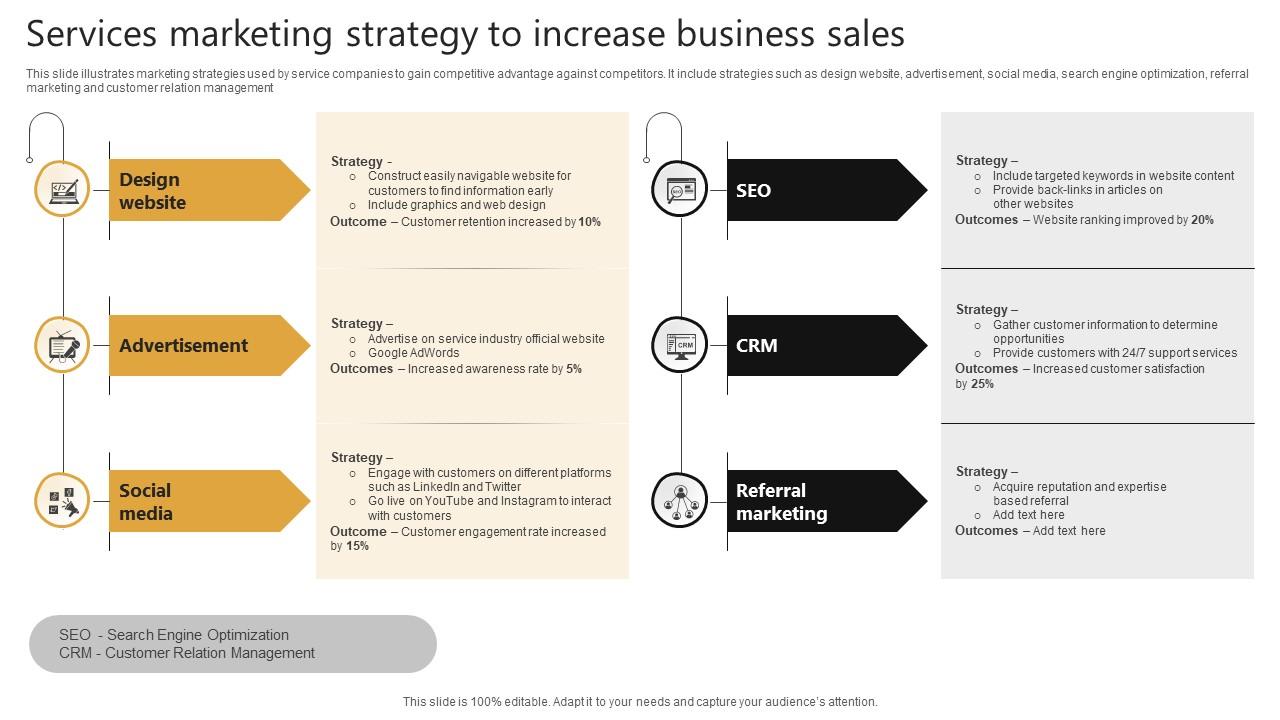
That is the entire premise of this training. It is not a lecture on NIL law and it is not a fundraising pep talk. It is a 60-minute working session in which every person in the room takes one live athlete conversation or one live donor conversation and turns it into an inspectable record: tier, dollar band, deliverables, disclosure status, owner, and next contact date. If a staffer cannot produce that record by the end of the hour, that conversation does not get a public commitment until the collective president signs off.
The same discipline shows up in adjacent worlds. A B2B sales team that lets deal terms live in a rep's head has the same failure mode — the verbal promise nobody can inspect, the sponsor who quietly disengages, the number that appears from nowhere at quarter end. Athletics staffs tend to resist the comparison because "these are kids, not accounts." Fair. But the record-keeping hygiene is identical, and the cost of skipping it is higher in athletics, because a broken promise to an eighteen-year-old travels through a recruiting network faster than any customer reference ever moves.
How the offer pipeline actually works
The mechanism has four moving parts, and most collectives only build two of them.

Part one: offer tiers. Instead of negotiating each athlete individually from zero, you define a small number of bands — typically three to five — with a dollar range and a fixed deliverable set attached to each. A band might be "starter, high-visibility position, four appearances plus eight social posts per year." Every athlete conversation starts by placing the athlete in a band. This does two things: it caps improvisation by position coaches, and it makes the total roster cost a function you can actually forecast, because band count × band midpoint is a number you can sum.
Part two: donor stages. Donor money moves through stages the same way a purchase does — identified, conversation held, verbal commitment, signed agreement, funds received. The stage that ruins collectives is treating "verbal commitment" as money. It is not. In a healthy pipeline, only signed-and-funded dollars back a public athlete commitment, and verbal dollars get a discount factor when you forecast. Many collectives never write this down, which is why they overcommit.
Part three: disclosure and compliance. Under NCAA rules effective since 2024, student-athletes are required to disclose NIL agreements above a dollar threshold to their school, and schools route those through a designated reporting system. In the post-*House* settlement environment, deals involving associated entities are additionally subject to a fair-market-value review process. Your pipeline field for this is binary and unglamorous: *disclosure submitted, yes or no, with date.* Announcements do not precede that date. Ever.
Part four: the weekly inspection. A pipeline nobody opens is a spreadsheet. The AD or collective president reviews the board weekly — not to renegotiate every deal, but to check three things: which rows moved, which rows have a next-contact date in the past, and which rows have a dollar figure with no funded donor behind it.
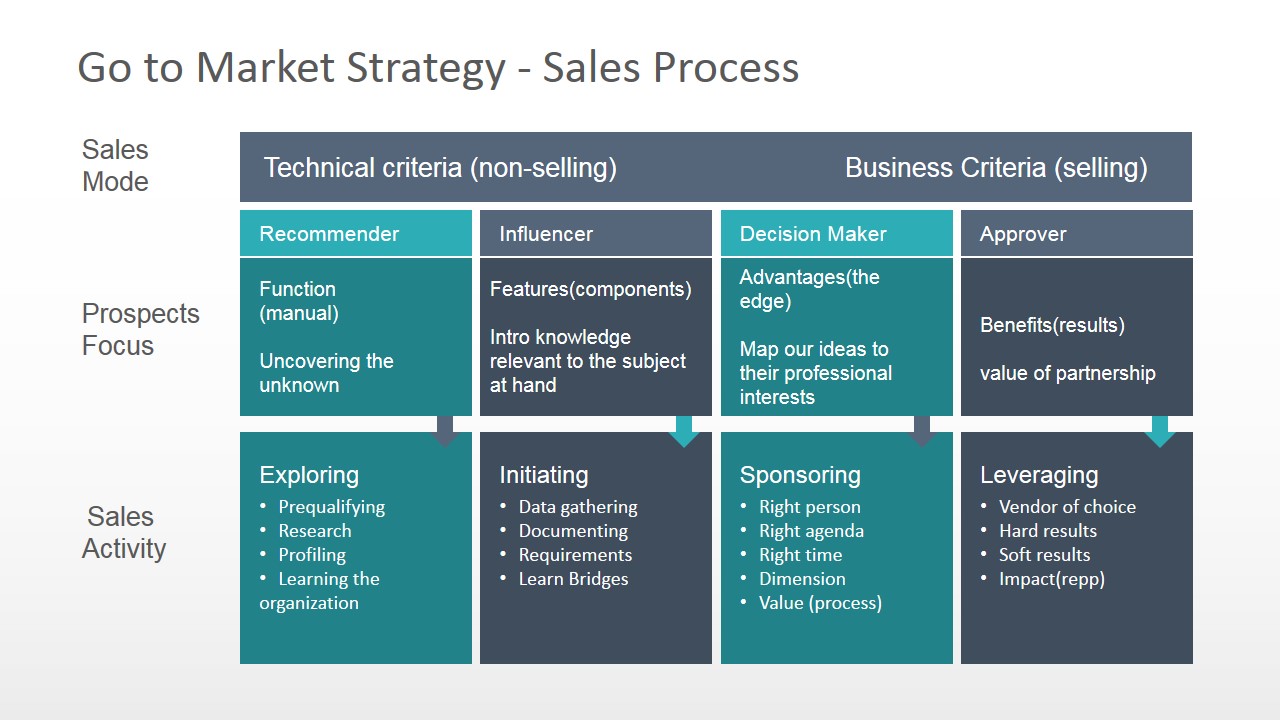
Read that loop carefully. The gate that saves programs is node J — the funded-capacity check sitting between a drafted offer and a public commitment. Most collective blowups happen because someone jumped from F straight to N.
The numbers you should actually be modeling
Be careful with numbers in this space, because a lot of what circulates is unverified. Here is what you can model with defensible structure rather than borrowed rumor.
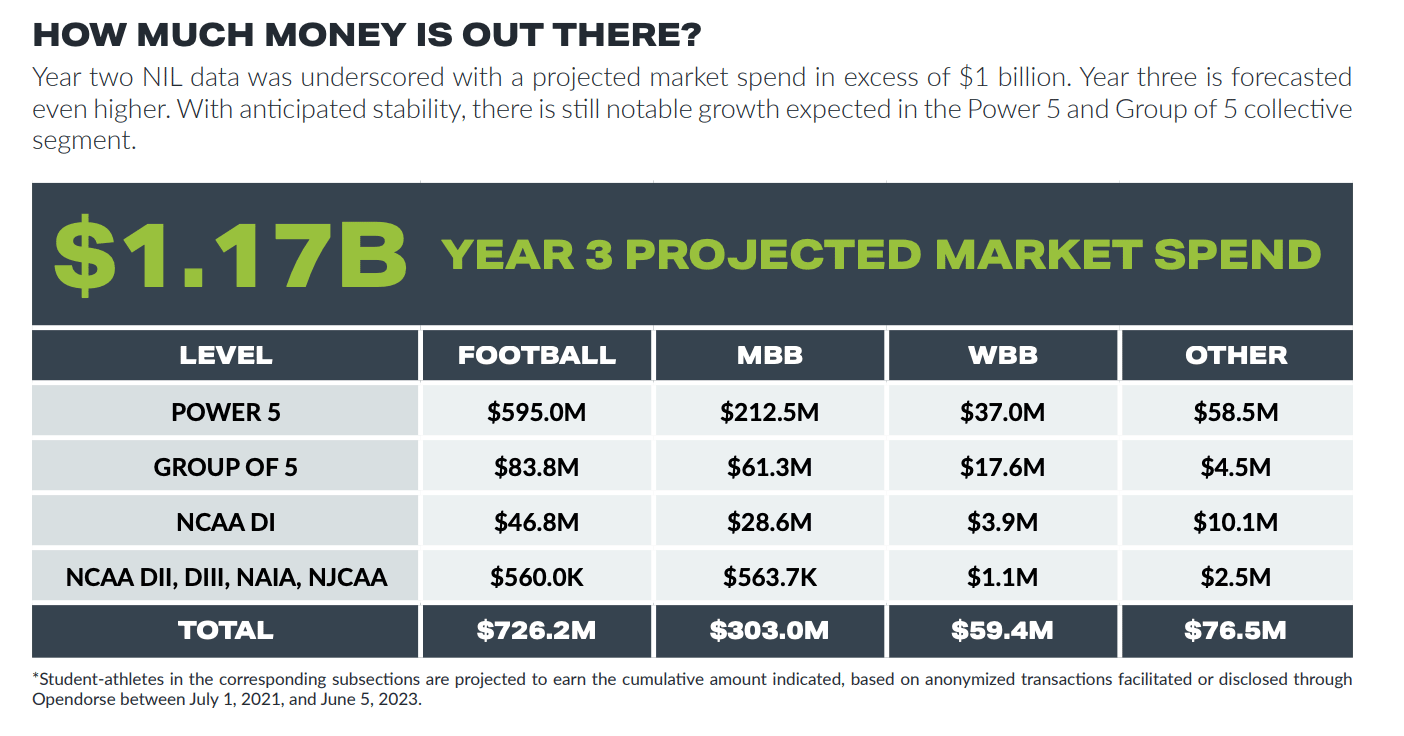
Start from capacity, not from need. Your annual NIL capacity is signed-and-funded donor dollars plus committed corporate sponsorship plus, in the revenue-sharing era, whatever portion of the institutional cap your administration has allocated. The *House v. NCAA* settlement approved in 2025 permits Division I schools to share revenue directly with athletes up to an annual pool that began in the low-twenty-millions range per school for 2025-26 and escalates annually. Critically, that is a ceiling, not a mandate — most Group of Five programs, Tennessee Tech included, operate at a small fraction of it or opt out entirely. Model your own allocation from your athletics budget, not from what the cap allows.
Band the roster. A workable structure for a mid-major football or basketball roster is four bands. Assume a top band that consumes roughly 30-40% of your total pool across a handful of athletes, a second band absorbing another 25-30%, a broad third band covering most of the roster at modest per-athlete figures, and a fourth band reserved for portal responses and mid-season adjustments. That fourth band is the one everyone forgets, and it should be 10-15% of the pool held in reserve. If you allocate to 100% before the portal opens, you have no answer when a competitor moves on your starting quarterback.
Discount your verbals. Track your own historical conversion from verbal pledge to received funds. Until you have that data, a conservative planning assumption is that a meaningful share of verbal pledges — call it a third — will shrink, delay, or evaporate. Forecast against signed dollars and treat verbals as upside. A collective that forecasts on verbals will overcommit in exactly the year its largest donor has a bad quarter.
Cost of a bad exit. Model this explicitly, because it justifies the whole process. If a starter leaves in the portal, your replacement cost is not the departing athlete's band figure — it is the market rate for a mid-season replacement, which is higher, plus recruiting travel, plus the on-field cost of a season. Programs that have run this math tend to conclude that a retention conversation held six weeks early is the cheapest line item in the budget.
Session-level metrics. For the training itself, track three things weekly: percentage of active athlete conversations with a completed offer sheet (target above 80% within four weeks), percentage of donor rows with a next-contact date in the future (target 100% — a past-due date is a process failure, not a judgment call), and disclosure-before-announcement compliance (target 100%, no exceptions, and any miss triggers a written post-mortem).
Running the sixty minutes

The agenda is tight on purpose. Sum it, keep a visible timer, and do not let it become a status meeting — the moment someone says "let me give an update on my guys," the session is dead.
Frame (8 minutes). The facilitator — the AD, the collective GM, or the senior associate AD, never a rotating volunteer — opens with one real situation from the past year where a conversation lived in a text thread and cost the program something. Name the sport, name the stage, name the field that was empty. No slides.
Teach the four layers (12 minutes). Walk offer tiers, donor stages, disclosure status, and next external touch. Show one completed offer sheet on screen as the exemplar. Everyone in the room should be able to describe a band without looking it up by the end of this block.
Solo build (15 minutes). Silent. Every person opens one real conversation and fills the worksheet: athlete or donor name, band or stage, dollar range, deliverables, disclosure status with date, owner, next contact date, and one direct quote from the athlete, family member, or donor with the date it was said. That last field is the one people fight. Insist on it. A quote with a date is evidence; a summary is a story.
Pair challenge (13 minutes). Pairs swap sheets. The challenger's only job is to ask "how do you know?" of every claim. "He's happy here" — how do you know, and when did he say it? "She's good for another $25,000" — signed or verbal, and what date? Any claim that cannot survive that question gets flagged as an information gap, which becomes a task with a date.
The rational no (8 minutes). This block exists because the alternative to a bad offer is not always a better offer — sometimes it is no offer. Practice the three legitimate outcomes: park it, downgrade the band, or walk. Give a staffer explicit permission to say "we should not match this," and back them publicly when they do. A collective that never walks away has no budget discipline, only optimism.
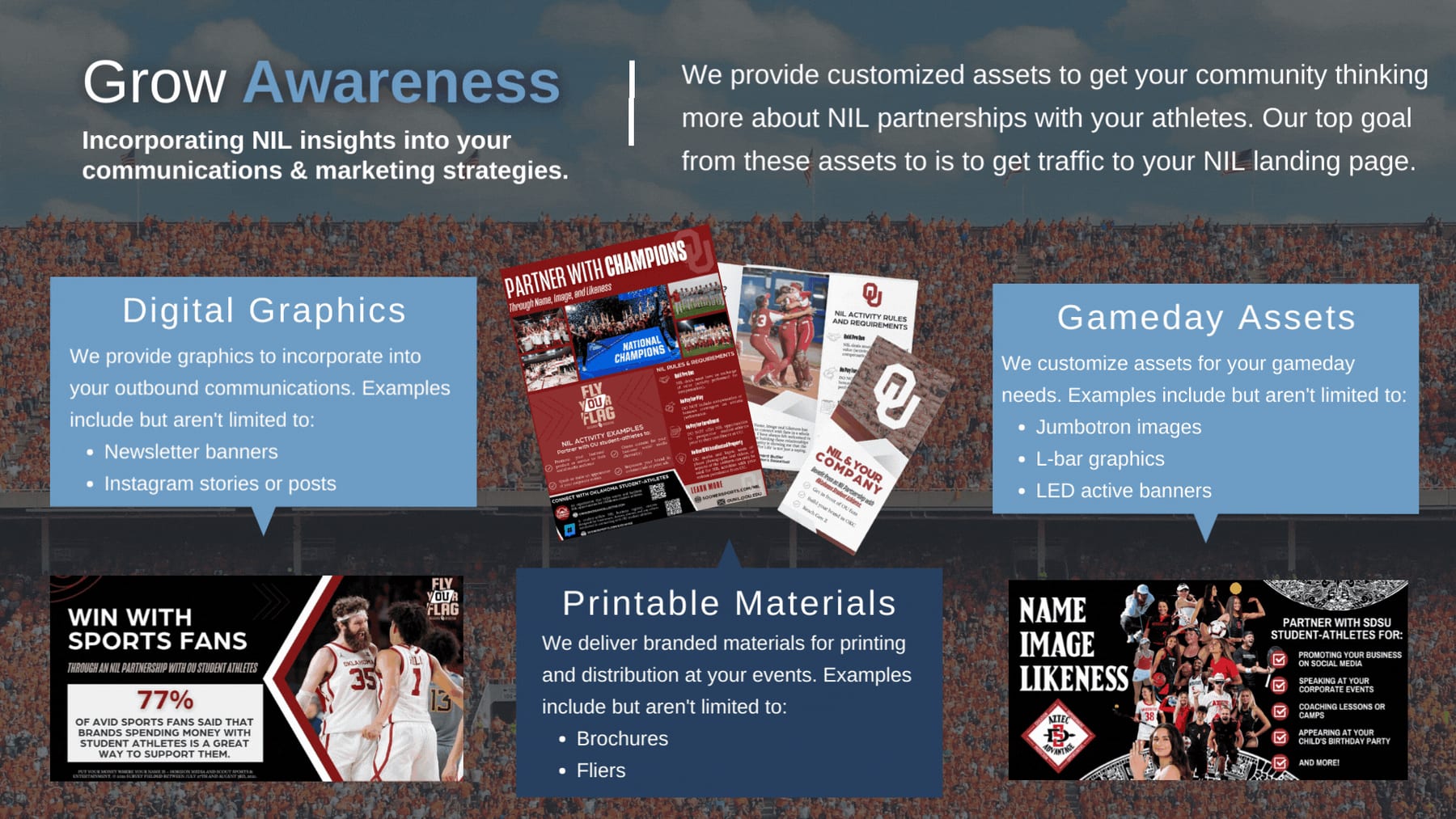
Commit (4 minutes). Round-robin: name, band or stage, next contact date, go or no-go. Then the line that makes it real — if the president opens the board tonight, the row is there.
Eight plus twelve plus fifteen plus thirteen plus eight plus four is sixty. Hold it.
Trade-offs: how much structure is too much
Every design choice here has a cost, and pretending otherwise is how good process gets abandoned in week three.
Centralized collective vs. sport-by-sport autonomy. Centralizing gives you one board, one forecast, and consistent bands. It also slows down a basketball coach who needs an answer in four hours during a portal window. The workable compromise most programs land on: centralized bands and centralized funding, but a pre-authorized fast-lane where the GM can commit up to a defined ceiling without a full review, with mandatory same-day logging.
Rigid tiers vs. per-athlete negotiation. Rigid tiers are forecastable and defensible when a locker room compares notes — and they will compare notes. But rigid tiers lose the athlete whose market value genuinely sits between bands. Build one documented exception path, require the president's sign-off, and log every exception. If exceptions exceed roughly one in five deals, your bands are wrong; redesign them rather than routing around them.

Spreadsheet vs. purpose-built software. A shared spreadsheet with locked columns costs nothing and works for a mid-major roster. Purpose-built collective and compliance platforms give you audit trails, disclosure workflows, and permissions that a spreadsheet cannot. The honest trade is that software does not fix a staff that will not log. Start on the spreadsheet, prove the behavior for a full cycle, then buy tooling to remove friction you have already measured.
Revenue-share allocation vs. collective fundraising. Post-settlement, programs choose how much of athlete compensation flows through institutional revenue sharing versus third-party NIL. Institutional dollars are more predictable and cleaner to administer; collective dollars are more elastic and can move faster. Most mid-majors run both, and the coordination failure to watch for is double-counting — an athlete told a number by the department and a different number by the collective.
Where these programs go wrong
Announcing before disclosure clears. The most common and most expensive error. A photo goes out, then compliance discovers the agreement structure has a problem. Fix: make the announcement asset physically unavailable until the disclosure date field is populated. Process beats willpower.
Treating verbal donor pledges as funded. Covered above, but it deserves repeating because it is the root cause of most collective insolvency stories. A verbal is a lead, not revenue.
Letting position coaches quote numbers. Coaches recruit; they should not price. Give every coach a single sanctioned sentence — the equivalent of a talk track — that routes the money conversation to the GM without sounding evasive. Practice it in the pair-challenge block.

No reserve for the portal. Allocating to 100% in August means every December surprise comes out of someone else's promised money. Hold 10-15% back.
Forgetting the deliverable side. NIL agreements obligate the athlete to do something — appearances, posts, autograph sessions. If nobody tracks fulfillment, donors stop renewing, and you have quietly converted a sponsorship program into a donation program with worse retention. Assign a single owner for fulfillment tracking and review it in the same weekly meeting.
Running the session as a status update. Say it once more: no round-the-room updates. Artifacts only.
Ignoring the non-revenue sports. A strategy that only covers football and men's basketball creates a visible two-tier culture and carries real Title IX-adjacent exposure in how opportunities are promoted and supported. Build at least a modest band structure across the department, and document how athletes across sports are informed of opportunities.
No handoff when staff turns over. Collectives lose institutional memory fast. Every row needs an owner field, and every owner departure needs a documented reassignment. This is the single easiest thing to fix and the most frequently skipped.
Related questions
Who should facilitate this training?
The person accountable for the number — the collective GM or the senior athletics administrator who owns NIL. Facilitation by someone without budget authority turns the commit block into theater, because no one in the room can be held to what they said.
How often should it run?

Weekly during portal windows and the six weeks before them. Monthly in the offseason. Drop the cadence when staffers stop surfacing new edge cases, and spin it back up the moment a new funding source or rule change lands.
Does this apply to non-revenue sports?
Yes, at smaller scale. The bands are lower and the donor pool is narrower, but the disclosure requirement, the owner field, and the next-contact date are identical. Skipping non-revenue sports is how programs build a two-tier culture nobody defends publicly.
What if we have no dedicated NIL staff?
Then the training matters more, not less. With no dedicated staff, the process *is* the staff. Run it with whoever touches athlete or donor conversations — compliance, development, coaching — and keep the worksheet to a single page.
FAQ
How long should this session run? Sixty minutes is the default and it is enough. A ninety-minute version works once a year for a preseason planning session, with the extra thirty minutes spent on band design rather than more role-play. Never compress below sixty — the pair-challenge block is where offer quality actually improves, and it is the first thing cut when time runs short.
What goes in the offer sheet, minimum? Eight fields: athlete or donor name, sport, band or pledge stage, dollar range, deliverables, disclosure status with date, owner, and next contact date. Plus one dated quote. If your sheet has more than a dozen fields, people will stop filling it out, and a half-filled sheet is worse than none because it looks complete.
Do we need software to do this? No. Start with a shared spreadsheet with locked columns and a single editable row per conversation. Buy purpose-built compliance or collective-management tooling once you have run a full cycle and can name the specific friction you are paying to remove. Buying first usually produces an expensive, empty database.
How does revenue sharing change the collective's role? It shifts the collective from primary funder toward supplemental and relationship-driven funding, and it makes coordination the central risk. The failure mode is an athlete hearing one number from the department and a different one from the collective. One board, one number, one owner per athlete.
What is the fastest way to lose donor trust? Take a pledge, spend against it publicly, and never report back on what the athlete actually delivered. Donors renew on fulfillment evidence — appearances made, posts published, events attended. Send a short quarterly fulfillment summary and renewal conversations get dramatically easier.
How do we handle an athlete who brings us a competing number? Treat it as information, not an ultimatum. Ask what the structure is — total, over how long, guaranteed or performance-contingent, what deliverables attach. Many competing figures shrink under those four questions. Then decide against your band and your reserve, and be willing to say no.
Sources
- https://www.ncaa.org/sports/2021/6/28/ncaa-name-image-likeness-policy-question-and-answer.aspx
- https://www.ncaa.org/news
- https://www.espn.com/college-sports/story/_/id/40507207/house-v-ncaa-settlement-explained
- https://sports.usnews.com/
- https://www.knightcommission.org/
- https://www.tntech.edu/
- https://ovcsports.com/
- https://www.si.com/college
- https://www.athleticbusiness.com/
- https://www.sportico.com/
Related on PULSE
- The Sales Tech Stack Reboot — 60-Min Training
- 2027 NIL Go-to-market Strategy FOR Texas A&M-Commerce D1 College — 60-Min Training
- 2027 NIL Go-to-market Strategy FOR Southeastern Louisiana D1 College — 60-Min Training
- 2027 NIL Go-to-market Strategy FOR South Dakota D1 College — 60-Min Training
- 2027 NIL Go-to-market Strategy FOR Rhode Island D1 College — 60-Min Training
- 2027 NIL Go-to-market Strategy FOR Northern Colorado D1 College — 60-Min Training
This page will be disappearing soon. Save it to your device for $1 — or read it free while it is here.
@Kory-White- · if Venmo asks, the last 4 of my number are 2012
This page is gone.
This one is off the shelf now. $1 keeps it on your phone for good — the whole page, pictures and diagrams included.
 sales-training2027 NIL Go-to-market Strategy FOR Central Arkansas D1 College — 60-Min Training
 sales-training2027 NIL Go-to-market Strategy FOR Northern Arizona D1 College — 60-Min Training
 sales-training2027 NIL Go-to-market Strategy FOR Texas A&m-commerce D1 College — 60-Min Training
 sales-training2027 NIL Go-to-market Strategy FOR North Dakota State D1 — 60-Min Training
 sales-training2027 NIL Go-to-market Strategy FOR Abilene Christian D1 College — 60-Min Training
 sales-training2027 NIL Go-to-market Strategy FOR Prairie View A&M D1 — 60-Min Training
 sales-training2027 NIL Go-to-market Strategy FOR Holy Cross D1 College — 60-Min Training
 sales-training2027 NIL Go-to-market Strategy FOR William & Mary D1 — 60-Min Training
 sales-training2027 NIL Go-to-market Strategy FOR Southeastern Louisiana D1 College — 60-Min Training
 sales-training2027 NIL Go-to-market Strategy FOR Eastern Illinois D1 College — 60-Min Training